Vegetables Michigan Gardeners Can Direct Sow In April
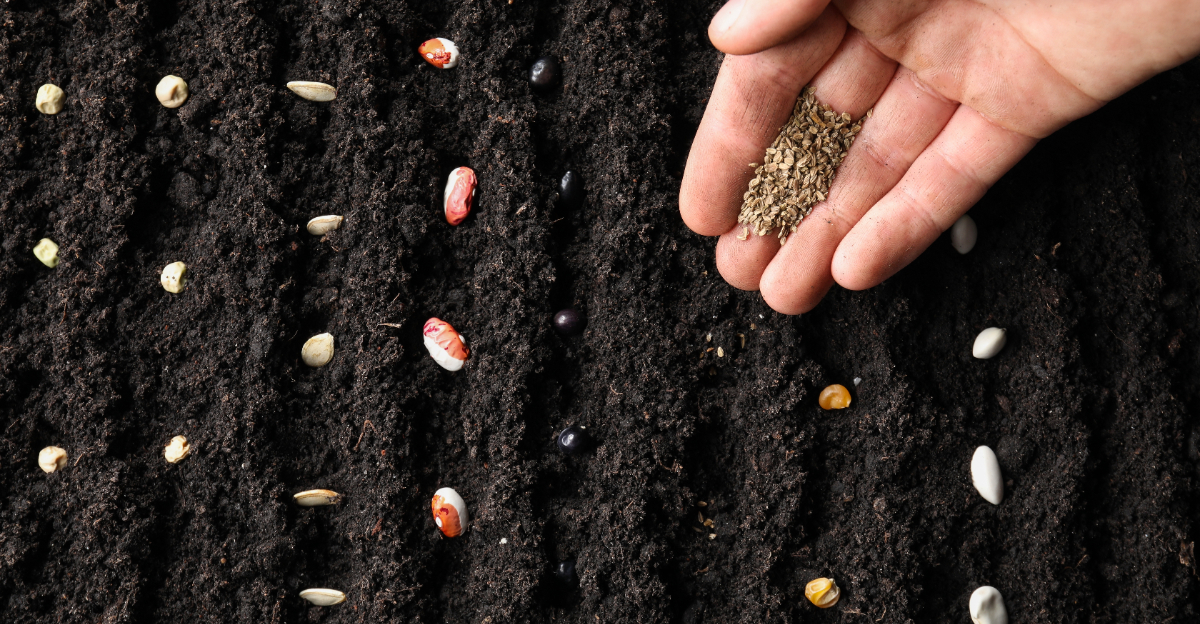
April is when many Michigan gardeners are eager to get seeds into the ground, especially after months of waiting for warmer weather. As the soil begins to thaw and dry out, it finally becomes possible to start planting again.
But not every vegetable needs to be started indoors or delayed until later in the season. Some crops actually do better when they are sown directly into the garden this time of year.
These vegetables can handle cooler soil and light frosts, making them a great choice for early planting. Getting them started now can lead to strong growth and an earlier harvest.
In Michigan’s short growing season, using this window wisely can really pay off. Once you know which vegetables to direct sow in April, you can take full advantage of the season and get your garden off to a strong start.
1. Spinach
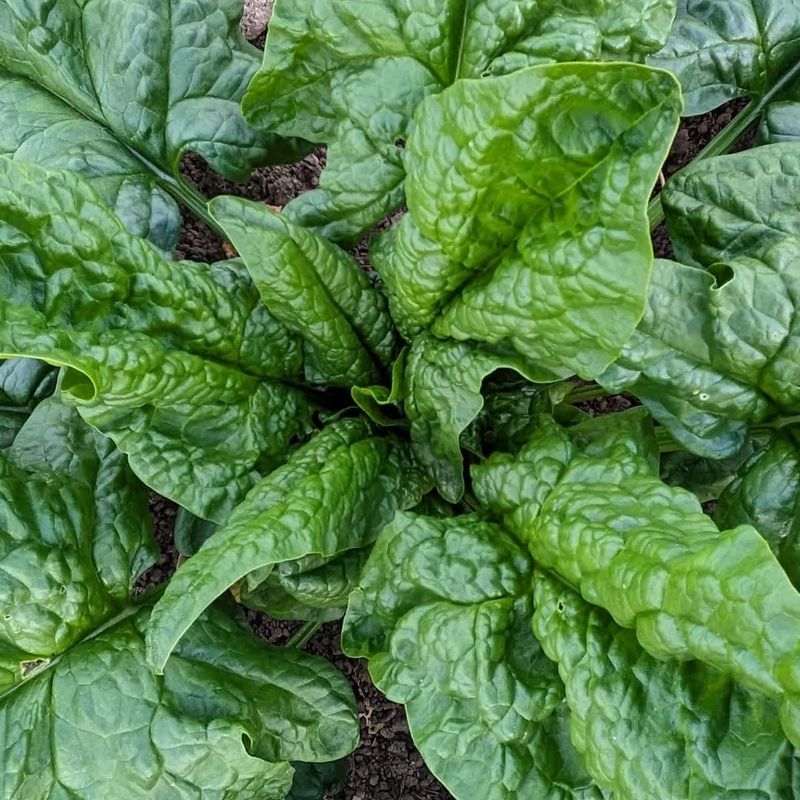
Few vegetables are as eager to grow in early spring as spinach. The moment Michigan soil becomes workable in April, spinach seeds are ready to go right into the ground.
They germinate happily in soil temperatures as low as 40 degrees Fahrenheit, which makes them a perfect match for Michigan’s chilly early spring mornings.
Sow seeds about half an inch deep and space them roughly two inches apart in rows. Keep the soil evenly moist but not waterlogged, because spinach roots like consistent moisture without sitting in puddles.
Raised beds and lighter soils warm up faster across the Lower Peninsula, giving seeds a slight edge in early establishment even when nights are still cold.
Spinach grows quickly once it sprouts, often ready to harvest within 40 to 50 days. You can snip outer leaves as needed and the plant will keep producing, giving you multiple harvests from a single sowing.
Succession planting every two weeks through mid-April will stretch your harvest window nicely.
One of the best things about growing spinach in Michigan is that the cool spring air actually improves the flavor. Leaves become sweeter and more tender in cold conditions compared to summer heat.
Once temperatures climb consistently above 75 degrees, spinach will bolt and turn bitter, so enjoy that fresh spring harvest while Michigan weather is still on your side.
2. Radishes
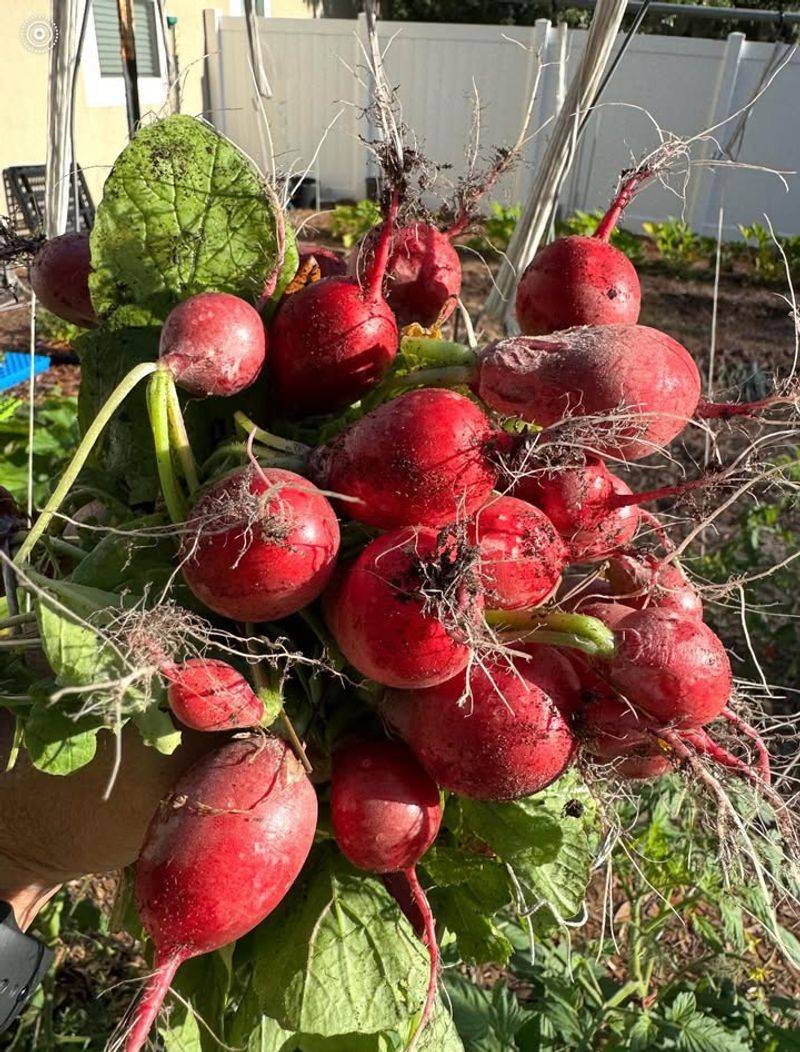
If you want the fastest payoff in your Michigan garden, radishes are your best friend in April. These crisp, peppery little roots can go from seed to harvest in as little as 22 to 30 days, which means you could be pulling your first radishes before May even arrives.
That kind of speed is genuinely hard to beat in any garden. Sow radish seeds about half an inch deep and one inch apart directly into prepared soil.
Michigan’s cool April temperatures are nearly ideal for radish growth because the roots develop their best texture and flavor when the soil stays cool.
Once heat sets in later in spring, radishes tend to become woody and overly spicy, so getting them in the ground early is the smart move.
Thinning is an important step that many first-time gardeners skip. When seedlings are about an inch tall, thin them to about two inches apart so each root has enough space to swell properly.
Your Michigan Garden Changes Every Week. Your Plan Should Too.
Gardening in Michigan changes quickly throughout the season. Every Friday you’ll receive a simple weekly plan showing exactly what to plant, prune, fertilize, harvest, and protect so you never miss the right timing.
Crowded radishes produce small, misshapen roots that are less satisfying to eat.
Radishes also work beautifully as row markers in Michigan gardens. Because they sprout so fast, you can plant them between slower-growing crops like carrots to mark your rows while waiting for other seeds to emerge.
They are genuinely one of the most useful and beginner-friendly vegetables you can grow this April.
3. Peas
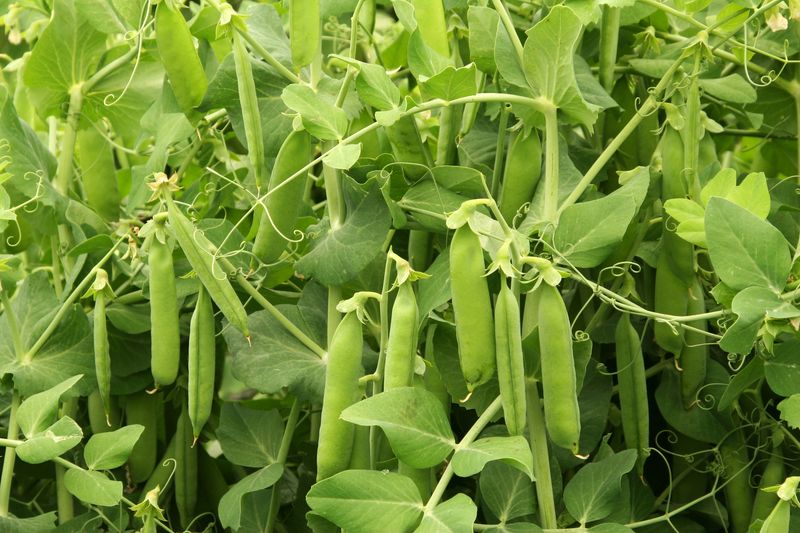
Peas have a long and beloved history in spring gardens across Michigan, and for good reason. They are one of the few vegetables that actually prefer cold soil and cool air, making April the absolute sweet spot for getting them in the ground.
Planting peas too late, once temperatures warm past 70 degrees consistently, leads to poor pod production and stressed plants.
Push seeds about one to two inches deep into well-prepared soil and space them about two inches apart in the row. Peas climb naturally, so setting up a simple trellis, fence, or even some twiggy sticks right at planting time saves you work later.
Michigan gardeners who skip the support structure often find their pea vines tangled on the ground by late May.
Peas fix their own nitrogen from the air through root bacteria, which means they actually improve your soil as they grow. This makes them a fantastic crop to rotate through different beds each year across your Michigan garden.
After harvest, turn the spent plants back into the soil to boost organic matter.
Expect to start harvesting snap or shelling peas roughly 60 to 70 days after planting, depending on the variety. Picking pods regularly encourages the plant to keep producing, so check your vines every couple of days once they start flowering.
Fresh Michigan-grown peas eaten straight from the vine are an experience every gardener should have at least once.
4. Carrots
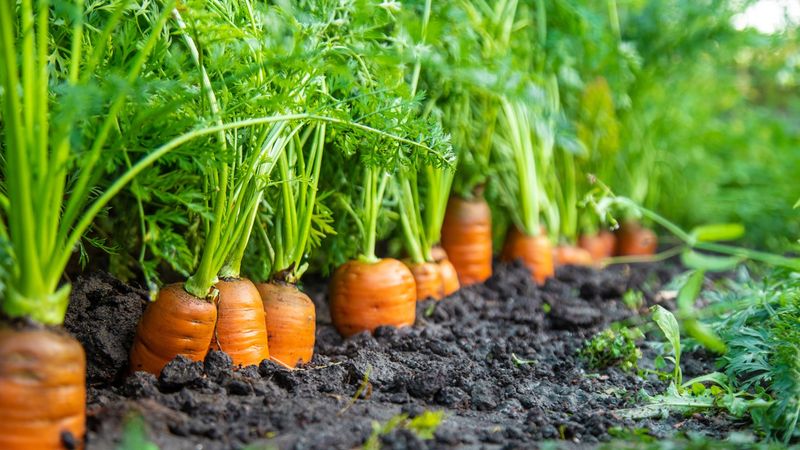
Carrots take a little patience, but planting them in April in Michigan sets you up for a truly rewarding early summer harvest. Carrot seeds are tiny and slow to germinate, sometimes taking up to three weeks to show their first feathery tops above the soil.
The key is keeping the soil surface consistently moist during that entire waiting period so the seeds do not dry out before they sprout.
Sow seeds very shallowly, about a quarter inch deep, in loose, well-drained soil. Michigan gardeners dealing with heavy clay soil should amend their beds with compost or consider growing shorter carrot varieties that handle denser ground better.
Rocky or compacted soil causes forked, stubby roots that are still edible but far less satisfying than a long, straight carrot.
Once seedlings are about two inches tall, thin them to roughly two to three inches apart. Skipping this step is one of the most common mistakes Michigan gardeners make with carrots.
Crowded roots compete for space and nutrients, leading to smaller, twisted vegetables that take longer to mature.
Spring moisture across Michigan actually works in your favor with carrots, since consistent soil moisture is critical for steady root development. Mulching between rows helps retain that moisture and keeps the soil cool, which carrots love.
Expect to harvest in about 70 to 80 days, and look forward to that sweet, crisp flavor that fresh-grown Michigan carrots deliver every time.
5. Lettuce
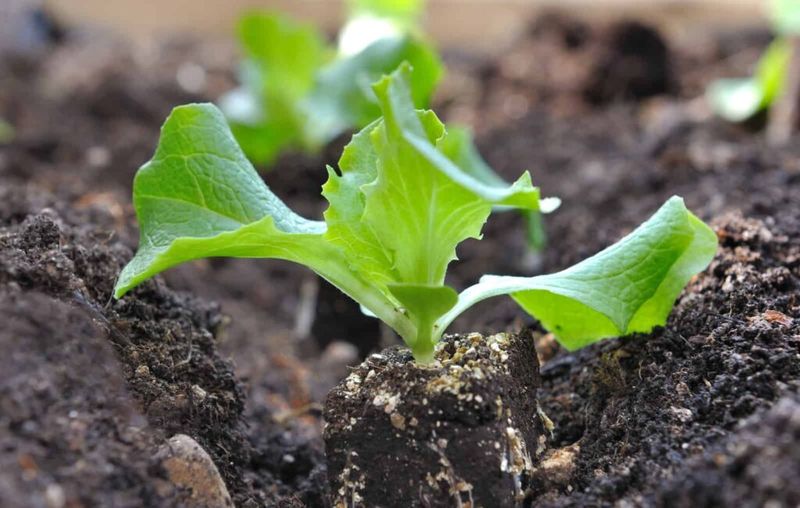
Lettuce is one of those crops that practically grows itself in Michigan’s cool April weather. It tolerates light frost without missing a beat, which means you can start sowing seeds outdoors even when chilly nights are still in the forecast.
Few vegetables reward Michigan gardeners so quickly with so little effort in early spring.
Scatter seeds lightly across prepared soil or sow them in shallow furrows about an eighth of an inch deep. Lettuce seeds need light to germinate, so avoid burying them too deeply.
Keep the soil surface moist and you should see tiny seedlings emerge within seven to ten days, especially in the warmer southern parts of Michigan’s Lower Peninsula.
One of the smartest strategies is to grow a mix of varieties together in the same bed. Loose-leaf types like Black Seeded Simpson or Red Sails mature quickly and can be cut and regrown multiple times.
Romaine and butterhead types take a bit longer but reward you with fuller, more substantial heads perfect for salads.
Succession sowing every ten days through April keeps fresh lettuce coming to your kitchen table without a gap. Once Michigan temperatures push consistently into the high 70s and beyond, lettuce will bolt and turn bitter.
Planting in a spot with afternoon shade can extend your harvest by a week or two, which is a smart trick for Michigan gardeners looking to stretch the season.
6. Beets
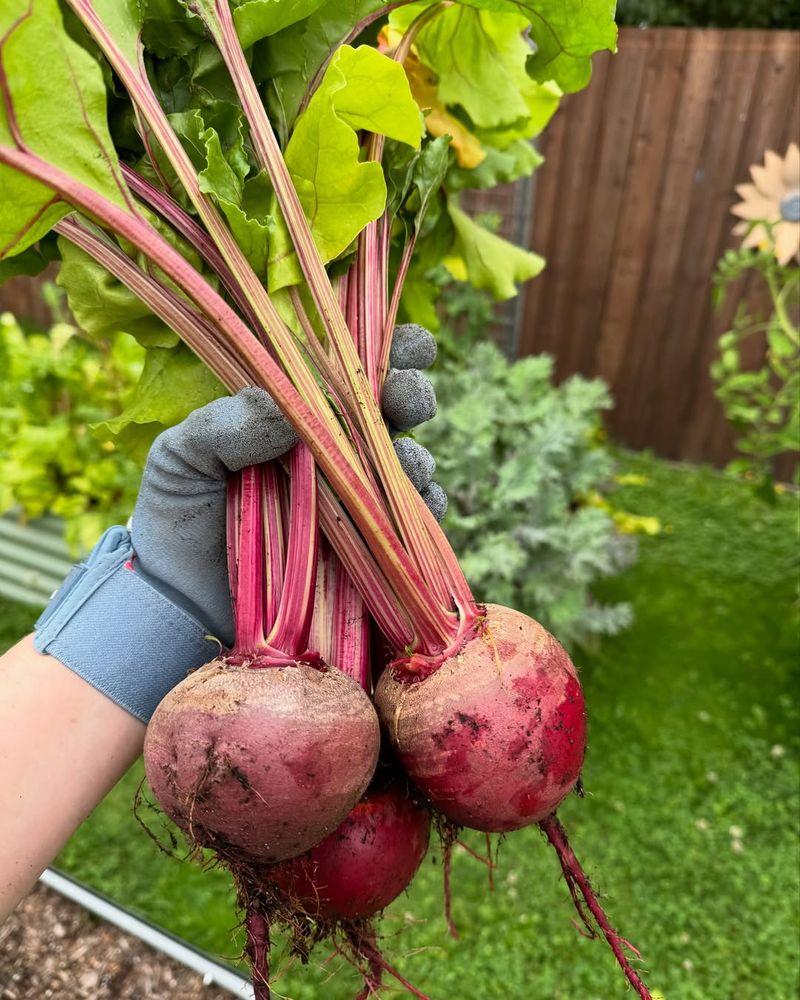
Beets are one of those wonderfully versatile vegetables that give you two crops in one planting. The roots are sweet and earthy, perfect for roasting or pickling, and the leafy green tops are tender and nutritious, great for sauteing or tossing into salads.
Getting them into Michigan soil in April means you enjoy both benefits before summer heat arrives.
What looks like a single beet seed is actually a cluster of two to four seeds fused together. This means even careful spacing leads to some crowding, and thinning is absolutely necessary.
Sow seeds about half an inch deep and two to three inches apart, then thin seedlings to about four inches apart once they reach two inches tall. The thinned seedlings are edible, so nothing goes to waste.
Beets germinate best when soil temperatures are between 50 and 65 degrees Fahrenheit, which describes Michigan’s April soil conditions quite well.
They tolerate light frost without trouble, making them a reliable early-season crop even in northern parts of the state where cold snaps linger longer into spring.
Consistent watering is the most important thing you can do for beet roots in Michigan. Uneven moisture causes the roots to crack or develop tough, woody texture.
Mulching around the plants helps maintain steady soil moisture levels and keeps weeds from competing for nutrients. Expect your first beet harvest in about 55 to 70 days after sowing, depending on the variety you choose.
7. Arugula
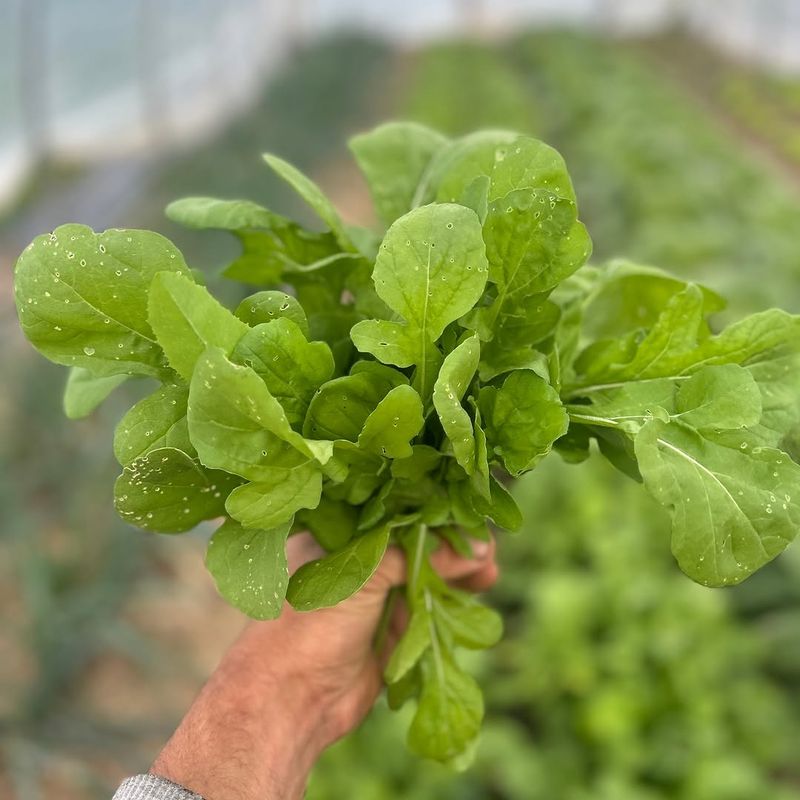
Arugula is the secret weapon of Michigan spring gardens. It grows so fast and so easily in cool April conditions that even first-time gardeners are usually surprised by how quickly it fills a bed.
The peppery, slightly nutty flavor of freshly picked arugula is unlike anything you find at a grocery store, and once you grow it yourself, you will not want to go back.
Scatter seeds directly across prepared soil and press them lightly into the surface, covering them with just a thin layer of soil no deeper than a quarter inch.
Arugula germinates in cool soil and can sprout in as few as five to seven days when Michigan spring temperatures hover in the 50s. The plants grow low and bushy, filling in quickly to form a lush, harvestable bed.
Succession sowing is the best approach with arugula. Plant a small batch every one to two weeks through April so you always have young, tender leaves coming in.
Older leaves become increasingly spicy and tough, so frequent small sowings keep the flavor mild and the texture perfect for fresh eating.
Michigan’s cool spring air genuinely enhances arugula’s flavor. The same plant grown in July heat tastes aggressively bitter compared to its April counterpart.
Planting in a spot with light afternoon shade can extend the season a bit once temperatures begin climbing. Arugula is also beautiful in container gardens on Michigan porches and patios, making it as practical as it is delicious.
8. Turnips
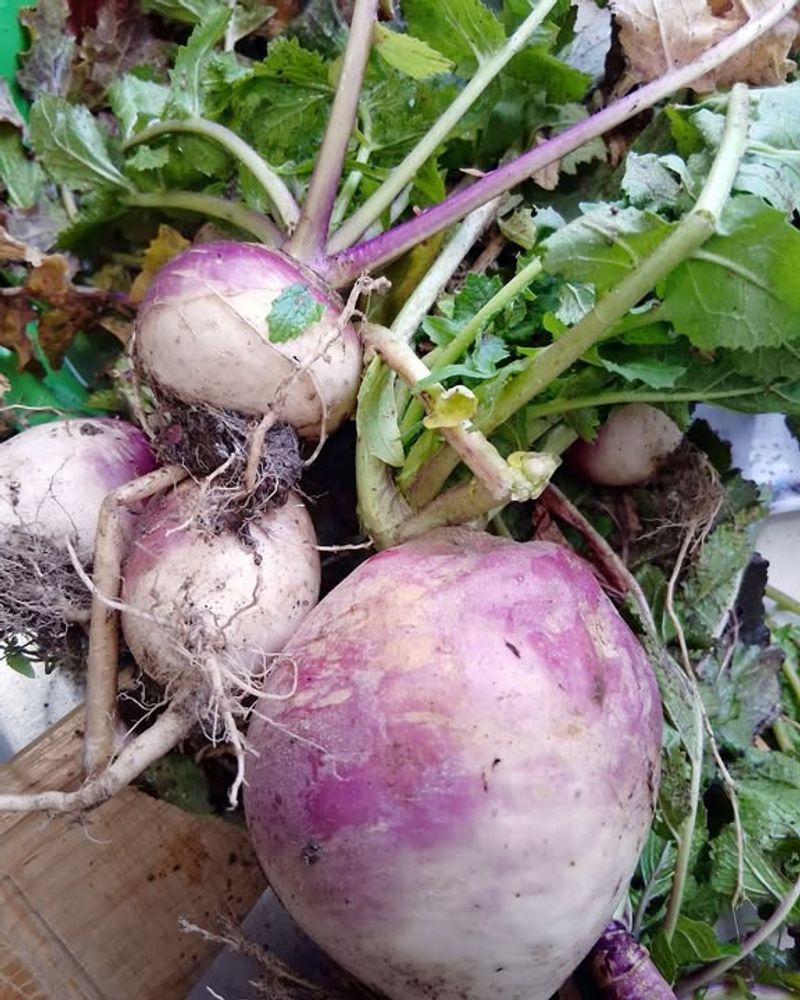
Turnips do not always get the attention they deserve, but Michigan gardeners who plant them in April are in for a real treat.
These fast-growing roots thrive in cool soil and produce both tender greens and sweet, mild bulbs that taste far better when grown in spring than in summer heat. April planting puts turnips in their ideal conditions from the very start.
Sow seeds about half an inch deep and one inch apart in rows spaced roughly twelve inches apart. Turnip seeds are small but germinate quickly, often poking through the soil within four to seven days in Michigan’s cool April conditions.
Once seedlings reach about four inches tall, thin them to four to six inches apart so the roots have enough room to develop fully without crowding each other.
The greens are edible at any stage and are packed with vitamins. Many Michigan gardeners harvest the thinnings as baby greens while simultaneously giving the remaining plants more space to grow.
This cut-and-come-again approach means you get multiple uses from a single planting without wasting anything.
Turnip roots are ready to harvest in about 35 to 60 days depending on variety, making them one of the faster root vegetables you can grow. Harvest when roots are two to three inches in diameter for the best flavor and texture.
Waiting too long causes the roots to become pithy and less pleasant to eat, so check them regularly as harvest time approaches in your Michigan garden.