This Simple April Tip Helps Trees And Shrubs Stay Healthy In Arizona
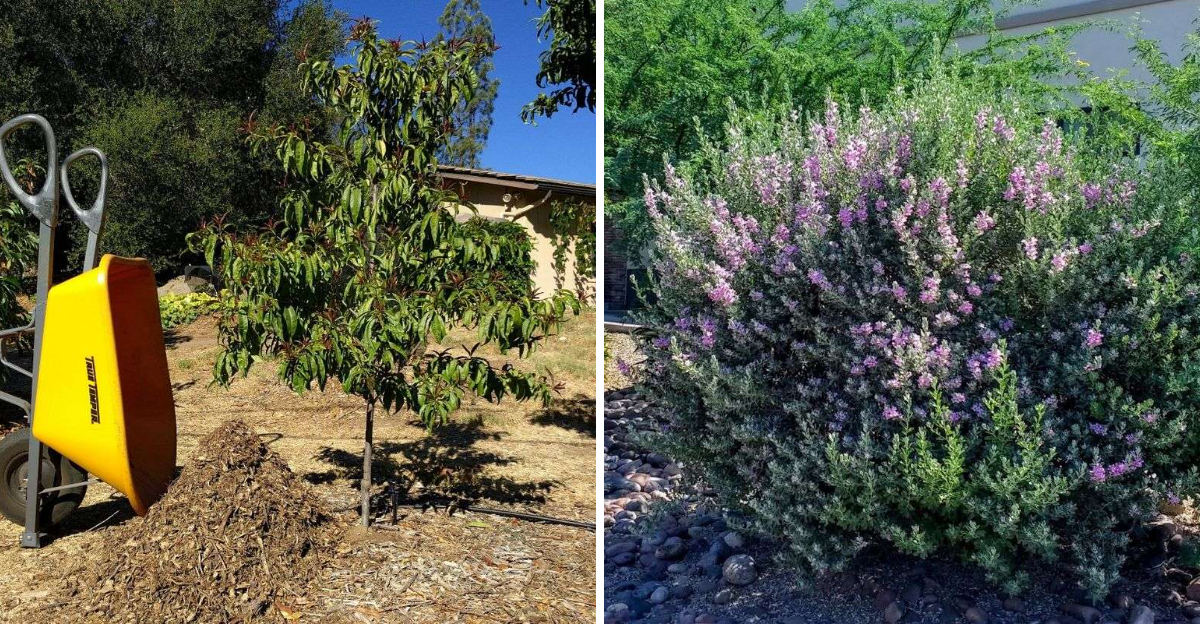
April moves fast in Arizona, and plants feel it before anything looks wrong. Trees and shrubs may seem fine on the surface, but early stress often builds quietly as the sun gets stronger and the soil dries out quicker each day.
Many problems later in the season trace back to what happens right now. One small shift can keep growth steady, protect leaves, and help plants handle the coming heat without constant effort.
It does not take a long list of changes, just the right move at the right time.
If plants have been harder to manage or not looking as strong as expected, this is the moment to step in. A simple adjustment now can keep trees and shrubs on track and make everything easier as temperatures rise.
1. Mulch To A Depth Of Three To Four Inches To Protect Roots From Heat
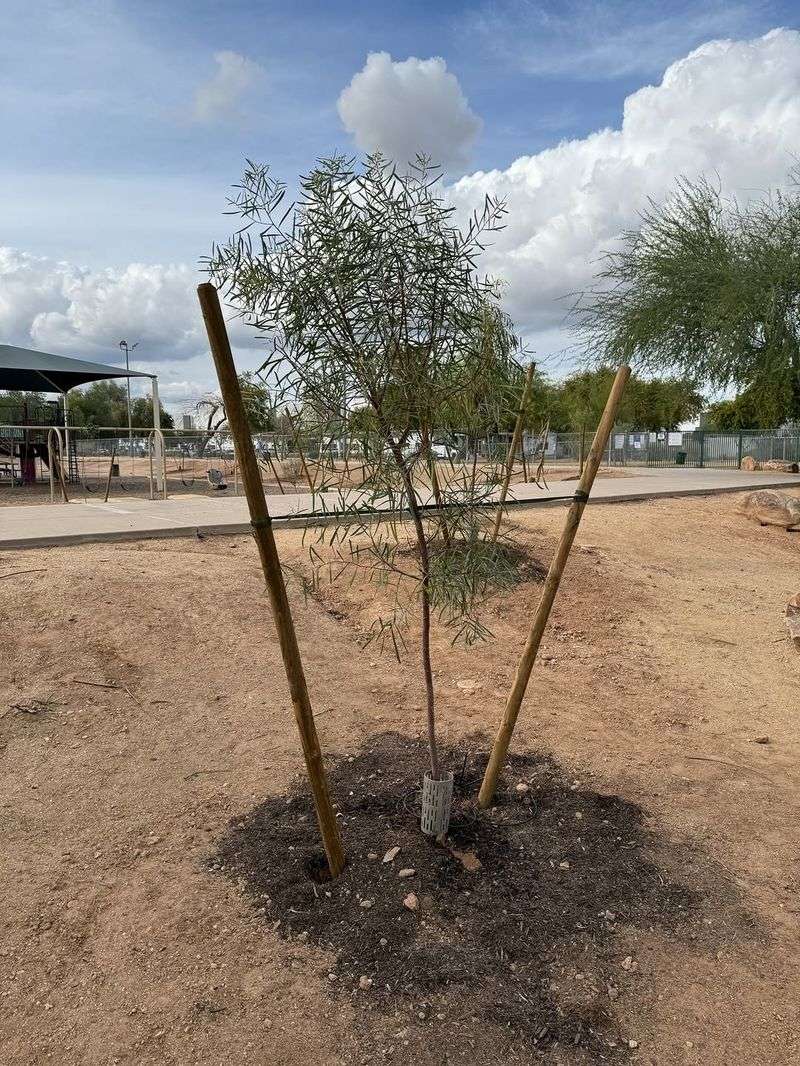
Root protection starts at ground level, and in Arizona, that matters more than most people realize. By April, soil temperatures in the Phoenix area and across the Valley can spike fast enough to stress even drought-tolerant trees.
A three to four inch layer of mulch acts like a blanket between the soil and that brutal overhead sun.
Wood chips work especially well for this. They stay in place, break down slowly, and keep soil temperatures noticeably cooler than bare ground.
If you have a thermometer, stick it in mulched soil versus unmulched soil on a hot April afternoon. The difference is easy to see.
Going thinner than three inches usually is not enough to do the job. Two inches compresses quickly and loses its insulating effect within weeks, especially under Arizona sun.
Four inches holds up longer and keeps moisture locked in without smothering the roots underneath.
Aim to apply mulch before the real heat sets in. Mid to late April is still a good window across most of Arizona, including Tucson and the East Valley.
Waiting until June means your roots have already been baking for weeks with no protection.
Organic wood chip mulch is widely available at local nurseries and landscape supply yards across the state. Some municipalities even offer free wood chip mulch from tree trimming operations.
Grab it when you can and put it to work protecting your trees before summer arrives.
2. Keep Mulch A Few Inches Away From The Trunk To Prevent Damage
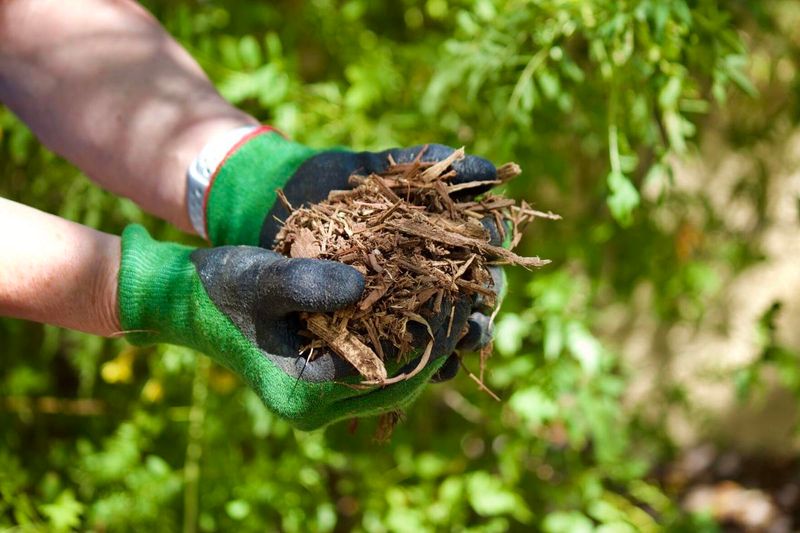
Pushing mulch right up against a tree trunk feels like the right move, but it actually causes problems. Bark that stays wet and covered traps moisture against the trunk, softening the outer layer and inviting fungal issues and insects that chew through weakened wood.
Keep a clear gap of two to three inches between the mulch and the trunk itself.
It looks a little odd at first, like a donut ring around the base of the tree. But that open collar around the trunk lets air circulate and keeps the bark dry.
Dry bark is healthy bark, especially in Arizona where humidity is low but irrigation water still pools around tree bases.
Your Arizona Garden Changes Every Week. Your Plan Should Too.
Gardening in Arizona changes quickly throughout the season. Every Friday you’ll receive a simple weekly plan showing exactly what to plant, prune, fertilize, harvest, and protect so you never miss the right timing.
Shrubs need the same treatment. Pulling mulch back from the crown of a desert shrub prevents rot at the stem base.
Bougainvillea, Texas sage, and citrus all benefit from that small gap, even if it seems like a minor detail.
Walk around your yard right now and check any existing mulch rings. Settled mulch often creeps toward the trunk over time, especially after rain or irrigation.
Gently rake it back and restore that gap every month or so throughout the growing season.
Across Arizona, this one habit protects trees from slow damage that builds up over years. Homeowners in Scottsdale and Chandler often notice healthier bark and fewer pest issues simply by keeping that trunk clear.
Small adjustments like this add up to big results over a full growing season.
3. Avoid Mulch Buildup Against The Base To Reduce Rot Risk
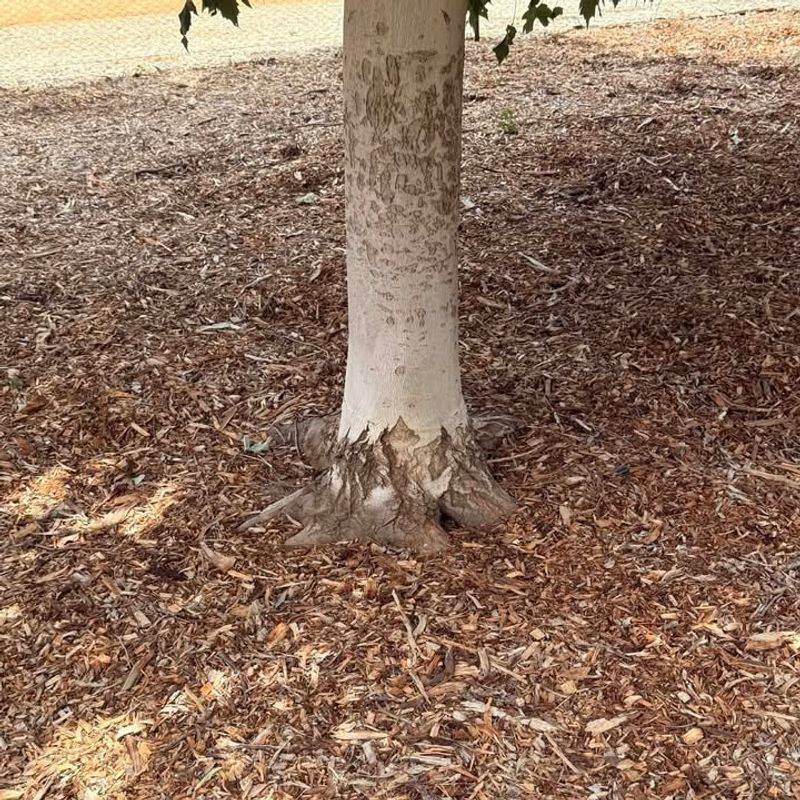
Mulch volcanoes are everywhere in Arizona neighborhoods, and they cause real damage. When mulch piles up six or more inches against the base of a tree or shrub, it traps moisture and heat right at the most vulnerable point of the plant.
Over time, that buildup weakens the base and creates conditions where rot and insects move in.
Spotting a mulch volcano is easy. If the mulch looks like a cone rising up toward the trunk rather than a flat layer around the plant, that is the problem.
Break it apart, spread it out, and pull it back from the base entirely. Flat and even is what you want.
Some homeowners in Arizona add fresh mulch every spring without removing the old layer first. That compounds the problem fast.
Before applying new mulch in April, rake through the existing layer and check the depth. If it is already at three inches, you might only need to top it off lightly rather than add a full new layer.
Shrubs planted close to walls or fences tend to collect more mulch buildup than open-ground plants. The confined space traps material and limits airflow.
Check those spots more carefully and keep the base area open and dry.
Across the greater Phoenix metro and down into Tucson, this is one of the most common mulching mistakes seen in residential landscapes. Fixing it takes about five minutes per plant.
That small effort keeps the base of your trees and shrubs in much better shape heading into the hottest months.
4. Refresh Old Mulch To Maintain Moisture Retention
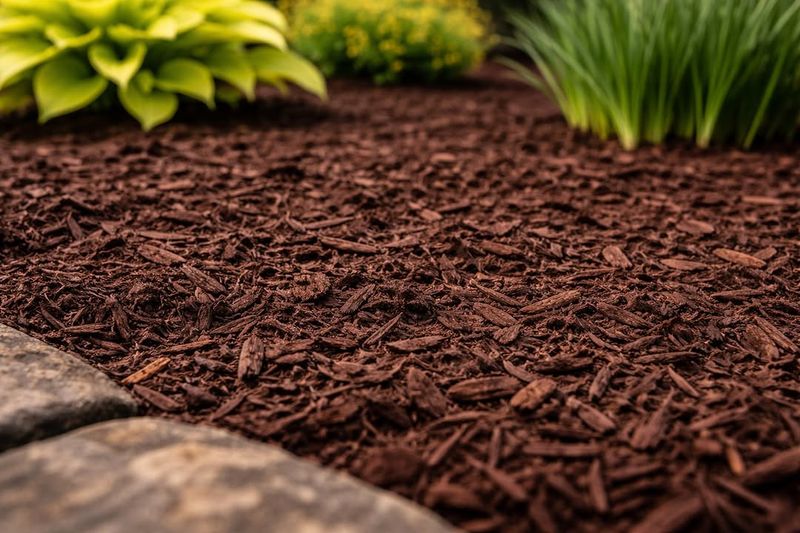
Old mulch gets tired. After sitting through an Arizona winter and early spring, the top layer can dry out, crust over, and actually repel water instead of holding it in.
When that happens, irrigation water runs off the surface and never reaches the root zone where it is needed most.
Grab a garden fork or hand cultivator and loosen the top inch of your existing mulch before adding anything new. Breaking up that crust allows water to move through again.
Sometimes just fluffing up the old layer is enough to restore its function without needing to add much new material at all.
If the old mulch has broken down significantly into a fine, dark material, that is actually a good sign. It means it has been feeding the soil and improving its structure.
Add a fresh layer on top rather than replacing everything. Two to three inches total depth is your target after refreshing.
Timing matters here. Early to mid April is a solid window across most of Arizona to get this done before temperatures push into the nineties consistently.
Waiting too long means the soil has already dried out and hardened, making moisture retention harder to achieve even with fresh mulch.
Check your drip emitters while you are out there. Refreshed mulch works best when water is actually reaching the soil underneath it.
Clogged or misaligned emitters in Tempe, Mesa, or anywhere across the Valley can undo all the good work your mulch is doing. Keep both systems working together for the best results.
5. Spread Mulch Wide To Cover The Root Zone Effectively
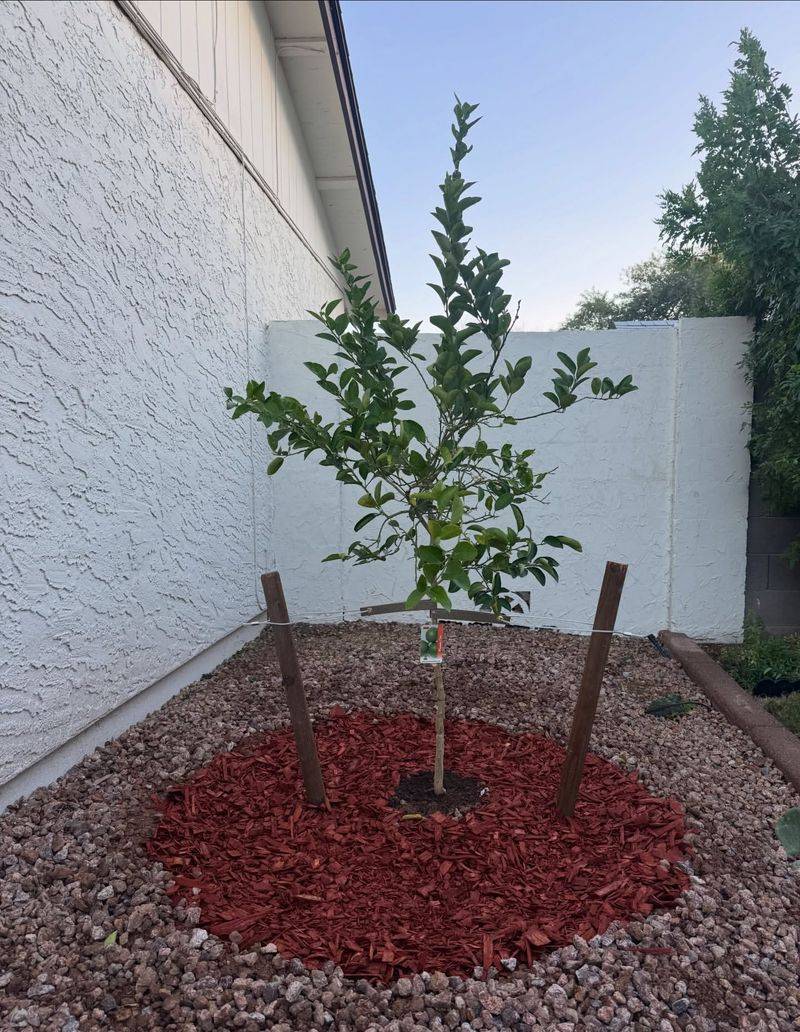
Most people mulch too close and not wide enough. Roots spread far beyond the trunk, often extending two to three times the width of the canopy.
Piling mulch only at the base misses most of the root zone entirely, which limits how much benefit the mulch actually provides.
A good rule of thumb is to extend the mulch ring out to the drip line of the tree, which is roughly where the outermost branches end. For a medium-sized tree in an Arizona yard, that could mean a mulch circle five or six feet wide.
It looks dramatic at first but makes a real functional difference.
Shrubs benefit from the same wide approach. Rather than a small ring, spread mulch in a broad oval that covers the area under the entire plant canopy.
Roots near the edges of a shrub are actively growing and feeding, and those are the ones that need moisture protection most during April and into summer.
Wide mulch coverage also suppresses weeds more effectively. A broad, even layer blocks sunlight from reaching weed seeds in the soil.
Narrower applications leave open soil exposed around the edges where weeds can sprout and compete with your plants for water and nutrients.
Across Arizona, where summer water bills climb fast and landscape plants are under constant heat stress, spreading mulch wide is one of the most cost-effective habits a homeowner can build.
You use roughly the same amount of material, but you place it where it actually protects the roots that need it most.
6. Use Organic Mulch To Improve Soil Over Time
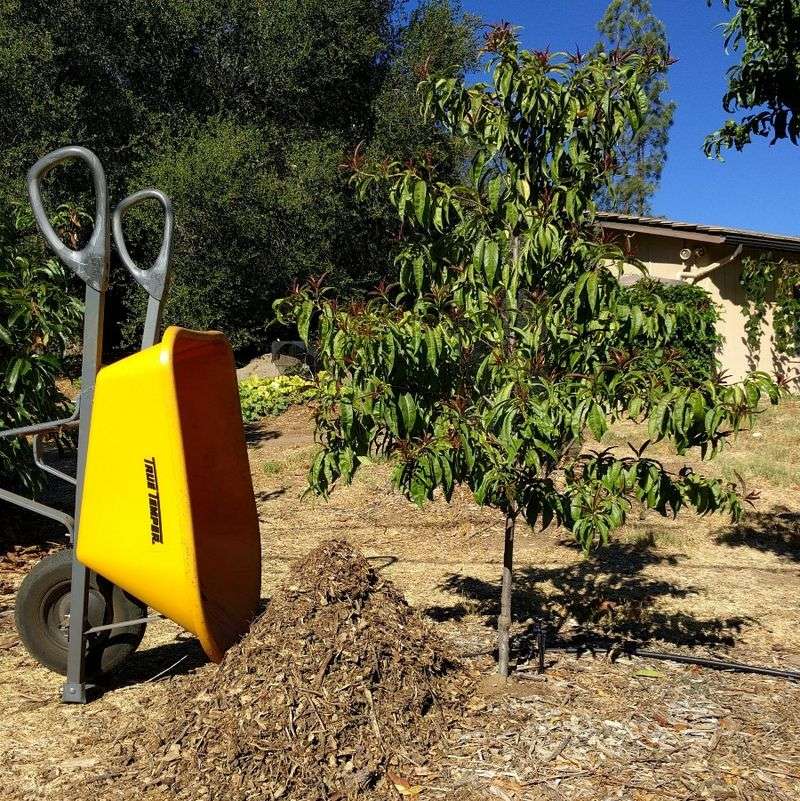
Not all mulch is created equal, and in Arizona, organic mulch pulls ahead of gravel and rock in one specific way: it actually feeds the soil as it breaks down.
Wood chips, shredded bark, and leaf litter slowly decompose and add organic matter to the sandy, low-nutrient soil common across much of the state.
Arizona soil tends to be alkaline and low in organic content. Adding organic mulch year after year builds a richer, more biologically active layer near the surface.
Earthworms and beneficial microbes move in, and over time, that improved soil holds water better and supports healthier root systems without extra fertilizer inputs.
Citrus trees across the Phoenix and Tucson areas respond especially well to organic mulch. The improved soil biology near the surface helps roots access nutrients more efficiently.
Homeowners who have used wood chip mulch consistently for three or more years often notice their trees looking noticeably more vigorous by late spring.
Gravel and rock mulch, while popular in desert landscaping, does not offer this benefit. Rock holds heat, which can stress shallow roots during peak summer months.
Organic mulch moderates soil temperature while simultaneously improving soil quality, which is a combination rock simply cannot match.
Shredded bark from pine or cedar is widely available at nurseries across Arizona. Locally sourced wood chips from tree trimmers are another great option and often free.
Whatever organic material you choose, consistency matters more than perfection. Adding it every April builds up real soil health over multiple growing seasons.
7. Check Mulch Regularly To Keep It Even And Effective
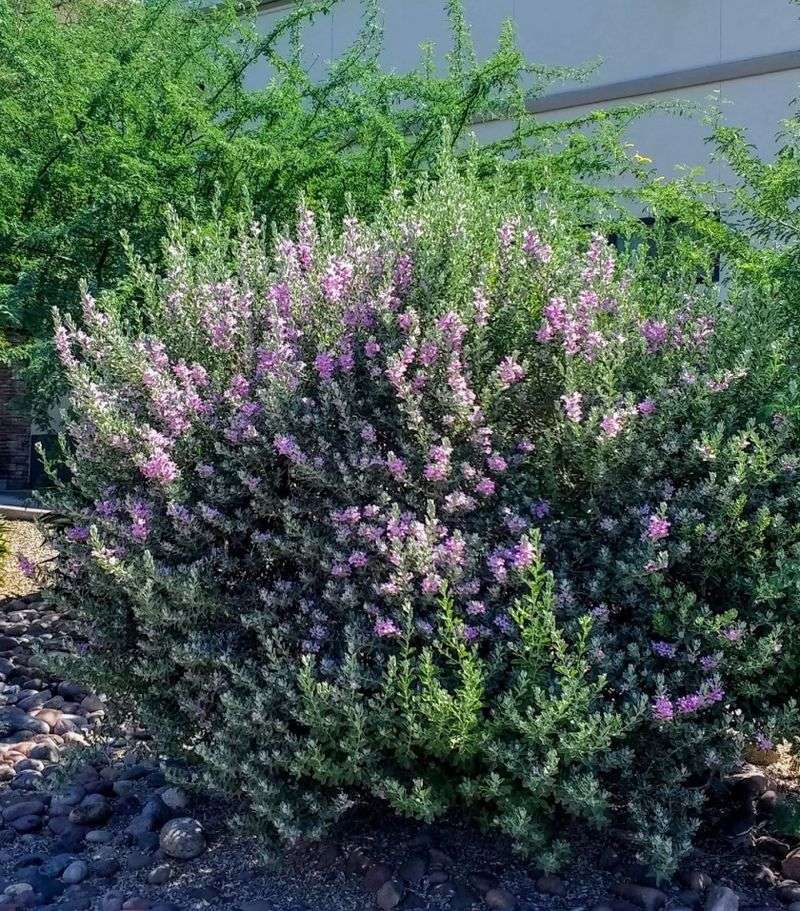
Mulch shifts, compresses, and breaks down faster than most people expect, especially in an Arizona yard with strong afternoon winds and intense sun. Checking it once at the start of spring and forgetting about it for six months is not enough.
A quick monthly walk-through makes a real difference in how well your mulch performs all season.
Look for thin spots first. Areas where the mulch has blown away or settled down below two inches need to be topped off.
Also check for spots where mulch has been kicked toward the trunk by foot traffic, pets, or irrigation spray. Redistribute it evenly and restore that gap around the base.
Irrigation patterns can displace mulch over time. Drip emitters set at high pressure sometimes create channels through the mulch layer, leaving soil exposed in those spots.
Adjusting emitter placement or reducing pressure slightly can prevent this and keep the mulch layer intact and uniform.
Color change is another thing to watch. Fresh wood chips start out light brown and gradually fade to gray as they weather.
Faded mulch is still functional but is breaking down faster. When it starts looking more like soil than wood chips, it is time to add a fresh top layer before the next heat wave hits.
Staying on top of mulch maintenance across your Arizona landscape does not require a lot of time. Twenty minutes on a weekend morning once a month keeps everything in good shape.
Plants in Peoria, Gilbert, and across the state respond well when their root zones stay consistently protected from spring all the way through the hottest part of summer.