The 9 Spring Perennials That Benefit From Pruning After Blooming In Arizona
Bright spring blooms can disappear almost overnight once temperatures start climbing. Perennials that looked full and colorful a couple of weeks earlier suddenly become floppy, uneven, or crowded with faded flowers.
Gardens start losing that fresh spring look much faster than most people expect.
Pruning at the right moment can completely change what happens next.
Fresh growth usually comes in neater and stronger after old blooms are removed. Certain perennials stay compact longer, while others reward gardeners with another wave of color before the season shifts again.
Even plants that start looking worn out can bounce back surprisingly well with a simple trim.
Waiting too long often makes the garden look tired earlier than necessary once heat settles in for good.
Arizona spring moves quickly, which is why many gardeners start pruning right after flowering ends instead of letting old growth linger into summer.
1. Penstemon Looks Tidier After Spring Blooming
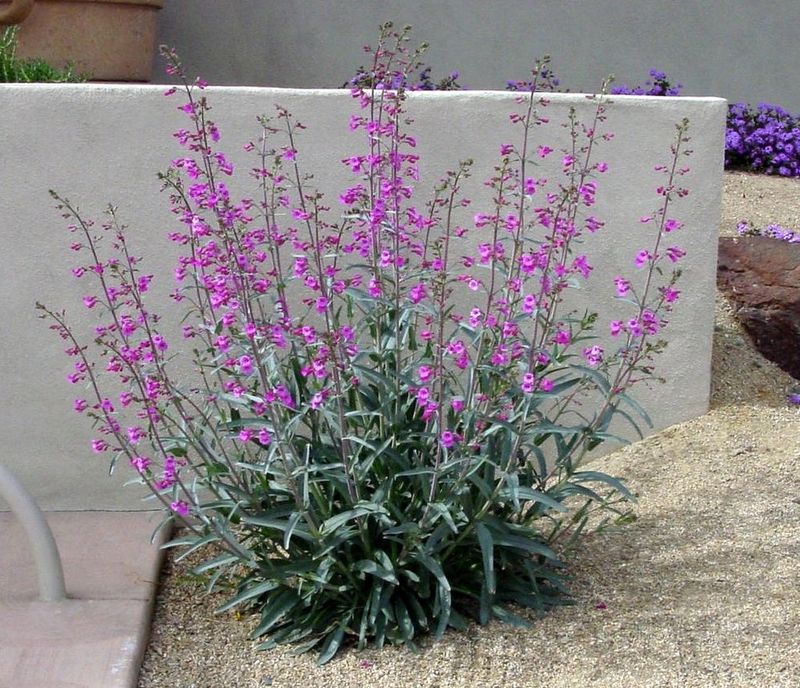
Penstemon puts on a stunning show every spring, but those tall flower stalks can look ragged once blooming wraps up. Cutting them back is one of the easiest wins in the garden.
A clean trim right below the spent flower heads keeps the plant looking neat without stressing it out.
After pruning, penstemon usually pushes out fresh basal foliage pretty quickly. That new growth forms a tidy mound that holds up well through summer.
Some varieties even manage a light second bloom if conditions stay mild enough heading into early summer.
Use sharp bypass pruners and cut stalks down to just above the leafy base. Avoid cutting into the woody crown at the bottom.
Leaving a few inches of green stem above the crown protects the plant and gives it something to grow from.
Penstemon is native to the Southwest, so it is already built for dry, rocky conditions. Pruning does not change its water needs.
Keep irrigation minimal and let the soil dry out between waterings. In Arizona, this plant is incredibly forgiving and practically thrives on a little neglect once it is established in the right spot.
2. Salvia Starts Flowering Again After A Light Trim
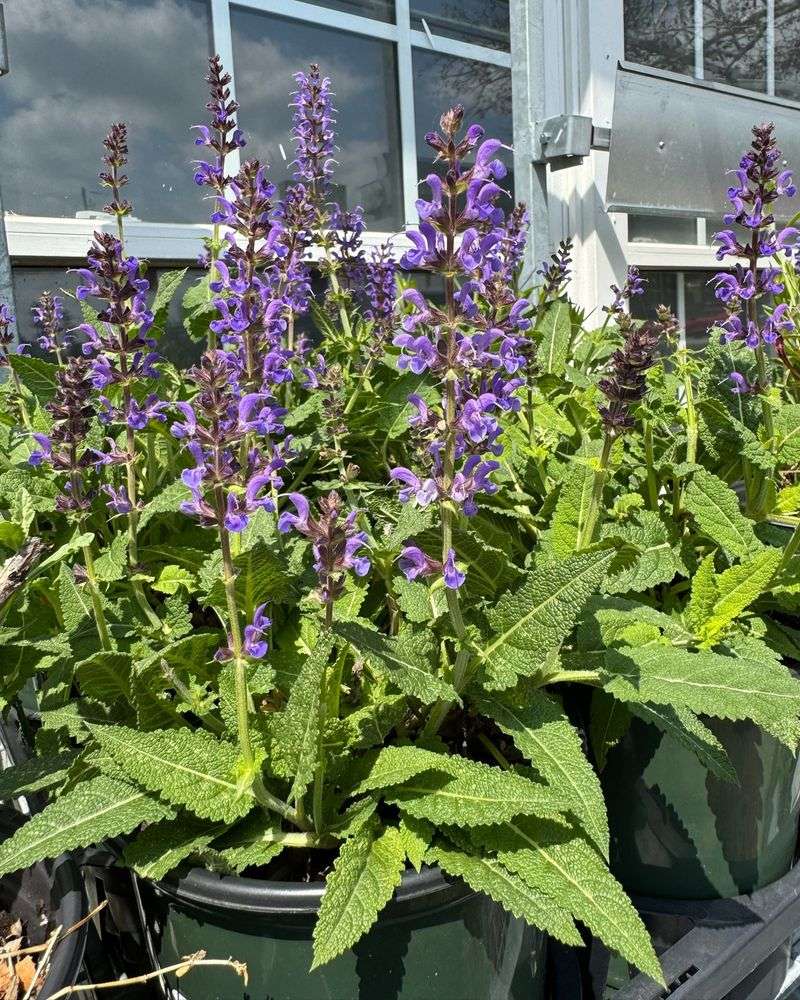
Salvia is one of those plants that practically begs to be trimmed. Once the first flush of spring flowers fades, the plant can start to look straggly fast.
A light trim changes everything almost overnight.
Cut spent flower spikes back by about one-third. Avoid shearing the whole plant at once, especially during warm weather.
A gradual trim is gentler and gives the plant time to adjust before temperatures really climb.
After trimming, most desert salvias push out new growth within a couple of weeks. That fresh growth is what produces the next round of blooms.
Timing matters here. Trim too late in the season and the plant may not rebloom before summer heat shuts things down.
Salvia gregii and Salvia farinacea are two varieties that respond especially well to post-bloom pruning in warm, dry climates. Both are reliable rebloomers with minimal fuss.
Water deeply but infrequently after pruning to encourage strong root activity. Avoid overhead watering, which can encourage fungal issues on the new foliage.
Your Arizona Garden Changes Every Week. Your Plan Should Too.
Gardening in Arizona changes quickly throughout the season. Every Friday you’ll receive a simple weekly plan showing exactly what to plant, prune, fertilize, harvest, and protect so you never miss the right timing.
A little compost worked into the soil around the base can also help fuel that second bloom cycle in the weeks ahead.
3. Blackfoot Daisy Stays Neater After Spring Pruning
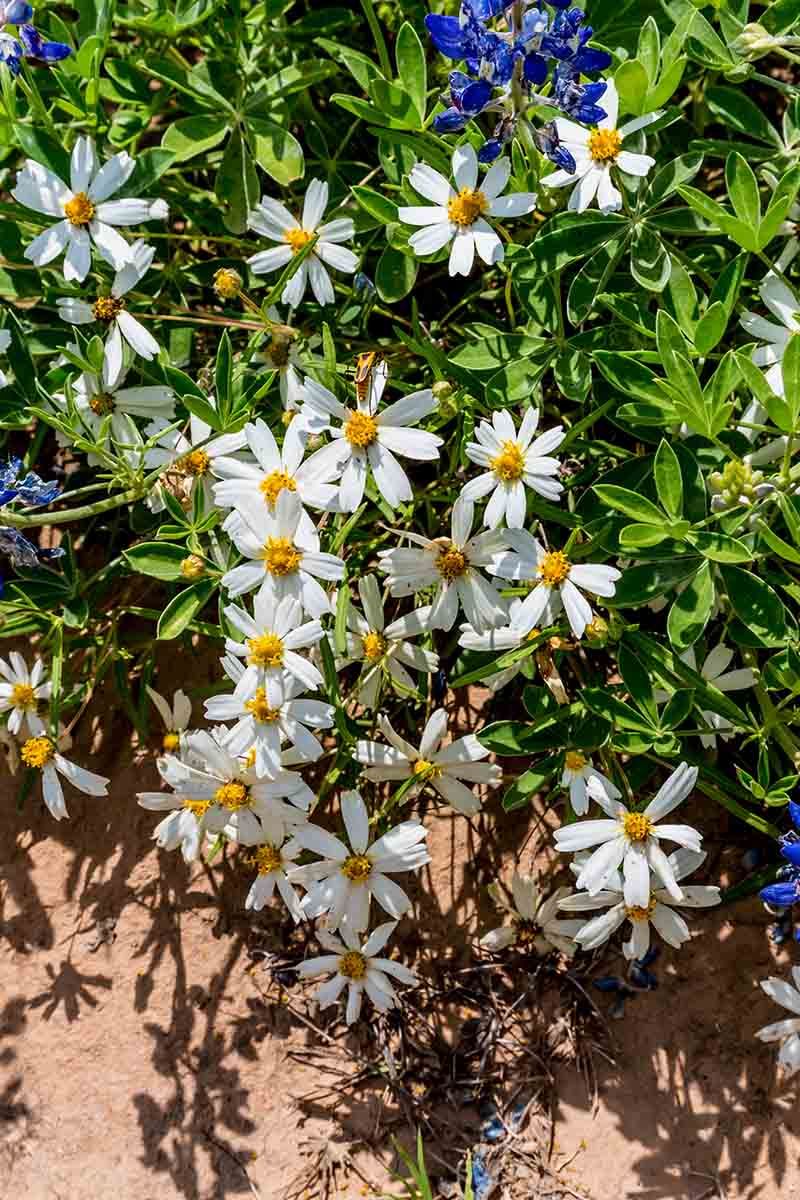
Blackfoot daisy is a workhorse in dry Southwest gardens. It blooms generously in spring and often again in fall, but between those two seasons it can get woody and open in the center.
A post-bloom trim fixes that quickly.
Shear the plant back by about one-third right after the main spring flush ends. Focus on removing spent flower heads and any stems that look stretched or bare.
Avoid cutting into old woody growth at the base, which does not regenerate well.
After trimming, blackfoot daisy responds with dense new growth from the outer portions of the plant. That fresh growth gives it a rounder, more compact shape heading into summer.
It also sets the stage for a stronger fall bloom cycle.
Blackfoot daisy is extremely drought-tolerant once established. Pruning does not change that.
Skip extra watering unless you are in the middle of an unusually dry stretch. Good drainage matters more than irrigation frequency for this plant.
In heavy or clay-based soils, it can struggle regardless of how well you prune it.
Blackfoot daisy really shines in sandy, well-drained soil.
Post-bloom pruning also makes a noticeable difference in the plant’s appearance and performance over time.
4. Damianita Keeps A Fuller Shape With Occasional Trimming
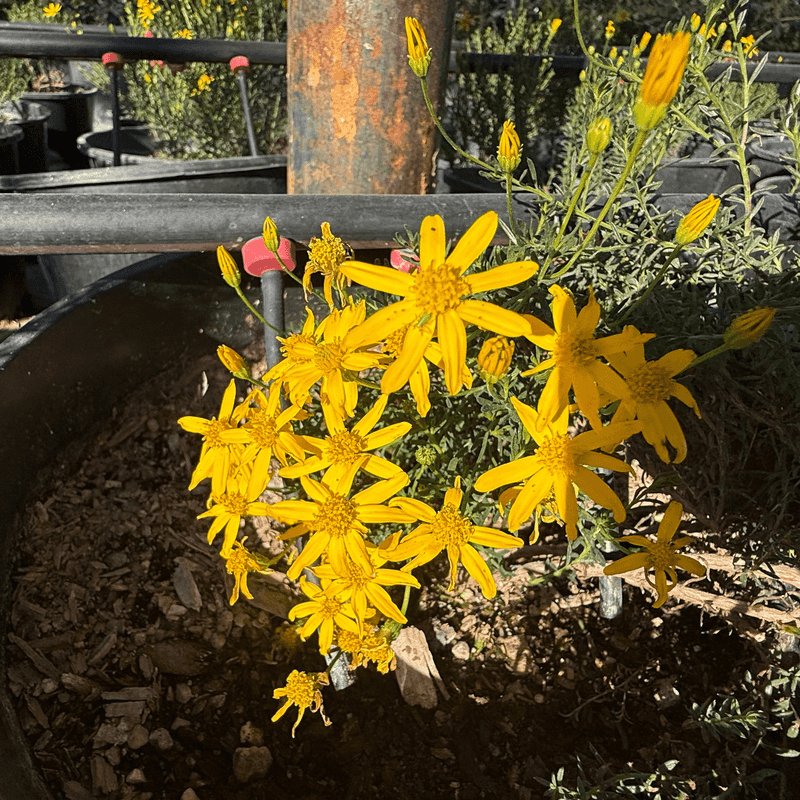
Damianita does not ask for much. It grows low and mounding, blooms bright yellow in spring, and largely takes care of itself.
But without the occasional trim, it can develop a hollow center and bare patches that are hard to fix later.
Right after the main spring bloom, shear the plant lightly across the top and sides. A one-quarter to one-third reduction is plenty.
Cutting too hard into the woody interior is risky because damianita does not always push new growth from old wood.
Light trimming after blooming encourages new green shoots from the outer growth zones. Those shoots fill in the gaps and keep the plant looking dense and healthy through summer and into fall.
It is a subtle difference but noticeable over multiple seasons.
Damianita thrives in poor, rocky soil with very little water once it is established. Over-watering after pruning can actually cause more harm than good.
Let the soil dry out completely between waterings. Full sun is non-negotiable for this plant.
Shade causes it to stretch and thin out faster than almost any other stress factor. In the right conditions, damianita can hold its shape for years with just one or two light trims annually.
5. Autumn Sage Reblooms Faster After Faded Flowers Are Cut
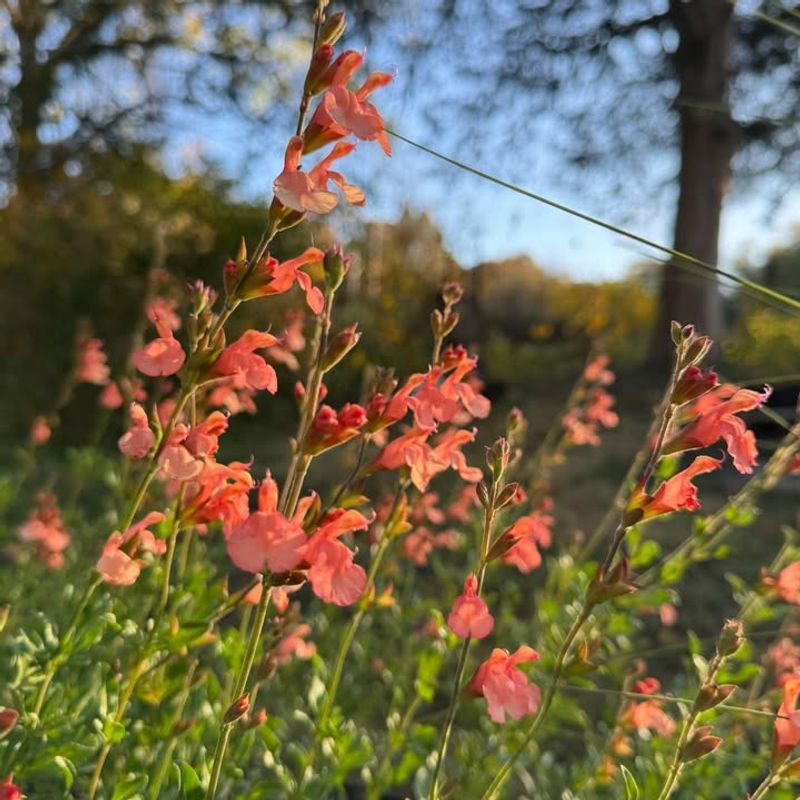
Autumn sage blooms in spring and again in fall, with potential flushes in between if conditions cooperate. Cutting off faded flowers right after the spring bloom is the single fastest way to speed up the next flowering cycle.
Deadheading alone makes a difference, but a slightly deeper cut works even better. Trim spent stems back by about one-third rather than just snipping off flower heads.
That harder cut pushes the plant to redirect energy into fresh growth rather than seed production.
New growth appears fairly quickly after trimming, usually within two to three weeks depending on temperatures. Once daytime highs push consistently above 100 degrees, blooming typically slows down regardless of pruning.
But a well-timed spring trim helps maximize the window before that summer slowdown hits.
Autumn sage handles reflected heat and dry conditions better than most flowering perennials. Established plants rarely need supplemental irrigation.
After pruning, one deep watering can help fuel rebound growth. Too much moisture can still create soggy conditions that lead to root problems.
Hummingbirds are strongly attracted to the tubular red flowers. Keeping the plant blooming longer adds more than just visual appeal to the garden.
Red-flowering varieties tend to attract the most hummingbird activity throughout the growing season.
6. Verbena Sends Out Fresh Growth After Trimming
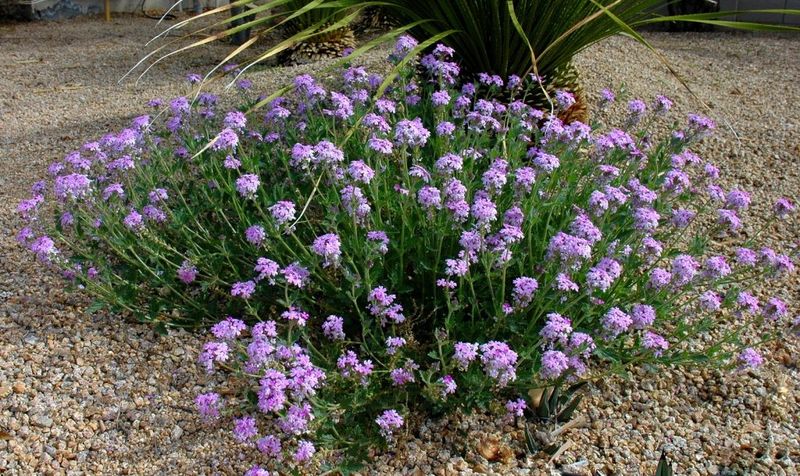
Verbena spreads fast and blooms hard in spring. That energy is great early on, but by late spring those trailing stems can look exhausted and flower production slows way down.
A firm trim resets the whole plant.
Cut trailing stems back by half after the main spring bloom winds down. Do not be shy about it.
Verbena handles aggressive trimming better than most perennials and bounces back with noticeably more vigor after a hard cut.
Within a week or two, new growth emerges from the cut stems and from the crown. That fresh growth is greener and more compact than the original spring stems.
It also produces more flowers per stem than the stretched-out growth that preceded it.
Verbena prefers lean soil and infrequent watering. After trimming, hold off on fertilizing unless the plant is clearly struggling.
Too much nitrogen pushes leafy growth at the expense of flower production. A light application of a balanced, slow-release fertilizer is fine if the soil is very poor.
Keep the plant in full sun and avoid overhead irrigation to reduce the chance of powdery mildew, which can show up on verbena during humid stretches in late summer monsoon season across the region.
7. Chocolate Flower Benefits From Light Pruning
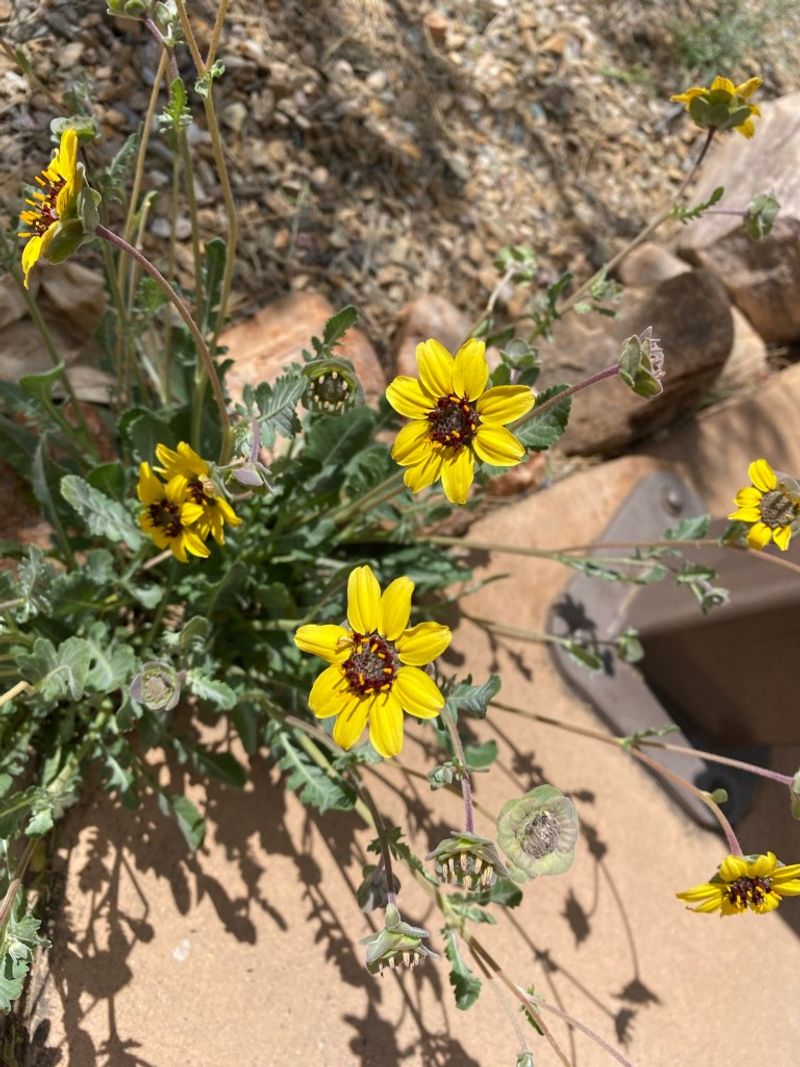
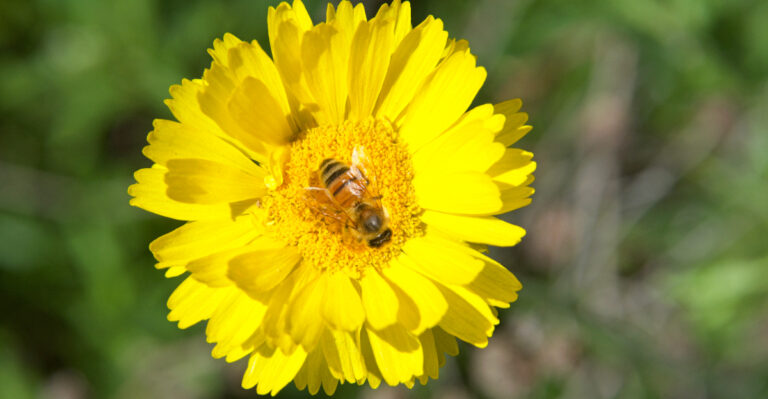
Chocolate flower gets its name from the faint chocolate scent the blooms release, especially in the morning. It is a cheerful, low-maintenance perennial that blooms heavily in spring.
A little pruning after that first flush keeps it from getting too leggy.
Remove spent flower heads as soon as they fade. Chocolate flower can rebloom repeatedly through the season if deadheading is kept up consistently.
Letting spent blooms go to seed redirects energy away from new flower production and slows the rebloom cycle noticeably.
Beyond deadheading, a light shaping trim after the main spring bloom helps keep the plant compact. Cut stems back by about one-quarter to prevent the sprawling, open habit that develops when chocolate flower is left untrimmed for too long.
Chocolate flower is native to the Chihuahuan Desert region and handles dry, rocky conditions very well. Overwatering is a bigger risk than underwatering once the plant is established.
Good drainage is essential. Plant it in a spot with full sun and minimal soil amendment for the best long-term performance.
It pairs beautifully with blackfoot daisy and desert marigold in mixed perennial borders. Both the scent and the bright yellow blooms make it a genuinely pleasant plant to work around during the pruning process each season.
8. Angelita Daisy Continues Blooming After Cleanup
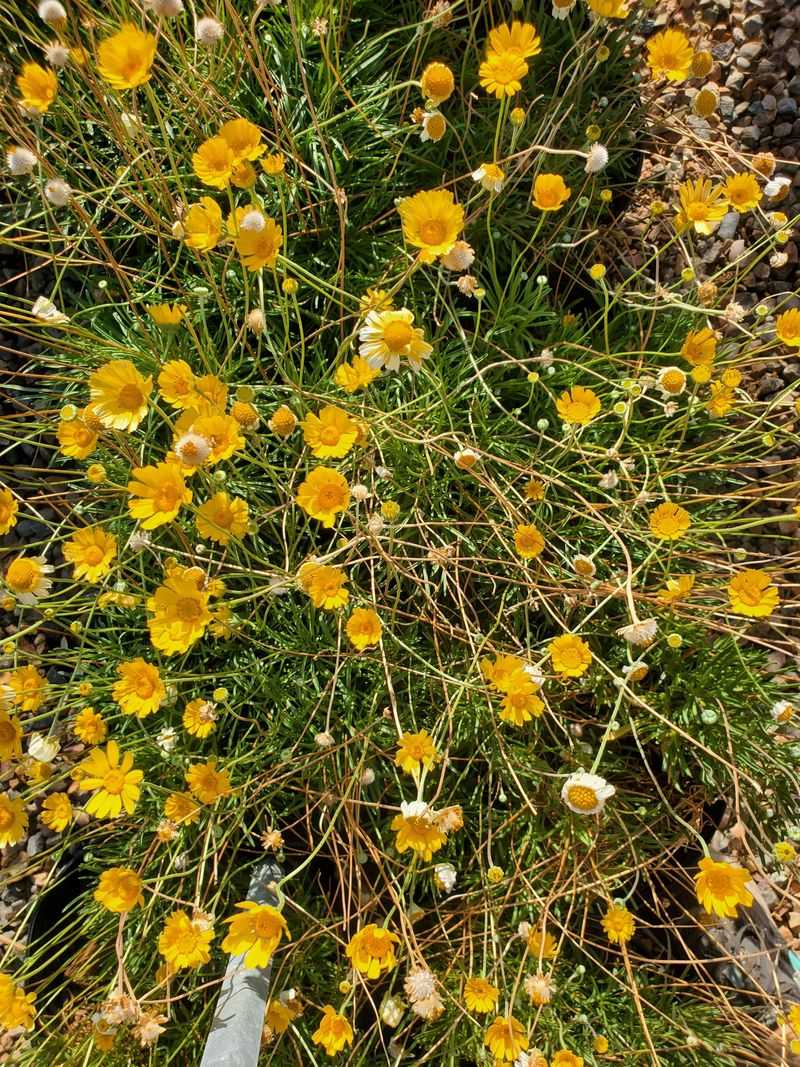
Angelita daisy is one of the most reliable bloomers in dry Southwest gardens. It flowers nearly year-round in mild climates, but spring is when it really puts on a show.
A quick cleanup after peak bloom helps it keep going without a long pause.
Remove spent flower heads regularly throughout spring. Deadheading is the most important maintenance step for this plant.
It takes only a few minutes and makes a visible difference in how many fresh blooms open over the following weeks.
A light overall trim once or twice a year also helps keep the plant from developing a ratty, open center. Shear it back by about one-quarter after the spring bloom peaks.
Avoid cutting into the dense, needle-like foliage too aggressively, as hard cuts on angelita daisy can sometimes slow regrowth.
Angelita daisy thrives in full sun and well-drained soil with minimal water. It is one of the most drought-tolerant flowering perennials available for low-water landscapes.
Avoid planting it in areas with poor drainage or heavy clay soil. Root rot is the most common problem, and it is almost always caused by overwatering or poor drainage rather than pests or disease.
With the right conditions and regular deadheading, this cheerful little plant rewards you with color for most of the year.
9. Gaura Fills Out Once Spent Stems Are Removed
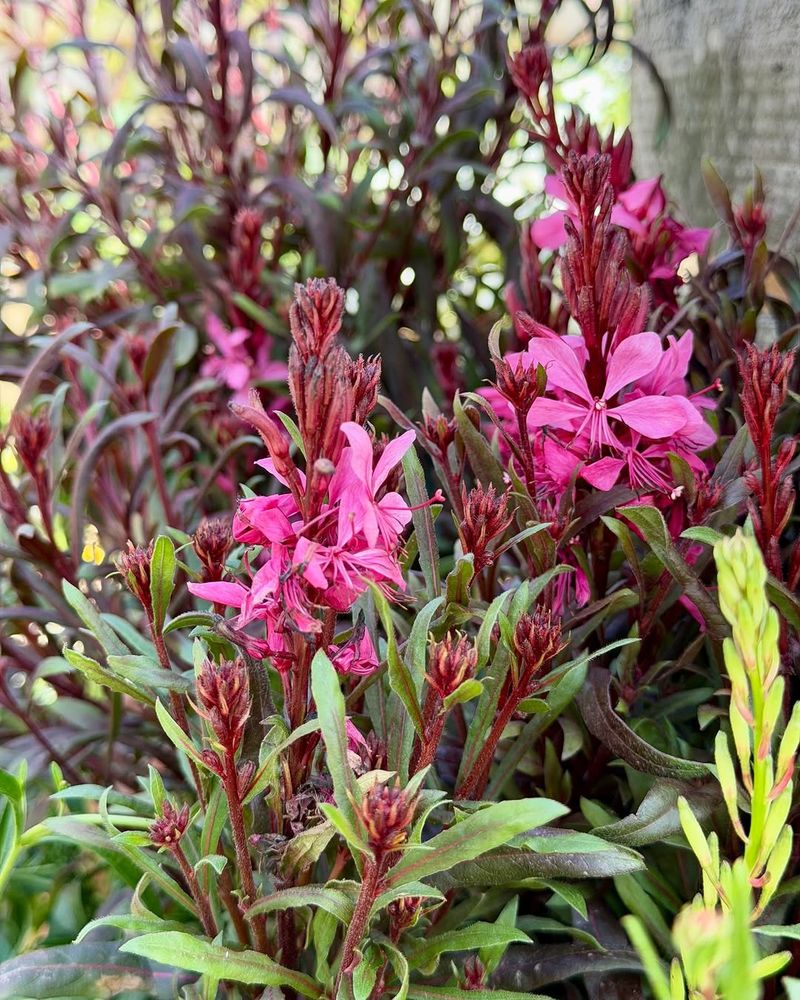
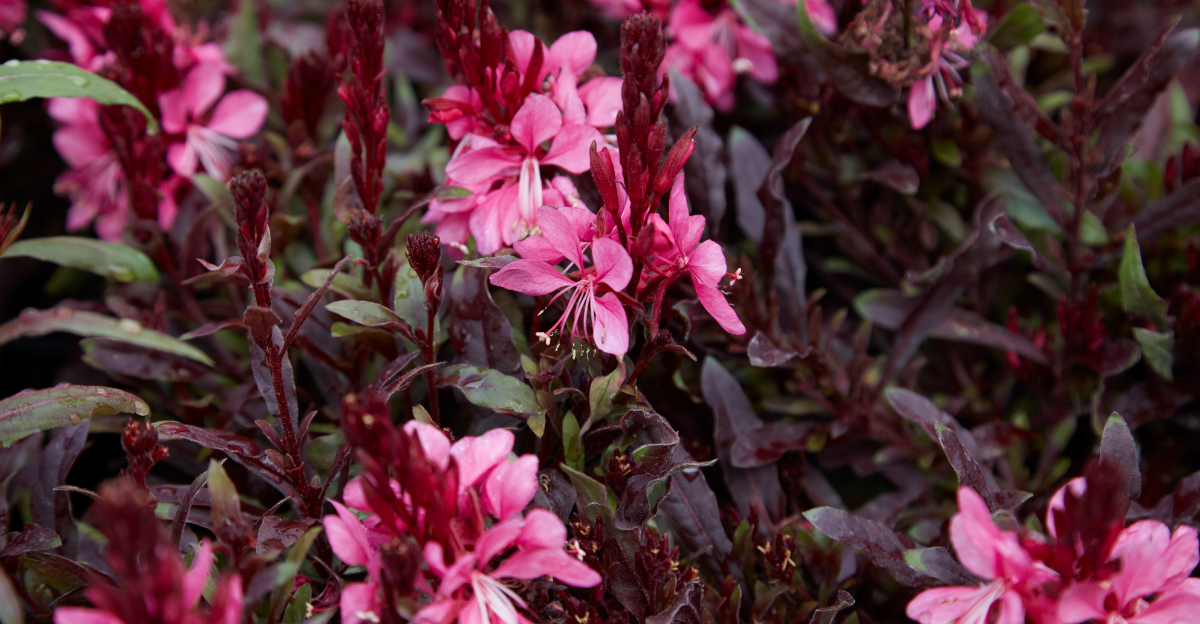
Gaura has an airy, wand-like growth habit that looks beautiful in full bloom. Once those blooms fade, though, the spent stems get wiry and messy in a hurry.
Removing them promptly keeps the plant from looking like a tangled mess.
Cut spent stems back to the nearest set of healthy leaves or to the base if the stem is fully spent. Gaura tends to bloom in waves, so you may not need to trim everything at once.
Work through the plant gradually, removing only what has clearly finished blooming.
One of the best things about gaura is how quickly it fills back in after a trim. New stems emerge from the crown and from side shoots along existing stems.
Within a few weeks, the plant looks fuller and more lush than before the trim.
Gaura handles heat well once established, but it does appreciate a deep watering after pruning to support the new growth push. Avoid heavy fertilizing, which can push weak, floppy stems.
Gaura naturally leans toward an open, sprawling shape, so some light shaping throughout the season helps keep it from flopping over nearby plants or pathways in the garden.