The One April Mistake That Can Spread Plant Disease In Georgia
April feels like a fresh start in Georgia, with new growth showing up fast and everything beginning to fill in. Gardens look healthy on the surface, which makes it easy to assume everything is on track.
But this is also when hidden issues can begin to move quietly from plant to plant without clear signs at first.
Warm days and lingering moisture create the kind of conditions where small problems do not stay small for long.
Most gardeners stay focused on the obvious tasks, yet one overlooked detail can cause more trouble than expected during this time. It often happens without warning, which makes it harder to catch before it spreads.
Paying closer attention right now can make a real difference in how plants hold up through the rest of the season. A small shift at the right moment can keep everything looking clean and strong.
1. Wet Leaves Make It Easy For Plant Diseases To Spread
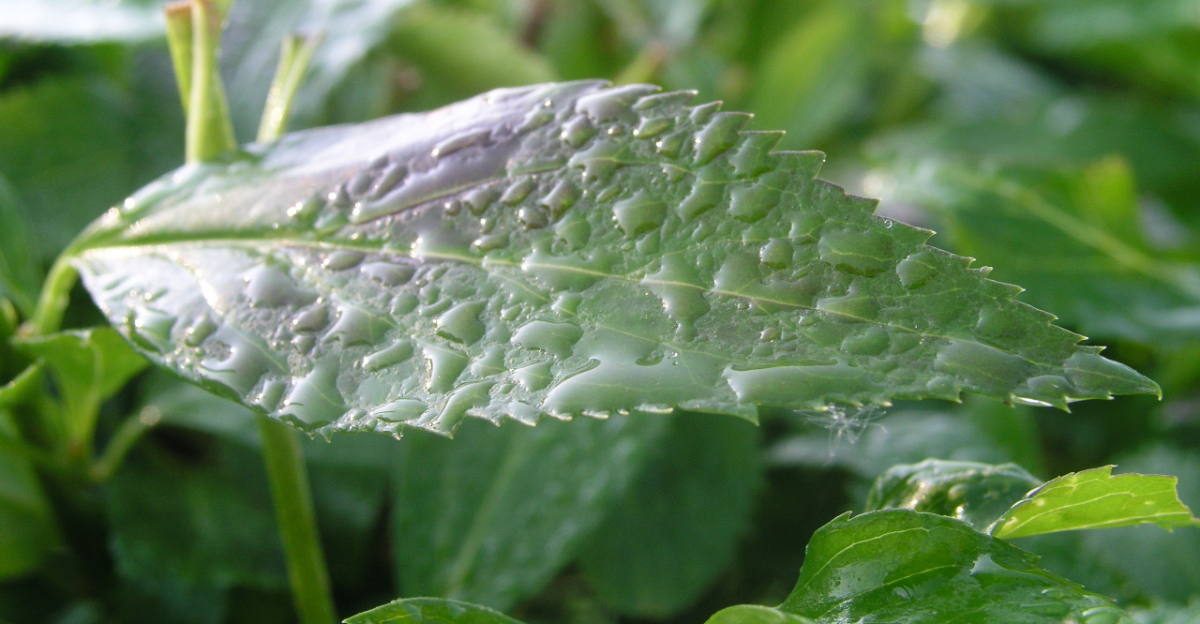
Water sitting on leaves is not just a cosmetic issue — it is an open invitation for disease. Fungal spores and bacterial pathogens need moisture to travel, germinate, and take hold on plant tissue.
When leaves stay wet for hours, especially during Georgia’s warm and humid April mornings, those conditions become almost ideal for disease to move fast.
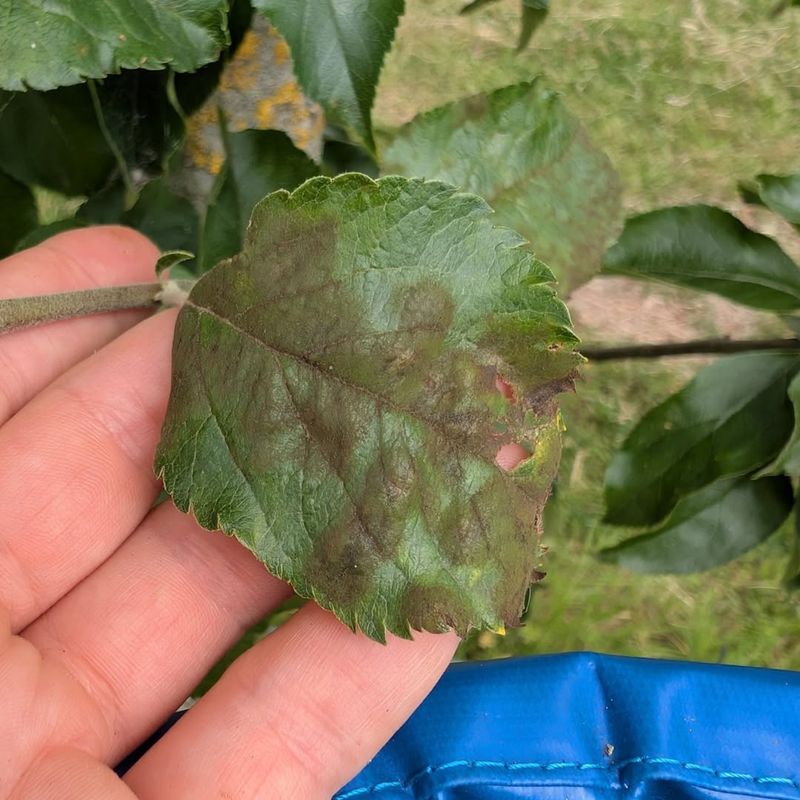
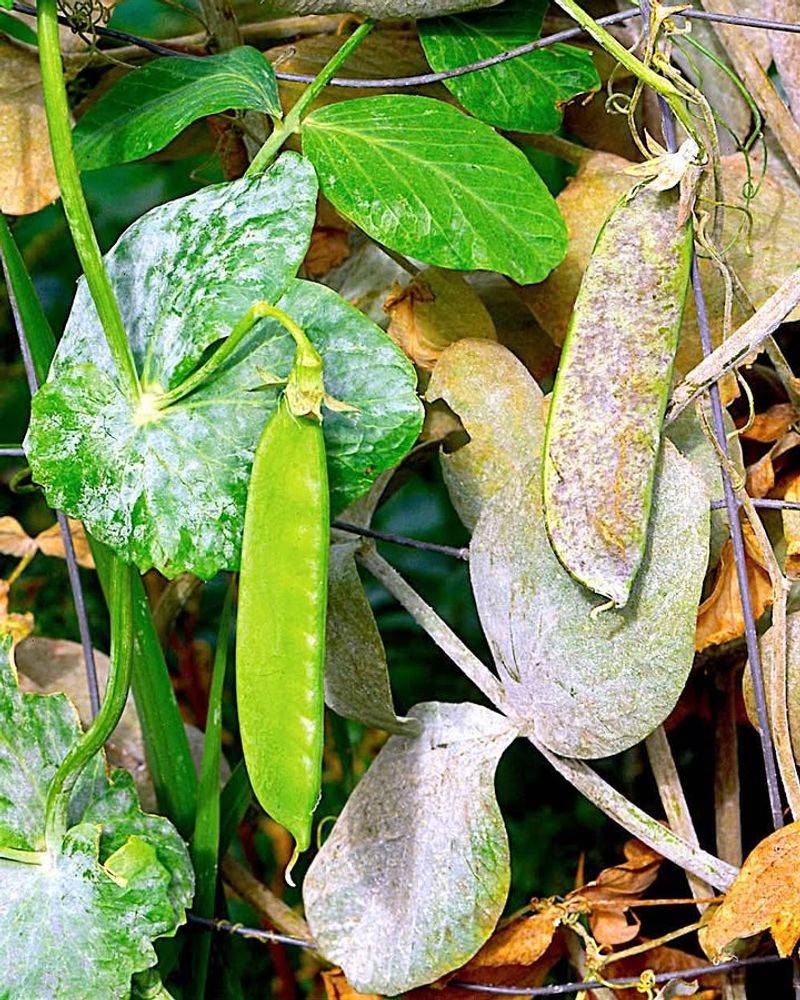
Fungal diseases like powdery mildew, early blight, and leaf spot all rely on wet surfaces to spread from plant to plant. A single infected leaf dripping onto a healthy neighbor can start a chain reaction that spreads across an entire bed within days.
Most gardeners don’t realize the damage has started until they see yellowing, spots, or wilting — and by then, the disease is already well established.
Georgia’s spring weather tends to bring a lot of rain combined with warm afternoons, which means wet foliage is a regular occurrence.
Checking your garden after rain and waiting for leaves to dry completely before doing any work is one of the simplest ways to break the disease cycle.
Overhead irrigation also contributes to this problem, so switching to drip irrigation or soaker hoses keeps water off the foliage entirely.
Keeping leaves as dry as possible, especially during cooler mornings when moisture lingers longer, helps protect plants during one of their most vulnerable periods of the year.
2. Touching Damp Plants Can Transfer Disease From One Plant To Another
Your hands are one of the most efficient disease-spreading tools in the garden, and most people never think about it.
When you reach into a wet plant to check on it, pull a weed near it, or just brush it aside to get a better look at something else, you pick up whatever is living on those wet leaves.
Fungal spores and bacteria stick to skin easily, especially when moisture is involved.
After touching one plant, moving directly to the next without washing your hands can transfer those pathogens instantly.
In Georgia’s April garden, where plants are actively growing and putting out tender new leaves, that kind of transfer can cause real damage quickly.
Your Georgia Garden Changes Every Week. Your Plan Should Too.
Gardening in Georgia changes quickly throughout the season. Every Friday you’ll receive a simple weekly plan showing exactly what to plant, prune, fertilize, harvest, and protect so you never miss the right timing.
Soft, new growth is especially vulnerable because it hasn’t had time to develop the tougher outer layer that more mature leaves have.
A simple habit change makes a big difference here. Waiting until mid-morning or early afternoon when the sun has had a chance to dry the foliage cuts the risk significantly.
If you do need to work with wet plants, rinsing your hands between plants or wearing gloves and changing them between sections of the garden helps stop the transfer.
Carrying a small spray bottle of diluted rubbing alcohol or a container of hand sanitizer while working is something experienced Georgia gardeners swear by during wet spring weeks.
Small habits like these add up to healthier plants across the whole season.
3. Pruning While Leaves Are Wet Can Introduce Disease Into Fresh Cuts
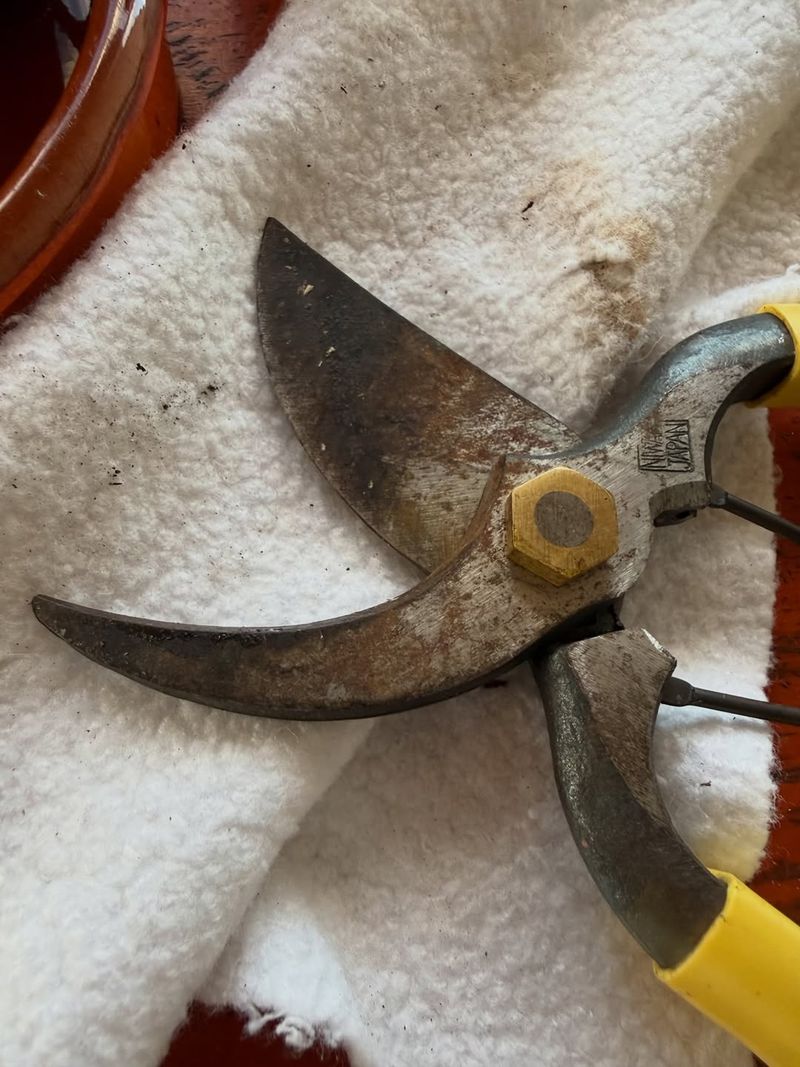
Fresh pruning cuts are like open wounds on a plant. Under dry conditions, those cuts callus over relatively quickly and the plant seals itself off from outside threats.
But when you prune while plants are wet, you are essentially holding the wound open in a pool of moisture while pathogens are actively looking for a way in.
Bacterial canker, crown gall, and several fungal diseases enter plants through fresh cuts. In Georgia, April pruning is common because gardeners are cleaning up winter damage and shaping shrubs before the growing season gets fully underway.
The problem is that April also brings frequent rain showers and heavy morning dew, which means plants are wet a large percentage of the time. Pruning right after a rain or early in the morning when dew is still heavy creates the worst possible conditions for clean healing.
Waiting until the afternoon on a dry day makes a noticeable difference. Even a few hours of sunshine and airflow can dry out foliage and stems enough to make pruning much safer.
Wiping pruning blades with rubbing alcohol between cuts is another step that gets skipped far too often, especially when working through a large shrub or hedge. Each cut made with a contaminated blade can introduce disease directly into healthy tissue.
4. Garden Tools Used On Wet Plants Can Spread Disease Between Plants
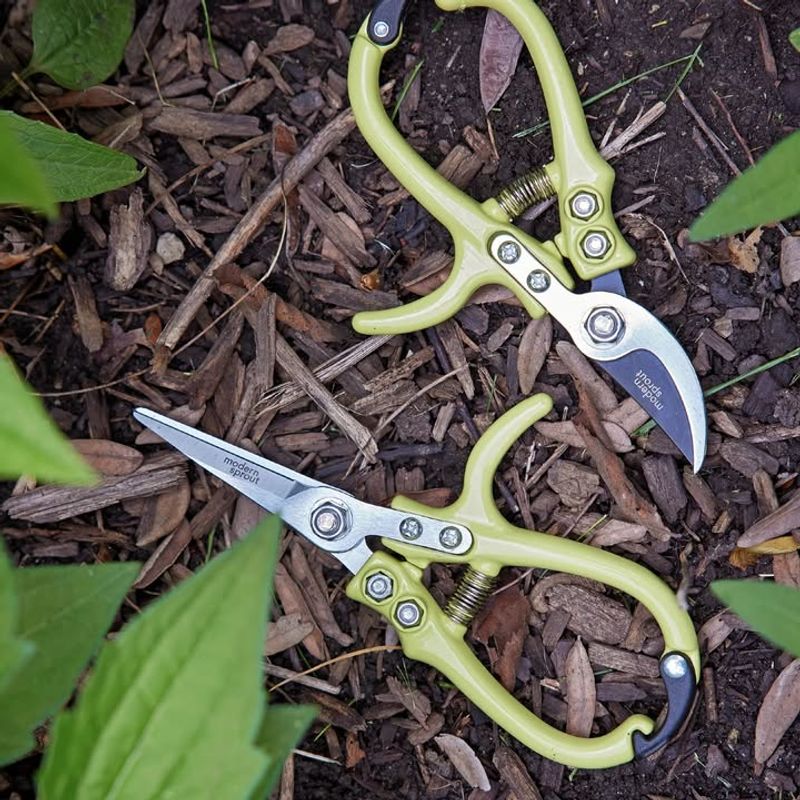
Dirty tools are a disease highway. Shovels, pruners, hoe blades, and even garden gloves can carry fungal spores and bacteria from one plant to the next without leaving any visible trace.
When those tools are used on wet plants, the pathogen load they pick up is significantly higher because moisture helps microorganisms cling to metal and fabric surfaces more effectively.
A lot of Georgia gardeners clean their tools at the end of the season and then store them until spring. But by April, those tools have often picked up soil, debris, and organic matter just from normal use.
Using them on wet plants in the early morning — which is when most people find time to garden before the heat builds — multiplies the chance of spreading whatever disease is already present in the garden.
Cleaning tools between uses does not have to be a complicated process. Wiping blades with a rag soaked in diluted bleach or isopropyl alcohol takes about thirty seconds and removes the majority of pathogens.
Letting tools dry in the sun before storing them also helps. During April in Georgia, when rain is frequent and plants are actively growing, keeping a small cleaning station near the garden makes it easier to stay consistent.
Even just having a bucket with a diluted bleach solution nearby so you can dip blades between plants is far better than skipping the step entirely. Cleaner tools throughout the season means fewer problems to troubleshoot later.
5. Brushing Against Wet Foliage Can Carry Disease Without You Noticing
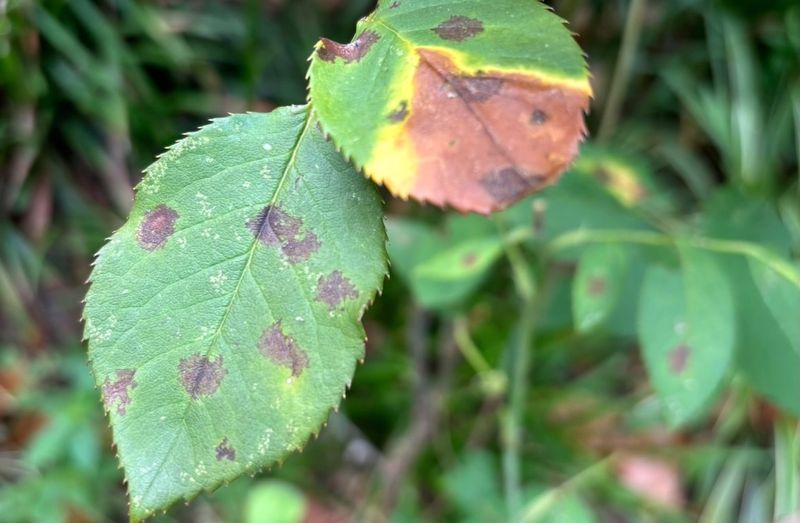
Not all disease transfer happens with your hands. Simply walking through the garden and brushing against wet foliage with your clothing can pick up and deposit fungal spores and bacteria across multiple plants in a single pass.
Fabric is surprisingly effective at collecting and transporting plant pathogens, especially when the leaves are dripping with morning dew or fresh rain.
In Georgia, April gardens tend to be dense and lush. Plants that were cut back over winter have pushed out new growth, vegetable transplants are going in, and flower beds are filling in fast.
Narrow pathways between beds mean that brushing against plants is almost unavoidable. Most people don’t think twice about it, but that casual contact during wet conditions is one of the quieter ways disease moves around a garden without obvious cause.
Wider paths between garden beds are worth the investment in space if you garden seriously. Even stepping stones placed to keep you away from the center of beds can reduce how much contact you have with foliage.
Wearing a dedicated garden apron or changing out of clothes that brushed against plants before moving to a clean section of the garden is another practical step. Timing your garden walks for drier parts of the day matters too.
Mid-afternoon in Georgia during April is usually drier than early morning, and spending time in the garden then rather than at dawn reduces accidental contact with wet foliage considerably.
6. Moist Conditions Help Fungal And Bacterial Diseases Move Faster
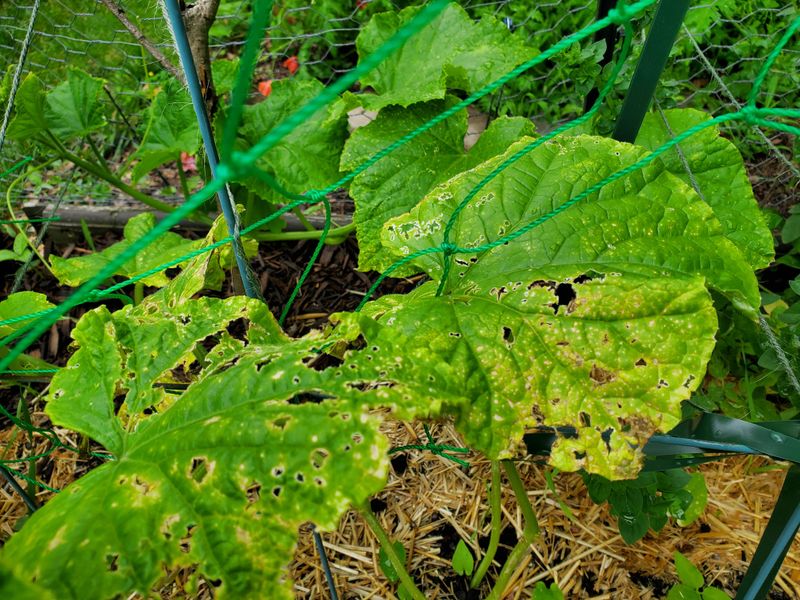
Humidity and moisture do not just make plants uncomfortable — they accelerate the entire disease cycle. Fungal spores germinate faster, bacteria multiply more quickly, and infected plant tissue breaks down at a faster rate when the surrounding environment stays wet.
Georgia’s April weather is particularly problematic in this regard because warm temperatures and frequent rain create sustained periods of high humidity that last for days at a time.
Root rot, powdery mildew, botrytis blight, and downy mildew are all diseases that thrive in these conditions. What might take two weeks to develop in drier weather can appear in just a few days when humidity is consistently high.
Gardeners in Georgia’s piedmont and coastal regions know this all too well — a stretch of rainy April days can turn a healthy garden into a spotted, wilting mess faster than almost anything else.
Improving air circulation around plants is one of the most effective ways to fight back. Thinning out overcrowded beds so air can move freely between plants helps foliage dry faster after rain.
Avoiding overhead watering reduces how long leaves stay wet in the first place. Mulching around the base of plants helps prevent soil splash, which carries soilborne pathogens up onto lower leaves during rain.
Staying ahead of moisture-related problems in Georgia means being proactive before the rain hits, not reactive after the damage is already showing up on the leaves.
7. Letting Leaves Dry Before Working Helps Reduce Disease Spread
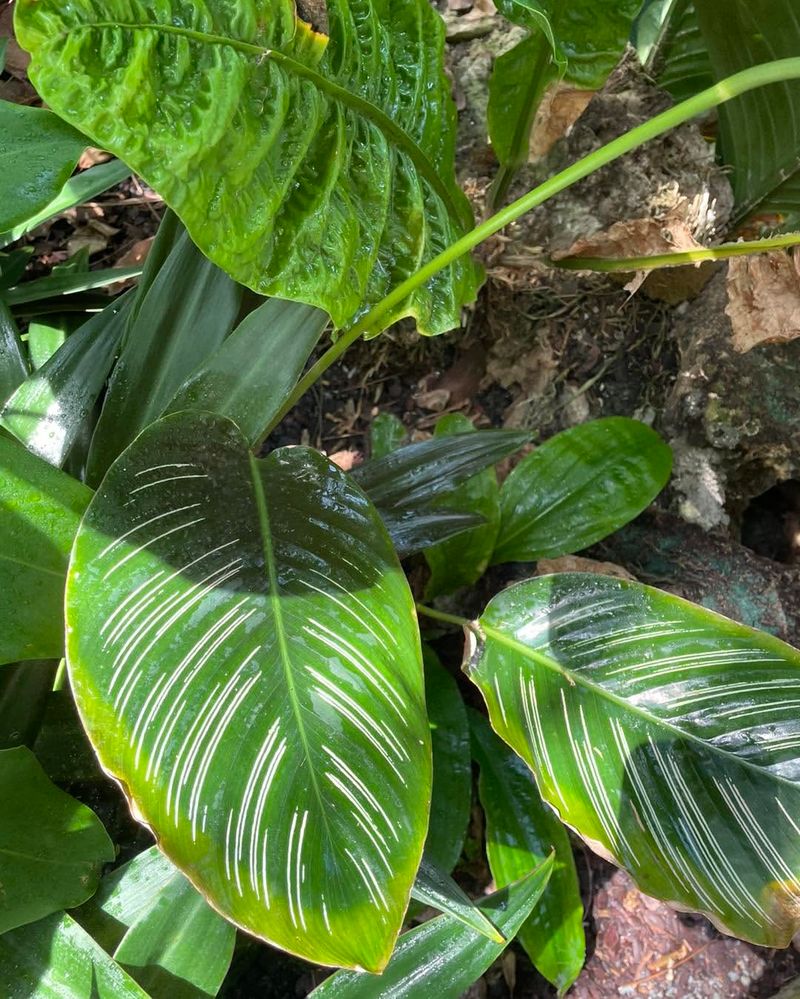
Patience is genuinely one of the most underrated gardening tools out there. Waiting a couple of hours after rain or heavy dew before heading into the garden can dramatically reduce how much disease gets moved around.
Leaves that look dry on top may still hold moisture in dense canopies or in the shadier parts of the garden, so checking before assuming is a habit worth building.
Georgia gardeners who work early in the morning to beat the summer heat sometimes create problems for themselves in April by starting before foliage has had a chance to dry.
Shifting the work schedule by just a few hours — heading out after 10 a.m. instead of at sunrise — lets the sun do its job first.
On overcast days when leaves stay wet longer, it may mean waiting until afternoon or skipping hands-on work entirely and doing something like planning, labeling, or researching instead.
Dry conditions at the time of working are not a guarantee against disease, but they significantly lower the odds of accidental spread.
Combined with clean tools, good spacing between plants, and proper watering habits, timing your garden work around dry foliage is one of the most practical and zero-cost changes a Georgia gardener can make.
April sets the tone for the entire growing season, and getting into these habits early means far less troubleshooting when summer arrives and plants are under more stress from heat and pests.