These Plants Bloom All Summer Long In Georgia Heat (Even When Others Fade)
Georgia heat does not wait, and once summer settles in, many flowers begin to lose color faster than expected. Beds that looked full earlier can start showing gaps, and the overall look changes quickly when blooms slow down.
Finding plants that keep going through that kind of pressure makes a noticeable difference in how a garden holds up.
Some flowers stay active and continue producing even when temperatures stay high, while others fade out early and never recover. Picking the right ones changes how long color lasts and how balanced everything feels through the season.
Small choices early on often decide how things look weeks later.
A better selection keeps beds looking lively instead of worn out by mid summer in Georgia, and it helps maintain that full, steady appearance without constant replanting or extra work.
1. Lantana Keeps Blooming Through Intense Heat
Few plants put on a show quite like lantana does in the middle of a Georgia summer. While everything else in the garden starts to struggle, lantana seems to wake up and get even more energetic when temperatures climb.
Gardeners across Georgia have been counting on this tough, cheerful plant for generations, and for very good reason.
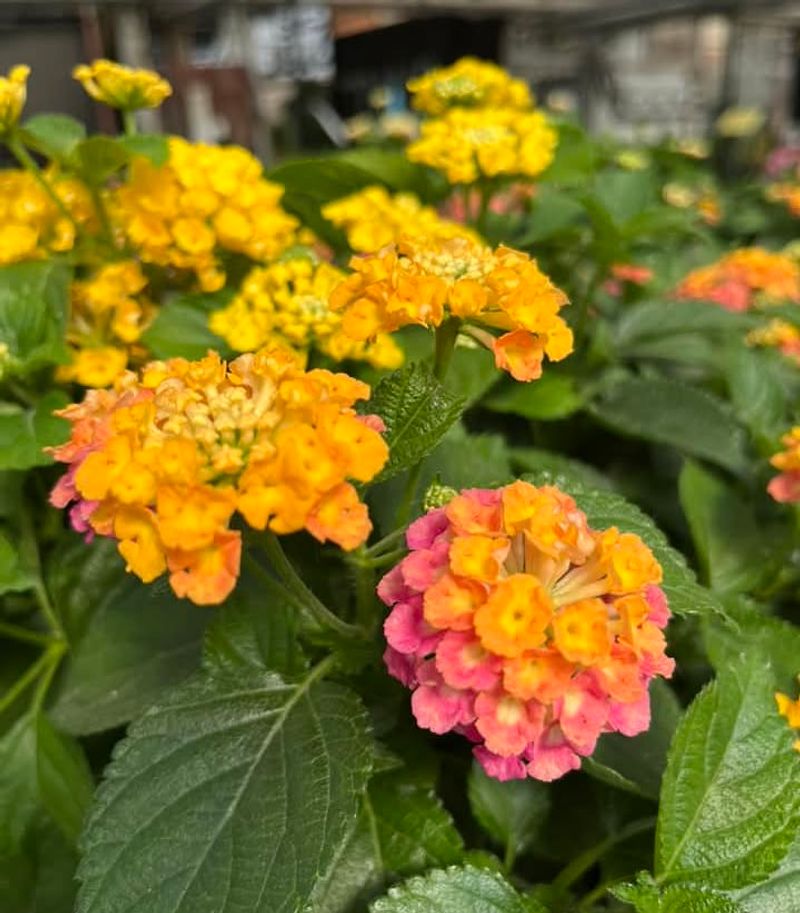
Lantana produces round clusters of tiny flowers in combinations of orange, yellow, pink, red, and white. One single plant can hold dozens of these clusters at a time, making your yard look like a painted canvas from June all the way through fall.
Butterflies and hummingbirds absolutely love it, so you get bonus wildlife activity along with the color.
Plant lantana in a sunny spot with well-draining soil and it will practically take care of itself. Water it deeply once a week during dry spells, and skip the heavy fertilizing since too many nutrients actually reduce blooming.
In Georgia’s warm climate, lantana often survives mild winters and comes back even stronger the following year. Deadheading spent blooms encourages fresh flower production, though many modern varieties bloom continuously without any deadheading at all.
Give it room to spread because lantana can grow wide and bushy over a full season.
It also handles humidity well, which makes it a reliable choice for Georgia gardens where summer air stays thick and heavy.
2. Vinca Stays Colorful In Hot And Dry Conditions
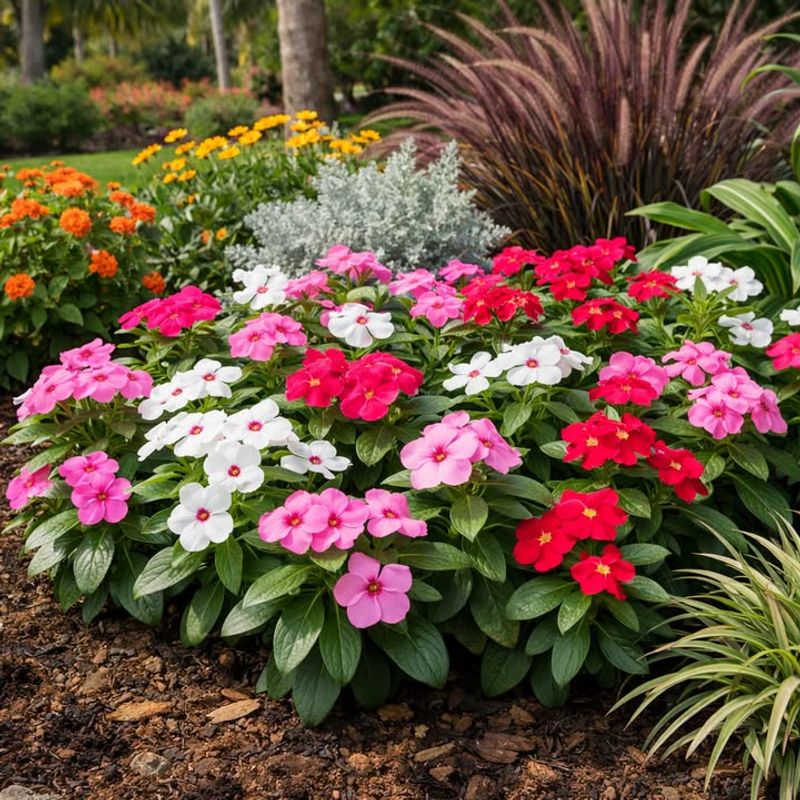
Vinca, sometimes called annual periwinkle, has earned a loyal following among Georgia gardeners who refuse to let summer heat ruin their curb appeal.
Unlike many flowering plants that wilt and sulk when temperatures climb above 85 degrees, vinca actually prefers the heat.
Gardeners from Macon to Augusta rely on it to carry color through the toughest weeks of the season.
These cheerful plants produce flat, pinwheel-shaped flowers in shades of pink, red, white, lavender, and coral. The glossy green leaves stay attractive even between bloom cycles, giving your garden a polished look all season.
Vinca is also remarkably drought-tolerant once established, making it a smart pick for Georgia homeowners who want beauty without constant watering.
Plant vinca in full sun for the best results, though it can handle a little afternoon shade in the hottest parts of Georgia. Space plants about 12 inches apart to allow good air circulation, which helps prevent any fungal issues during humid stretches.
Your Georgia Garden Changes Every Week. Your Plan Should Too.
Gardening in Georgia changes quickly throughout the season. Every Friday you’ll receive a simple weekly plan showing exactly what to plant, prune, fertilize, harvest, and protect so you never miss the right timing.
Avoid overwatering because vinca actually performs better in slightly dry conditions than in soggy soil. Feed it with a balanced slow-release fertilizer at planting time and let it go from there.
By midsummer, your vinca will be covered in blooms while neighboring plants are struggling to survive the Georgia heat.
Its low-maintenance nature means it keeps beds looking full and colorful without constant attention, even during long stretches of hot weather.
3. Zinnia Produces Steady Blooms All Summer
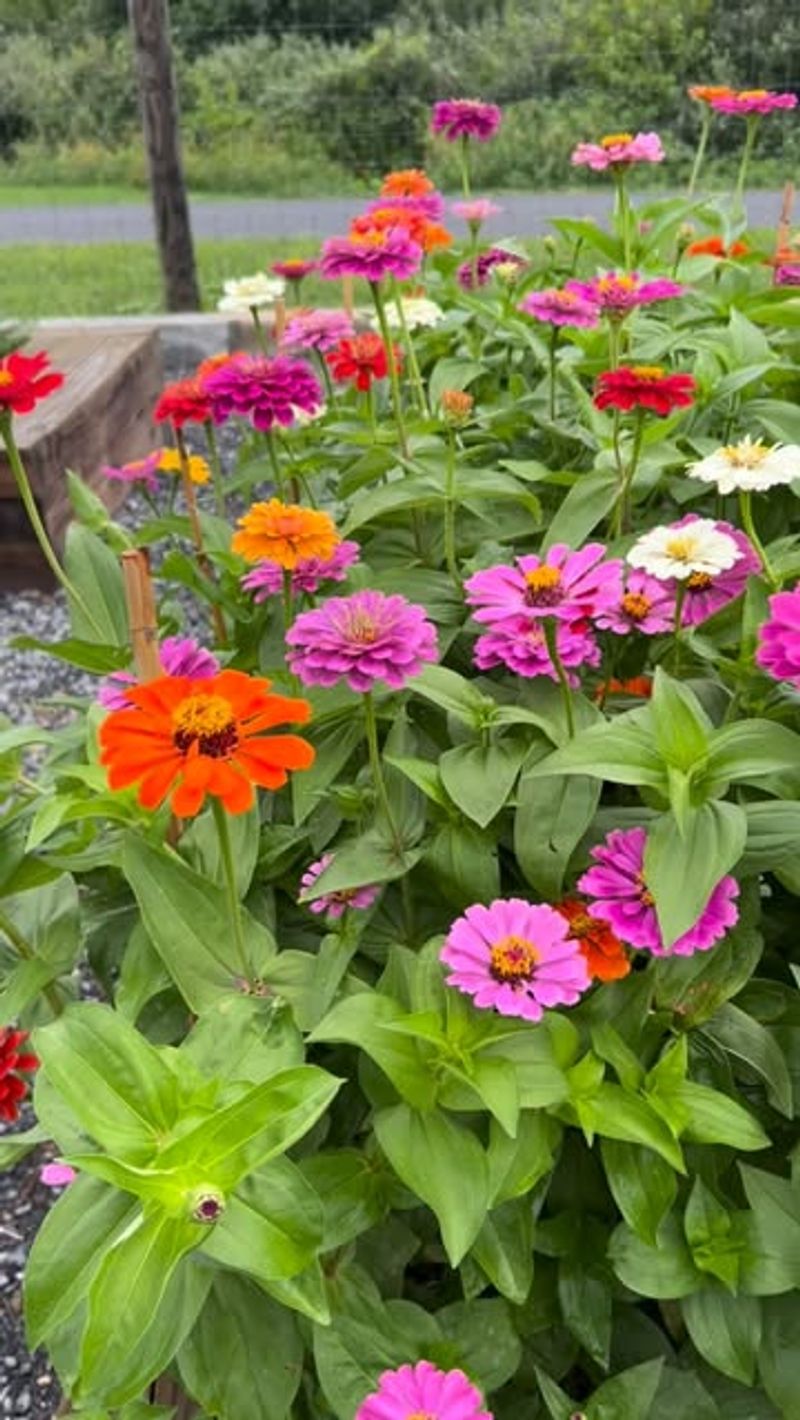
Zinnias are the kind of plant that makes even beginning gardeners look like pros. From the moment they start flowering in early summer, these cheerful bloomers do not slow down until the first frost arrives in Georgia.
Gardeners who grow them often end up with so many flowers they run out of vases to put them in.
What makes zinnias especially great for Georgia summers is their love of heat and sun. They do not just tolerate hot conditions, they thrive in them.
The more sun they get, the more flowers they produce, which is perfect for Georgia’s long, sun-drenched summer days. Colors range from soft pastels to bold, electric shades of orange, red, yellow, pink, and bicolor combinations.
Starting zinnias from seed is incredibly easy and budget-friendly. Sow seeds directly into garden beds after the last frost in Georgia, usually around mid-April, and you will see seedlings within a week.
For the longest bloom season, plant a second round of seeds six weeks after the first. Deadhead spent flowers regularly to keep fresh blooms coming, and water at the base of the plant rather than overhead to reduce the chance of powdery mildew.
Zinnias also attract butterflies and make outstanding cut flowers, so your garden and your kitchen table both win.
Cutting stems often encourages even more blooms, since the plant responds by producing new branches instead of slowing down.
4. Coreopsis Handles Heat And Blooms Repeatedly
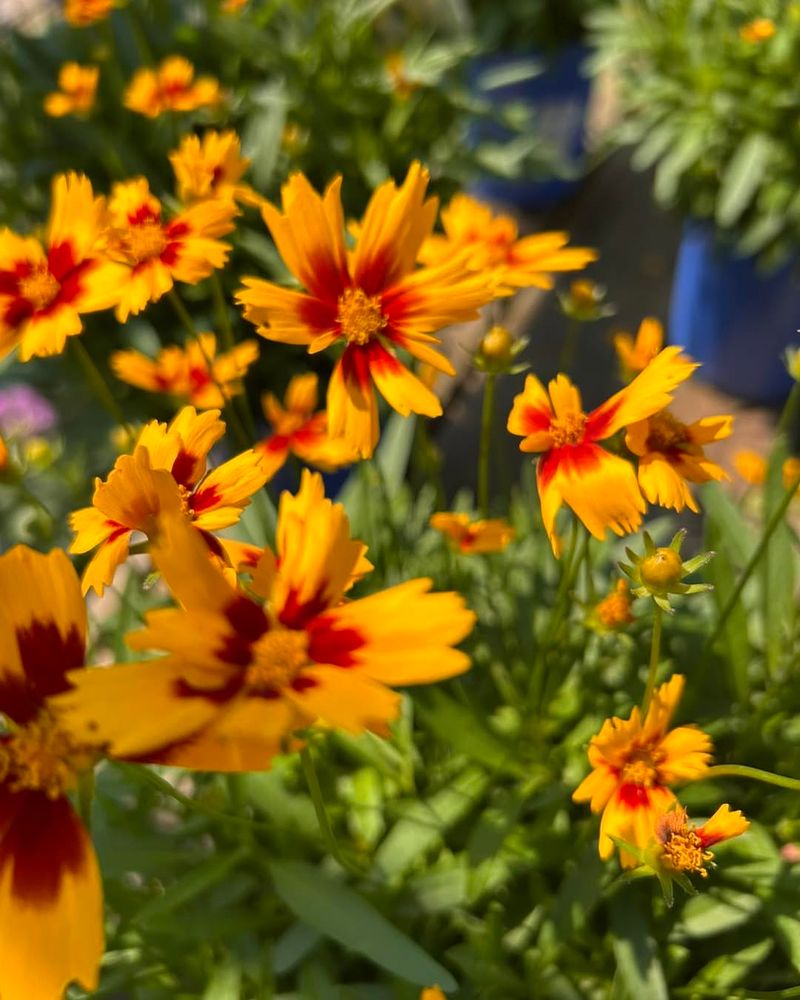
Coreopsis has a reputation for being one of the most reliable bloomers in the entire Southeast, and Georgia gardeners have the gardens to prove it.
Often called tickseed, this native wildflower produces cheerful, daisy-like blooms in shades of golden yellow, orange, and bicolor combinations.
Once established, it blooms in waves throughout the entire summer season without much help from you.
One of the best things about coreopsis is that it is native to much of the Eastern United States, which means it is perfectly adapted to Georgia’s climate. Native plants tend to be more resistant to local pests, diseases, and weather extremes, and coreopsis is no exception.
Even during Georgia’s brutal July heat waves, coreopsis keeps producing flowers while other plants go dormant or stop blooming entirely.
Plant coreopsis in full sun and well-draining soil for the strongest performance. It handles poor soil better than most garden flowers, so you do not need to over-amend your beds.
Water young plants regularly until they are established, then back off because mature coreopsis is quite drought-tolerant. Trim plants back by about one-third after each major bloom flush to encourage a fresh wave of flowers.
Many varieties are perennial in Georgia, meaning they return year after year and get bigger and more impressive each season. Few plants offer this much reward for such little effort.
5. Gaillardia Thrives In Heat With Continuous Flowers
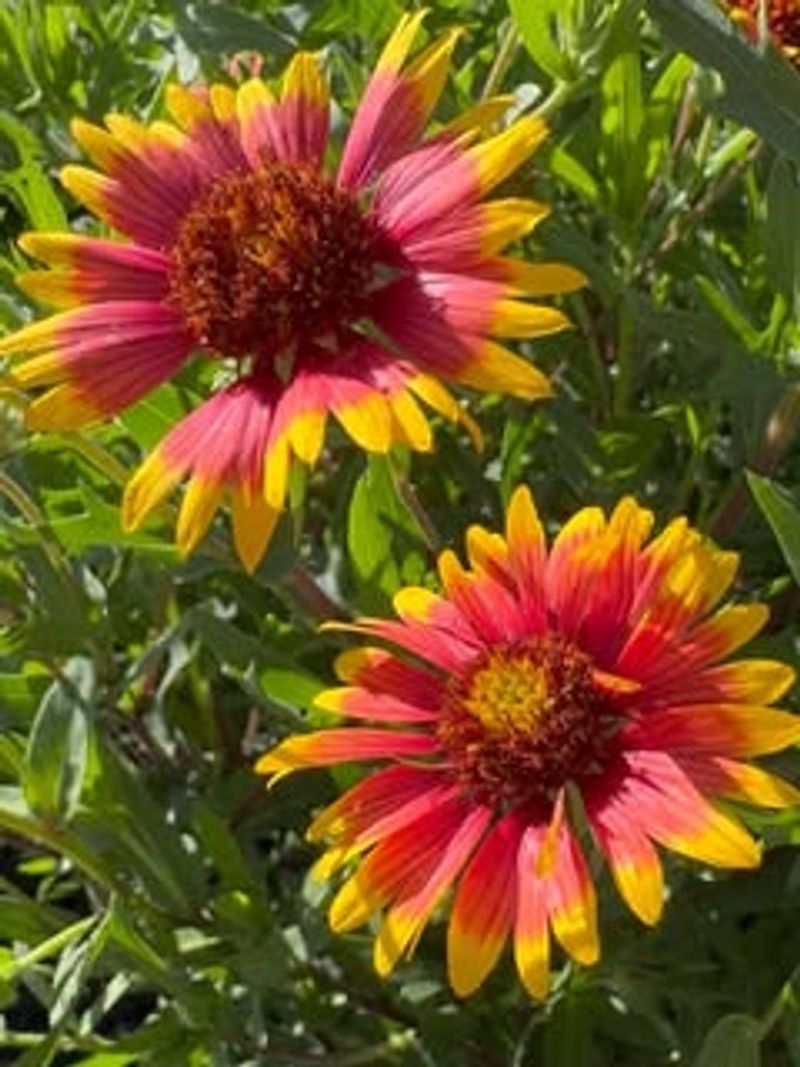
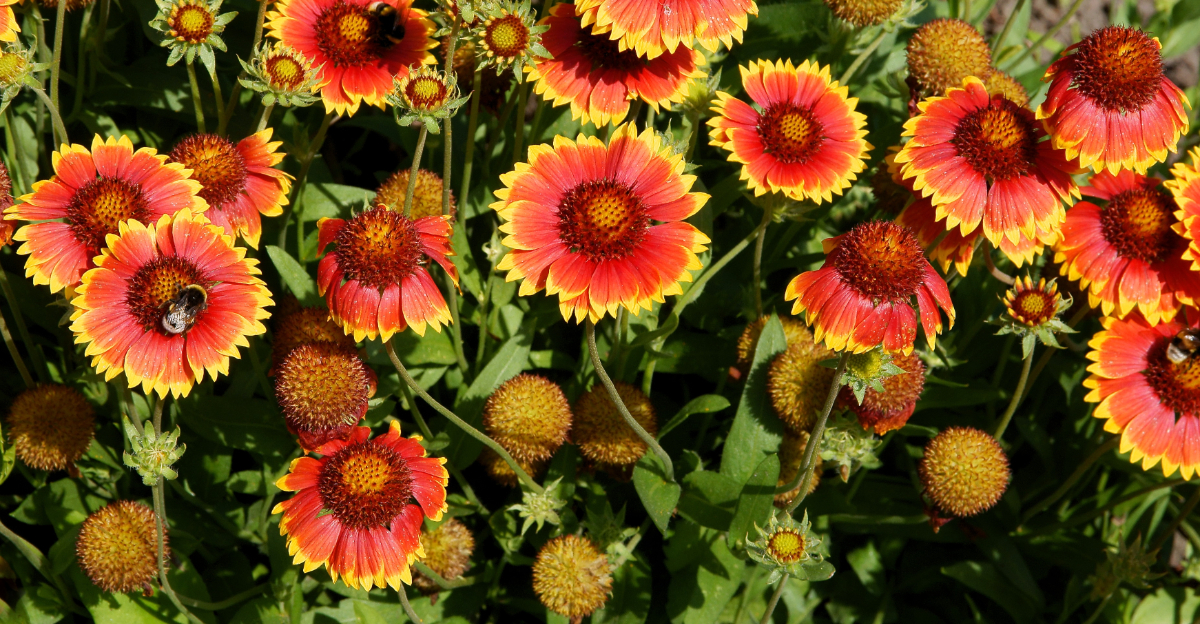
Gaillardia, commonly known as blanket flower, looks like summer itself turned into a plant. Blazing red petals tipped with golden yellow surround a rich burgundy center, creating one of the most eye-catching displays in any Georgia garden.
What really sets gaillardia apart is its almost stubborn refusal to stop blooming, even during the most relentless summer heat.
Named after a French botanist but feeling very much at home in the American South, gaillardia was practically made for Georgia conditions. Sandy soil, full sun, and minimal rainfall?
No problem. Gaillardia not only survives these conditions but actually produces more flowers when slightly stressed by heat and drought.
Overwatering and heavy clay soil are the two things most likely to give this plant trouble.
Plant gaillardia where it will receive at least six to eight hours of direct sun each day. Space plants about 18 inches apart to allow good airflow, which is especially important during Georgia’s humid summers.
Deadhead spent blooms every week or two to encourage continuous flowering throughout the season. Some gardeners in Georgia leave a few spent flower heads on the plant at the end of summer because gaillardia self-seeds freely, giving you free plants the following year.
Pollinators, especially bees and butterflies, visit gaillardia constantly, making it a wonderful addition to any pollinator-friendly Georgia garden.
6. Salvia Keeps Blooming Even In High Temperatures
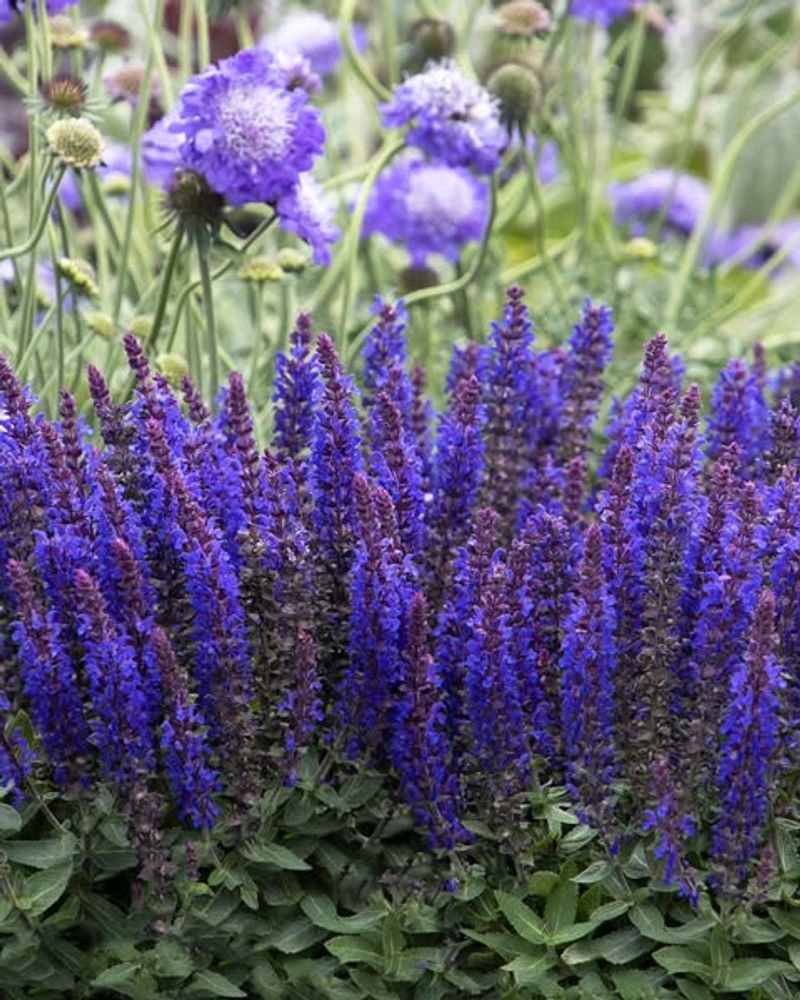
Salvia is one of those plants that garden centers in Georgia practically cannot keep on the shelves during spring planting season, and for excellent reasons.
With its tall spikes of tubular flowers in shades of red, purple, blue, pink, and white, salvia adds vertical interest and bold color to any garden bed.
More importantly, it blooms from late spring all the way through the first frost without taking a midsummer break.
Hummingbirds are obsessed with salvia, especially the red varieties, and planting a few clumps near a window or patio gives you a front-row seat to their acrobatic feeding shows. Bees and butterflies also love it, making salvia one of the best pollinator plants you can grow in Georgia.
Beyond its wildlife value, salvia is remarkably easy to maintain throughout the long Georgia summer season.
Tropical salvia varieties like Salvia coccinea and Salvia splendens perform especially well in Georgia’s heat and humidity. Plant them in full sun or very light partial shade, and water regularly during dry stretches to keep blooms coming strong.
Cut plants back by about one-third in midsummer if they start to look leggy, and they will rebound with a fresh flush of flowers within a few weeks. Fertilize lightly once a month with a bloom-boosting formula to maintain peak performance all season long.
Its upright growth makes it easy to layer with lower plants, helping garden beds look fuller and more balanced without much effort.
7. Angelonia Flowers Consistently In Summer Heat
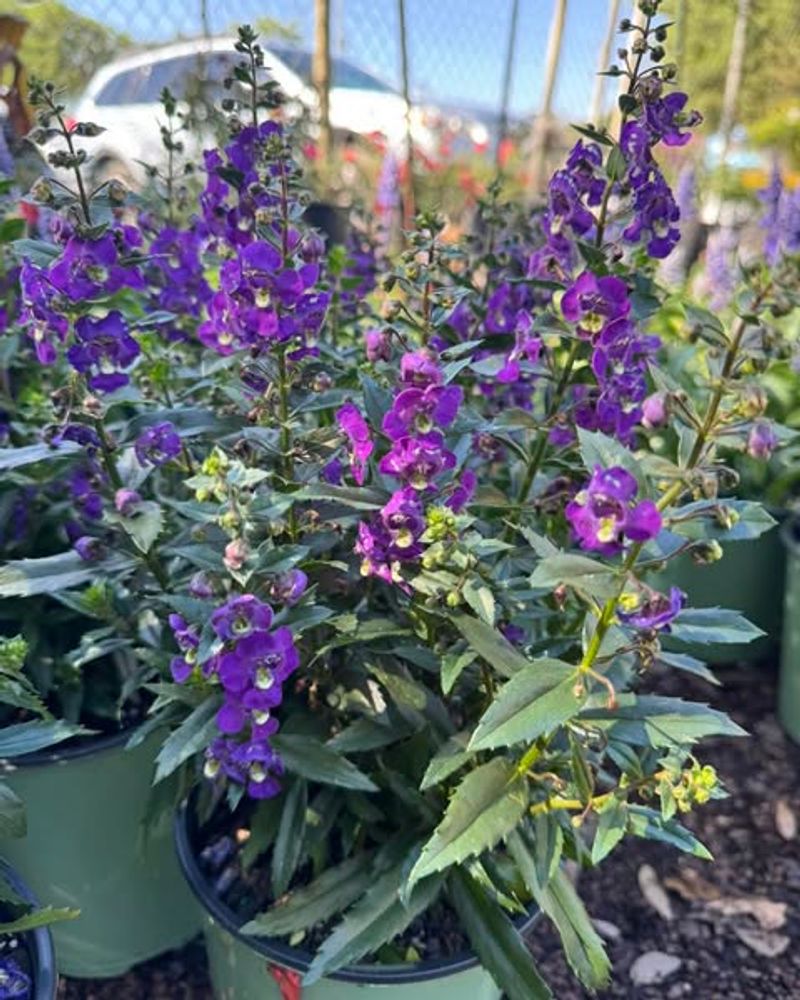
Angelonia sometimes gets called the summer snapdragon, and once you see it in person, that nickname makes total sense.
Slender upright stems covered in small, orchid-like flowers create a refined, almost elegant look that holds up beautifully through Georgia’s most punishing summer months.
Unlike true snapdragons, which struggle once temperatures rise, angelonia hits its stride right when the heat arrives.
Georgia gardeners who discover angelonia for the first time often wonder why they waited so long. Flowers come in shades of purple, lavender, pink, white, and bicolor combinations, and the plants bloom without any deadheading required.
Some varieties even have a light, pleasant fragrance, which is a rare bonus in heat-tolerant summer annuals. The upright habit makes angelonia a great choice for the middle or back of a garden border.
Plant angelonia in full sun with well-draining soil and it will perform strongly from planting day until the end of Georgia’s long growing season.
Drought tolerance is solid once plants are established, though regular watering during extreme heat keeps them looking their best.
Space plants about 12 to 18 inches apart so air can circulate around them freely during Georgia’s humid summer nights. A light application of slow-release fertilizer at planting time provides enough nutrition for most of the season.
Few summer annuals combine this level of elegance with this kind of durability in Georgia heat.
8. Portulaca Blooms Nonstop In Full Sun
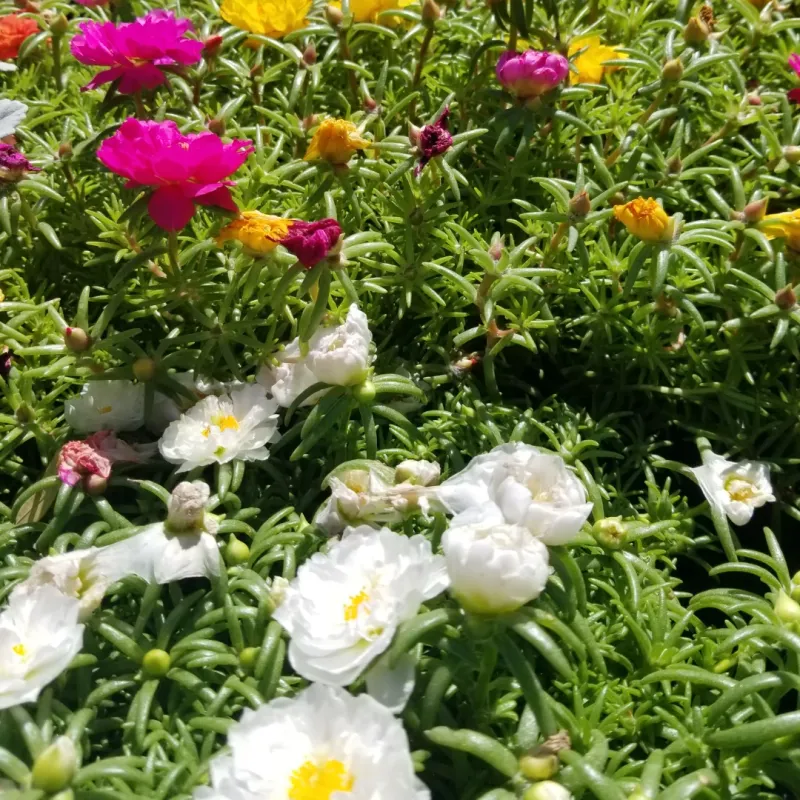
Portulaca, often sold as moss rose, is the ultimate overachiever for hot, dry spots in a Georgia garden. While other plants droop and fade in blazing afternoon sun, portulaca opens its jewel-bright flowers wider and seems to genuinely enjoy the challenge.
Gardeners across Georgia use it to fill rocky slopes, dry garden edges, and sunny containers that would destroy almost any other annual.
The flowers are stunning up close, with silky, crepe-paper-like petals in shades of red, orange, yellow, hot pink, coral, and white. Some varieties even produce double blooms that look like tiny roses, which is where the moss rose nickname comes from.
Portulaca stays low to the ground, usually only six to eight inches tall, making it a natural choice as a ground cover or a cascading container plant on a sunny Georgia porch.
Portulaca needs almost no care once it is established in a sunny spot with sandy or well-draining soil. Water sparingly because this plant evolved in dry conditions and actually performs worse when overwatered.
Skip the fertilizer or use only a very light application because rich soil encourages leafy growth at the expense of flowers. Portulaca self-seeds freely in Georgia, so you may find volunteer plants popping up in the same spot next year.
For gardeners who want maximum color with minimum effort, portulaca is simply hard to beat anywhere in Georgia.