How To Design A Small Oregon Backyard Garden
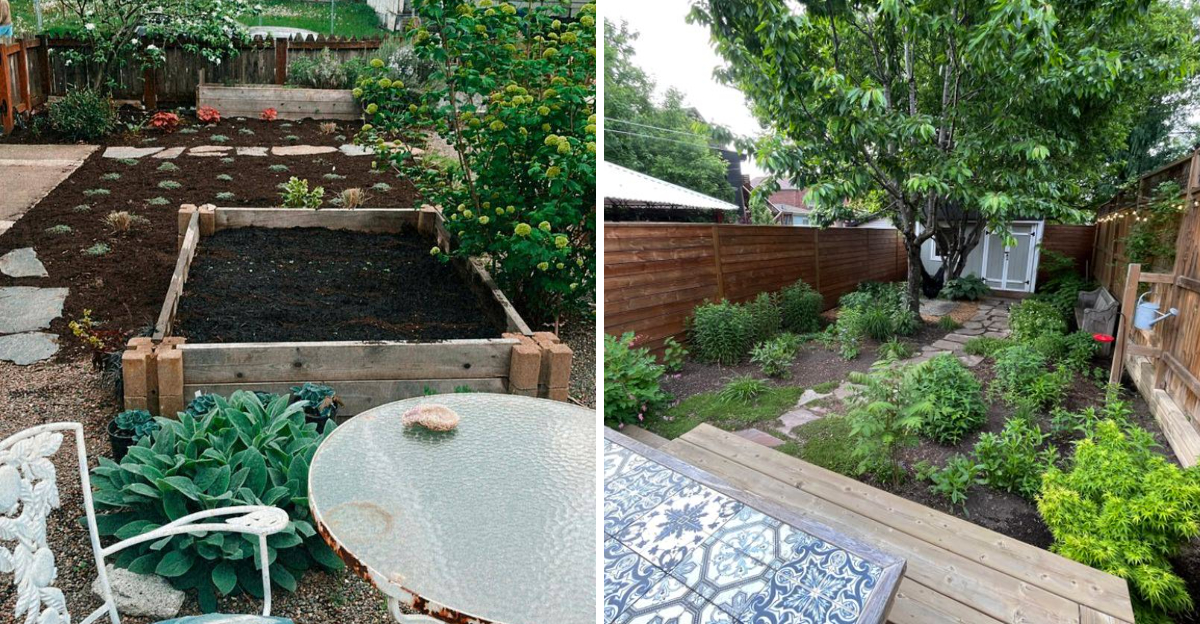
Designing a small backyard garden in Oregon is all about making every inch count. With limited space, it’s easy to feel like you have to choose between beauty and function, but the right layout lets you have both.
Oregon’s mild temperatures, cool springs, and regular rainfall give you a great starting point, as long as you plan around them. A small space can still feel lush, layered, and full of life.
It comes down to smart choices like using vertical space, picking plants that earn their spot, and creating a layout that feels open instead of crowded. Even a compact yard can grow food, support pollinators, and look inviting at the same time.
Once you dial in a simple, thoughtful design, your garden starts working with you instead of against you. The result is a space that feels bigger, easier to manage, and far more enjoyable day to day.
1. Start With A Simple Plan
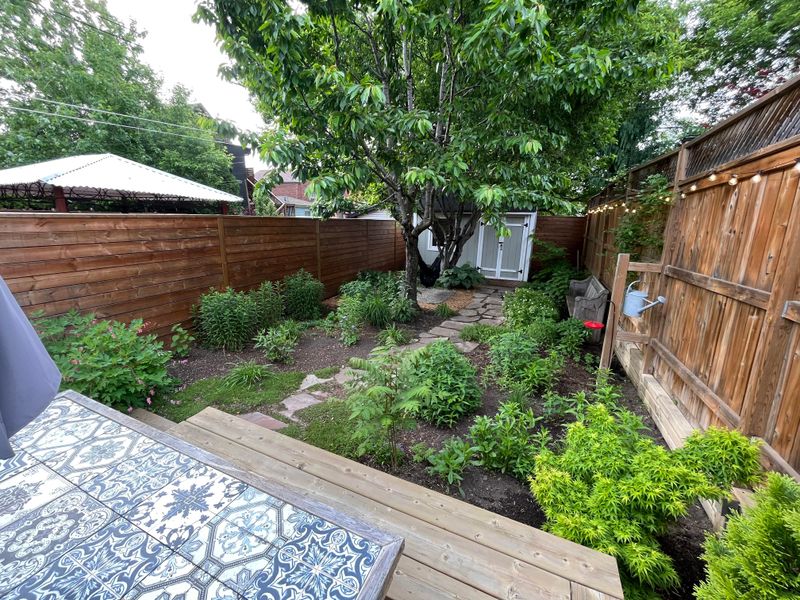
Before you buy a single plant or dig up any soil, grab a pencil and some paper. Sketching out a simple plan for your Oregon backyard garden is one of the smartest things you can do.
It does not have to be perfect or drawn to scale.
Walk around your yard and take notes. Notice where the sun hits in the morning and where it fades in the afternoon.
Oregon weather can be tricky, with lots of cloudy days in fall and winter, so understanding your sunlight is key.
Look at what is already in your yard. Are there fences, raised beds, or trees you want to keep?
Mark those on your sketch too. Think about how you want to use the space.
Do you want a place to sit, grow food, or just enjoy some color?
Having a clear plan helps you avoid costly mistakes. It also helps you stay focused when you are at the nursery and tempted to buy everything in sight.
A good plan does not need to be fancy. Even a rough drawing on a napkin is better than no plan at all.
Start small and build from there. Oregon gardeners who plan ahead tend to end up with more organized, beautiful, and functional outdoor spaces in the long run.
2. Work With Your Space
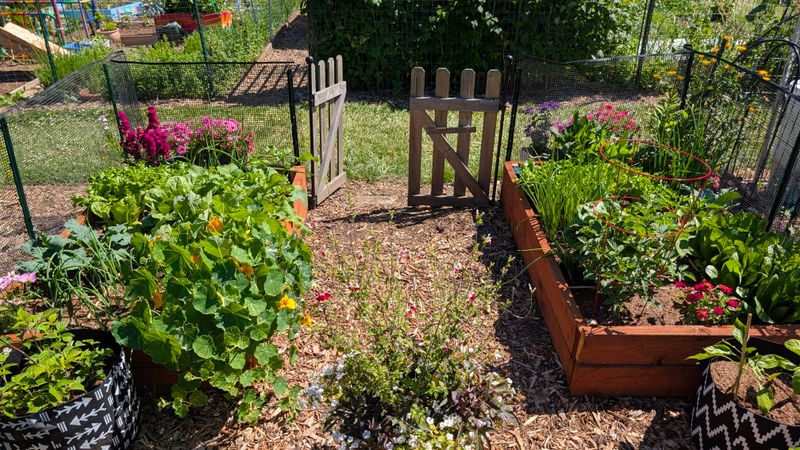
Not every backyard in Oregon comes with acres of space, and that is totally fine. Some of the most beautiful gardens in Portland and Eugene are tucked into tight little lots.
Working with what you have, rather than fighting against it, is the secret to a great small garden.
Measure your yard carefully. Knowing the exact dimensions helps you figure out how much room you have for pathways, planting beds, and seating areas.
Even a 10×10 foot space can feel open and inviting with the right layout.
Think about traffic flow. You want to be able to walk through your garden without stepping on plants.
Narrow pathways of about 18 to 24 inches wide work well in small spaces. Use stepping stones or gravel to define those paths clearly.
Your Oregon Garden Changes Every Week. Your Plan Should Too.
Gardening in Oregon changes quickly throughout the season. Every Friday you’ll receive a simple weekly plan showing exactly what to plant, prune, fertilize, harvest, and protect so you never miss the right timing.
Corners and edges are often wasted in small yards. Use them!
A corner trellis, a compact raised bed, or a container garden along a fence can add a lot without taking up much room.
Oregon backyards often come with shade from neighboring trees or structures. Embrace that shade by planting ferns, hostas, or other low-light plants in those spots.
Every corner of your yard has potential. The goal is to match the right plants and features to the right spots so everything thrives together naturally.
3. Choose Oregon-Friendly Plants
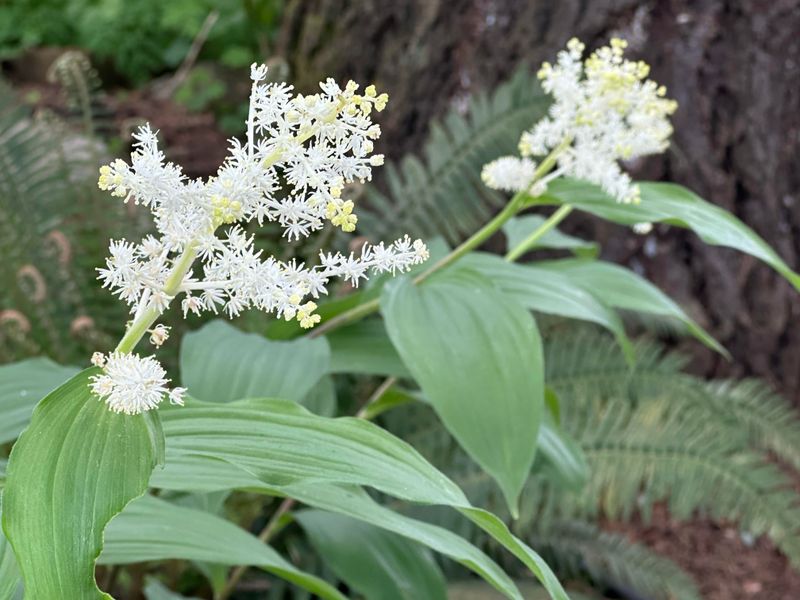
Picking the right plants is one of the most exciting parts of designing a garden in Oregon. The Pacific Northwest has a unique climate with mild, wet winters and warm, dry summers.
That means not every plant from a national garden magazine will thrive here.
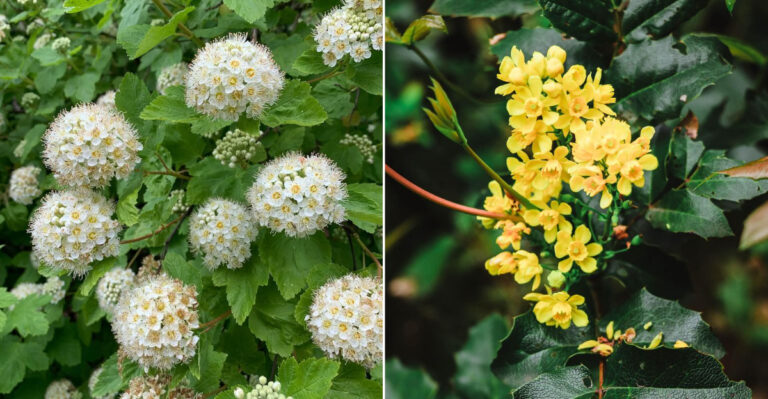
Oregon native plants are a fantastic starting point. Red flowering currant, Oregon grape, and Pacific bleeding heart are all beautiful, low-maintenance options that already know how to handle local conditions.
They support local pollinators like bees and butterflies too.
Lavender, rosemary, and ornamental grasses also do really well across much of Oregon, especially in drier regions like Bend or Medford. These plants can handle the summer drought without needing constant watering.
If you want to grow food, raised beds are popular with Oregon gardeners. Kale, lettuce, tomatoes, and herbs like basil and chives all grow well in the Willamette Valley.
Just make sure your food garden gets at least six hours of sunlight each day.
Avoid plants that need a lot of heat and humidity, as Oregon summers are warm but not tropical. Stick with plants that match your specific region within the state.
A little research goes a long way. Visiting a local Oregon nursery is one of the best ways to get advice tailored to your exact zip code and growing conditions.
4. Use Vertical Growing Space
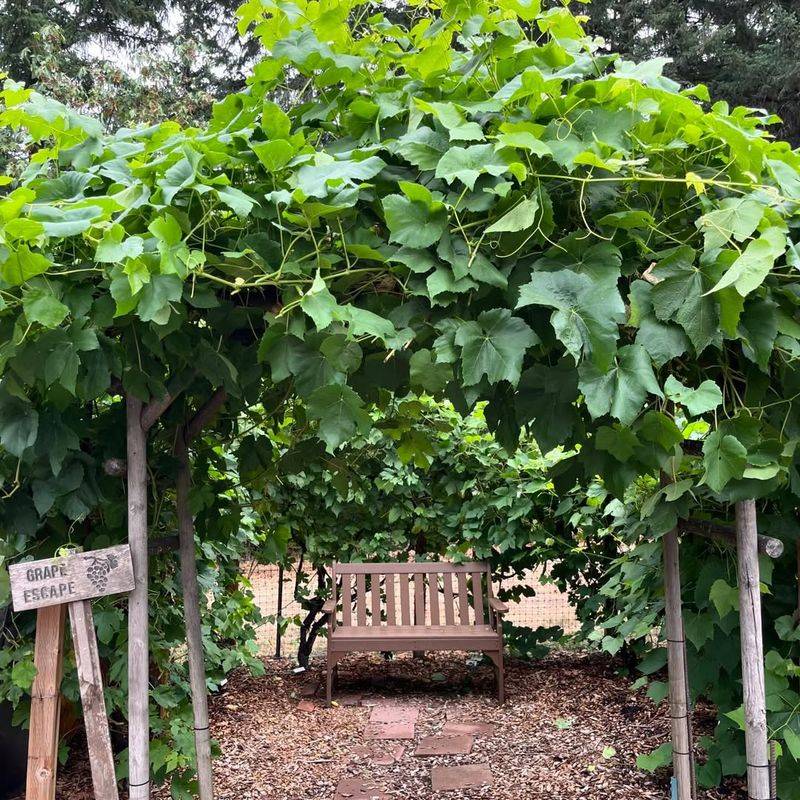
When ground space is limited, the only direction left to grow is up. Vertical gardening is a game-changer for small Oregon backyards, and it looks amazing too.
Think of your fences, walls, and even the side of your house as blank canvases waiting to be used.
Trellises are one of the easiest ways to go vertical. You can grow climbing roses, sweet peas, or even beans and cucumbers up a trellis without using much floor space at all.
In Oregon, climbing hydrangeas are also a stunning option for shaded walls.
Wall-mounted planters and pocket planters are perfect for herbs and small flowers. Hang them near your kitchen door so fresh basil, mint, or parsley is always within reach.
They add color and life to bare fences or wooden walls.
Stacked raised beds and tiered planters give you multiple growing levels in a small footprint. You can grow strawberries, lettuce, and flowers all in one compact tower.
These are especially popular with Oregon urban gardeners who are working with very tight spaces.
Going vertical also adds visual depth and interest to a small yard. Layers of greenery at different heights make a garden feel bigger and more lush.
Start with one simple trellis and see how much it transforms the feel of your outdoor space almost instantly.
5. Create Clear Garden Zones
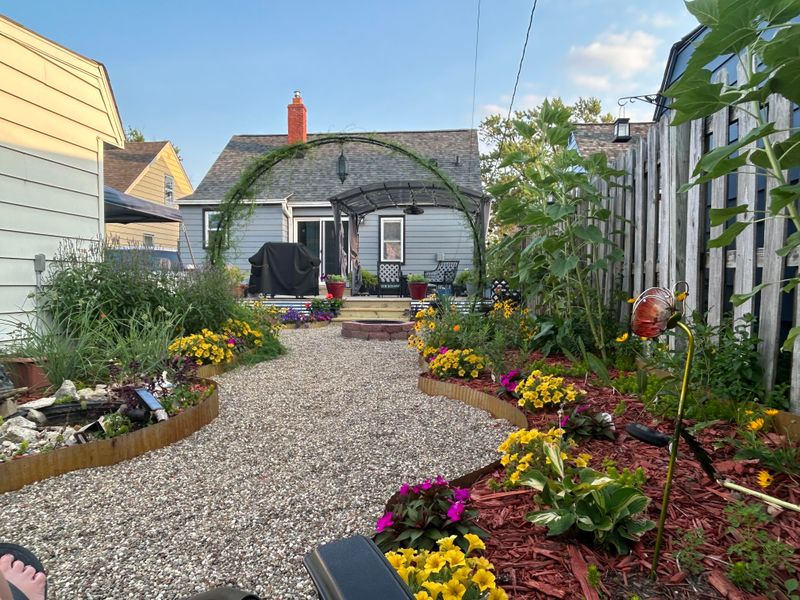
One thing that separates a chaotic small garden from a beautiful one is clear organization. Creating defined zones in your Oregon backyard helps every area serve a purpose, and it makes the whole space feel more put-together and intentional.
Think about what activities you want in your yard. Maybe you want a small dining area, a flower garden, a vegetable patch, and a play area for kids.
Each of those needs its own zone. Even in a tiny yard, you can carve out separate spaces with simple tools like low borders, gravel paths, or changes in ground cover.
Hardscaping helps define zones without taking up planting space. A small patio made of pavers or flagstone gives you a clear outdoor living area.
A gravel path between a seating area and a garden bed creates a natural visual boundary that feels clean and organized.
Oregon backyards often benefit from a mix of soft and hard surfaces. Lawn areas look great next to garden beds, and wooden decking pairs beautifully with native plantings.
The contrast adds texture and makes each zone stand out.
Keep zones proportional to your space. A dining zone in a small yard does not need a massive table.
A bistro set for two takes up very little room and still creates that cozy outdoor living feeling that Oregon gardeners love so much year-round.
6. Improve Your Soil First
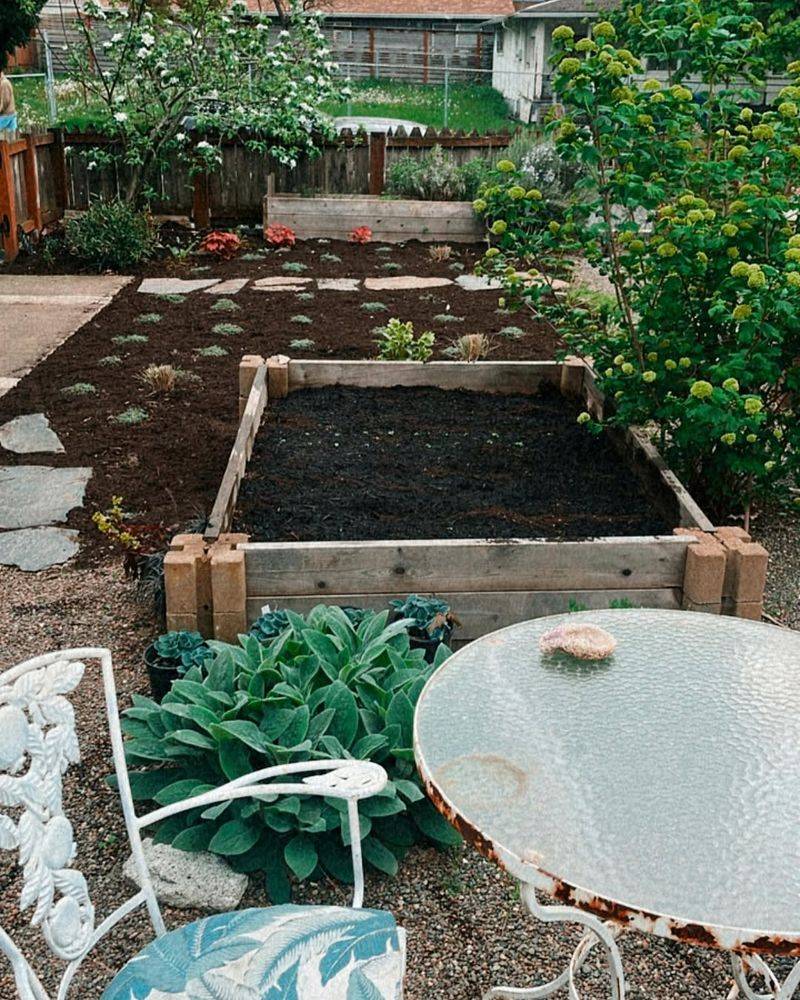
Healthy plants start from the ground up, and that means your soil matters more than almost anything else. Many Oregon yards, especially newer ones, have compacted or clay-heavy soil that makes it tough for roots to grow.
Fixing that before you plant anything is a smart move.
Oregon is known for having heavy clay soils in many parts of the Willamette Valley. Clay holds too much water and does not drain well, which can cause roots to rot.
Adding compost is the best way to improve clay soil. Work in a few inches of compost every season and your soil will get better over time.
You can buy bagged compost at any Oregon garden center, or you can make your own with kitchen scraps and yard waste. Homemade compost is free, sustainable, and incredibly effective.
Oregon gardeners who compost regularly tend to have noticeably healthier and more productive gardens.
Raised beds are another great solution for poor soil. You fill them with a mix of topsoil, compost, and other amendments so you have full control from the start.
Many Oregon gardeners prefer raised beds for vegetables because of this reason.
Get a basic soil test before you begin planting. Your local Oregon State University Extension office often offers low-cost soil testing.
Knowing your soil’s pH and nutrient levels helps you make the right changes and avoid wasting money on fertilizers you do not need.
7. Add Year-Round Interest
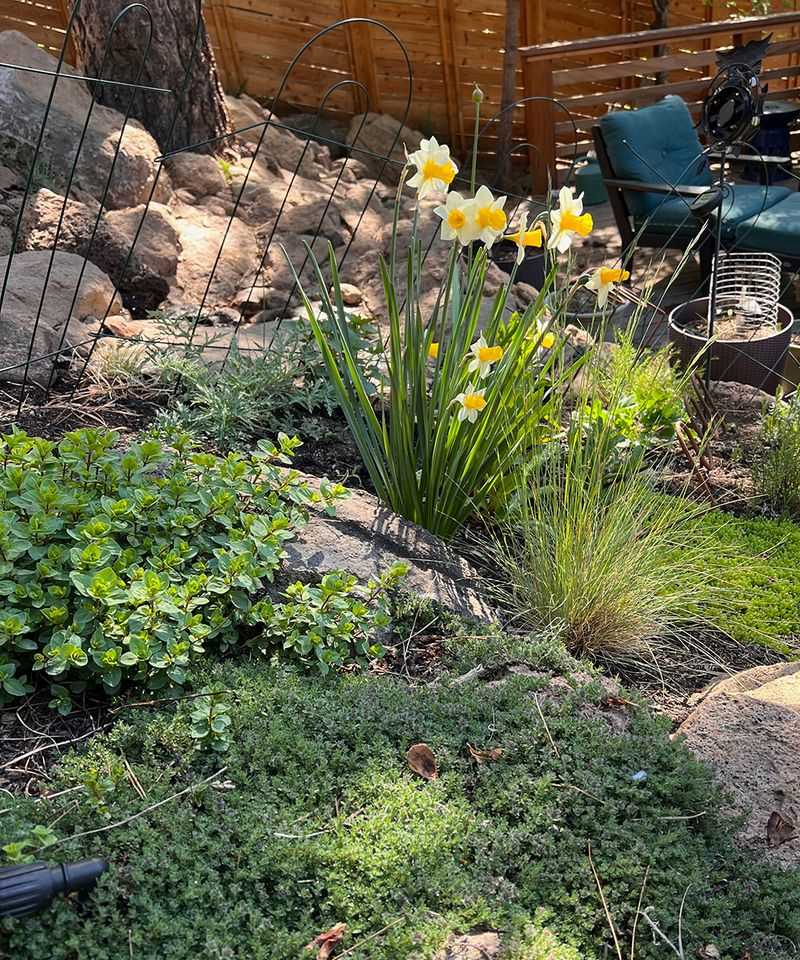
Oregon is a year-round state when it comes to gardening, and your backyard should reflect that. A well-designed small garden looks interesting in January just as much as it does in July.
The secret is choosing a mix of plants that each have their moment to shine in different seasons.
Spring bulbs like tulips, daffodils, and alliums are easy to plant in fall and reward you with cheerful color just when you need it most after a long Oregon winter. Layer them with early-blooming shrubs like forsythia or flowering cherry for maximum impact.
Summer is when Oregon gardens really come alive. Lavender, echinacea, black-eyed Susans, and ornamental grasses all thrive in the warm months.
These plants also attract pollinators, which keeps your garden buzzing with life and energy throughout the season.
For fall, Japanese maples and Oregon white oak offer stunning foliage in shades of red, orange, and gold. Ornamental kale and asters keep color going well into November.
Even the seed heads of spent flowers can look beautiful when left standing through the cooler months.
Winter interest comes from evergreen plants, interesting bark, and structural elements like trellises or garden art. Hellebores are beloved by Oregon gardeners for their ability to bloom beautifully even in the coldest and darkest months of the year when little else is growing.