Why Western Oregon Clay Soil Drains Poorly And What To Actually Do About It
Western Oregon clay soil can test even patient gardeners. After a rainy stretch, it may stay sticky for days and cling to boots like it has trust issues.
Then summer comes, and the same soil can turn hard enough to make planting feel like a workout. The problem is the tiny clay particles.
They pack tightly together, leaving less space for water and air to move through. That slow drainage can stress roots and make garden beds harder to manage.
Digging in sand may sound like a quick fix, but it often makes the texture worse. Compost is usually a better answer because it helps improve structure over time.
Raised beds can also help plants avoid the soggiest spots. Clay soil is not hopeless. It just needs a smarter approach than forcing it to behave like loose garden loam overnight.
1. Clay Particles Drain Slowly
Clay soil has a reputation, and honestly, it earned it. The particles that make up clay are incredibly tiny, much smaller than sand or silt.
Because they are so small, they pack together tightly and leave almost no space for water to move through. That is the root of the whole problem.
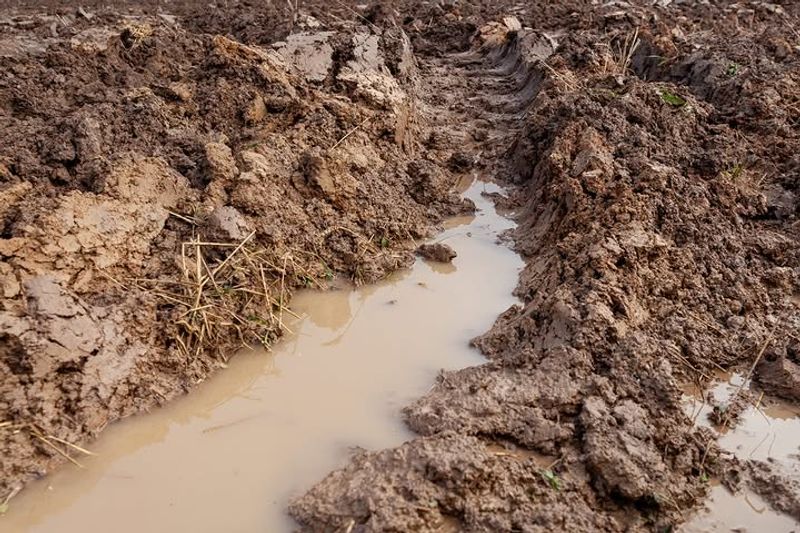
When rain falls on clay-heavy ground, the water has nowhere to go fast. It sits on top or moves through the soil at a painfully slow pace.
In wetter climates like western Oregon, where rain can fall for days at a time, that slow drainage becomes a real issue for roots and plants.
Sandy soil, by comparison, has much larger particles with bigger gaps between them. Water flows through sandy soil quickly and easily.
Clay is the opposite. The tiny particles also carry a slight electrical charge, which causes them to stick together and repel water even more.
One thing most people do not know is that clay soil is actually very nutrient-rich. It holds onto minerals and organic matter well.
So while drainage is a challenge, clay is not all bad. The goal is not to get rid of it but to improve how it behaves.
With the right approach, clay can become a productive growing medium. Understanding the science behind clay particles is the first step toward making smarter choices in your garden or yard.
2. Rain Keeps Soil Saturated
Anyone who has lived in the Willamette Valley knows that rain here is not a quick afternoon shower. It can drizzle for weeks without a real break.
That kind of persistent moisture is exactly what pushes clay soil past its limits. The ground simply cannot recover between storms.
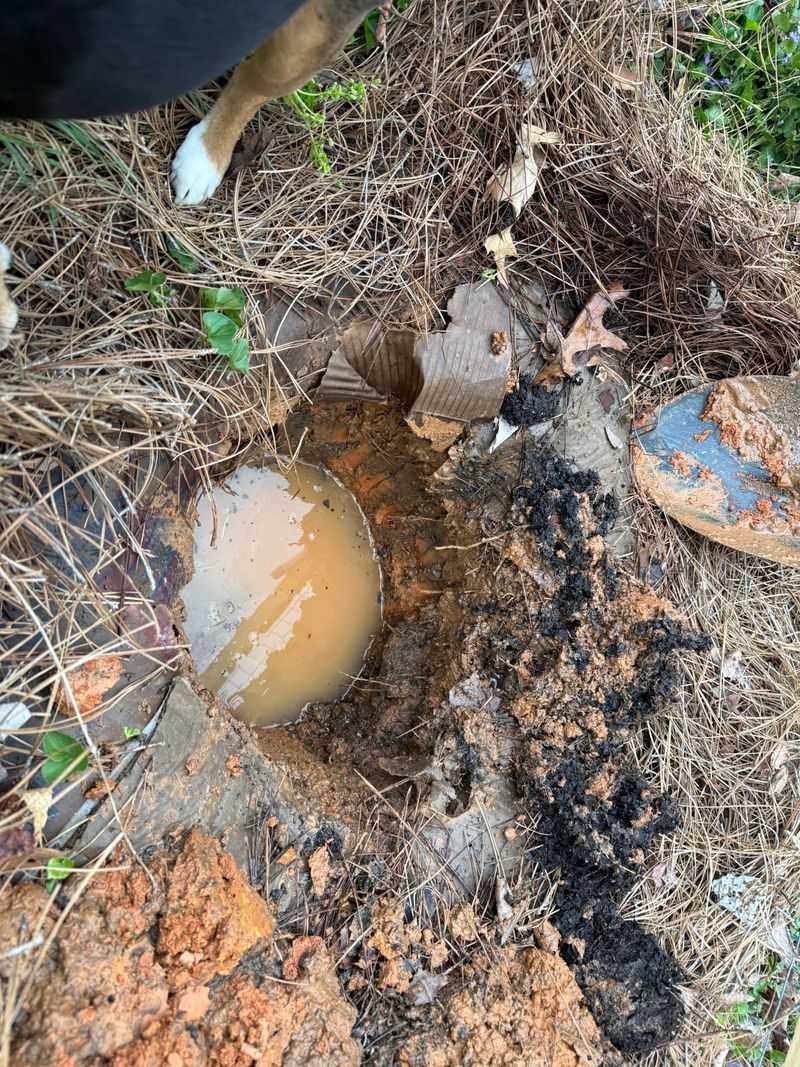
When soil stays wet for a long time, it reaches what scientists call saturation. Every tiny pore in the soil fills with water, and there is no room left for air.
Plant roots need both water and oxygen to survive. When the air gets pushed out, roots struggle and can start to rot.
Our state gets an average of 40 to 50 inches of rain per year in many western areas. Most of that falls between October and March.
Your Oregon Garden Changes Every Week. Your Plan Should Too.
Gardening in Oregon changes quickly throughout the season. Every Friday you’ll receive a simple weekly plan showing exactly what to plant, prune, fertilize, harvest, and protect so you never miss the right timing.
That means for nearly half the year, clay soil in this region is fighting a losing battle against constant moisture input. There is simply more water coming in than can drain out.
This pattern also means the soil stays cold longer into spring. Cold, wet clay warms up slowly, which delays planting season for gardeners.
You might be itching to get outside in March, but your soil is still a soggy mess. Recognizing this seasonal rhythm helps you plan better.
Waiting for the right moment to work your soil saves you a lot of frustration and protects the soil structure at the same time.
3. Compaction Makes It Worse
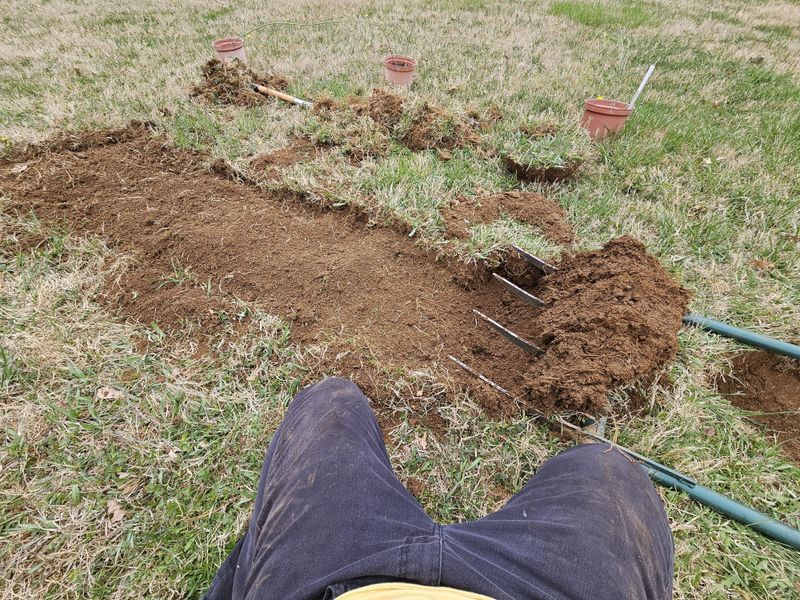
Picture this: every time you walk across your yard, you are pressing down on the soil. Over time, that pressure squeezes out the tiny air pockets that help water move through.
Clay soil is already prone to compaction, and foot traffic, heavy equipment, and even rainfall can make it worse.
Compacted clay becomes almost like concrete when it dries. Water cannot penetrate the surface at all and just runs off to lower areas.
When it is wet, it stays saturated because the compressed particles have no room to let water pass through. Either way, plants suffer.
Heavy machinery is one of the biggest culprits. Construction projects, landscaping work, or even parking vehicles on your lawn can crush the soil structure badly.
Once the structure breaks down, it takes a long time to rebuild it naturally. Earthworms and microbes help, but they need time and the right conditions.
A simple way to check for compaction is to push a screwdriver into the soil. If it goes in easily, your soil is in decent shape.
If you have to force it, compaction is likely a problem. Aerating your lawn or garden beds once a year can help break up the compressed layers.
Core aeration, where small plugs of soil are pulled out, works better than spike aeration for clay.
Adding organic matter after aeration gives the loosened soil something to hold onto and helps it stay open longer.
4. Wet Digging Damages Clay
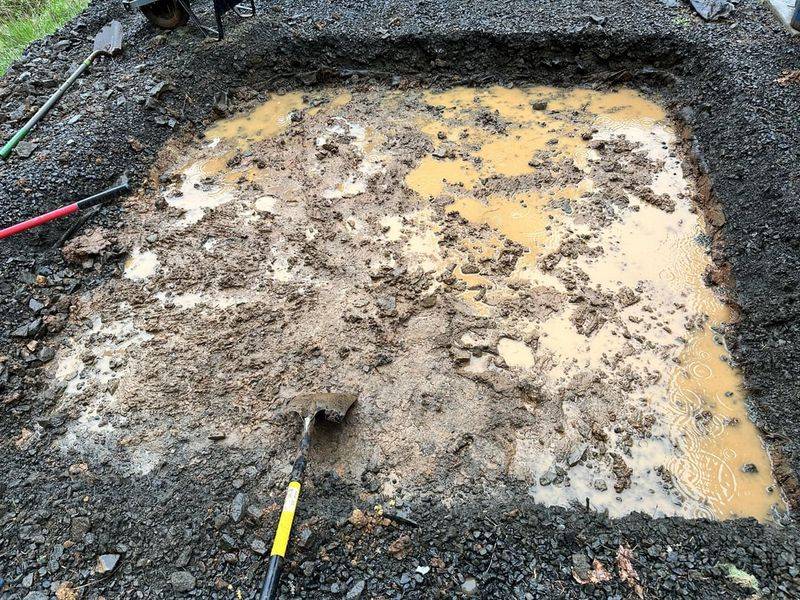
There is a temptation every spring to get out into the garden the moment the rain slows down. The sun peeks out, the air smells fresh, and you grab a shovel.
But digging in wet clay soil is one of the worst things you can do to it. It causes more harm than good.
When clay is wet, the particles slide against each other easily. Digging or tilling in this state smears those particles together and destroys the natural structure of the soil.
Gardeners call this smearing or puddling. Once it happens, the soil can harden into dense, brick-like clumps when it dries out.
A good test is to grab a handful of soil and squeeze it into a ball. Then poke it with your finger.
If it crumbles apart, the soil is ready to work. If it stays in a sticky, muddy ball, put the shovel away and wait a few more days. Patience here really does pay off.
Working wet clay also creates a layer called a hardpan just below the surface. Hardpan is a dense, compressed layer that blocks water and roots from moving deeper into the ground.
Once hardpan forms, it is very difficult to fix without deep tillage or other serious intervention.
Protecting your soil structure by timing your garden work correctly is one of the easiest and most impactful things you can do for long-term soil health in this region.
5. Sand Is Not The Fix
Ask any experienced gardener in western Oregon what the biggest clay soil mistake is, and most will say the same thing: adding sand. It sounds logical.
Sand drains well, clay drains poorly, so mixing them together should fix the problem, right? Unfortunately, that is not how soil science works.
When you mix small amounts of sand into clay, you end up with something that behaves almost like concrete. The tiny clay particles fill in the spaces between the sand grains, and the result is a dense, hard mixture that drains even worse than before.
You need enormous amounts of sand to actually change how clay behaves, and that amount is not practical for most home gardeners.
Some professionals estimate that you would need to add enough sand to make up at least 50 percent of the total soil volume before it starts to improve drainage.
That is an extraordinary amount of material and cost for most yards or garden beds. Most people add a thin layer and wonder why nothing improved.
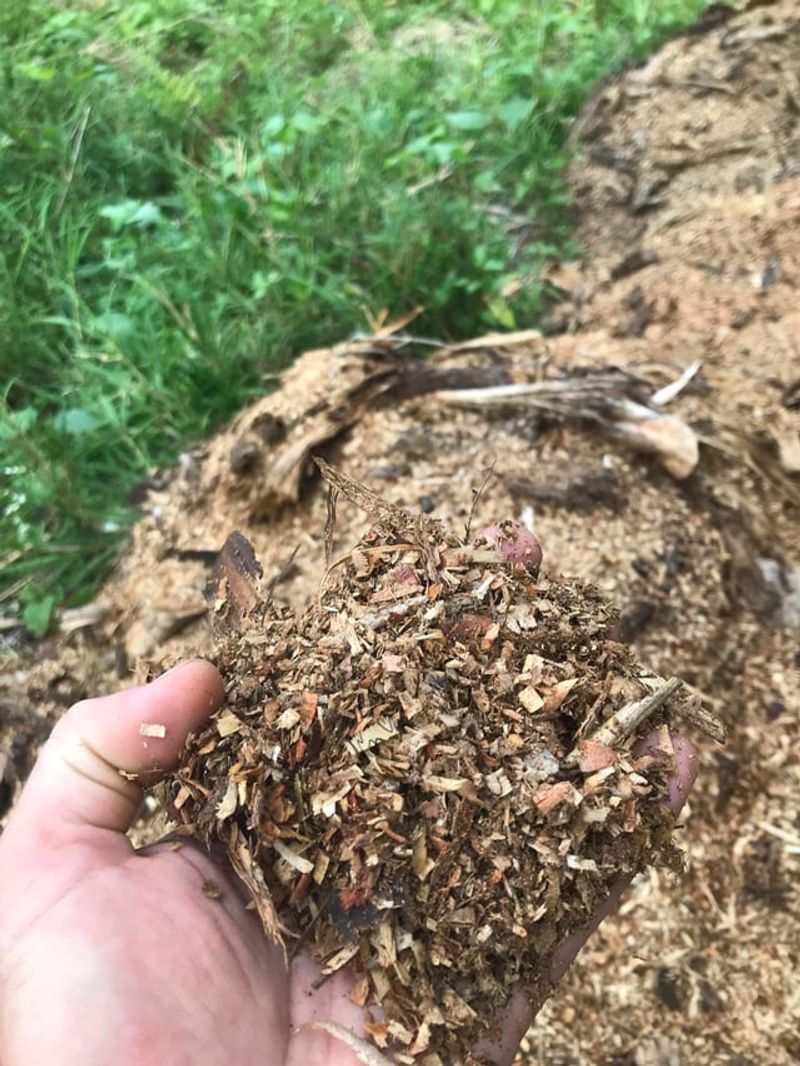
Instead of sand, focus on organic materials. Compost, aged wood chips, and leaf mulch all help break up clay over time without creating the concrete effect.
They feed soil microbes too, which play a huge role in improving soil texture naturally. This region has plenty of access to yard debris and compost programs, so taking advantage of those resources is both practical and affordable for most homeowners.
6. Compost Works Over Time
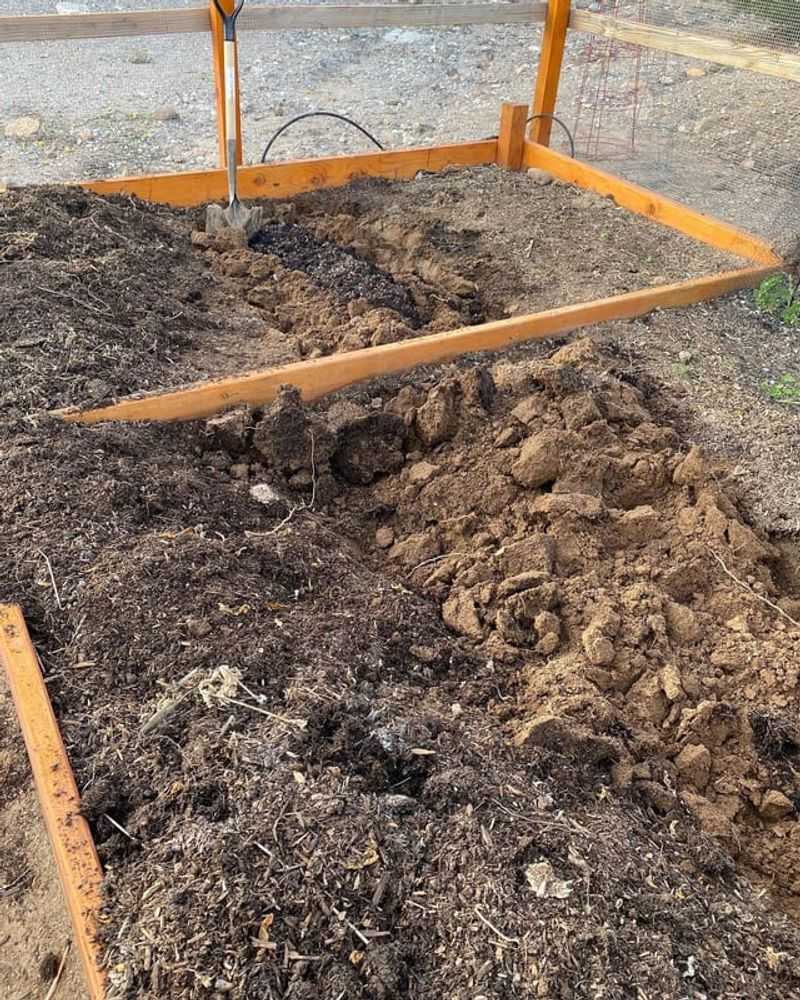
Compost might be the closest thing to a miracle fix for clay soil, but it comes with one important condition: you have to be patient. It does not transform your soil overnight.
Added consistently over several growing seasons, though, compost genuinely changes how clay behaves in ways that last.
The organic matter in compost works in two important ways. First, it physically creates space between clay particles, loosening the soil and allowing air and water to move more freely.
Second, it feeds billions of beneficial microbes and earthworms that continue breaking down the soil structure even when you are not out there working.
A good rule of thumb is to add two to four inches of compost to your garden beds each year. Work it into the top six to eight inches of soil when conditions allow.
Over three to five years, you will notice a real difference in how the soil feels and how well it drains. Many longtime gardeners in this state describe the transformation as dramatic.
Yard debris compost from local programs is an affordable option. You can also make your own from kitchen scraps, grass clippings, and fallen leaves.
Avoid adding fresh manure directly to beds, as it can introduce weed seeds and pathogens. Well-aged or composted manure is fine.
Consistent application is the key. Think of it as feeding your soil every year rather than trying to fix it all at once.
7. Raised Beds Help Fast
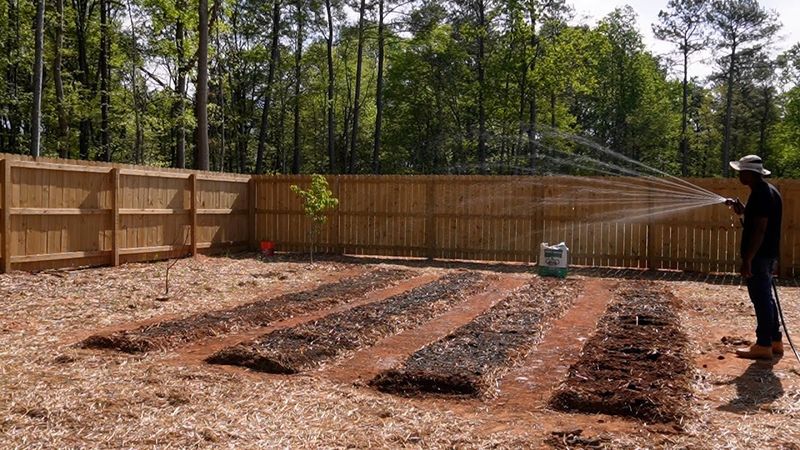
For gardeners who want results now rather than in five years, raised beds are a game-changer. Instead of fighting the clay beneath your feet, you build above it.
You fill the beds with a mix of good topsoil, compost, and other amendments, and you get excellent drainage right from the start.
Raised beds work especially well in this state because they elevate the root zone above the saturated clay layer. Even during the wettest months, roots in a raised bed stay in well-draining soil.
Water moves down through the bed and eventually into the clay below, but by then the roots are safe and comfortable above it.
The beds also warm up faster in spring. Because they are above ground level, sunlight heats them more quickly than flat garden soil.
That means you can start planting earlier in the season, which is a real advantage in a climate where the growing window sometimes feels short.
Building raised beds does not have to be expensive. Untreated cedar or Douglas fir boards are a popular and long-lasting choice in this region.
Cedar naturally resists moisture and decay. You can also use concrete blocks, galvanized metal panels, or even stacked logs.
A depth of at least 12 inches gives most vegetables enough room to thrive. Adding a layer of cardboard at the bottom before filling the bed helps suppress weeds and gradually breaks down to feed the soil below.
8. Drainage May Need A Route
Sometimes improving the soil itself is not enough. When water has no place to go, it just sits.
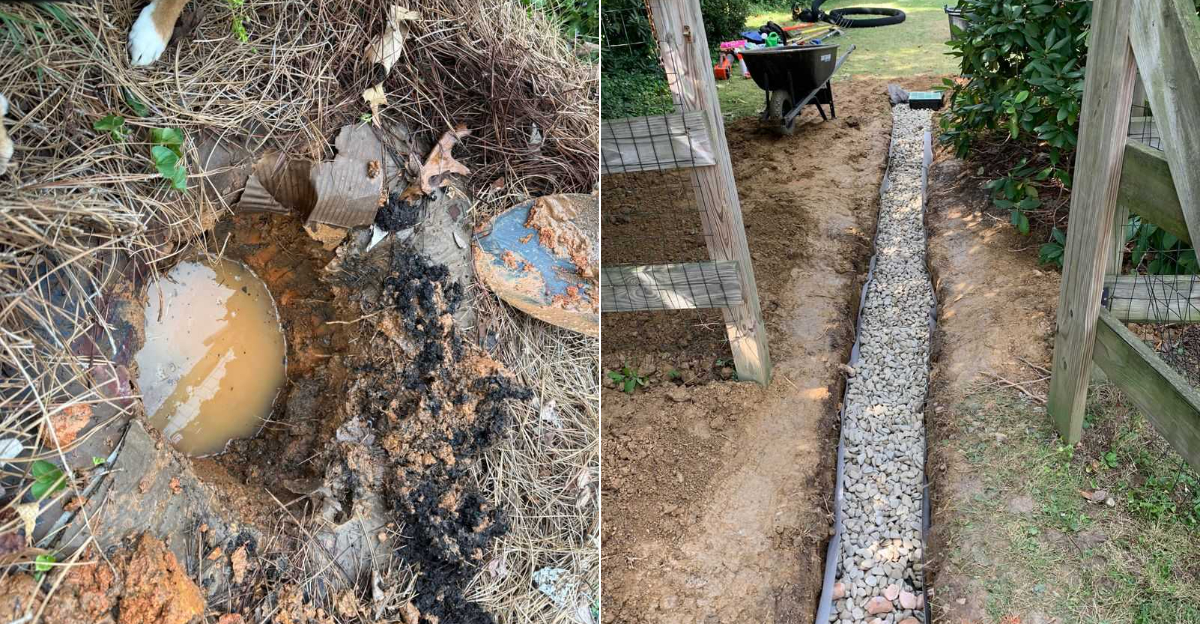
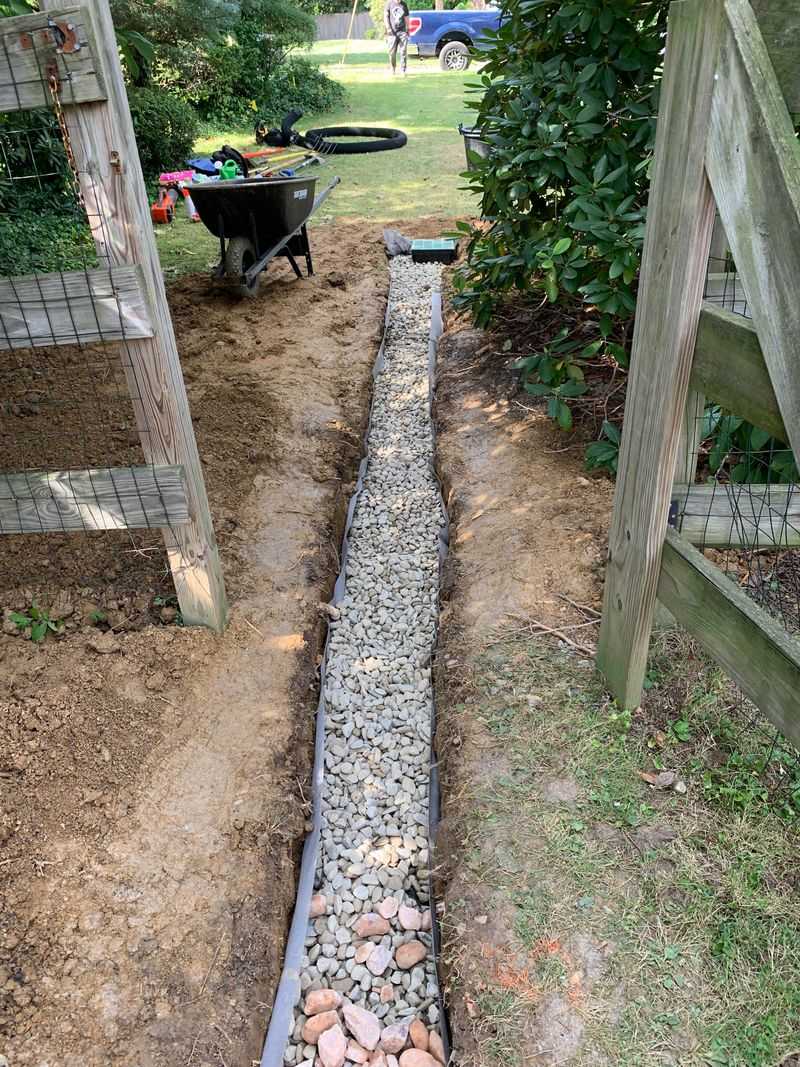
That is when physical drainage systems become necessary. A French drain is one of the most effective solutions for yards with serious standing water problems on clay-heavy ground.
A French drain is a trench filled with gravel and a perforated pipe. Water flows into the gravel, enters the pipe, and gets directed away from your yard or garden.
It is a straightforward system that has been used for over a century, and it works remarkably well in heavy clay areas where natural drainage is almost nonexistent.
Installing a French drain requires planning. You need to identify where the water collects and where you want it to go.
It should empty into a storm drain, a dry creek bed, a rain garden, or a low area of your property far from your home’s foundation. Slope is important.
The pipe needs to run downhill consistently to move water effectively. For smaller areas, a dry well can also help.
A dry well is a gravel-filled hole that gives excess water a place to collect and slowly absorb into deeper soil layers. Both options require some digging and planning, but the results are long-lasting.
If your yard floods regularly and other fixes have not worked, investing in a drainage system is often the most reliable and permanent solution available to homeowners in this region.