8 Small Ornamental Trees To Plant In April In Georgia
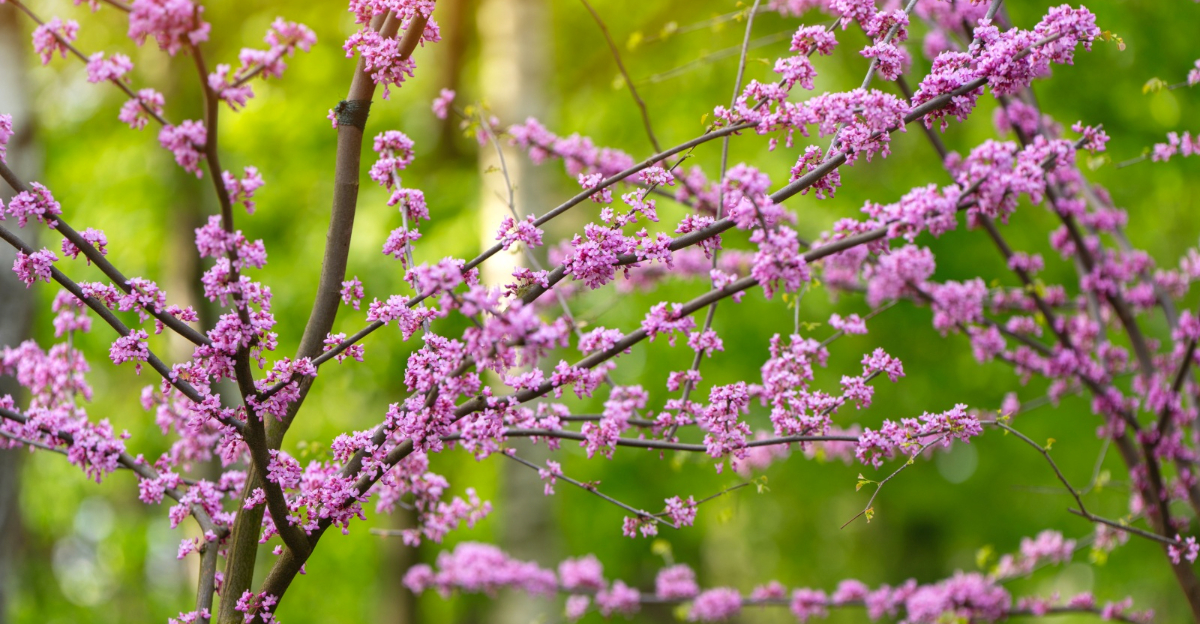
April is when many Georgia gardens quietly level up. The soil warms just enough to encourage steady root growth, and young trees get a valuable head start before summer heat settles in.
Across Georgia, this window gives small ornamental trees time to establish while conditions still feel mild and workable.
That early progress can make a noticeable difference in how well they handle the months ahead.
Beyond that, these trees add structure, color, and character without overwhelming a space, making them a practical and rewarding choice for both new and experienced gardeners.
1. Eastern Redbud Brings Early Color To Georgia Landscapes
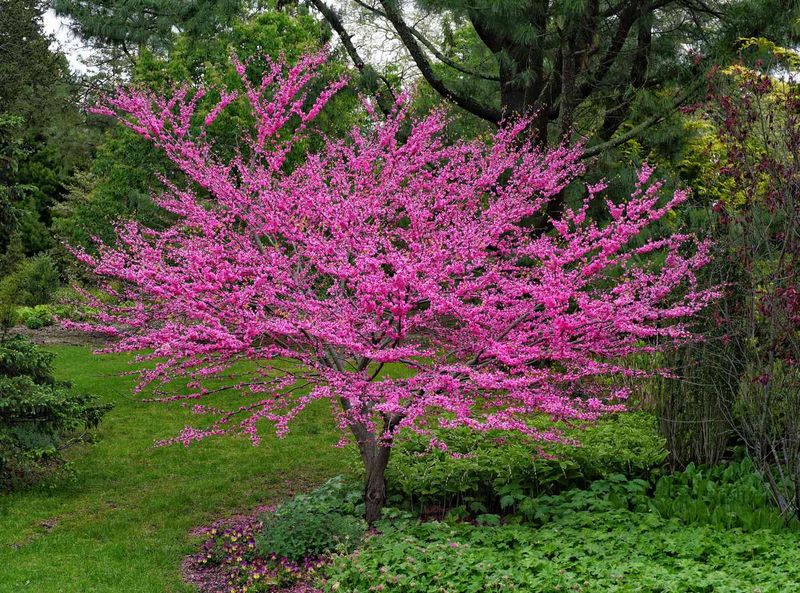
Few sights in a Georgia spring garden are as striking as a Redbud covered in vivid pink blooms before its leaves even appear.
The Eastern Redbud (Cercis canadensis) is a native deciduous tree that typically reaches 20 to 25 feet tall with a spread of 15 to 20 feet, making it a manageable choice for smaller yards and front gardens across Georgia.
April planting gives this tree time to push roots into warming soil before the intense heat of a Georgia summer sets in. Choose a spot with full sun to partial shade and well-drained, moist soil.
Redbuds are adaptable and can handle a range of soil conditions, which makes them a popular choice among Georgia homeowners.
When planting, dig a hole two to three times wider than the root ball but no deeper than the root flare. Water thoroughly at planting and keep the soil consistently moist during the first growing season.
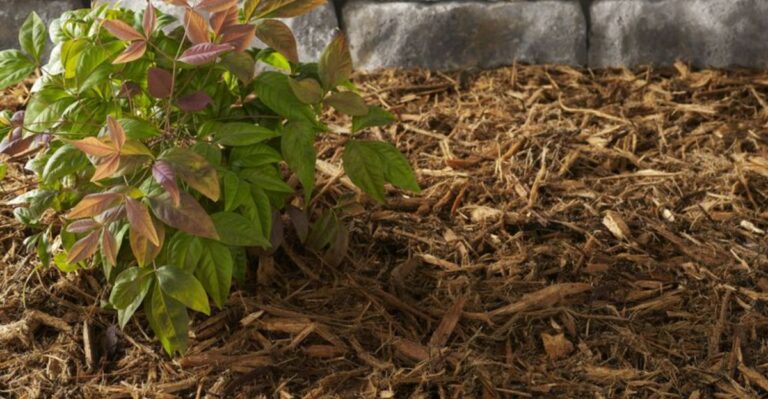
Applying two to three inches of mulch around the base helps retain moisture and regulate soil temperature.
Redbuds also produce attractive heart-shaped leaves through summer and offer warm yellow fall foliage, providing seasonal interest well beyond their spring bloom.
As a Georgia native, this tree supports local wildlife including pollinators that visit its early blossoms.
2. Flowering Dogwood Adds Classic Spring Beauty
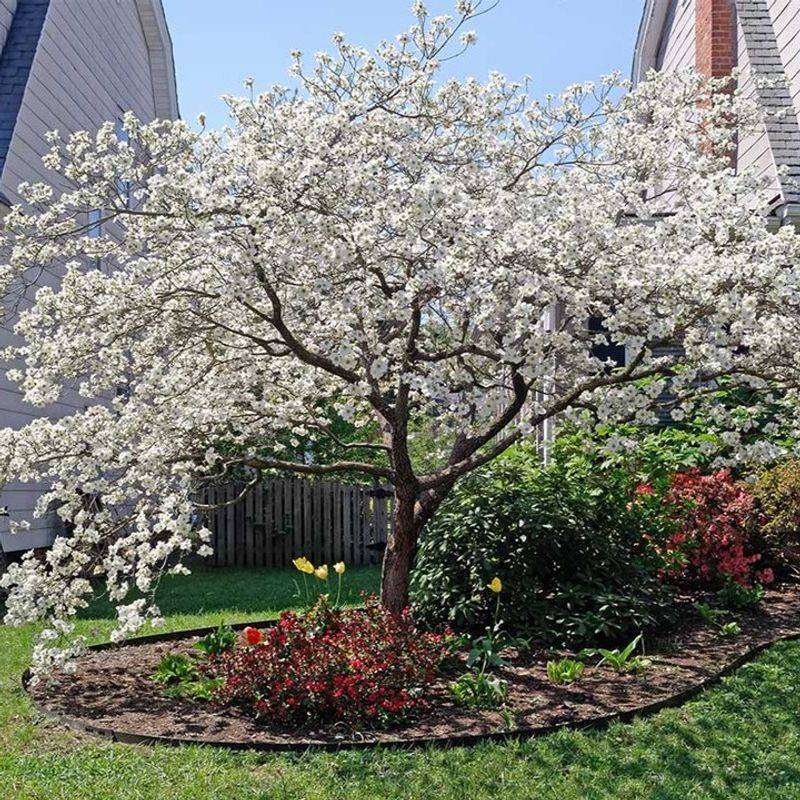
Walk through almost any Georgia neighborhood in early spring and you will likely spot a Flowering Dogwood putting on a show.
Cornus florida is one of the most recognized native trees in the Southeast, celebrated for its showy white or pink bracts that appear in early spring before the leaves emerge fully.
This tree typically grows 15 to 20 feet tall with a spread of 15 to 30 feet.
Flowering Dogwoods prefer well-drained, acidic soils and partial shade, especially in the afternoon during Georgia’s hot summers.
Planting in April while temperatures are still moderate helps young trees establish without the stress of intense summer sun.
Select a site with morning sun and afternoon shade for best results in Georgia’s climate.
Dig a wide, shallow hole and set the root ball so the root flare sits at or slightly above ground level. Water deeply after planting and maintain consistent moisture throughout the first year.
A two-to-three-inch layer of mulch helps keep roots cool and moist as temperatures rise. Beyond spring flowers, Flowering Dogwoods reward Georgia gardeners with scarlet fall foliage and bright red berries that attract birds.
This tree works beautifully as a focal point in smaller landscapes or planted along a woodland garden edge.
Your Georgia Garden Changes Every Week. Your Plan Should Too.
Gardening in Georgia changes quickly throughout the season. Every Friday you’ll receive a simple weekly plan showing exactly what to plant, prune, fertilize, harvest, and protect so you never miss the right timing.
3. Fringe Tree Offers Soft Blooms And Native Charm
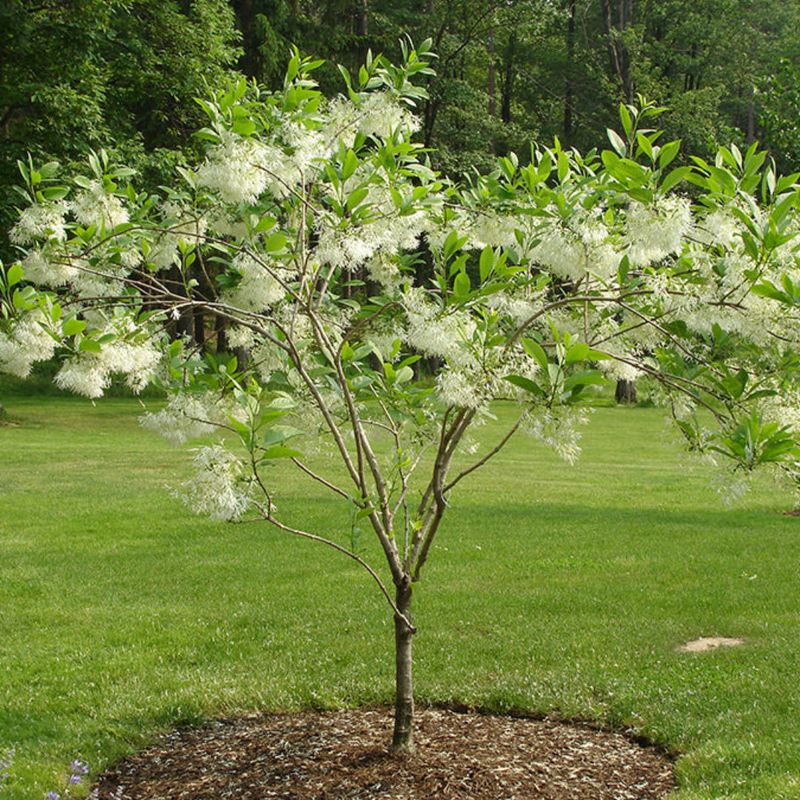
Gardeners who want something a little unexpected in their spring landscape often discover the Fringe Tree and never look back.
Chionanthus virginicus, sometimes called Old Man’s Beard, is a native deciduous tree or large shrub that produces clouds of soft, feathery white flowers in late spring, typically blooming a bit later than Redbuds and Dogwoods in Georgia.
Fringe Trees generally reach 12 to 20 feet tall and wide, fitting comfortably in smaller Georgia yards, near patios, or as a specimen planting in a front garden.
They prefer full sun to partial shade and do well in moist, well-drained, slightly acidic soils common across much of Georgia.
One of the practical benefits of this tree is its adaptability to Georgia’s varying soil conditions.
April is a solid time to plant a Fringe Tree because the mild temperatures and spring rains help the root system develop before summer stress arrives. Dig a hole two to three times wider than the root ball and water thoroughly after planting.
Mulching generously around the base helps conserve moisture during establishment. Female trees produce small, olive-like blue-black fruit in late summer that attracts birds and adds a secondary season of interest.
Fringe Trees are also relatively low-maintenance once established, making them a rewarding addition to Georgia landscapes that value native plantings.
4. Serviceberry Delivers Flowers, Berries, And Seasonal Interest
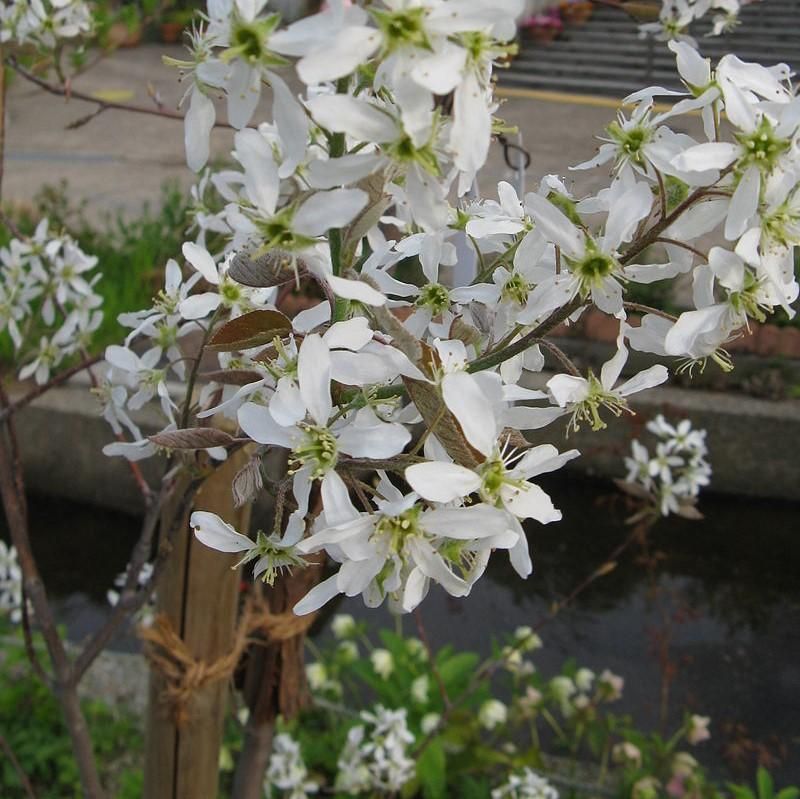
Spring arrives early for Serviceberry, which is part of what makes it such a standout choice for Georgia gardeners planting in April.
Amelanchier species, commonly called Serviceberry or Juneberry, burst into clusters of delicate white flowers in early spring, often before most other trees have leafed out.
This multi-season tree typically grows 15 to 25 feet tall, depending on the species, fitting well into smaller landscapes.
Beyond the spring flowers, Serviceberry produces small, sweet berries in early summer that are edible for people and highly attractive to birds.
Fall brings another wave of interest with foliage that turns shades of orange, red, and gold across Georgia landscapes.
Serviceberries thrive in full sun to partial shade and prefer moist, well-drained, slightly acidic soils.
When planting in April, choose a location with good drainage and dig a hole two to three times wider than the root ball. Water deeply at planting and keep the soil evenly moist throughout the first growing season, especially during dry spells.
Applying mulch around the base helps retain soil moisture and moderate temperature swings. Serviceberry works well as a specimen tree, along a property edge, or near a patio where its multi-season interest can be appreciated up close.
For Georgia gardeners who want wildlife value alongside ornamental appeal, this native tree delivers on multiple fronts throughout the year.
5. Japanese Maple Adds Graceful Form And Color
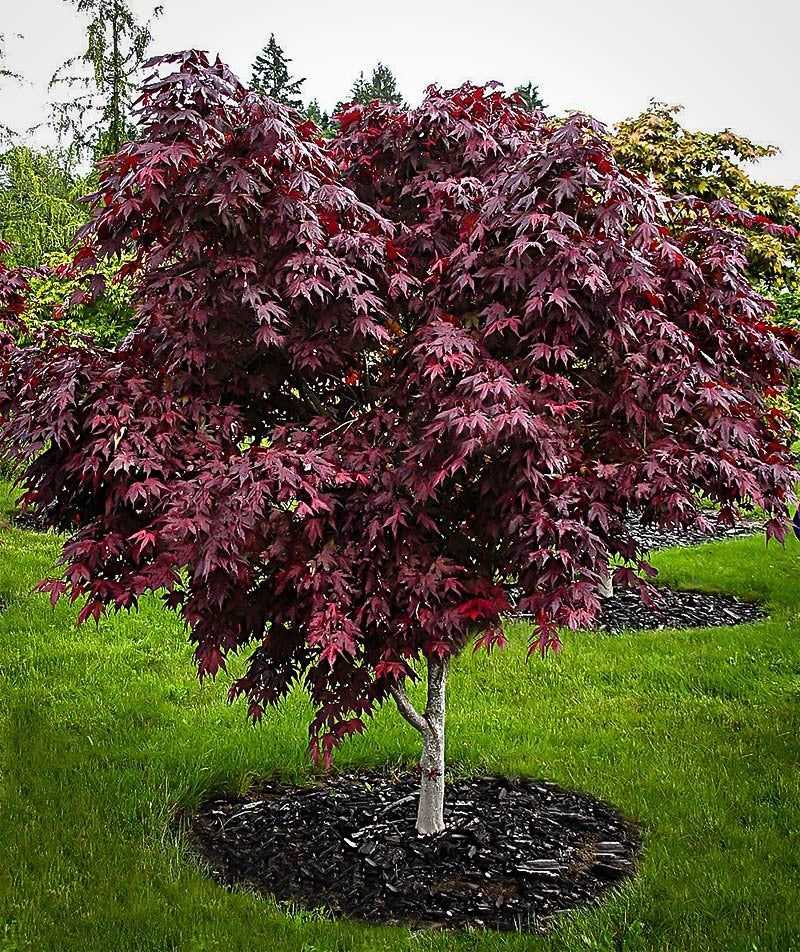
There is something almost sculptural about a Japanese Maple that makes it hard to walk past without stopping for a second look.
Acer palmatum is prized across Georgia landscapes for its elegant, lacy foliage that comes in shades of green, red, burgundy, and orange depending on the cultivar.
Most Japanese Maples reach 15 to 25 feet at maturity, though many dwarf varieties stay much smaller, making them versatile for containers, patios, and small garden spaces.
In Georgia, Japanese Maples do best with morning sun and afternoon shade, particularly in the warmer central and southern parts of the state where summer heat can stress the foliage.
They prefer moist, well-drained, slightly acidic soil and benefit from consistent moisture during establishment.
Planting in April gives roots time to settle before summer temperatures peak.
Dig a hole two to three times wider than the root ball and set the tree so the root flare is at ground level. Water thoroughly after planting and maintain consistent moisture through the first growing season.
Mulching two to three inches deep around the base helps protect roots from Georgia’s summer heat. Japanese Maples are slow growers, so selecting the right cultivar for your space matters from the start.
Their fall color display, often featuring brilliant shades of orange, red, and gold, makes them a standout feature in Georgia gardens well into autumn.
6. Crape Myrtle Provides Long-Lasting Summer Blooms
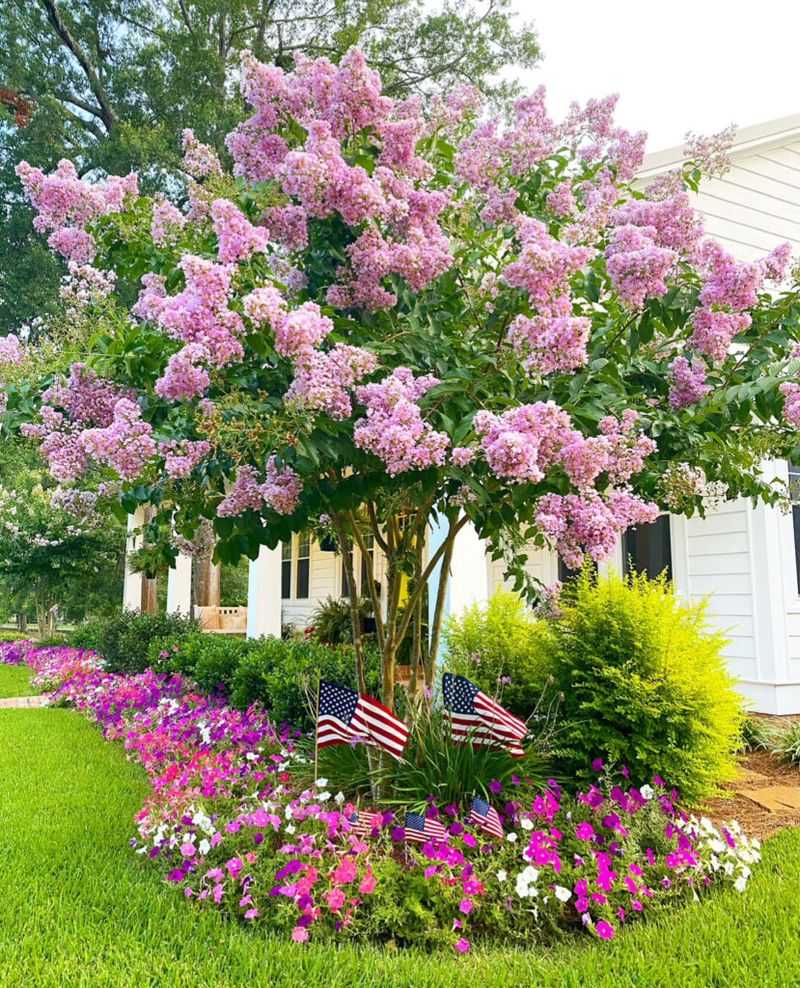
Ask any Georgia homeowner about their favorite summer-blooming tree and Crape Myrtle will almost certainly come up in the conversation.
Lagerstroemia indica and its hybrids are deeply embedded in Georgia landscapes, valued for their long bloom season that stretches from mid-summer through early fall.
Depending on the cultivar, Crape Myrtles range from compact shrub forms to trees reaching 20 to 30 feet tall, so choosing the right size for your space is key.
Smaller cultivars such as Natchez, Acoma, or Dynamite work well in residential yards, near driveways, or as patio specimens without outgrowing their space. Crape Myrtles thrive in full sun and are well suited to Georgia’s heat and humidity once established.
They prefer well-drained soils and are notably tolerant of drought conditions after their first year or two in the ground.
April planting gives Crape Myrtles a full spring and early summer to establish roots before their bloom season begins. Dig a wide, shallow hole and set the root ball at ground level.
Water thoroughly at planting and maintain consistent moisture through the first growing season. Avoid heavy pruning, sometimes called crape murder in Georgia gardening circles, as it damages natural form and reduces bloom quality.
Mulching the base helps retain soil moisture and supports healthy root development. Their attractive peeling bark adds winter interest even after the blooms fade.
7. Sweetbay Magnolia Brings Fragrance And Southern Elegance
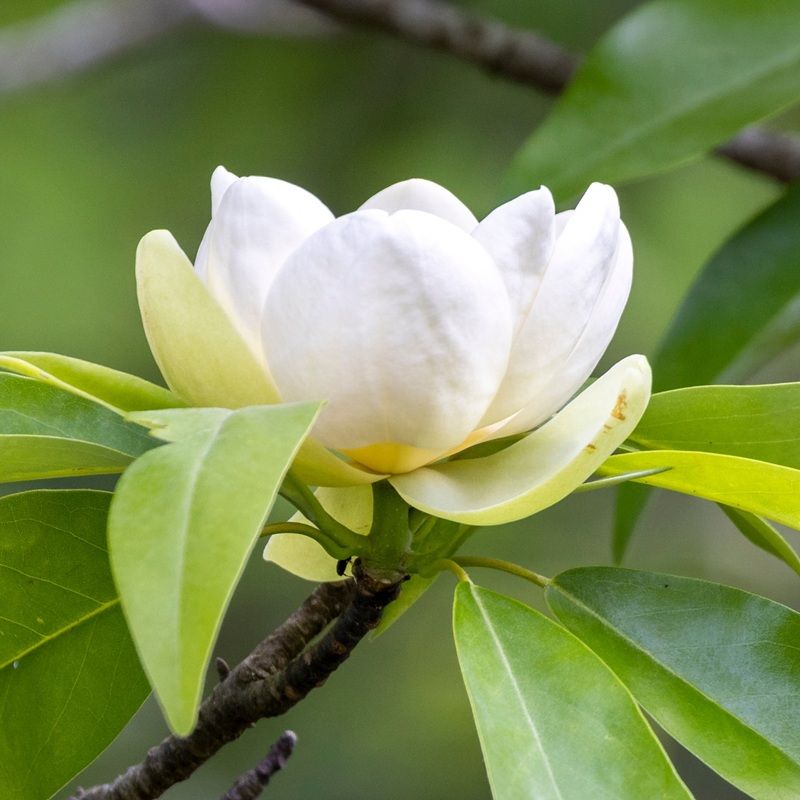
On a warm Georgia evening in late spring, the sweet, lemony fragrance drifting from a Sweetbay Magnolia can stop you in your tracks.
Magnolia virginiana is a semi-evergreen to evergreen native tree that brings Southern charm to Georgia landscapes without the imposing size of its larger cousins.
In Georgia, Sweetbay Magnolia typically reaches 10 to 20 feet tall, though it can grow taller in ideal conditions, making it a manageable choice for smaller yards.
The creamy white flowers appear from late spring through summer, offering a longer bloom window than many other ornamental trees.
The glossy green leaves with silvery undersides add texture and visual interest even when the tree is not in bloom.
Sweetbay Magnolia thrives in full sun to partial shade and is notably tolerant of moist soils, including areas with occasional poor drainage that can be challenging in parts of Georgia.
Planting in April while soil is warming and moisture is available gives this tree a strong start. Dig a hole two to three times wider than the root ball and water deeply after planting.
Mulching around the base helps retain moisture and protect roots during Georgia’s warmer months.
This tree works beautifully near a patio, along a garden path, or as a specimen in a front yard where its fragrance and elegant form can be fully appreciated throughout the growing season.
8. Chaste Tree Adds Airy Blooms And Handles Georgia Heat
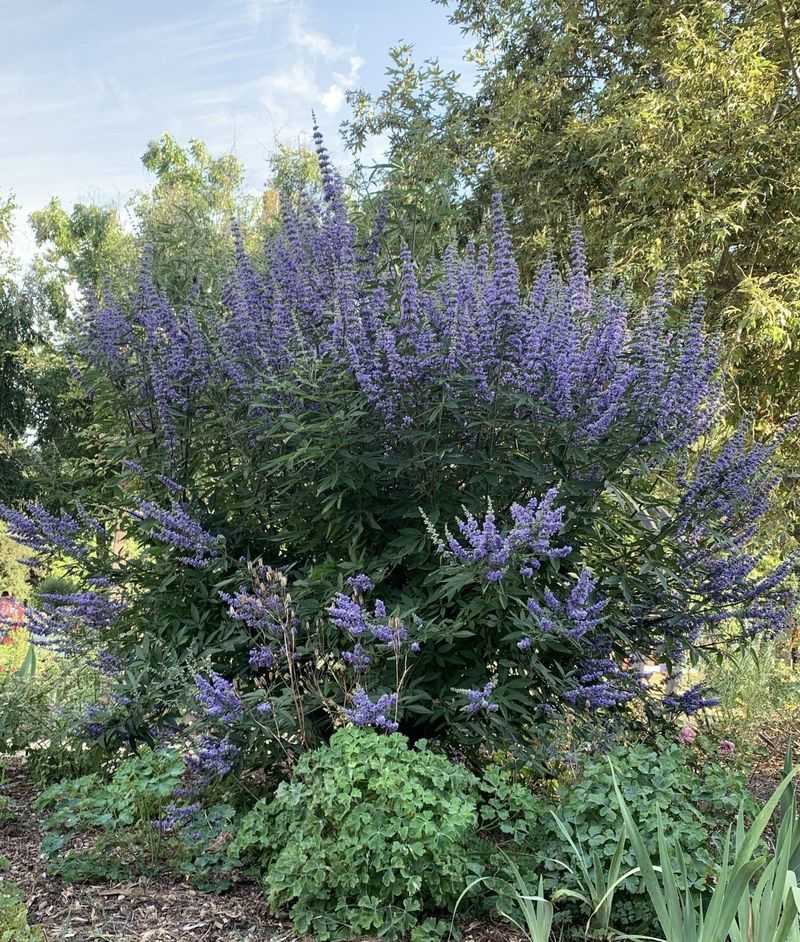
Midsummer heat can challenge even the toughest plants in Georgia, but Chaste Tree takes it all in stride while putting on one of the most eye-catching floral displays of the season.
Vitex agnus-castus is a deciduous, multi-trunked tree that produces upright spikes of fragrant violet, lavender, or white flowers from mid-summer into fall.
It typically grows 12 to 15 feet tall and wide, fitting well into smaller Georgia landscapes as a specimen tree or at the back of a mixed border.
Chaste Tree thrives in full sun and well-drained soils, and it is notably tolerant of heat, humidity, and even brief dry periods once established. These qualities make it especially well suited to Georgia’s long, hot summers.
Planting in April gives it a full spring to establish roots before its summer bloom season begins.
Dig a wide, shallow hole and set the root flare at ground level. Water thoroughly at planting and maintain consistent moisture through the first growing season.
Once established, Chaste Tree is relatively low-maintenance and can handle Georgia’s summer conditions with minimal intervention.
Mulching around the base helps conserve moisture during establishment.
The fragrant flowers attract butterflies, bees, and hummingbirds, adding lively wildlife activity to Georgia gardens. In late winter, cutting stems back by about one-third helps encourage vigorous new growth and a strong bloom display each summer season.