What Attracts Coyotes To Georgia Yards Without Homeowners Realizing It
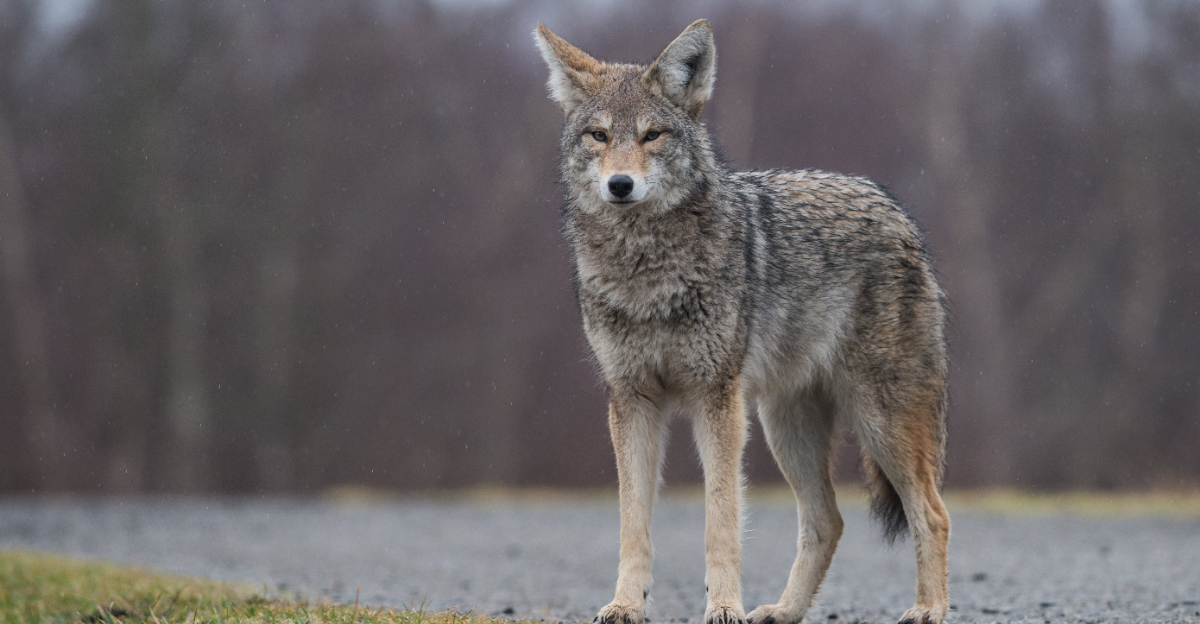
Coyotes are showing up in more Georgia neighborhoods than many homeowners expect. Sightings often happen late at night, early in the morning, or during quiet parts of the day when yards seem completely normal.
Plenty of people feel confused after spotting one nearby because nothing about the property appears unusual at first glance.
Small things around a yard can quietly attract coyotes without homeowners realizing it. Easy food sources, hidden shelter, and even everyday habits can make an area far more appealing over time.
Problems usually start building long before anyone notices signs of wildlife nearby.
Georgia yards can accidentally become comfortable places for coyotes very quickly once those attractants stay available.
Simple changes often make a major difference and help reduce unwanted visits before they become more frequent around the neighborhood.
1. Uncovered Trash Often Brings Coyotes Closer To Neighborhoods
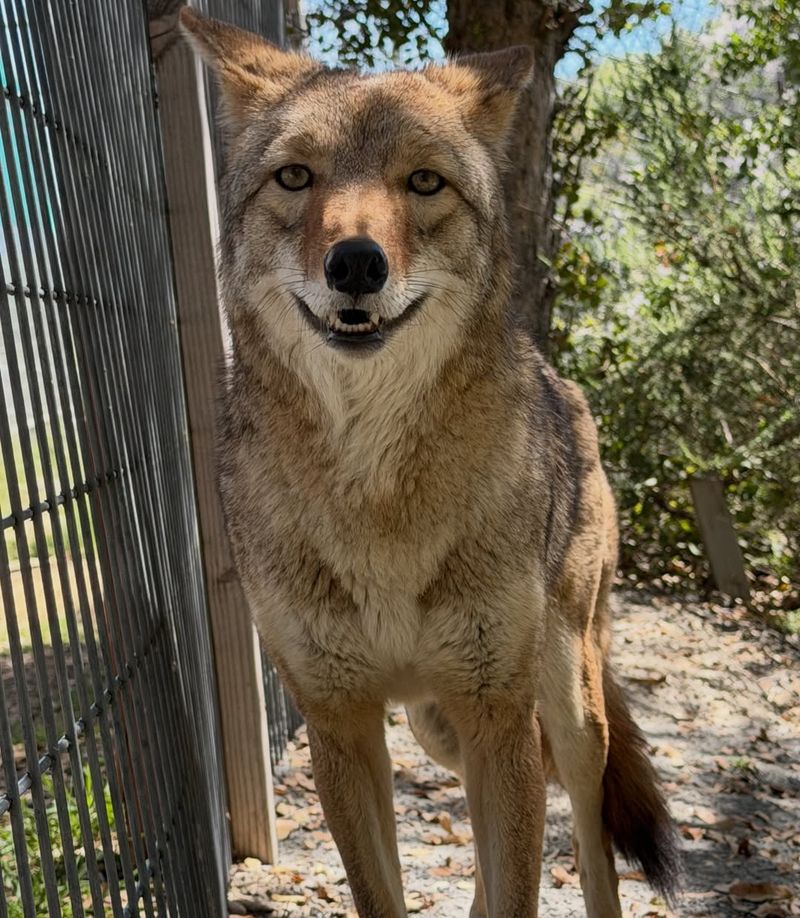
Garbage left out overnight is practically an open invitation. Coyotes across Georgia have learned that residential trash cans are reliable, easy food sources, and they will return night after night once they find one that works for them.
Plastic lids that are loosely placed on cans do almost nothing to block the smell. Coyotes have an incredibly sharp sense of smell, far stronger than a dog’s, and food odors from even sealed bags can travel a surprising distance.
Leftovers, meat scraps, and even fruit peels release scents that carry through warm Georgia evenings.
Switching to a trash can with a locking lid makes a real difference. Bungee cords across the top are a cheap and effective backup if you already own standard cans.
Storing trash in a garage or shed until collection day is even better, especially in areas near wooded lots or greenbelts.
Rinsing cans with a bleach solution once a week helps reduce lingering odors that attract not just coyotes but also raccoons and opossums. Neighborhoods in Georgia where residents coordinate on trash habits tend to see fewer wildlife intrusions overall.
A single house with unsecured garbage can undermine an entire street’s efforts, so talking to neighbors about the issue is genuinely worth it.
2. Outdoor Pet Food Can Quickly Attract Hungry Wildlife
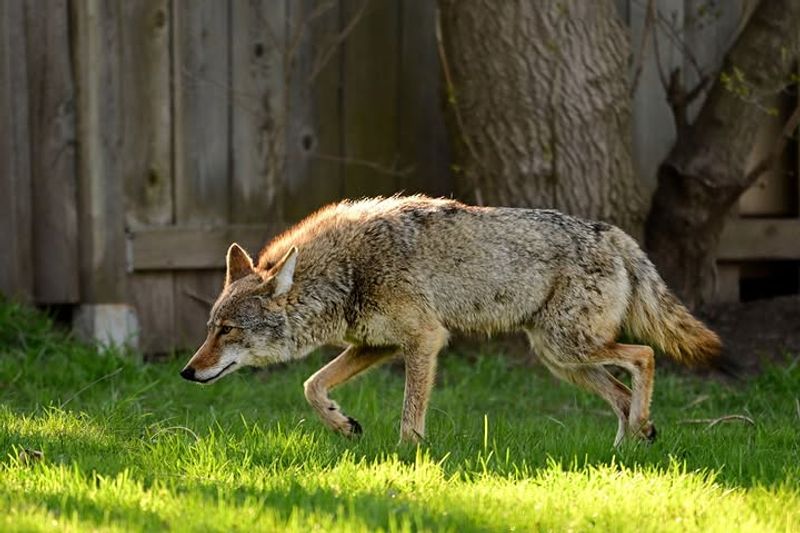
Leaving pet food outside seems harmless, but it sends a clear signal to wildlife that your yard has something worth visiting. Coyotes throughout Georgia are opportunistic eaters, which means they will eat almost anything that requires minimal effort to find.
Even a small amount of dry kibble sitting in a bowl on the porch is enough to draw a coyote in. The smell alone is detectable from a significant distance, especially on humid Georgia nights when scents tend to hang low and travel far.
Once a coyote finds food at your home, it will come back regularly and may even start showing up during daylight hours.
Feeding pets indoors is the cleanest solution. If outdoor feeding is necessary, pick up the bowl as soon as your pet finishes eating.
Never leave food out overnight under any circumstances, and always store pet food bags inside a sealed container in your garage or pantry.
Your Georgia Garden Changes Every Week. Your Plan Should Too.
Gardening in Georgia changes quickly throughout the season. Every Friday you’ll receive a simple weekly plan showing exactly what to plant, prune, fertilize, harvest, and protect so you never miss the right timing.
Water bowls can also be an issue and will be covered later, but food is the stronger draw. Coyotes in Georgia suburbs have become increasingly bold because food rewards have conditioned them to feel comfortable near homes.
Reversing that pattern takes consistent effort from everyone on the block.
3. Fallen Fruit Creates An Easy Food Source In Yards
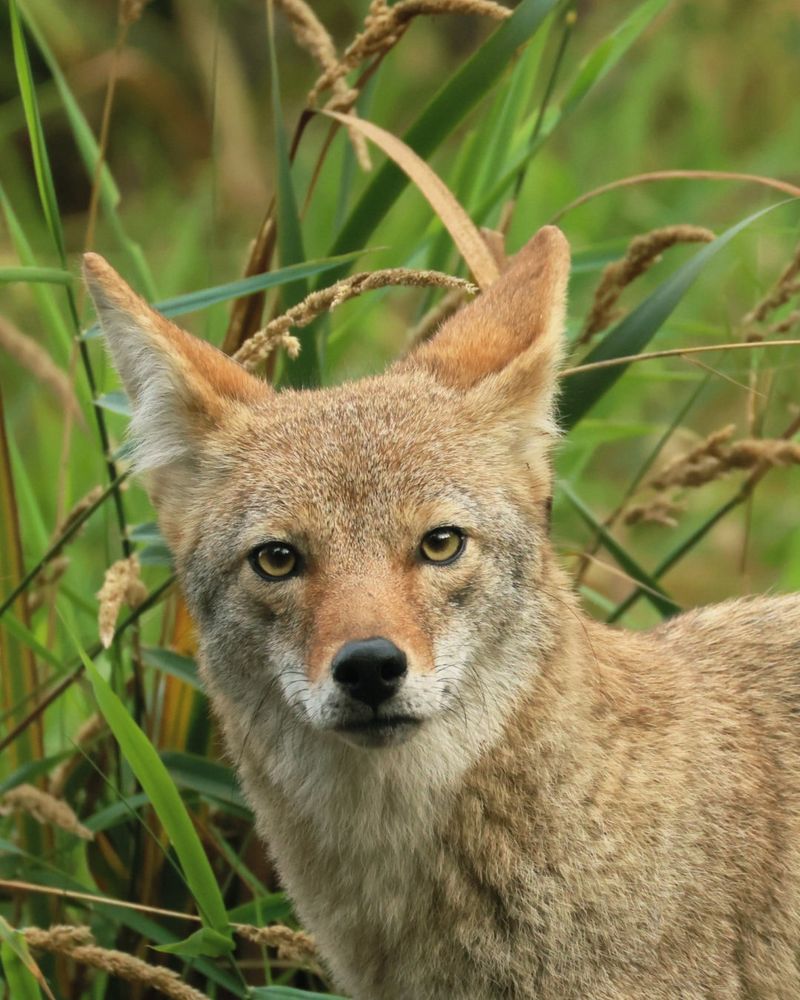
Fruit trees are beautiful, and Georgia has plenty of them. Peach trees, apple trees, fig trees, and persimmons are all common across the state, and every single one of them drops fruit that coyotes will eat without hesitation.
Rotting fruit on the ground is especially attractive because the fermentation process intensifies the smell. Coyotes are not picky about freshness.
A pile of soft, overripe peaches sitting under a tree in a Georgia backyard is exactly the kind of easy meal they seek out during summer and fall months when fruit trees are most productive.
Picking up fallen fruit every day or two makes a noticeable difference. It takes maybe five minutes but removes a consistent food reward that would otherwise keep wildlife cycling through your yard.
Composting fruit is fine, but the compost bin needs to be fully enclosed, not just an open pile in the corner of the yard.
Some homeowners in Georgia do not even realize they have a fruit drop problem until they notice tracks or disturbed soil near the tree base. Checking under trees regularly, especially after a windy night, helps you stay ahead of the issue before it becomes a pattern for local wildlife.
Berry-producing shrubs like wild blackberry or ornamental plants with berries can create the same problem. Coyotes are not strictly carnivores.
4. Dense Brush Gives Coyotes More Places To Hide
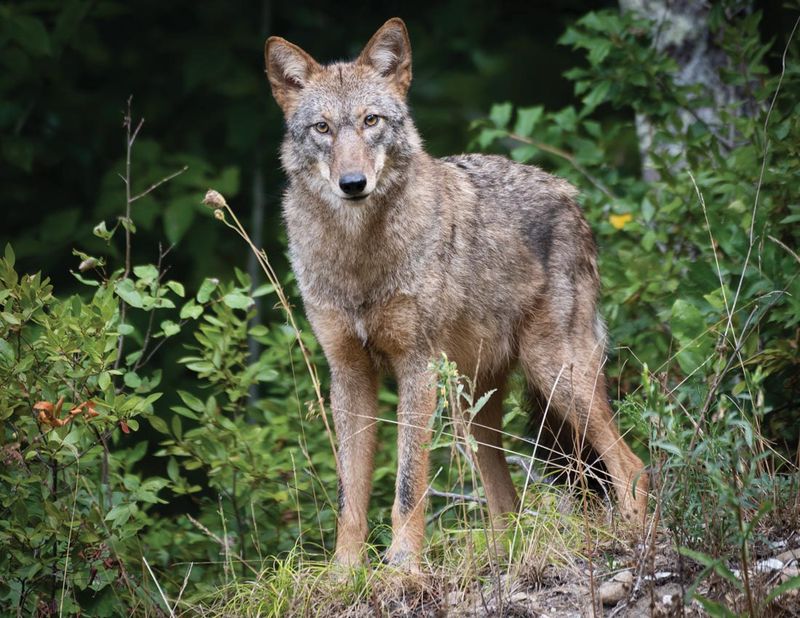
Overgrown yards are more than just an eyesore. Dense brush, tall weeds, and untrimmed shrubs along fence lines or property edges give coyotes exactly the kind of cover they prefer when moving through neighborhoods.
Coyotes are naturally cautious animals. Even when drawn in by food, they prefer routes and resting spots that offer concealment.
In Georgia, where vegetation grows fast and thick from spring through fall, neglected corners of a yard can turn into perfect wildlife corridors almost overnight.
Keeping grass mowed and shrubs trimmed reduces the amount of cover available near your home. Pay special attention to areas along fences, under decks, and beside outbuildings.
Coyotes sometimes use the space beneath decks or sheds as temporary resting spots, especially during the day when they want to stay hidden.
Brush piles left from yard cleanup are another underrated hiding spot. Even a modest pile of branches and leaves can shelter a coyote during the day.
Breaking down yard debris promptly and disposing of it prevents these makeshift dens from forming near your living space.
5. Small Pets Left Outside Alone Can Draw Attention
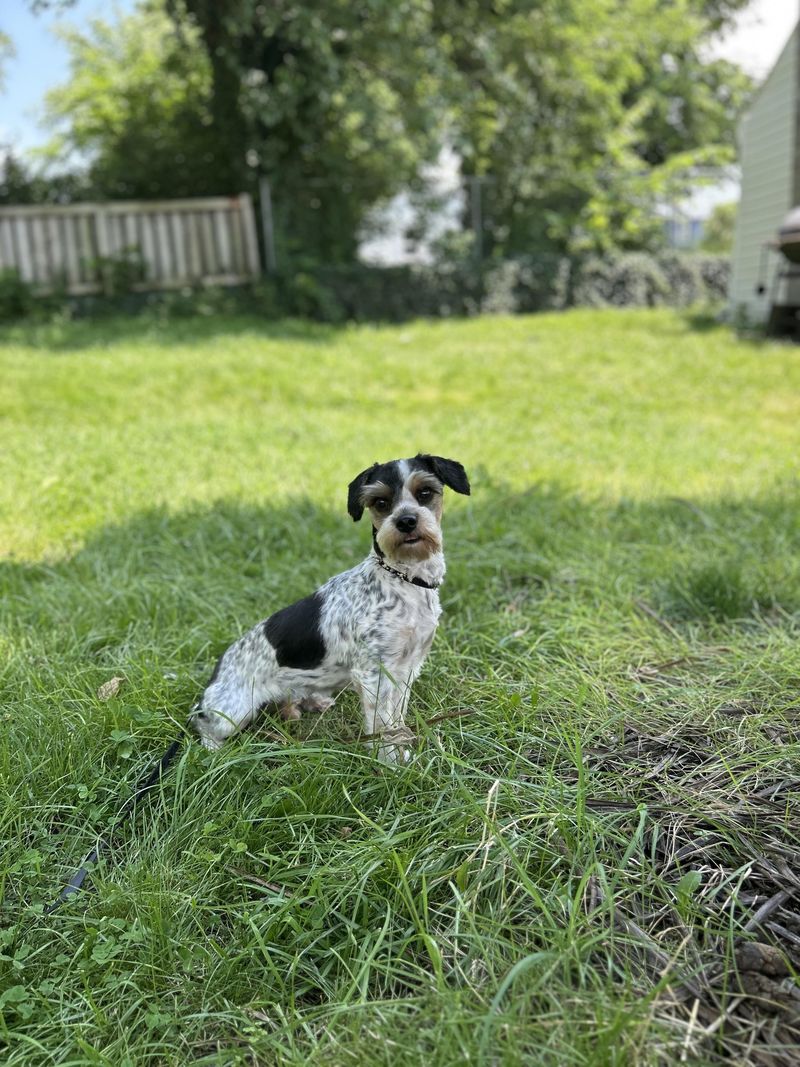
Small pets left unattended outdoors are at genuine risk in areas where coyotes are active, and Georgia has no shortage of coyote activity.
Cats, small dogs, and rabbits kept in outdoor hutches are all vulnerable, particularly at dawn, dusk, and overnight hours when coyotes are most active.
Coyotes are drawn to areas where they have previously detected small animals. Even if your pet has never had a close encounter, the scent of a cat or small dog in your yard can attract coyotes to investigate.
Once they associate your property with potential prey, they tend to return and become bolder over time.
Supervising small pets during all outdoor time is the most effective protection. Staying outside with them, especially in the early morning and evening hours, significantly reduces risk.
Motion-activated lights and loud noises can startle and deter coyotes temporarily, though they are not permanent solutions.
Solid fencing helps but is not foolproof. Coyotes can jump fences up to six feet tall and can also dig underneath them.
A coyote roller installed along the top of an existing fence prevents them from getting a grip to pull themselves over. Burying hardware cloth a foot below the fence line stops digging attempts.
6. Bird Feeders Often Attract Small Animals Coyotes Hunt
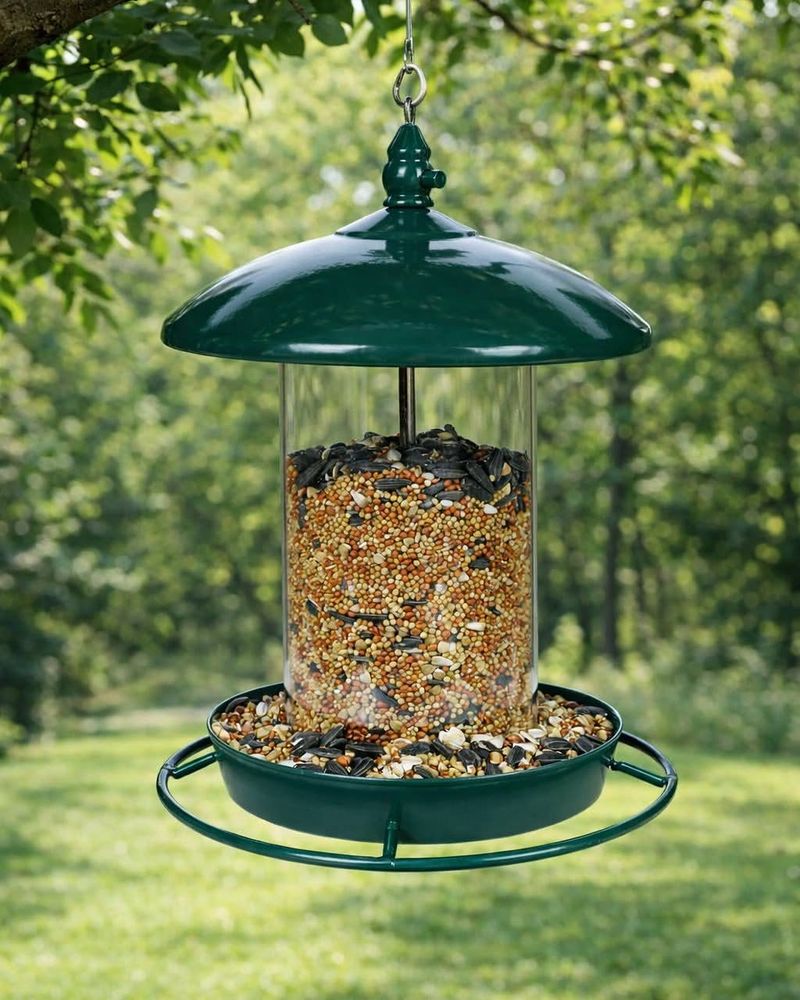
Bird feeders are a beloved backyard feature across Georgia, but they create a chain reaction that most homeowners never consider.
Seeds that fall to the ground attract squirrels, mice, rats, and other small animals, and those small animals attract coyotes.
Coyotes are natural hunters of rodents and small mammals. A yard that consistently draws in squirrels and mice is essentially a hunting ground, and coyotes will learn to patrol it regularly.
Switching to a no-mess bird seed blend that produces less ground waste is a practical first step. Tube feeders with catch trays help contain fallen seeds before they accumulate.
Cleaning up spilled seed from the ground every day or two removes the food source that brings in the small animals coyotes are hunting.
Placing feeders away from dense vegetation and fence lines also helps. When small animals feel exposed in an open area, they tend not to linger as long, which reduces the hunting opportunity for coyotes.
Bringing feeders indoors at night is another option if coyote activity in your Georgia neighborhood is particularly high.
Some Georgia homeowners have successfully used squirrel-proof feeders to reduce the ground spillage problem significantly.
7. Open Water Sources Make Yards More Appealing During Warm Weather
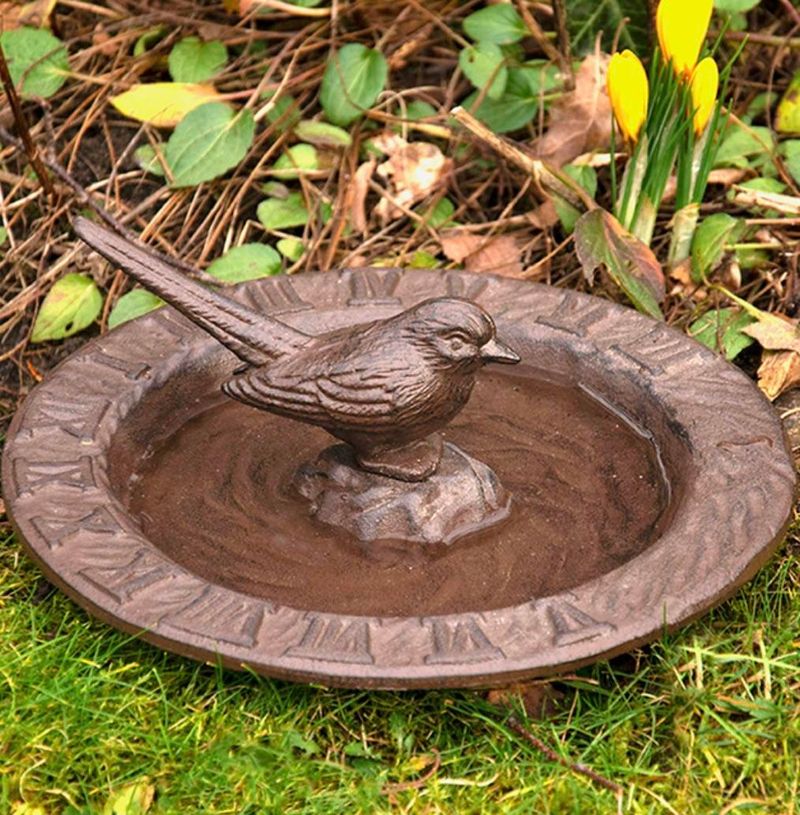
Georgia summers are brutal, and coyotes feel the heat just like every other animal.
Open water sources in yards, including birdbaths, decorative ponds, pet water bowls, and even puddles near leaky hoses, can make your property a reliable hydration stop for local wildlife.
Water is often overlooked as an attractant because people focus on food. But during the hottest months of summer, clean and accessible water is genuinely scarce in many suburban Georgia neighborhoods.
A birdbath or garden pond can become a regular stop on a coyote’s nightly route without the homeowner ever realizing it.
Emptying birdbaths at night or installing a fountain that runs on a timer disrupts the reliability that makes a water source attractive.
Fixing leaky outdoor faucets and ensuring irrigation systems do not leave standing puddles removes additional water sources that might otherwise go unnoticed.
Decorative ponds are trickier because they are permanent features, but motion-activated deterrents placed near them can discourage nighttime visits.
Some Georgia homeowners have installed pond nets or fencing specifically to keep wildlife out while still enjoying the aesthetic of a water feature in their yard.
Pet water bowls left outside overnight are especially problematic. A bowl of fresh water sitting on the porch is an easy find for a thirsty coyote on a hot Georgia night.