7 Deep-Rooted Pennsylvania Native Flowers That Thrive In Clay
Clay soil in Pennsylvania can test your patience. It holds water longer than expected, dries out into hard clumps, and can make planting feel like more work than it should be.
Many gardeners try to fight it year after year, only to see plants struggle or fail to settle in.
Some native flowers take a different approach. Instead of resisting those conditions, they grow deep, strong roots that help them handle heavy soil with ease.
Over time, they can even improve the structure of the ground around them.
Choosing plants that match your soil can change how your garden performs from season to season. It also takes some of the guesswork out of what will actually last.
The flowers ahead are known for handling clay and growing steadily across Pennsylvania landscapes.
1. Purple Coneflower Standing Strong With Long Summer Blooms
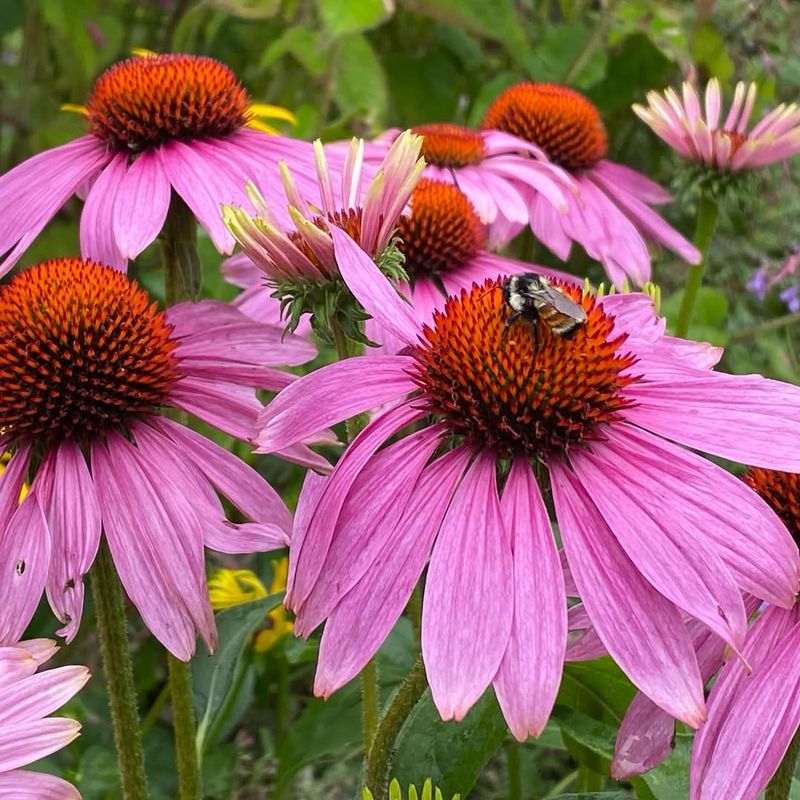
Few plants command attention in a garden quite like the Purple Coneflower. With its bold purple petals fanning out from a prickly, copper-colored center, this native beauty has been brightening Pennsylvania landscapes for centuries.
It blooms from midsummer well into fall, giving you a long stretch of color when many other plants start to fade.
What makes this flower a real winner in Pennsylvania gardens is its deep taproot. That root pushes far down into the earth, which means it can find moisture and nutrients even in dense, compacted clay.
Once established, Purple Coneflower practically takes care of itself, bouncing back year after year without much fuss.
Bees, butterflies, and even goldfinches love this plant. The seed heads that form after blooming are like a snack bar for birds heading into the cooler months.
Planting a cluster of Purple Coneflowers near a sunny border or along a fence line creates a natural wildlife magnet right in your backyard.
For Pennsylvania gardeners dealing with tricky clay patches, start by loosening the top few inches of soil before planting. Water consistently during the first growing season to help the roots get established.
After that, you can step back and let this tough, cheerful native do what it does best. It handles drought, resists most pests, and comes back stronger each spring.
Across Pennsylvania, it is one of the most reliable and rewarding native flowers you can grow. Its deep taproot can reach well below the surface, helping it tolerate drought and heavy soils.
2. Black-Eyed Susan Brightening Beds With Bold Color
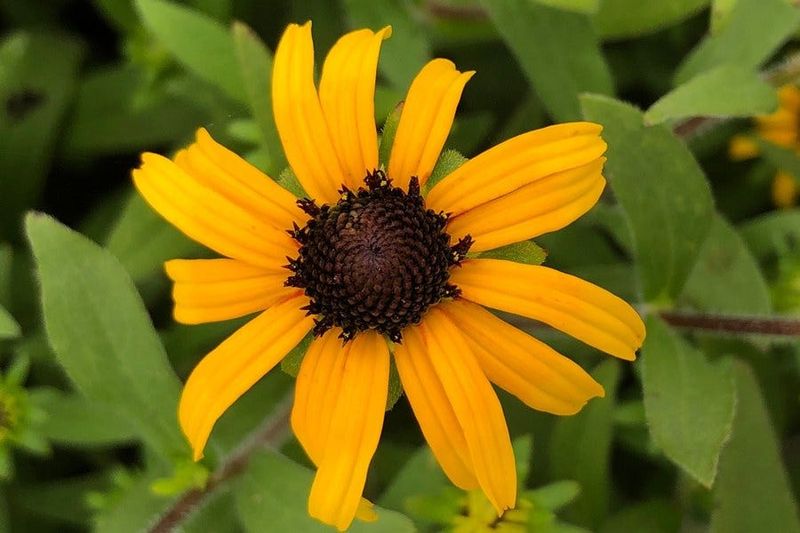
Walk past a field of Black-Eyed Susans on a July morning in Pennsylvania and you will instantly understand why this wildflower has been loved for generations. The cheerful yellow petals surrounding that dark, velvety center feel like a little burst of sunshine, even on a cloudy day.
It is one of those plants that just makes people smile.
Black-Eyed Susan blooms from June all the way through September, which is an impressively long season. During that stretch, it becomes a buzzing hub of activity, drawing in bees, butterflies, and other pollinators that keep a garden ecosystem healthy and alive.
Your Pennsylvania Garden Changes Every Week. Your Plan Should Too.
Gardening in Pennsylvania changes quickly throughout the season. Every Friday you’ll receive a simple weekly plan showing exactly what to plant, prune, fertilize, harvest, and protect so you never miss the right timing.
If you have ever wanted to support local wildlife in Pennsylvania without a lot of effort, this is one of the easiest ways to do it.
Clay soil is no problem for this tough wildflower. It spreads naturally through self-seeding, which means that over time, a small planting can grow into a generous drift of color.
That spreading habit makes it perfect for filling in bare or difficult patches where other plants struggle to take hold.
One practical tip for Pennsylvania gardeners is to plant Black-Eyed Susan in full sun for the best results. It tolerates drought surprisingly well once its roots are settled in, making it a low-maintenance choice for busy homeowners.
Deadheading, or removing spent blooms, can extend the flowering season, but leaving some seed heads in place rewards you with visiting birds well into autumn. Few native plants offer this much return for so little effort.
Its fibrous root system helps it adapt well to compacted soils and stabilize ground over time.
3. Wild Bergamot Drawing Pollinators With Fragrant Blooms
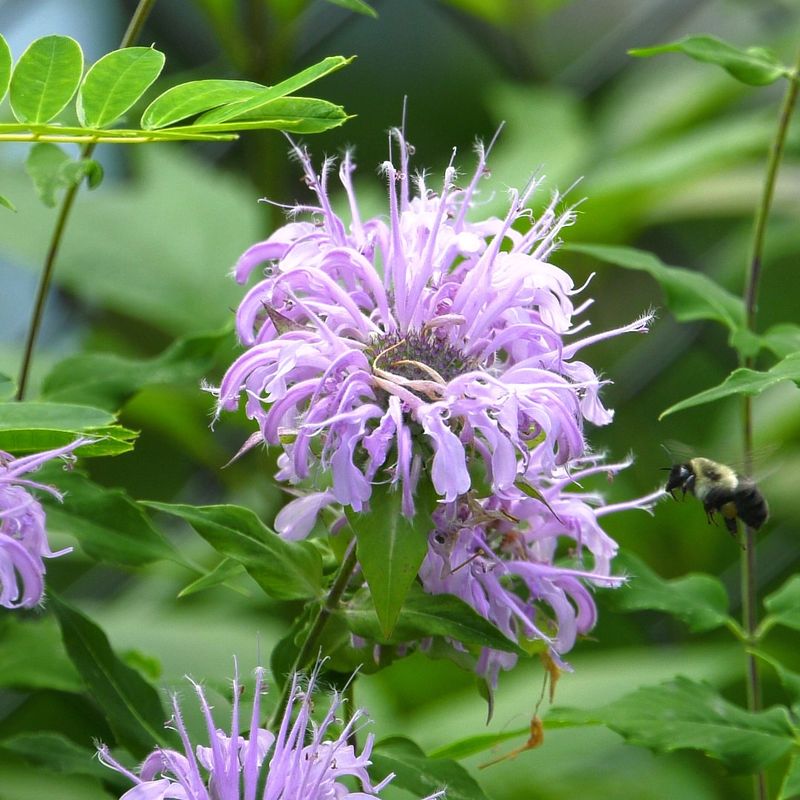
Crush a leaf of Wild Bergamot between your fingers and you get a whiff of something almost herbal and spicy, a little like oregano mixed with mint. That scent is part of what makes this plant so special.
It belongs to the mint family, and like its relatives, it is surprisingly tough and adaptable to challenging growing conditions across Pennsylvania.
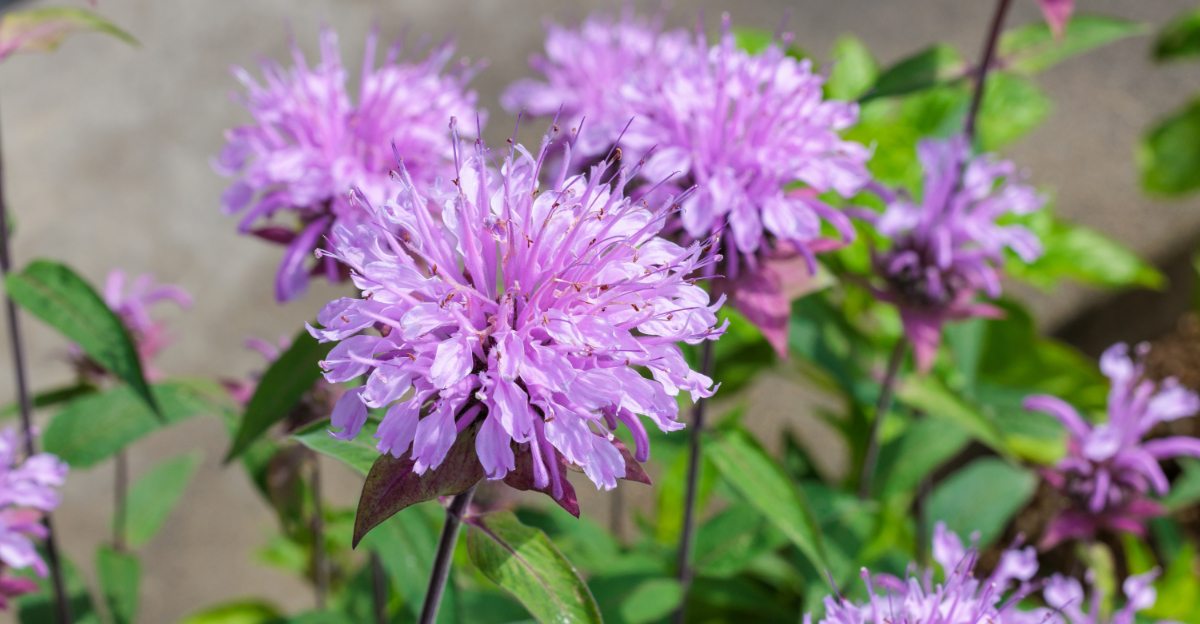
The flowers themselves are soft lavender-pink and arranged in rounded clusters at the tops of the stems. They bloom from July into August, arriving right when summer is at its most intense.
During that time, the plant becomes a favorite gathering spot for bumblebees, hummingbirds, and a wide variety of native bee species that are essential to a healthy garden.
Wild Bergamot handles clay soil with ease. Its fibrous root system spreads steadily through the ground, which actually helps break up compacted clay over time and improves the surrounding soil structure.
That makes it a smart choice not just for beauty, but for the long-term health of a Pennsylvania garden bed.
Plant it in a sunny or lightly shaded spot and water it well during the first season. After that, it is remarkably self-sufficient.
One thing to keep in mind is that Wild Bergamot can spread fairly quickly, so giving it a bit of room to roam or dividing clumps every few years keeps it looking tidy. For anyone who wants a fragrant, pollinator-friendly, and clay-tough native flower in Pennsylvania, Wild Bergamot is an outstanding pick.
As a mint family plant, it spreads by rhizomes, helping it establish and persist in challenging soils.
4. New England Aster Lighting Up Late Season Gardens
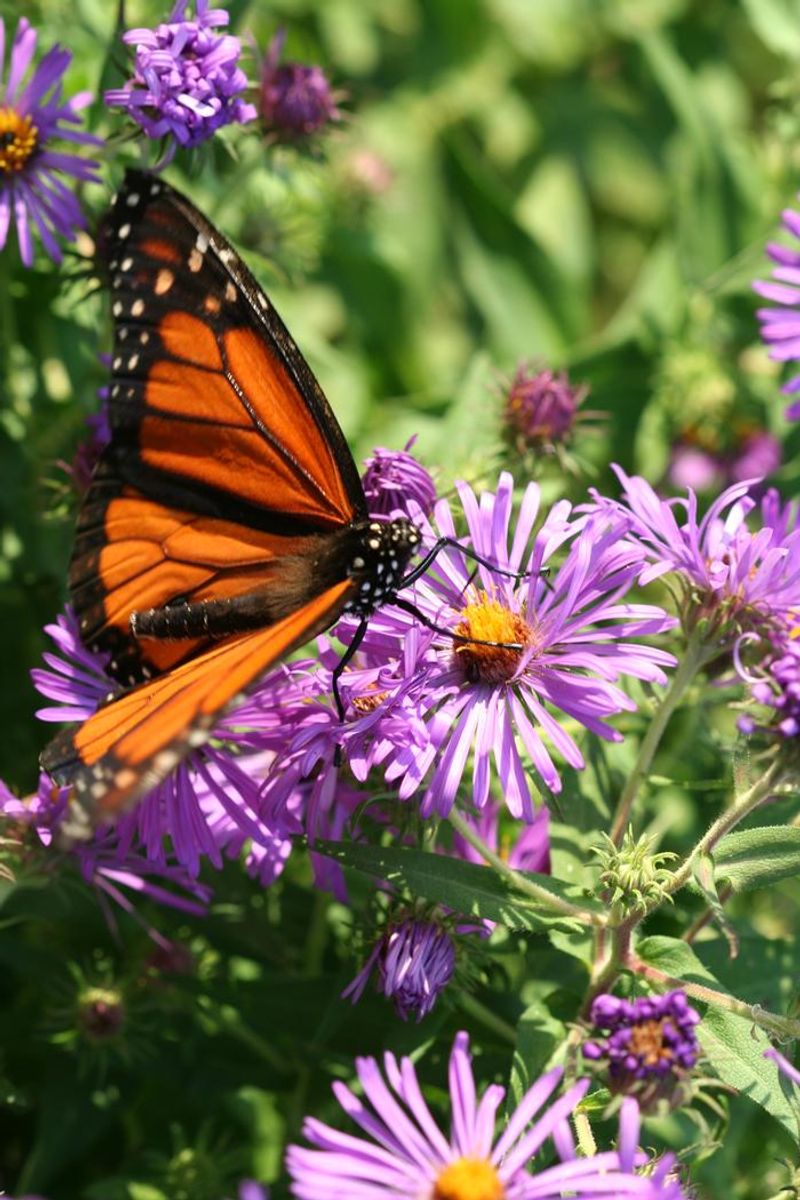
Just when most of the garden is winding down for the year, New England Aster bursts onto the scene like a last-minute fireworks show. Its rich purple blooms with golden yellow centers light up Pennsylvania gardens from late August all the way through October, providing a vital source of nectar for monarch butterflies and other pollinators preparing for the season ahead.
This plant has a reputation for toughness that is well earned. New England Aster adapts beautifully to clay-heavy soils, and its sturdy root system anchors it firmly even in wet, dense ground.
It can grow anywhere from two to five feet tall, creating a dramatic backdrop in a mixed border or a bold statement along a fence or driveway edge.
One fun fact about this plant is that it has been used by Indigenous peoples for centuries, both as a medicinal herb and as a ceremonial plant. That long history of use in North America speaks to just how resilient and valuable it is as a native species.
Seeing it thrive in a Pennsylvania garden feels like honoring a piece of the region’s natural heritage.
For the best results, plant New England Aster in a spot that gets full to partial sun. Pinching back the stems in late spring encourages bushier growth and more flowers come fall.
It pairs beautifully with Goldenrod for a classic autumn color combination. Water it regularly during dry spells in its first year, and you will have a showstopping fall bloomer for many years to come.
It also supports migrating monarchs by providing late-season nectar resources.
5. Butterfly Weed Bringing Bright Color And Pollinator Appeal
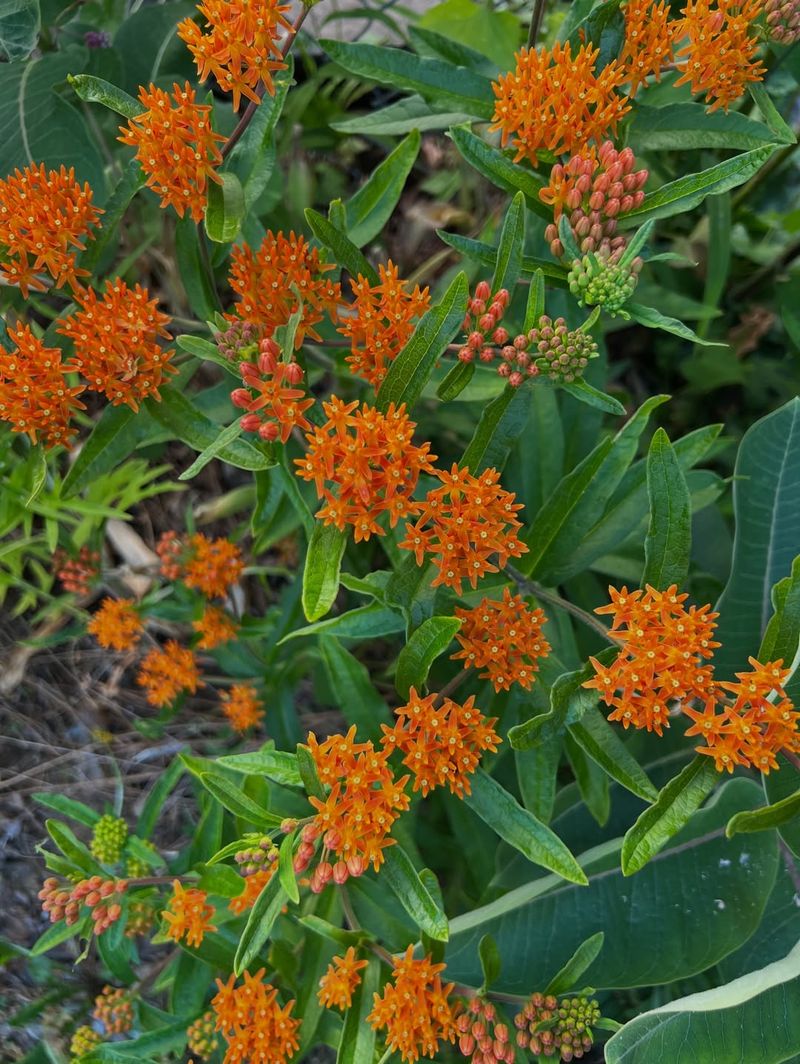
Bright orange is not a color you see often in native wildflower gardens, which is exactly what makes Butterfly Weed so exciting. This striking member of the milkweed family produces tight clusters of vivid orange blooms from June through August, creating a beacon that monarch butterflies and swallowtails simply cannot resist.
Spotting a monarch nectaring on Butterfly Weed in a Pennsylvania garden is one of summer’s most satisfying moments.
Beyond its beauty, this plant plays a critical role in the monarch butterfly life cycle. It is a host plant, meaning monarch caterpillars rely on it as a food source.
Planting Butterfly Weed in a Pennsylvania garden is one of the most direct ways a home gardener can support the monarch population, which has faced serious pressure in recent decades.
What surprises many people is just how well Butterfly Weed handles clay soil. It develops a deep, thick taproot that reaches far below the surface, pulling up moisture and nutrients from layers that shallower plants cannot access.
That taproot also makes it extremely drought-tolerant once established, which is a real advantage during Pennsylvania’s hot, dry summer stretches.
Because of that deep taproot, it is best to choose your planting spot carefully since Butterfly Weed does not transplant well once it is settled in. Full sun is a must for this plant.
It tends to emerge late in spring, so mark its location so you do not accidentally disturb it. Give it time, and it will reward you with years of blazing color and butterfly activity.
6. Goldenrod Fueling Late Season Color And Wildlife
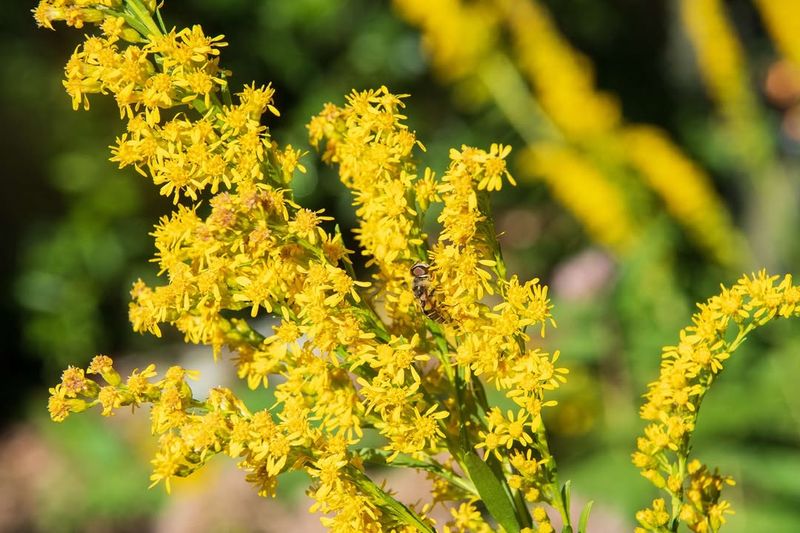
Goldenrod gets blamed for a lot of sneezing that it did not actually cause. Many people assume it triggers seasonal allergies, but the real culprit is ragweed, which blooms at the same time and releases lightweight pollen into the air.
Goldenrod’s pollen is heavy and sticky, designed to be carried by insects rather than wind, which means it is actually one of the most allergy-friendly native plants you can grow in Pennsylvania.
Once that myth is cleared up, it is easy to appreciate just how spectacular Goldenrod really is. The arching plumes of golden yellow flowers that appear from late summer into fall are absolutely stunning, and they attract an extraordinary variety of insects.
Over 100 species of bees alone have been recorded visiting Goldenrod in North America, making it one of the most ecologically valuable native plants in the entire Pennsylvania landscape.
Clay soil suits Goldenrod just fine. It spreads through both seeds and underground rhizomes, which means it can fill in a difficult area fairly quickly.
Some varieties spread more aggressively than others, so choosing a clump-forming variety like Solidago rugosa or Solidago nemoralis gives you the beauty without the spread getting out of hand.
Goldenrod pairs naturally with New England Aster, and together they create the classic purple-and-gold autumn combination that defines Pennsylvania’s native meadow look. Plant it in full sun for the most vigorous growth and richest color.
Cut it back in late fall or leave the stems standing through winter to provide shelter for beneficial insects and seeds for foraging birds.
7. Blue False Indigo Adding Structure With Deep Roots
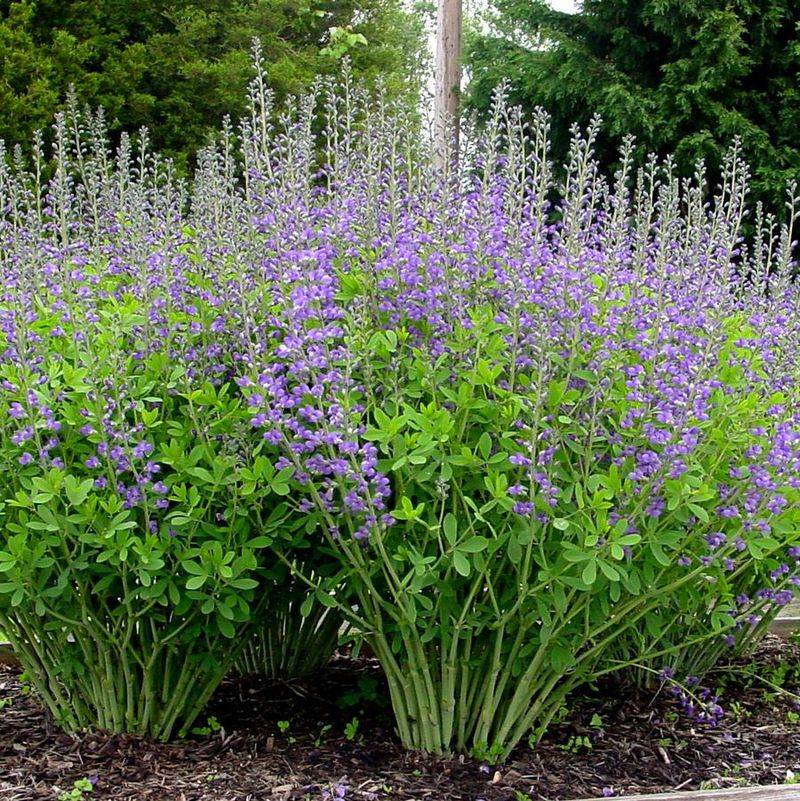
There is something almost architectural about Blue False Indigo. It grows into a large, rounded shrub-like clump that looks polished and intentional even without any extra care.
In late spring, tall spikes of deep blue-purple flowers shoot up from the foliage, creating one of the most elegant displays a Pennsylvania garden can offer. After the flowers fade, the inflated seed pods rattle in the breeze and add another layer of interest through the fall.
Blue False Indigo is one of the best-kept secrets for clay soil gardens in Pennsylvania. Its root system goes incredibly deep, which is why established plants are almost impossible to move and why they thrive in even the densest, heaviest clay.
That same deep root network fixes nitrogen in the soil, gradually improving the ground around it and benefiting neighboring plants over time.
Historically, Indigenous peoples used this plant as a source of blue dye, which is how it earned the name False Indigo. It does not produce the same quality of dye as true indigo, but the bluish color it offers was still valued and used.
Knowing that history adds a meaningful layer to growing this plant in a modern Pennsylvania garden.
Plant Blue False Indigo in full sun to light shade and be patient during its first couple of years, as it puts most of its early energy into building that impressive root system before really showing off above ground. Once it hits its stride, typically around year three or four, it becomes one of the most low-maintenance and stunning perennials in any Pennsylvania landscape.