The Best Border Plants For Pennsylvania Gardens That Also Deter Ticks
Border plants do a lot of work in a Pennsylvania garden, defining spaces, adding seasonal color, and creating the kind of layered look that makes a landscape feel intentional and finished.
Most gardeners choose border plants based entirely on how they look, which makes sense until you realize that some of those choices could be doing double duty in a way that actually matters for outdoor comfort.
Ticks in Pennsylvania are a genuine concern from early spring through late fall, and the plants growing along the edges of a yard can either encourage their presence or actively discourage it.
Certain plants produce scents and compounds that ticks find strongly off-putting, and positioning them along borders, walkways, and the edges where lawn meets garden creates a natural barrier that works every day without any extra effort.
Pennsylvania’s climate supports a wide range of these plants well, and several of them are beautiful enough to earn their spot in the border entirely on appearance alone.
1. Lavender
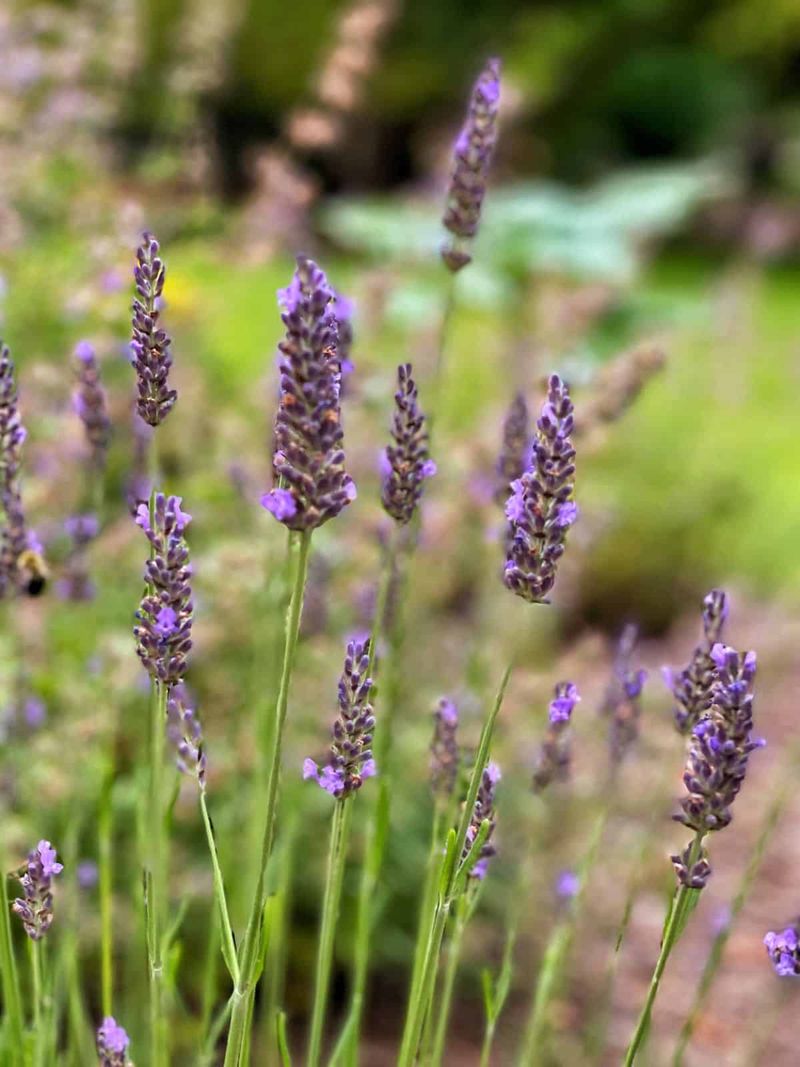
Few plants bring as much charm and usefulness to a garden border as lavender. Its soft purple flower spikes and silvery-green stems look stunning along walkways, patios, and garden edges.
Beyond the beauty, lavender has a strong, distinctive scent that many gardeners swear by when it comes to keeping unwanted pests away from outdoor spaces.
Lavender thrives in Pennsylvania summers and loves full sun with well-drained soil. Once established, it is surprisingly low-maintenance.
You do not need to water it too often, and it bounces back year after year in most parts of the state. Plant it along the edges of paths where people walk most, since brushing against the leaves releases even more of that wonderful fragrance.
The scent from lavender comes from its natural oils, particularly linalool. Research suggests these aromatic compounds are associated with discouraging ticks and other insects from hanging around treated areas.
Planting lavender in clusters rather than single stems gives you a stronger scent barrier along your border.
Pollinators absolutely love lavender too. Bees and butterflies will visit your garden all summer long, adding life and movement to your outdoor space.
Harvest some of the flower stems in midsummer and bundle them to dry indoors. Dried lavender bundles near doorways can help extend that fresh, calming scent into your home as well.
For Pennsylvania gardeners wanting beauty and function in one plant, lavender is a top choice that rarely disappoints.
2. Bee Balm
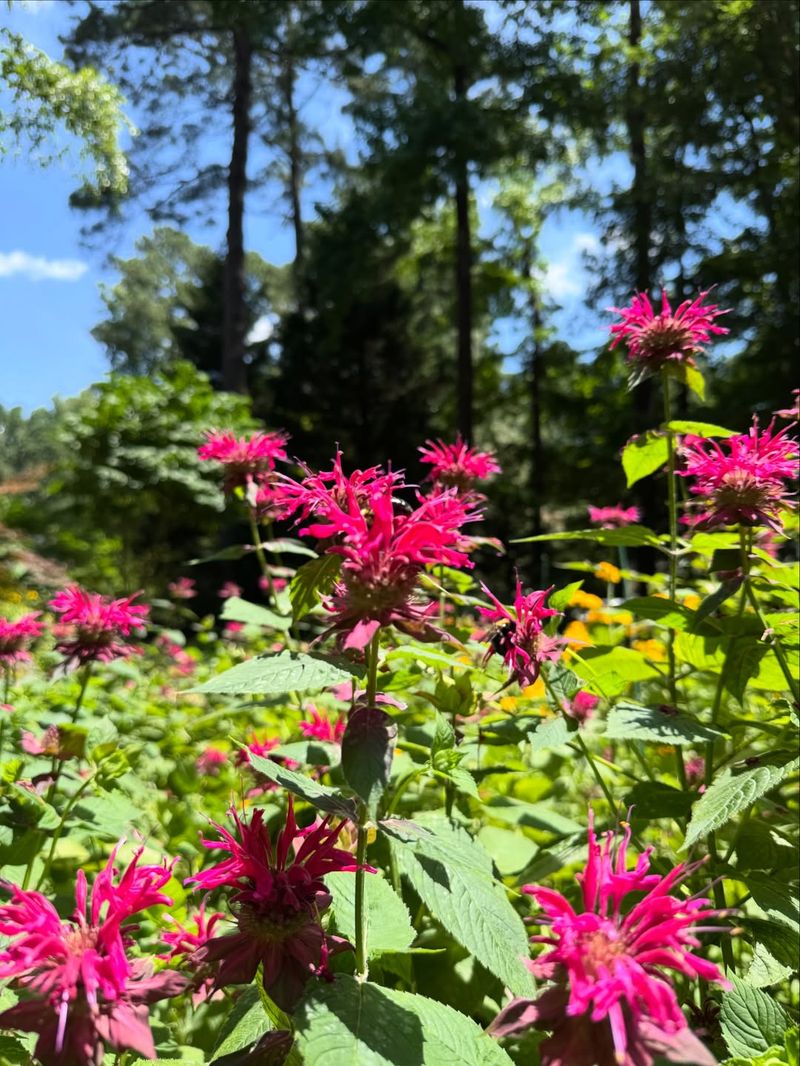
Walk past a patch of bee balm in full bloom and you will immediately understand why gardeners love it. The shaggy, wild-looking flowers come in shades of red, pink, purple, and white, and they practically glow in a summer garden.
But bee balm is not just a pretty face. It is a hardworking native plant with a strong, spicy fragrance that has made it a favorite in pest-conscious garden borders across Pennsylvania.
Bee balm belongs to the mint family, and like its relatives, it produces aromatic oils that many gardeners associate with naturally discouraging ticks and other unwanted insects. Planting it along the outer edges of your garden creates a fragrant living barrier.
Your Pennsylvania Garden Changes Every Week. Your Plan Should Too.
Gardening in Pennsylvania changes quickly throughout the season. Every Friday you’ll receive a simple weekly plan showing exactly what to plant, prune, fertilize, harvest, and protect so you never miss the right timing.
The stronger the scent, the more effective it tends to be at keeping pests from settling in nearby areas.
As a Pennsylvania native, bee balm is perfectly adapted to local growing conditions. It handles humid summers and cold winters without much fuss.
It prefers moist, well-drained soil and partial to full sun. One thing to keep in mind is that bee balm can spread quickly, so planting it in defined borders or containers helps keep it manageable.
The real bonus with bee balm is how much pollinators love it. Hummingbirds, bumblebees, and butterflies flock to its blooms from July through August.
Planting bee balm near vegetable gardens or fruit trees can improve pollination too. For gardeners who want a native plant that pulls double duty, bee balm is a smart and colorful choice.
3. Catmint
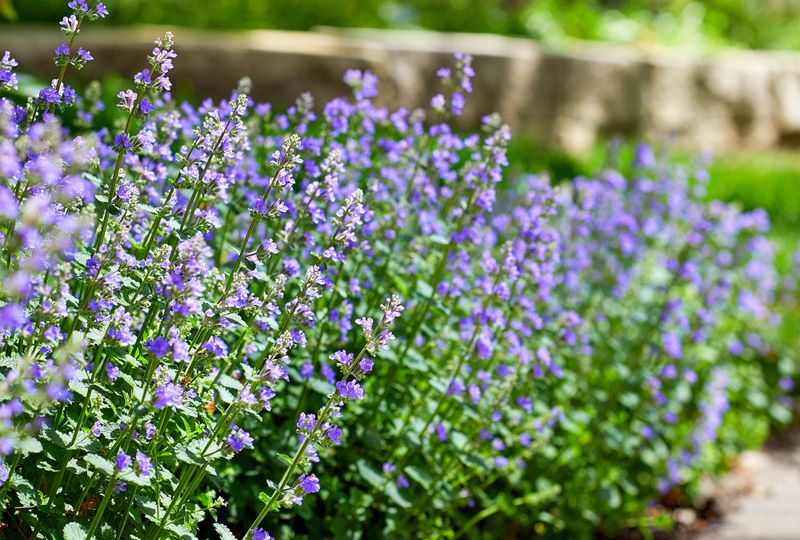
Catmint has a reputation for being one of the easiest and most rewarding border plants you can grow. It forms soft, billowing mounds covered in lavender-blue flower spikes that bloom from late spring well into fall.
Many gardeners plant catmint specifically around seating areas, patios, and outdoor dining spaces because of its pleasant fragrance and its association with reducing tick activity nearby.
The scent of catmint comes from nepetalactone, the same compound that makes cats go wild. Interestingly, studies have found that nepetalactone can be even more effective than DEET at repelling certain insects, including mosquitoes.
While more research is always helpful, gardeners have long used catmint as a natural barrier plant around areas where people like to relax outdoors.
Growing catmint in Pennsylvania is straightforward. It loves full sun but tolerates partial shade and handles dry spells well once it is established.
After the first big flush of blooms fades, cut the plant back by about half. This simple step encourages a fresh round of flowers within a few weeks, keeping your borders looking full and vibrant all summer.
Catmint pairs beautifully with roses, salvia, and ornamental grasses, making it a versatile design choice. Its soft texture and cool color tones work well with almost any garden style.
Bees absolutely adore catmint flowers, so expect plenty of pollinator activity from spring through autumn. For a low-maintenance, fragrant border plant that earns its place in a Pennsylvania garden, catmint is hard to beat.
4. Wormwood
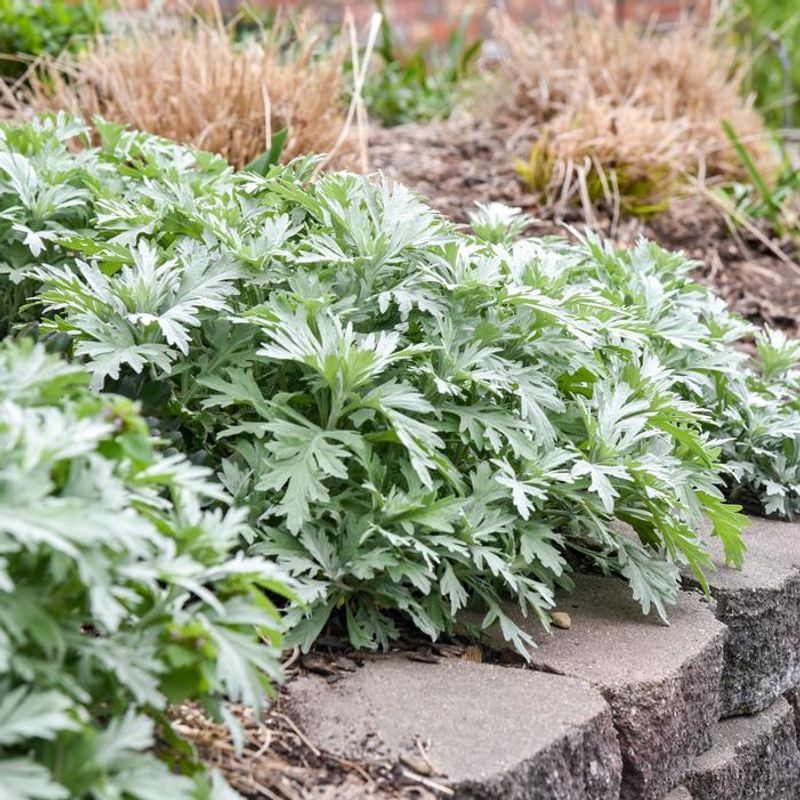
Wormwood might not be the most famous garden plant, but ask any experienced Pennsylvania gardener about it and you will likely get a knowing nod. Its striking silvery-gray, feathery foliage stands out in any border, creating bold contrast against green plants.
More importantly, wormwood has one of the sharpest, most intense scents in the garden world, and that pungent aroma is exactly why it earns a spot in pest-conscious landscapes.
The plant contains a compound called absinthin, along with other aromatic chemicals, that gives it its famously bitter, strong smell. Gardeners have used wormwood for centuries as a natural way to discourage insects and pests from settling near garden beds.
Planting it along the outer edges of your property or around areas where people walk and sit can help create a scent barrier that ticks find uninviting.
Wormwood is tough and adaptable, which makes it a great fit for Pennsylvania gardens. It grows well in poor, dry soils where other plants struggle, and it loves full sun.
Because it can spread aggressively, planting it in contained sections or trimming it regularly keeps it in check. Some gardeners even plant it in large pots sunk into the ground to control its roots.
One fun fact worth knowing: wormwood is the plant historically used to make absinthe, the famously strong herbal spirit. Its dramatic silver color makes it a favorite in moon gardens and formal borders.
For bold texture, pest deterrence, and year-round interest, wormwood is a plant that quietly does a lot of hard work in the garden.
5. Rosemary
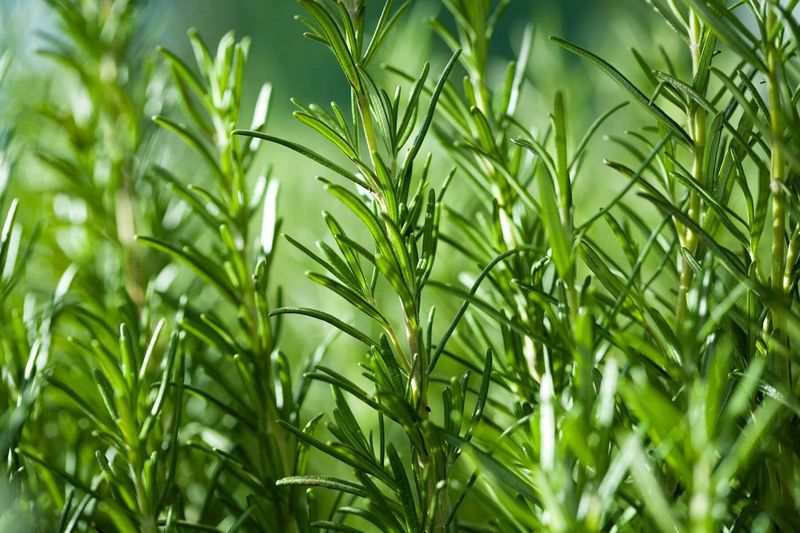
Rosemary is one of those plants that surprises people with how much it can do. Most folks think of it as a cooking herb, and yes, it is fantastic in the kitchen.
But rosemary also makes an excellent border plant for Pennsylvania gardens, bringing structure, fragrance, and a natural association with pest deterrence to outdoor spaces where you want to relax without worrying about ticks.
The fragrant oils in rosemary, including camphor and 1,8-cineole, give it that sharp, piney, unmistakable scent. These natural compounds are frequently mentioned in discussions about plants that help make outdoor areas less attractive to ticks and other insects.
Planting rosemary along pathways means every time someone brushes past it, a fresh burst of fragrance is released into the air around that space.
Rosemary grows best in full sun with well-drained soil, which suits many Pennsylvania garden spots perfectly. In colder parts of the state, it may need some winter protection or can be grown in containers brought indoors when temperatures drop.
Upright varieties work well as small hedges or structured borders, while trailing types spill beautifully over walls and raised beds.
Beyond pest deterrence, rosemary attracts early-season pollinators with its small pale blue flowers, which bloom even in late winter during mild spells.
It is also wonderfully drought-tolerant once established, making it a smart choice for gardeners who do not want to spend a lot of time watering.
Few plants offer this combination of culinary use, visual appeal, and garden functionality all in one.
6. Mountain Mint
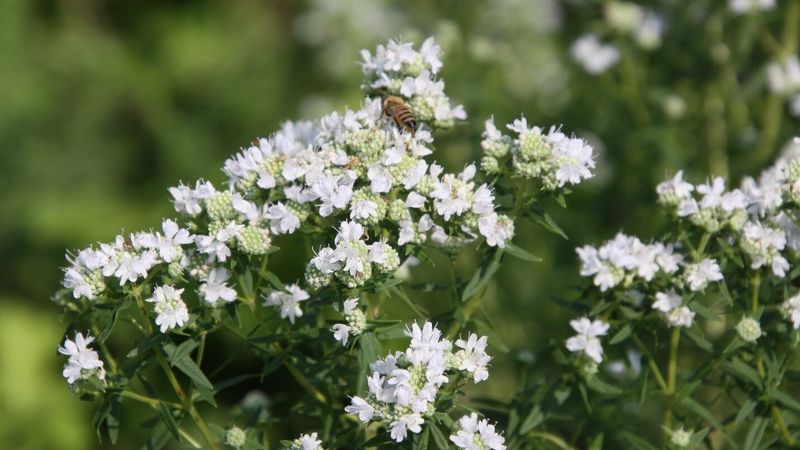
If you have never grown mountain mint, you are in for a treat.
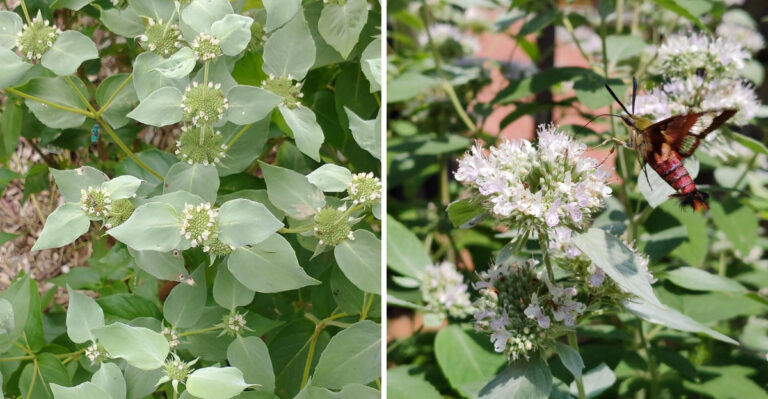
This Pennsylvania native is one of the most powerfully scented plants you can add to a garden border, and that intense minty fragrance is exactly why it has earned such a strong reputation among gardeners looking to naturally discourage ticks.
Just brushing your hand across the leaves releases a burst of clean, sharp minty aroma that lingers in the air.
Mountain mint belongs to the genus Pycnanthemum, and several species grow naturally across Pennsylvania. It thrives in the local climate without much help at all.
Give it a spot with full to partial sun and reasonably moist soil, and it will reward you with dense, lush growth and clusters of tiny white flowers from midsummer through early fall. Those flowers are absolute magnets for native bees, wasps, and butterflies.
Research on mountain mint has shown that its essential oils contain high concentrations of pulegone and other aromatic compounds that are associated with discouraging ticks and other biting insects.
Some studies specifically highlight Pycnanthemum species as some of the most promising native plants for natural pest management in garden settings. That is a big deal for a plant that also happens to be beautiful and easy to grow.
Like other mint-family plants, mountain mint can spread by underground runners, so planting it in defined garden sections or raised beds helps manage its growth. Divide clumps every few years to keep plants vigorous.
For Pennsylvania gardeners who want a native, pollinator-friendly, powerfully scented border plant, mountain mint is genuinely one of the best options available.
7. Marigold
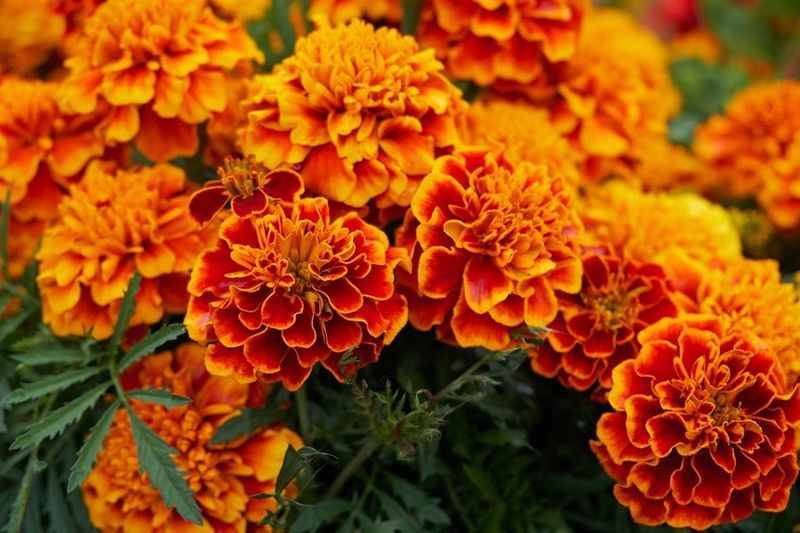
Bright, bold, and cheerful, marigolds have been a garden staple for generations.
Their warm orange and yellow blooms light up borders from midsummer until the first frost, and their strong, distinctive scent has made them one of the most popular companion planting choices among home gardeners everywhere.
In Pennsylvania, marigolds are a familiar sight along vegetable garden borders, flower beds, and patio edges.
The scent that marigolds produce comes from compounds including thiophenes, which are released from both the flowers and the foliage.
Gardeners have long planted marigolds near vegetables to help deter pests, and the same logic applies to using them as border plants in tick-prone areas.
Their strong smell is believed to make nearby spaces less attractive to a range of insects and pests that prefer to settle in quieter, less aromatic environments.
Growing marigolds in Pennsylvania could not be easier. They love full sun and warm temperatures, and they bloom reliably from June through October with very little care.
Deadhead spent flowers regularly to encourage continuous blooming throughout the season. French marigold varieties tend to be bushier and more compact, making them ideal for neat, defined border planting along pathways and garden edges.
One extra bonus: marigolds are also known to help suppress certain soil nematodes when planted densely, making them a double-duty plant in vegetable garden borders.
They are inexpensive, widely available at garden centers across the state, and come in a rainbow of warm tones.
For gardeners who want maximum color and natural pest deterrence without any fuss, marigolds deliver season after season.