Plant These Purple Perennials In Texas Once And Enjoy Them Forever
Some plants earn their spot in a Texas garden by showing up strong year after year without making you start over every season. That is exactly the appeal of great purple perennials.
They bring rich color, reliable blooms, and a sense of permanence that makes a yard feel more established and alive. In a place where heat, dry spells, and tough soil can wear out weaker plants fast, having flowers that can settle in and keep performing feels like a very good deal.
Purple is also one of those colors that can do a little bit of everything. It can look bold and dramatic, soft and cottage-like, or clean and polished depending on what you pair it with.
Even better, many purple perennials attract pollinators, add texture, and keep the garden interesting beyond just one short bloom window.
If you want plants that look beautiful without acting delicate, these Texas-friendly choices can give you long-term color with a lot less effort than you might expect.
1. Mealy Blue Sage (Salvia Farinacea)
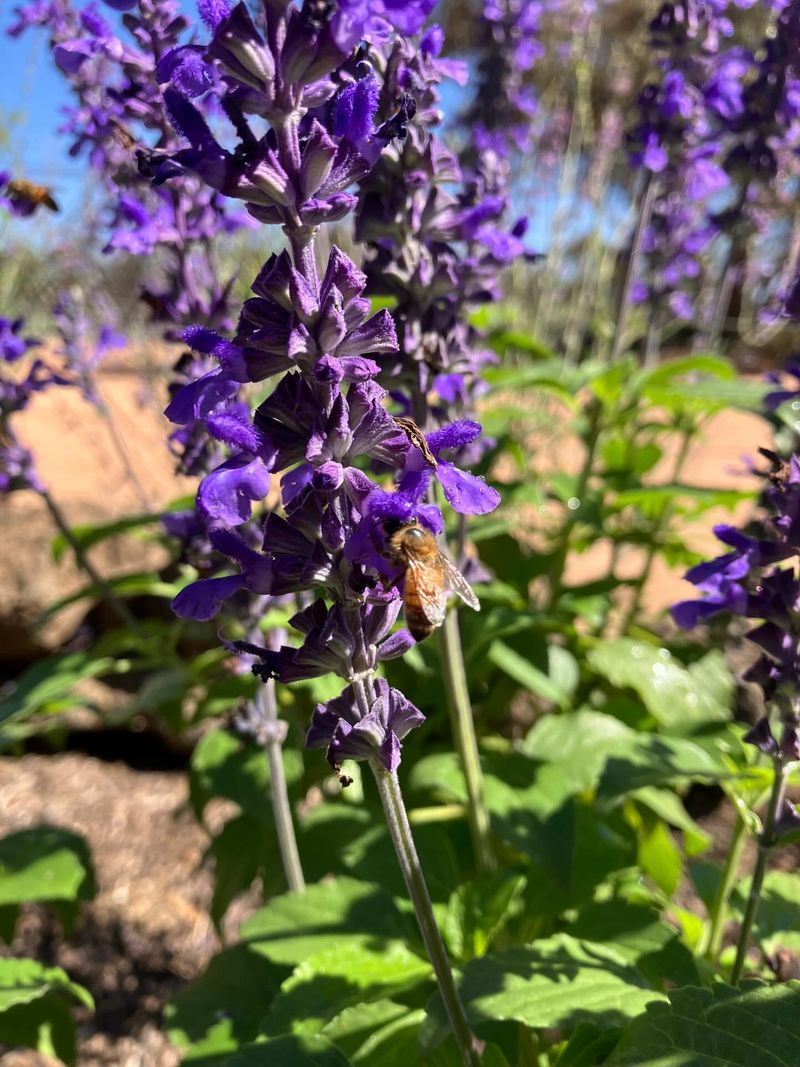
Ask any experienced Texas gardener which purple perennial they trust the most, and Mealy Blue Sage will likely come up fast. This plant is a true Texas native, and it shows.
It handles the brutal summer heat without missing a beat, keeps blooming long after other flowers have given up, and comes back reliably each year.
The flowers grow in tall, slender spikes that range from soft lavender to deep blue-purple. They show up in spring and keep going strong well into fall.
That long bloom season is one of the biggest reasons gardeners across Texas love this plant so much.
Mealy Blue Sage works beautifully in perennial borders, wildflower meadows, and even cottage-style gardens. It pairs well with ornamental grasses and yellow-flowering plants for a bold color contrast.
You can plant it in rows for a structured look or let it grow more freely for a natural, relaxed feel.
One of the best things about this plant is how little maintenance it needs. It is deer resistant, which is a huge plus in many parts of Texas where deer pressure is high.
It also attracts hummingbirds and butterflies, so your garden stays lively throughout the growing season.
Plant it in full sun and well-drained soil, and it will reward you generously. Trim it back lightly after each bloom cycle to encourage fresh growth.
Once established in your Texas garden, Mealy Blue Sage is one of the most dependable sources of purple color you can find.
2. Gregg’s Mistflower (Conoclinium Greggii)
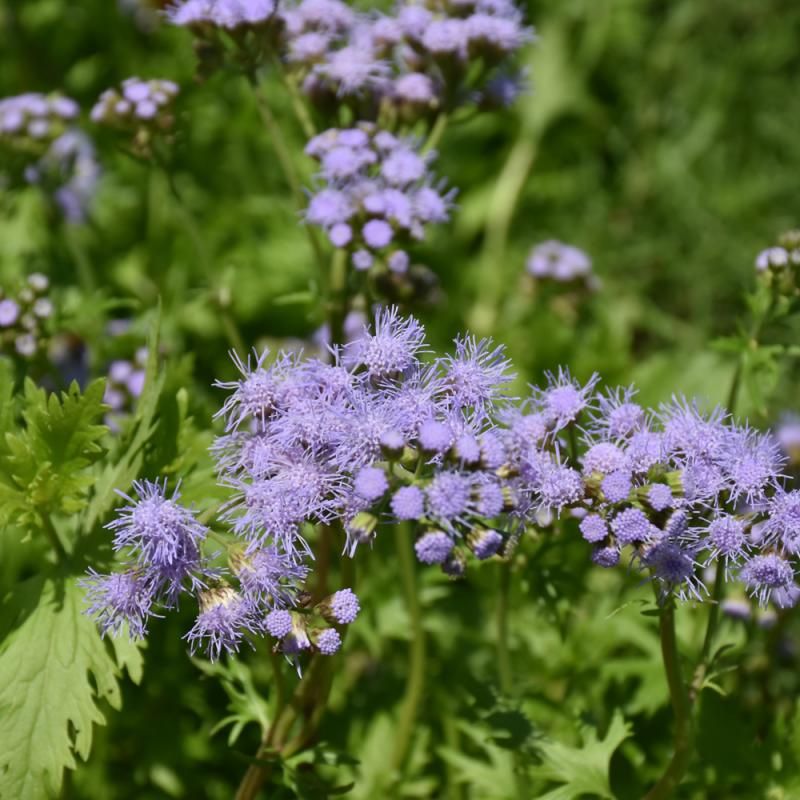
If butterflies make you smile, Gregg’s Mistflower might just become your favorite plant in the whole yard. This Texas native is like a landing pad for pollinators.
Come late summer and fall, the fluffy lavender-blue flower clusters draw in dozens of butterfly species, turning your garden into something truly special.
The flowers have a soft, cloud-like appearance that gives the plant its charming name. They bloom in clusters and create a hazy purple-blue effect across the planting bed. This is the kind of plant that makes neighbors stop and ask what it is.
Your Texas Garden Changes Every Week. Your Plan Should Too.
Gardening in Texas changes quickly throughout the season. Every Friday you’ll receive a simple weekly plan showing exactly what to plant, prune, fertilize, harvest, and protect so you never miss the right timing.
Gregg’s Mistflower does best in sunny spots with decent drainage. It is not a fan of soggy soil, so raised beds or slopes work really well.
Over time, it can slowly spread and form attractive colonies, which means you get more coverage without buying more plants.
Across Texas, this plant is especially popular in Central Texas and the Hill Country, where the conditions suit it perfectly.
It is drought tolerant once established and requires very little watering after the first season. That makes it a smart choice for gardeners who want beauty without a big water bill.
Cut it back hard in late winter to encourage fresh, bushy growth in spring. New shoots come up quickly and the plant fills back in nicely before summer arrives.
For a Texas garden that pulses with butterfly activity from August through October, Gregg’s Mistflower is an outstanding and easy-to-love choice.
3. Prairie Verbena (Glandularia Bipinnatifida)
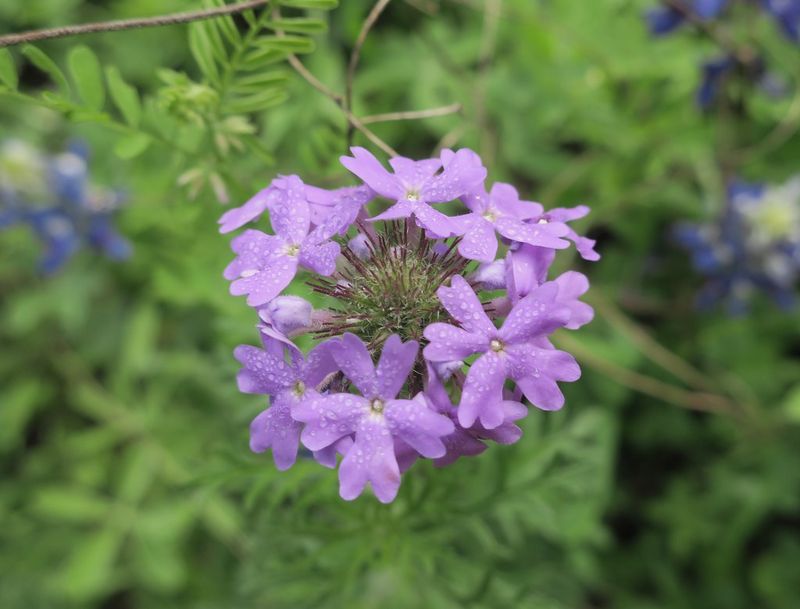
Low, cheerful, and almost impossible to ignore, Prairie Verbena has a way of brightening up any corner of a Texas garden. The blooms are a beautiful mix of purple and lavender, and they seem to pop up endlessly from spring all the way into fall.
It is the kind of plant that earns its spot by just showing up and performing. Technically, Prairie Verbena is a short-lived perennial, meaning it may not stick around forever like some of the others on this list. But here is the thing: it self-seeds readily.
New plants come up on their own each season, so the colony keeps going year after year with almost no help from you.
This plant is a natural fit for sunny slopes, rock gardens, and naturalized spaces across Texas. It hugs the ground and spreads in a loose, casual way that softens edges and fills in gaps between larger plants.
It also does well in containers if you want to keep it contained. Prairie Verbena is drought tolerant and loves well-drained soil. It does not need rich soil or heavy fertilizing to look good.
In fact, too much pampering can make it leggy and less floriferous. Give it sun and decent drainage, and it handles the rest on its own.
Butterflies and bees visit the flowers regularly, adding extra life to the garden. For Texas gardeners who want an easygoing filler plant with real staying power and nonstop purple color, Prairie Verbena is a reliable and rewarding choice all season long.
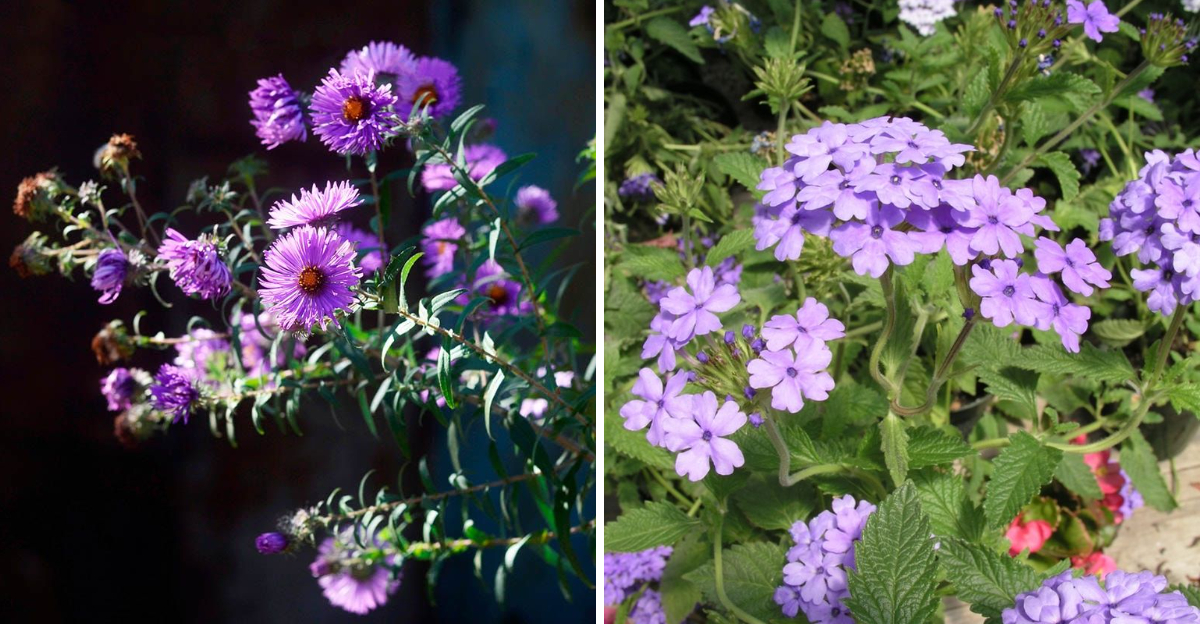
4. Aromatic Aster (Symphyotrichum Oblongifolium)
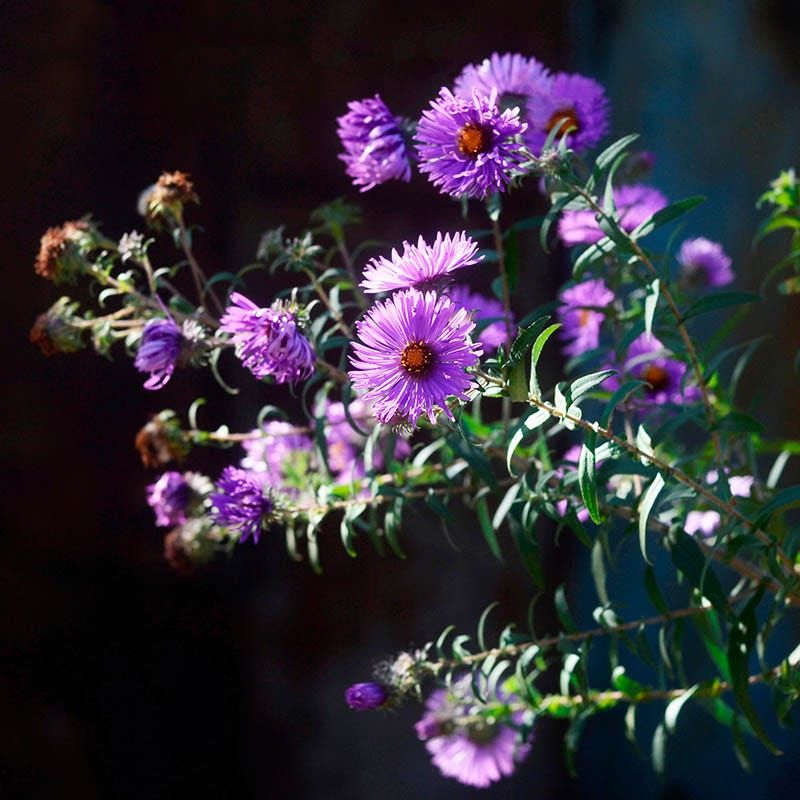
Most flowering plants start winding down as summer fades, but Aromatic Aster is just getting started.
This tough native perennial saves its big show for fall, covering itself in masses of small, dazzling purple flowers right when the rest of the garden is losing steam. It is one of the most welcome sights in a Texas yard come September and October.
The flowers are small and daisy-like, with golden yellow centers that contrast beautifully against the purple petals. The plant forms a rounded, mounding shape that looks tidy without requiring much pruning.
When it blooms, the whole shrub turns into a purple cloud that is hard to miss from across the yard.
Aromatic Aster gets its name from the pleasant, slightly spicy fragrance the leaves release when brushed. It is a fun little surprise for visitors who have never encountered this plant before.
That small detail makes it even more enjoyable to grow in a garden where people walk close by.
This plant can slowly colonize over time, spreading outward through underground stems. That spreading habit is actually a bonus for gardeners who want to fill large areas without buying lots of new plants.
It works especially well as a low-maintenance ground cover on slopes or along fence lines in Texas landscapes.
Plant it in full sun and well-drained soil for the best results. It handles Texas heat and dry spells with ease once established.
For fall color that requires almost no effort, Aromatic Aster is one of the smartest perennials you can add to your Texas garden.
5. Mystic Spires Blue Salvia
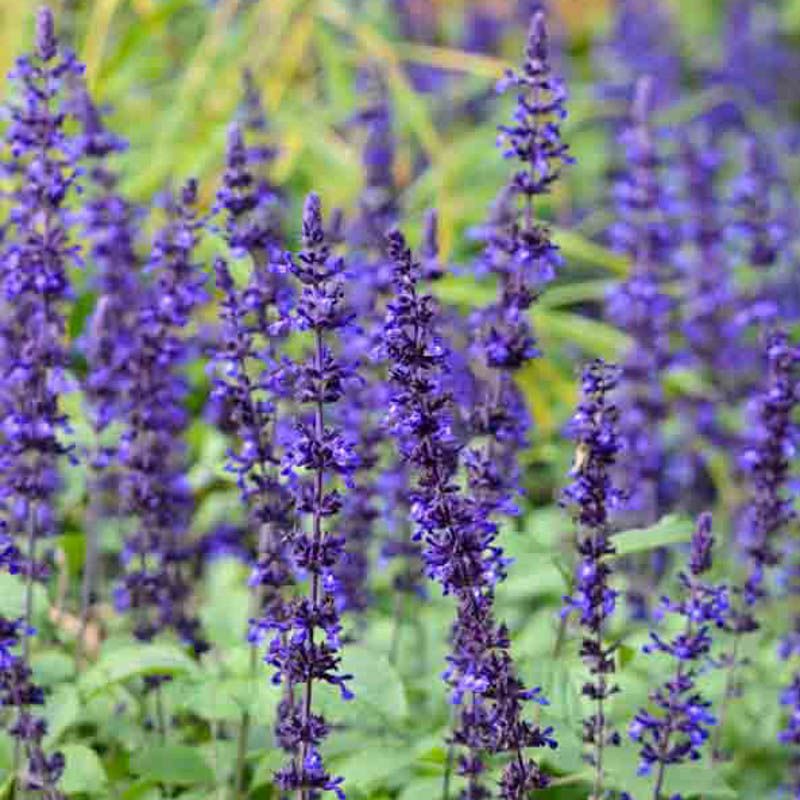
Some plants just have star power, and Mystic Spires Blue Salvia is absolutely one of them. Recognized as a Texas Superstar plant, this salvia was selected specifically because it performs exceptionally well in Texas conditions.
That official recognition means it has been tested and proven in the very climate you are gardening in.
The flower spikes are tall, bold, and a stunning shade of rich blue-purple that looks almost electric in bright sunlight.
They bloom heavily from spring all the way through the growing season, giving you months of reliable color. Few perennials in Texas can match that kind of staying power.
One thing that sets this plant apart from many other flowering perennials is its resistance to pests, diseases, and deer. Gardeners in areas where deer browse heavily will especially appreciate this quality.
You can plant it and actually expect it to look good without having to spray or protect it constantly.
Mystic Spires Blue Salvia handles Texas heat with impressive ease. It thrives in full sun and does not need much water once established.
The plant grows into a full, bushy mound that looks great as a backdrop in perennial beds or as a bold focal point in a mixed border.
Deadheading spent flowers encourages fresh blooms to keep coming. A light trim between bloom cycles helps maintain a neat shape and promotes vigorous regrowth.
For Texas gardeners who want a showstopping purple perennial with almost no drama, Mystic Spires Blue Salvia delivers beautifully season after season.
6. Dwarf Mexican Petunia (Ruellia Brittoniana Dwarf Cultivars)
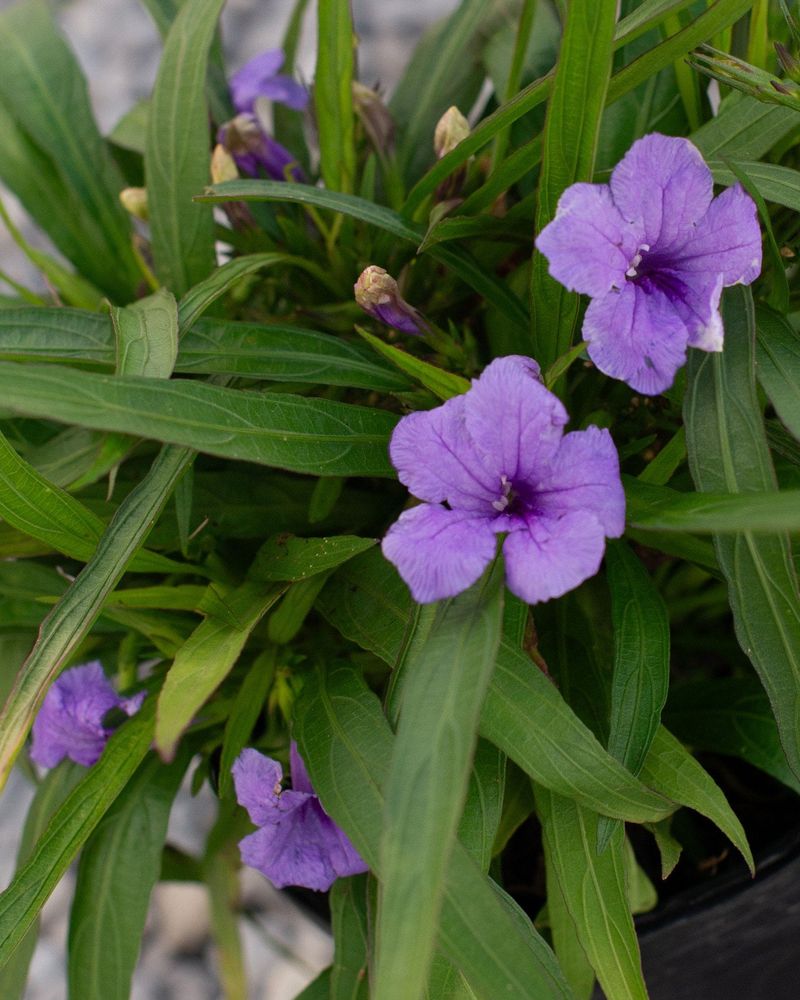
Here is a plant that does not need much attention but never lets you forget it is there. Dwarf Mexican Petunia is a compact, low-growing perennial that produces cheerful violet-purple blooms all season long.
It lines garden edges and borders with color in a way that looks intentional and polished without requiring constant care.
Unlike the full-sized Mexican Petunia, which can spread aggressively, the dwarf cultivars stay nicely contained. That makes them a much better choice for managed garden beds and smaller Texas landscapes where space matters.
You get all the beauty without the invasive spreading habit. The flowers are trumpet-shaped and bloom in clusters throughout the warm months. They open fresh each morning and the plant keeps producing new buds nonstop.
Even during the hottest stretches of a Texas summer, Dwarf Mexican Petunia keeps going without skipping a beat.
It works beautifully as edging along walkways, driveways, and garden borders. It also functions as a small-scale ground cover in tight spaces where other plants struggle to fill in. The fine-textured foliage stays green and attractive even when the plant is not in bloom.
Full sun to partial shade suits this plant well, and it handles both dry spells and occasional wet periods without much complaint. Water it moderately and give it decent soil, and it will reward you with months of violet-purple color.
For Texas gardeners who want long bloom without constant pampering, Dwarf Mexican Petunia is a genuinely satisfying and practical perennial choice.
7. Blue Princess Verbena
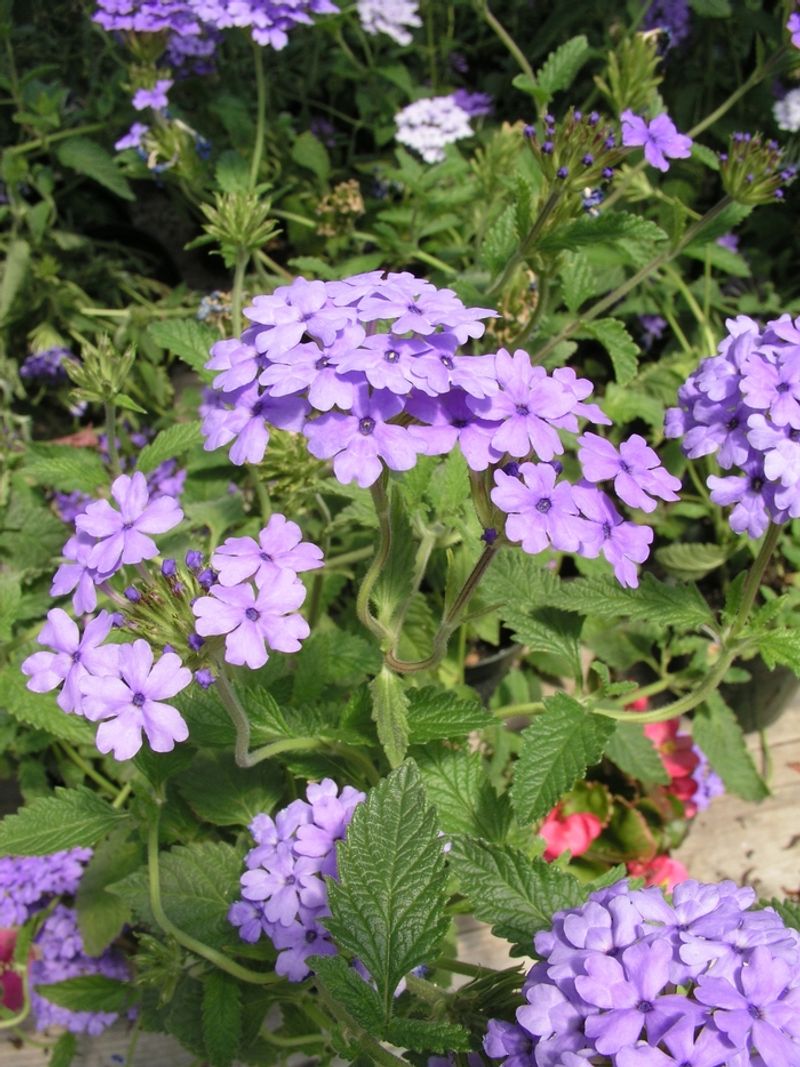
With wave after wave of lavender-blue flowers from early spring into late fall, Blue Princess Verbena earns every bit of its Texas Superstar status.
This plant blooms longer than almost anything else you can put in the ground, and it does it with a cheerful, carefree energy that makes the whole garden feel more alive.
The flower clusters are dense and vibrant, creating a low carpet of color that spreads across beds and containers with ease. Butterflies are drawn to the blooms consistently, which adds movement and life to the garden throughout the entire growing season.
It is one of those plants that looks like you put in a lot of effort, even when you did not. Blue Princess Verbena handles Texas heat remarkably well. It does not sulk during summer the way some flowering perennials do.
Plant it in full sun with well-drained soil and it will keep performing through conditions that would stress less tough plants.
Refreshing the plant is simple. When bloom production slows down between cycles, give it a light shearing to remove old flower heads.
Within a short time, fresh growth pushes up and a new round of blooms follows. This easy maintenance trick keeps the plant looking full and colorful all season.
It pairs wonderfully with other purple perennials on this list, especially when planted in groups for a bold mass effect.
For Texas gardeners who want a butterfly-friendly, long-blooming, and low-effort perennial that brings consistent color from spring to frost, Blue Princess Verbena is a perfect and proven choice.