Budget Friendly Ground Covers To Fill Empty Spaces In Texas Gardens
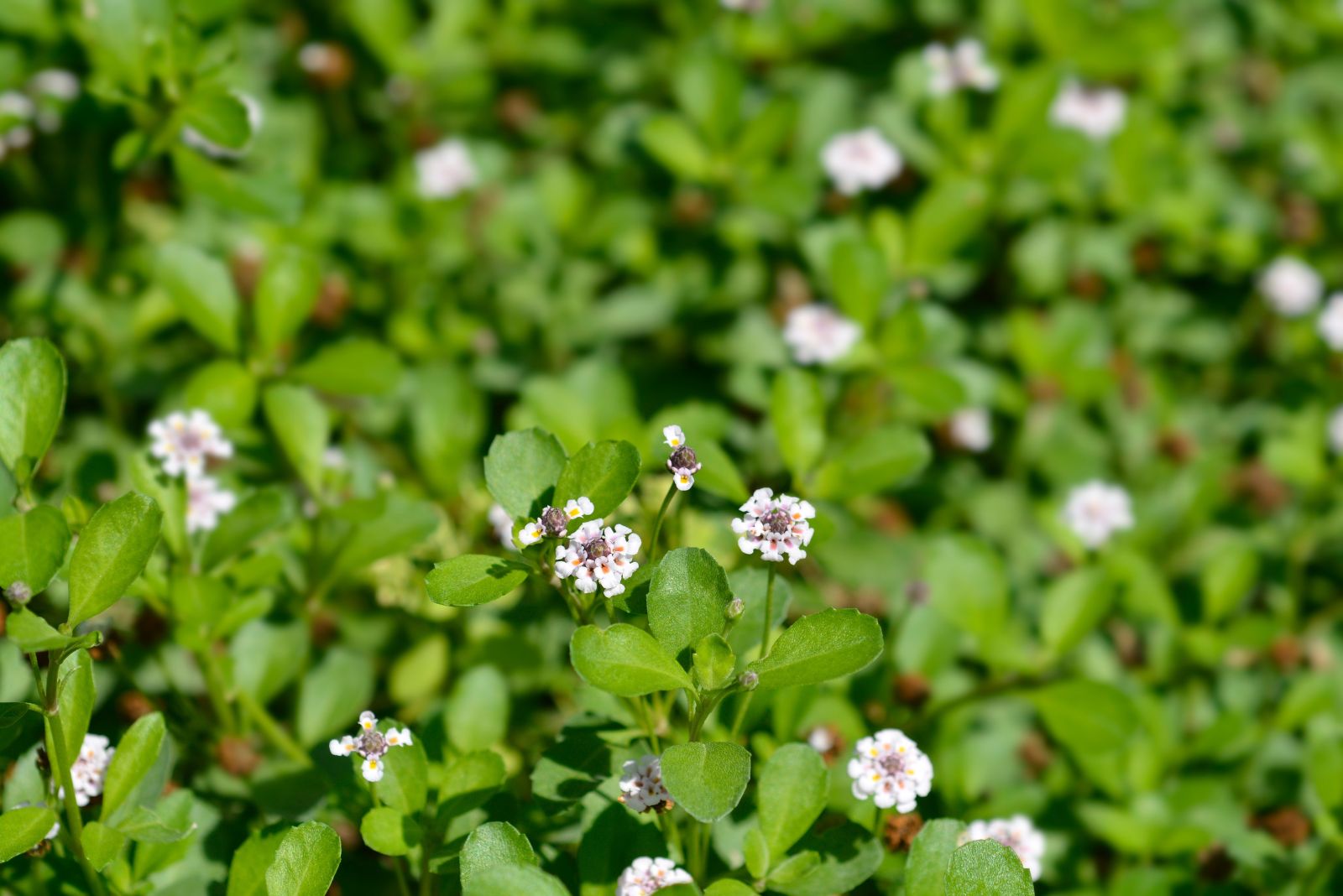
Empty spots in a Texas garden have a way of standing out fast. One patch of bare soil can make the whole yard look unfinished, dusty, or harder to maintain than it really is.
The challenge, of course, is finding something that fills those spaces nicely without draining your budget.
In Texas, that matters even more because plants also need to handle heat, dry weather, and the kind of tough conditions that can wear out more delicate choices in no time.
That is where the right ground covers can really save the day. They spread well, soften rough-looking areas, and help tie the whole garden together without costing a fortune.
Some add color, some bring texture, and some do a great job of covering the ground while asking for very little in return. For gardeners who want the yard to look fuller without overspending, these plants can make a big difference.
A smart, affordable ground cover can turn empty gaps into one of the best-looking parts of the landscape.
1. Frogfruit (Phyla Nodiflora)
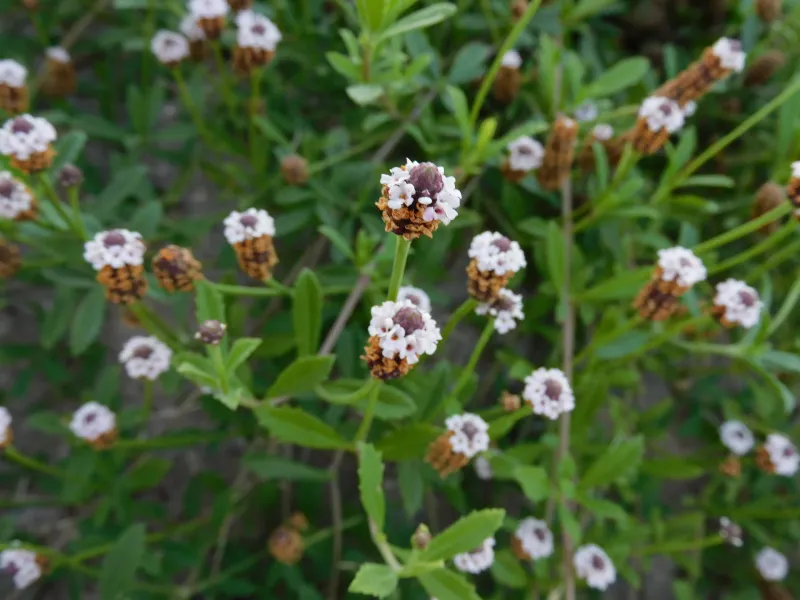
Walk through almost any natural area in Texas and you might spot frogfruit creeping along the ground without anyone ever planting it there. That tells you something important about this tough little native.
Frogfruit is one of the most reliable and budget-friendly ground covers you can choose for a Texas garden.
Once you get it established, it spreads quickly to form a thick, low mat that stays close to the ground. It typically reaches only about two to four inches tall, which means it looks neat without much trimming.
The dense growth also smothers weeds naturally, saving you time and money on weeding. Frogfruit handles Texas summers like a champ. It tolerates full sun, partial shade, heat, and even periods of drought once it gets rooted in.
You can even walk on it lightly without causing much damage, making it a smart pick for areas between stepping stones or along pathways.
The tiny white and purple flowers that bloom from spring through fall are a bonus. Butterflies, bees, and other pollinators absolutely love them.
So while you are saving money on your garden, you are also creating a little habitat for helpful insects.
Starting frogfruit is simple and inexpensive. You can often find transplants at local Texas native plant nurseries for very little cost, or divide existing plants for free.
Plant it in spring and give it some water while it settles in, and it will take care of itself from there.
2. Horseherb (Calyptocarpus Vialis)
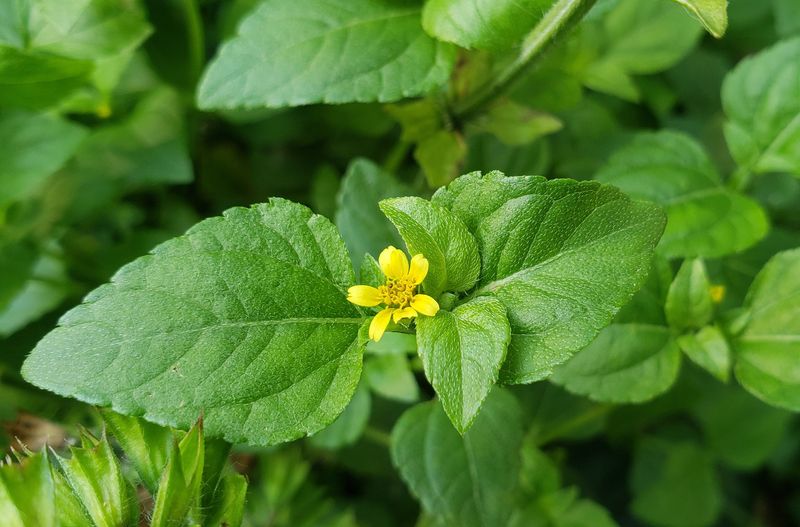
If your Texas yard has shady spots where grass refuses to grow, horseherb might just become your new best friend. This native ground cover practically plants itself.
Many Texas homeowners notice it popping up on its own under trees or along fences without ever buying a single plant.
Horseherb grows low to the ground and spreads steadily, forming a soft, green carpet that looks surprisingly lush. Small yellow flowers dot the foliage throughout the growing season, adding a cheerful touch without any extra effort on your part.
Your Texas Garden Changes Every Week. Your Plan Should Too.
Gardening in Texas changes quickly throughout the season. Every Friday you’ll receive a simple weekly plan showing exactly what to plant, prune, fertilize, harvest, and protect so you never miss the right timing.
It handles shade to partial sun really well, which makes it one of the few affordable options for those tricky spots under large trees.
One of the best things about horseherb is how little care it needs once it gets going. You do not need to fertilize it, water it constantly, or fuss over it.
In Texas, where summers are brutal and water bills can climb fast, that is a huge advantage. It is also fairly tolerant of light foot traffic, so it works well in areas people walk through occasionally.
Getting started with horseherb costs almost nothing. Because it spreads naturally, you can often find it growing in a neighbor’s yard or a local park and simply transplant a small clump. It adapts quickly and fills in gaps within a single growing season.
For Texas gardeners who want low-effort, low-cost coverage in shaded areas, horseherb is genuinely one of the easiest choices available anywhere in the state.
3. Silver Ponyfoot (Dichondra Argentea)
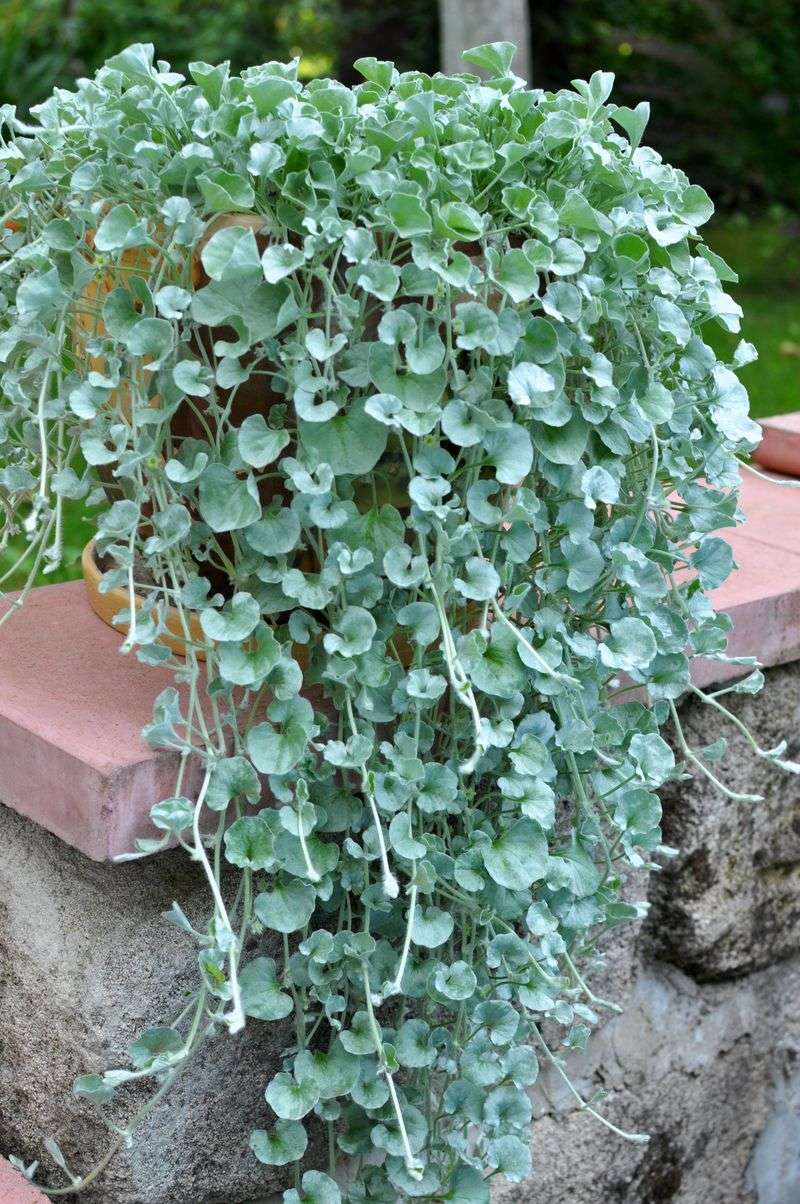
There is something almost magical about silver ponyfoot. The round, coin-shaped leaves shimmer with a soft silver sheen that catches the light and makes even the driest garden corner look polished and intentional.
Native to Texas, this plant is built for the state’s tough conditions. Silver ponyfoot thrives in hot, dry spots where other plants struggle.
It is one of the most drought-tolerant ground covers you will find, making it a smart and budget-friendly pick for Texas gardeners who want to cut back on watering. Once established, it can handle long dry stretches with very little help from a hose.
The plant spreads steadily along the ground, sending out trailing stems that root as they go. This spreading habit makes it cost-effective because one small flat of plants can cover a surprisingly large area over a single season.
It works beautifully on slopes, in garden borders, or even spilling out of containers on a sunny patio.
Maintenance is minimal with silver ponyfoot. You do not need to prune it often, and it rarely has pest or disease problems.
In many parts of Texas, it stays evergreen through mild winters, giving you year-round coverage without replanting costs.
Fun fact: silver ponyfoot is sometimes used as a creative lawn substitute in ultra-dry Texas landscapes where traditional grass simply cannot survive without heavy irrigation.
It is a clever, affordable solution that looks far fancier than its price tag suggests, and it holds up beautifully in the Texas heat season after season.
4. Prairie Verbena (Glandularia Bipinnatifida)
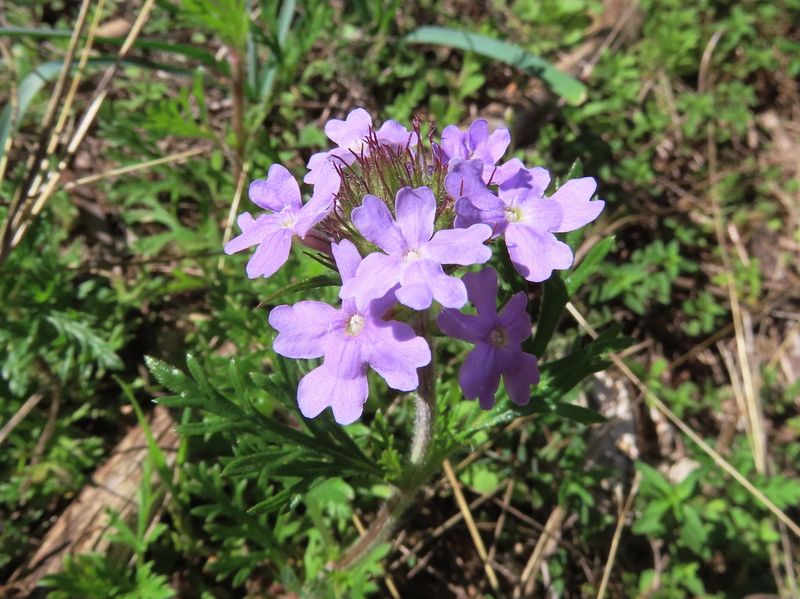
Purple flowers popping up across a dry, sunny garden bed might sound like a dream, but prairie verbena makes it a very affordable reality.
This tough native plant is one of the prettiest budget-friendly ground covers you can grow in Texas, and it practically takes care of itself once it gets settled.
Prairie verbena spreads naturally by reseeding, which means you often do not need to buy new plants each year. The seeds drop in fall, sprout in spring, and fill in gaps on their own.
Over time, a small initial investment can cover a large area without spending another dollar. For Texas gardeners watching their budgets, that kind of self-sufficiency is hard to beat.
The plant handles poor soil, rocky ground, and intense heat without complaint. Texas summers that would stress out most flowering plants barely faze prairie verbena.
It keeps blooming in shades of lavender and purple from spring well into fall, giving you months of color with almost no effort.
Butterflies and bees are drawn to the flowers in big numbers. Planting prairie verbena in your Texas garden adds both visual interest and a healthy dose of pollinator activity, which benefits everything else growing nearby.
Growing prairie verbena from seed is very inexpensive. You can also find transplants at native plant sales, which are held regularly across Texas and often offer plants at very low prices.
Either way, this cheerful, colorful ground cover delivers impressive results without putting a dent in your gardening budget.
5. Buffalo Grass (Bouteloua Dactyloides)
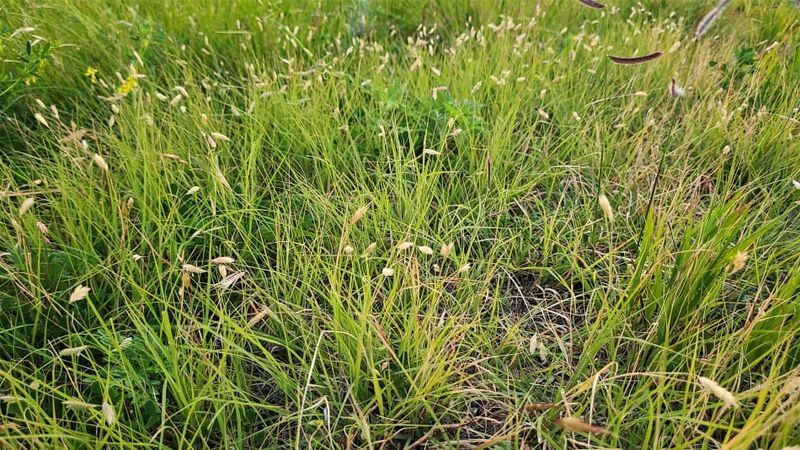
Before lawns became a thing, buffalo grass covered the vast prairies of Texas as far as the eye could see. Bison grazed on it, settlers walked across it, and the land thrived without a single drop of irrigation.
Today, this same tough native grass is making a major comeback as a budget-friendly lawn alternative for Texas homeowners.
Buffalo grass needs far less water than traditional turf grasses like St. Augustine or Bermuda. In many parts of Texas, rainfall alone is enough to keep it alive and looking decent through the growing season.
That translates directly into lower water bills and less time dragging a hose around the yard.
It also grows slowly, which means you mow far less often. Some Texas homeowners only mow buffalo grass a handful of times per year.
If you factor in the time and fuel saved on mowing, the cost savings add up quickly over a single season.
Buffalo grass spreads through runners called stolons, gradually filling in empty areas on its own. You can start it from seed, which is one of the cheapest ways to cover a large area in Texas. Plugs and sod are also available if you want faster results.
Keep in mind that buffalo grass loves full sun and dry conditions. It does not perform well in shaded or consistently wet areas.
But for open, sunny Texas landscapes, it is one of the most practical and economical ground cover choices you can make for both your garden and your wallet.
6. Lantana (Lantana Spp.)
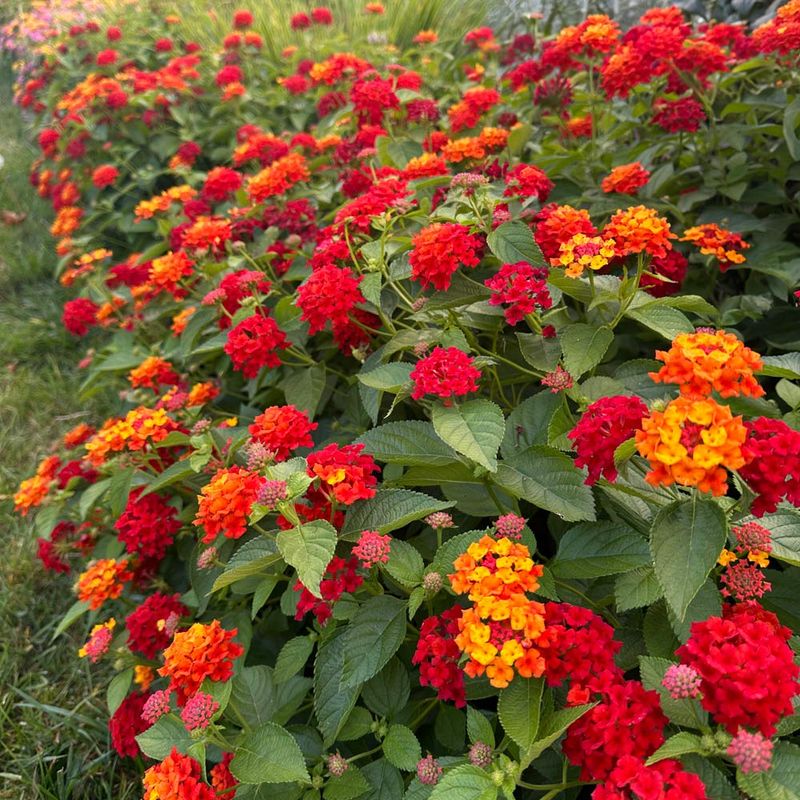
Few plants put on a show quite like lantana in a Texas summer. While other plants wilt and sulk in the relentless heat, lantana explodes with clusters of tiny, multicolored flowers in shades of orange, yellow, red, pink, and purple.
It is bold, cheerful, and almost embarrassingly easy to grow in Texas conditions. Lantana is extremely drought-tolerant once established. It actually prefers dry, well-drained soil and tends to bloom even better when it is not overwatered.
That makes it a natural fit for Texas gardens where conserving water is both a practical and environmental priority. Less watering means lower costs and less work for you.
The plant spreads vigorously, filling in empty garden beds and bare spots with minimal help. A single plant purchased in spring can grow to cover several square feet by midsummer.
Buying just a few plants at the start of the season can give you impressive coverage across a large area by the time fall arrives.
Butterflies flock to lantana flowers in remarkable numbers. Monarchs, swallowtails, and many other species are regular visitors, turning your Texas garden into a lively, colorful scene throughout the warm months.
The combination of vibrant blooms and butterfly activity makes lantana one of the most rewarding budget plants available.
Lantana is widely available at garden centers across Texas and is usually very affordable. It also propagates easily from cuttings, so once you have a plant, you can multiply it for free and fill even more space in your garden without spending anything extra.
7. Purple Heart (Tradescantia Pallida)
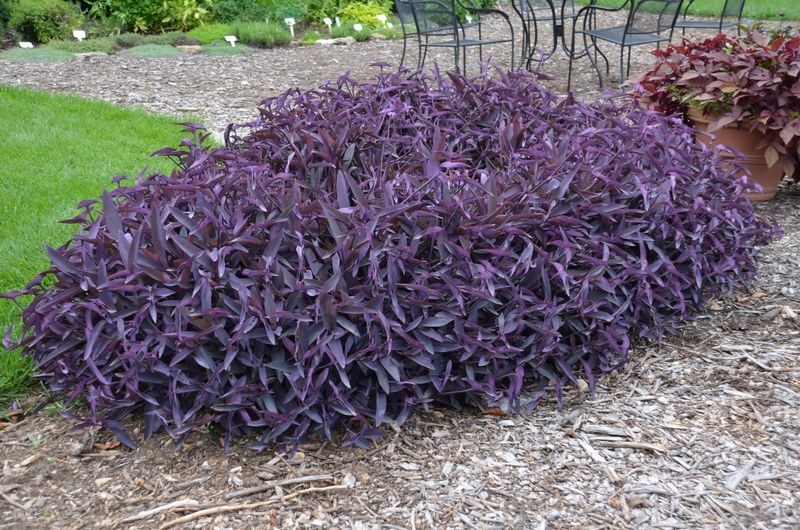
Bold, striking, and almost impossible to ignore, purple heart earns its name from the rich, deep violet color of its fleshy leaves. Walk past a garden bed filled with this plant in a Texas neighborhood and it genuinely stops you in your tracks. The color is that dramatic.
Purple heart is one of the fastest-growing ground covers you can plant in Texas. It fills in empty spaces quickly, which is exactly what you want when you are trying to cover bare ground on a budget.
Because it grows so fast, you only need a few starter plants to get a large area covered within one growing season.
Propagating purple heart is incredibly easy and completely free once you have a single plant. Just snip off a stem, stick it in moist soil, and it will root within a week or two.
This makes it one of the most cost-effective ground covers in all of Texas, since you can keep multiplying your supply without ever spending another dollar.
The plant handles Texas heat and drought with impressive toughness. It does not need much water once established and tolerates poor soil conditions without losing its vivid color.
Small pink flowers appear periodically throughout the growing season, adding a soft contrast to the purple foliage.
In many parts of Texas, purple heart comes back reliably each year after a mild winter. Even if a cold snap knocks it back, the roots typically survive and send up fresh growth in spring.
It is a resilient, low-cost, high-impact plant that delivers serious visual punch for very little money.