11 Drought-Tolerant Annuals That Thrive In Florida Gardens
Florida heat does not ease up, and many annual flowers fade fast once the real summer sets in. The ones that keep blooming anyway are the ones that can handle dry spells, intense sun, and long stretches without perfect conditions.
It is easy to fall for colorful annuals in spring, only to watch them struggle by early summer when rain turns inconsistent and temperatures climb.
Florida’s sandy soils drain quickly, and that means water rarely sticks around long enough for thirsty plants.
Drought-tolerant annuals change that completely. These are the plants that keep pushing out color even when the weather turns harsh and watering is not constant. They are reliable, tough, and surprisingly low maintenance once established.
Choosing the right ones now can keep your beds and containers looking vibrant well into the hottest part of the Florida season.
1. Annual Vinca Thrives In Heat And Dry Soil
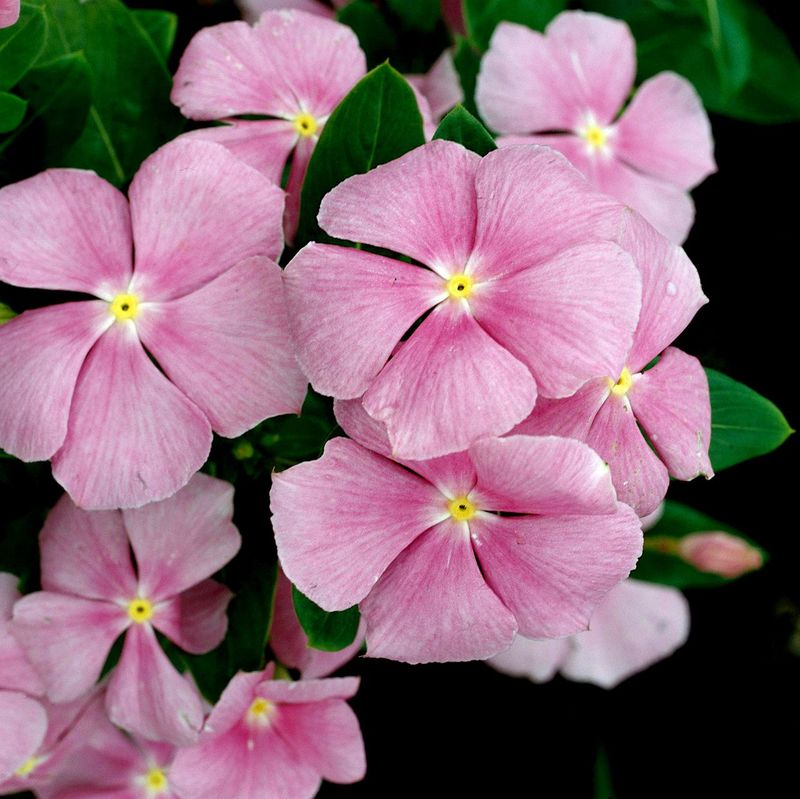
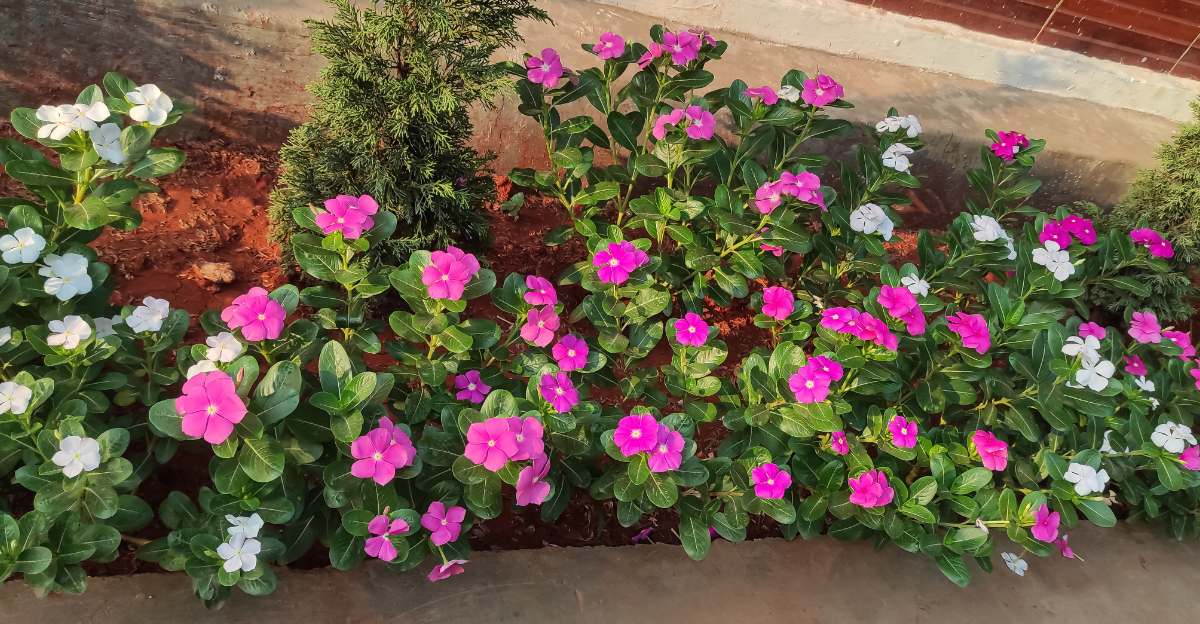
Walk through almost any Florida neighborhood in summer and you will spot Annual Vinca holding strong when everything else looks exhausted. Known botanically as Catharanthus roseus, this plant was practically built for the Sunshine State.
Glossy, dark green leaves stay fresh-looking even during weeks of low rainfall, and the flowers just keep coming in shades of white, pink, red, lavender, and coral.
Modern vinca varieties have been bred specifically to resist aerial phytophthora, a fungal disease that used to be a serious problem in humid Florida conditions. University of Florida IFAS Extension recommends choosing newer disease-resistant cultivars like the Cora or Titan series for the best performance.
These selections handle heat without missing a beat and rarely need much attention once they are established.
Vinca performs best in full sun and well-drained soil. Overwatering is actually one of the most common mistakes gardeners make with this plant, since soggy roots invite root rot quickly.
Water deeply but infrequently, and let the soil dry slightly between waterings. A layer of mulch around the base helps retain just enough moisture while keeping roots cool.
Plant vinca in spring after the last cool snap, and expect blooms from late spring straight through fall.
2. Portulaca Spreads Fast And Loves Full Sun
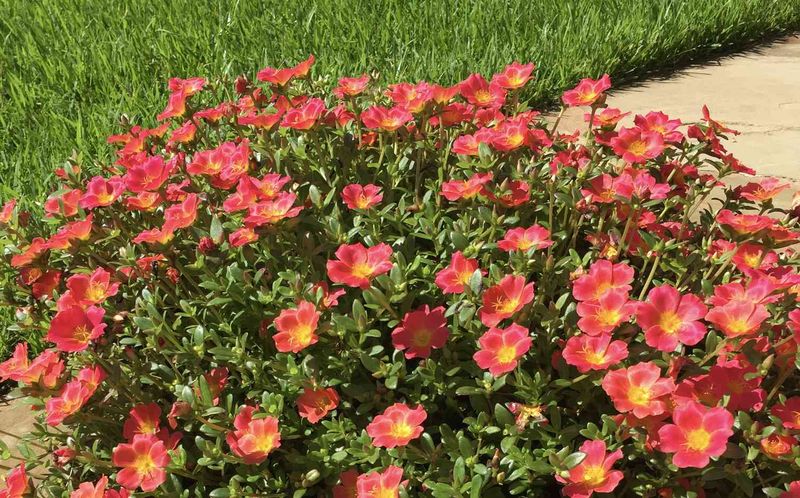
Few plants are as unapologetically cheerful as portulaca on a hot summer morning. Sometimes called moss rose, this low-growing annual belongs to the succulent family, which tells you a lot about how it handles dry conditions.
Its thick, fleshy stems and leaves store water the way a cactus does, letting the plant keep blooming even when the soil turns dry and crumbly.
Portulaca is an ideal choice for the edges of garden beds, rock gardens, and containers placed in full sun. It spreads outward rather than growing tall, creating a colorful mat of flowers in shades of red, orange, yellow, pink, white, and magenta.
The blooms open wide in bright sunlight and close in the evening or on cloudy days, which is a fun quirk that surprises first-time growers.
Sandy, fast-draining Florida soil is actually perfect for portulaca. Rich, heavy soil or too much water can cause stems to rot at the base.
Your Florida Garden Changes Every Week. Your Plan Should Too.
Gardening in Florida changes quickly throughout the season. Every Friday you’ll receive a simple weekly plan showing exactly what to plant, prune, fertilize, harvest, and protect so you never miss the right timing.
Direct sow seeds or transplant small starts after the soil warms in spring. Once established, this plant practically takes care of itself.
Give it a spot with at least six hours of direct sun daily, and it will reward you with non-stop color from late spring through the first cool nights of fall.
3. Angelonia Keeps Blooming Through Dry Spells
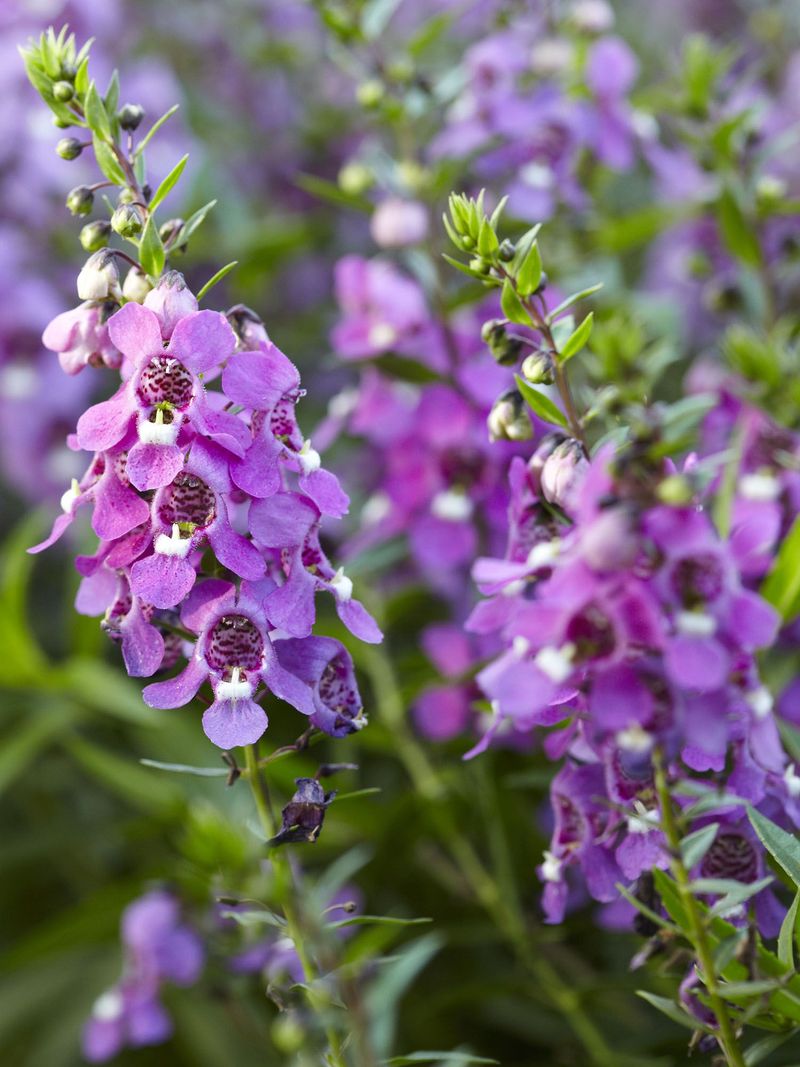
Sometimes called summer snapdragon, angelonia has a quiet confidence about it. While other annuals struggle and slow down during dry stretches, angelonia keeps sending up fresh flower spikes without any drama.
The blooms appear in soft shades of purple, pink, white, and bicolor, and they carry a light, sweet fragrance that is especially noticeable in the early morning.
Angelonia grows in an upright, tidy habit that makes it useful in the middle or back of a border. It reaches about one to two feet tall and stays full without flopping over.
Unlike many annuals, it does not need deadheading to continue blooming. Old flowers simply drop away cleanly, and new buds follow right behind them throughout the season.
According to University of Florida IFAS guidelines, angelonia performs best in full sun with well-drained soil. It handles Florida heat exceptionally well and tolerates moderate drought once established.
That said, consistent moisture during the first few weeks after planting gives the roots time to anchor properly.
After that establishment window, it becomes remarkably self-sufficient. Avoid planting in low spots where water pools after rain, as standing moisture around the roots can cause problems.
Pair angelonia with portulaca or vinca for a layered bed that handles dry conditions with ease.
4. Gaillardia Handles Heat Without Constant Water
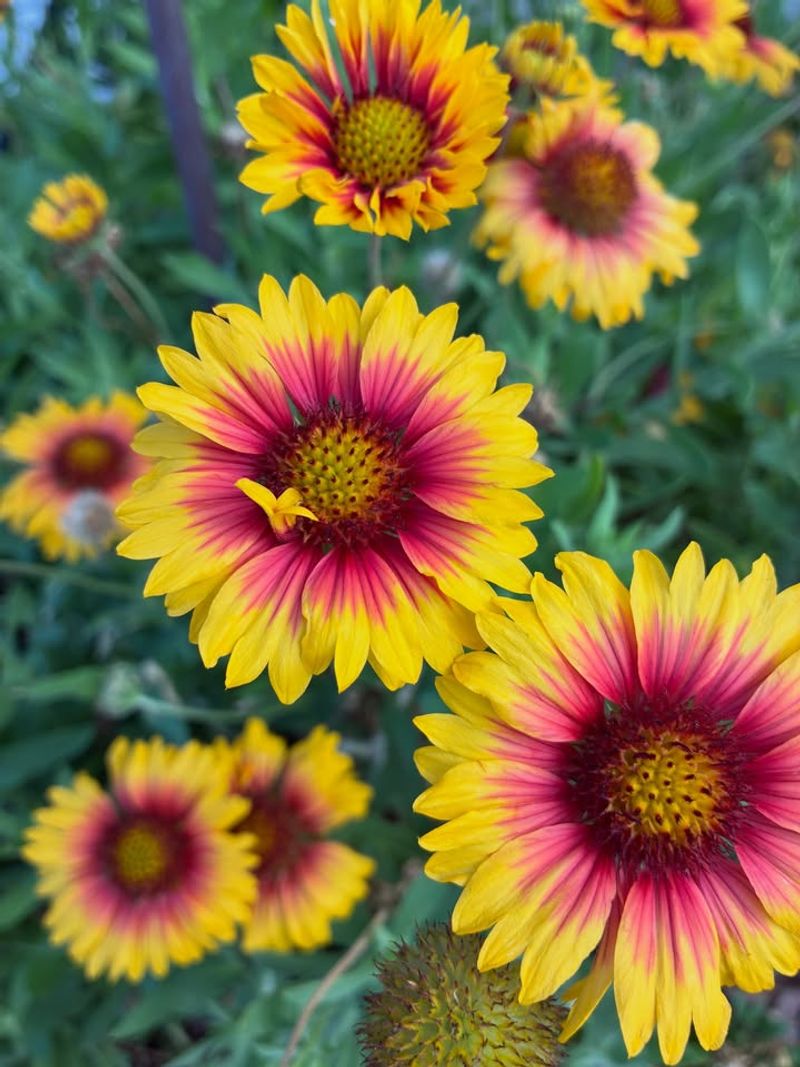
Bright, bold, and completely at home in the Florida sun, gaillardia is one of those plants that looks like it was designed specifically for hot and sandy conditions. The flowers are stunning, featuring daisy-like blooms with fiery red and yellow petals surrounding a dark center.
Each flower looks like a tiny sunset, which is fitting for a plant that thrives under the most intense Florida sunshine.
Gaillardia pulchella, also called blanket flower, is actually native to parts of the southeastern United States, including Florida. That native status means it is naturally adapted to the kind of sandy, nutrient-poor, fast-draining soil that challenges so many other plants.
It does not need rich amended beds or regular fertilizing to put on a great show. In fact, soil that is too fertile tends to produce floppy stems and fewer flowers.
Pollinators absolutely love gaillardia. Bees, butterflies, and even small beetles visit the flowers regularly, making this plant a strong choice for anyone trying to support local wildlife.
Water young plants regularly until they establish, then ease back significantly.
Established plants handle dry spells with ease and only need supplemental watering during extended droughts. Deadheading spent blooms encourages more flowers and keeps the plant looking tidy throughout the growing season.
5. Cosmos Grows Fast And Handles Light Drought
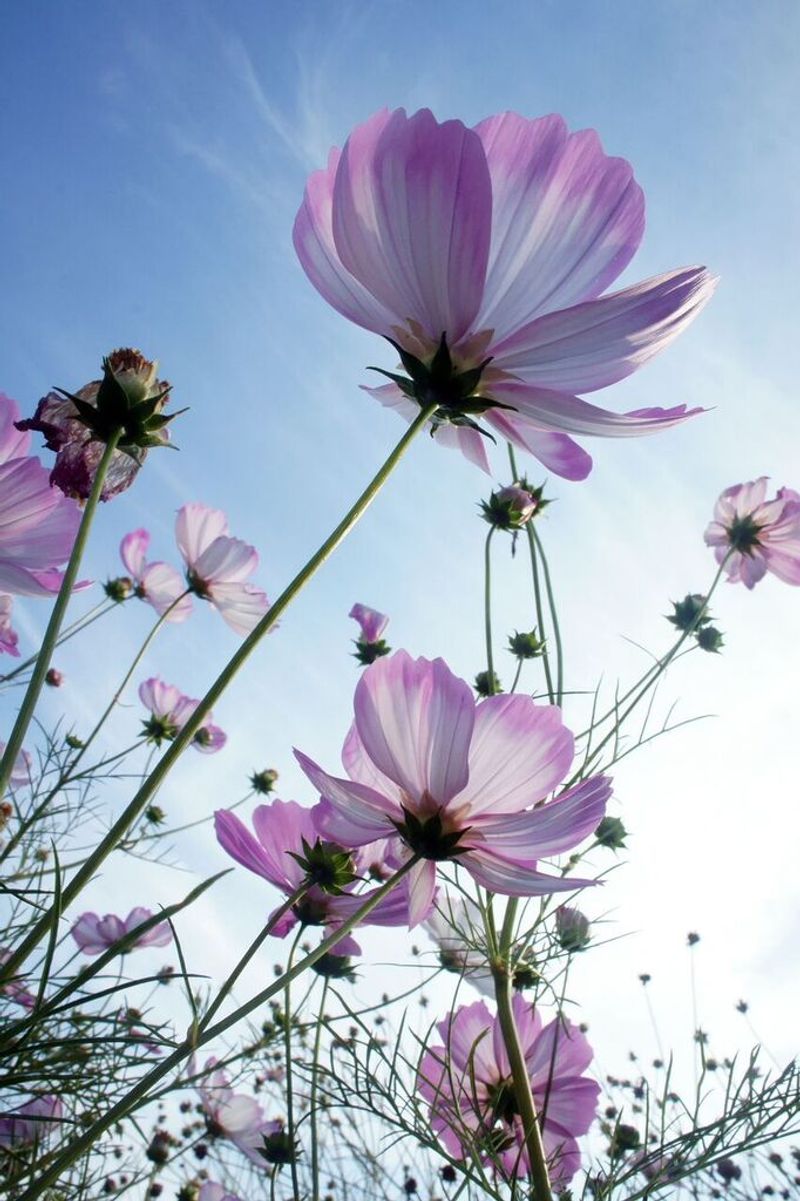
There is something almost magical about the way cosmos moves. Tall, slender stems carry feathery foliage and wide, open flowers that sway gently in even the lightest breeze, giving any garden a relaxed and airy feel.
Despite looking delicate, cosmos is surprisingly tough and grows fast enough to fill empty garden spaces within just a few weeks of planting.
Cosmos bipinnatus handles short dry periods well once it has had a chance to establish its root system. It is not a true xeriscape plant that survives weeks without water, but it tolerates the kind of light drought that Florida gardens experience between rainstorms during spring and early summer.
The key is planting from seed directly in the ground after the soil warms, since cosmos does not always transplant well from containers.
Full sun and lean soil actually encourage better blooming in cosmos. Too much fertilizer pushes leafy growth at the expense of flowers.
This plant reaches three to four feet tall, making it a great backdrop for shorter annuals like portulaca or vinca.
Deadheading regularly keeps the blooms coming strong. Cosmos also self-seeds readily, so you may find new seedlings popping up on their own the following season, which is a welcome bonus for Florida gardeners looking to stretch their budget.
6. Zinnias Keep Color Going In Hot Weather
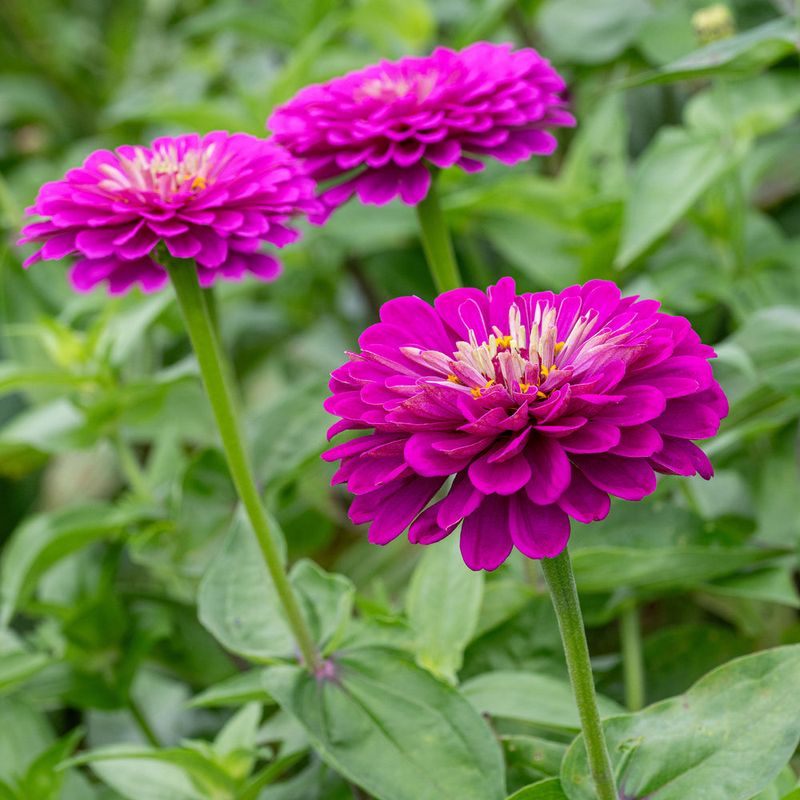
Zinnias are the workhorses of the summer garden, pumping out color week after week even when temperatures climb into the nineties. They come in almost every color imaginable, from pure white to deep burgundy, and the flower forms range from small button types to large dahlia-style blooms that can reach three inches across.
Few annuals offer this kind of variety and dependability in Florida’s heat.
One thing Florida gardeners need to keep in mind is airflow. Zinnias are somewhat prone to powdery mildew in humid conditions, which is something Florida summers definitely deliver.
Planting with enough space between plants, at least twelve inches apart, allows air to circulate freely around the foliage. Watering at the base of the plant rather than overhead also reduces the chance of fungal issues developing on the leaves.
Zinnias love full sun and well-drained soil. They are fast growers from seed and begin blooming in as little as six to eight weeks after planting.
Once established, they handle dry stretches better than most gardeners expect. Deadheading is worth the effort because removing spent blooms keeps the plant focused on producing new flowers rather than setting seed.
Plant zinnias in waves every few weeks through spring to keep fresh blooms coming all the way into fall.
7. Coreopsis Thrives In Sandy Florida Soil
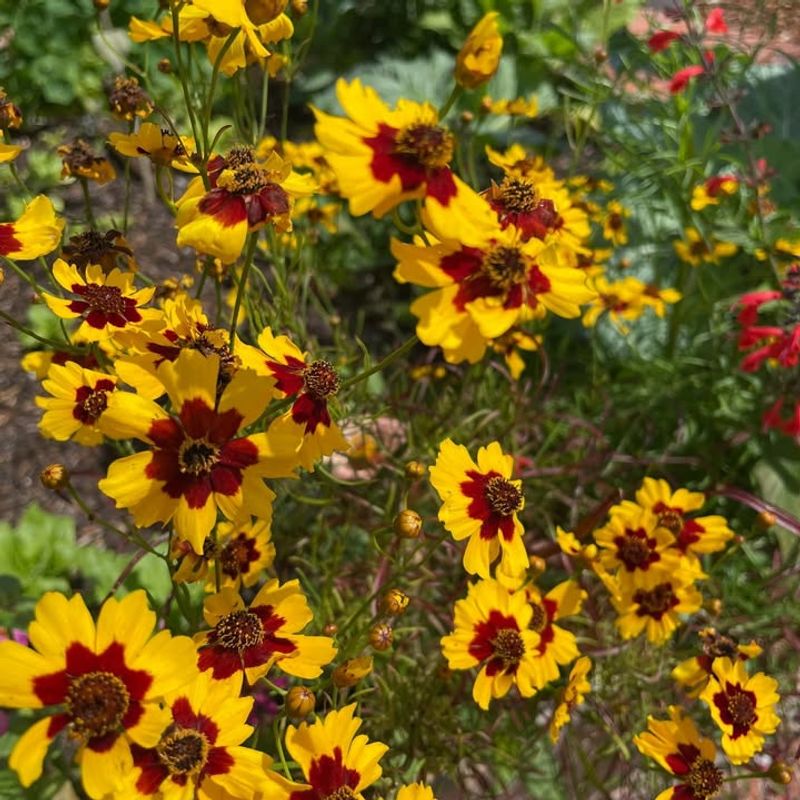
Coreopsis holds a special place in Florida gardening history. It was named the official state wildflower of Florida in 1991, and for good reason.
Drive along Florida roadsides in spring and early summer and you will see waves of bright yellow coreopsis blooms spreading across open fields and highway medians, growing beautifully in some of the sandiest, most nutrient-poor soil imaginable.
The most commonly grown annual type is Coreopsis tinctoria, though several species and hybrids perform well across Florida. All of them share the same low-maintenance personality.
They do not demand rich soil, regular fertilizing, or frequent watering once they find their footing. Sandy, fast-draining Florida soil is genuinely ideal for coreopsis, since it mirrors the natural habitat where these plants evolved.
Plant coreopsis in a spot that receives full sun for most of the day. Partial shade reduces flowering significantly and can make stems stretch and flop.
Water consistently for the first two to three weeks after planting, then pull back and let the plant adjust to drier conditions on its own. Coreopsis also attracts a wide variety of pollinators, including bees and butterflies, making it a valuable addition to any Florida-friendly landscape.
Deadheading encourages continued blooming throughout the growing season.
8. Cleome Adds Height And Handles Dry Air
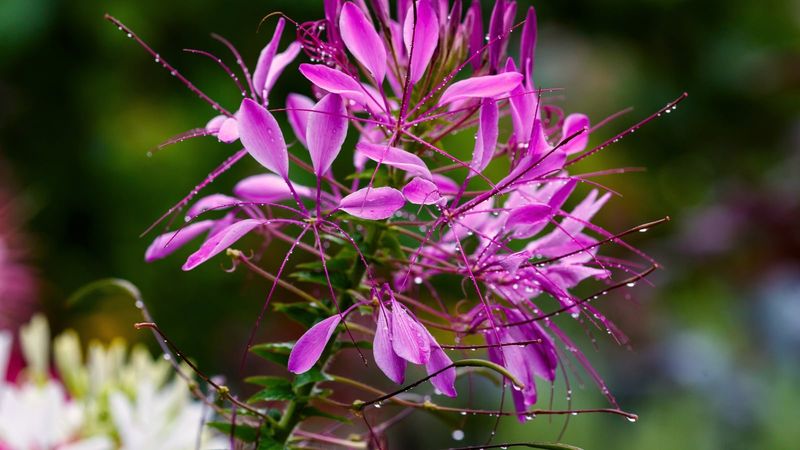
When a garden needs vertical drama without a lot of fuss, cleome delivers in a big way. Also known as spider flower, cleome grows four to six feet tall and produces globe-shaped clusters of pink, white, or purple flowers at the tops of tall, branching stems.
The overall effect is bold and architectural, especially when planted in groups at the back of a border or along a fence line.
Cleome handles heat and dry air with impressive ease. Once established in well-drained soil, it requires very little supplemental watering.
Its deep taproot system allows it to access moisture that shallower-rooted plants simply cannot reach during dry periods. That deep root also makes cleome resistant to the kind of wilting that affects softer annuals during Florida’s hot afternoons.
One thing worth knowing is that cleome self-seeds aggressively. If you enjoy having it return year after year without replanting, that is a welcome quality.
If you prefer more control over where it grows, deadhead the flowers before seed pods fully mature.
The stems have small thorns, so wearing gloves when handling the plant is a smart habit. Start seeds directly in the ground in spring, since cleome does not always respond well to transplanting.
Full sun and minimal water make it a very low-effort choice for Florida gardeners.
9. Gomphrena Blooms Long And Tolerates Heat
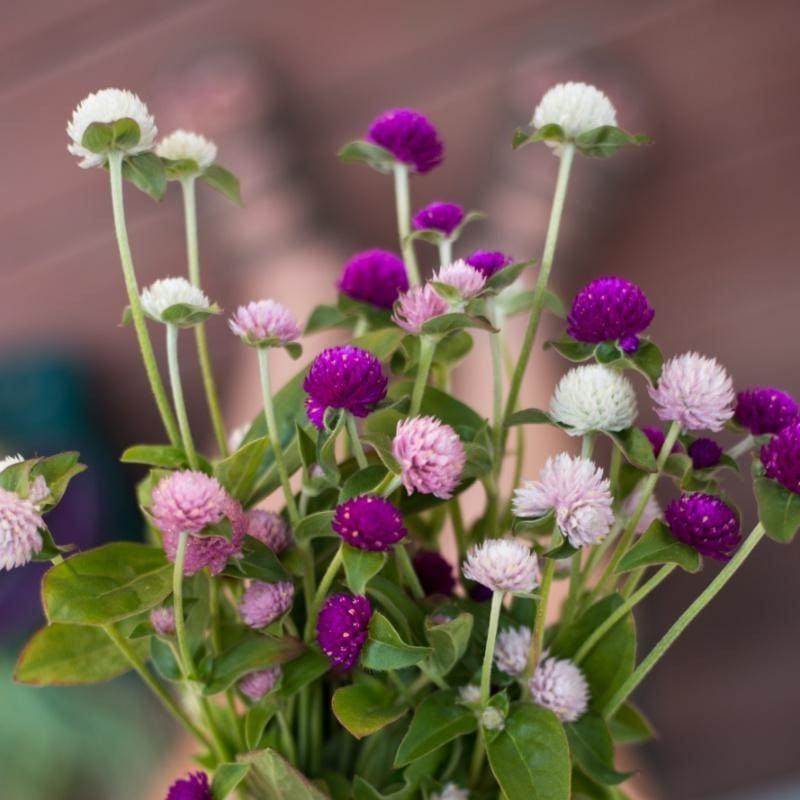
Round, clover-like flower heads in vivid shades of purple, magenta, pink, white, and orange make gomphrena one of the most recognizable annuals in Florida gardens. What makes it especially valuable is how long those flowers last.
From late spring through the first cool nights of fall, gomphrena keeps producing fresh blooms without slowing down or fading, even during the most relentless stretches of summer heat.
Gomphrena globosa, commonly called globe amaranth, is well suited to Florida’s full sun conditions and sandy soils. It handles drought with confidence once established, relying on a sturdy root system that adapts well to fast-draining ground.
Unlike some annuals that look tired and bleached by midsummer, gomphrena stays vibrant and upright throughout the season.
The flowers also dry beautifully on the stem, which means you can cut them for arrangements and enjoy the color long after the blooms have finished outdoors. Plant in full sun and avoid overwatering, since gomphrena strongly prefers soil that drains freely.
Space plants about ten to twelve inches apart to allow good air circulation around the foliage. A light application of balanced fertilizer at planting time is usually all the feeding it needs for the entire season.
Butterflies and bees visit the flowers frequently, adding lively movement to the garden.
10. Tithonia Thrives In Hot Dry Garden Beds
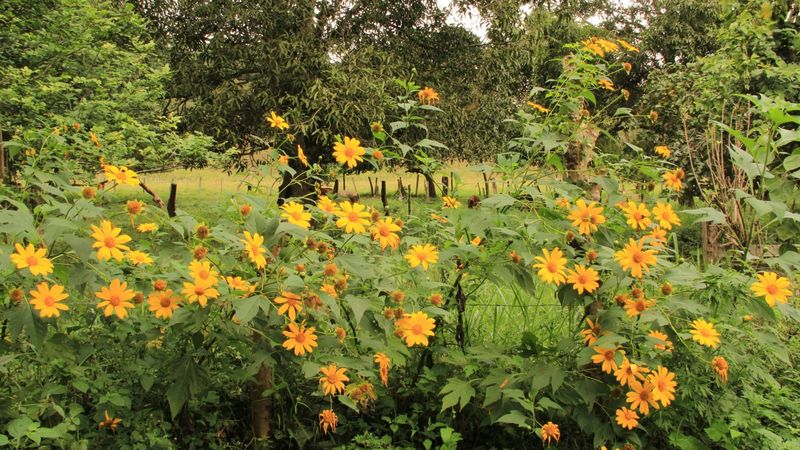
Big, bold, and absolutely irresistible to pollinators, tithonia is a plant that commands attention. Sometimes called Mexican sunflower, it grows four to six feet tall and produces large, vivid orange blooms that resemble single dahlias.
The flowers are roughly three inches across and sit atop sturdy, velvety stems that hold up well even in windy conditions common during Florida’s summer storm season.
Tithonia rotundifolia is a true heat lover. It actually performs better as summer temperatures climb, rather than struggling the way cooler-season plants do.
Sandy, dry, and nutrient-lean soil suits it well, and it does not require regular fertilizing to grow vigorously. Once the root system is established, tithonia handles dry spells without visible stress, making it a reliable choice for garden beds that get full sun all day.
Monarch butterflies, swallowtails, and bees are drawn to the flowers in large numbers, which makes tithonia an excellent choice for pollinator gardens. Plant from seed directly in the ground after the last cool spell of spring.
Because the plants grow quite tall, placing them at the back of a border or along a fence gives them room to spread without blocking shorter plants. Water regularly for the first few weeks, then reduce watering frequency as the plant matures and develops its drought-resistant root system.
11. Sunflowers Grow Strong With Less Water
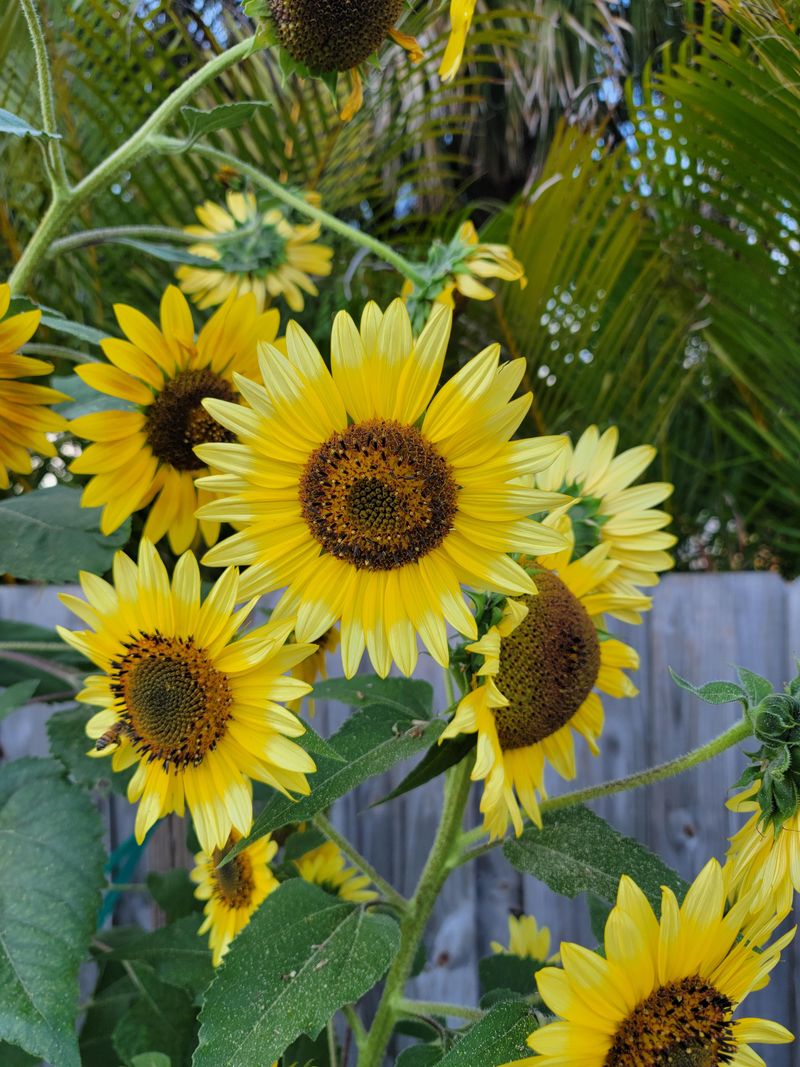
Sunflowers have a kind of straightforward confidence that is hard not to admire. They push their roots deep into the soil, stretch their stems toward the sun, and produce some of the most recognizable flowers in the plant world, all while using surprisingly little water compared to their impressive size.
That deep root system is exactly what makes sunflowers so well suited to Florida’s sandy, fast-draining soils.
Helianthus annuus, the common annual sunflower, is available in dozens of varieties ranging from compact two-foot types to towering ten-foot giants. All of them perform well in full sun and well-drained soil.
Once established, they are genuinely drought-resistant, pulling moisture from deeper soil layers that shallower plants simply cannot access. This makes them a smart choice for garden spots that tend to dry out quickly between rain events.
Direct sowing sunflower seeds into the ground is the easiest approach, since they germinate quickly and do not always transplant smoothly. Plant in spring after the soil warms, in a location that receives at least six to eight hours of direct sun each day.
Water regularly during the first two to three weeks, then reduce frequency as the plants grow stronger. Birds are drawn to the seed heads as they mature, adding another layer of wildlife value to an already rewarding plant for Florida gardeners.