What Oregon Wildlife Is Looking For In Gardens This Spring
It often starts with a few extra birds in the morning or the first bee drifting through the yard, and suddenly your Oregon garden feels full of life again.
As days grow longer and temperatures rise, wildlife quickly begins searching for food, water, and shelter.
From the wetter west side of the Cascades to the drier regions farther east, Oregon’s landscapes support a wide range of species during this busy season.
Even small changes in your garden can shape how welcoming it is to these visitors, making spring one of the most rewarding times to notice what is happening just beyond your doorstep.
1. Early Blooming Flowers Provide Nectar For Emerging Pollinators
Before most gardens fully wake up, Oregon’s earliest pollinators are already on the move. Bumblebee queens emerge from winter dormancy hungry and ready to build new colonies, and they need nectar fast.
Early blooming plants are not just a nice addition to the spring garden – they can genuinely support pollinator survival during a critical window when little else is flowering.
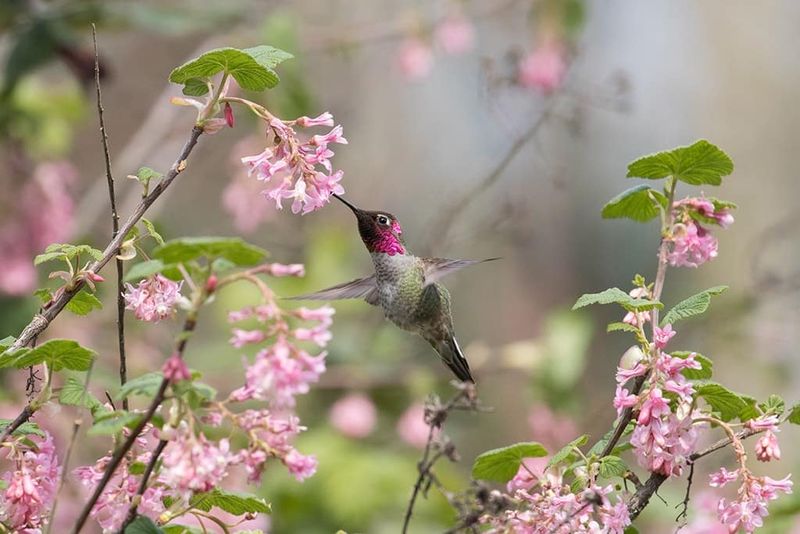
Red-flowering currant is one of the most reliable early bloomers across western Oregon, producing bright clusters of pink-red flowers that hummingbirds and native bees find irresistible.
Oregon grape blooms slightly later but provides an important nectar source for mason bees and other early visitors.
Planting a mix of both ensures something is always available as conditions shift.
Crocuses, willows, and native violets also offer early pollen and nectar before larger plants come into bloom. Even a few of these tucked into a garden bed can make a meaningful difference.
Timing matters in spring because pollinators are rebuilding energy after months of limited activity.
Gardeners in Oregon’s Willamette Valley often notice the first bees appear earlier than expected on warm February afternoons, searching low-growing plants for any available food.
Providing that food close to home supports the broader pollinator community that will go on to benefit gardens throughout the entire growing season.
2. Native Plants Offer Reliable Food Sources For Local Wildlife
Walk through any healthy Oregon natural area in spring and you will quickly notice how many creatures depend on plants that evolved right alongside them.
Native plants and local wildlife have developed relationships over thousands of years, and that history shows up in practical ways in the garden.
A native shrub often supports dozens of insect species, which in turn feed birds, amphibians, and other animals up the food chain.
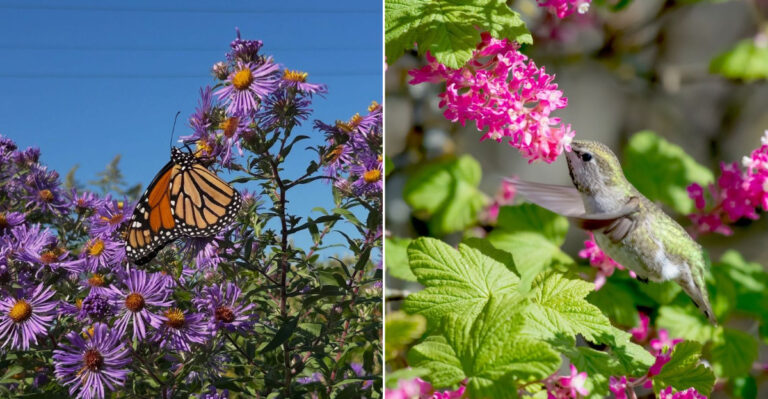
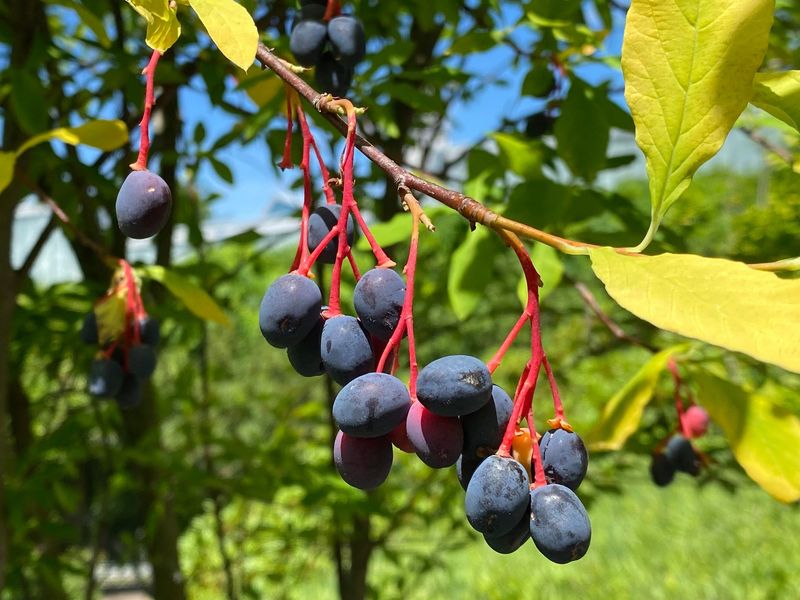
Plants like camas, lupine, and native asters provide pollen and nectar for a wide range of bees and butterflies. Osoberry, one of the earliest native shrubs to leaf out in western Oregon, attracts pollinators as soon as its small white flowers open.
Its berries later feed birds during the busy nesting season. Choosing native plants means less maintenance too, since these species are adapted to Oregon’s wet winters and dry summers without needing extra watering or fertilizer.
For wildlife, the difference between a garden full of native plants and one planted with non-native ornamentals can be significant.
Your Oregon Garden Changes Every Week. Your Plan Should Too.
Gardening in Oregon changes quickly throughout the season. Every Friday you’ll receive a simple weekly plan showing exactly what to plant, prune, fertilize, harvest, and protect so you never miss the right timing.
Many insects cannot use non-native plants for food or reproduction, which reduces the overall diversity of creatures visiting the garden.
Even replacing a few ornamental plants with native alternatives gradually builds a more supportive habitat. Local nurseries across Oregon increasingly carry native species, making it easier than ever to find plants suited to your specific region and soil type.
3. Fresh Water Sources Support Birds, Bees, And Beneficial Insects
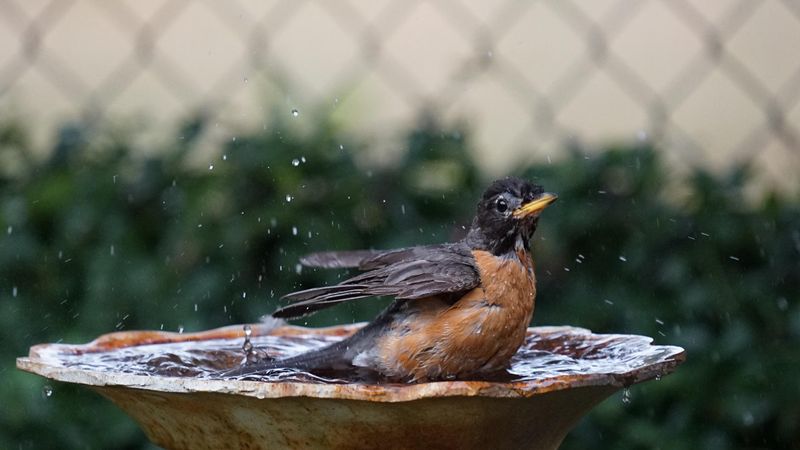
Water is easy to overlook when thinking about wildlife gardening, but it ranks among the most important resources any garden can offer.
In early spring, Oregon’s rainfall keeps the ground moist, but small creatures still benefit from reliable, accessible water at ground level or in shallow containers.
Birds need to drink and bathe regularly, and bees require water to regulate hive temperature and process nectar.
A simple birdbath placed near shrubs gives birds a sense of safety while drinking. Shallow dishes or plates filled with water and a few pebbles work well for bees and smaller insects, which need something to land on so they do not struggle in deeper water.
Changing the water every couple of days helps keep it clean and reduces the chance of mosquito larvae developing.
Moving water attracts more wildlife than still water. A small solar-powered fountain or even a dripping hose positioned over a dish creates sound and motion that birds find appealing from a distance.
Oregon gardeners who add even a modest water feature often report a noticeable increase in bird activity within days.
Placing water sources in partial shade helps keep temperatures cooler, which makes the water more appealing during warmer spring afternoons.
Spreading out multiple small water stations across the garden allows more species to access water without competing, supporting a broader range of visitors throughout the season.
4. Dense Shrubs Create Shelter From Spring Rain And Wind
Spring weather in Oregon is unpredictable, and that unpredictability matters a great deal to nesting birds and small mammals. A sudden cold snap or driving rain can be stressful for animals that are already working hard to find food and establish territory.
Dense shrubs give wildlife a place to wait out bad weather, stay warm, and feel secure from predators.
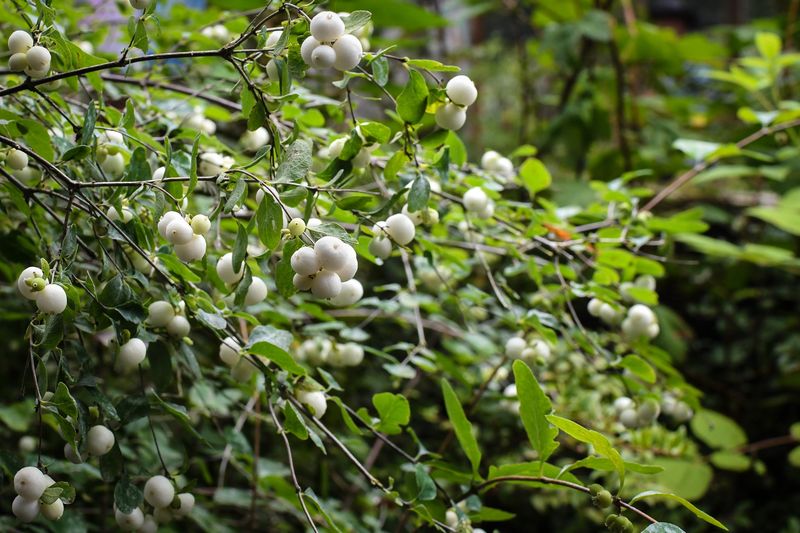
Native shrubs like red osier dogwood, snowberry, and nootka rose are well suited to Oregon gardens and provide exactly the kind of layered, tangled structure that birds prefer for roosting and nesting.
Their branching patterns offer multiple levels of cover, which is useful for species that prefer lower shelter, like song sparrows, as well as those that nest slightly higher up.
A shrub border along a fence or garden edge can quickly become a wildlife corridor that animals use to move safely between areas.
Evergreen shrubs provide year-round cover, but even deciduous species offer meaningful shelter in spring before leaves fully emerge, since their branches still break wind and provide some protection.
Gardeners in Oregon’s coast range and western valleys often find that planting a mix of shrub sizes and densities attracts the widest range of species.
Leaving some shrubs unpruned through spring also preserves potential nesting sites. A little strategic messiness in the shrub layer goes a long way toward making a garden feel genuinely welcoming to the creatures that depend on it.
5. Leaf Litter And Garden Debris Provide Habitat For Insects
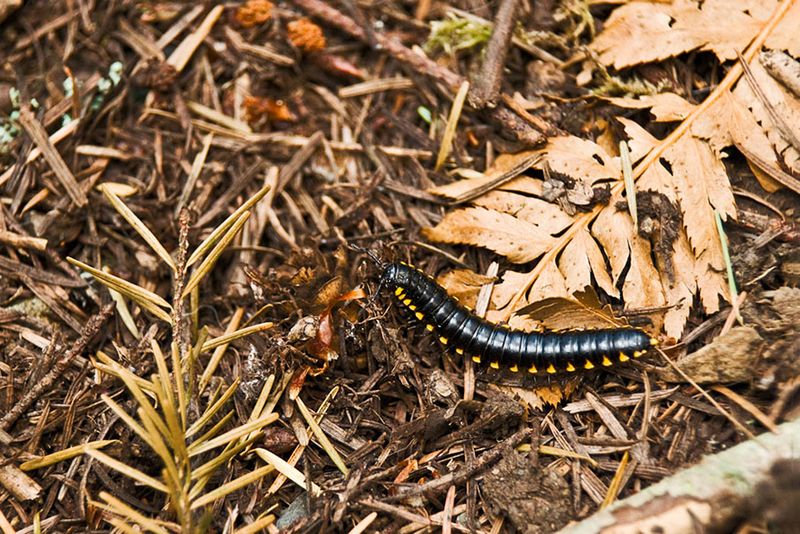
The urge to tidy up the garden in spring is understandable, but holding off on raking and clearing can benefit a surprising number of creatures. Leaf litter is not just leftover mess – it is an active habitat.
Ground beetles, centipedes, spiders, and many native bee species overwinter in leaf layers or use them as hunting grounds in early spring. Removing that layer too quickly can disrupt insects that are still emerging or laying eggs.
Many native bees nest in the ground, and loose leaf cover near soil helps maintain the moisture and temperature conditions these bees need.
Fireflies, which are present in some parts of Oregon, spend their larval stage in moist leaf litter, feeding on small organisms.
Even a patch of undisturbed leaves under a shrub or along a fence line can support more insect life than a completely cleared garden bed.
Waiting until temperatures consistently reach around 50 degrees Fahrenheit before doing major spring cleanup gives overwintering insects enough time to emerge safely.
Hollow plant stems left standing from the previous season also shelter native bees that nest in cavities.
Gardeners who embrace a slightly less manicured approach often discover that their gardens attract more birds as well, since birds actively forage through leaf litter for insects and larvae.
Across Oregon, this small shift in spring habits supports the base of the food web that everything else in the garden depends on.
6. Host Plants Support Butterfly And Moth Life Cycles
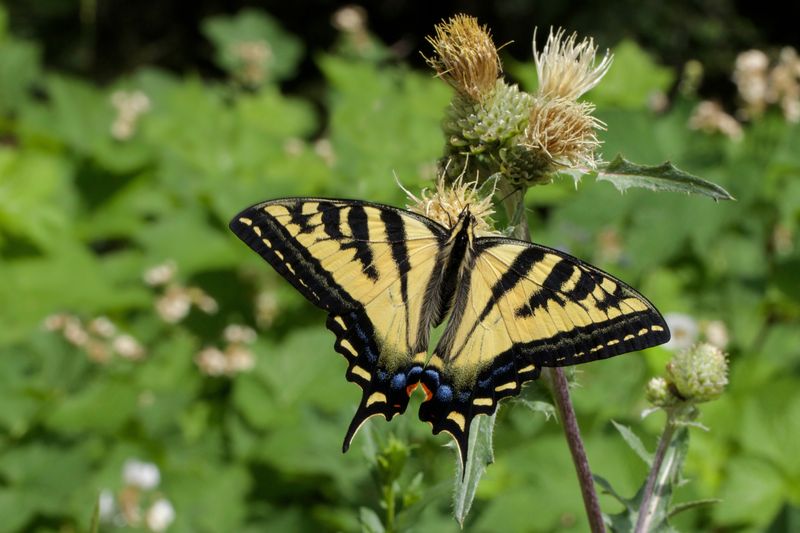
Butterflies and moths need more than just nectar to complete their life cycles – they need specific plants where females can lay eggs and caterpillars can feed.
These are called host plants, and without them, many butterfly and moth species cannot reproduce locally.
Oregon is home to a rich variety of native lepidoptera, and supporting them means thinking beyond flowers and considering the full arc of their seasonal needs.
Western tiger swallowtails use willows, cottonwoods, and native cherries as host plants. Pale swallowtails rely on ocean spray and coffeeberry.
The Oregon silverspot butterfly, a species of conservation concern along the coast, depends on early blue violet as a larval host.
Planting even one or two of these species in a garden can create a meaningful connection to the local butterfly community.
Moth caterpillars are equally important, even if less celebrated. Many bird species, especially those raising nestlings in spring, rely heavily on caterpillars as a protein-rich food source.
Native oaks support hundreds of moth species in Oregon alone, making them one of the most ecologically valuable trees a gardener can plant.
Gardeners sometimes worry about caterpillar feeding damage on host plants, but most healthy plants tolerate moderate feeding without lasting harm.
Accepting a few chewed leaves as part of a functioning garden ecosystem is one of the more rewarding adjustments a wildlife-friendly gardener can make each spring.
7. Seed And Berry Sources Help Birds Recover After Winter
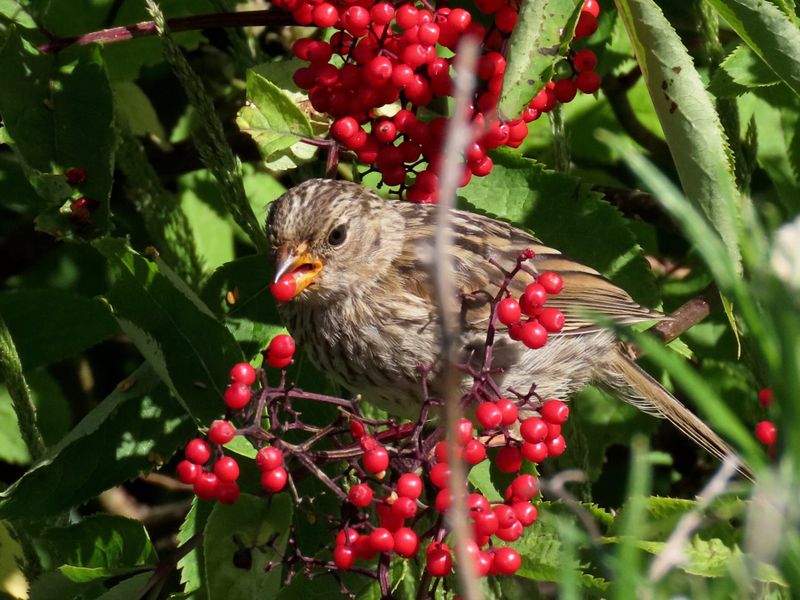
By the time spring arrives in Oregon, many birds have spent months burning through energy reserves during cold, wet weather.
The return of longer days triggers increased activity, territorial behavior, and the early stages of nesting – all of which demand reliable food sources.
Seeds and berries left standing from the previous season provide a critical bridge until fresh food becomes widely available.
Leaving seed heads on plants like coneflowers, sunflowers, and native grasses through winter and into early spring gives seed-eating birds like dark-eyed juncos, pine siskins, and goldfinches a reason to linger in the garden.
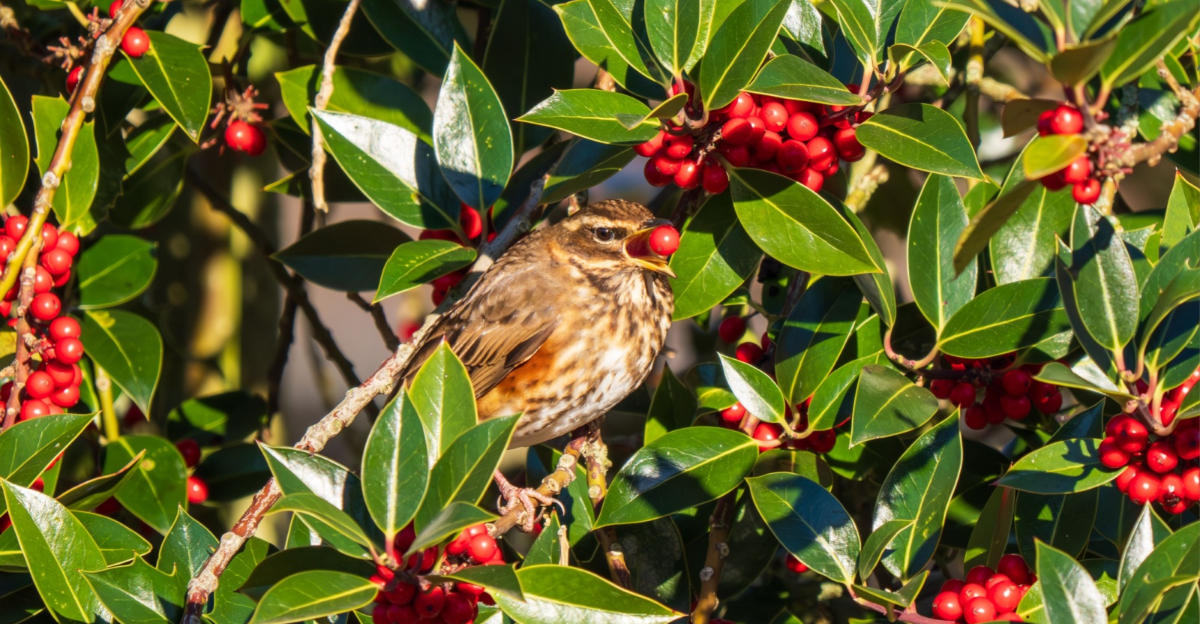
Native shrubs that hold their berries into spring, such as red elderberry, serviceberry, and native hawthorn, attract thrushes, waxwings, and robins that depend on fruit during lean periods.
Supplemental feeding with black-oil sunflower seeds or suet can also support birds during the early weeks of spring when natural food is still sparse.
Placing feeders near trees or shrubs gives birds cover while they eat, which reduces stress and makes them more likely to return.
Oregon’s varied bird communities shift with the seasons, and spring brings both resident species and migrating birds passing through.
A garden that offers seeds, berries, and supplemental food during this transition period can host a remarkable variety of species within just a few weeks, turning a modest backyard into a lively stopover point on the spring migration route.
8. Logs And Undisturbed Areas Shelter Amphibians And Small Creatures
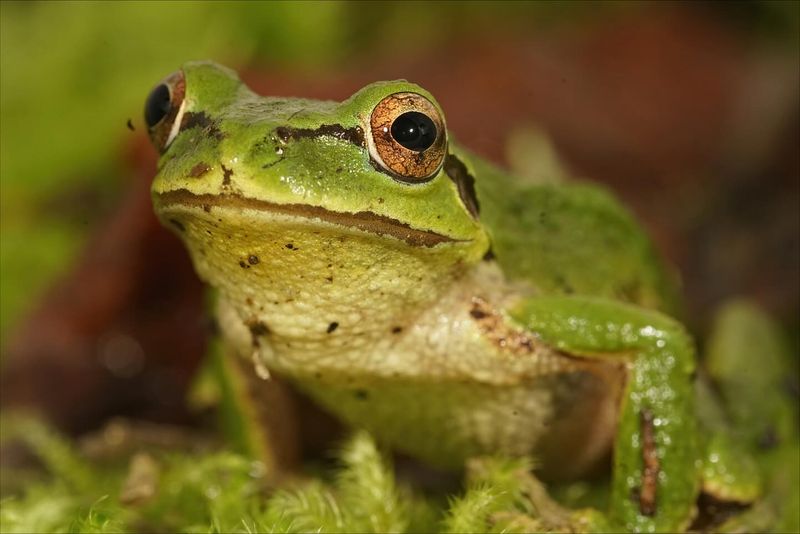
Not every part of a wildlife-friendly garden needs to be planted. Some of the most valuable habitat comes from what is left alone.
Old logs, rock piles, and undisturbed corners provide shelter for creatures that rarely get much attention but play important roles in garden health.
In Oregon, amphibians like Pacific tree frogs, rough-skinned newts, and western red-backed salamanders are common garden visitors that depend on cool, moist hiding spots.
A decaying log placed in a shaded corner creates a microhabitat that supports beetles, millipedes, and fungi, all of which contribute to soil health and organic matter breakdown.
Amphibians use these spaces for daytime shelter, emerging at night to hunt slugs and other invertebrates.
A garden with a resident frog or salamander population benefits from natural pest management that requires no intervention at all.
Rock piles and brush stacks work in a similar way, offering warmth for reptiles like western fence lizards on sunny spring days while providing cool retreats underneath.
Small mammals such as shrews and voles also use these areas for cover and nesting.
Oregon’s rainy spring climate means moisture is rarely a limiting factor for amphibians, but suitable hiding spots often are.
Adding even one small log or leaving a back corner of the garden undisturbed can quietly expand the range of species that consider your garden a reliable part of their spring territory.
9. Chemical-Free Spaces Help Protect Pollinators And Soil Life
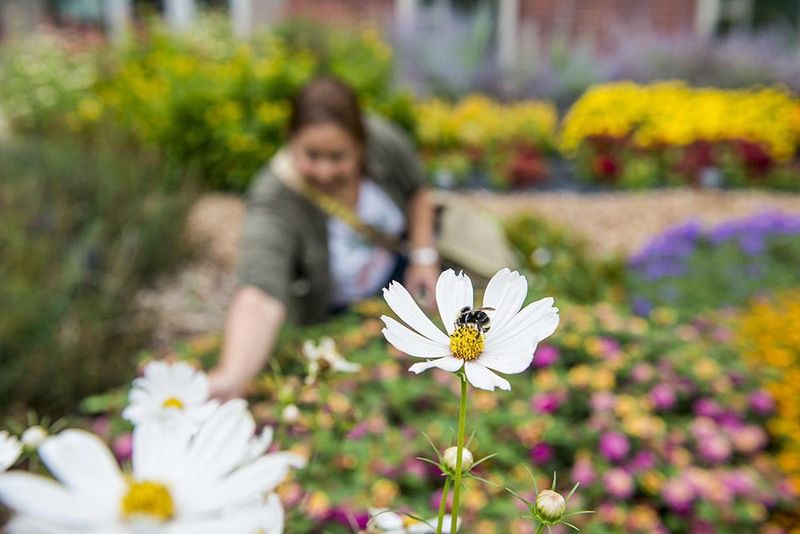
Soil is one of the most alive things in a garden, and spring is when that life ramps back up after winter.
Earthworms, beneficial fungi, ground beetles, and countless microorganisms work together to break down organic matter, aerate soil, and support plant roots.
Synthetic pesticides and herbicides can disrupt this activity significantly, reducing the diversity of soil life and the insects above ground that birds and other wildlife depend on.
Pollinators are especially sensitive to certain pesticide classes. Systemic insecticides, which are taken up by the whole plant including nectar and pollen, can affect bees even when applied according to label instructions.
In Oregon, where native bee diversity is high and several species face population pressures, reducing chemical use in gardens contributes meaningfully to regional conservation efforts.
Switching to physical pest management, encouraging beneficial insects, and accepting some plant damage as part of a balanced ecosystem are practical alternatives that work well in most Oregon home gardens.
Companion planting with aromatic herbs like lavender, yarrow, or native mints can help deter some pest species while simultaneously supporting pollinators.
Healthy soil biology also tends to produce stronger plants that are naturally more resistant to pest and disease pressure.
Gardeners who commit to chemical-free practices often notice a gradual increase in garden biodiversity over several seasons, with more species of bees, beetles, birds, and other wildlife finding their way in each spring.