What Oregon Gardeners Should Stop Pruning Once May Arrives
Pruning in May can feel strangely tempting in Oregon. Everything is growing fast, branches are filling out, and the whole garden starts looking like it could use a little haircut.
Very convincing, honestly. But this is also the point when a well-meaning trim can create more problems than progress.
Some plants in Oregon prefer their major pruning much earlier, before spring growth gets rolling, while others want a bit of patience until blooming wraps up. That is where things get interesting.
The garden may look ready for cleanup mode, but the timing is not the same for every shrub, vine, or flowering favorite. A rose has one schedule, a lilac has another, and hydrangeas love keeping gardeners humble.
Learning what to stop pruning once May arrives can help protect blooms, support healthy growth, and save you that awful moment when you realize the pruners got a little too ambitious.
1. Roses Need Their Big Pruning Finished Early
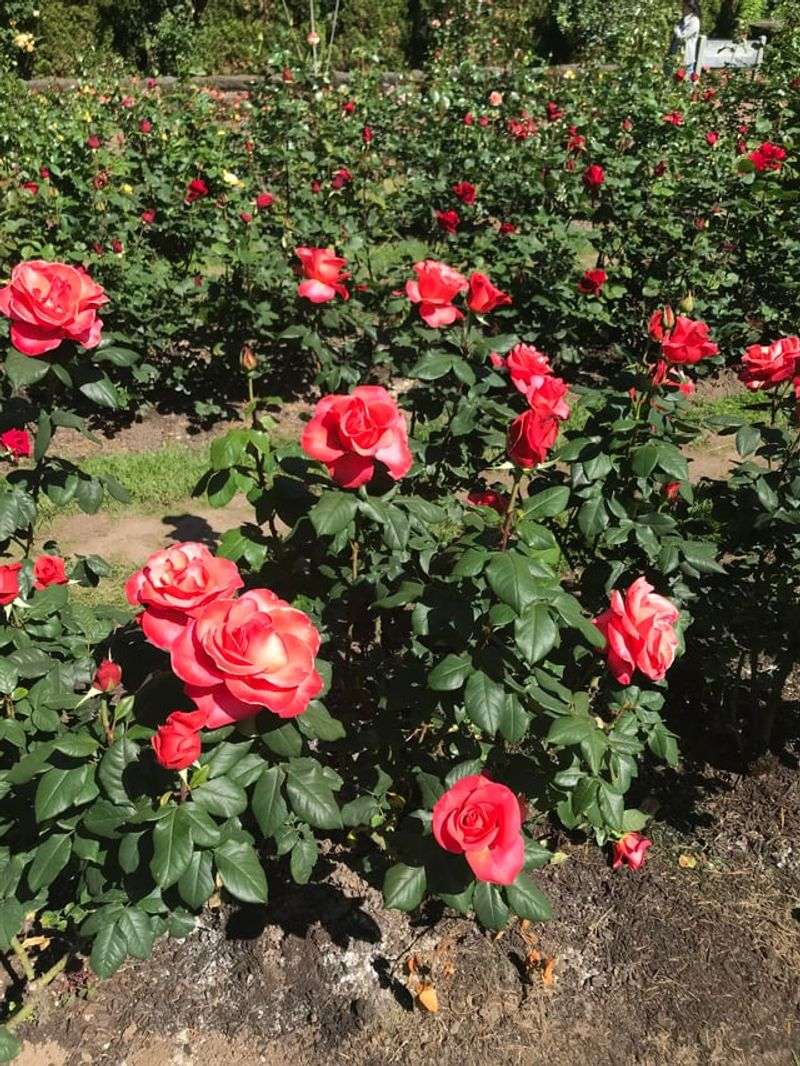
Few plants in an Oregon garden get as much attention as roses, and for good reason. They respond dramatically to when and how you prune them, and getting the timing right makes a real difference in how well they bloom through summer.
Most rose growers in Oregon aim to finish their main structural pruning by late February or early March, depending on where they live in the state.
Western Oregon gardeners often see roses waking up earlier than those in colder inland valleys or higher elevations, so the window can shift a little depending on your location.
The goal with early pruning is to remove old canes, open up the center of the plant for airflow, and cut back to healthy wood before the plant puts energy into new growth.
Once May arrives and you can see fresh red or green shoots pushing out, major pruning becomes harder to time well.
Cutting back heavily into actively growing canes in May can stress the plant and reduce blooms for that season.
Light deadheading and removing crossing stems is fine as the season progresses, but the big structural work should be wrapped up before that spring energy really kicks in.
Oregon’s rainy springs also make open pruning cuts more vulnerable to fungal issues, so finishing cuts earlier gives wounds time to heal before the warmest months arrive.
2. Deciduous Fruit Trees Benefit From Earlier Spring Cuts
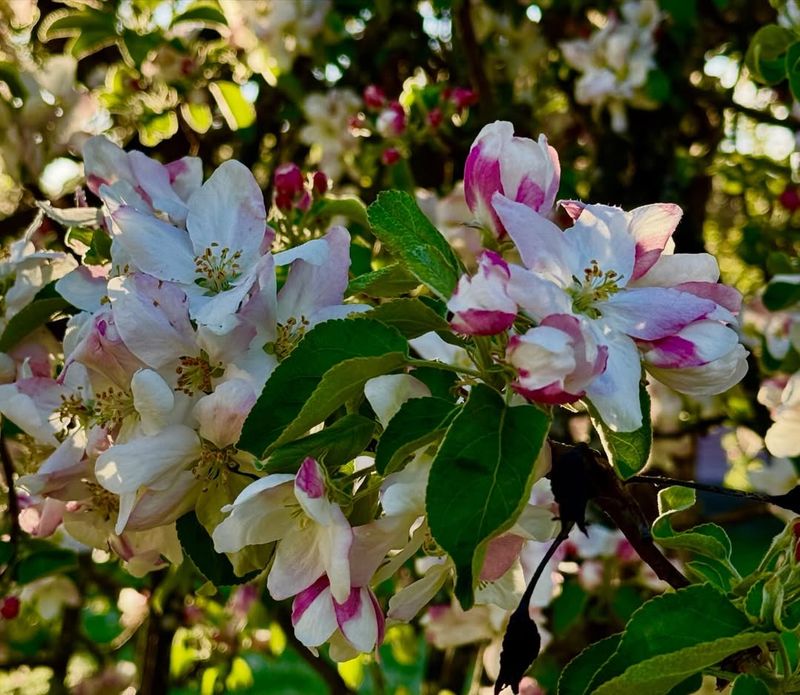
Backyard fruit trees like apples, pears, and cherries are some of the most popular plants in Oregon home gardens, and they all have a strong preference for being pruned before the season really wakes up.
Late winter pruning, typically from January through early March, gives the tree time to respond to cuts before sap is flowing at full speed.
Once May rolls around and leaves are fully out, the tree is already working hard on fruit development and shoot growth.
Pruning heavily at that stage forces the tree to redirect energy in ways that can reduce fruit set and slow recovery.
In Oregon, the timing also varies between the Willamette Valley, where springs warm up earlier, and colder regions in eastern or southern parts of the state, where dormancy may last a bit longer.
Your Oregon Garden Changes Every Week. Your Plan Should Too.
Gardening in Oregon changes quickly throughout the season. Every Friday you’ll receive a simple weekly plan showing exactly what to plant, prune, fertilize, harvest, and protect so you never miss the right timing.
Even in those areas, waiting until May is generally too late for the main structural work on fruit trees.
Light corrective cuts, like removing a crossing branch or a water sprout that appeared after your main pruning, are fine to make in May.
However, reshaping or heavily thinning branches at that point can interfere with the tree’s natural rhythm.
Keeping a simple pruning calendar and aiming to finish the main work by early spring helps Oregon home orchardists get more consistent results year after year without putting unnecessary strain on their trees.
3. Deciduous Shade Trees Respond Best Before Leaf Out
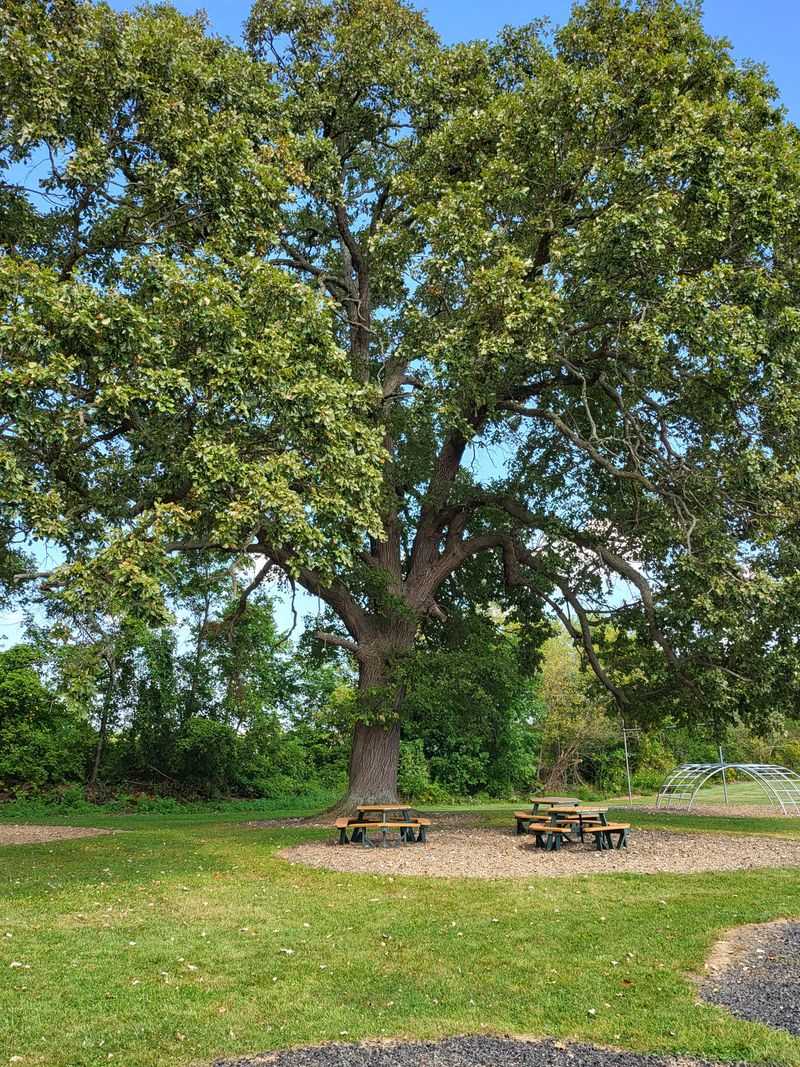
Maples, oaks, birches, and other deciduous shade trees have a pruning window that most Oregon gardeners underestimate.
The ideal time for most structural pruning on these trees falls during dormancy, from late fall through early spring, before buds begin to swell and open.
Pruning at this stage is easier on the tree, simpler for the person doing the work, and less likely to attract pests or spread disease.
Once May arrives and shade trees are fully leafed out, the situation changes. Cuts made during active growth can weep sap heavily, particularly on maples and birches, which are known for bleeding when pruned too late in the season.
While this sap loss is not necessarily harmful in a serious way, it does indicate that the tree is under more stress than it would be during dormancy.
Oregon gardeners who notice a damaged or hazardous branch in May should absolutely remove it for safety reasons, and that kind of work is fine any time of year.
However, routine thinning, crown shaping, or raising the canopy of a shade tree is much better handled before leaf out.
In Oregon’s wetter western regions, waiting until summer when the tree is fully leafed can also make it harder to see the branch structure clearly, which is another reason to plan shade tree pruning for the quieter winter months.
4. Smooth Hydrangeas Bloom Best With Earlier Pruning
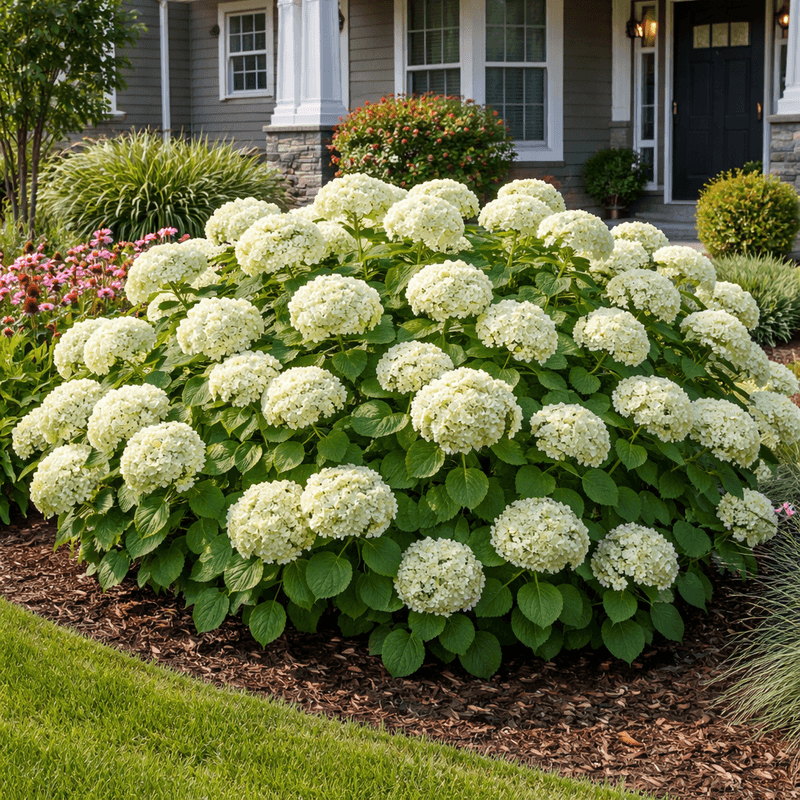
Smooth hydrangeas, including the popular Annabelle variety, are a staple in many Oregon gardens because they are relatively easy to grow and produce those large, round flower heads that look stunning from summer into fall.
What makes them a little tricky is understanding when to prune them for the best results.
Unlike some hydrangeas that bloom on old wood, smooth hydrangeas bloom on new wood, meaning the stems that grow during the current season.
Because of this, they benefit from being cut back in late winter or very early spring, before new growth begins in earnest.
In Oregon, that usually means pruning somewhere between late February and mid-March, though western Oregon gardeners may need to act a bit earlier since the growing season starts sooner there.
Cutting smooth hydrangeas back to about twelve to eighteen inches from the ground encourages strong new stems that will carry the season’s blooms.
If you wait until May to prune a smooth hydrangea, you risk cutting off the new growth that is already developing into flower buds. You might still get some blooms, but they can be smaller and fewer than you would expect from a well-timed cut.
Watching for the first signs of new growth at the base of the plant is a helpful cue that your pruning window is closing, and Oregon gardeners who catch that signal early tend to get the most rewarding flower displays.
5. Panicle Hydrangeas Appreciate A Late Winter Trim
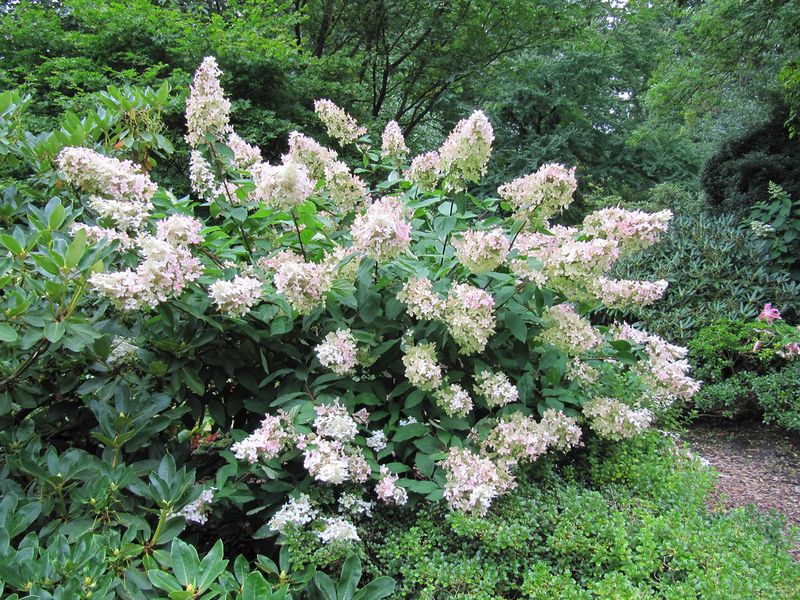
Panicle hydrangeas, sometimes called PeeGee hydrangeas, are among the toughest and most adaptable shrubs you can grow in Oregon.
They handle cold winters well, tolerate a range of soil conditions, and produce long, cone-shaped flower clusters that are hard to miss.
Like smooth hydrangeas, panicle types bloom on new wood, which means the stems that grow during the current season carry the flowers.
Pruning them in late winter, ideally before March in most parts of Oregon, encourages vigorous new growth and sets the plant up for a strong bloom season.
A light to moderate trim, removing about a third of the previous year’s growth and cutting back to a healthy set of buds, is usually enough to keep the shrub tidy and productive.
Some gardeners also like to leave the dried flower heads on through winter because they add visual interest and offer some protection to the buds below.
Once May arrives and panicle hydrangeas are already pushing out fresh green leaves, heavy pruning becomes less ideal.
You can still make minor corrections, like removing a branch that is rubbing against another or trimming back a stem that is growing in an awkward direction.
However, waiting until May for the main pruning means you are working against the plant’s natural momentum. Getting the timing right earlier in the season lets Oregon gardeners enjoy fuller, more floriferous shrubs by midsummer.
6. Clematis And Vining Ornamentals Need Attention Before May
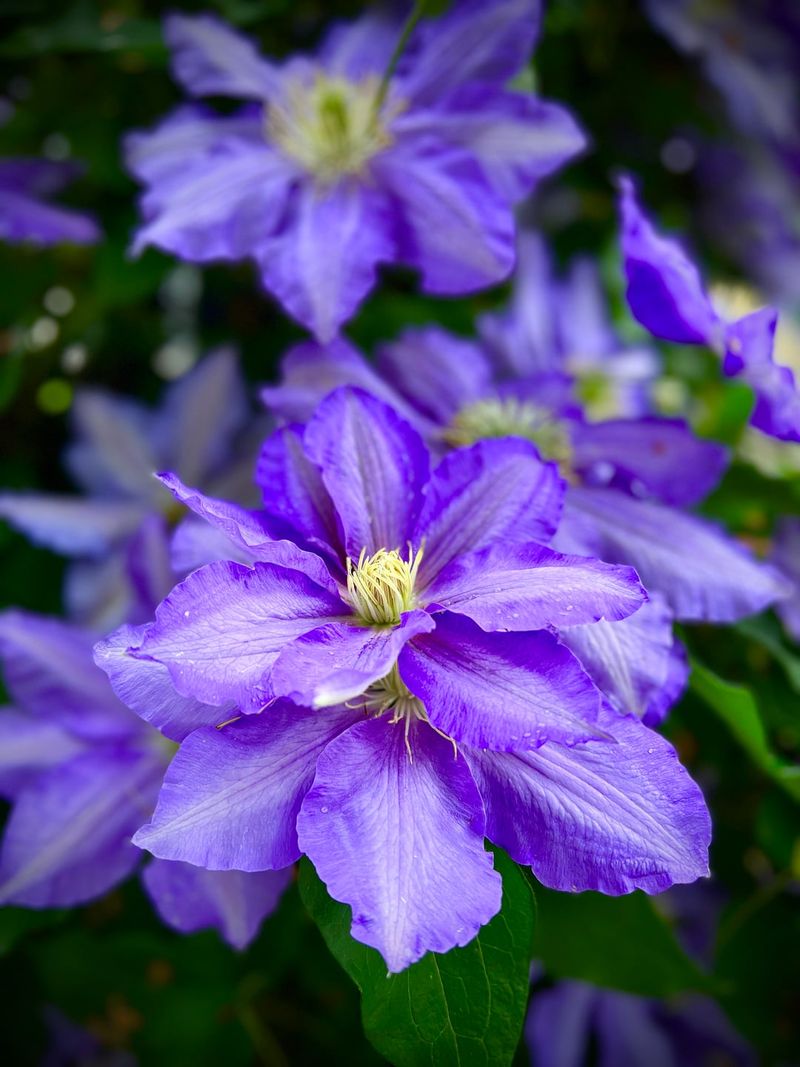
Clematis vines can be genuinely confusing to prune because different varieties follow different rules, and getting it wrong means either cutting off the season’s flowers or ending up with a tangled, unproductive plant.
Oregon gardeners who grow clematis often find that understanding which pruning group their vine belongs to makes everything much simpler.
Group one clematis bloom on old wood and should not be cut back hard at all. Group two types bloom on both old and new wood and need a light tidy-up in late winter.
Group three varieties bloom only on new wood and can be cut back hard in late winter or early spring.
For groups two and three, the window for meaningful pruning tends to close as May approaches.
By then, stems are actively growing, buds are forming, and cutting back into that fresh growth can reduce or delay flowering.
In Oregon, where spring temperatures can vary considerably between the coast, the valley, and inland areas, the timing of when clematis breaks dormancy shifts a bit from region to region.
Watching the vine for the first swelling of buds is a more reliable guide than the calendar alone. Other vining ornamentals, like wisteria and climbing hydrangea, also have pruning windows that are better observed before May.
Wisteria in particular benefits from late winter pruning to keep it from becoming overly aggressive, which is a common complaint among Oregon gardeners who let it go untouched for too long.
7. Summer-Blooming Shrubs Benefit From Pre-Spring Shaping
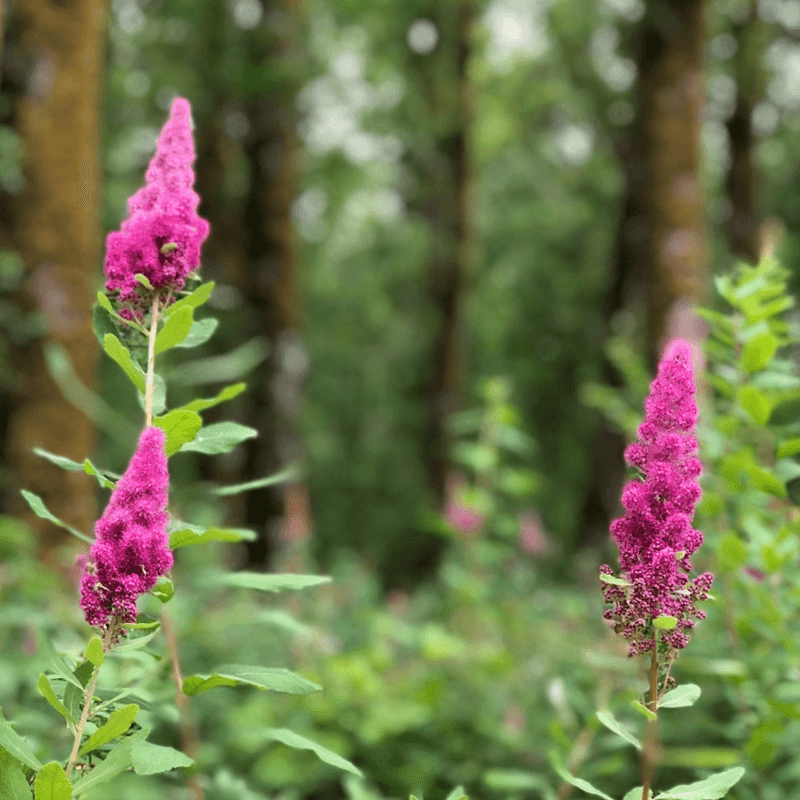
Shrubs that produce their flowers on new wood, including butterfly bush, spirea, and potentilla, share something important in common: they respond well to pruning before the growing season picks up speed.
Cutting these shrubs back in late winter or very early spring encourages the plant to push out strong new stems, and those stems are exactly what carry the summer flowers.
The result is usually a fuller, more vigorous plant with better bloom coverage than one that was left unpruned or pruned too late.
In Oregon, the timing for this kind of work varies a little by region. Gardeners in the Willamette Valley may be able to get outside and prune these shrubs in late February, while those in colder parts of the state might wait until March.
Either way, the goal is to finish before the plant is too far into active growth. Once May arrives and these shrubs are already leafed out and reaching upward, heavy pruning becomes more disruptive to the plant’s seasonal rhythm.
Minor shaping and removing any winter-damaged stems in May is reasonable, but the kind of hard rejuvenation cut that keeps these shrubs compact and floriferous is best done much earlier.
Oregon gardeners who make a habit of pruning summer bloomers in late winter often notice that their plants look better and flower more consistently than those that get pruned on an irregular schedule or skipped altogether in the busy spring season.
8. Spring-Blooming Shrubs Wait For Flowers To Fade
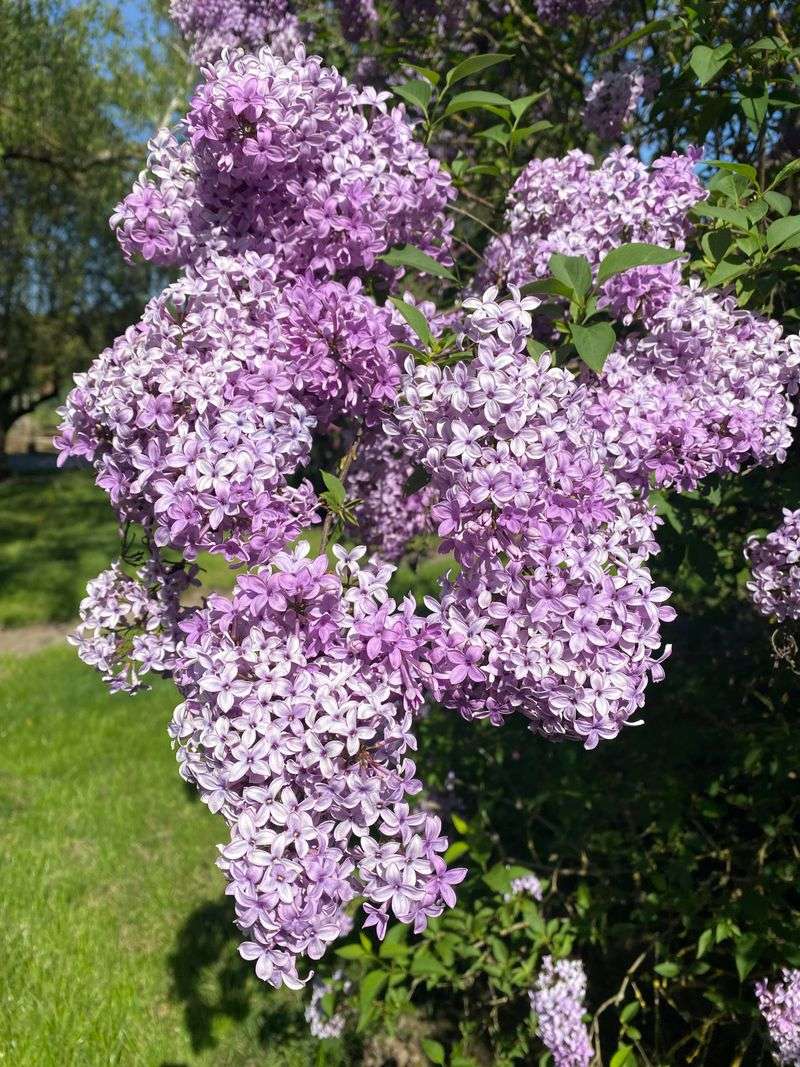
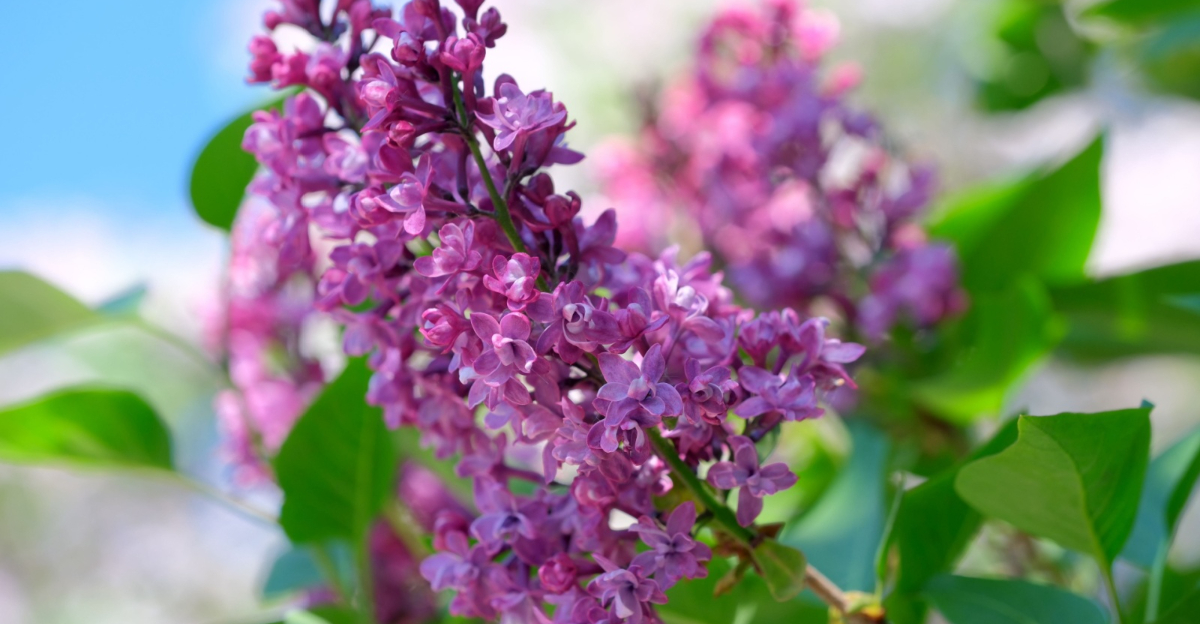
Lilacs, forsythia, rhododendrons, azaleas, and flowering quince all share one important characteristic that every Oregon gardener should know: they set their flower buds during the previous growing season.
That means by the time May arrives, the blooms you are admiring were actually formed on the plant months ago, during the summer and fall before.
Pruning these shrubs before or during bloom removes the very flower buds you have been looking forward to all winter.
The right approach for spring bloomers is to wait until the flowers have faded, then prune promptly after that. For most of these shrubs in Oregon, that window falls somewhere between late April and early June depending on the variety and location.
Lilacs, for example, should be pruned within a few weeks of blooming to give the plant enough time to set new buds for next year before the season winds down.
Rhododendrons and azaleas are a bit more forgiving in terms of timing, but the principle is the same: prune after bloom, not before.
Oregon gardeners who prune these shrubs in late winter or early May, thinking they are getting a head start on spring garden chores, often find themselves wondering why the plants did not bloom well that year.
Holding off until the flowers fade is a simple habit that protects the bloom cycle and keeps spring-blooming shrubs looking their best season after season.