This Native Pennsylvania Shrub Is Replacing Traditional Hedges In Gardens
More Pennsylvania gardeners are starting to rethink the standard hedge, and it is not hard to understand the shift.
A row of traditional shrubs can give structure, but it often comes with constant trimming, uneven growth, or a look that feels a little too formal for the rest of the yard.
People want something that still offers privacy and shape, but also feels easier, more natural, and better suited to local conditions. That is where this native shrub starts to stand out in a big way.
It brings the kind of toughness that makes life easier for homeowners, especially in spots where weather, soil, and changing seasons can make fussier hedge plants struggle.
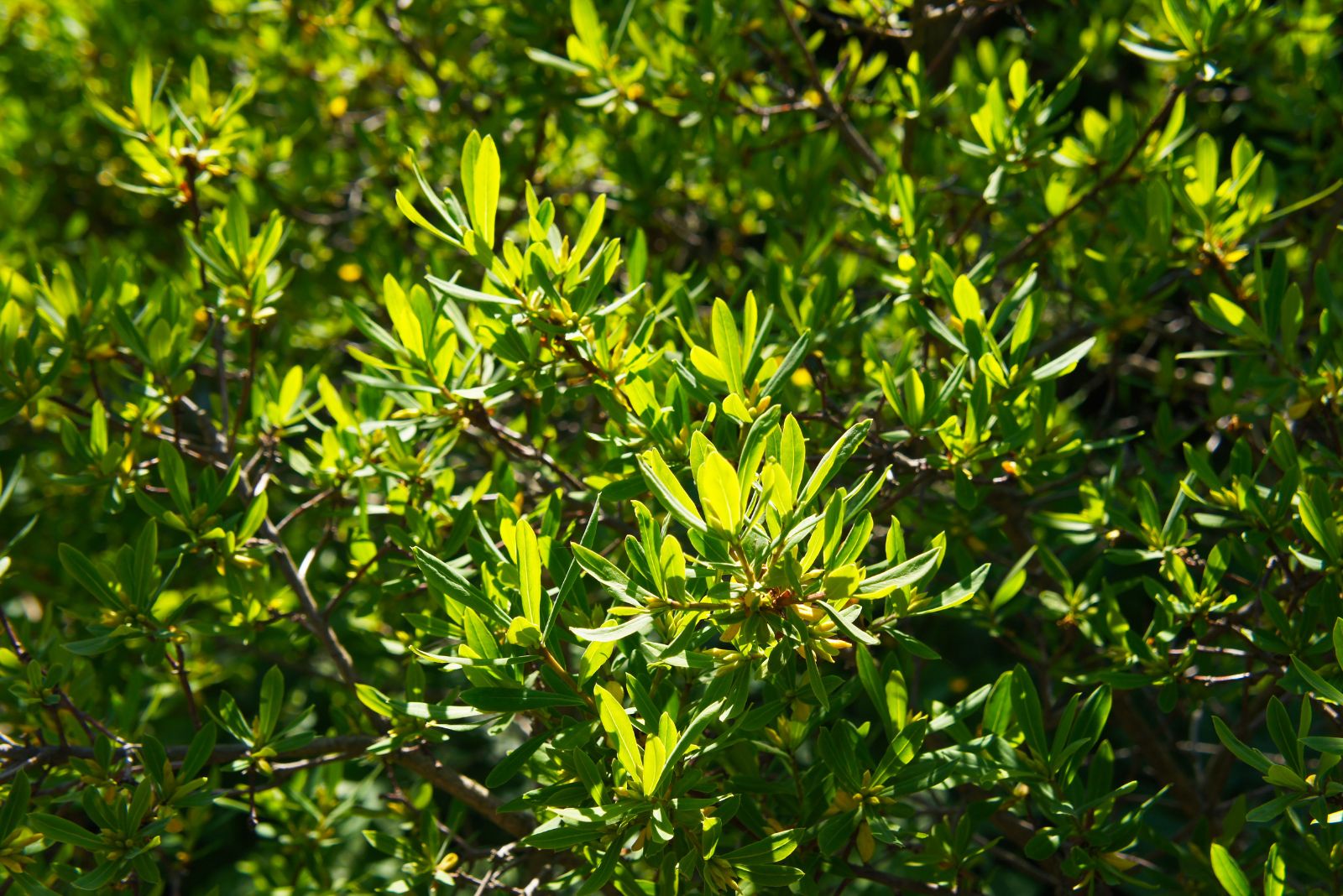
Northern bayberry also has a softer, more relaxed look that works beautifully in Pennsylvania landscapes without losing that sense of purpose.
It can screen, frame, and define a space while still supporting a more natural style of planting. For gardeners tired of high-maintenance hedges, this shrub offers a fresh option that feels both practical and right at home.
Why Northern Bayberry Is Replacing Traditional Hedges In Pennsylvania
Something interesting is happening in Pennsylvania yards. Gardeners are quietly swapping out their old boxwood and privet hedges for a native shrub called Northern bayberry, and the results are turning heads.
Northern bayberry, known scientifically as Morella pensylvanica (sometimes listed as Myrica pensylvanica), is a shrub that naturally grows in parts of Pennsylvania and the broader Mid-Atlantic region. It has been here long before formal gardens were ever planted.
Traditional hedge plants like English boxwood and privet can look polished, but they come with a long list of demands. They need regular pruning, fertilizing, and protection from pests and disease.
Many nonnative hedge plants also struggle with Pennsylvania’s variable weather, from humid summers to cold, windy winters. Northern bayberry handles all of that without much complaint.
What makes this shift so noticeable is that it is not just happening in wild or naturalized landscapes. Homeowners in suburban neighborhoods and urban lots across Pennsylvania are planting Northern bayberry along property lines, driveways, and garden borders.
It gives their yards a clean, structured look without requiring a weekend of work to maintain it. Nurseries in Pennsylvania have started stocking it more regularly because demand has grown.
Gardeners who try it once rarely go back to their old hedge plants. The combination of native roots, reliable structure, and low upkeep makes Northern bayberry a genuinely practical choice for anyone who wants a real hedge without the headache that usually comes with one.
What Makes It So Useful As A Hedge
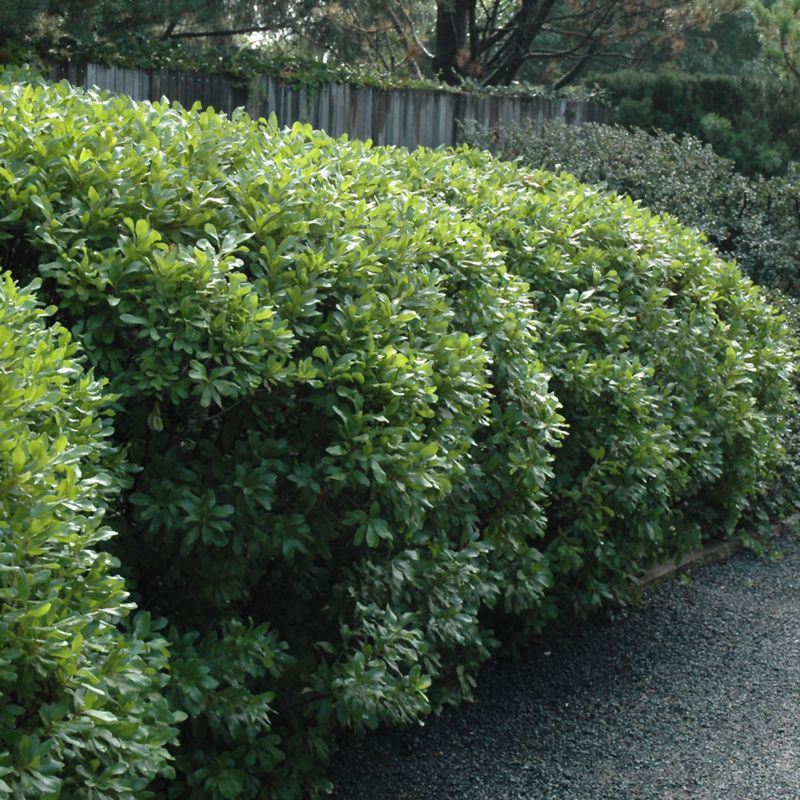
Not every native shrub works well as a hedge. Some are too open and wispy. Others grow so tall they become trees. Northern bayberry hits a sweet spot that most hedging plants aim for but do not always reach.
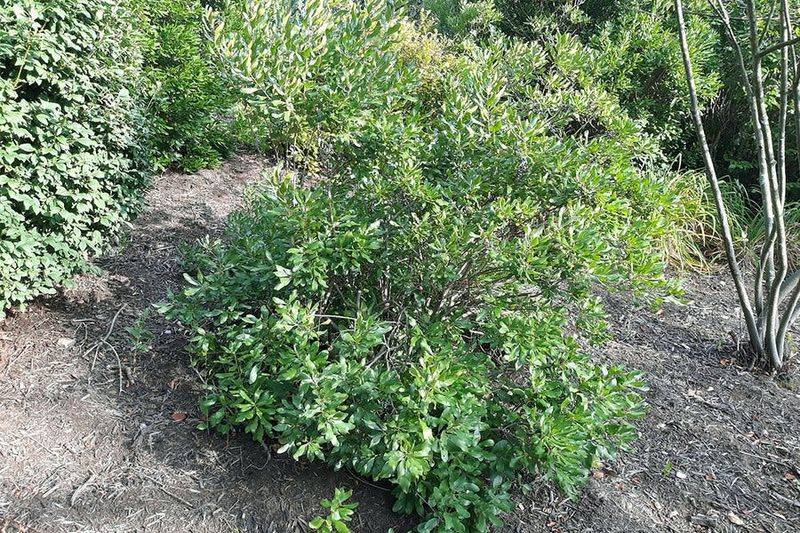
It is a dense, multi-stemmed shrub that naturally grows in a rounded, full shape. That branching habit means it fills in nicely without needing constant shaping to look tidy.
Your Pennsylvania Garden Changes Every Week. Your Plan Should Too.
Gardening in Pennsylvania changes quickly throughout the season. Every Friday you’ll receive a simple weekly plan showing exactly what to plant, prune, fertilize, harvest, and protect so you never miss the right timing.
In terms of size, Northern bayberry typically reaches about five to ten feet tall and spreads to a similar width. That range is genuinely useful for Pennsylvania homeowners who want privacy screening without planting something that will block all the light in five years.
It is large enough to create a real visual barrier but manageable enough for a standard residential yard. You can keep it a bit shorter with light pruning, or let it grow more freely for a natural, layered look.
The density of its growth is one of its biggest selling points as a hedge. Unlike some looser native shrubs that look sparse in winter, Northern bayberry holds its structure well through the colder months.
Its branching pattern stays tight and full, which means it continues to function as a screen even after the leaves have dropped in late fall. For Pennsylvania gardens where four-season privacy matters, that is a real advantage.
Gardeners who have tried other native shrubs as hedges and found them too open or irregular often find that Northern bayberry gives them the solid, reliable form they were looking for all along.
Why Pennsylvania Gardeners Like It More Than Traditional Hedges
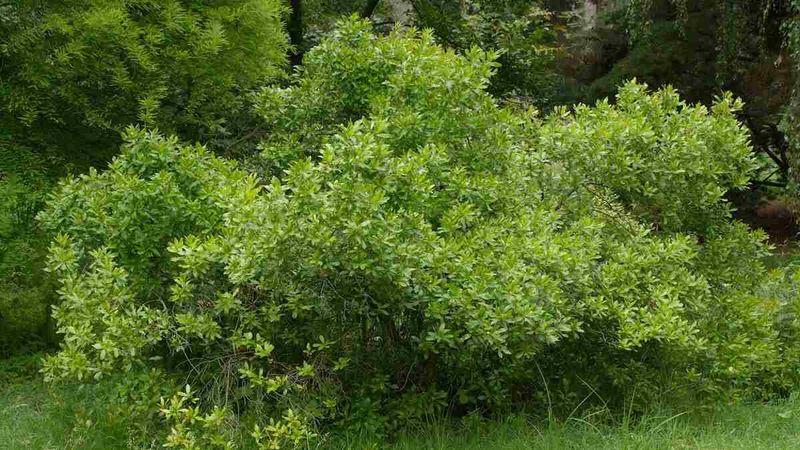
Ask any experienced Pennsylvania gardener what they dislike most about traditional hedge plants, and the answer is usually the same: they are too fussy.
Classic hedging shrubs like boxwood, privet, and arborvitae can struggle with poor soil, road salt, strong wind, and dry spells. Northern bayberry, on the other hand, was basically built for those exact conditions.
One of the reasons Northern bayberry thrives where other shrubs give up is its ability to fix nitrogen through a symbiotic relationship with soil bacteria.
That means it can grow in poor, sandy, or low-nutrient soils where most traditional hedge plants would barely survive.
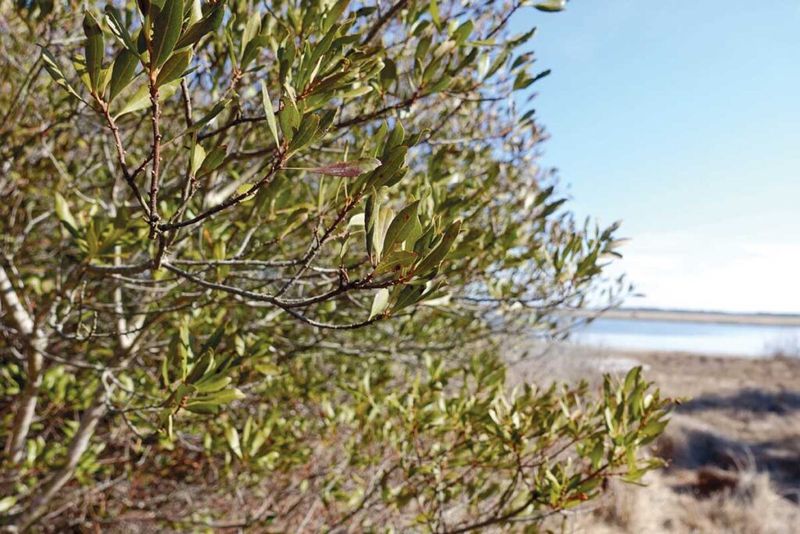
Along roadsides and coastal-influenced areas of Pennsylvania, where salt spray and wind are regular challenges, Northern bayberry holds up remarkably well. It does not need rich, amended soil to look good.
Dry conditions are another area where this shrub really proves itself. Once it is established in a Pennsylvania yard, Northern bayberry is quite drought-tolerant.
Traditional hedges often need supplemental watering during dry summers, which adds time and cost. Northern bayberry handles summer dry spells without much intervention.
It is also resistant to many of the common pests and diseases that plague nonnative hedge plants. Boxwood blight, for example, has become a serious problem for gardeners across Pennsylvania who rely on traditional boxwood hedges.
Northern bayberry simply does not carry that risk. For gardeners who want a hedge that performs reliably year after year without demanding constant attention, Northern bayberry is a straightforward and satisfying answer.
The Extra Benefits Traditional Hedges Often Don’t Offer
A hedge that only provides privacy is doing the bare minimum. Northern bayberry goes well beyond that, and that extra value is a big reason why Pennsylvania gardeners have grown so fond of it.
Start with the foliage. When you brush against the leaves of a Northern bayberry, you get a pleasant, spicy-sweet aroma.
That scent comes from the same aromatic compounds that made bayberry candles and soaps famous for generations. It is a small sensory detail that makes walking past this hedge a genuinely enjoyable experience.
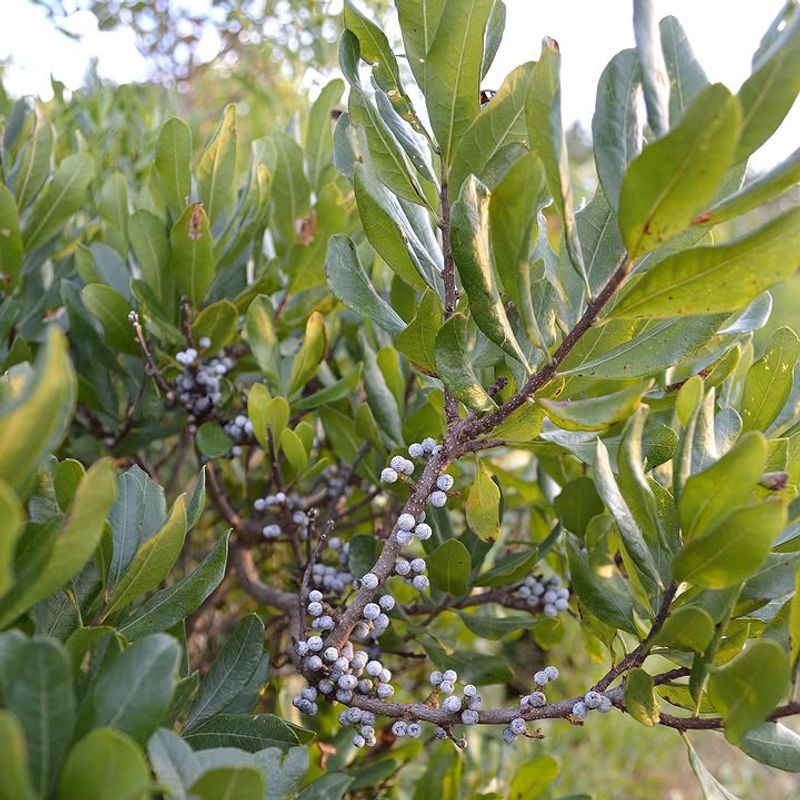
Then there are the berries. Female plants produce clusters of small, waxy, grayish-white berries that cling to the branches through fall and into winter.
Those berries are not just decorative. They are a high-fat food source that migrating and overwintering birds rely on heavily.
Species like yellow-rumped warblers, tree swallows, and bluebirds actively seek out bayberry berries during the colder months. Planting Northern bayberry in a Pennsylvania yard essentially adds a winter bird feeder that never needs to be refilled.
Traditional hedge plants like privet or arborvitae rarely offer this kind of ecological value. They may provide some nesting cover, but they do not contribute meaningful food resources to local wildlife.
Northern bayberry does both. It creates structure and privacy while also supporting the birds and insects that make a Pennsylvania garden feel alive.
For gardeners who care about creating a yard that works with nature rather than against it, that combination of beauty, fragrance, and wildlife value is genuinely hard to beat. It is a hedge that earns its place in more ways than one.
What To Know Before Planting It
Before you head to the nursery and load up on Northern bayberry, there are a few things worth knowing. Getting these details right from the start will save you time and help your hedge look its best.
The first thing to understand is that Northern bayberry spreads by suckering. It sends up new shoots from its roots, which gradually widens the plant over time.
For a naturalistic or informal hedge, that spreading habit is actually a bonus because it helps the hedge fill in and thicken up on its own.
In a tighter garden design where space is limited, that suckering can require some management. Occasional removal of unwanted shoots will keep the hedge contained if needed.
It is not difficult work, but it is worth planning for before you plant. Giving Northern bayberry enough room to spread naturally will reduce the amount of management required over time.
A spacing of about four to six feet between plants is a reasonable starting point for a hedge planting in Pennsylvania.
The other key detail is pollination. Northern bayberry is dioecious, which means male and female flowers grow on separate plants.
Only female plants produce the attractive waxy berries. But female plants need a male plant nearby to set fruit.
If you want berries, and the wildlife benefits that come with them, plan to include at least one male plant for every few female plants in your hedge. Many nurseries in Pennsylvania sell both, and some even label them clearly.
Ask before you buy so you get the right mix and enjoy the full range of what this remarkable native shrub has to offer.
Why It’s Worth The Switch
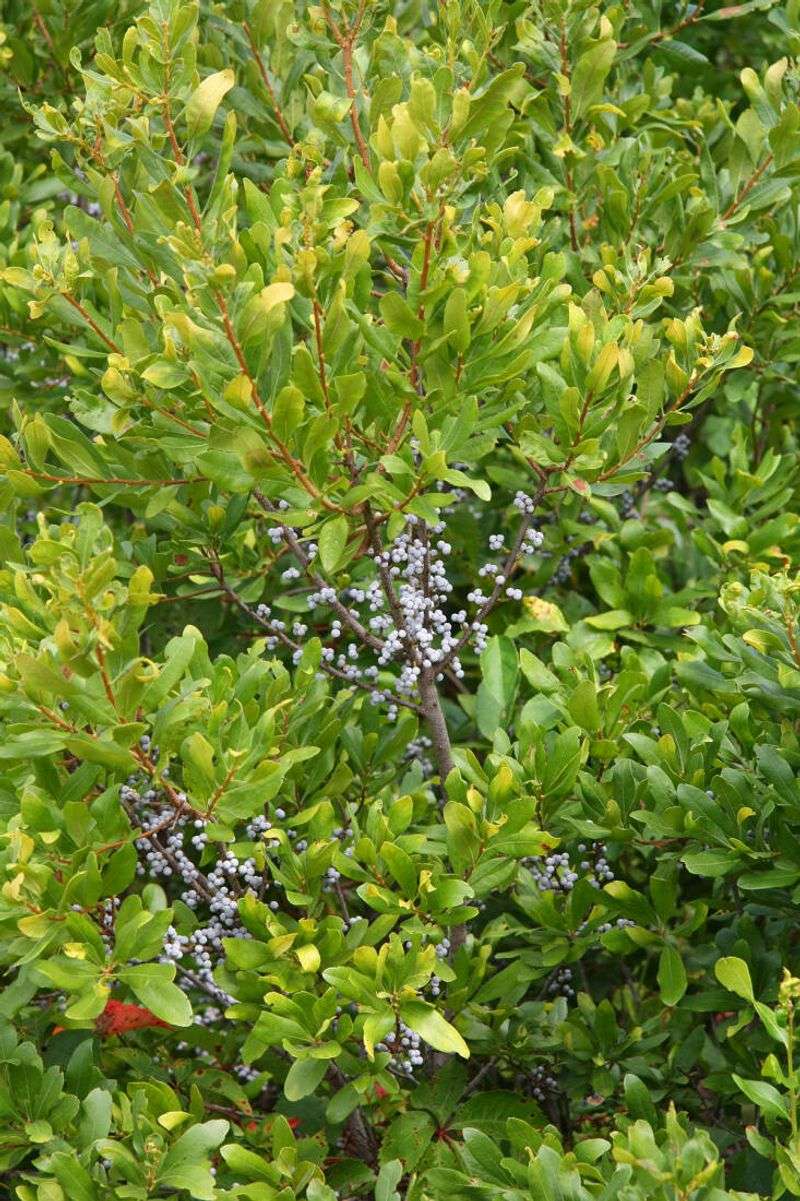
After looking at everything Northern bayberry brings to the table, the case for making the switch from a traditional hedge is pretty clear.
Pennsylvania gardeners are dealing with real challenges: tough soils, cold winters, hot dry summers, road salt, and an increasing awareness that the plants in their yards should do more than just look neat.
Northern bayberry checks every one of those boxes in a way that most traditional hedge plants simply cannot.
It offers genuine privacy screening with a dense, rounded form that holds up through all four seasons. It tolerates the kinds of difficult conditions that send other hedge plants into decline.
It smells wonderful, feeds birds through the winter, and supports the local ecosystem in ways that a row of boxwood or privet never could. All of that comes with far less maintenance than most homeowners are used to spending on a traditional hedge.
There is also something satisfying about planting a shrub that belongs here. Northern bayberry is native to Pennsylvania and the surrounding region.
It evolved alongside the local climate, soil, and wildlife. When you plant it, you are not fighting against the landscape.
You are working with it. That is a shift in thinking that more and more Pennsylvania gardeners are embracing, and Northern bayberry is one of the plants leading that change.
It is replacing traditional hedges not because it is trendy, but because it genuinely performs better, gives more, and asks for less in return. For any Pennsylvania homeowner ready to upgrade their hedge, this native shrub is an easy and rewarding place to start.