Root Crops Michigan Gardeners Should Plant In April For The Best Start
April is when the gardening season really begins to pick up speed, and in Michigan, it is the perfect window to get a head start on hardy vegetables that thrive in cool soil.
While it might still feel a bit early for some crops, root vegetables are built for these conditions and often perform best when planted before the weather warms up too much.
Getting them in the ground now gives them time to develop strong, steady growth without the stress of summer heat slowing them down.
Many Michigan gardeners find that waiting too long can lead to smaller harvests or tougher textures, especially with crops that prefer mild temperatures from the start.
By focusing on the right root vegetables in April, you set the stage for a more productive and satisfying season.
Knowing which ones to plant early can make all the difference as your garden gets underway.
1. Carrots (Daucus carota subsp. sativus)
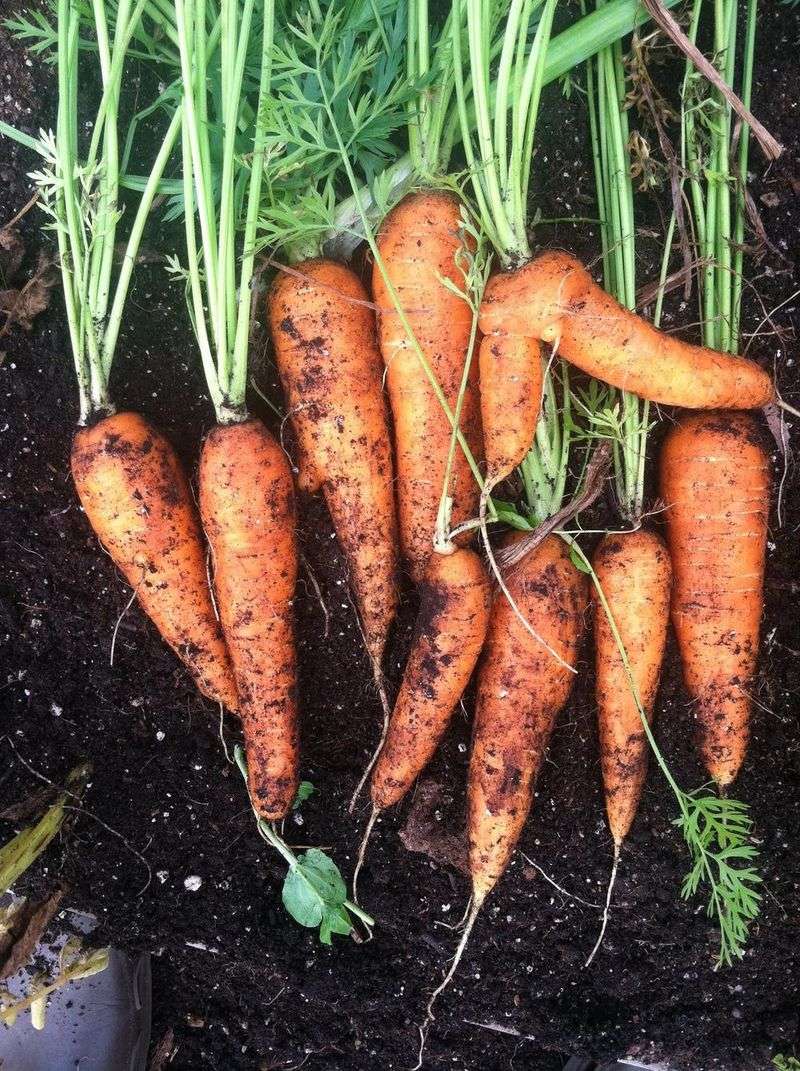
Carrots might be one of the most rewarding root crops you can grow in a Michigan garden, and April is truly the best time to get them started.
They need cool soil between 40 and 50 degrees Fahrenheit to germinate well, and Michigan spring weather delivers exactly that.
The Lower Peninsula especially benefits from spring moisture that keeps the soil consistently damp during those early germination days.
Loose, stone-free soil is the secret to growing straight, well-shaped carrots. Rocky or compacted ground causes roots to fork and twist, which makes harvest frustrating.
Work your soil at least 12 inches deep before sowing, and mix in compost to improve texture and drainage.
Sow seeds thinly in rows about half an inch deep, then thin seedlings to 2 to 3 inches apart once they reach a couple of inches tall. Crowded carrots compete for space and rarely develop properly.
Keeping the bed evenly moist during the first few weeks makes a huge difference in germination success.
Most carrot varieties take around 70 to 80 days to mature, so an April planting in Michigan puts you right on track for a summer harvest.
Nantes and Danvers varieties are popular choices for Michigan gardens because they handle variable spring conditions well.
Growing your own carrots means sweeter, crunchier flavor than anything from a store shelf.
2. Radishes (Raphanus sativus)
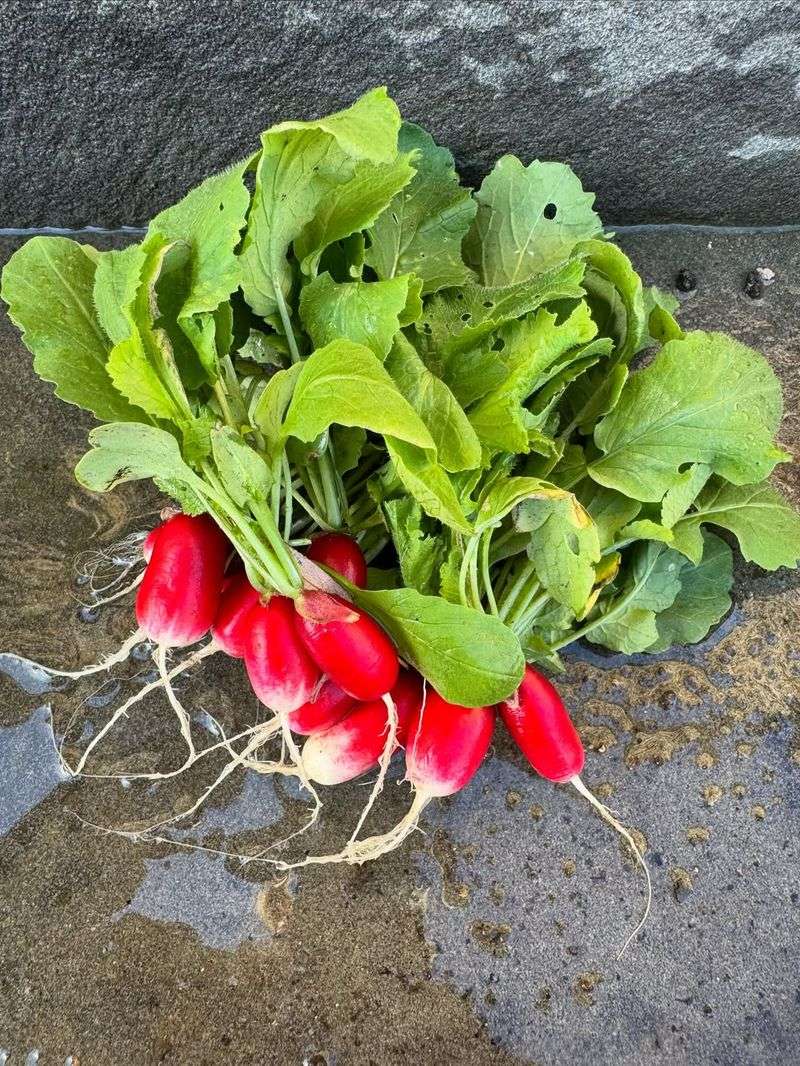
Few vegetables reward impatient gardeners quite like radishes. Plant them in April across Michigan and you could be pulling crisp, peppery roots from the ground in as little as 21 to 30 days.
That quick turnaround makes radishes one of the most satisfying early spring crops in any Michigan backyard garden. Cool weather is what keeps radishes tender and mild.
When temperatures stay in the 50s and 60s Fahrenheit, radish roots develop with a pleasant snap and just the right amount of spice.
Warm weather causes them to bolt quickly and turn woody, so hitting that April planting window in Michigan is genuinely important for quality.
Direct sow seeds about half an inch deep and one inch apart in rows. Once seedlings emerge, thin them to about 2 inches apart so each root has room to swell properly.
Your Michigan Garden Changes Every Week. Your Plan Should Too.
Gardening in Michigan changes quickly throughout the season. Every Friday you’ll receive a simple weekly plan showing exactly what to plant, prune, fertilize, harvest, and protect so you never miss the right timing.
Skipping the thinning step almost always leads to disappointment at harvest time. Cherry Belle and French Breakfast are two varieties that perform especially well in Michigan spring gardens.
Both handle light frosts without any trouble, which is helpful since April nights in Michigan can still dip below freezing.
Water consistently and you will have a crunchy, flavorful harvest before most other vegetables have even sprouted.
Radishes also work beautifully as row markers between slower-growing crops like carrots and parsnips planted at the same time.
3. Beets (Beta vulgaris)
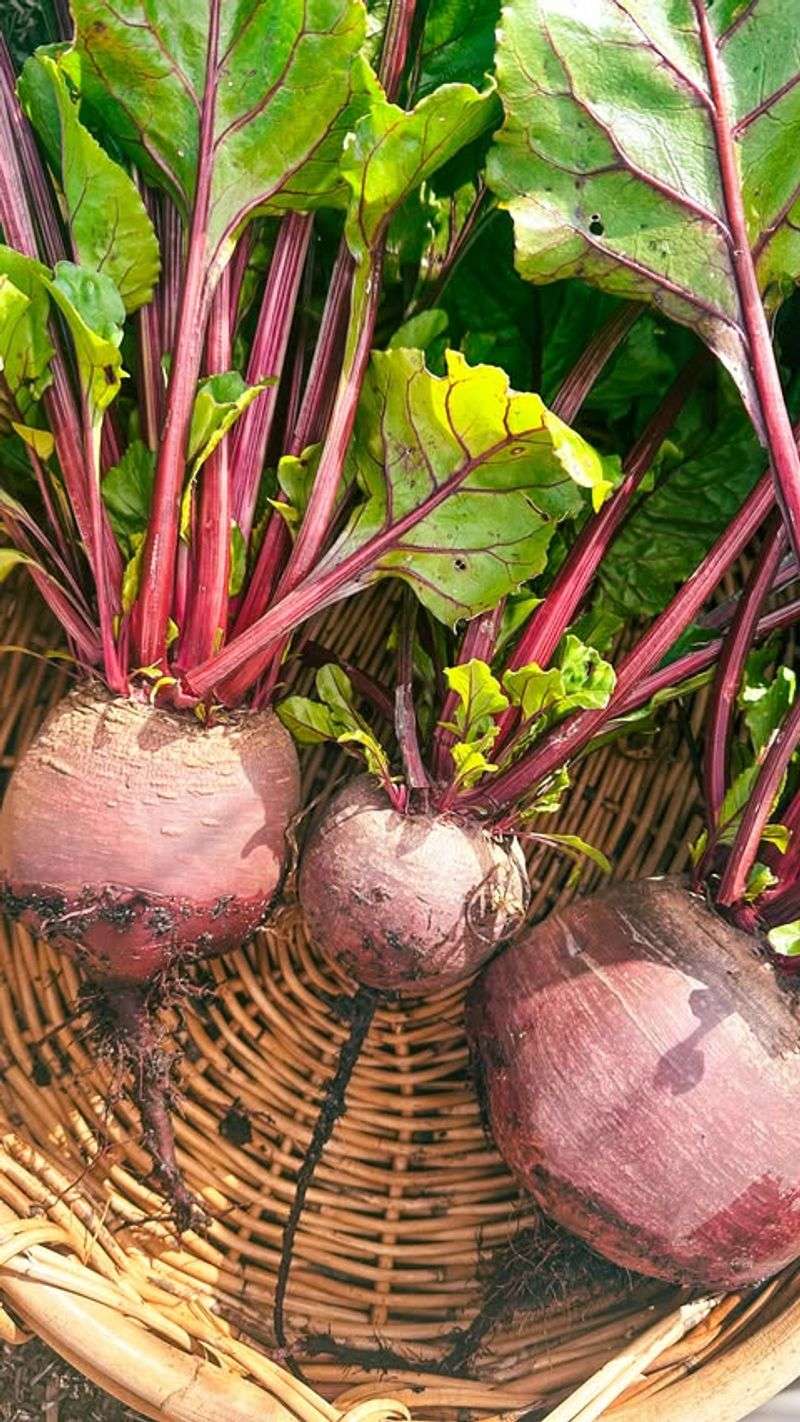
Beets have a kind of old-fashioned charm that makes them a staple in Michigan gardens every spring.
They are one of the hardiest root crops you can sow in April, tolerating cold soil and even light frosts without missing a beat.
Southern Michigan gardeners can often get beet seeds in the ground as early as late March, while gardeners further north should aim for early to mid-April.
One interesting thing about beet seeds is that each one is actually a cluster of seeds, meaning multiple seedlings will sprout from a single spot.
Thinning early to about 3 to 4 inches apart is essential, and the thinned seedlings are completely edible as microgreens.
Nothing in a Michigan spring garden goes to waste when you grow beets. Beets prefer soil with a pH between 6.0 and 7.0 and do best in loose, well-drained ground.
Adding compost before sowing helps roots develop evenly and reach their full size without cracking.
Keep the soil moist but never waterlogged during germination, which usually takes 5 to 10 days in cool April conditions.
Detroit Dark Red is a classic variety that has thrived in Michigan gardens for generations. It produces deep, uniform roots with rich flavor and stores well after harvest.
Whether you roast them, pickle them, or toss them in a salad, homegrown Michigan beets taste noticeably better than store-bought ones.
4. Turnips (Brassica rapa)
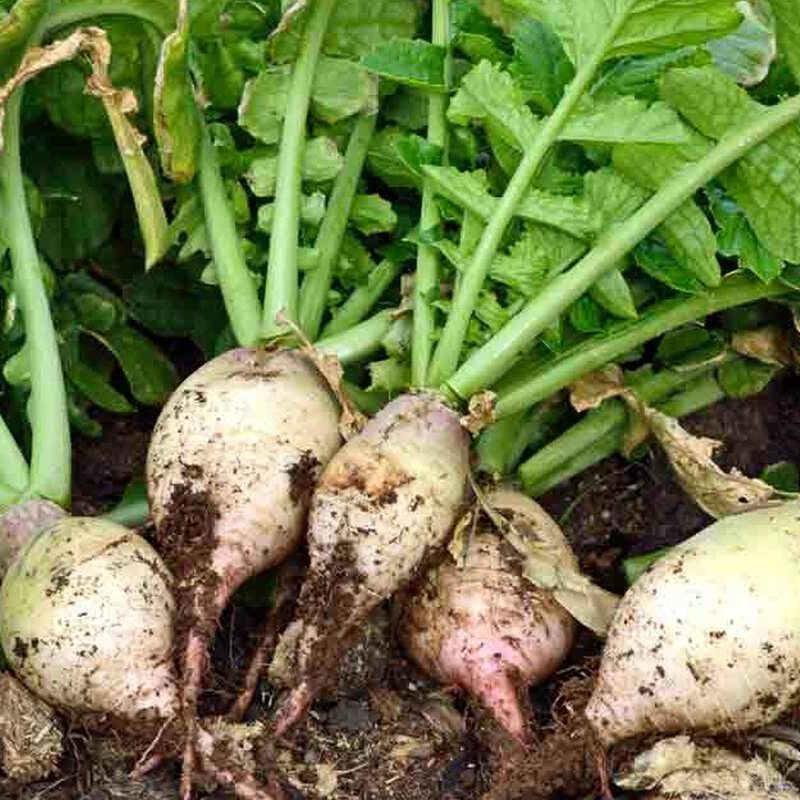
Turnips do not always get the credit they deserve, but Michigan gardeners who plant them in April quickly become fans.
Cool spring soil produces turnip roots that are tender, mild, and genuinely delicious compared to the sharp, pungent flavor that heat-stressed turnips develop later in the season.
April planting in Michigan is basically the recipe for the best-tasting turnips possible. Sow seeds directly into the garden about a quarter inch deep as soon as Michigan soil is workable in April.
Turnips germinate quickly, often within 4 to 7 days in cool conditions, so you will see progress fast.
Thin seedlings to about 4 to 6 inches apart once they are a few inches tall to give each root enough room to expand properly.
Purple Top White Globe is one of the most reliable varieties for Michigan spring gardens, producing roots that are ready to harvest in about 55 days.
Hakurei, a Japanese salad turnip, is another excellent option that matures even faster and has an almost sweet flavor when eaten raw.
Both varieties handle Michigan spring weather beautifully. Consistent moisture is the biggest key to success with turnips.
Uneven watering causes roots to crack or develop a tough texture, so aim to keep the soil evenly moist throughout the growing period.
Turnip greens are also completely edible and packed with nutrients, so you get two harvests from one planting in your Michigan garden.
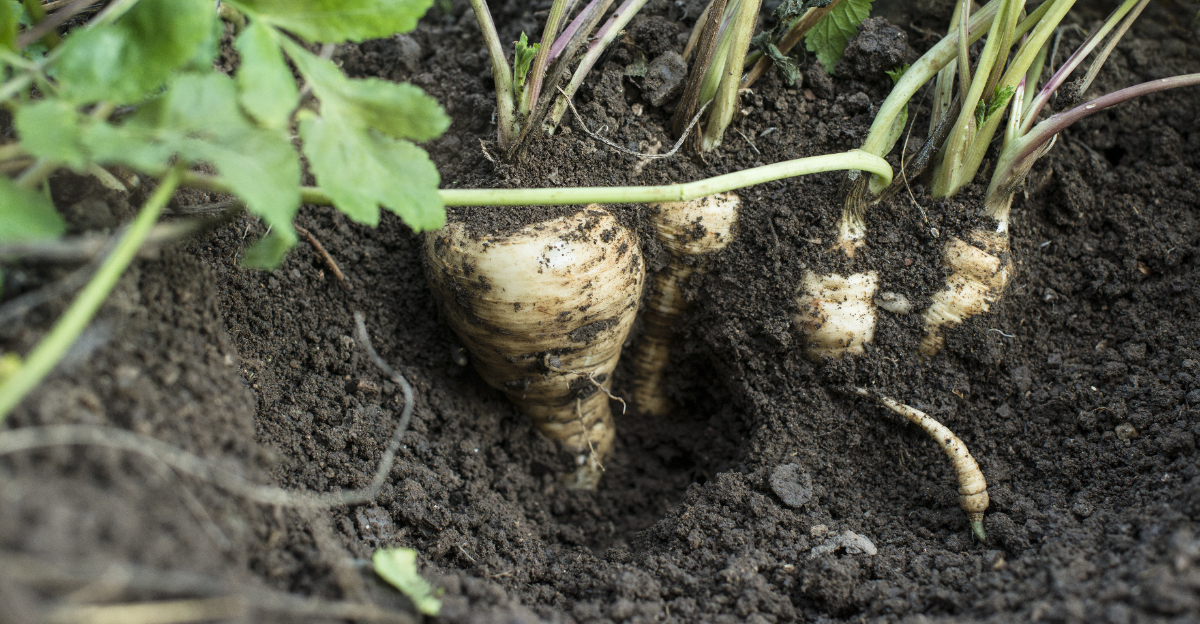
5. Parsnips (Pastinaca sativa)
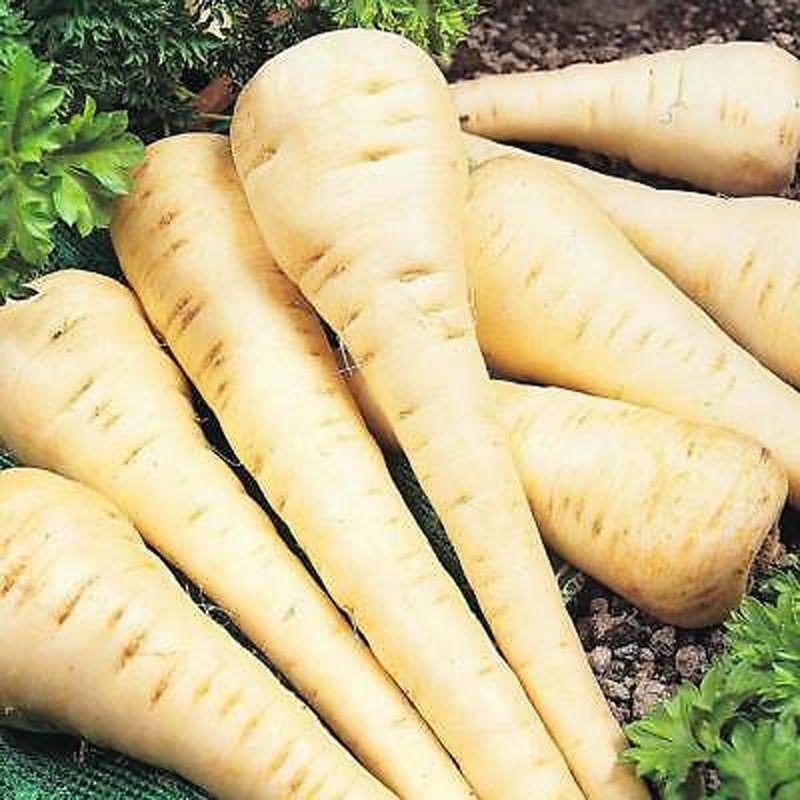
Parsnips are the long game of the root vegetable world, and Michigan gardeners who plant them in April are setting themselves up for one of the most rewarding fall harvests imaginable.
These creamy, sweet roots need a full growing season of around 100 to 120 days to reach their best flavor, which makes early April the ideal sowing time across Michigan.
Parsnip seeds are notoriously slow to germinate, sometimes taking two to three weeks to sprout even in good conditions.
Fresh seed is critical because old parsnip seed has very poor germination rates. Sow generously, about half an inch deep in loose, well-prepared soil, and mark your rows clearly so you do not accidentally disturb them while waiting.
Loose, deep soil is non-negotiable for parsnips. Compacted ground causes roots to fork and remain stunted, which wastes an entire growing season.
Work the soil 12 to 15 inches deep and remove any rocks or clumps before sowing. Michigan’s naturally loamy soils in many parts of the Lower Peninsula are well-suited for long, straight parsnip roots.
Here is the really exciting part: parsnips that experience a frost before harvest actually convert starches into sugars, developing a rich, almost nutty sweetness that makes them incredible roasted or pureed.
Planting in April across Michigan means your parsnips will be ready to enjoy right around the time fall frosts arrive, creating naturally sweet roots worth every day of patience.
6. Skirret (Sium sisarum)
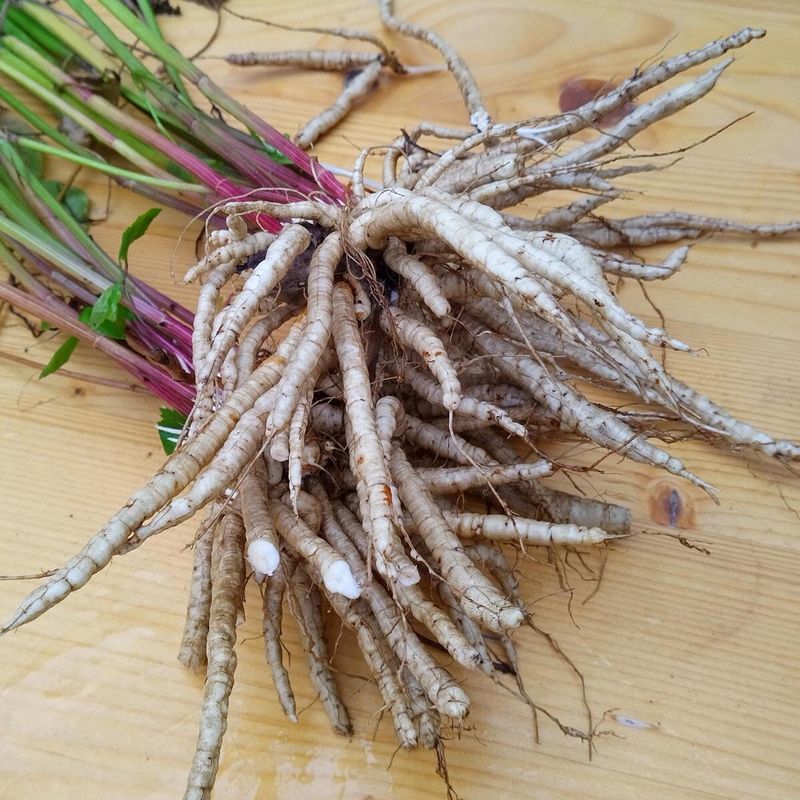
Skirret is one of the most underrated root vegetables in American gardening, and Michigan gardeners have a real opportunity to rediscover it this April.
Popular in European kitchen gardens for centuries, skirret produces clusters of sweet, slender white roots with a flavor often described as a cross between parsnip and carrot.
Growing it feels like connecting with a long tradition of home food production. As a cool-season crop, skirret genuinely thrives when planted in Michigan’s April conditions.
It tolerates cold soil and light spring frosts without any stress, making it a reliable choice even in years when Michigan spring weather stays unpredictable well into the month.
Sow seeds or plant root divisions directly into moist, well-drained soil once the ground is workable.
Skirret grows best in loose, fertile soil with consistent moisture throughout the season. Space plants about 12 inches apart to give each cluster enough room to develop multiple roots.
Unlike many other root crops, skirret is a perennial in milder climates, meaning established plants can return and produce year after year in Michigan’s Lower Peninsula with some winter protection.
Harvest skirret roots in fall once the foliage begins to fade, carefully digging up the entire cluster.
The roots cook quickly and work well in soups, roasted dishes, or simply steamed with butter.
Planting skirret in April gives Michigan gardeners a unique, flavorful root vegetable that most neighbors have probably never tasted, which makes sharing the harvest even more fun.