7 Plants That Should Be Left Alone After Freeze Damage In Texas
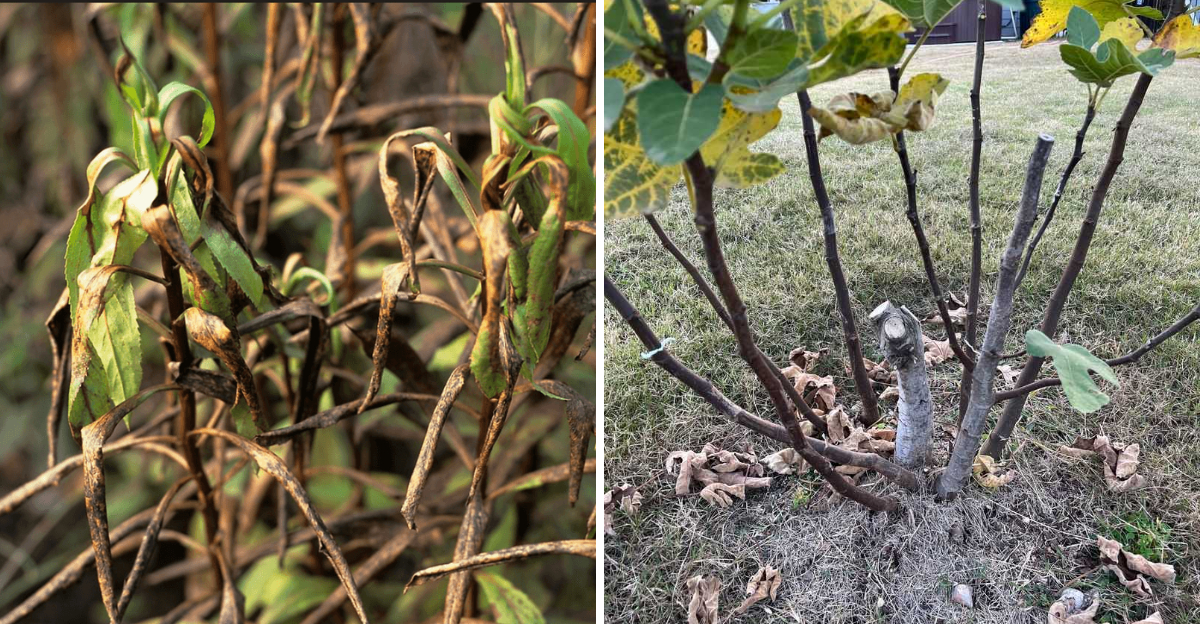
A freeze can make a Texas garden look rough overnight. Leaves turn black, stems go mushy, and plants that seemed perfectly fine a few days ago suddenly look like they are done for.
That is usually the moment people reach for the pruners and start cutting everything back in a panic. It makes sense, but it is not always the best move.
In fact, some plants are much better off if you leave them alone for a while, even when they look pretty bad at first glance.
That can be hard to do, especially if the yard looks messy and lifeless. But freeze damage is often more complicated than it seems.
What looks gone on the outside may still be protecting healthy growth underneath, and cutting too soon can expose a plant to even more stress. In Texas, where late cold snaps can still happen after the first freeze, patience can save you from making a costly mistake.
Sometimes the smartest thing a gardener can do is step back, wait, and let the plant tell you what it really needs.
1. Citrus Trees
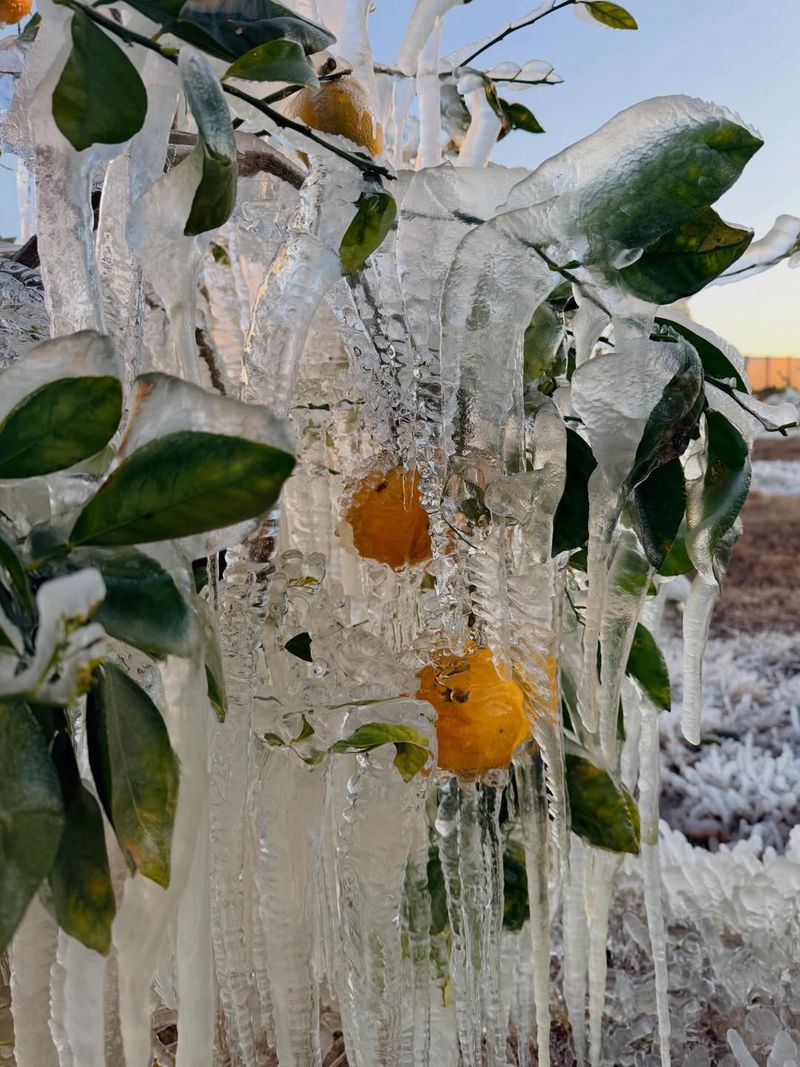
If you grow citrus in Texas, you already know how much love and care goes into keeping those trees healthy through the colder months.
Lemon, orange, and lime trees are especially sensitive to freezing temperatures, and the damage they show can be alarming. Leaves drop, twigs look shriveled, and the bark may even crack or split in places.
Here is the tricky part: the full extent of freeze damage on citrus trees is not always visible right away. It can take several weeks before you truly understand how much of the tree has been affected.
Cutting branches too soon means you might remove tissue that was actually still recovering.
The smartest thing you can do for your citrus trees in Texas is simply wait. Hold off on any pruning until spring growth begins.
Once warmer temperatures arrive, look for new green buds pushing through. That is your signal that the tree is bouncing back.
Use a sharp knife to gently scratch the bark on a branch. If the tissue underneath is green and moist, that branch still has life in it.
If it is brown and dry all the way through, then it is safe to remove. Patience is your best gardening tool when it comes to freeze-damaged citrus in Texas.
2. Texas Sage
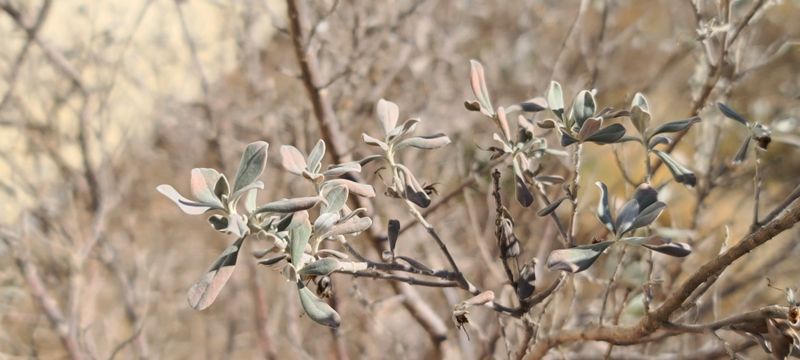
Texas sage, also called cenizo, is one of the most beloved native shrubs across the Lone Star State. People plant it in yards from El Paso to Dallas because it is tough, beautiful, and low-maintenance. But even this rugged shrub can look rough after a hard freeze hits.
Brown, crispy foliage is a common sight on Texas sage after cold weather rolls through. Many gardeners panic when they see it and reach for their pruning shears immediately. That reaction is completely understandable, but it is usually the wrong move to make.
Texas sage is surprisingly resilient. Even when the outer leaves look completely toasted, the woody stems underneath are often still alive and ready to push out fresh growth.
Your Texas Garden Changes Every Week. Your Plan Should Too.
Gardening in Texas changes quickly throughout the season. Every Friday you’ll receive a simple weekly plan showing exactly what to plant, prune, fertilize, harvest, and protect so you never miss the right timing.
Cutting the plant back too early removes that protective layer and can stress the shrub even more.
Wait until temperatures in Texas have warmed up consistently before touching your sage. Once you start seeing tiny green leaves sprouting along the stems, you will know the plant is recovering well.
At that point, you can lightly prune away only the parts that show no signs of new growth. Texas sage tends to bounce back beautifully when given the right amount of time and space to recover on its own schedule.
3. Lantana
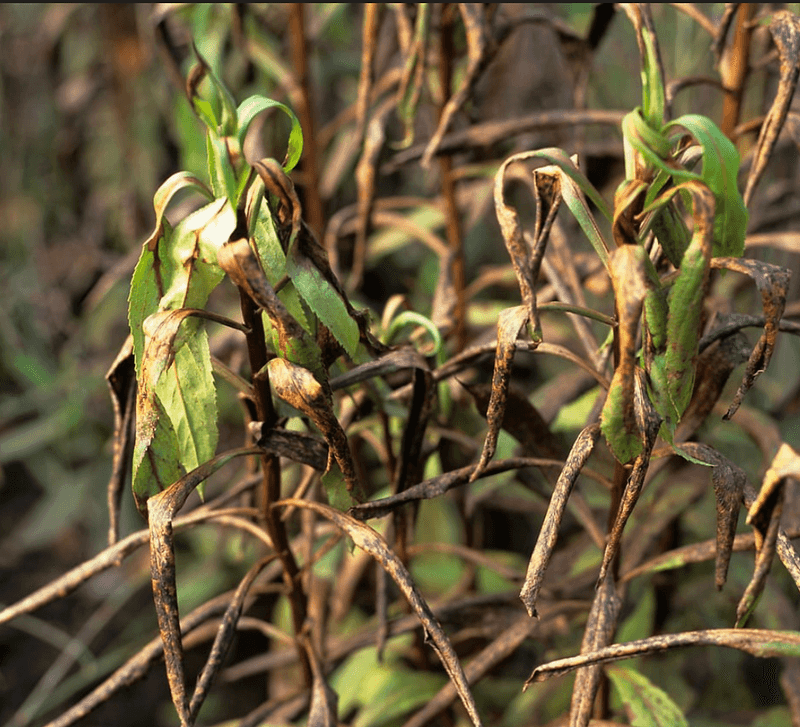
Lantana is a Texas garden favorite for a reason. It blooms in bold, cheerful colors all summer long and handles the brutal heat like a champion.
But when a hard freeze sweeps through the state, lantana can look completely done for almost overnight.
The top growth turns black and mushy, the stems collapse, and the whole plant looks like it has given up entirely. For gardeners who have never dealt with freeze damage before, this can feel devastating.
The good news is that perennial lantana is much tougher underground than it looks above the surface.
Even when every visible part of the plant appears gone, the root system is often sitting quietly beneath the soil, waiting for warmer days. Those roots hold all the energy the plant needs to send up fresh new shoots once spring arrives in Texas.
Resist the urge to pull the plant out or cut it to the ground right away. Leaving the dry stems in place actually helps protect the roots from any additional cold snaps that might come through.
Once you are confident that the last frost has passed and temperatures are staying warm, check for small green shoots emerging near the base. That is your green light to tidy things up and let your lantana take off again for another great season.
4. Esperanza
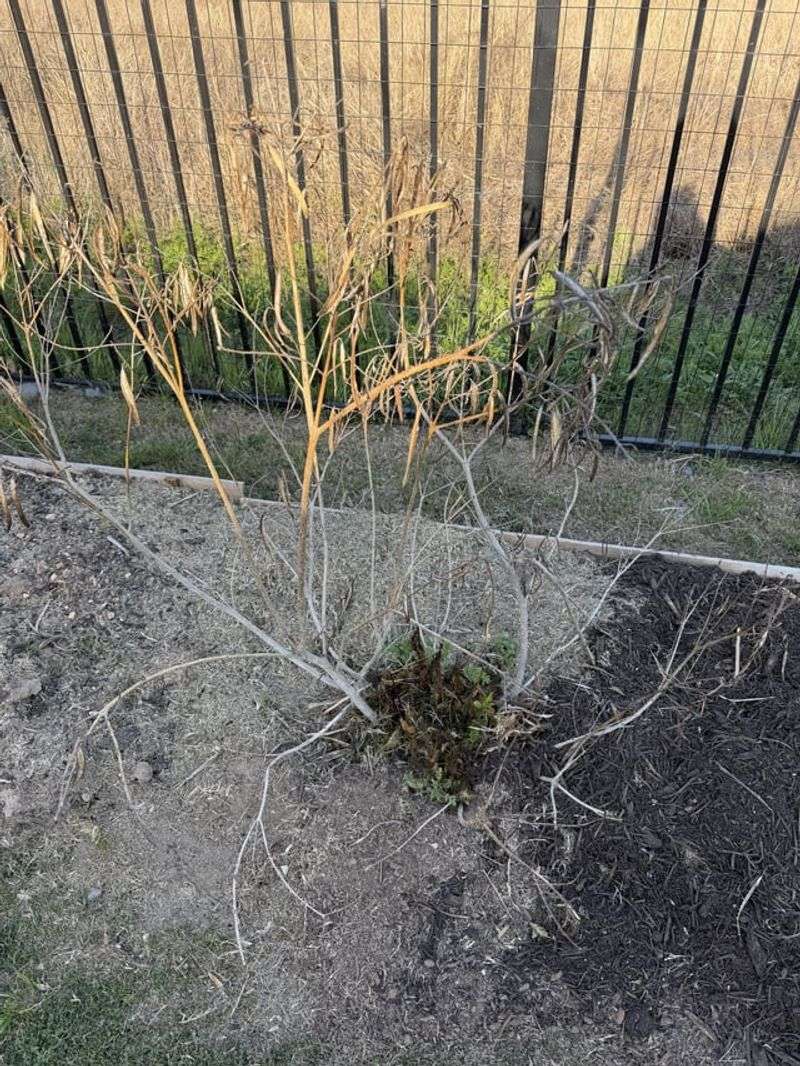
Few plants light up a Texas summer garden quite like esperanza, also known as yellow bells. Those bright trumpet-shaped blooms bring serious color from midsummer all the way into fall. So when a freeze turns the whole plant brown and lifeless-looking, it stings a little.
Esperanza can look absolutely terrible after freezing weather hits. In some cases, every single stem above the ground may appear completely gone.
First-time gardeners often assume the worst and pull the whole plant out, not realizing what a mistake that is.
The root system of esperanza is remarkably tough. Even when the above-ground portion looks like a pile of dry sticks, the roots underground are frequently still alive and full of potential. Warm spring weather in Texas is usually all they need to start pushing up fresh new growth.
Leave the damaged stems in place for now. They act as a kind of insulating barrier that protects the crown and roots from further cold damage if another freeze surprises you.
Once temperatures climb consistently and you start spotting green shoots emerging from the base of the plant, you can safely cut away the old brown growth.
Esperanza tends to come back strong and fast once it gets going, often filling back out beautifully by midsummer across Central and South Texas gardens.
5. Rosemary
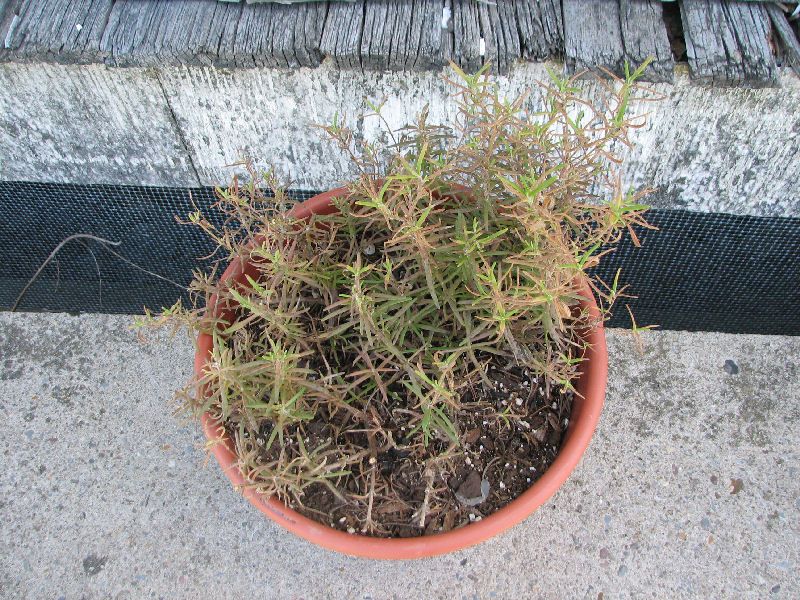
Rosemary is one of those plants that seems almost indestructible in Texas summers. It handles the heat, the drought, and the poor soil without complaint.
But a sharp, sudden freeze can catch even established rosemary plants off guard and leave them looking surprisingly rough.
Tip burn is one of the most common signs of freeze damage on rosemary. The ends of the branches turn brown and brittle, while the rest of the plant may look somewhere between okay and concerning.
Some gardeners see this and immediately start cutting everything back, which is usually a mistake.
Here is something worth knowing: rosemary stems can look gray and gone on the outside while still holding green, living tissue on the inside. A quick scratch test on a suspect stem can tell you a lot.
Gently scrape the surface with your fingernail. If you see green underneath, that stem is still alive.
Give your rosemary time before making any pruning decisions. In Texas, where winters are often short, warmer temperatures tend to arrive quickly.
Once you see new growth pushing out from the base or along the stems, you will have a much clearer picture of what needs to go.
Removing living tissue by pruning too early slows the recovery process and puts unnecessary stress on a plant that is already working hard to bounce back.
6. Palms
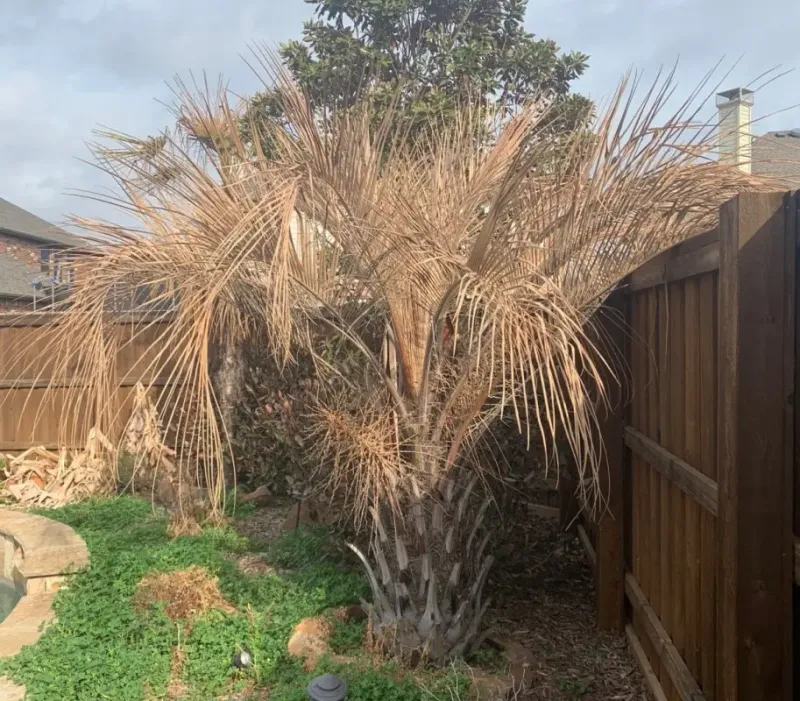
Palms are practically a symbol of warm-weather living in Texas, especially along the Gulf Coast and in South Texas cities like Corpus Christi and McAllen.
Seeing your palm tree covered in brown, drooping fronds after a freeze is genuinely upsetting. But do not let looks fool you.
The most important part of any palm tree is its central growing point, often called the heart or the spear. As long as that central bud survives the cold, the palm has a real chance of full recovery.
Brown outer fronds do not necessarily mean the whole tree is a lost cause. One of the biggest mistakes people make after a freeze is cutting off all the damaged fronds too quickly. Those brown fronds actually serve a purpose during cold weather.
They wrap around the heart of the palm and provide a layer of insulation against any further temperature drops that might follow.
Leave those fronds in place until you are certain that warm weather has settled in for good. Then watch the center of the palm carefully.
If a new spear begins to emerge and unfurl, that is a very encouraging sign. Start removing damaged fronds gradually from the outside in, always protecting that central growing point.
Cold-hardy palms grown across Texas are more resilient than most people expect, and patience is truly the key to helping them recover after a hard winter freeze.
7. Fig Trees
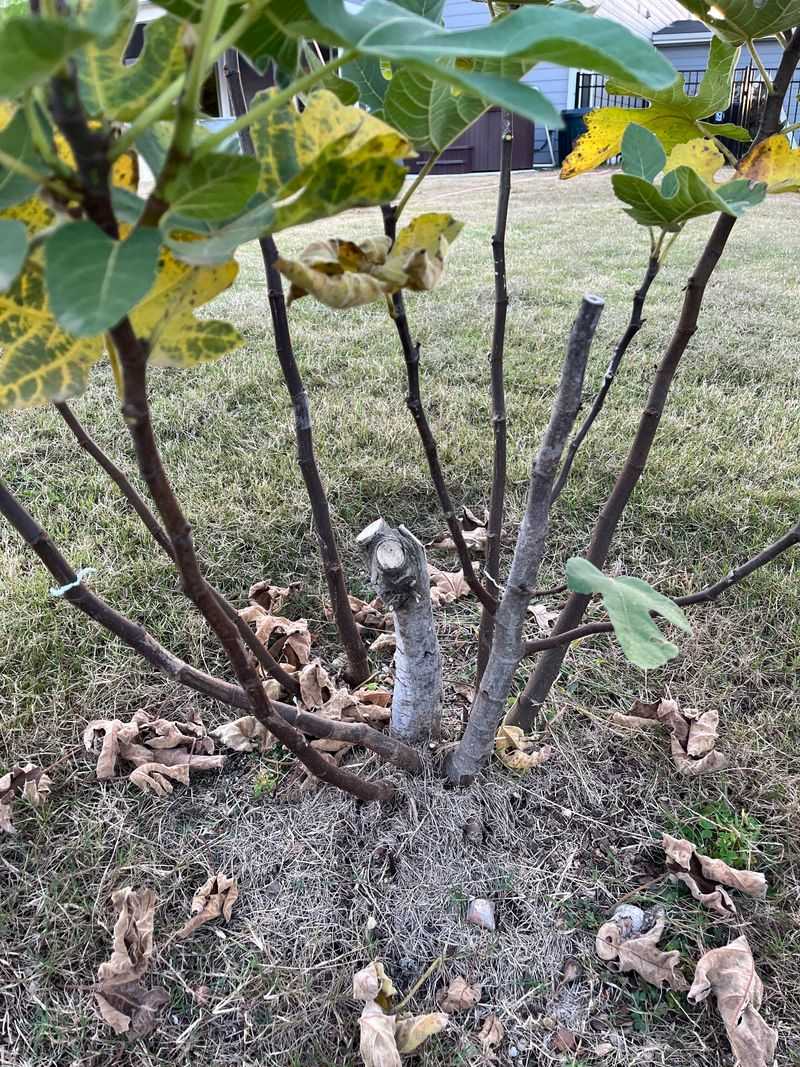
Fig trees have been growing in Texas yards for generations, and for good reason. They produce sweet, abundant fruit, they grow fast, and they are generally pretty tough.
But a hard winter freeze, especially in North and Central Texas, can hit fig trees surprisingly hard.
After a serious cold snap, fig trees may drop all their leaves and have branches that look completely bare and brittle. The wood can feel dry and snap easily when bent.
It is easy to assume the worst when you are standing in your yard staring at what looks like a bundle of dry sticks.
But here is the thing about fig trees: the root systems are incredibly persistent. Even when every branch above the ground appears to have been lost to the cold, the roots underground are often still very much alive.
Come spring, many fig trees in Texas surprise their owners by sending up fresh new shoots from the base or along the lower trunk.
Hold off on any major pruning until you have given the tree a fair chance to show what it can do. Wait until late spring before making decisions about which branches to remove.
Use the scratch test on individual branches to check for living green tissue inside. You may find that more of the tree survived than you expected.
Fig trees in Texas are worth the wait, and a little patience in late winter can save you from losing a tree that still had plenty of life left in it.
8. Pride Of Barbados
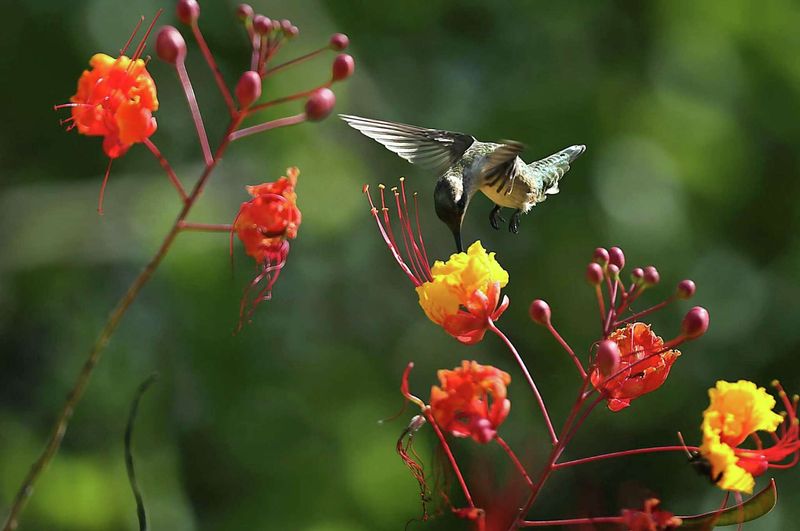
Pride of Barbados is one of the showiest plants you can grow in a Texas landscape. Those brilliant red and orange blooms attract hummingbirds and butterflies all season long, and the plant grows with impressive speed and energy. When a freeze takes it down, the loss feels significant.
In areas of Texas that experience hard winter cold, Pride of Barbados commonly dies back all the way to the ground.
Every stem above the soil may turn black and brittle, and the whole plant can look completely beyond saving. But that picture is often misleading.
The roots of Pride of Barbados are the real survivors. Underground, they stay protected from the worst of the cold and hold on through the winter, quietly waiting for temperatures to climb back up.
Once warm spring weather returns to Texas, those roots frequently push out vigorous new growth that can fill the space back up surprisingly fast.
The best approach is to leave the plant completely alone through the rest of winter. Do not cut the damaged stems down right away.
They help mark where the plant is growing so you do not accidentally disturb the roots, and they offer a small amount of extra protection for the crown.
Once warmer weather settles in across your part of Texas and you spot fresh green shoots emerging near the base, that is your cue to clean things up and let Pride of Barbados do what it does best.