What Texas Agave Need In Spring To Stay Healthy And Well Shaped
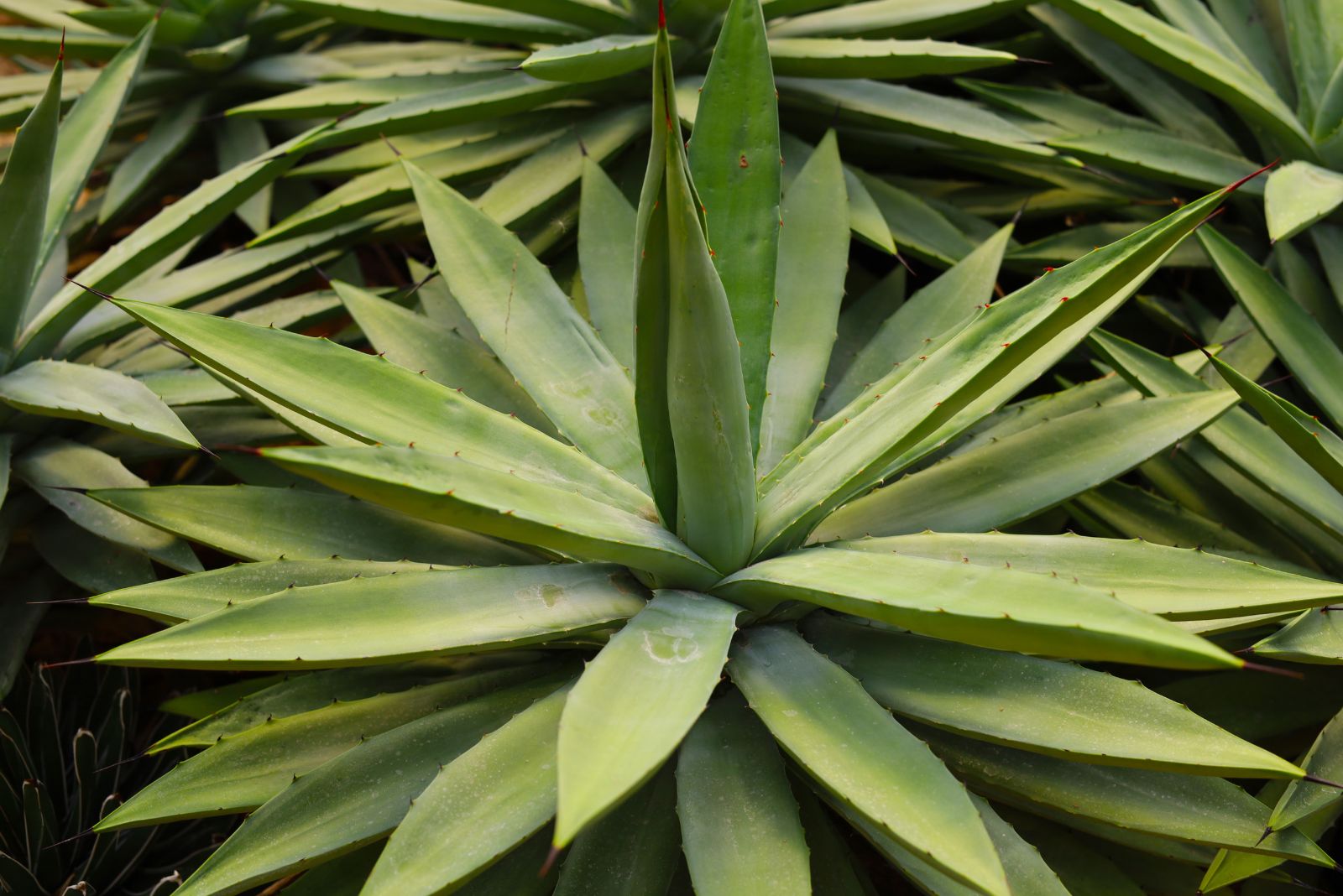
Agave has a way of making a Texas yard look bold, clean, and effortlessly put together. It is tough, dramatic, and usually pretty easy to live with, which is a big reason so many gardeners rely on it.
But spring is the season when that strong look can either stay sharp or start slipping. After winter, agave often needs a little attention to keep it healthy, balanced, and looking its best before the hotter months take over.
Ignore it too long, and even a hardy plant like this can end up stressed, messy, or oddly shaped.
The good news is that agave does not need a lot of complicated care. What it does need is the right kind of care at the right time.
A little cleanup, careful watering, and a close look for damage or rot can go a long way in spring.
That simple effort helps the plant stay sturdy, attractive, and ready for the intense Texas heat ahead. For a plant known for low maintenance, a smart spring routine makes all the difference.
1. Well-Draining Soil
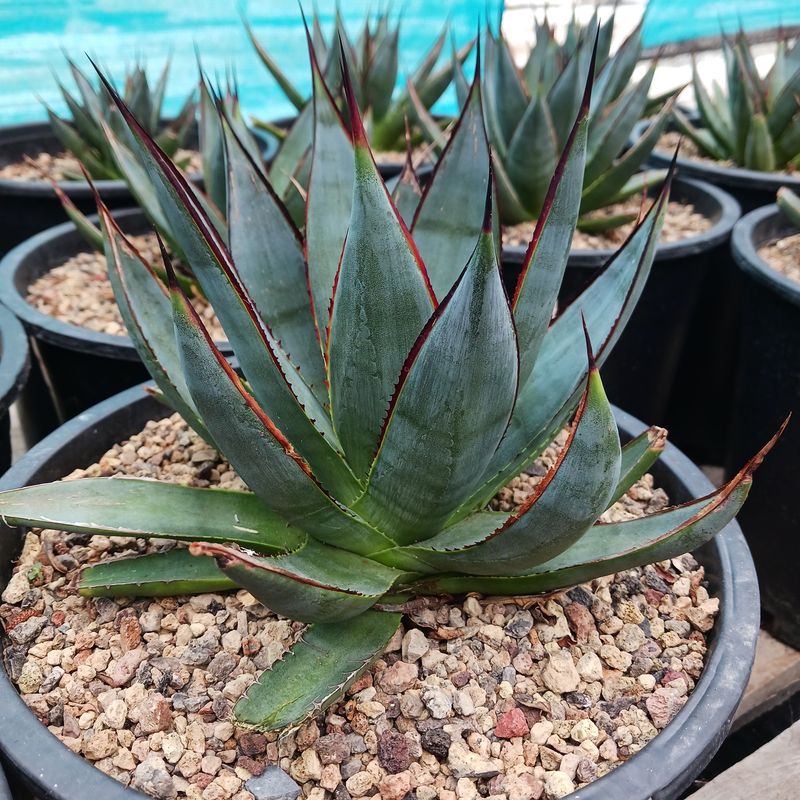
Soggy soil is one of the fastest ways to cause problems for agave plants, especially after a long Texas winter. When spring arrives, the first thing to check is whether your soil drains properly.
Standing water around the base of an agave is a serious warning sign that should not be ignored.
Agave roots need oxygen to stay healthy. When soil stays wet for too long, roots can begin to rot, and the plant will struggle to recover.
Texas soils vary widely across the state, from sandy loam in the Hill Country to heavy clay in parts of North Texas. Heavy clay soil holds moisture much longer than agaves prefer.
If your soil is on the heavier side, there are easy ways to fix it. Mixing coarse gravel or decomposed granite into the planting area improves drainage quickly.
You can also plant your agave on a slight mound or raised bed so water flows away from the roots naturally.
Another smart trick is to add a layer of gravel on top of the soil around the base of the plant. This helps prevent moisture from sitting right against the crown, which is the most vulnerable part of the agave.
Even in drier parts of Texas, spring rains can surprise you. Good drainage does not just protect the roots. It also helps the plant maintain a firm, upright structure.
When roots are healthy, the whole plant looks better. Starting spring with well-draining soil sets your agave up for a strong and healthy growing season ahead.
2. Full Sun Exposure
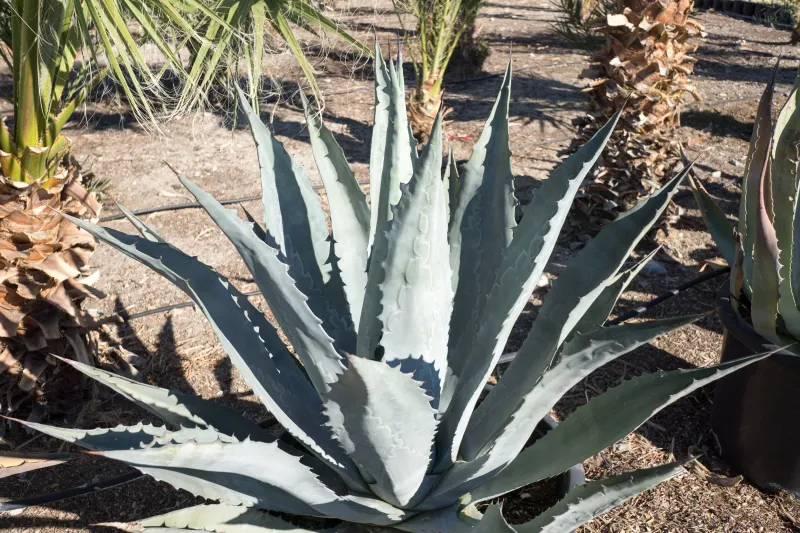
Most agave varieties are sun lovers, plain and simple. They evolved in open, sun-drenched landscapes, and Texas gives them plenty of that.
Spring is actually the perfect time to look around your yard and make sure nothing is blocking the light your agave needs to stay compact and well-shaped.
Agaves need at least six to eight hours of direct sunlight every day. When they do not get enough sun, something called etiolation can happen.
Your Texas Garden Changes Every Week. Your Plan Should Too.
Gardening in Texas changes quickly throughout the season. Every Friday you’ll receive a simple weekly plan showing exactly what to plant, prune, fertilize, harvest, and protect so you never miss the right timing.
This is when the plant starts stretching outward or upward in search of light, which causes it to lose its tight, symmetrical shape. Once an agave stretches, it is hard to fix.
As spring moves forward, trees and shrubs around your garden begin to leaf out. What was once an open, sunny spot in winter might suddenly become shaded by late spring.
Walk around your garden on a sunny day and watch where the shadows fall at different times of the morning and afternoon.
If a nearby plant is starting to crowd your agave, this is the right time to trim it back or move the agave to a sunnier location. Transplanting in early spring is much easier on the plant than doing it in the heat of a Texas summer.
Full sun also helps the soil dry out faster between waterings, which is exactly what agaves prefer.
Bright light keeps the plant strong, supports healthy coloring, and encourages the bold architectural form that makes Texas agaves so striking in the landscape. Give them the sun they crave, and they will reward you with beauty all season long.
3. Careful Watering
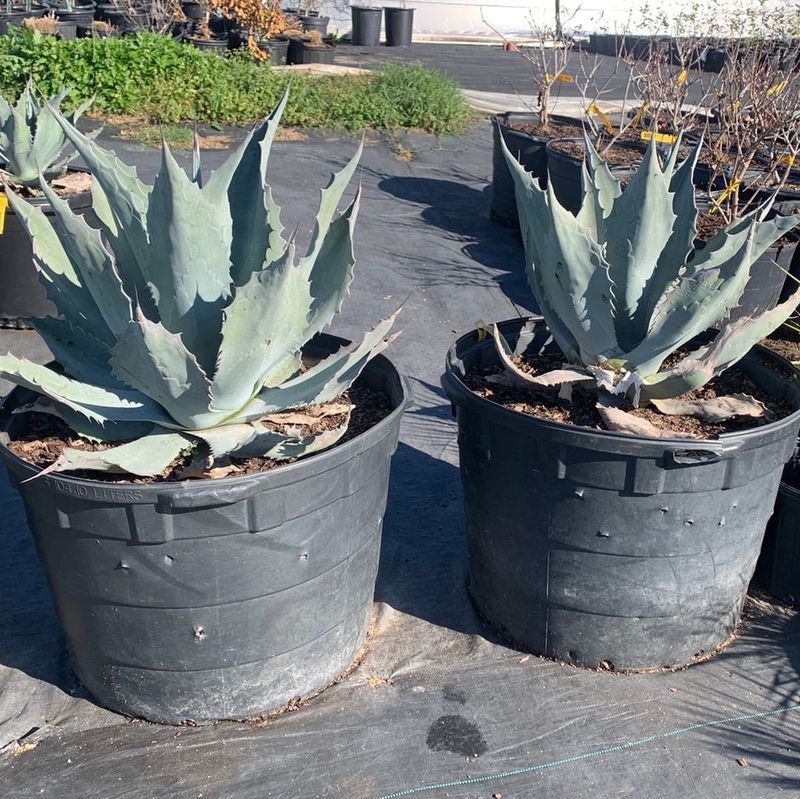
Here is something that surprises a lot of new agave growers: even drought-tolerant plants need water sometimes. Spring is when agaves shift out of their slow winter rest and begin actively growing again.
A deep, occasional watering during this time can make a real difference in how well they develop.
The trick is to water deeply but not often. When you water, soak the soil thoroughly so moisture reaches down to the roots. Then wait. The soil should dry out completely before you water again.
In most parts of Texas during spring, this means watering roughly every two to three weeks, depending on rainfall.
Overwatering is actually a much bigger problem for agaves than underwatering. Too much moisture sitting around the roots invites root rot, which can spread fast.
If you notice the lower leaves turning soft or mushy, that is often a sign the plant is getting too much water.
One helpful habit is to check the soil about two inches below the surface before watering. If it still feels even slightly damp, hold off for a few more days.
Using a moisture meter is another easy way to avoid guessing. These simple tools are inexpensive and widely available at garden centers across Texas.
Watering in the morning is also a smart move. It gives the soil time to absorb moisture before the afternoon heat kicks in.
Avoid watering at night, as cooler temperatures can slow evaporation and leave soil damp for too long. With careful watering habits in spring, your agave will build strong roots and grow with real confidence throughout the season.
4. Removal Of Dry Or Damaged Leaves
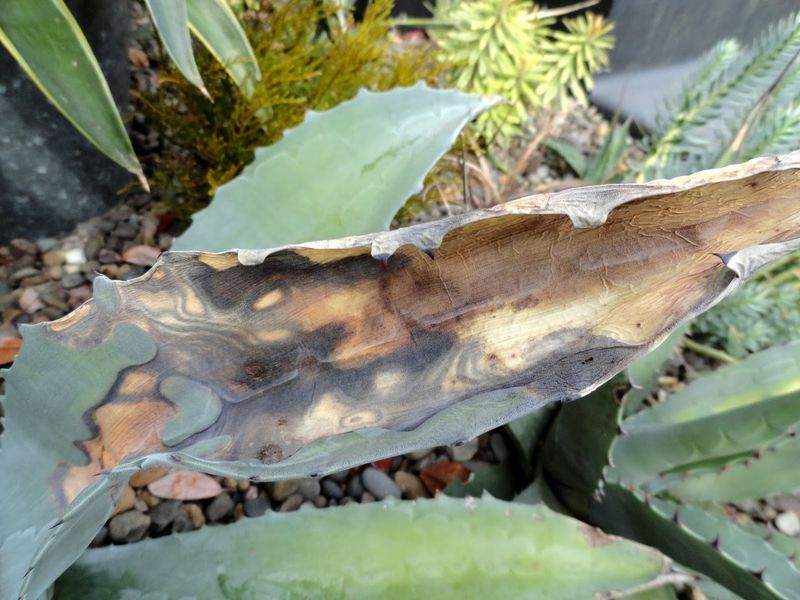
Winter in Texas can be unpredictable. One year it is mild, and the next a surprise freeze rolls through and leaves its mark on your agave.
Come spring, it is time to do a little cleanup. Removing dry, mushy, or frost-damaged leaves is one of the best things you can do for your plant at this time of year.
Dry leaves do more than just look bad. They can trap moisture against the plant, which creates a perfect environment for mold or rot to develop.
They also block airflow around the base of the agave, which the plant needs to stay healthy. Getting rid of them opens things up and helps the plant breathe.
Always wear thick gloves before you start. Agave leaves have sharp tips and sometimes serrated edges that can cause serious cuts.
Using clean, sharp pruning shears or a sturdy knife makes the job easier and reduces the risk of tearing the plant. Clean your tools with rubbing alcohol before and after to avoid spreading any disease.
When removing a leaf, cut as close to the base as possible without damaging the central core of the plant. The core, sometimes called the heart, is where all new growth comes from.
Protecting it during cleanup is very important. If a leaf is only partially damaged, you can trim the brown tip instead of removing the whole thing.
After cleanup, step back and look at the overall shape of your agave. You will likely be surprised at how much better it looks.
A clean, well-maintained plant not only looks sharp but also grows more efficiently when it is not weighed down by old, damaged growth.
5. Pup (Offset) Management
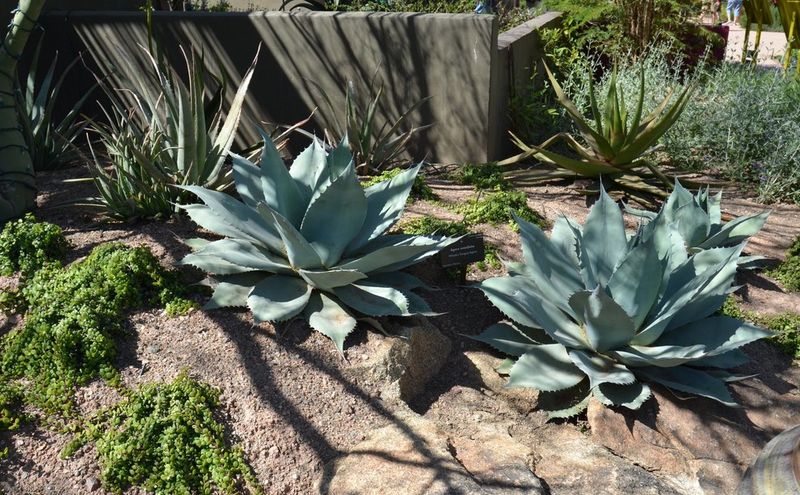
If you have ever looked at the base of a mature agave and noticed small plants crowding around it, those are called pups. They are basically baby agaves, and they pop up naturally as the parent plant matures.
Spring is the best time to decide what to do with them, and managing them well keeps your main plant looking its best.
Too many pups growing at once can make an agave look messy and crowded. They also compete with the parent plant for water, nutrients, and space.
When pups are left unchecked, the whole planting can start to look like a tangled cluster rather than the bold, sculptural statement that agaves are known for in Texas landscapes.
Removing pups in spring is straightforward. Use a sharp, clean knife or shovel to separate them from the parent plant at the root.
Try to get as much of the pup’s root system as possible. Once removed, let the pup dry out in a shaded spot for a few days before replanting. This drying period helps the cut end heal and reduces the chance of rot.
You do not have to remove every single pup. Keeping one or two around the base can create a natural, layered look that many Texas gardeners love. The key is making a thoughtful choice rather than letting them multiply without any plan.
Pups that are removed can be potted up or planted in another part of the yard. They are tough little plants that establish quickly in well-draining soil.
Sharing them with neighbors or friends is also a great way to spread the beauty of Texas agaves throughout the community.
6. Protection From Spring Rains
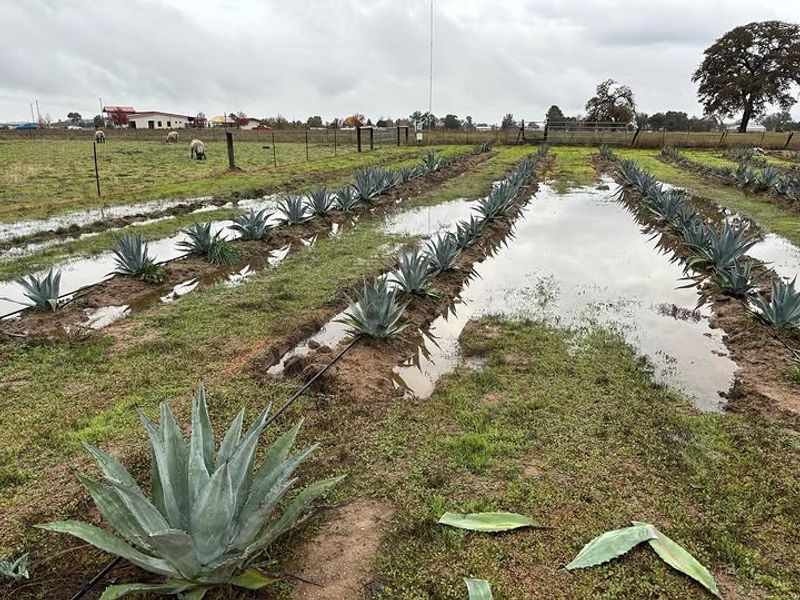
Texas springs have a personality all their own. One week it is warm and dry, and the next a series of storms rolls through dropping several inches of rain in just a day or two.
While this is great news for lawns and vegetable gardens, agaves are not big fans of getting soaked repeatedly over a short period of time.
Too much rain, especially when it comes fast and often, can overwhelm even well-draining soil. Water begins to pool around the base of the plant, and roots that sit in standing water for even a short time can start to break down.
In heavy clay soils common in parts of central and north Texas, this risk is even higher during a rainy spring.
One of the smartest solutions is to plant agaves in raised beds. Raising the planting area by just six to eight inches improves drainage dramatically.
Slopes and hillsides are also naturally good spots for agaves because water runs off rather than collecting. If you are in a flat area of Texas with poor drainage, this is worth planning for before spring storms arrive.
Container planting is another practical option. Agaves grown in pots can be moved under a covered patio or overhang during periods of heavy rainfall.
Just make sure the container has drainage holes at the bottom. A pot without drainage is just as harmful as soggy ground.
Gravel mulch around the base of the plant also helps by allowing water to pass through quickly rather than sitting on the surface.
A few simple adjustments before the rainy season hits can make a huge difference in keeping your Texas agaves healthy and thriving all spring long.