8 Small Native Trees That Are Perfect For Pennsylvania Front Yards
A front yard tree has to do a lot with limited space. It needs to look good near the house, stay manageable over time, and add real character without turning into a maintenance headache.
That is exactly why small native trees make so much sense in Pennsylvania. They bring beauty and structure to the landscape, but they also fit the local climate better than many oversized or high-maintenance options.
When a tree actually belongs in the region, it often settles in more easily and asks for a lot less fuss.
That makes these smaller natives especially appealing for front yards, where every planting choice is more noticeable. Some offer spring flowers, some bring great fall color, and some attract birds and pollinators that make the whole yard feel more alive.
Best of all, they can create that finished, welcoming look people want without overpowering the space.
For Pennsylvania homeowners who want a tree that looks good, behaves well, and brings something extra to the yard, these native choices can be a very smart fit.
1. Eastern Redbud (Cercis Canadensis)
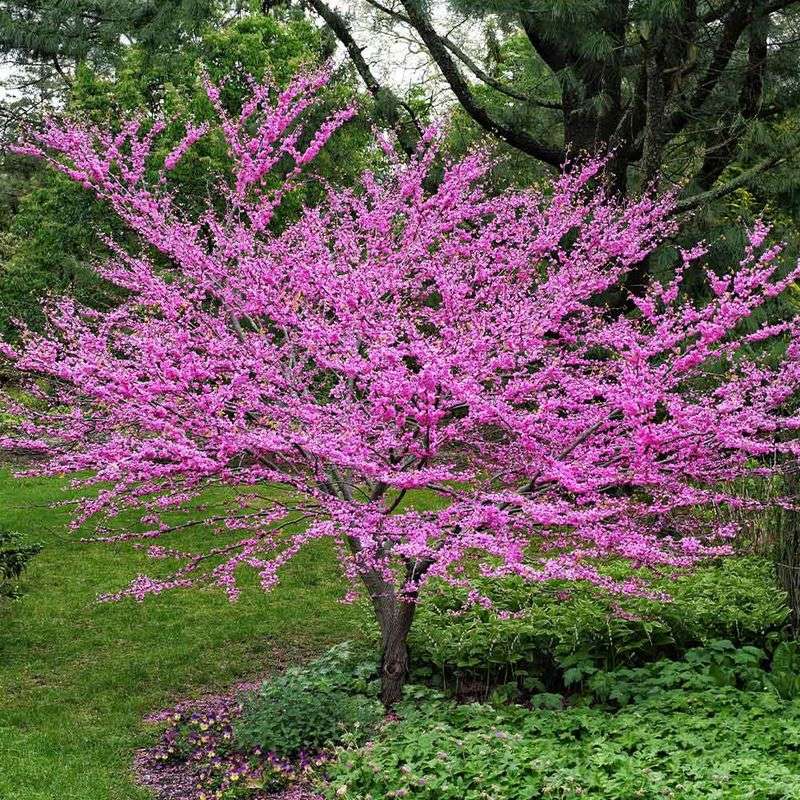
Before a single leaf appears on its branches, the Eastern Redbud puts on one of the most jaw-dropping shows in the spring garden.
Clusters of bright pink-purple flowers coat every branch from top to bottom, making it look like the whole tree has been dipped in color. It is hard to walk past one without stopping to look.
Native to Pennsylvania and much of the eastern United States, this small tree typically grows between 20 and 30 feet tall, which makes it a perfect fit for front yards without a ton of space.
It handles full sun to partial shade really well and adapts to many different soil types you might find across Pennsylvania neighborhoods. That flexibility is a big reason so many homeowners love it.
After the flowers fade, heart-shaped leaves fill in and create a full, rounded canopy through summer. In fall, those leaves turn golden yellow before dropping, giving you one last seasonal moment to enjoy.
Birds and pollinators absolutely love this tree, especially native bees that rely on early spring blooms.
Planting an Eastern Redbud near your front walkway or as a standalone focal point gives your yard a natural, welcoming feel that lasts from March all the way through November.
2. Serviceberry (Amelanchier Spp.)
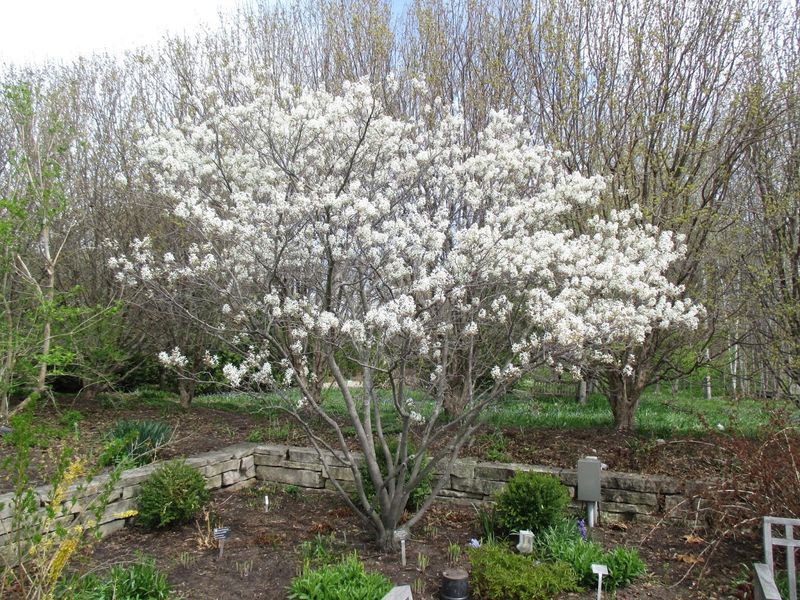
Few native trees can match the Serviceberry when it comes to putting on a show across all four seasons. In early spring, it bursts into delicate white flowers before most other trees have even woken up.
Then come summer, small red-purple berries ripen on the branches and birds flock from all over the neighborhood to snack on them.
Also called Juneberry, this tree is a natural fit for Pennsylvania front yards because it handles a wide range of conditions with ease. It grows well in full sun to partial shade and prefers moist, well-drained soil, which is common across much of the state.
Most varieties stay between 15 and 25 feet tall, so it will not overpower a modest front yard space.
Your Pennsylvania Garden Changes Every Week. Your Plan Should Too.
Gardening in Pennsylvania changes quickly throughout the season. Every Friday you’ll receive a simple weekly plan showing exactly what to plant, prune, fertilize, harvest, and protect so you never miss the right timing.
Come fall, the Serviceberry puts on another display with leaves that turn brilliant shades of orange, red, and yellow.
The berries are actually edible and taste a little like blueberries, which makes them popular with both wildlife and curious gardeners who want to try something new.
Planting one near a window or along a front path gives you a front-row seat to all that seasonal action. It is a genuinely multi-purpose tree that earns its spot in any Pennsylvania landscape every single month of the year.
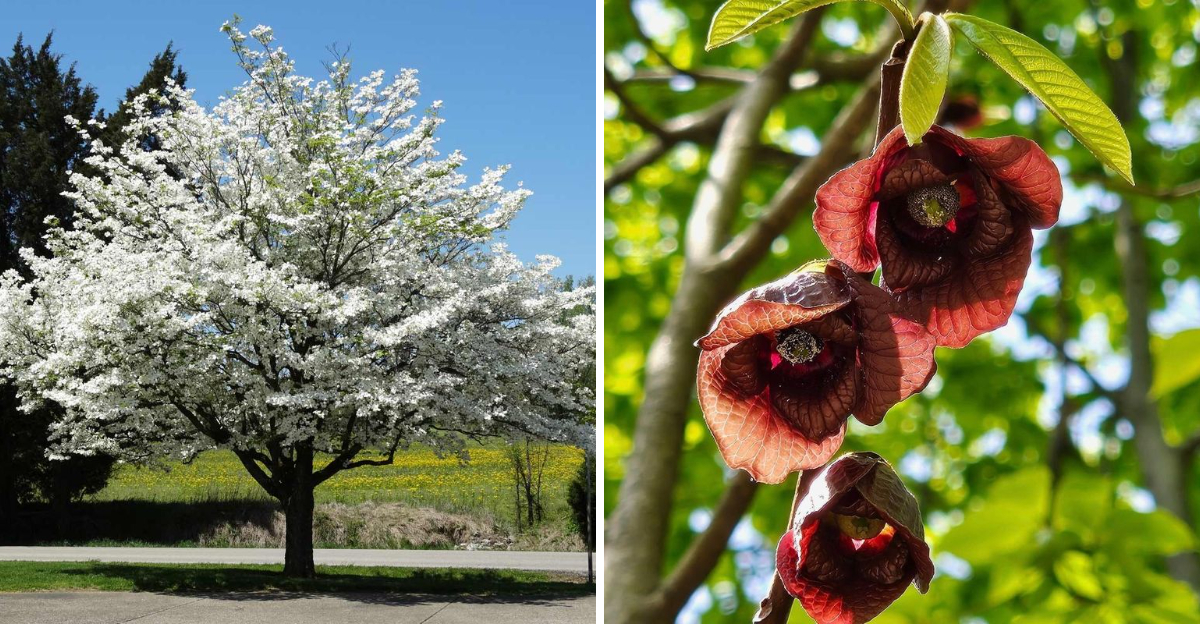
3. Flowering Dogwood (Cornus Florida)
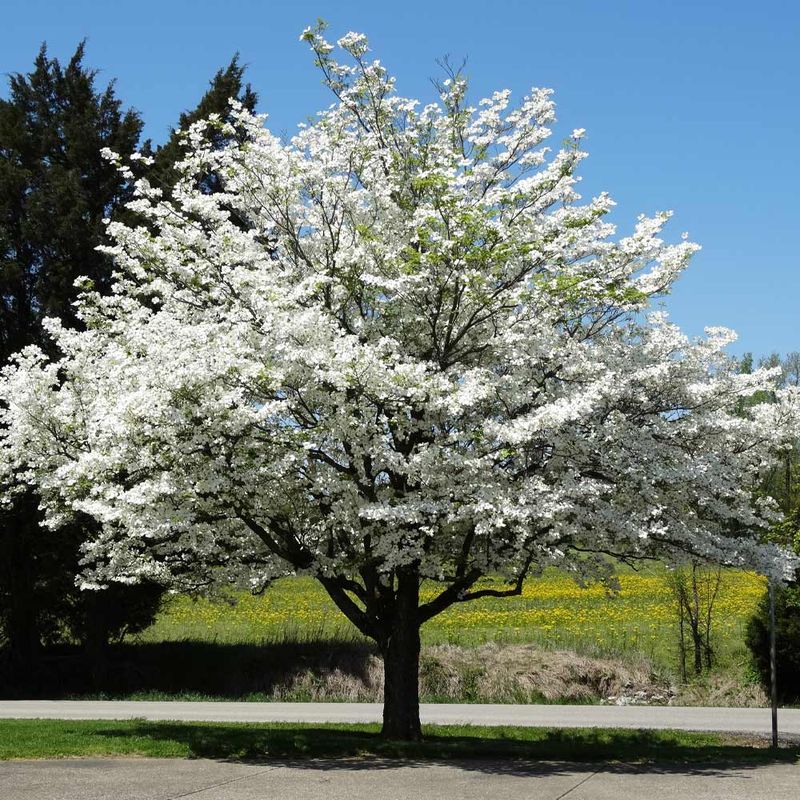
There is something almost magical about a Flowering Dogwood in full bloom. The large white or pink bracts spread wide like outstretched hands, and the whole tree glows against the pale blue skies of a Pennsylvania spring.
It has been a beloved front yard tree for generations, and for very good reason.
Native across most of the eastern United States including Pennsylvania, the Flowering Dogwood grows slowly and stays relatively compact, usually reaching between 15 and 30 feet at maturity.
That manageable size makes it ideal for smaller front yards where you still want a real statement tree. It does best in partial shade with well-drained, slightly acidic soil, which suits many Pennsylvania properties perfectly.
Beyond spring blooms, this tree keeps giving. Glossy red berries appear in late summer and fall, and they are a critical food source for migrating birds passing through Pennsylvania.
The leaves shift to deep burgundy-red in autumn before falling, capping off another incredible year. One helpful tip: avoid planting it in a spot with heavy foot traffic or compacted soil since it prefers a little breathing room around its roots.
Give it a good mulched base and moderate moisture, and the Flowering Dogwood will reward you with decades of seasonal beauty right at the front of your home.
4. American Hornbeam (Carpinus Caroliniana)
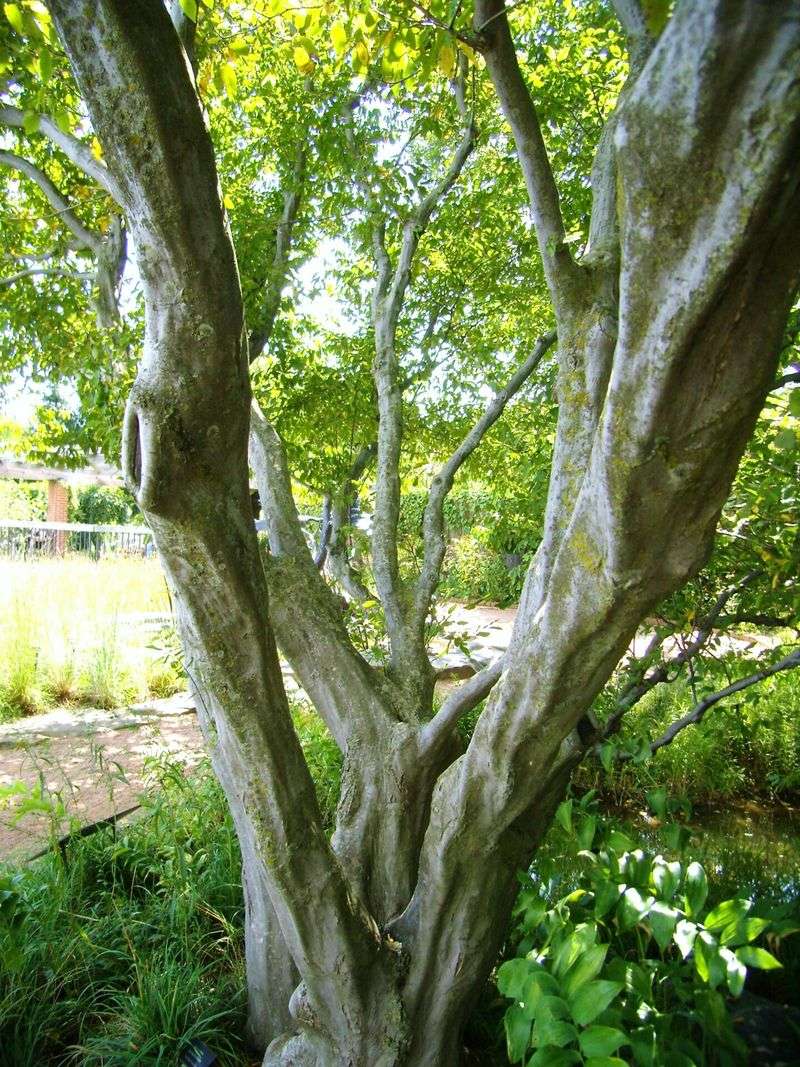
Run your hand along the trunk of an American Hornbeam and you will immediately understand why it earned the nickname musclewood. The bark is smooth and gray with a rippled, sinewy texture that looks almost like flexed muscle beneath the surface.
It is one of the most visually interesting native trees you can plant in a Pennsylvania front yard, even when it has no leaves at all.
This tree is a true understory native, which means it naturally grows beneath the canopy of larger trees in Pennsylvania forests. That makes it one of the best choices for front yards that do not get full sun all day.
It thrives in partial to full shade and prefers moist, well-drained soil, conditions that are easy to find in many Pennsylvania neighborhoods with established tree cover.
American Hornbeam grows slowly and stays relatively small, typically topping out between 20 and 35 feet. The leaves turn gorgeous shades of orange, red, and yellow in fall, adding real seasonal color to shadier spots that often miss out on fall displays.
Small nutlets on the branches feed birds and small mammals through the colder months. Because it is slow-growing, it rarely needs much pruning or shaping, which keeps maintenance low and lets you enjoy the tree rather than constantly managing it.
5. Eastern Red Cedar (Juniperus Virginiana)
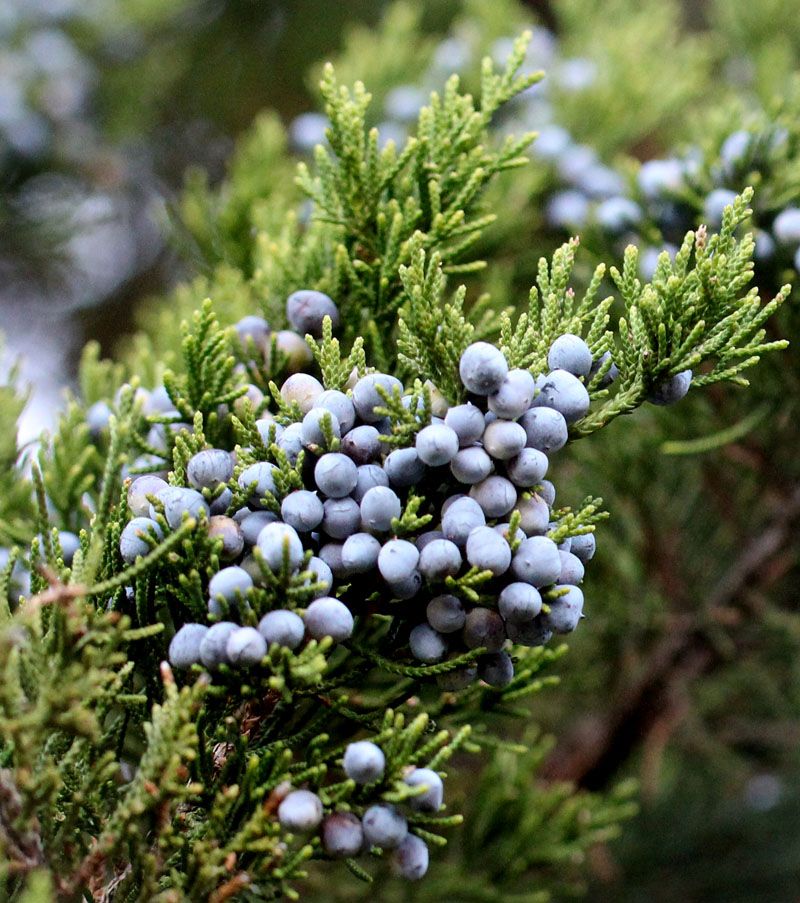
When every other tree in the neighborhood has dropped its leaves and the front yard looks bare, the Eastern Red Cedar stands tall, green, and full of life.
It is one of Pennsylvania’s most resilient native trees, and it brings year-round structure to a front yard that would otherwise look empty from November through March. That kind of evergreen reliability is hard to beat.
Technically a juniper rather than a true cedar, this native evergreen can grow quite tall if left alone, but regular pruning keeps it at a manageable size perfect for residential front yards.
It tolerates poor soil, drought, and full sun with almost no complaints, making it one of the toughest native trees available to Pennsylvania homeowners. Once established, it rarely needs extra watering or fertilizing.
The small blue-gray berries that appear on female trees are a major food source for cedar waxwings and dozens of other bird species that move through Pennsylvania each year. The dense foliage also provides excellent nesting cover and winter shelter for birds.
One fun fact: the aromatic reddish wood of this tree has been used for centuries in cedar chests and closets because it naturally repels moths.
Planting one near the front of your property gives you wildlife habitat, winter color, and a low-maintenance anchor for your whole landscape design.
6. Witch Hazel (Hamamelis Virginiana)
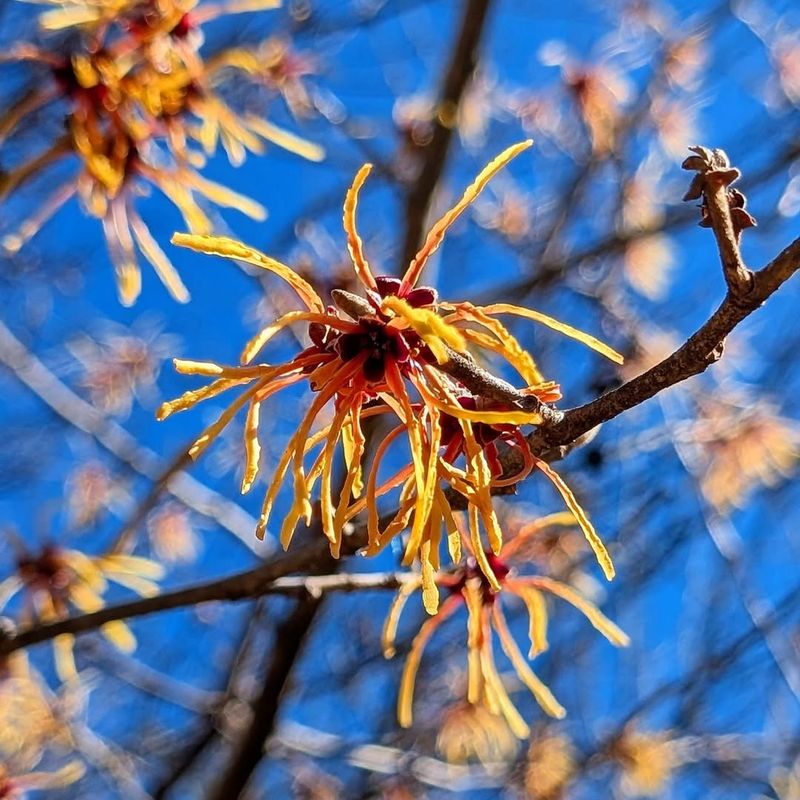
Just when the rest of the garden has called it quits for the year, Witch Hazel does something completely unexpected. It blooms.
Spidery, ribbon-like yellow flowers appear on the bare branches in late October and November, filling the cool air with a soft, sweet fragrance that catches you off guard on a quiet fall walk. No other native Pennsylvania tree puts on a show quite this late in the season.
Witch Hazel is a native shrub-like tree that typically grows between 15 and 20 feet tall, making it a comfortable fit for most front yards across Pennsylvania. It naturally grows as an understory plant in woodland edges, so it handles partial shade very well.
It prefers moist, slightly acidic soil and does not like to dry out completely, so a spot with decent moisture retention works best.
Beyond its unusual bloom time, Witch Hazel offers solid fall color with leaves turning golden yellow before they drop.
The seed pods that follow the flowers are fascinating too: they actually shoot seeds several feet away when they ripen, which is a quirky detail that makes this tree a great conversation starter with visitors.
You might also recognize the name from the drugstore shelf since Witch Hazel extract has been used in skincare products for a very long time. It is a tree with serious personality and real Pennsylvania roots.
7. Fringe Tree (Chionanthus virginicus)
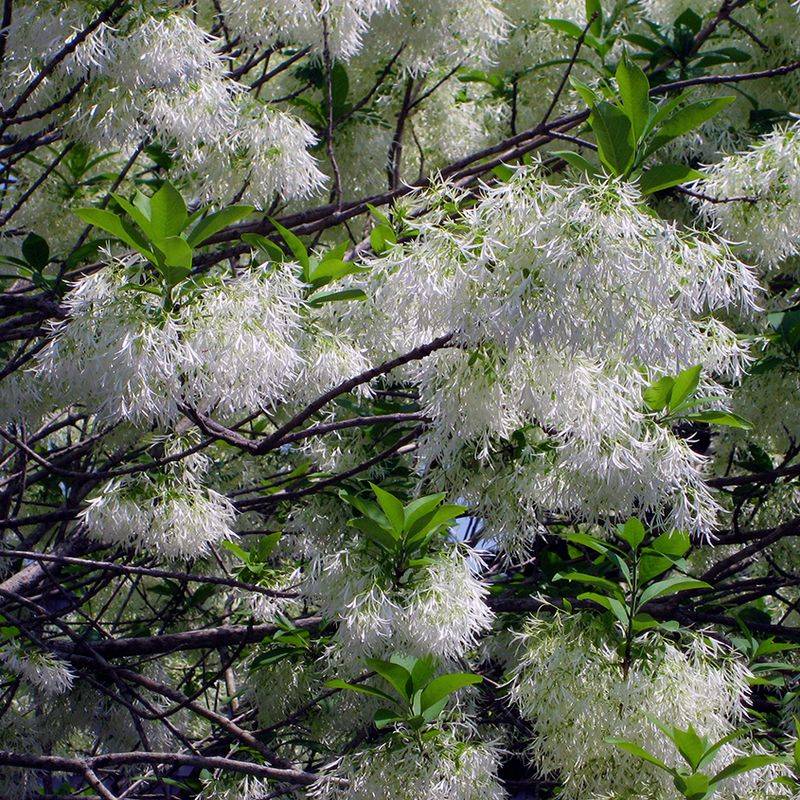
Soft, airy, and almost dreamlike in bloom, the Fringe Tree is one of those plants that makes people slow their cars down to take a second look. In late spring, it produces long, feathery clusters of white flowers that hang from the branches like delicate fringe on a fancy jacket.
The effect is genuinely stunning, and it lasts for several weeks, which is longer than many spring-flowering trees in Pennsylvania.
Also known by its scientific name Chionanthus virginicus, this small native tree usually grows between 12 and 20 feet tall. That compact size is ideal for front yards in Pennsylvania where space is limited but you still want something elegant and eye-catching.
It grows well in full sun to partial shade and prefers moist, well-drained soil with a slightly acidic pH.
After the flowers fade, small blue-black fruits develop on female trees and attract birds through late summer and early fall. The leaves turn a clean, bright yellow in autumn before they drop, giving you one more seasonal display to look forward to.
Fringe Tree is also notably adaptable to urban conditions like pollution and compacted soil, which makes it a practical pick for Pennsylvania neighborhoods with less-than-perfect growing conditions.
It grows slowly, so patience is part of the deal, but the payoff once it reaches full size is absolutely worth the wait.
8. Pawpaw (Asimina Triloba)
Walk up to a Pawpaw tree in summer and you might do a double-take. The large, drooping, tropical-looking leaves give it a bold, lush appearance that feels almost out of place in a Pennsylvania front yard, and that is exactly what makes it so interesting.
It looks exotic, but it is actually one of the most native trees you can plant in the entire state.
Pawpaw produces the largest edible fruit native to North America. The fruit tastes like a creamy blend of banana, mango, and vanilla, and it ripens in late summer to early fall right here in Pennsylvania.
Most trees grow between 15 and 25 feet tall, and they spread gradually through root suckers to form small thickets if you let them. Planting two or more trees nearby improves fruit production significantly.
It prefers partial to full shade and moist, rich, well-drained soil, making it a great candidate for front yards with some tree cover or a sheltered spot near a building. Pawpaw also supports the zebra swallowtail butterfly, which uses it as the sole host plant for its caterpillars.
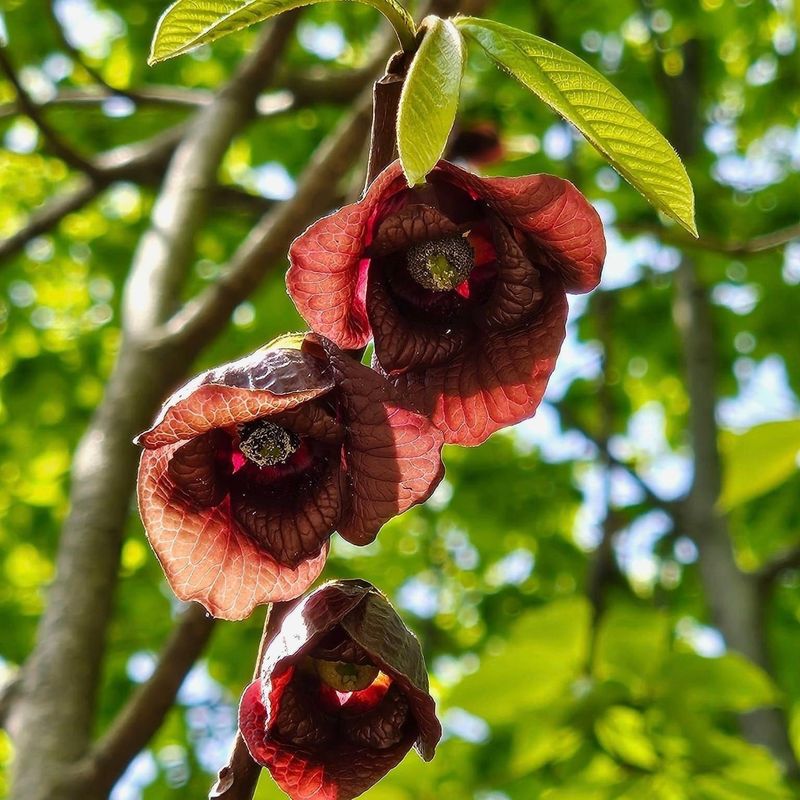
That ecological connection makes it an especially meaningful addition to any Pennsylvania landscape. The unusual flowers are maroon and bell-shaped in early spring, adding yet another layer of seasonal interest to a tree that already has plenty going for it.