Pennsylvania Perennials That Spread Gradually Without Overtaking Your Garden
You plant something gorgeous in spring, step back feeling pretty proud of yourself, and by July it has eaten three of its neighbors and is eyeing the driveway. Pennsylvania gardeners know this story a little too well.
The good news is that not every perennial comes with that kind of ambition. Some of them are genuinely chill about the whole thing, spreading just enough to look intentional without requiring weekly intervention.
That is honestly the sweet spot most gardeners are looking for, and it exists.
Pennsylvania actually has a surprisingly rich lineup of native perennials that fill in gradually, soften edges, support pollinators, and make a garden bed look like someone planned it that way.
No drama, no hostile takeovers, just steady and rewarding growth that gets better each season.
1. Wild Ginger Forms A Quiet Native Carpet
Slow and steady is the whole personality of wild ginger, and Pennsylvania shade gardeners tend to love it for exactly that reason.
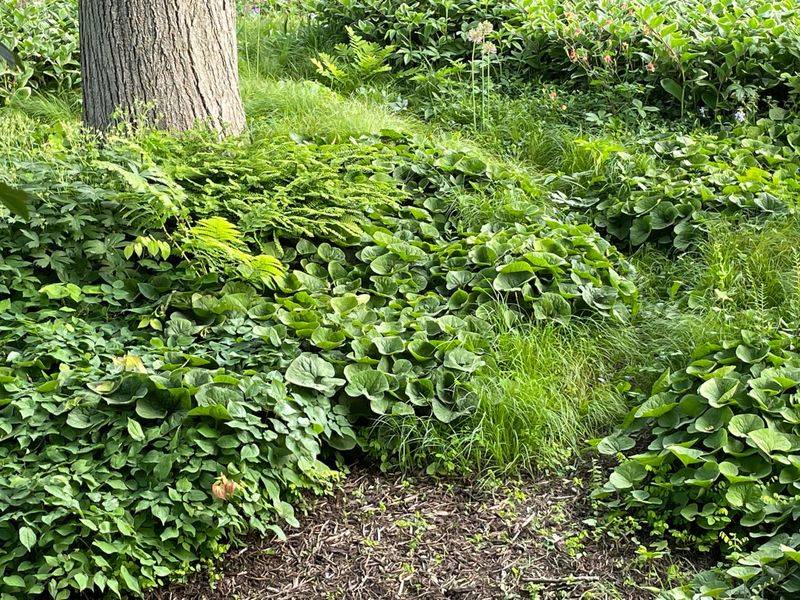
Native to woodland floors across the state, Asarum canadense spreads by underground rhizomes at a pace that feels almost polite compared to more aggressive ground covers.
It rarely causes problems for neighboring plants, and its broad, heart-shaped leaves create a rich green carpet that looks lush from spring through fall.
Wild ginger works especially well under trees or along shaded borders where grass refuses to grow and bare soil tends to look uninviting.
It handles dry shade reasonably well once established, which makes it useful in spots beneath mature trees where moisture can be scarce.
The leaves emerge in spring with a soft texture and deepen to a darker, glossy green as the season progresses.
The small, hidden flowers bloom in early spring near the soil surface and are easy to miss, but pollinators that forage close to the ground still find them. Wild ginger rarely needs dividing unless you want to spread it to a new area.
In Pennsylvania gardens, it tends to behave itself for years without demanding much attention at all.
2. Creeping Phlox Brings Bright Color To Sunny Spots
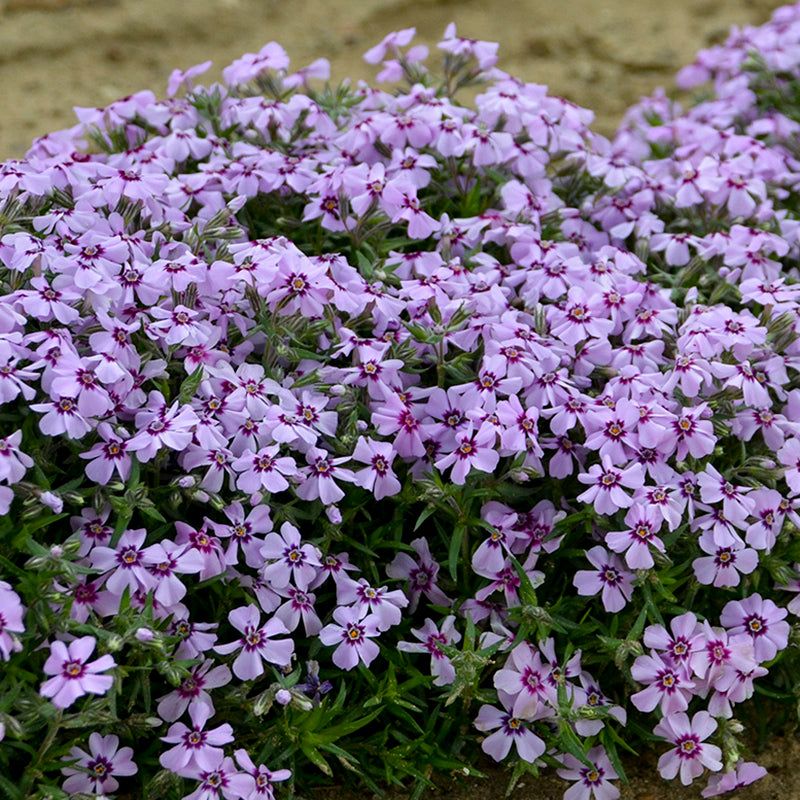
Few spring sights in a Pennsylvania garden hit quite as hard as a mat of creeping phlox in full bloom, tumbling over a rock wall or spilling along a sunny border edge.
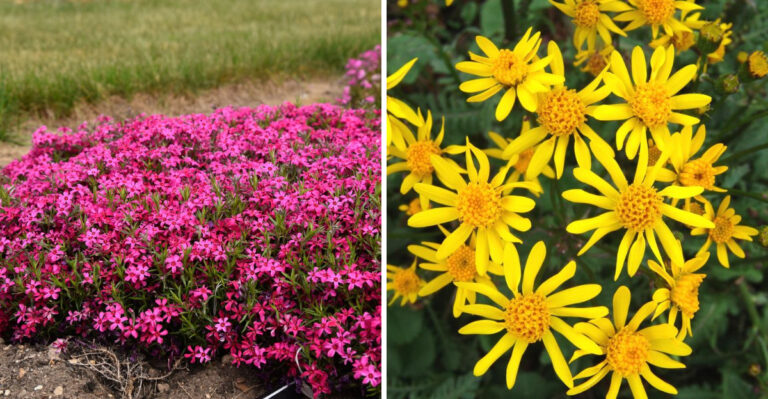
Phlox subulata is a low-growing native that forms a dense, needle-leaved mat and bursts into color in April and May with blooms ranging from white to pink to lavender.
It spreads outward gradually from its center, filling in gaps without climbing over taller neighbors.
Sunny, well-drained spots suit creeping phlox best. Rocky slopes, raised beds, and border edges where drainage is reliable tend to be where it performs most consistently.
In heavier or wetter Pennsylvania soils, it can thin out in the center over time, but occasional division and replanting refreshes it easily.
After blooming, the foliage stays semi-evergreen through much of the Pennsylvania winter, giving the garden some visual texture even in colder months. Butterflies and early bees visit the flowers in spring, making it a useful early-season pollinator plant.
Your Pennsylvania Garden Changes Every Week. Your Plan Should Too.
Gardening in Pennsylvania changes quickly throughout the season. Every Friday you’ll receive a simple weekly plan showing exactly what to plant, prune, fertilize, harvest, and protect so you never miss the right timing.
Creeping phlox spreads at a manageable rate, typically widening by a few inches each season, which means it fills space gradually rather than rushing to take over.
3. Solomon’s Seal Adds Graceful Woodland Structure
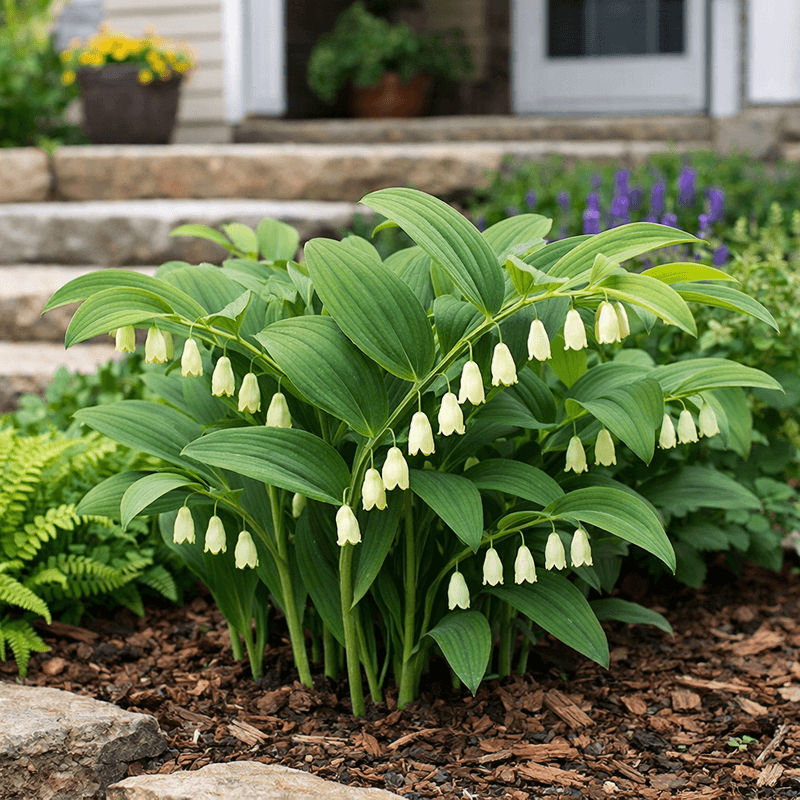
There is something almost architectural about Solomon’s seal that sets it apart from most other shade perennials.
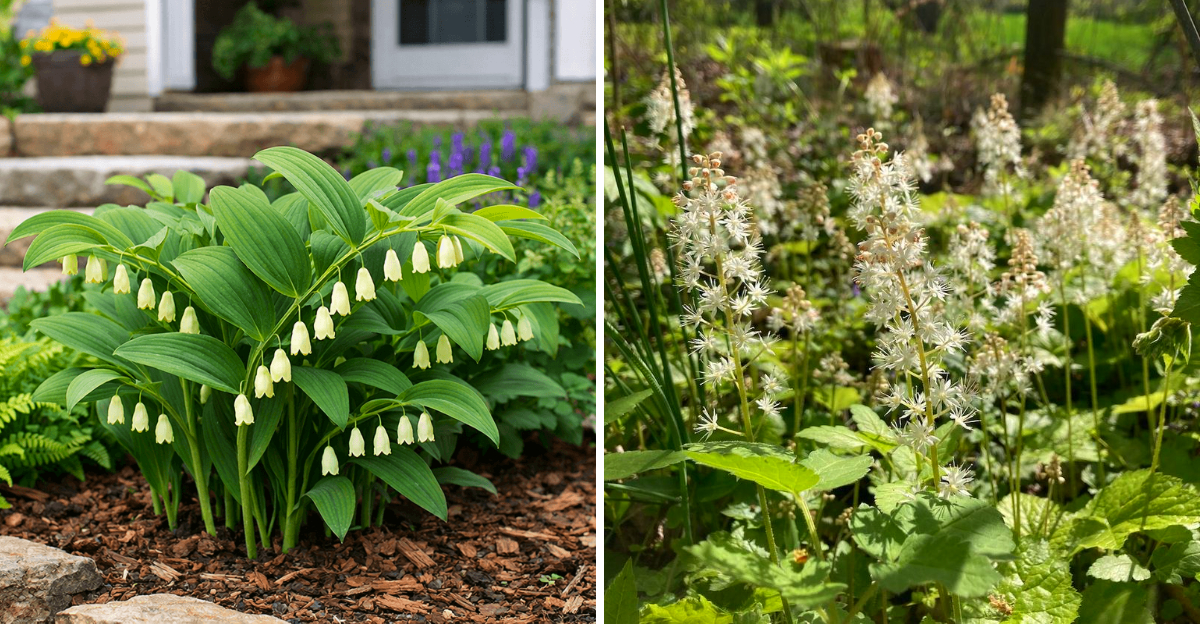
The arching stems of Polygonatum biflorum rise cleanly from the soil each spring, lined with pairs of smooth oval leaves and small white bell-shaped flowers that dangle beneath the stems like tiny lanterns.
It brings a kind of graceful structure to shaded Pennsylvania gardens that softer, mounding plants cannot quite replicate.
Solomon’s seal spreads slowly by underground rhizomes, gradually forming wider colonies over several years. It is not a fast mover, which is part of what makes it so manageable in a home garden setting.
It tends to work well alongside ferns, wild ginger, and hostas in shaded beds, adding vertical interest without crowding out its neighbors.
Moist, well-drained soil with good organic matter suits it best, and it tends to thrive in the kind of woodland conditions found in many Pennsylvania backyards with mature tree cover.
Fall brings another moment of interest when the foliage turns a warm golden yellow before fading.
Songbirds are attracted to the small blue-black berries that follow the spring flowers, adding a bit of wildlife value that goes beyond just the visual appeal of the plant.
4. Eastern Columbine Brings Light Color And Spring Charm
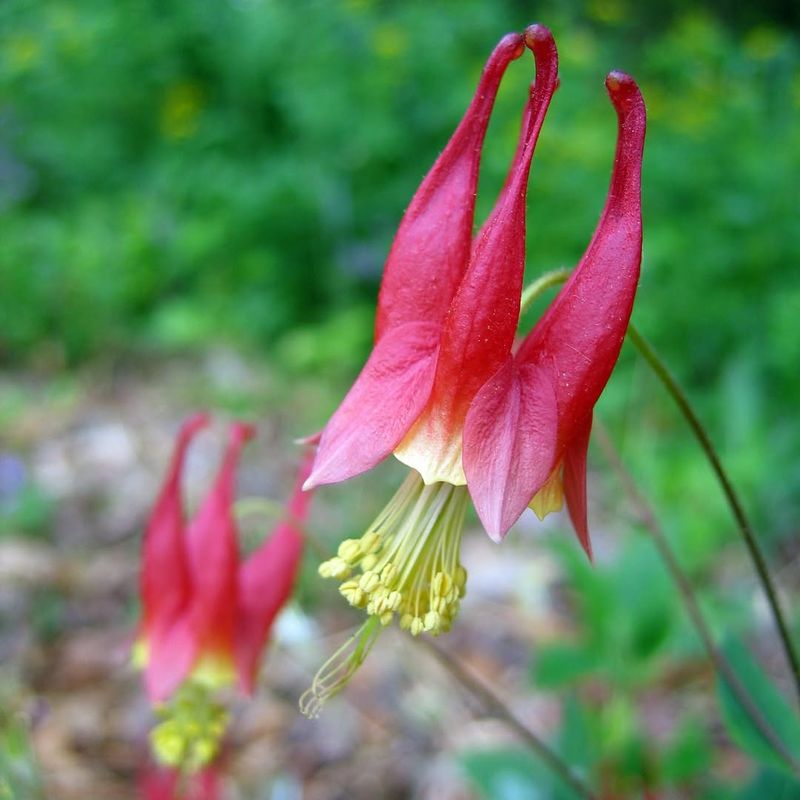
Eastern columbine has a way of making a garden feel alive in spring before most other perennials have fully woken up.
Aquilegia canadensis is a Pennsylvania native with nodding red and yellow flowers that attract hummingbirds and long-tongued bees from the moment they open in April and May.
The flowers dangle from slender stems above lacy, blue-green foliage that stays attractive long after blooming ends.
Rather than spreading by underground runners, eastern columbine self-sows lightly, allowing new seedlings to pop up in nearby spots over time. This creates a gentle, natural-looking spread that feels organic rather than aggressive.
Unwanted seedlings are easy to remove or relocate, giving gardeners a good amount of control over where the plant moves.
Eastern columbine is adaptable across a range of Pennsylvania growing conditions. It handles both sun and part shade, tolerates dry and rocky soils, and tends to perform well along woodland edges, in cottage-style beds, and near stone walls.
Individual plants may be relatively short-lived, but the self-sowing habit keeps the colony going without much intervention.
The combination of early color, hummingbird appeal, and easy-going spread makes it a reliable choice for Pennsylvania gardeners building a layered native planting.
5. Wild Geranium Adds Soft Beauty To Native Beds
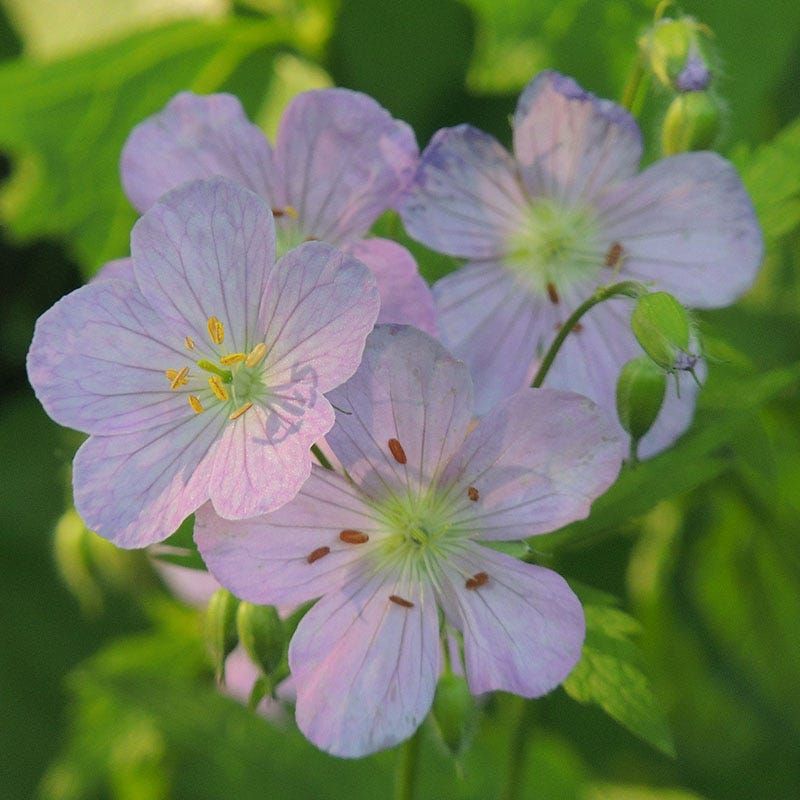
Walk through almost any Pennsylvania woodland in late April or May and you will likely spot the soft lavender-pink blooms of wild geranium nodding among the emerging foliage.
Geranium maculatum is a true Pennsylvania native that has been gracing woodland edges and shaded borders for centuries, and it brings that same quiet charm to home gardens without asking for much in return.
Wild geranium spreads gradually by both rhizomes and self-seeding, forming loose, natural-looking clumps that widen over several seasons.
It tends to blend well with other native plants rather than pushing them aside, making it a reliable companion in mixed native beds.
The deeply lobed foliage is attractive on its own and often turns reddish in fall, adding a second season of interest beyond the spring bloom.
Part shade to full shade suits wild geranium best, though it can handle some morning sun in Pennsylvania gardens if moisture is consistent.
It is reasonably tolerant of dry conditions once established, which makes it useful in spots that do not get regular irrigation.
Bees and other native pollinators visit the flowers regularly in spring. For gardeners who want a soft, naturalistic look in a shaded bed without constant maintenance, wild geranium earns its place with ease.
6. Foamflower Forms A Low Carpet Of Spring Bloom
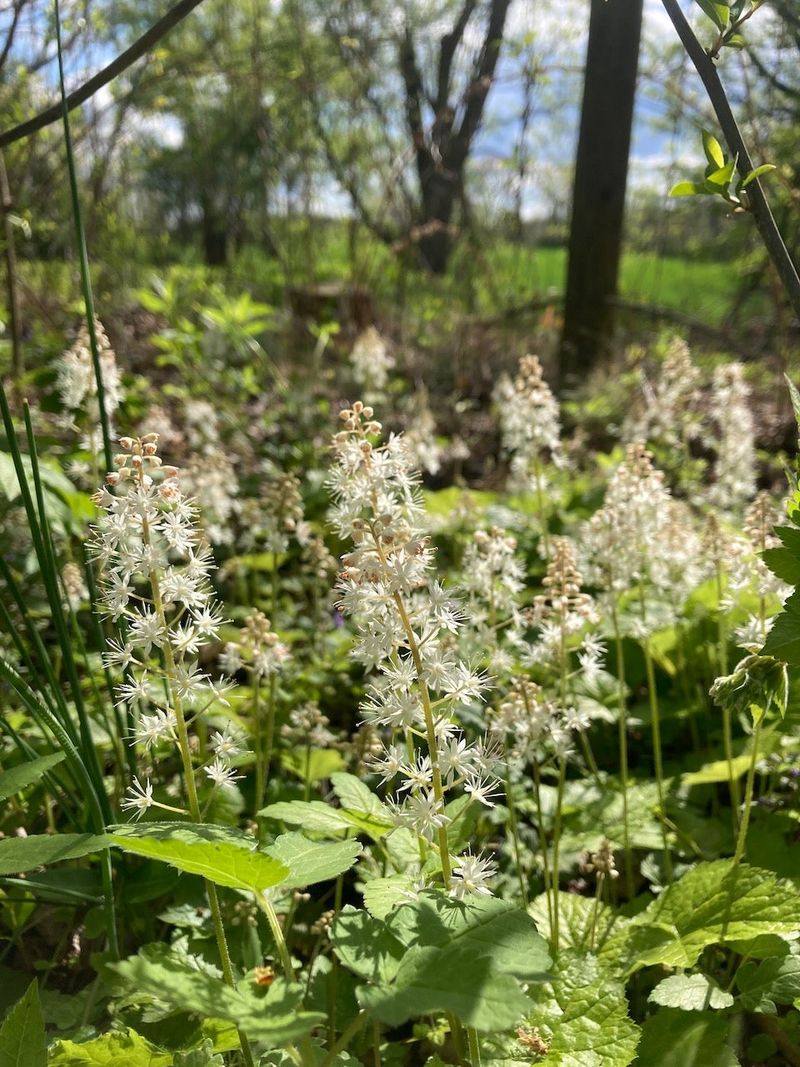
Foamflower earns its name honestly. When Tiarella cordifolia blooms in spring, it sends up frothy white flower spikes that seem to float above the foliage like a light mist settling across the garden floor.
It is one of the most charming native ground covers for shaded Pennsylvania gardens, and it has a way of making even a simple planting look carefully designed.
Native to moist woodland slopes and stream edges across Pennsylvania, foamflower spreads by stolons, sending out short runners that root and form new rosettes nearby.
The spread is gradual and easy to manage, and the plant tends to fill in gaps without smothering neighboring plants.
Some cultivated varieties spread more slowly than the straight species, so checking growth habits before planting can help match the right plant to the right space.
Foamflower prefers consistently moist, humus-rich soil and does best in shade or dappled light. It tends to struggle in dry or compacted soils, so site selection matters in Pennsylvania gardens where soil conditions can vary considerably.
The lobed, heart-shaped leaves often develop attractive reddish or purplish markings in cooler months, extending its visual interest well beyond the spring bloom period.
Native bees visit the flowers, and the low, dense growth helps suppress weeds naturally.
7. Black-Eyed Susan Brings Bold Native Color
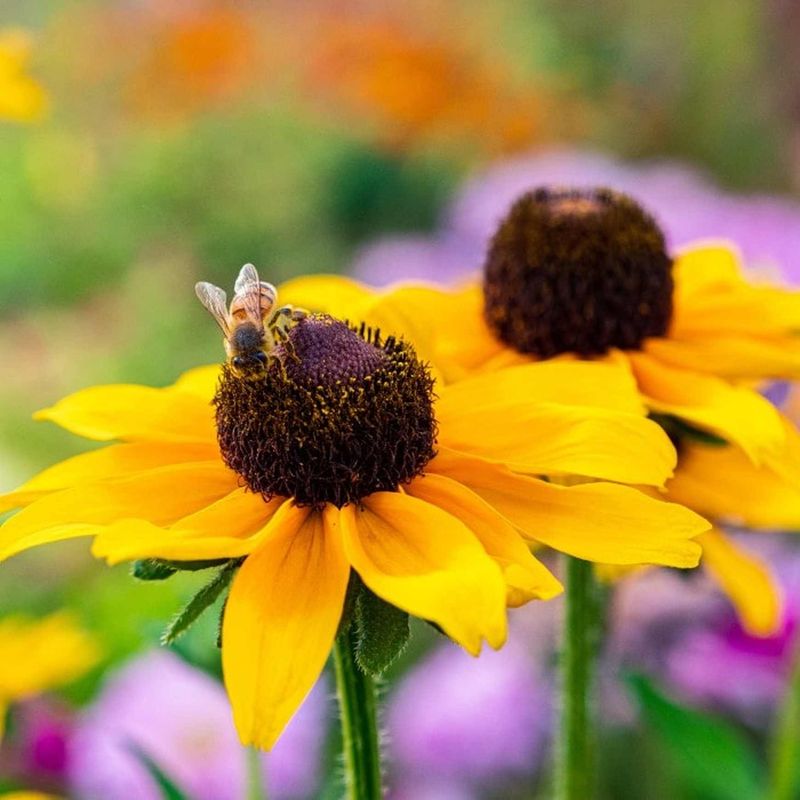
Bold, cheerful, and unmistakably summer, black-eyed Susan is one of the most recognizable native wildflowers across Pennsylvania.
Rudbeckia hirta lights up sunny borders and meadow-style beds with golden-yellow ray flowers surrounding a dark brown central cone, blooming from midsummer well into fall.
It is the kind of plant that stops people in their tracks on a garden walk.
Black-eyed Susan spreads primarily by self-seeding rather than aggressive underground runners. New plants appear near the parent each season, gradually expanding the colony in a relaxed, natural-looking way.
Thinning seedlings in spring gives gardeners control over density and placement without much effort. In a mixed native bed, this self-sowing habit helps fill gaps over time while keeping the planting looking spontaneous rather than stiff.
Full sun and well-drained soil are the conditions where black-eyed Susan performs most reliably across Pennsylvania.
It tolerates dry spells reasonably well once established and tends to thrive in the kind of hot, open borders where many other plants struggle in summer.
Bees, butterflies, and goldfinches all use the plant at different points in the season, making it a strong contributor to garden wildlife value. The seed heads that remain through winter add texture and provide food for birds during colder Pennsylvania months.
8. Bee Balm Adds Bright Blooms And Garden Energy
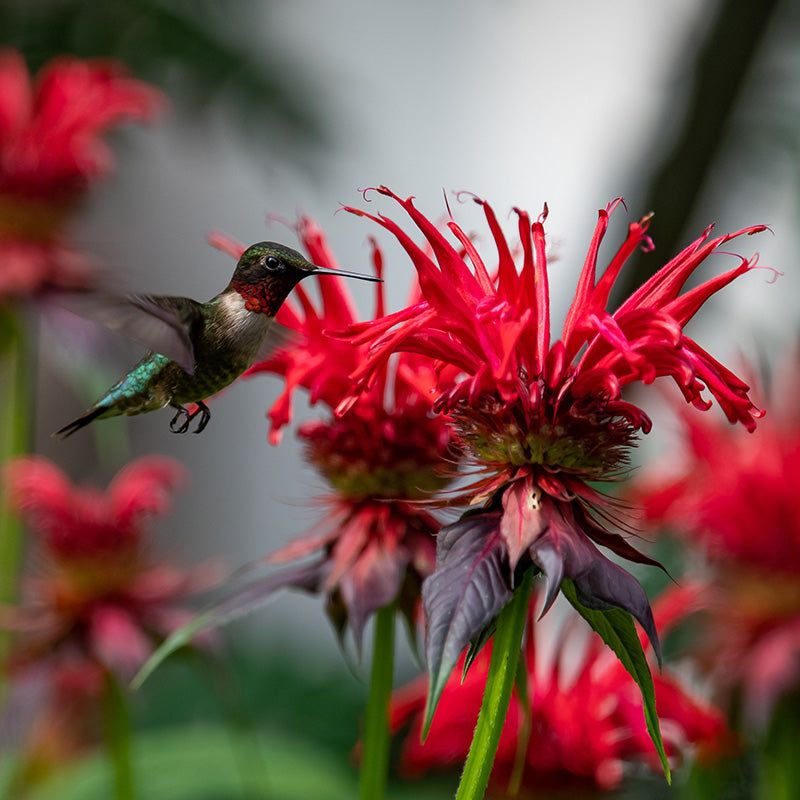
Few perennials bring as much energy to a Pennsylvania garden in midsummer as bee balm.
Monarda didyma erupts into shaggy, brilliant flower heads in shades of red, pink, and purple, drawing hummingbirds, bumblebees, and butterflies in a way that makes the garden feel genuinely alive.
The tall, upright stems and aromatic foliage give it a presence that is hard to miss from across the yard.
Bee balm spreads by underground rhizomes and can widen noticeably over a few seasons, so it benefits from occasional division every two or three years to keep it from edging into neighboring plants.
That said, it is not in the same category as truly aggressive spreaders, and in average Pennsylvania garden soil it tends to move at a manageable pace.
Dividing it in spring is straightforward and gives you extra plants to fill other spots.
Moist, well-drained soil in full sun to light shade suits bee balm best. Powdery mildew can be an issue in humid Pennsylvania summers, particularly in crowded or poorly ventilated spots, so giving plants room to breathe helps.
Native species and mildew-resistant cultivars both perform well in Pennsylvania conditions.
The combination of pollinator activity, summer color, and aromatic foliage makes bee balm one of the most rewarding native perennials to grow in a Pennsylvania garden.
9. Blue Wild Indigo Brings Strong Shape And Seasonal Interest
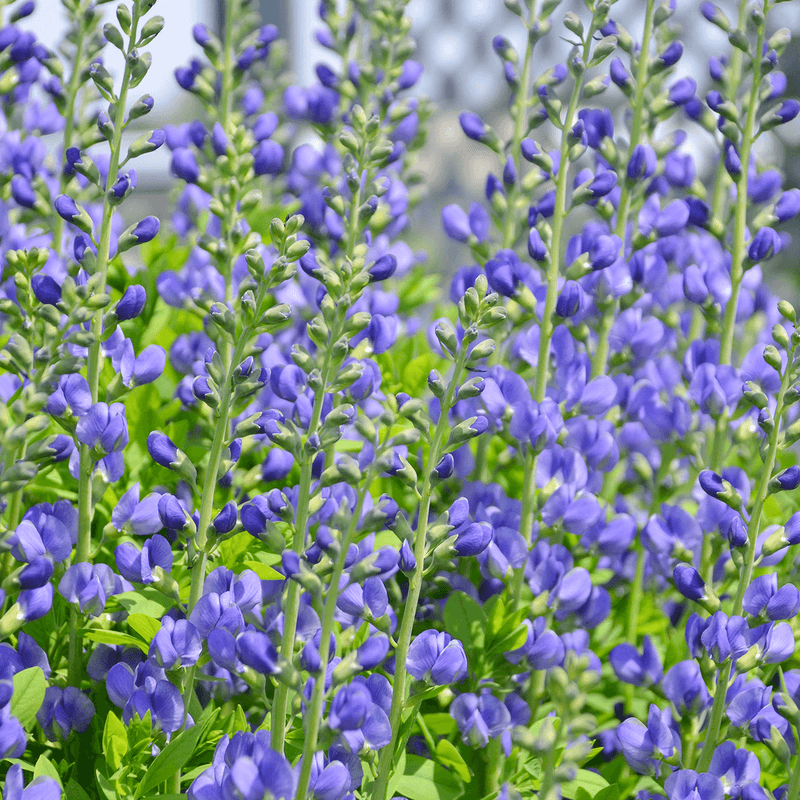
Blue wild indigo is the kind of plant that makes a statement without being loud about it.
Baptisia australis sends up tall, upright spikes of deep blue-purple, pea-like flowers in late spring, rising above a mound of attractive blue-green foliage that holds its shape well through the entire growing season.
It is one of the more structurally satisfying native perennials available to Pennsylvania gardeners.
Baptisia is slow to establish, often spending its first couple of seasons putting energy into root development rather than showy above-ground growth. Once it settles in, though, it becomes a long-lived, reliable presence in the garden.
It does not spread aggressively; instead, the clump widens very gradually over many years, making it a genuinely low-maintenance choice for gardeners who want stability in a planting.
Full sun and well-drained soil are where blue wild indigo tends to perform best in Pennsylvania. It is notably drought-tolerant once established, which is useful during dry Pennsylvania summers.
After the flowers fade, the inflated seed pods turn dark and rattle in the breeze, adding a subtle seasonal sound and visual interest through fall.
Bumblebees are particularly drawn to the flowers in spring, and the plant supports specialist native bee species as well, adding meaningful ecological value to any Pennsylvania native bed.
10. Woodland Phlox Adds Gentle Color In Shade
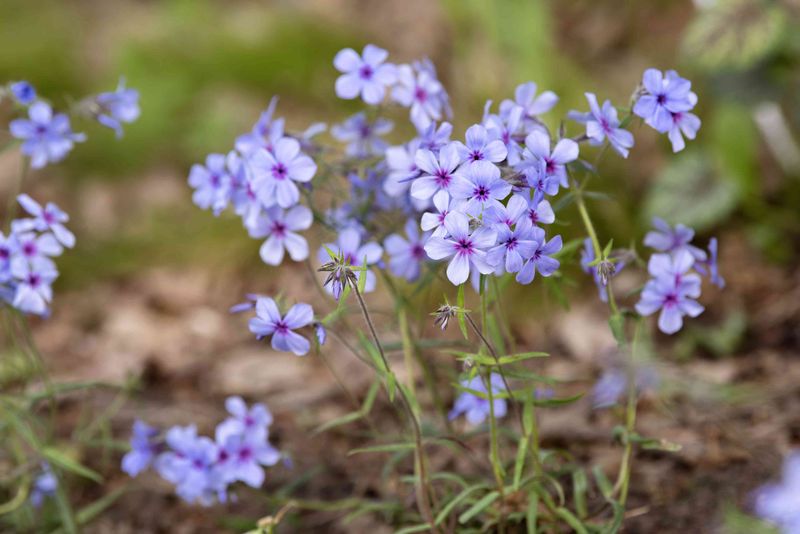
Shaded beds in Pennsylvania can feel tricky to fill with color, and that is exactly where woodland phlox earns real appreciation.
Phlox divaricata produces loose clusters of soft lavender-blue flowers on slender stems in April and May, creating a hazy wash of color beneath trees and along shaded borders that feels genuinely lovely rather than forced.
The fragrance is light but noticeable, especially on warm spring evenings.
Woodland phlox spreads by stolons and light self-seeding, gradually widening into loose, informal colonies over several seasons.
It tends to weave between other plants rather than crowd them out, which makes it a relaxed and cooperative companion in mixed shade plantings.
It works particularly well alongside wild ginger, foamflower, and Solomon’s seal in layered Pennsylvania woodland garden designs.
Moist, humus-rich soil in partial to full shade suits woodland phlox best, though it can handle brief dry spells once established.
In Pennsylvania gardens with dry summer shade, consistent moisture during the growing season helps it perform more reliably.
Butterflies and sphinx moths visit the flowers in spring, drawn by both the color and the fragrance.
After blooming, the foliage remains as a low, semi-evergreen mat that continues to provide ground coverage and some weed suppression through the remainder of the growing season.