These Texas Indoor Plants Thrive In Bright Indirect Light
Not every room in a Texas home gets full, blazing sun all day, and honestly, that can be a good thing for houseplants. Bright indirect light is one of the sweetest spots for indoor growing because it gives plants plenty of energy without the stress of harsh afternoon rays.
That makes it perfect for the kinds of spaces many people actually have, like rooms with filtered light, bright corners near windows, or spots a few feet back from a sunny exposure.
The challenge is knowing which plants will truly enjoy those conditions instead of merely putting up with them.
That is where the right picks can make all the difference. Some indoor plants absolutely flourish in bright indirect light, holding onto their color, shape, and healthy growth without demanding constant attention.
In Texas homes, where natural light can be strong but not always direct in every room, those plants can be especially rewarding to grow.
They bring life into the house, make spaces feel more inviting, and give you that lush indoor look without needing perfect conditions every hour of the day.
1. Peace Lily (Spathiphyllum)
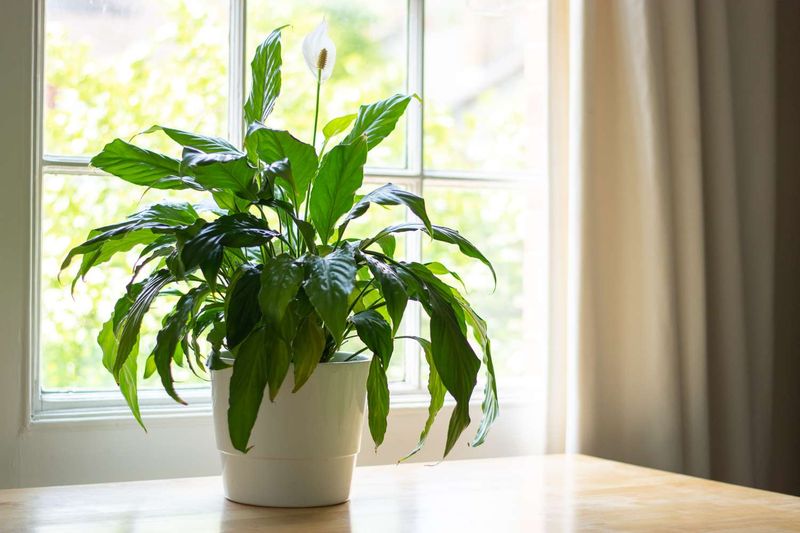
Few houseplants manage to look this elegant while being so easy to care for. The Peace Lily is a true standout in any Texas home, with its deep green leaves and those stunning white flowers that seem to glow in the right light.
It thrives in bright, indirect light, which makes it a smart pick for rooms with large windows that face east or north.
In Texas, where sunshine is plentiful, you want to keep your Peace Lily a few feet back from south- or west-facing windows. Direct afternoon sun can scorch those beautiful leaves fast. A sheer curtain can also help filter the light and keep things just right for the plant.
One thing many plant lovers appreciate about Peace Lilies is how clearly they communicate. When they need water, the leaves will droop slightly, giving you a clear signal.
Water it thoroughly and it bounces right back. They prefer consistently moist soil but do not like sitting in standing water, so always make sure your pot has drainage holes.
Peace Lilies are also known for helping improve indoor air quality. Studies have shown they can absorb certain airborne toxins, making them a functional and beautiful addition to your space.
They do best in temperatures between 65 and 85 degrees Fahrenheit, which aligns perfectly with the typical indoor climate of most Texas homes year-round.
If you want a low-maintenance plant with serious visual impact, the Peace Lily is a wonderful place to start your indoor garden journey.
2. Pothos (Epipremnum Aureum)
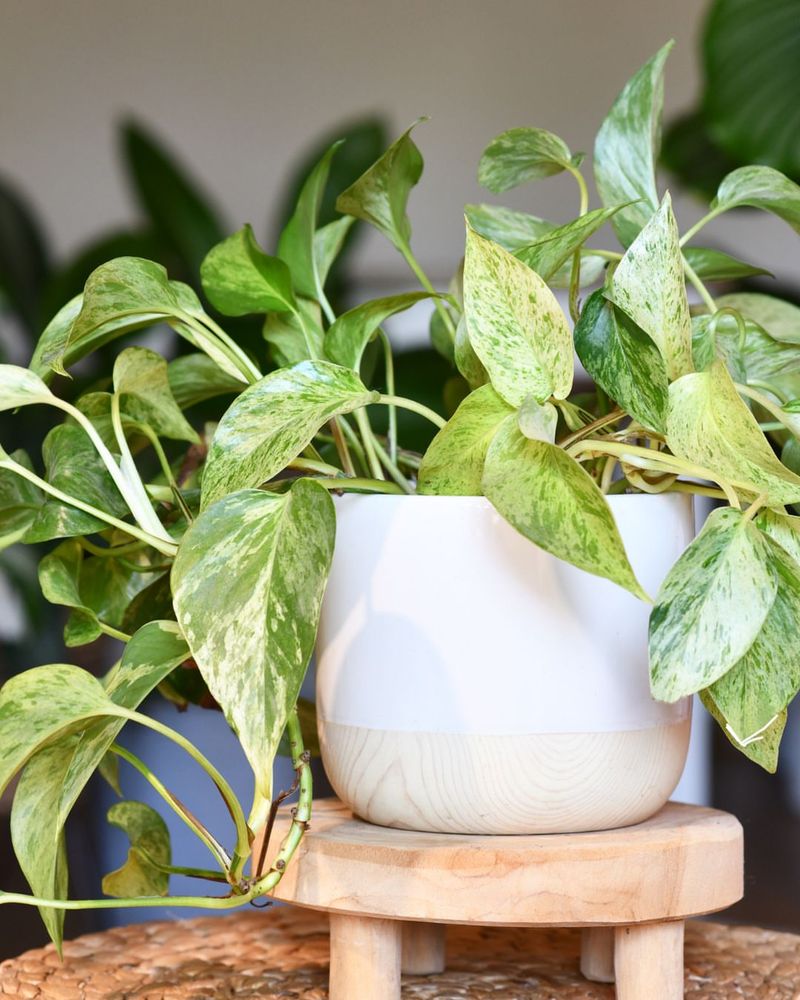
Pothos might just be the most forgiving houseplant on the planet. If you have ever forgotten to water a plant for a week or two, Pothos is the one that will still be smiling at you when you walk back in the room.
Popular in Texas homes across the state, this trailing vine thrives in bright, indirect light and grows surprisingly fast once it settles into its spot.
Your Texas Garden Changes Every Week. Your Plan Should Too.
Gardening in Texas changes quickly throughout the season. Every Friday you’ll receive a simple weekly plan showing exactly what to plant, prune, fertilize, harvest, and protect so you never miss the right timing.
The heart-shaped leaves come in several varieties, from classic golden-green to bright neon or deep dark green. Place it on a shelf near a bright window and watch the vines cascade down beautifully.
It also works great in hanging baskets, which are a popular choice for Texas porches that get filtered light through patio covers.
Pothos adapts well to different indoor environments, but it truly shines with consistent bright, indirect light. In lower light, it will still grow but the leaf patterns may fade.
Keeping it near a window that gets good morning light is a solid strategy for most Texas rooms.
Watering is simple. Let the top inch or two of soil dry out between waterings and then give it a good drink.
Overwatering is the most common mistake new plant parents make with Pothos, so less is more when it comes to moisture. Fertilize lightly during the spring and summer growing season for best results.
Fun fact: Pothos vines can grow several feet long indoors, making them one of the most dramatic and satisfying plants to grow in any Texas home.
3. Spider Plant (Chlorophytum Comosum)
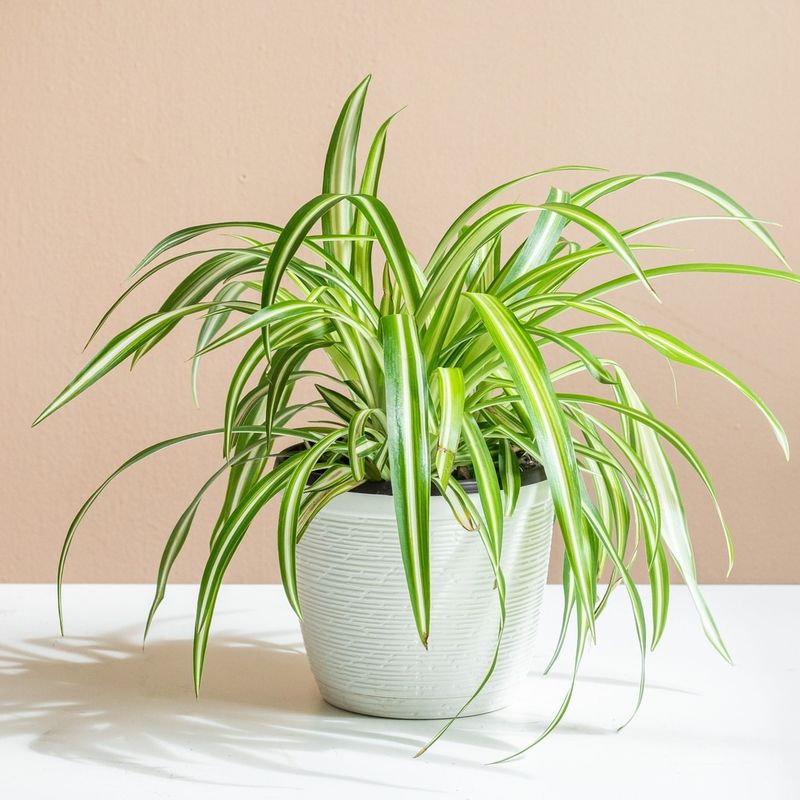
There is something almost playful about the Spider Plant. It grows long, arching leaves with pale green or white stripes, and then sends out little offshoots called pups or spiderettes that dangle from the mother plant like tiny green passengers.
It is one of those plants that feels alive and active in the best possible way.
In Texas, Spider Plants do wonderfully in bright, filtered light. They are incredibly forgiving and can adapt to a range of indoor conditions, which makes them a top recommendation for beginners.
East-facing windows are ideal since the morning light is softer and will not overwhelm the plant. You can also place them near south-facing windows if you use a sheer curtain to soften the intensity of the Texas sun.
These plants grow quickly and produce those signature baby plants throughout the growing season. You can snip off the pups and root them in water or soil to grow brand new plants for free.
It is a fun and rewarding process that many Texas plant enthusiasts enjoy sharing with friends and neighbors.
Spider Plants prefer slightly moist soil and good drainage. Water them regularly during spring and summer, and cut back a bit in fall and winter when growth slows down.
They are sensitive to fluoride in tap water, which can cause brown leaf tips. Using filtered or distilled water can help keep the leaves looking crisp and healthy.
With minimal effort, this cheerful plant will reward you with lush, cascading growth all year long inside your Texas home.
4. Philodendron (Heartleaf Varieties)
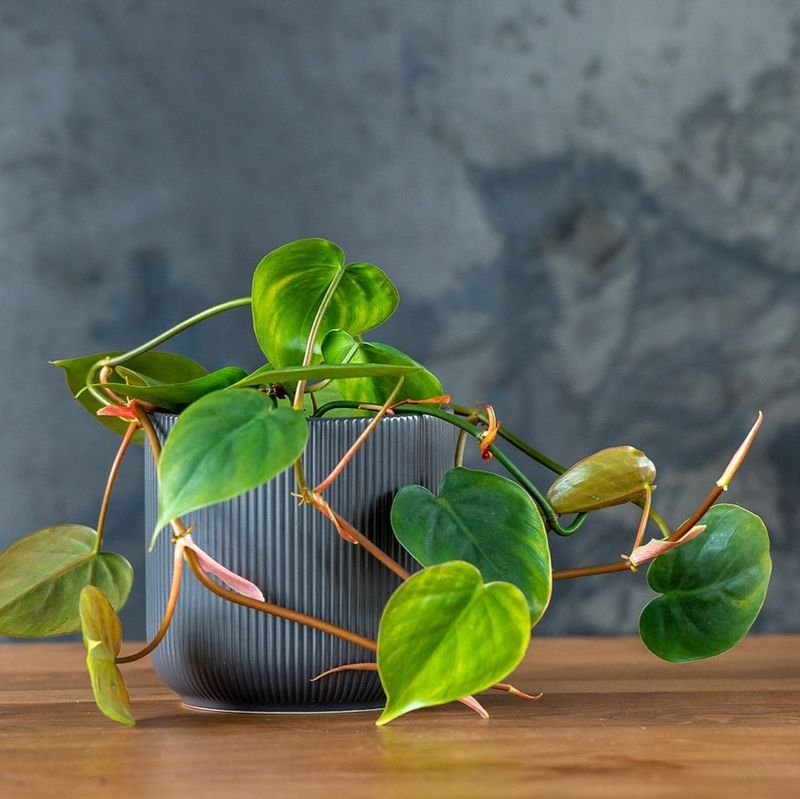
Heartleaf Philodendrons have a kind of laid-back charm that makes them impossible not to love. The leaves are soft, shiny, and shaped like hearts, which gives the plant a warm and welcoming look wherever you place it.
For anyone just starting out with houseplants in Texas, this is one of the easiest and most rewarding plants you can choose.
Bright, indirect light is where Heartleaf Philodendrons truly flourish. They can handle lower light, but the leaves will be smaller and the growth slower.
Place them near a window that gets filtered sunlight for several hours a day and you will see the vines take off quickly. In Texas homes, a bright living room or bedroom window with a light curtain is often the perfect spot.
The trailing vines can grow quite long, making them ideal for bookshelves, high cabinets, or hanging planters. You can also train them up a moss pole if you prefer a more upright look.
Either way, they add a lush, tropical feel to any indoor space without requiring much fuss from you.
Watering is straightforward. Allow the top inch of soil to dry before watering again and make sure the pot drains well.
Heartleaf Philodendrons are not heavy feeders, but a balanced liquid fertilizer once a month during the growing season will keep them looking vibrant. They prefer temperatures above 55 degrees Fahrenheit, which is rarely a concern in Texas.
With just a little attention, this plant will reward you generously with steady, beautiful growth throughout the year.
5. Calathea
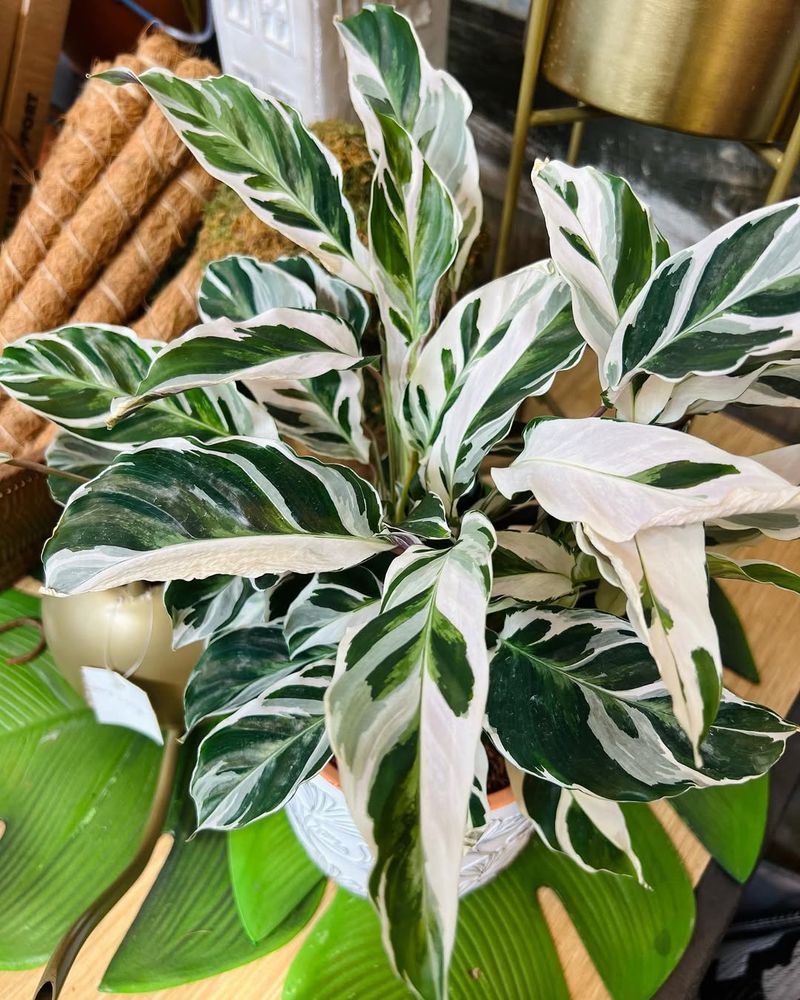
Walking past a Calathea and not stopping to admire it is nearly impossible. The leaves are like living artwork, featuring bold patterns of dark green, light green, white, and sometimes deep purple on the undersides.
Each variety looks different, and collecting them becomes a genuine hobby for many Texas plant enthusiasts who appreciate the drama these plants bring to a room.
Calatheas thrive in bright, indirect light and are very particular about their environment. Direct sunlight will bleach or damage those stunning leaf patterns, so keeping them a few feet from the window is key.
In Texas, where the sun is strong even indoors during summer afternoons, positioning matters more than you might think. A north or east-facing window usually works beautifully for these plants.
Humidity is something Calatheas love, and Texas summers can actually help with that outdoors, but indoors the air conditioning can dry things out.
Misting the leaves lightly, placing a humidifier nearby, or setting the pot on a tray of pebbles filled with water are all great ways to boost moisture around the plant.
Water your Calathea with filtered or room-temperature water when the top inch of soil feels dry. Cold tap water can stress the roots and cause leaf edges to turn brown.
These plants are known for a fun behavior called nyctinasty, where the leaves fold upward at night and open again in the morning, almost like they are saying good night.
It is one of the many reasons plant lovers across Texas find Calatheas completely fascinating and worth every bit of extra care they require.
6. Dracaena
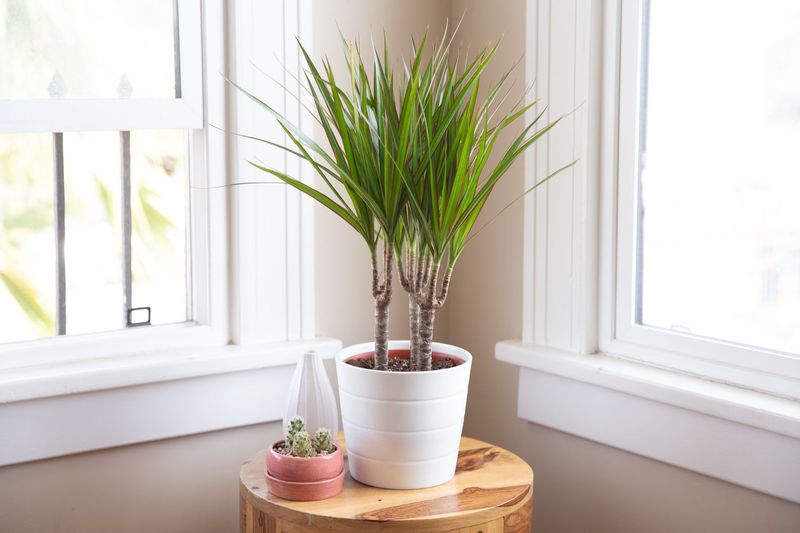
Want a plant that adds real height and structure to a room without demanding constant attention? Dracaena is your answer.
With its long, sword-shaped leaves and bold upright growth, this plant brings a modern, architectural feel to any Texas home.
There are many varieties to choose from, including Dracaena marginata, Dracaena fragrans, and the popular Dracaena corn plant, each with its own unique leaf pattern and color.
Dracaenas grow well in bright, indirect light and are quite tolerant of the typical indoor conditions found in Texas homes. They do not mind air conditioning or the occasional dry spell, making them a practical and stylish choice for busy households.
Place them near a bright window where they can soak up filtered light throughout the day, and they will reward you with steady, upward growth.
One important care tip for Dracaenas is to avoid fluoride in water. Like Spider Plants, they are sensitive to it and may develop brown leaf tips over time if watered with tap water regularly.
Switching to filtered water or letting tap water sit out overnight before using it can make a noticeable difference in leaf health.
Water Dracaenas sparingly compared to other houseplants. Allow the soil to dry out somewhat between waterings, especially during cooler months.
They are not big feeders, so fertilizing just two or three times a year during spring and summer is plenty.
Their tolerance for varying conditions and their striking visual presence make Dracaenas a consistently popular choice for plant lovers throughout Texas looking to elevate their indoor spaces.
7. Fiddle Leaf Fig (Ficus Lyrata)
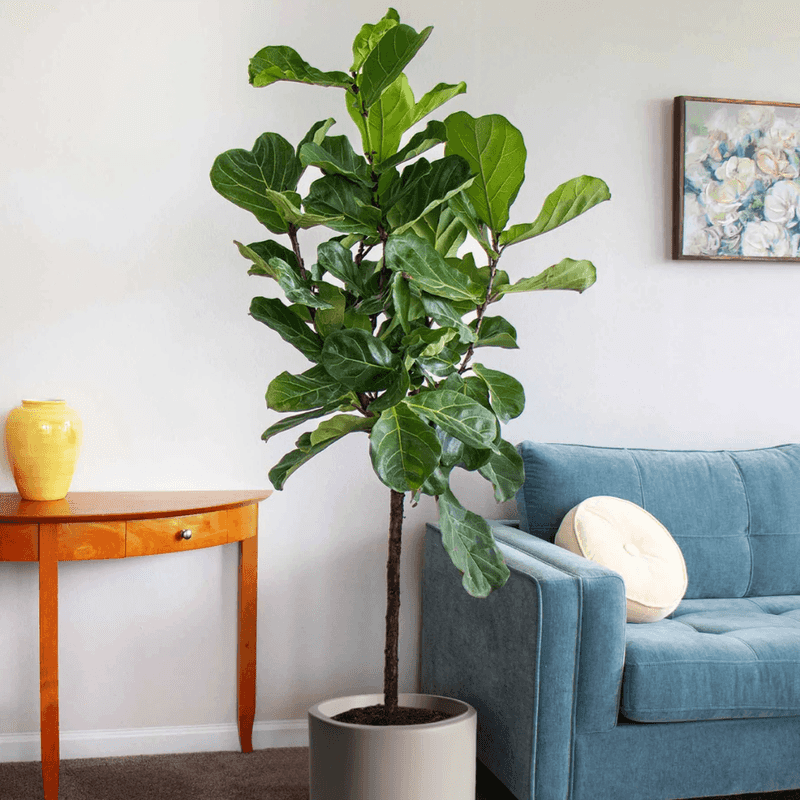
Few plants make as bold a statement as the Fiddle Leaf Fig. With its broad, violin-shaped leaves and tall, tree-like growth habit, it has become one of the most photographed houseplants on social media and for good reason. When it is happy, it is absolutely stunning.
The key to keeping it thriving in a Texas home is finding the right spot with consistent bright, indirect light.
Fiddle Leaf Figs prefer a location near a large window where they can receive several hours of bright but filtered light each day. East-facing windows are often ideal in Texas because the morning sun is gentler.
Avoid placing them where harsh afternoon sun hits the leaves directly, as this can cause brown patches and stress the plant significantly.
One thing to know about Fiddle Leaf Figs is that they do not love change. Moving them around frequently can cause leaves to drop.
Once you find a spot where the plant looks happy and healthy, try to leave it there. Rotating the pot occasionally so all sides get even light is a better approach than relocating the whole plant across the room.
Water thoroughly when the top inch or two of soil is dry, and always use a pot with good drainage.
They prefer temperatures between 60 and 85 degrees Fahrenheit and do not like cold drafts from air conditioning vents, which are common in Texas homes during the hot summer months.
Keep them away from vents and exterior doors. With the right care and placement, a Fiddle Leaf Fig can grow into a breathtaking centerpiece that transforms any Texas living space completely.