4 Texas Fruit Bushes That Produce In The First Year And 3 That Need More Time
Growing fruit at home always sounds exciting until you realize not every bush is in a hurry to reward you. Some settle in fast and start producing surprisingly early, while others take their time and test your patience before giving you anything worth picking.
In Texas, that difference matters even more because heat, soil, and weather can all affect how quickly a plant gets established.
If you are choosing fruit bushes for your yard, it helps to know which ones are likely to give you a quick payoff and which ones are more of a long game.
That kind of timing can shape your whole gardening experience. A bush that fruits in the first year can make the project feel instantly worthwhile, while a slower one may still be a great choice if you know what to expect going in.
The key is matching your expectations to the plant instead of assuming they all perform the same way. For Texas gardeners who want fresh fruit and fewer surprises, knowing who is ready to show off early and who needs a little more patience can save a lot of guesswork.
1. Blackberries (Primocane / Everbearing Varieties)
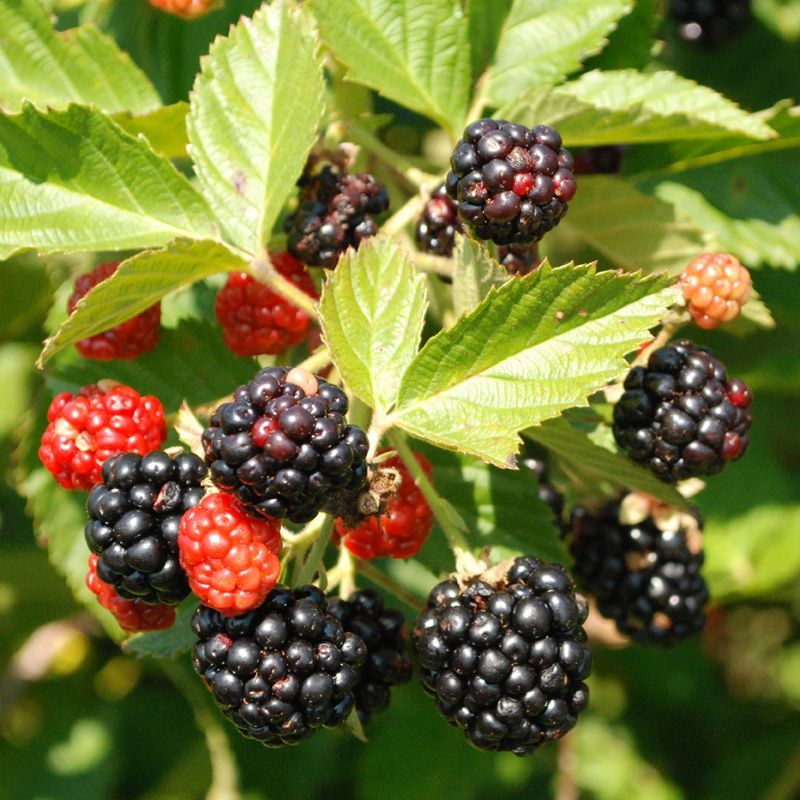
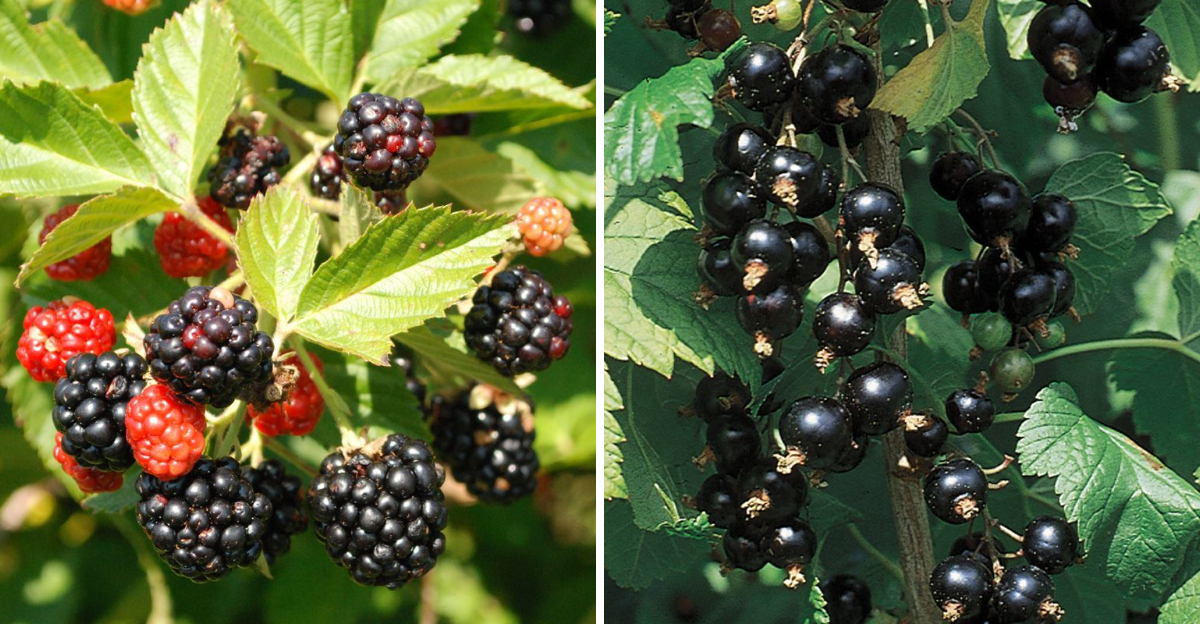
Blackberries are the undisputed champions of first-year fruit production in Texas. Primocane, or everbearing, varieties fruit on brand-new canes, meaning the same stems that grow this spring can carry berries by late summer or fall.
That is a pretty amazing deal for any Texas gardener who wants results fast. Popular varieties like Prime-Ark Freedom and Prime-Ark Traveler are well-suited for Texas conditions.
They handle heat better than most other berry plants, and they are tough enough to push through dry spells with minimal fuss. Plant them in full sun with well-drained soil, and they will reward you quickly.
One of the best things about growing blackberries in Texas is how little space they need to get started. A small raised bed or a patch along a fence works perfectly.
Water them consistently during their first few weeks to help roots settle in, and then they become surprisingly self-sufficient.
Thorny varieties tend to produce more fruit, but thornless types are easier to manage, especially for kids helping in the garden.
Either way, you should expect your first real harvest within the same growing season you plant them. That kind of quick payoff keeps Texas gardeners coming back year after year.
Mulching around the base helps keep moisture in and weeds out. A layer of pine straw or wood chips works great in most Texas soils.
With just a little care, blackberries can become one of the most productive and satisfying plants in your entire garden.
2. Raspberries (Primocane, Low-Chill Varieties)
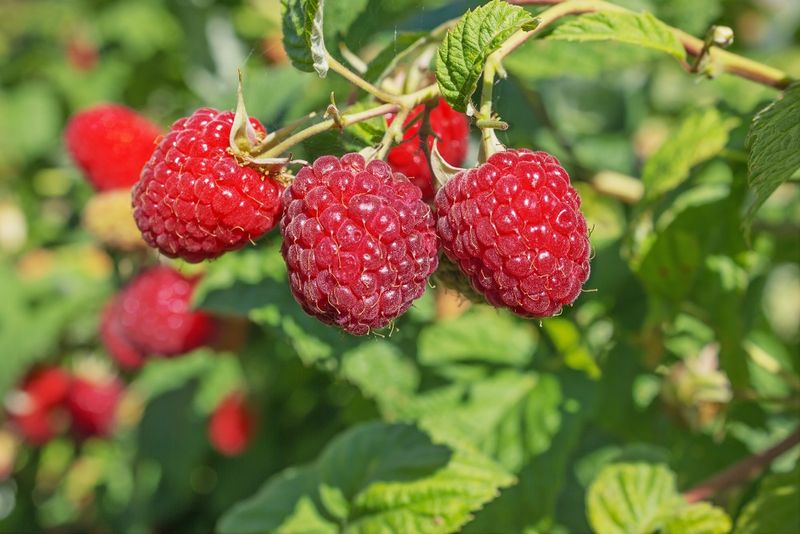
Most people assume raspberries are impossible to grow in Texas, but that is not entirely true. The key is choosing primocane types that are also low-chill, meaning they do not need long cold winters to produce fruit.
Varieties bred for warmer climates can actually surprise you with a first-year harvest if conditions are right.
Your Texas Garden Changes Every Week. Your Plan Should Too.
Gardening in Texas changes quickly throughout the season. Every Friday you’ll receive a simple weekly plan showing exactly what to plant, prune, fertilize, harvest, and protect so you never miss the right timing.
Brazos and Rosborough are two varieties that Texas A&M has studied and found to perform reasonably well in the state.
They are not as carefree as blackberries, but with the right setup, they can produce clusters of sweet, tangy berries before the summer heat really kicks in. Timing your planting for early spring gives them the best shot.
Raspberries prefer slightly acidic, well-draining soil with consistent moisture. In Texas, that often means amending your native soil with compost or peat moss.
Raised beds are a smart choice, especially in areas with heavy clay soil like parts of North Texas and the Hill Country.
Afternoon shade can be a lifesaver for raspberries during the hottest Texas summers. A spot that gets morning sun and some protection from the brutal afternoon heat tends to work best.
Without that protection, the plants can struggle and drop their flowers before fruit ever sets.
First-year yields may be modest, but do not get discouraged. Even a small harvest of homegrown raspberries in Texas feels like a real victory.
With proper pruning and care, production typically improves each following year, making the initial effort well worth it.
3. Goji Berries
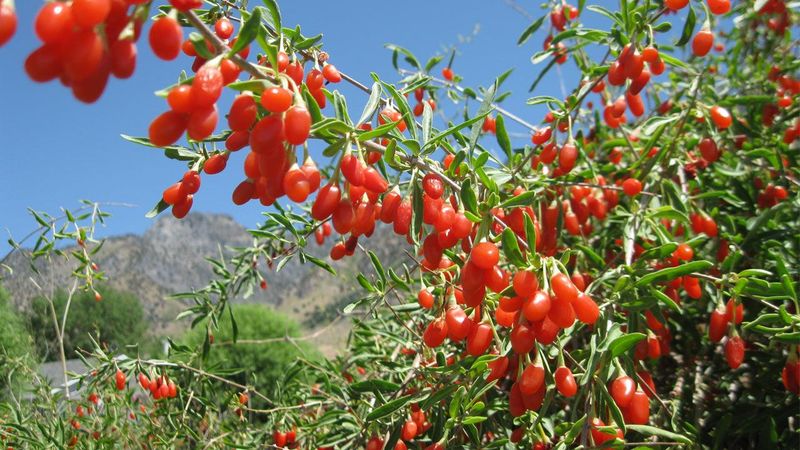
Goji berries might sound exotic, but these tough little shrubs are surprisingly well-suited for Texas growing conditions.
Native to parts of Asia, goji plants have adapted to survive heat, drought, and poor soils, which makes them a natural fit for the challenging Texas climate. Best of all, they can start producing fruit in their very first growing season.
The plants grow as woody shrubs that can reach five to eight feet tall if left unpruned. In Texas, they tend to thrive in sandy or loamy soils with good drainage.
They do not like sitting in wet soil for long periods, so raised beds or sloped garden areas work particularly well for keeping their roots happy.
Goji berries are packed with antioxidants and have been used in traditional medicine for centuries. Growing them yourself means you get the freshest possible berries, right off the vine.
The small, bright red fruits have a mildly sweet and slightly tangy flavor that many people enjoy fresh or dried.
Did you know that goji plants are actually related to tomatoes and peppers? They belong to the nightshade family, which explains why they adapt so well to warm, sunny climates like those found across much of Texas.
That botanical connection also means they respond well to similar growing techniques. Watering deeply but infrequently encourages strong root development. Once established, goji shrubs are remarkably low-maintenance.
Prune them lightly each year to encourage fresh growth and better fruit production, and your Texas garden will have a reliable, healthy berry source for many seasons ahead.
4. Strawberry Bush-Style Plantings (Grouped Plants)
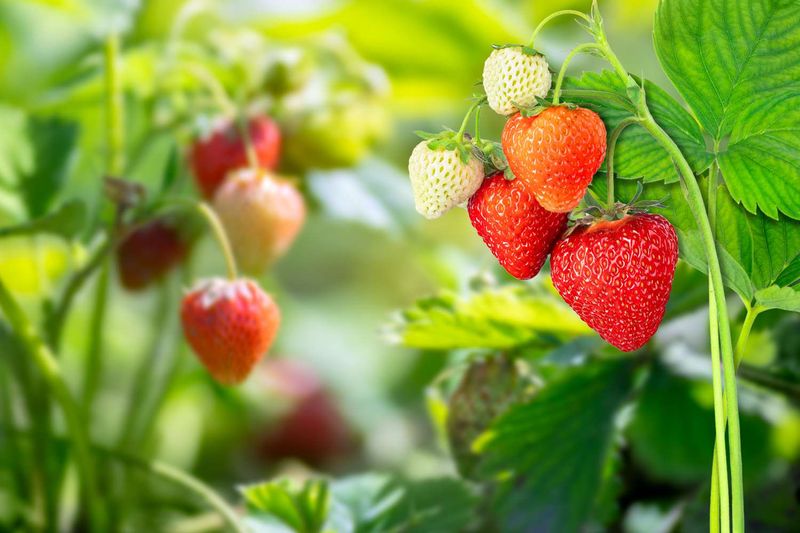
Strawberries are technically low-growing perennials, not true shrubs, but when planted in dense clusters or raised beds, they create a lush, productive fruiting mass that behaves a lot like a low-growing fruit bush.
Texas gardeners who use this grouped planting approach often find they get fruit within just a few months of putting plants in the ground. That fast turnaround is hard to beat.
Day-neutral varieties like Albion and Seascape are great choices for Texas because they produce fruit regardless of day length.
June-bearing types work well in cooler parts of the state like the Texas Panhandle, while day-neutral and everbearing types suit the warmer regions of Central and South Texas. Choosing the right variety for your area makes a real difference.
Raised beds are the gold standard for strawberry success in Texas. They allow you to control soil quality, improve drainage, and protect roots from the region’s sometimes extreme weather swings.
Fill your bed with a rich, slightly acidic mix of compost, peat moss, and garden soil for the best results.
Spacing plants about twelve inches apart encourages good air circulation and reduces the risk of fungal issues, which can be a concern in humid East Texas. Mulching between plants with straw helps keep berries clean and soil moisture steady during hot stretches.
Removing the first round of flowers from newly planted strawberries is a common recommendation.
Letting plants settle in for a few weeks before fruiting leads to stronger root systems and bigger harvests over time. A little patience early on pays off with more berries later in the season.
5. Blueberries (Southern Highbush)
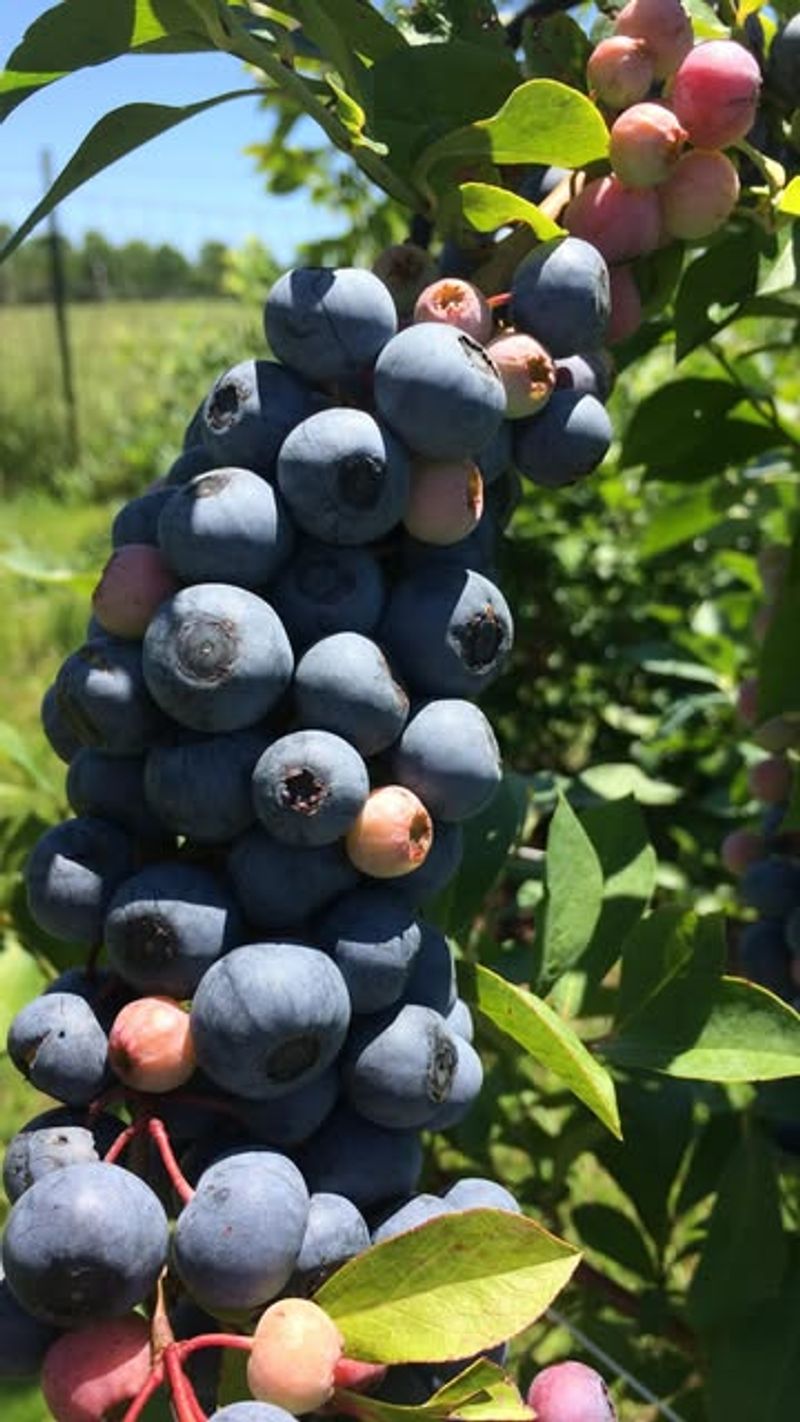
Blueberries are one of the most beloved fruit shrubs in American gardens, and Texas is no exception.
Southern Highbush varieties like Sunshine Blue, O’Neal, and Misty are specifically bred for warm climates and low-chill winters, making them the best fit for most of Texas. They are true shrubs that can live and produce for decades with proper care.
Here is the catch though: blueberries really should not be pushed to fruit in their first year. Most plant experts and Texas extension gardeners strongly recommend removing any flowers that appear during the first growing season.
It feels counterintuitive, but letting the plant focus on building roots and branches leads to much heavier harvests starting in year two or three.
Soil preparation is the most critical step when planting blueberries in Texas. They need highly acidic soil, ideally with a pH between 4.5 and 5.5.
Most Texas soils are naturally alkaline, so you will need to amend heavily with sulfur, peat moss, or pine bark mulch. Skipping this step is one of the most common reasons blueberry plants struggle here.
Planting two or more different varieties close together dramatically improves pollination and berry production. Bees do most of the work, so a garden with flowering plants nearby is a real bonus.
Full sun, consistent watering, and acidic soil are the three pillars of blueberry success in the Lone Star State.
Once established, Southern Highbush blueberries can produce pounds of fruit each season. The wait is absolutely worth it.
Think of those first couple of years as an investment that pays generous, delicious dividends for years to come.
6. Pomegranate (Shrub Form)
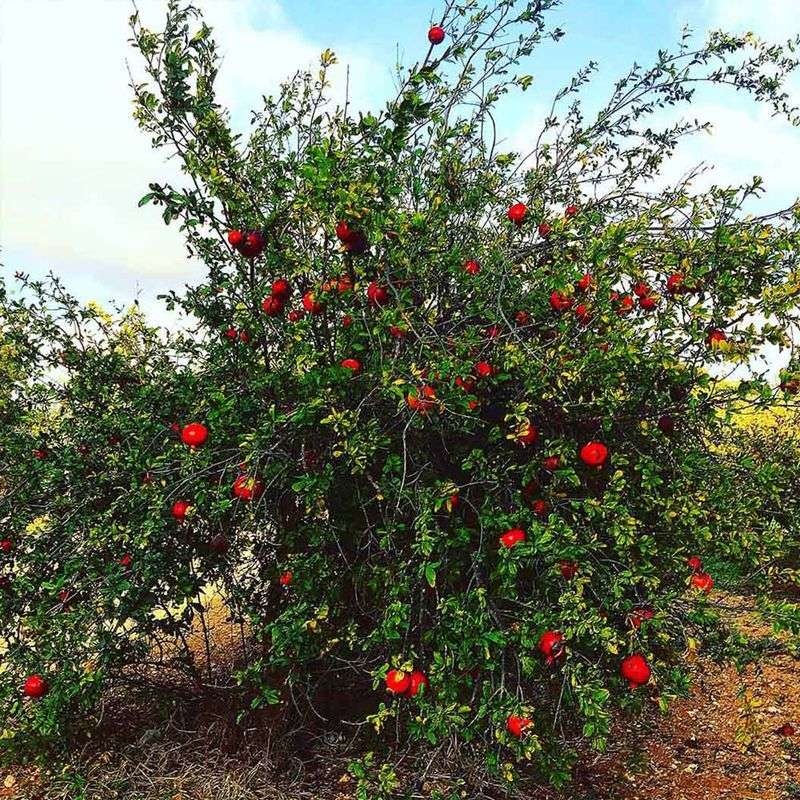
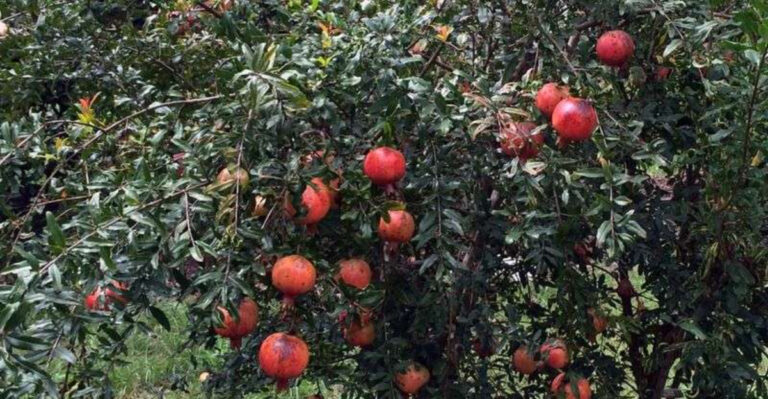
Few plants look as dramatic in a Texas garden as a pomegranate shrub covered in its signature bright orange-red flowers and deep crimson fruits.
Pomegranates have been grown in warm, dry climates for thousands of years, and they fit right in across much of Texas, particularly in Central Texas, the Hill Country, and the western parts of the state where summers are long and hot.
The honest truth about pomegranates is that they are a long-term commitment. Most plants need at least two to three years before they produce a meaningful crop of fruit.
Some gardeners report small amounts of fruit in year two, but a truly satisfying harvest usually comes in year three or beyond. Patience really is the name of the game with these beauties.
On the bright side, pomegranate shrubs are remarkably tough once established. They handle drought, heat, and poor soil conditions far better than most fruit plants.
In Texas, that kind of resilience is a huge advantage. Once your pomegranate gets settled in, it will need very little fussing compared to other fruit shrubs.
Wonderful and Salavatski are two popular varieties that perform well in Texas. They can grow eight to twelve feet tall and wide, so give them plenty of room.
Pruning them into a multi-trunk shrub form rather than a single-trunk tree makes harvesting easier and keeps the plant more manageable in a backyard setting.
Fertilize lightly in spring with a balanced fertilizer to encourage new growth. Overwatering is one of the few things that can truly set a pomegranate back.
Keep the soil on the drier side once the plant is established, and it will reward your patience with gorgeous, jewel-toned fruit.
7. Currants (Heat-Tolerant Types)
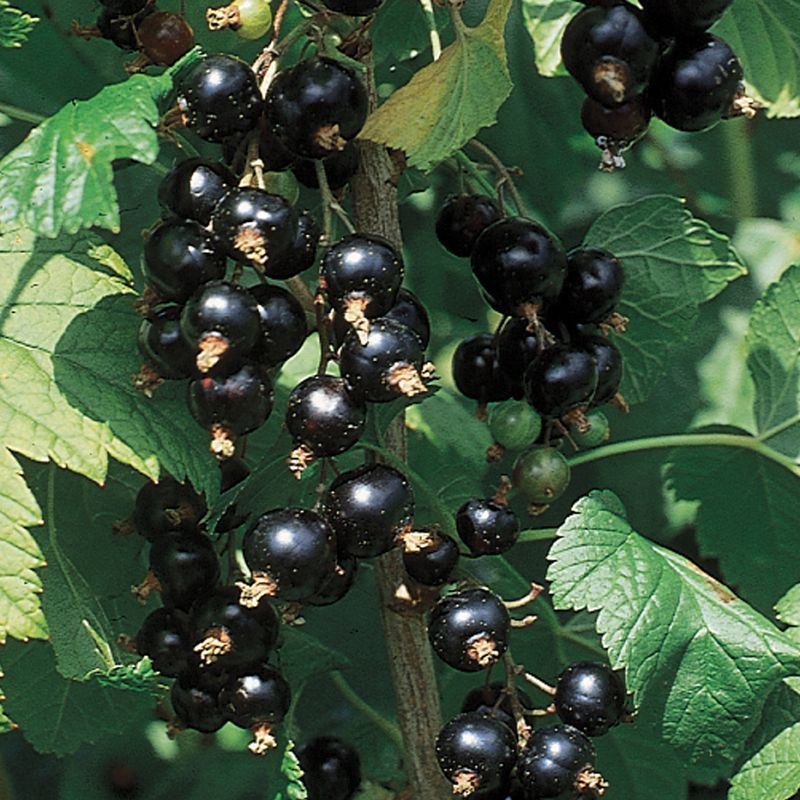
Currants are a bit of an underdog story in Texas gardening. Most traditional currant varieties were bred for cool, northern climates, which makes them a tough sell in a state known for blazing summers and mild winters.
However, a few heat-tolerant types are being tested and grown with some success in the cooler corners of Texas, like the Panhandle and parts of North Texas.
Even under the best conditions, currants are slow to establish and rarely produce fruit in their first year. Most gardeners in Texas should expect to wait at least two to three growing seasons before seeing a meaningful harvest.
That timeline can stretch even longer if the planting site gets too much summer heat or does not have enough organic matter in the soil.
Crandall clove currant is one variety that shows more promise in warmer climates than most. It has fragrant flowers, decent drought tolerance, and a somewhat more relaxed attitude toward heat than European black currant types.
Even so, it still needs some afternoon shade in Central and South Texas to avoid serious heat stress during July and August.
Soil moisture management is critical for currants in Texas. They prefer consistently moist, rich soil with good drainage.
Mulching heavily around the base of each plant helps regulate soil temperature and hold moisture through the hottest parts of the year, giving the roots a much more stable environment to grow in.
Growing currants in Texas is a project for dedicated, patient gardeners who enjoy a challenge.
The rewards, when they come, include tart, flavorful berries that are rarely found fresh in grocery stores. For the right Texas grower, that makes every bit of the effort feel genuinely worthwhile.