8 Plants To Fertilize In April In Arizona For Better Results
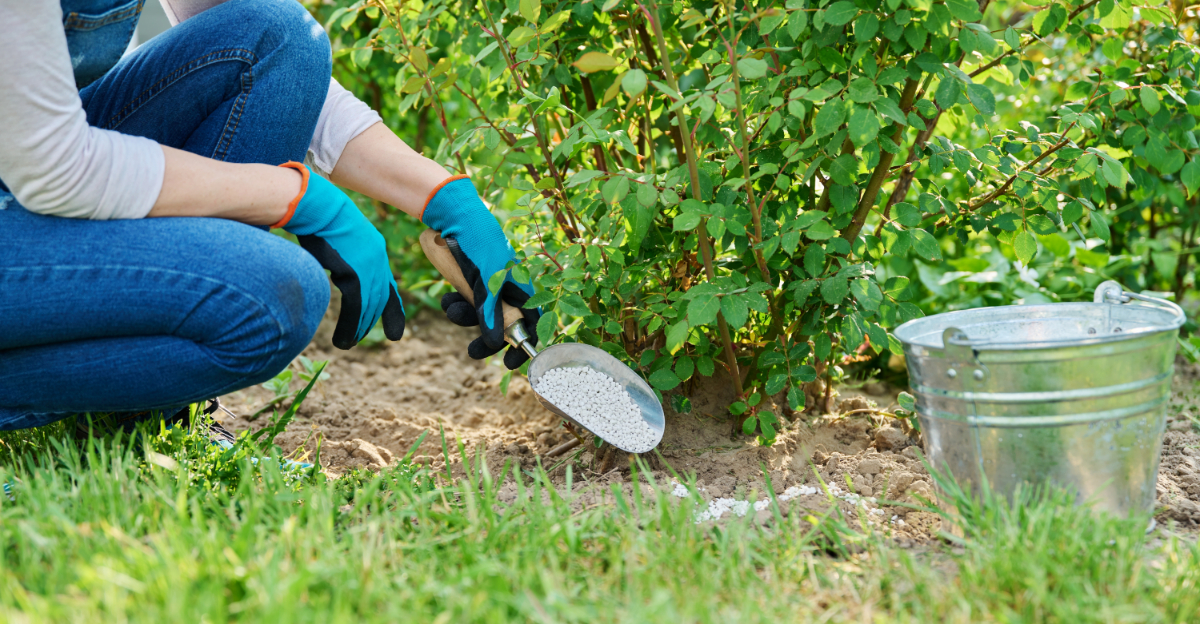
April in Arizona moves fast. The days start warming up, sunlight becomes more intense, and plants begin pushing new growth almost overnight.
It is a short window where the right care can set the tone for the entire season ahead.
Fertilizing at this stage is not just about feeding plants, it is about helping them prepare for what is coming next.
Some plants respond quickly, putting on stronger growth before the real heat arrives, while others benefit from a steady boost that supports flowering and overall health.
Timing matters more than it might seem, and knowing which plants need attention now can make a noticeable difference as temperatures continue to climb and soil dries out faster across many Arizona landscapes.
Missing this window can lead to weaker growth, fewer blooms, and plants that struggle to keep up once intense summer heat settles in.
1. Citrus Trees Push Fresh Spring Growth
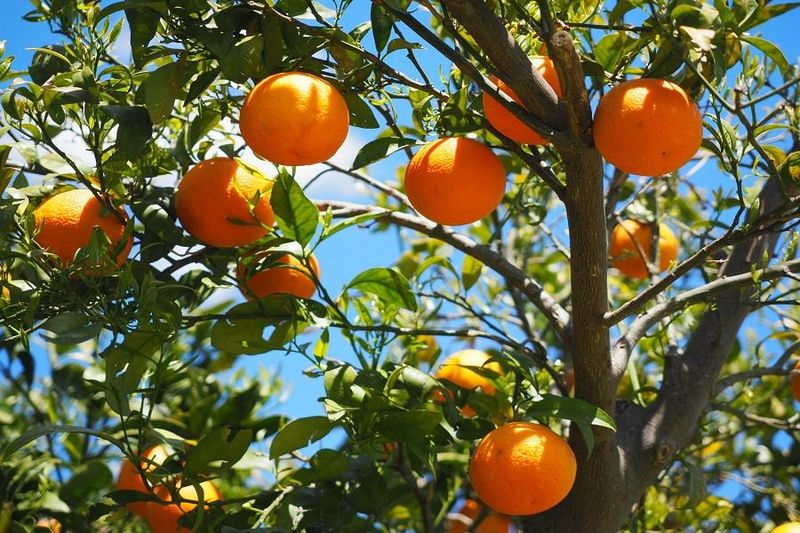
Few things say “Arizona garden” quite like a row of citrus trees loaded with fragrant blossoms and colorful fruit. April is commonly part of the recommended feeding schedule for citrus trees, and skipping it can reduce growth and fruit development during Arizona’s intense spring warmth.
Getting this feeding right is one of the most rewarding things you can do for your yard.
Use a fertilizer that is specifically blended for citrus. These products are designed to include the full range of nutrients your trees need, such as nitrogen, phosphorus, potassium, and important trace minerals like iron, zinc, and manganese.
Citrus trees in Arizona often develop yellowing leaves due to iron deficiency, so choosing a formula that addresses this is especially helpful.
Apply the fertilizer evenly under the canopy, spreading it out to the drip line where the feeder roots are most active. Water it in well after applying.
If your soil is particularly sandy, as is common in many parts of Arizona, you may need to water more frequently to help nutrients reach the roots. A slow-release granular fertilizer works great for busy gardeners who want steady results without constant reapplication.
Staying consistent with your feeding schedule will reward you with sweeter fruit and healthier trees throughout the long Arizona summer.
2. Roses Dominating Beds With Full Blooms
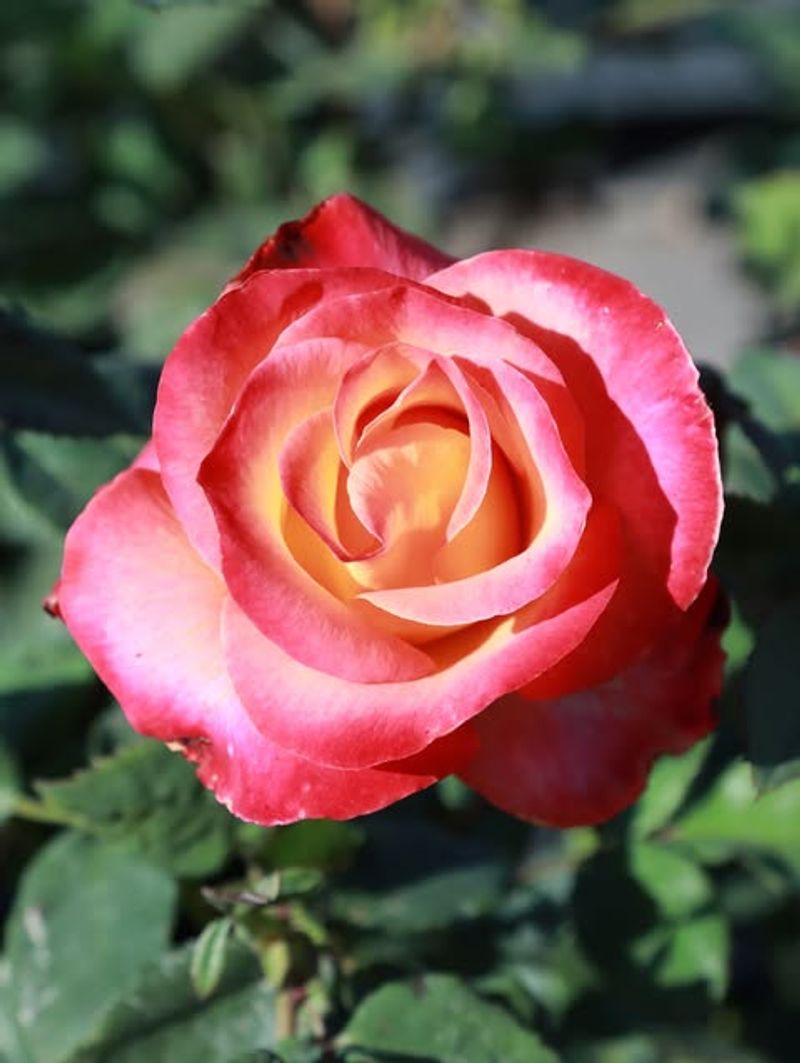
Roses in Arizona have a personality all their own. They push out fresh new shoots in April with an energy that feels almost eager, and that is exactly the moment to step in with a good feeding.
Catching roses at this stage of growth helps encourage strong, sturdy stems and a flower show that can last well into the season.
A rose-specific fertilizer is your best bet here. These blends are usually balanced with a good mix of nitrogen for leaf growth, phosphorus for root strength, and potassium for overall plant health.
Many rose fertilizers also include added iron, which is a smart choice for Arizona gardeners since the desert soil can be alkaline and make it harder for plants to absorb iron naturally. You may notice greener, more vibrant leaves within a couple of weeks of feeding.
Your Arizona Garden Changes Every Week. Your Plan Should Too.
Gardening in Arizona changes quickly throughout the season. Every Friday you’ll receive a simple weekly plan showing exactly what to plant, prune, fertilize, harvest, and protect so you never miss the right timing.
Granular fertilizers are popular for roses because they release nutrients slowly and steadily. Scratch the granules lightly into the soil around the base of the plant, keeping them a few inches away from the main stem.
Then water deeply to help the nutrients move down into the root zone. Roses in the Phoenix and Tucson areas especially benefit from this April feeding since the warming temperatures accelerate their growth.
Repeat feedings every four to six weeks through the growing season can help keep your roses performing well all spring long.
3. Bougainvillea Brings Intense Color To Walls
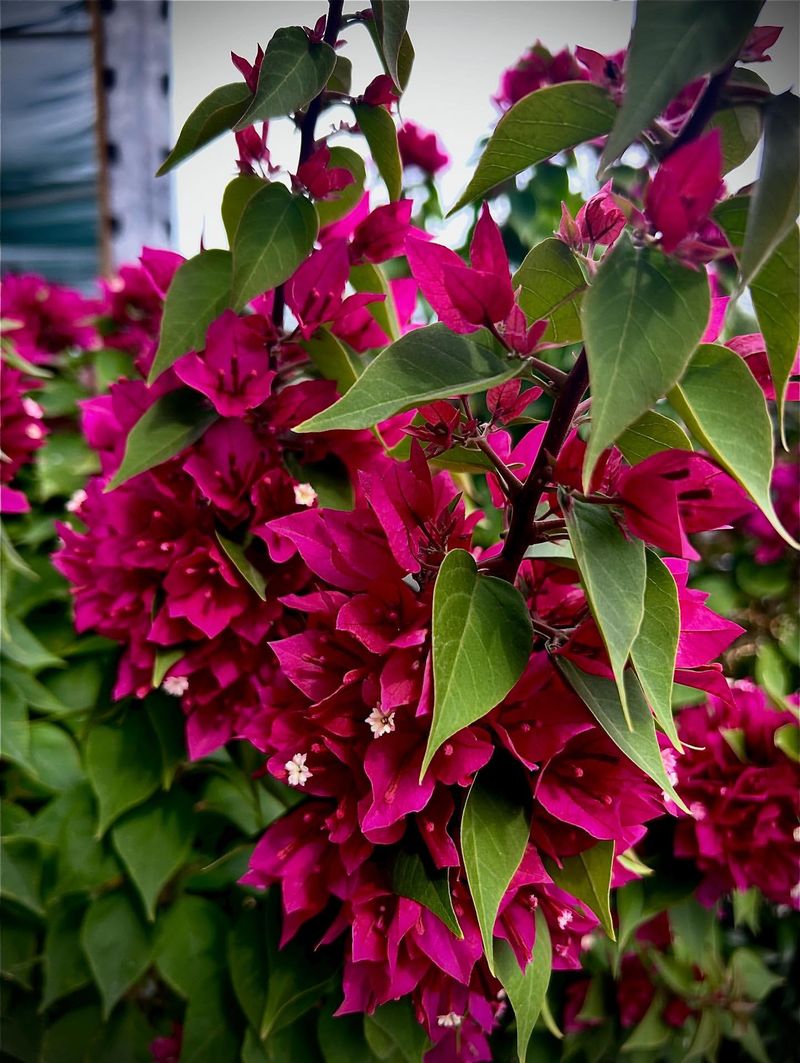
In many ways, it has become a symbol of the Southwest, and for good reason, bougainvillea stands out for its bold presence. Its electric bursts of color in shades of magenta, orange, red, and purple are a stunning sight against Arizona’s blue skies and stucco walls.
April is the perfect window to give this tough beauty a light feeding that sets it up for its most spectacular blooming season.
The trick with bougainvillea is to use a fertilizer that leans a little higher in phosphorus. Phosphorus is the nutrient most responsible for promoting flower production rather than leafy growth.
A balanced fertilizer with a slightly elevated middle number on the label, such as a 6-8-10 blend, works well. Go easy on the nitrogen side of things since too much of it will push out lots of green leaves at the expense of those showstopping blooms you are after.
Apply the fertilizer lightly around the base of the plant and water it in thoroughly. Bougainvillea actually thrives a little on the stressed side when it comes to water, but it still needs moisture to absorb nutrients properly after a feeding.
One of the great things about growing bougainvillea in Arizona is how well it adapts to the dry, hot conditions once established. A single April feeding followed by another in midsummer is usually all it takes to keep this plant covered in color from late spring straight through the fall months.
Minimal effort, maximum drama.
4. Hibiscus Offers Large Tropical Flowers
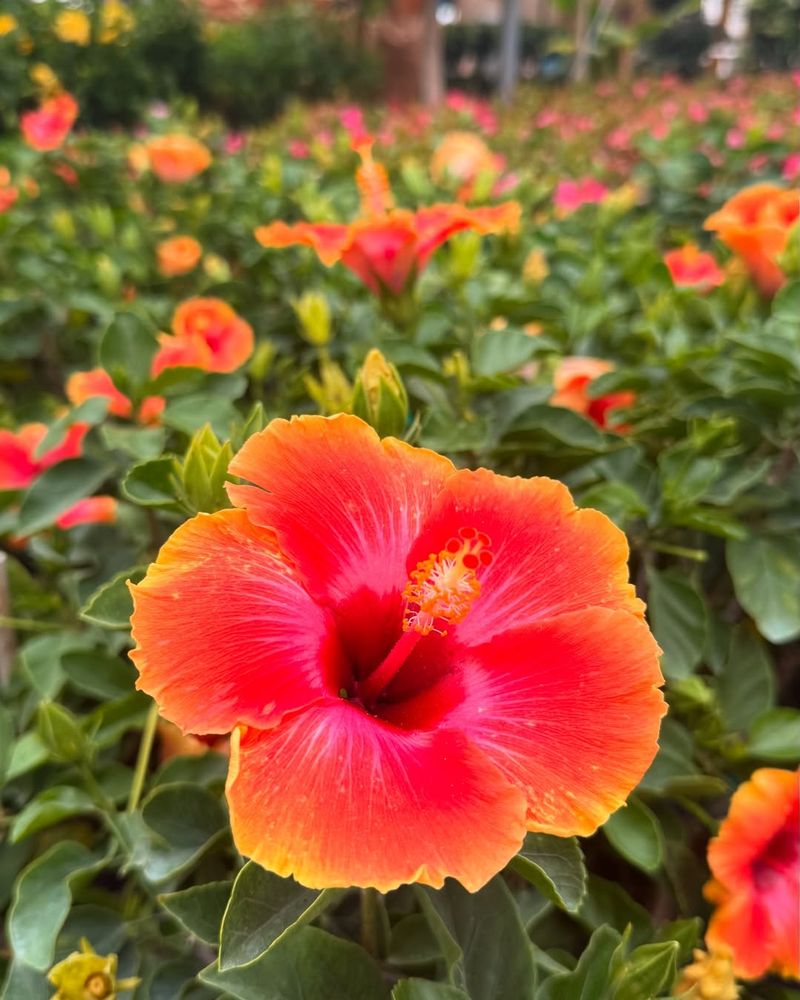
Giving them a well-timed feeding this month is one of the easiest ways to encourage bigger, bolder blooms all summer long. The results are honestly hard to argue with.
Hibiscus plants are heavy feeders, meaning they respond very well to regular fertilization. For April, look for a fertilizer that is higher in phosphorus and potassium.
Phosphorus supports strong root development and flower production, while potassium helps the plant manage heat stress, which is a real concern once Arizona temperatures start climbing into the triple digits. A formula labeled for flowering tropicals or hibiscus specifically will usually hit the right balance.
Avoid going overboard with nitrogen when feeding hibiscus. Too much nitrogen encourages a plant to put all its energy into growing leaves rather than producing flowers.
You want a plant that is bursting with blooms, not just a giant bush of green. Liquid fertilizers work especially well for hibiscus because they are absorbed quickly and show results fast.
Apply every two to four weeks during the active growing season for the best outcome. Arizona’s warm nights and sunny days create ideal conditions for hibiscus to thrive, and with proper feeding starting in April, you can expect a steady flower display that continues through much of the season.
5. Lantana A Magnet For Butterflies
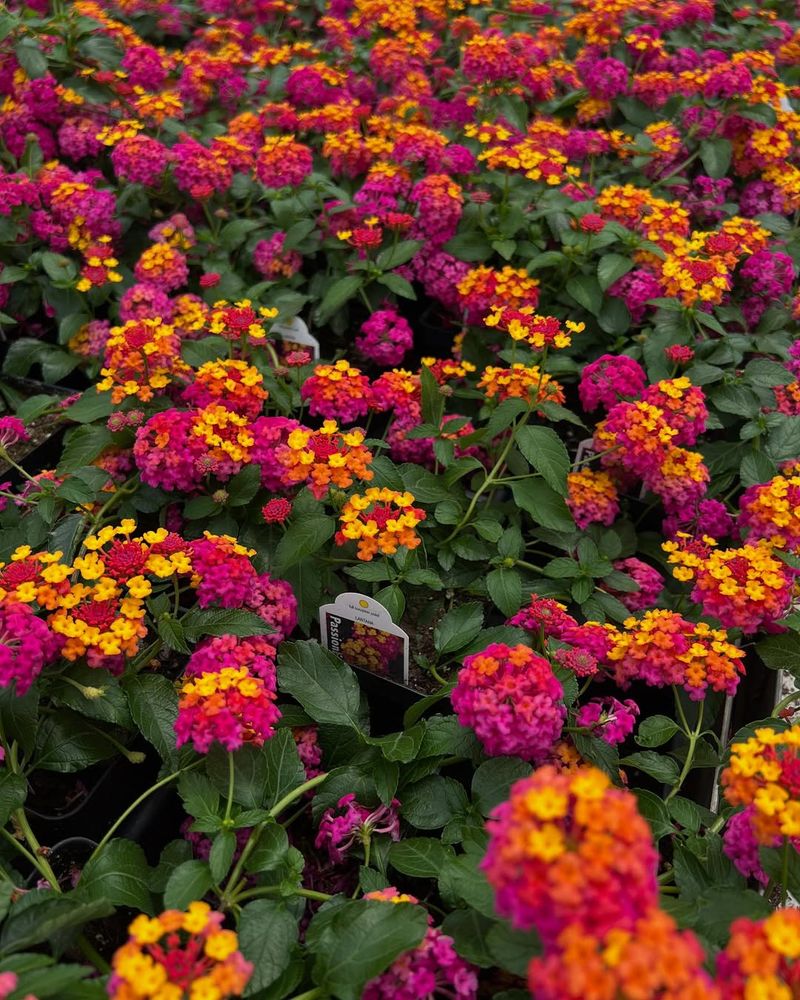
If there is one plant that seems almost made for the Arizona climate, lantana might be it. This tough, cheerful plant thrives in heat, tolerates drought once established, and rewards you with clusters of multicolored blooms that butterflies absolutely love.
April is the right time to give it a gentle nutritional boost before the serious heat of summer arrives.
A light, monthly feeding with a diluted balanced fertilizer works best for lantana. The key word here is light.
Overfeeding this plant is actually one of the most common mistakes Arizona gardeners make. Too much fertilizer, especially nitrogen-heavy products, pushes lantana to grow lots of foliage but produce far fewer flowers.
A diluted liquid fertilizer applied once in April gives it just enough to encourage fuller, more compact growth without going overboard.
Lantana planted in the ground across the Phoenix Valley and Tucson areas tends to establish itself quickly and does not need heavy feeding to perform well. Container-grown lantana, on the other hand, benefits from slightly more frequent fertilization since nutrients leach out faster through regular watering.
Always water your lantana before applying fertilizer to avoid stressing the roots. After feeding, you should notice more consistent flowering and a tidier overall shape within a few weeks.
Pair regular light feedings with occasional trimming to keep the plant looking full and fresh. Lantana is low-maintenance by nature, and a little April feeding goes a surprisingly long way.
6. Oleander Creates Dense Evergreen Screens
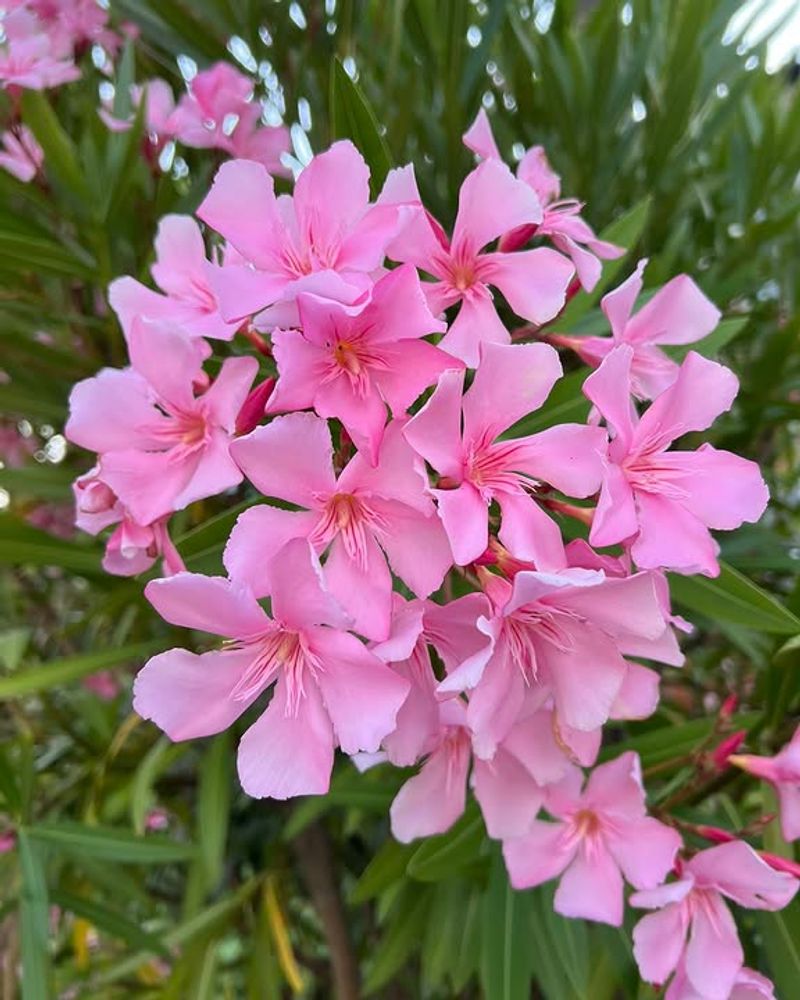
Across Arizona landscapes, few shrubs prove as reliable as oleander. It lines highways, fills median strips, and anchors countless home landscapes from Flagstaff to Yuma.
Hardy as it is, oleander still benefits from a light feeding in April to improve both its bloom quality and overall growth through the warmer months ahead.
A balanced granular fertilizer is the go-to choice for oleander. Look for something with roughly equal parts nitrogen, phosphorus, and potassium, such as a 10-10-10 blend.
Apply it lightly around the base of the shrub, spreading it out to where the canopy ends, and water it in well. Oleander is not a greedy feeder, so one application in April and perhaps one more in early summer is typically all it needs to look its best.
One important thing to keep in mind is that overfeeding oleander can actually work against you. Too much fertilizer encourages rapid, leggy growth that can make the shrub look unruly and become more vulnerable to wind damage during Arizona’s summer monsoon storms.
A measured, moderate approach is always better with this plant. Pruning right after the spring bloom is also a good habit to pair with your April feeding.
Together, these two steps keep oleander dense, healthy, and covered in flowers. Whether you have a single specimen or a long privacy hedge, a timely April feeding keeps oleander looking sharp and full of life all season.
7. Bermuda Grass Lawns Bounce Back Quickly
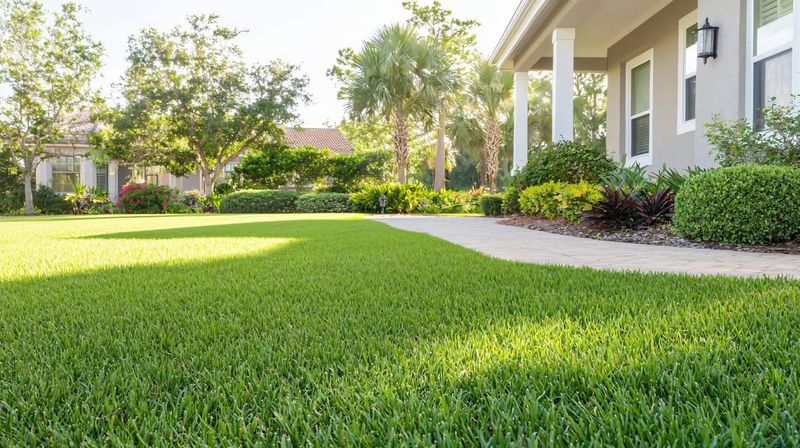
Walk barefoot across a thick, green Bermuda grass lawn in April and you can practically feel the season changing underfoot. Bermuda grass is the most popular warm-season turf in Arizona, and April is exactly when it starts coming out of its winter dormancy with real momentum.
Feeding it at this point is one of the smartest moves a homeowner can make.
Bermuda grass generally benefits from a higher-nitrogen lawn fertilizer in spring. Nitrogen is the nutrient responsible for that rich green color and strong blade growth that makes a lawn look lush and healthy.
Look for a fertilizer with a higher first number on the label, something like a 32-0-10 or similar formulation designed specifically for warm-season grasses. Slow-release nitrogen options are especially popular in Arizona because they feed the grass steadily over several weeks rather than causing a sudden growth surge that requires constant mowing.
Apply the fertilizer evenly using a broadcast spreader and water it in thoroughly immediately after. Dry fertilizer sitting on grass blades in the Arizona sun can cause burning, so watering right away is a must.
Many lawn care professionals in the Phoenix metro area recommend a soil test before fertilizing so you know exactly what your lawn is missing. April feeding also helps Bermuda grass develop a stronger root system before the extreme summer heat sets in.
A well-fed lawn going into summer is far more resilient, greener, and better at handling the stress of Arizona’s intense temperatures.
8. Pomegranate Trees Built For Heat And Fruit
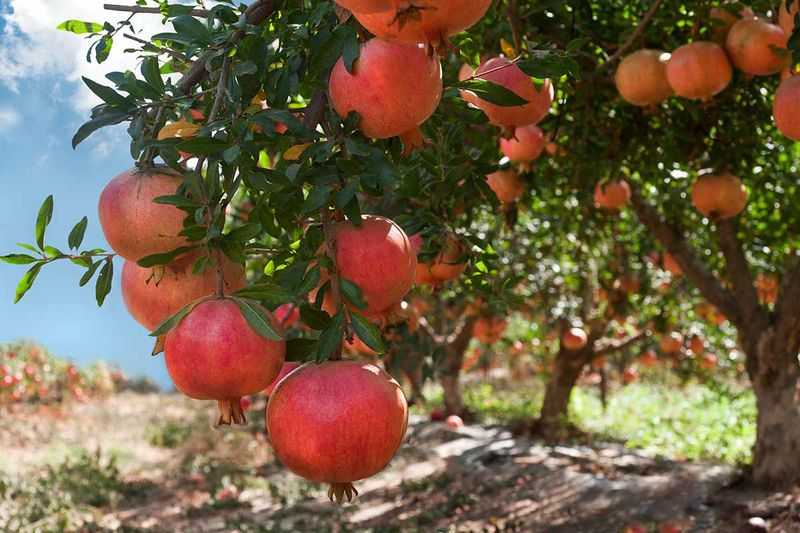
For centuries in Arizona, it’s been easy to see why pomegranate trees remain a favorite. They handle the heat like champions, require relatively little water once established, and produce stunning orange-red flowers in spring before setting their jewel-like fruit in fall.
April is when these trees begin active growth and flowering, making it a good time for a well-timed fertilizer application.
A balanced fertilizer with equal parts nitrogen, phosphorus, and potassium is a solid choice for pomegranates in spring. Nitrogen encourages the flush of new leafy growth you see in April, while phosphorus supports the development of those gorgeous flowers that will eventually become fruit.
Some Arizona gardeners also like to add a small amount of iron sulfate to the mix since alkaline desert soils can limit iron availability, sometimes causing yellowing between leaf veins.
Scatter the fertilizer evenly under the canopy and water it in deeply. Pomegranate trees have fairly deep root systems, so thorough watering helps push nutrients down to where they are most needed.
Avoid piling fertilizer directly against the trunk, as this can cause irritation to the bark over time. One feeding in April followed by another in early summer is usually enough to support healthy growth and a generous fruit set.
Pomegranates grown in the low desert regions of Arizona, including the greater Phoenix area, tend to fruit earlier and more heavily with proper spring nutrition. Consistent care in April pays off in a big, flavorful harvest come autumn.