Plant These 11 Vegetables In Oregon Before April Ends For Stronger Growth
Late April has a way of sneaking up on Oregon gardeners, and with it comes one of the best planting windows of the season. Soil is finally warming, daylight is stretching out, and cool-season vegetables are ready to take off.
It is tempting to wait just a little longer for consistently warm weather, but that delay can mean slower growth and missed opportunities.
Gardeners who pay attention to this timing often notice stronger roots, quicker establishment, and earlier harvests.
Right now is that sweet spot in Oregon when getting these crops in the ground can set the tone for the entire growing season.
1. Lettuce Fills Beds Quickly Before Warmer Days Arrive
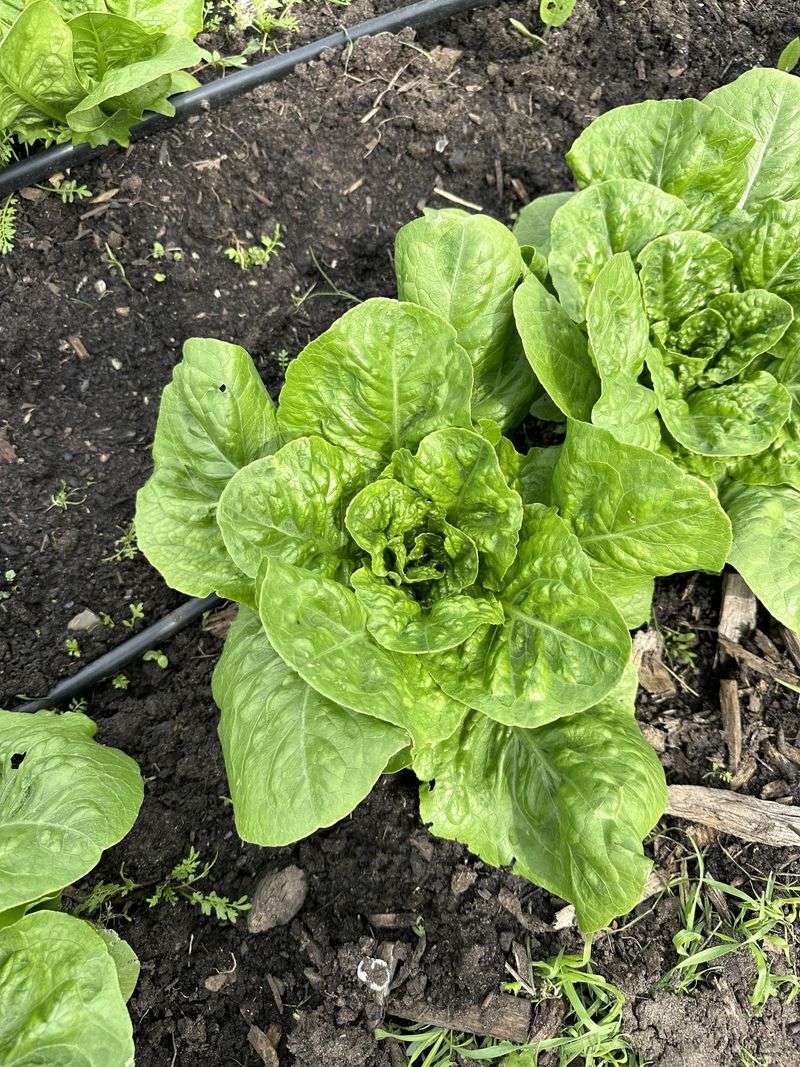
Lettuce is one of those vegetables that seems almost perfectly matched to Oregon’s spring climate.
It germinates quickly in cool soil, grows fast in mild temperatures, and can be harvested in as little as 30 days if you are cutting young leaves rather than waiting for full heads.
Planting in April gives lettuce enough time to mature before the longer, hotter days of June cause it to bolt and turn bitter.
Loose-leaf varieties like Black Seeded Simpson or Red Sails tend to be the most forgiving for spring planting. They tolerate light frost, bounce back quickly after cold nights, and produce a steady supply of tender leaves over several weeks.
Head lettuce varieties like Buttercrunch need a bit more time but still perform well when seeds or transplants go in during April.
Spacing matters more than many gardeners realize. Sow seeds thinly, about six inches apart for loose-leaf types and ten inches for heading varieties.
Oregon’s spring rains usually handle most of the watering, but raised beds may need supplemental moisture during dry spells.
Planting in partial shade near taller crops can also extend the harvest into May and early June before heat sets in.
2. Peas Climb Early And Thrive In Cool Spring Soil
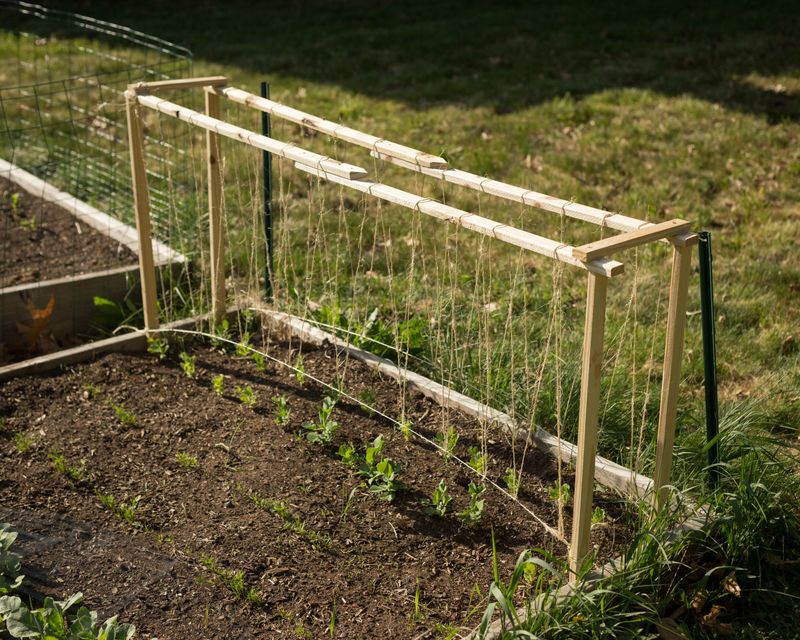
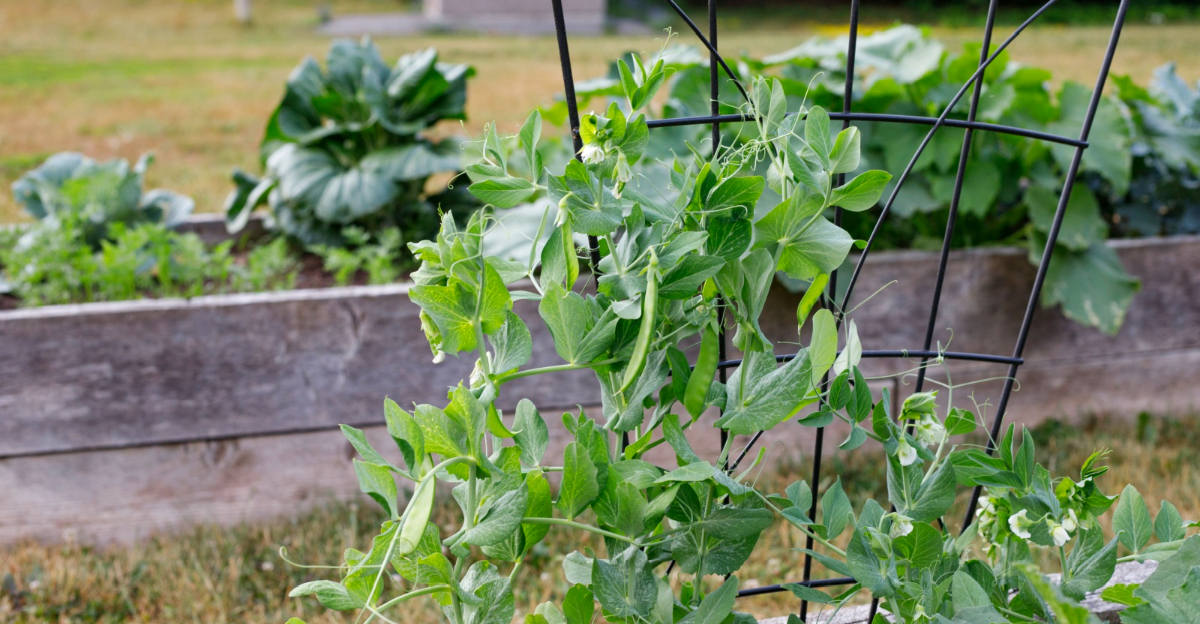
Few vegetables reward an Oregon gardener quite like peas planted during the cool, damp weeks of April.
Peas actually prefer soil temperatures between 45°F and 60°F, which means Oregon’s spring conditions are close to ideal for getting seeds in the ground.
Waiting until May or June, when soil warms significantly, tends to produce weaker vines that struggle to set pods before heat arrives.
Direct sowing works best for peas since they dislike having their roots disturbed. Push seeds about one inch deep and two inches apart in rows, then set up a trellis or wire support right away.
Climbing varieties can reach four to six feet tall, so giving them something to grab onto early makes a real difference in how the plants develop.
Oregon’s west side typically gets enough spring rainfall to keep the soil consistently moist, which peas appreciate. On the drier east side, light watering every few days helps seeds germinate evenly.
Succession planting every two weeks through late April stretches the harvest window well into early summer.
Snap peas, snow peas, and shelling varieties all perform well when given a head start during this important spring window.
Your Oregon Garden Changes Every Week. Your Plan Should Too.
Gardening in Oregon changes quickly throughout the season. Every Friday you’ll receive a simple weekly plan showing exactly what to plant, prune, fertilize, harvest, and protect so you never miss the right timing.
3. Spinach Grows Strong While Temperatures Stay Mild
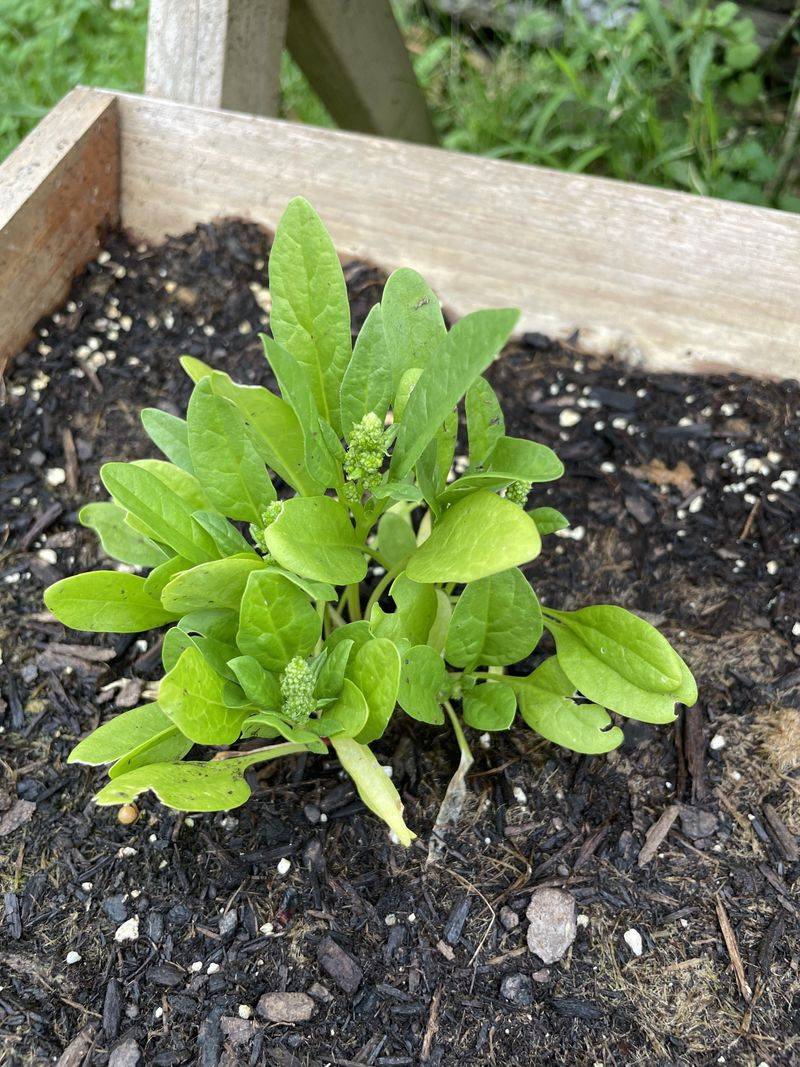
Spinach has a reputation for being finicky, but that reputation mostly comes from gardeners who plant it too late.
In Oregon, April is genuinely the sweet spot for spinach because soil temperatures are cool enough to encourage steady germination while daylight is long enough to push strong leaf growth.
Once summer arrives and days stretch past 14 hours, spinach shifts its energy toward flowering rather than producing leaves.
Sow seeds directly into garden beds about half an inch deep and two inches apart. After seedlings emerge, thin them to about four inches apart so each plant has room to spread.
Spinach roots are shallow, so loose, well-amended soil makes a noticeable difference. Adding compost before planting helps Oregon’s heavier clay soils drain better and gives roots an easier path downward.
Savoy types, which have crinkled leaves, tend to handle cold nights better than flat-leaf varieties. Both types work well in Oregon’s spring garden, though.
Harvest outer leaves regularly to encourage the plant to keep producing. A single row planted in early April can supply fresh greens for four to six weeks before heat signals the plant to slow down.
Starting a second row two weeks later extends that window even further.
4. Radishes Deliver Fast Harvests In Early Garden Rows
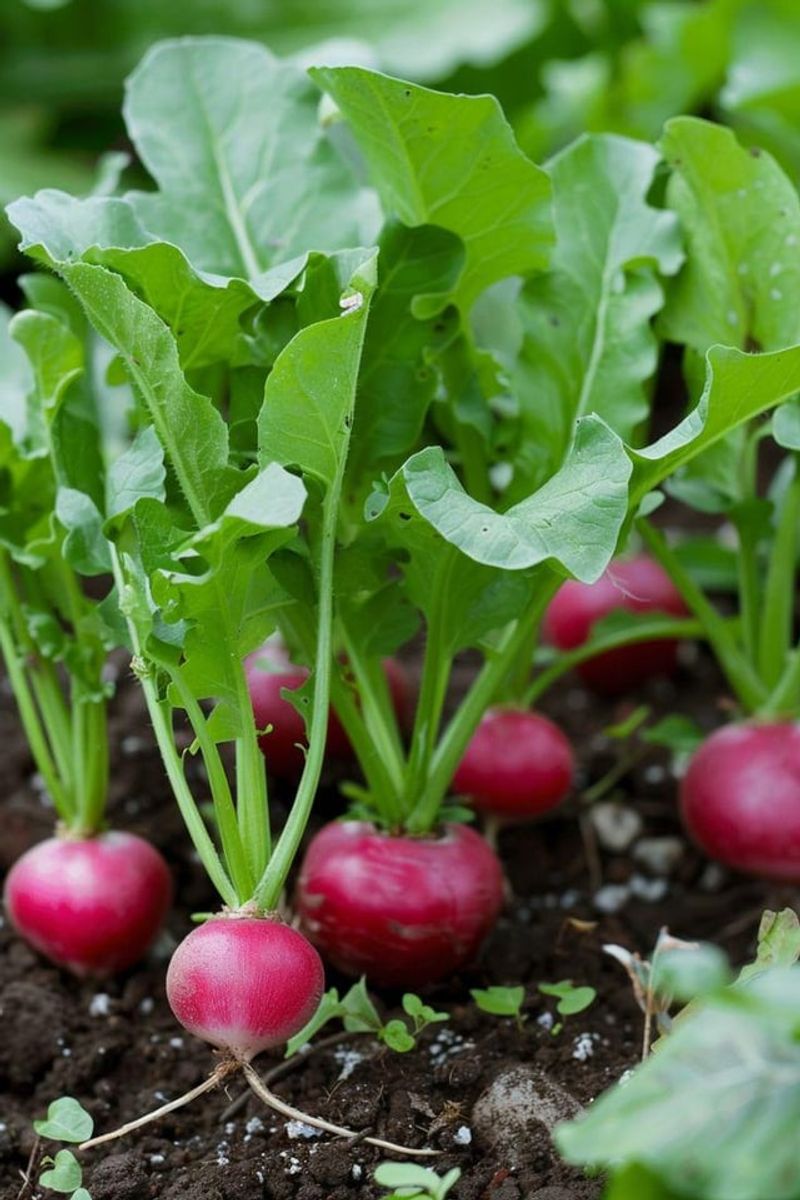
Radishes might be the most satisfying vegetable an Oregon gardener can plant in April, simply because the wait from seed to harvest is so short.
Most spring radish varieties are ready to pull in just 22 to 28 days, which means a late April planting can produce a full harvest before May is even halfway done.
That kind of speed makes radishes a great choice for filling gaps between slower-growing crops.
Sow seeds about half an inch deep and one inch apart in rows spaced six inches apart. Thin seedlings to two inches once they sprout, since crowding causes radishes to produce lush tops with small, woody roots underneath.
Oregon’s cool April soil encourages crisp, mild-flavored roots. Radishes planted during warmer months tend to turn hot and pithy, which is why early planting makes such a difference in flavor.
Cherry Belle and French Breakfast are two reliable varieties for Oregon spring gardens. Both germinate quickly and produce roots that stay tender even as they size up.
Radishes also work well as row markers alongside slower-germinating crops like carrots. They sprout first, marking the row clearly, and are harvested before the carrots need the space.
Succession planting every ten days keeps a steady supply coming through late spring.
5. Carrots Establish Best In Cool, Loose Spring Soil
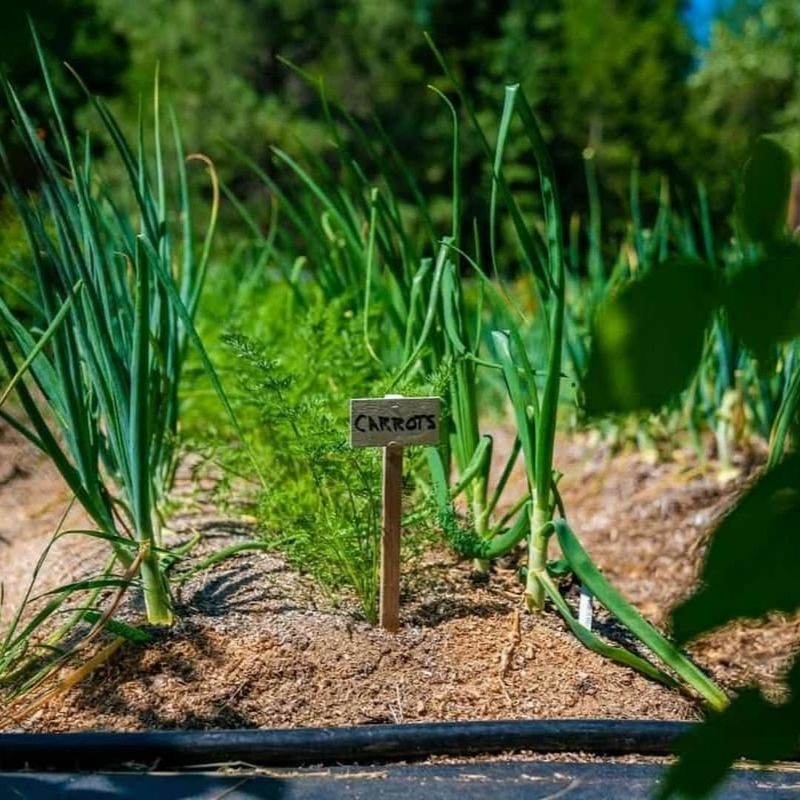
Carrots are sometimes overlooked for April planting because they take longer to mature than many other spring vegetables, but that is exactly why getting them in the ground early pays off.
Seeds sown in April develop in cool soil that encourages long, straight roots rather than the forked or stubby carrots that often result from warm, compacted conditions.
Oregon’s spring soil, especially after a wet winter, tends to be loose and moisture-retentive, which suits carrots well.
Preparation matters a lot with carrots. Loosen the soil at least 12 inches deep and remove any rocks or large clumps that could cause roots to split or fork.
Mix in compost to improve drainage without adding too much nitrogen, which pushes leafy tops at the expense of roots. Sow seeds very thinly about a quarter inch deep, since carrot seeds are small and easy to oversow.
Germination can take up to two weeks, so patience is important. Keeping the soil surface consistently moist during this period makes a big difference in germination rates.
Once seedlings are about two inches tall, thin them to two or three inches apart.
Varieties like Nantes and Danvers perform reliably in Oregon’s spring conditions and produce sweet, well-formed roots when given enough space and cool growing time.
6. Beets Build Steady Growth Through Early Season Conditions
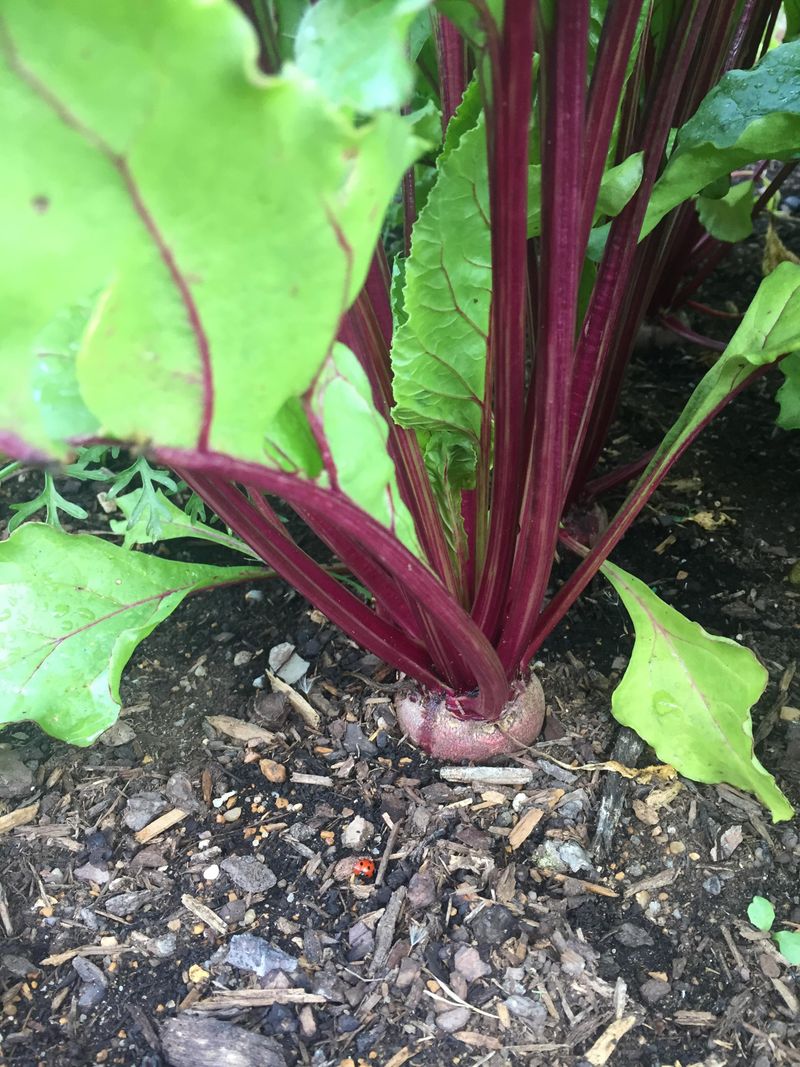
Beets are one of the most versatile cool-season crops an Oregon gardener can plant in April. The roots are harvested for roasting, pickling, or fresh eating, while the leafy greens are tender and nutritious enough to use just like spinach or chard.
Getting beet seeds in the ground before the end of April means roots develop during the coolest part of the growing season, which tends to produce sweeter, more flavorful results.
What most people call a beet seed is actually a small cluster of two or three seeds fused together. Because of this, thinning is especially important.
Sow clusters about an inch deep and three inches apart, then thin seedlings to about four inches once they reach two inches tall.
Skipping this step leads to overcrowded plants with small, misshapen roots that struggle to develop properly.
Oregon’s spring rains usually keep beet beds consistently moist, which is helpful since uneven watering can cause roots to crack. Raised beds with added compost help on heavier soils.
Detroit Dark Red and Chioggia are two varieties that do particularly well in Oregon’s spring climate.
Beet greens can be harvested lightly as the plant grows, making this one of the most productive crops per square foot in an April garden.
7. Kale Handles Chilly Weather And Keeps Producing
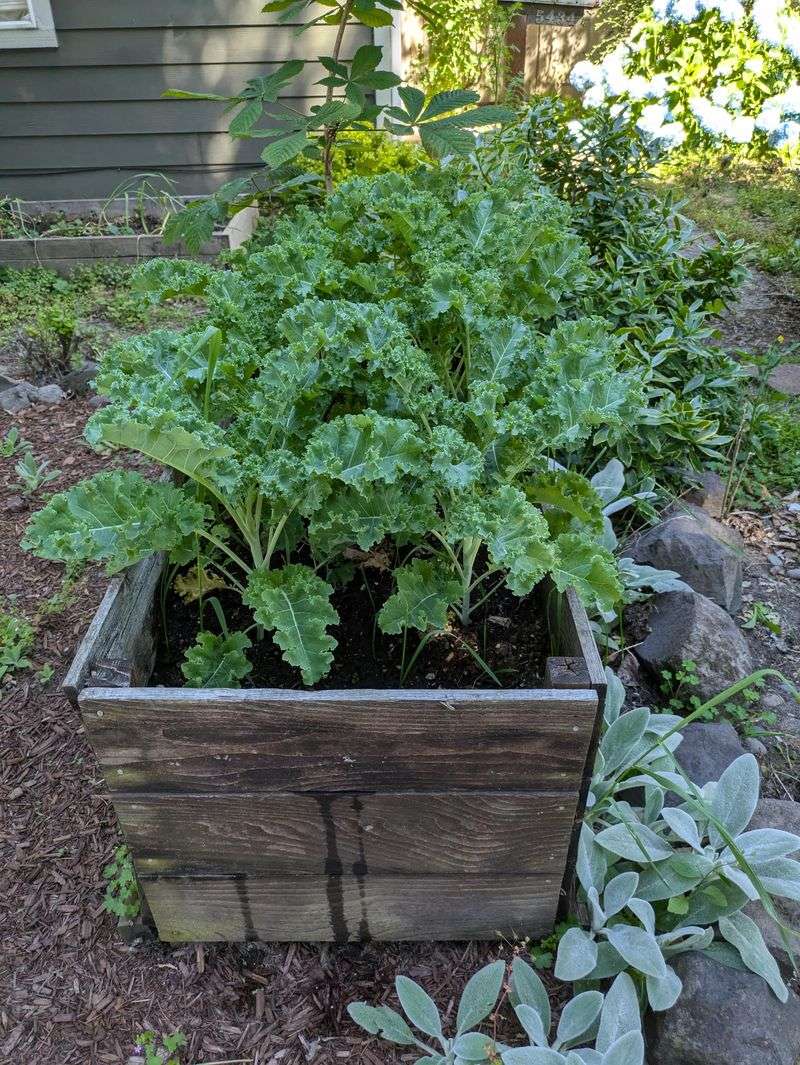
Kale has earned its reputation as one of Oregon’s most reliable spring vegetables, and for good reason.
It tolerates temperatures that would damage or ruin most other crops, shrugging off light frosts and even brief dips into the upper 20s°F without much setback.
Planting in April gives kale time to establish a strong root system before any late-season cold snaps test its endurance.
Transplants tend to get kale off to a faster start than direct sowing in spring. Set transplants about 18 inches apart to give each plant room to spread as it matures.
If starting from seed directly in the garden, sow about a quarter inch deep and thin seedlings to 18 inches once they develop their second set of true leaves.
Kale planted too closely tends to produce smaller, less robust leaves.
Lacinato, also called dinosaur kale, and Dwarf Blue Curled are two varieties particularly suited to Oregon gardens. Both handle the wet, cool conditions of spring well and continue producing well into summer if harvested regularly.
Strip outer leaves from the bottom of the plant upward, leaving the central growing tip intact.
Oregon’s mild springs also mean kale can go into the ground earlier than in many other states, giving it a longer productive season overall.
8. Swiss Chard Stays Productive As Spring Moves Forward
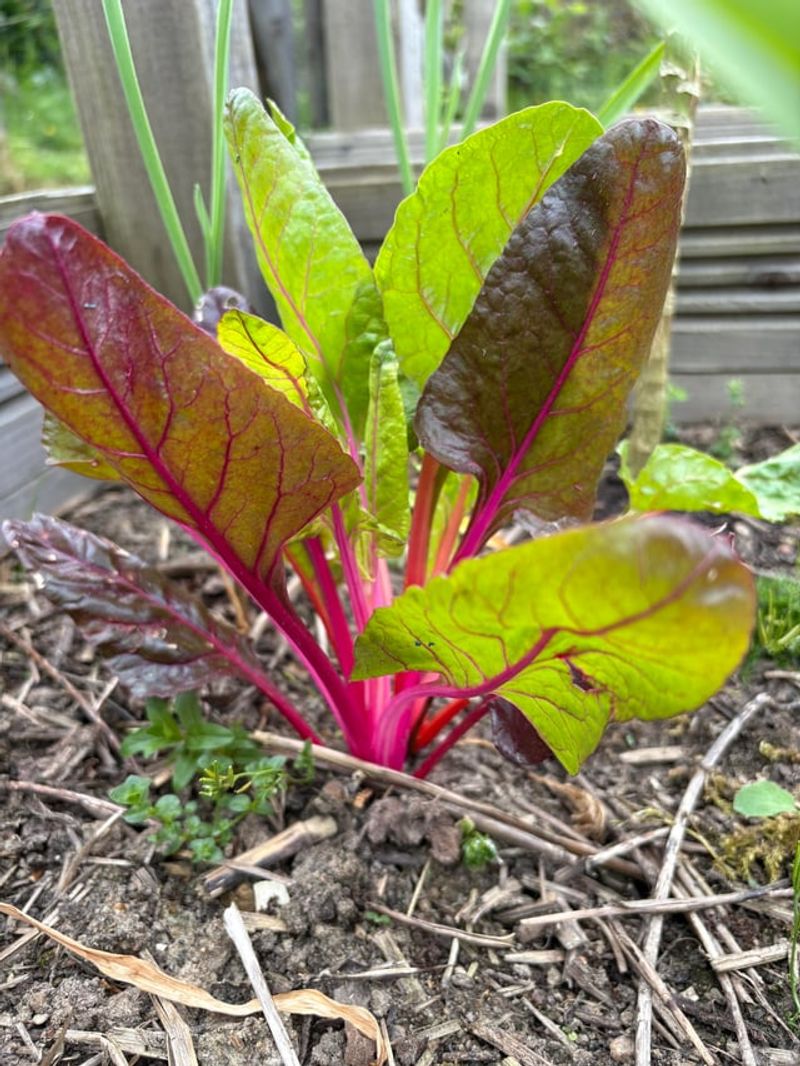
Swiss chard bridges the gap between cool-season and warm-season growing in a way that few other vegetables can match.
It starts easily in April’s cool Oregon soil, grows steadily through spring, and then keeps producing through summer without bolting the way spinach or lettuce does.
For gardeners who want continuous harvests from a single planting, chard is one of the most reliable options available.
Sow seeds about half an inch deep and four inches apart, then thin to about six inches once seedlings are established. Like beets, chard seeds are actually seed clusters, so multiple seedlings often emerge from a single planting spot.
Thinning early prevents competition and helps each plant develop a full, productive canopy of leaves.
Adding compost to Oregon’s heavier soils before planting improves drainage and supports healthy root development.
Rainbow chard varieties, which produce stems in red, orange, yellow, and white, are popular in Oregon gardens both for their looks and their productivity.
Fordhook Giant is a classic green variety that produces large, sturdy leaves throughout the season.
Harvest outer leaves regularly to encourage the plant to keep pushing new growth from the center. An April planting of chard can realistically provide fresh greens from May all the way through early fall with consistent care.
9. Broccoli Transplants Settle In Before Heat Builds
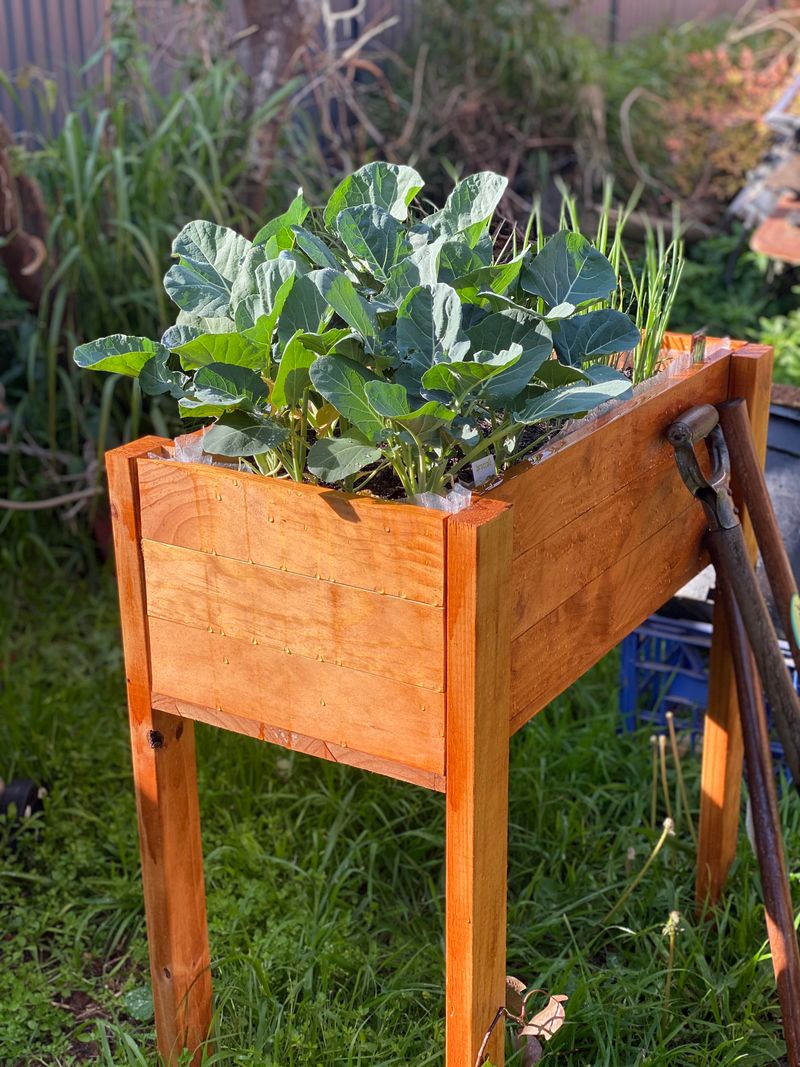
Broccoli takes longer to mature than most spring vegetables, so timing is everything.
Transplants set out in April in Oregon have roughly 60 to 80 days before summer heat arrives, which is just enough time for most varieties to form full, tight heads.
Starting from transplants rather than direct seed is the smarter move in spring since it cuts several weeks off the growing timeline and gives plants a head start during the best weather.
Space transplants about 18 inches apart in rows spaced two feet apart. Broccoli plants get surprisingly large, and crowding them causes smaller heads and more disease pressure.
Work compost into the planting area beforehand and water transplants in thoroughly after setting them out.
Oregon’s cool April nights are actually helpful here since broccoli prefers daytime temperatures between 60°F and 70°F and can handle nights dipping into the upper 30s°F.
Waltham 29 and Belstar are two varieties that perform consistently well in Oregon’s spring conditions.
After the main central head is harvested, most broccoli plants continue producing smaller side shoots for several more weeks.
Keeping plants well-watered during dry spells in late spring helps prevent stress that can trigger premature flowering.
Consistent moisture and cool temperatures are the two biggest factors in producing quality broccoli heads in an Oregon garden.
10. Cabbage Forms Strong Heads In Cool Conditions
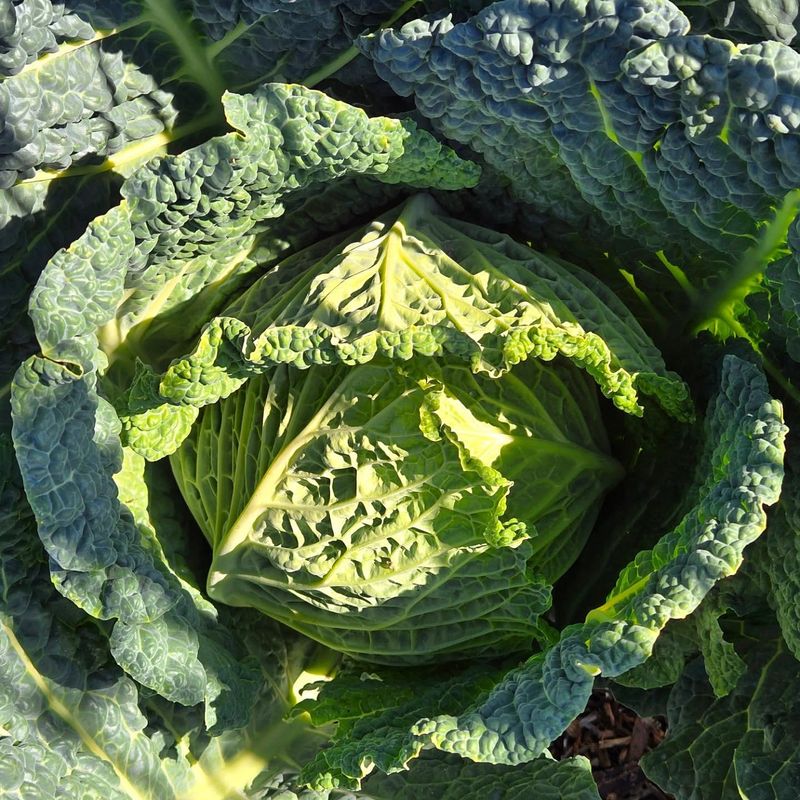
Cabbage is a crop that genuinely benefits from Oregon’s long, cool springs. The heads develop most firmly and with the best flavor when temperatures stay between 45°F and 75°F during the growing period.
Planting transplants in April gives cabbage the extended cool window it needs to form tight, dense heads before summer warmth pushes the plant toward splitting or bolting.
Set transplants about 18 inches apart for smaller varieties and up to 24 inches for larger heading types.
Cabbage is a heavy feeder, so working compost or a balanced fertilizer into the bed before planting helps support steady growth.
Oregon’s spring rains typically handle most of the irrigation, but during dry April stretches, keeping soil consistently moist prevents stress that can lead to loose or uneven heads.
Early Jersey Wakefield and Golden Acre are two compact varieties well-suited for Oregon spring planting. Both mature in around 60 to 65 days, fitting comfortably within the cool-season window before summer arrives.
Watch for cabbage loopers and aphids as the season progresses, since these pests become more active in May.
Row cover placed over young transplants can deter early pest pressure while also protecting plants from late April cold snaps that occasionally occur across Oregon’s diverse growing regions.
11. Onion Sets Establish Early For A Reliable Harvest
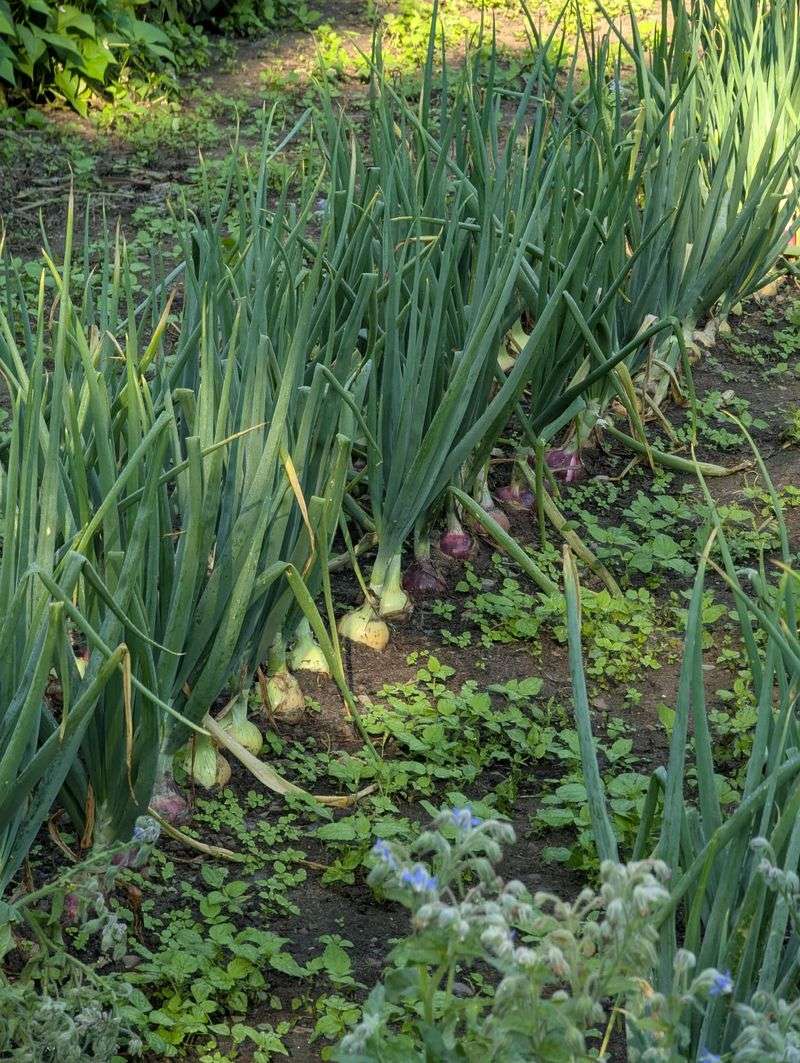
Onions planted from sets in April take full advantage of Oregon’s long growing season in a way that later plantings simply cannot match.
Sets are small dormant bulbs that establish quickly in cool soil and begin putting on green growth within days of planting.
The earlier onions get their roots down, the more time they have to size up before the long summer days trigger bulb formation, which is the key event that determines final harvest size.
Plant sets about one inch deep and four inches apart in rows spaced 12 inches apart. Pointed end faces up, flat end faces down.
Onions are light feeders early on but benefit from a nitrogen boost once green tops are about six inches tall.
Oregon’s spring rainfall usually keeps soil moisture adequate, though raised beds may need occasional watering during dry spells in late April.
Yellow Stuttgarter and Copra are two varieties that store well and perform reliably in Oregon gardens. Red Wethersfield is a popular choice for fresh use.
Keeping beds weed-free is especially important since onions compete poorly with weeds early in the season. Once green tops fall over naturally in midsummer, the bulbs are ready to cure.
An April planting typically leads to harvest in late July or August, giving Oregon gardeners a full season of growth from a simple early start.