Best Oregon Flowers To Plant Now For A Yard That Peaks Before High Summer
There is something special about a yard that looks its best before the heat of summer settles in. In Oregon, that kind of timing creates a fresh, full landscape right when people start spending more time outdoors.
Spring planting plays a big role in that early peak. The right flowers take advantage of cooler temperatures and steady moisture, building color and structure before summer conditions begin to slow things down.
Gardeners who plant at the right moment often see stronger growth and longer-lasting blooms. It also spreads out the season, so the yard does not feel like it is waiting around for midsummer to finally look complete.
Choosing flowers that respond well to spring conditions makes all the difference. Some varieties settle in quickly, fill space with color, and create that early-season impact that turns a simple yard into something people notice right away.
1. Calendula For Early Bright Color
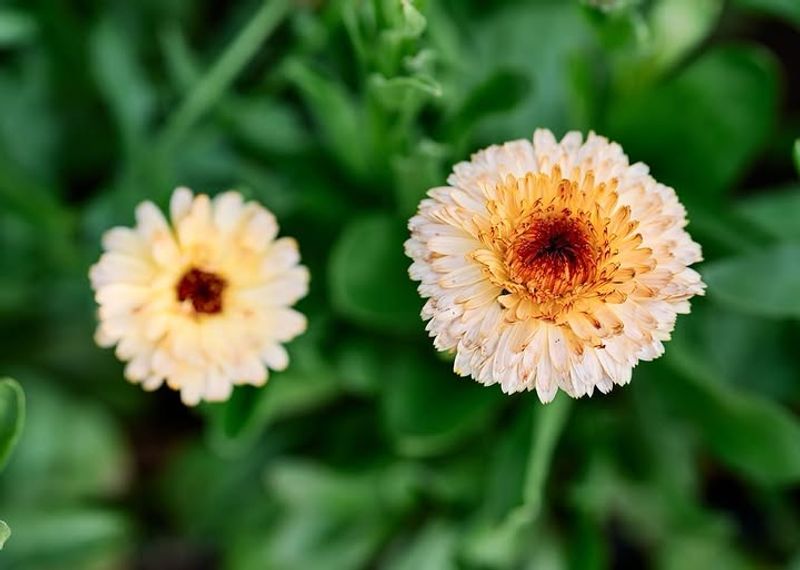
Sometimes called pot marigold, calendula has been grown in gardens for centuries, and it is easy to see why. Few flowers are as cheerful or as willing to perform in Oregon’s famously cool, rainy spring weather.
The blooms range from soft yellow to deep tangerine orange, and they open wide on sunny days to put on a real show.
Calendula seeds can be sown directly into the ground as early as late March in Oregon, and they germinate quickly once the soil warms even slightly. You do not need a fancy raised bed or special tools.
Just scratch the seeds into loose soil, water them in, and stand back while nature does the rest.
One reason Oregon gardeners love calendula so much is that it blooms for a long time. Regular deadheading, which means removing spent flowers before they go to seed, keeps the plant producing fresh buds for weeks on end.
You can have color in your yard from May all the way into early fall with minimal effort.
Beyond their good looks, calendula flowers are actually edible. The petals can be tossed into salads or used as a colorful garnish on plates, making them as practical as they are pretty.
They also attract beneficial insects like hoverflies and bees, which help pollinate everything else growing in your Oregon garden. Calendula is truly one of the most hardworking and rewarding flowers you can grow in the Pacific Northwest.
2. Nasturtium That Spreads And Blooms Fast
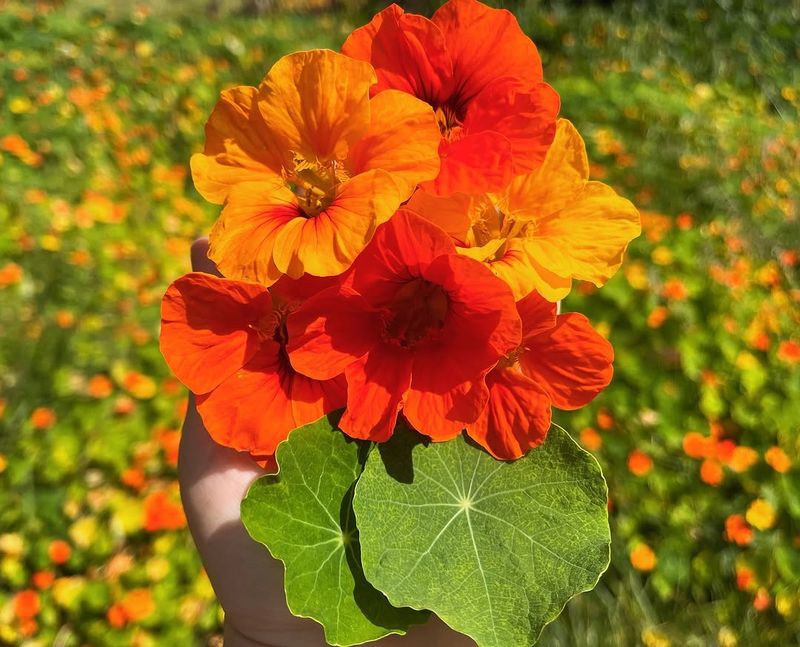
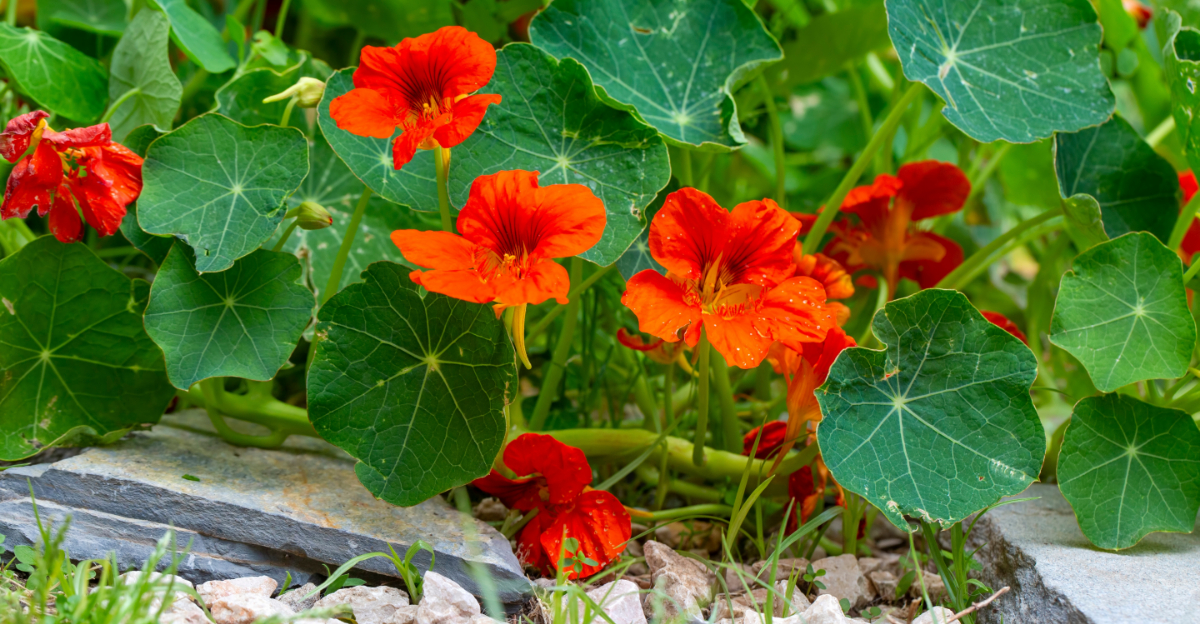
Their round, lily-pad-like leaves and blazing orange, red, and yellow blooms make them impossible to miss in any garden setting. Gardeners across Oregon have relied on nasturtiums for generations because they are almost laughably easy to grow, even in poor or rocky soil.
One of the best things about nasturtiums is that they actually prefer soil that is not too rich. If you feed them too much fertilizer, they put all their energy into leaves instead of flowers.
In Oregon, where the spring soil is naturally moist and fertile, nasturtiums tend to thrive with very little help from the gardener at all.
Your Oregon Garden Changes Every Week. Your Plan Should Too.
Gardening in Oregon changes quickly throughout the season. Every Friday you’ll receive a simple weekly plan showing exactly what to plant, prune, fertilize, harvest, and protect so you never miss the right timing.
Plant nasturtium seeds directly in the ground after the last frost date for your part of Oregon, usually sometime in April. They sprout within a week or two and grow quickly, spreading out to cover bare patches of ground or spilling attractively over the edges of containers and raised beds.
Their trailing habit makes them a popular choice for hanging baskets, too.
Here is a fun bonus that not every gardener knows about: nasturtium flowers, leaves, and seed pods are all edible and have a peppery, slightly spicy flavor. You can toss them into salads for a pop of color and a kick of taste.
They also attract aphids away from other plants, acting as a natural trap crop that protects your more delicate vegetables and flowers in the Oregon garden.
3. Alyssum With Sweet Early Flowers
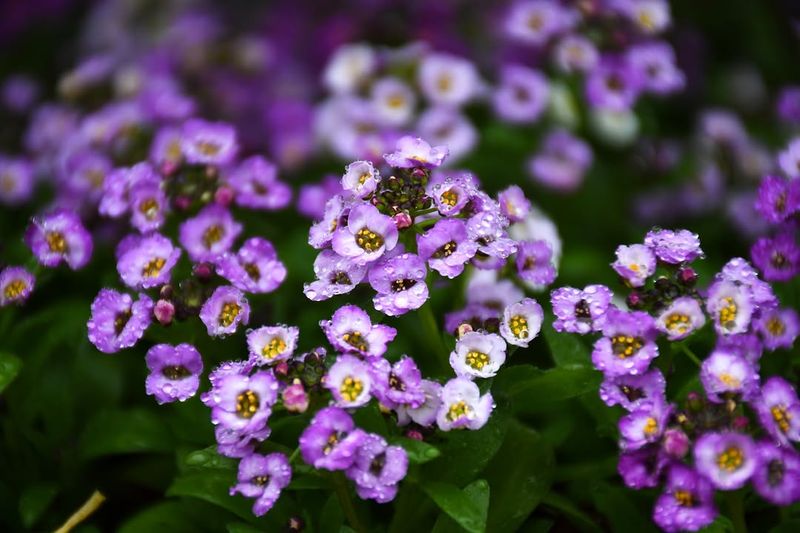
Walk past a patch of alyssum on a warm Oregon afternoon and you will catch its scent before you even see it. The fragrance is sweet, almost like honey, and it drifts through the air in a way that makes any garden feel more welcoming.
Those tiny clusters of white, pink, or purple blooms might look delicate, but alyssum is surprisingly tough.
Alyssum grows low to the ground, spreading out in a soft carpet that fills in gaps between other plants beautifully. It works wonderfully as a border plant along pathways or at the front edge of a flower bed.
Many Oregon gardeners use it to edge their vegetable gardens too, since it attracts predatory insects that help keep pest populations in check naturally.
You can start alyssum from seed indoors about six weeks before your last frost date, or direct sow it outside in early spring. It does not mind Oregon’s frequent spring showers at all, and it actually prefers cooler temperatures, which means it will be at its absolute best right when the rest of the garden is still waking up.
Alyssum self-seeds freely, meaning once you plant it in your Oregon yard, it may come back on its own year after year without any extra effort from you. That kind of low-maintenance charm is hard to beat.
With its sweet perfume, ground-covering habit, and pollinator-friendly blooms, alyssum earns its place in any Oregon spring garden without question.
4. Bachelor’s Buttons For Classic Cottage Color
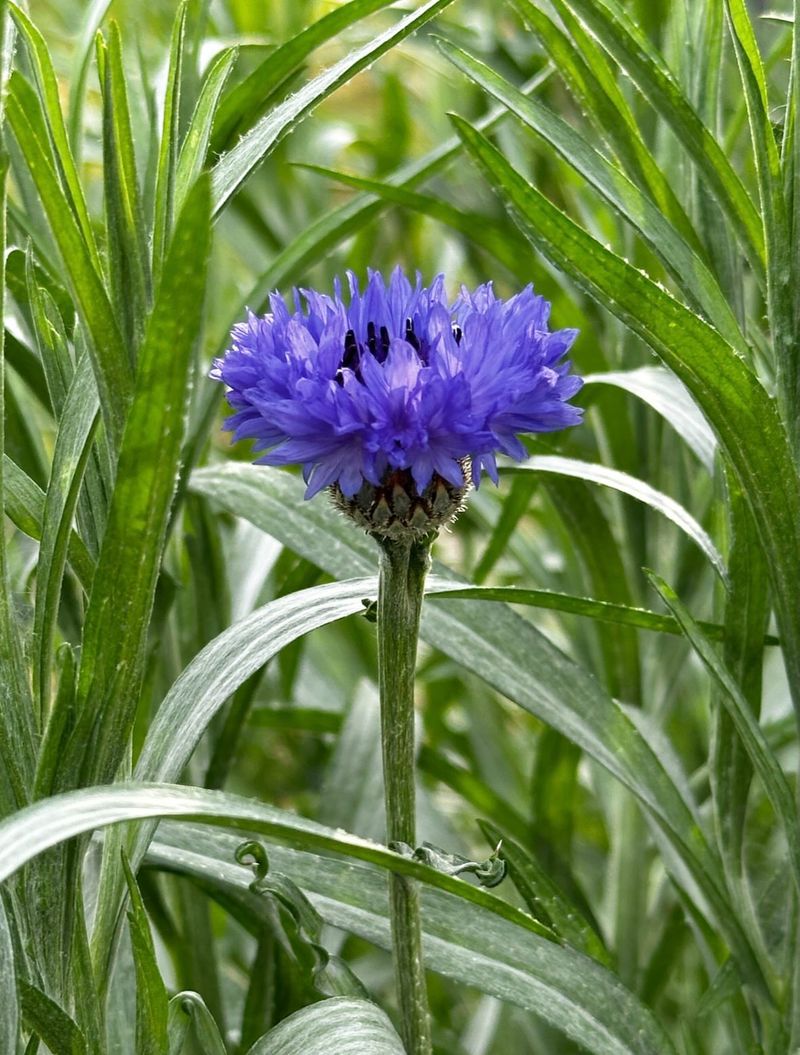
There is something almost nostalgic about bachelor’s buttons. Also known as cornflowers, these bright blue blooms have been a staple in cottage gardens for hundreds of years, and they remain just as charming today.
The color is truly stunning, a deep, electric blue that is rare in the flower world and looks incredible against Oregon’s lush green spring landscape.
Bachelor’s buttons are cool-season flowers, which makes them a natural fit for Oregon’s spring climate. You can sow them directly into the garden as early as late March or early April, and they will sprout and grow quickly in the mild, moist conditions that define a typical Oregon spring.
They actually prefer cooler weather and may slow down once the real heat of summer arrives.
These flowers grow on tall, slender stems that make them fantastic for cutting and bringing indoors. A vase of bachelor’s buttons on a kitchen table is simple, cheerful, and unmistakably beautiful.
Bees and butterflies absolutely love them too, so planting a patch near your vegetable garden can help boost pollination across the whole yard.
Bachelor’s buttons come in colors beyond blue, including pink, white, burgundy, and lavender, so you can mix and match for a lively, meadow-style display. They reseed themselves readily in Oregon’s mild climate, which means you may find new plants popping up in unexpected spots next spring.
Letting them naturalize gives your yard a relaxed, wildflower feeling that feels perfectly at home in the Pacific Northwest.
5. California Poppy That Thrives In Spring
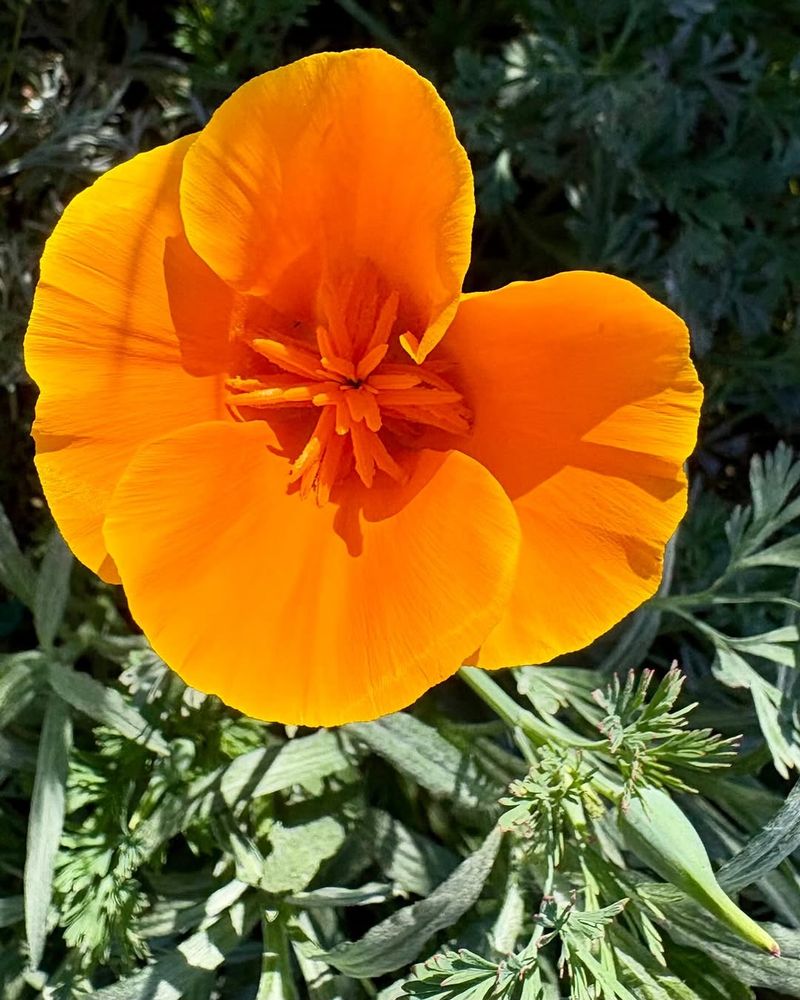
Do not let the name fool you. California poppies thrive just as happily in Oregon as they do in their home state, and they have become one of the most beloved wildflowers in Pacific Northwest gardens.
Their silky, cup-shaped petals in shades of golden orange, yellow, and cream open wide in the sunshine and close up at night like tiny umbrellas folding shut.
One of the most appealing things about California poppies is how little they ask of the gardener. They prefer poor, well-drained soil and actually struggle if you water them too much or add too much compost.
In Oregon, they do best in the drier, sunnier spots of the garden where other plants might not perform as well. They are the ultimate low-maintenance flower for busy gardeners.
Sow California poppy seeds directly into the ground in early spring, as they prefer direct sowing and generally do not transplant as easily as many other flowers. Scatter the tiny seeds over bare soil, rake them in lightly, and water once.
After that, Oregon’s natural spring rainfall usually takes care of the rest. Blooms can appear as early as late April or May.
California poppies self-seed enthusiastically, so a single planting can fill a garden bed with color for many years to come. They also attract native bees and other beneficial pollinators, making them an excellent ecological choice for Oregon yards.
Few flowers deliver such a big visual punch with so little work, and that is a quality every gardener can appreciate.
6. Cosmos That Keeps Blooming Light And Airy
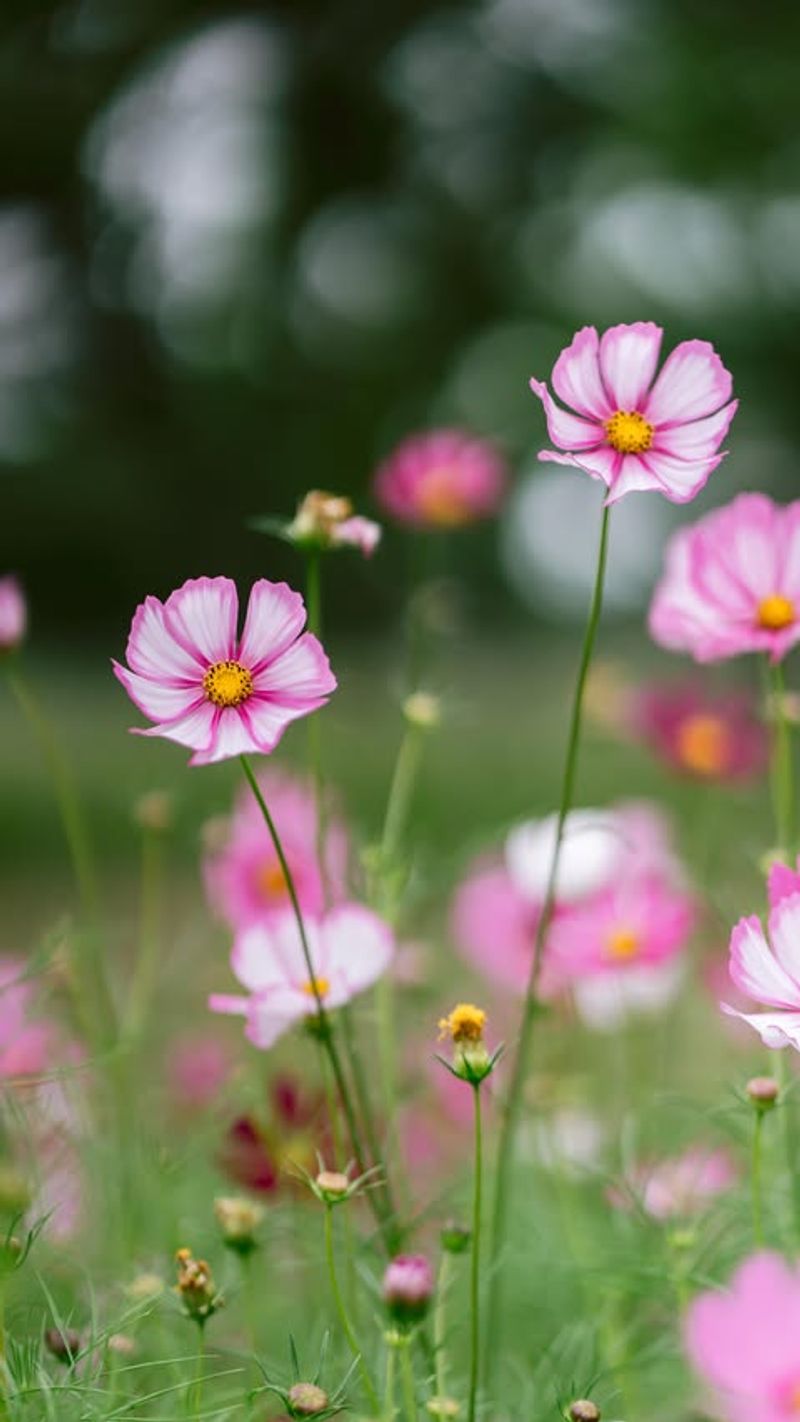
Cosmos plants have an airy, almost dreamy quality that sets them apart from most other garden flowers. Their feathery foliage and delicate daisy-like blooms in shades of pink, white, magenta, and red sway gently in the breeze, giving any Oregon garden a soft, romantic look that is hard to replicate with any other plant.
What makes cosmos especially appealing for Oregon gardeners is how forgiving they are. They grow well in average or even poor soil and do not need a lot of water once they are established.
Starting cosmos from seed is easy and inexpensive, and because they grow so quickly, you can sow them directly in the garden in April and expect blooms by late spring or early summer.
Cosmos grow tall, sometimes reaching four to six feet in height, which makes them excellent as a backdrop in flower borders or as a privacy screen along fences. Their height also means they provide a great habitat for birds and butterflies, adding life and movement to the Oregon garden beyond just color.
Planting them in a sunny spot with room to stretch will give you the best results.
Fun fact: cosmos are native to Mexico and Central America, yet they adapt beautifully to Oregon’s spring conditions. The more you cut them for fresh flower arrangements, the more blooms the plant produces.
A single packet of cosmos seeds can fill a garden bed with color from early summer through the first frost, making them an outstanding value for any Oregon gardener.
7. Coreopsis For Long-Lasting Color
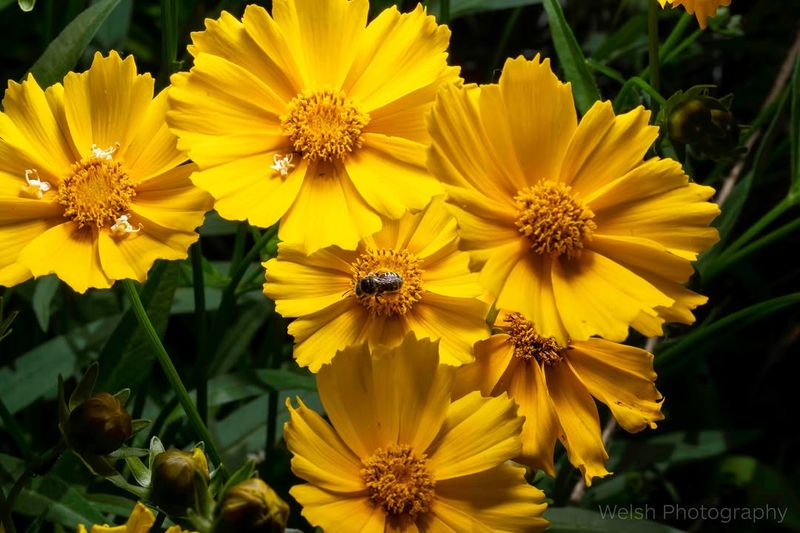
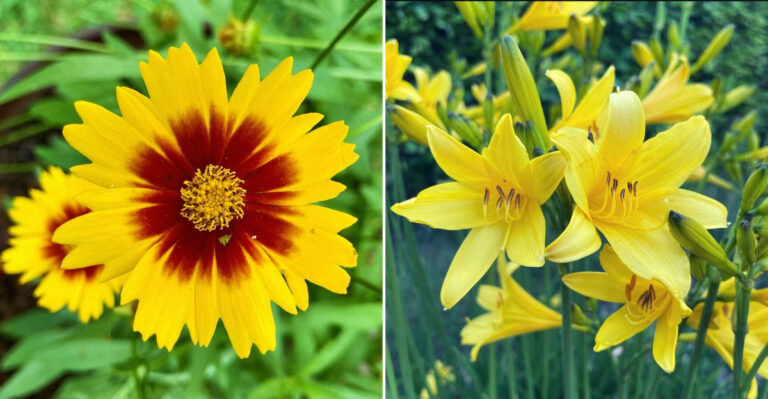
Known affectionately as tickseed, coreopsis is one of those flowers that just makes people happy. The sunny yellow blooms are cheerful and bright, and they cover the plant so completely that you can barely see the foliage underneath.
For Oregon gardeners looking to add reliable, long-lasting color before high summer, coreopsis is a standout choice.
Coreopsis is a native North American wildflower, and its tough, adaptable nature shows in how well it handles Oregon’s variable spring weather. It tolerates both dry spells and rainy stretches without complaint, and it grows happily in average garden soil without needing extra fertilizer or special care.
Plant it in a sunny spot and it will reward you generously with weeks of blooms.
You can grow coreopsis from seed or transplants. If you start from seed indoors about six to eight weeks before the last frost, you will have sturdy transplants ready to go into the Oregon garden in late April or early May.
Once in the ground, coreopsis establishes quickly and begins blooming before many other summer flowers have even gotten started.
Deadheading spent blooms encourages the plant to keep producing fresh flowers, extending your display well into summer. Coreopsis is also a magnet for butterflies and native bees, which makes it a wonderful addition to any pollinator garden in Oregon.
It pairs beautifully with blue bachelor’s buttons or white alyssum for a classic, high-contrast color combination that looks professionally designed without requiring any special expertise to pull off.
8. Phacelia That Pollinators Love Early
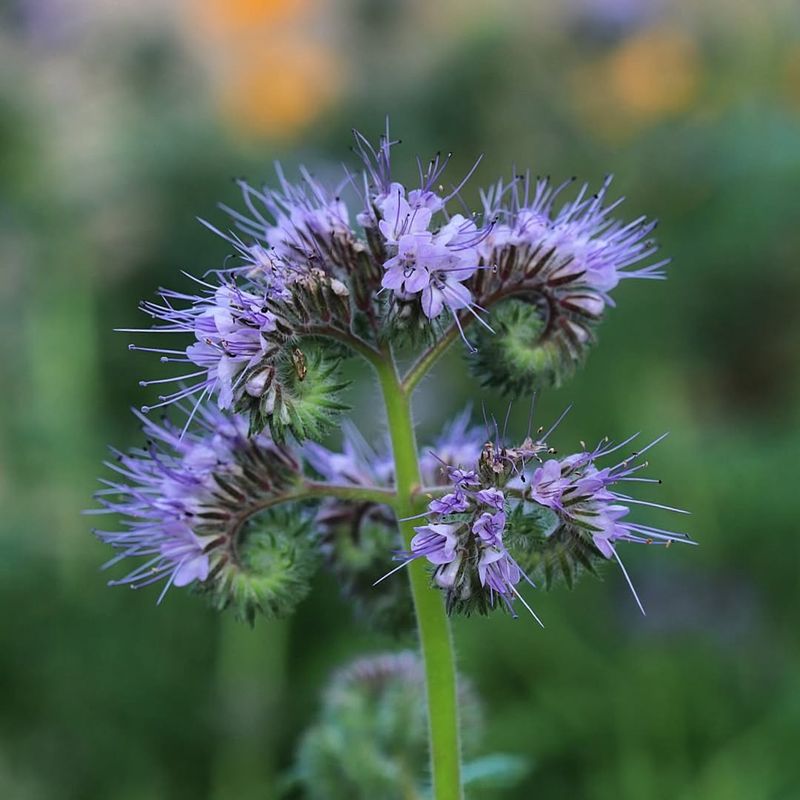
Many people walk right past it at the nursery without a second glance, but experienced Pacific Northwest gardeners know that this plant is an absolute powerhouse for early spring color and pollinator support. Its clusters of vivid blue-purple, bell-shaped flowers are genuinely unlike anything else in the garden.
One of phacelia’s greatest strengths is how quickly it grows from seed. Sow it directly into the garden in early spring, and you can expect flowers in as little as six to eight weeks.
That speed makes it one of the earliest bloomers you can add to an Oregon yard, often putting on a show while other flowers are still just getting started. It thrives in Oregon’s cool, moist spring climate like it was born for it.
Phacelia is especially beloved by bees. Honeybees, bumblebees, and native solitary bees flock to its flowers with remarkable enthusiasm, making it one of the most ecologically valuable plants you can grow in an Oregon garden.
Farmers and market gardeners sometimes plant entire fields of it specifically to attract and support beneficial pollinator populations.
The plant stays relatively compact, usually growing one to two feet tall, which makes it easy to tuck into borders or mix with other spring flowers. Phacelia also self-seeds reliably, so once you plant it in your Oregon yard, you may find it returning season after season on its own.
For a flower that offers so much, including beauty, speed, and ecological benefit, it deserves far more attention than it typically gets.