The Native Flowering Plant You’ll See In More And More Florida Yards
If you have ever watched a carefully chosen shrub turn brown and scraggly by mid-July, you already know how unforgiving Florida summers can be on ornamental plants.
More Florida homeowners are swapping out those high-maintenance plants for something that actually belongs here, and firebush is leading that shift.
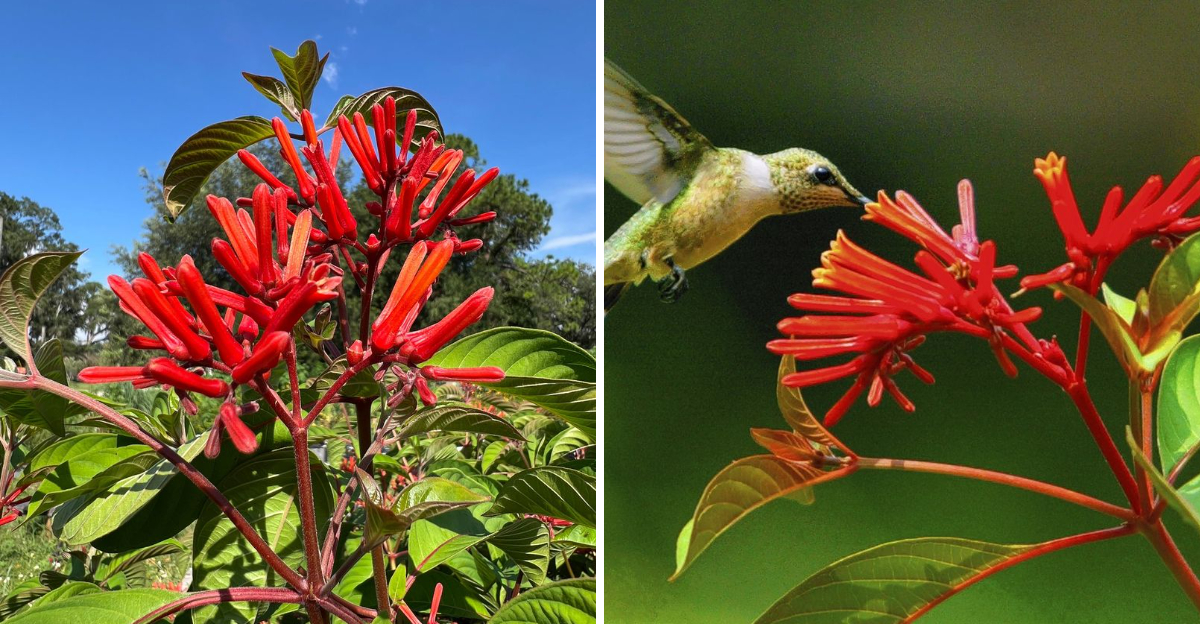
This native flowering shrub blazes with red-orange blooms for months at a time, asks for very little in return, and turns every yard into a landing spot for hummingbirds and butterflies.
Once you see it thriving in a neighbor’s yard while everything else wilts, it is hard not to want one of your own.
1. Firebush Handles Florida Heat Without Slowing Down
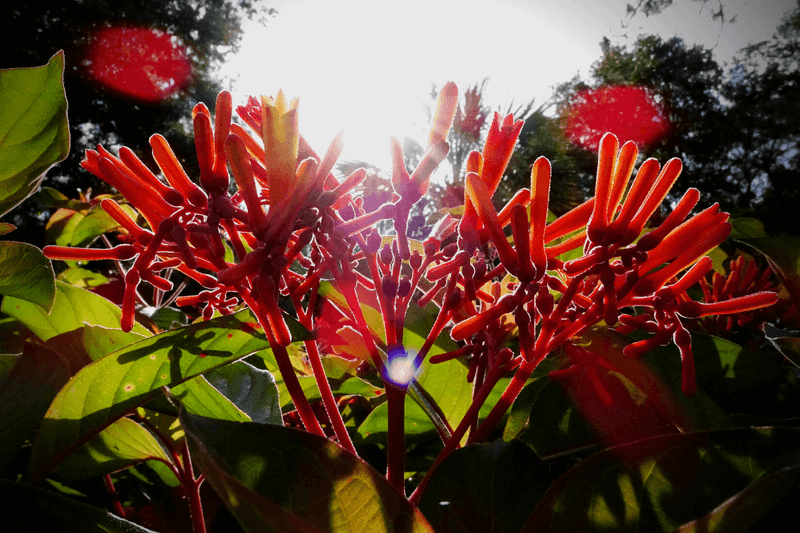
Picture it: mid-August in Central Florida, heat index pushing past 105 degrees, and nearly every ornamental in the yard looks exhausted. Firebush, meanwhile, keeps right on blooming like the temperature is a personal invitation.
That kind of heat resilience is not an accident. Hamelia patens evolved in warm, tropical, and subtropical climates, which means Florida summers feel completely natural to it.
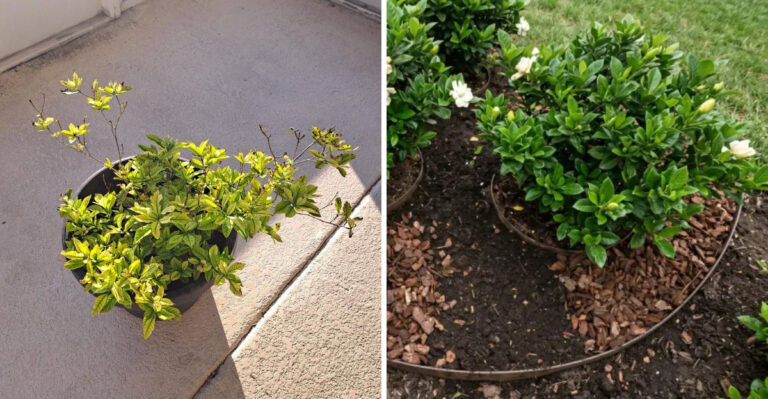
While gardenias drop leaves and impatiens practically melt, firebush stays lush and loaded with those signature red-orange tubular flowers.
It handles both full sun and partial shade, though it puts on its most impressive show when it gets at least six hours of direct sunlight each day.
Planting it in a south or west-facing exposure gives it the best chance to reach its full potential in Florida landscapes.
The plant’s ability to keep flowering through long stretches of intense heat makes it especially valuable in Florida, where summer can stretch from May all the way into October.
Most ornamentals need extra attention during that window, but firebush largely takes care of itself.
For homeowners who want color without constant babysitting, placing firebush in a sunny border or anchor position near a fence or wall gives it room to thrive while reducing overall landscape maintenance considerably.
2. Brings Color Through The Long Warm Season
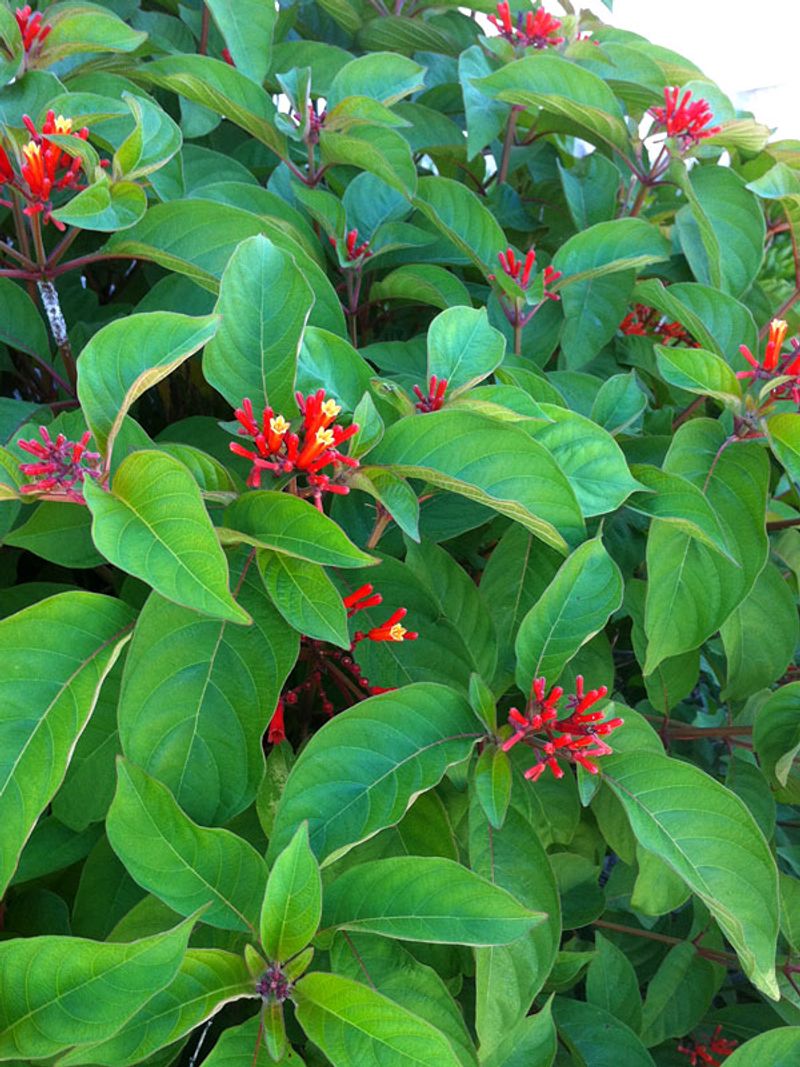
Walk past a firebush in late April and you will already see the first flush of blooms opening up. Come back in September and it is still going strong, with barely a pause between flower cycles.
That kind of extended color season is something most Florida gardeners dream about, especially when so many flowering plants give you two or three weeks of glory and then go quiet.
Annuals like petunias and snapdragons are beautiful, but they require replanting every season, which adds up in both cost and effort. Firebush is a perennial shrub that keeps returning and keeps blooming without needing a replacement trip to the nursery.
In South Florida, it can bloom nearly year-round given the right conditions, making it one of the most consistently colorful native options available.
To encourage the most continuous blooms, light deadheading or a quick tip trim after a heavy flowering cycle can stimulate fresh growth and new flower buds.
Avoid removing too much at once during peak bloom periods, since the plant is already doing exactly what you want it to do.
Your Florida Garden Changes Every Week. Your Plan Should Too.
Gardening in Florida changes quickly throughout the season. Every Friday you’ll receive a simple weekly plan showing exactly what to plant, prune, fertilize, harvest, and protect so you never miss the right timing.
Giving it a balanced slow-release fertilizer in early spring helps fuel that long season of color without pushing excessive leafy growth at the expense of flowers. Consistent color with minimal effort is a combination that is hard to beat in the Florida landscape.
3. Draws Hummingbirds And Butterflies Daily
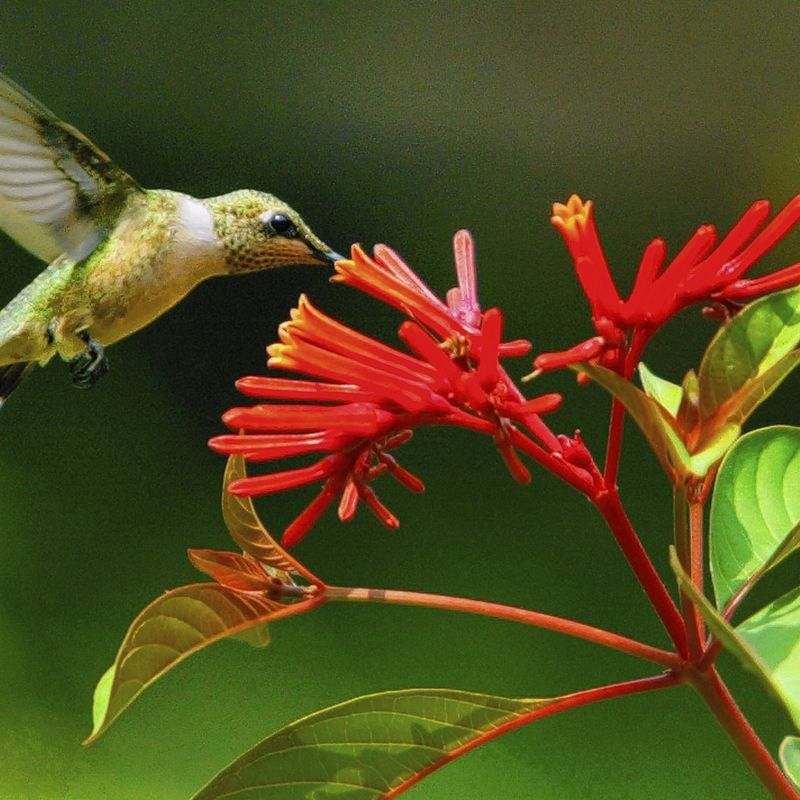
There is something genuinely exciting about walking outside with your morning coffee and finding a ruby-throated hummingbird hovering just a few feet away, sipping from firebush blooms. It happens regularly in yards where this plant is established.
The long, tubular shape of the flowers is practically designed for hummingbirds, allowing them to reach nectar that other insects cannot easily access.
Butterflies are equally drawn to firebush. Species like the zebra longwing, which is Florida’s state butterfly, as well as gulf fritillaries and sulphurs, visit regularly throughout the warm season.
Beyond just looking beautiful, this kind of pollinator activity supports the broader local ecosystem. Native plants and native wildlife evolved together, so firebush provides exactly the kind of food source that Florida’s pollinators are wired to seek out.
Small dark berries follow the flowers, and those attract songbirds as well, extending the wildlife value of the plant beyond just the bloom period. For the best pollinator visibility from inside your home, try placing firebush near a window, patio, or seating area.
Grouping two or three plants together rather than planting just one creates a larger visual display and a more reliable food source that keeps hummingbirds and butterflies returning day after day throughout the entire warm season.
4. Thrives In Sandy, Fast-Draining Soils
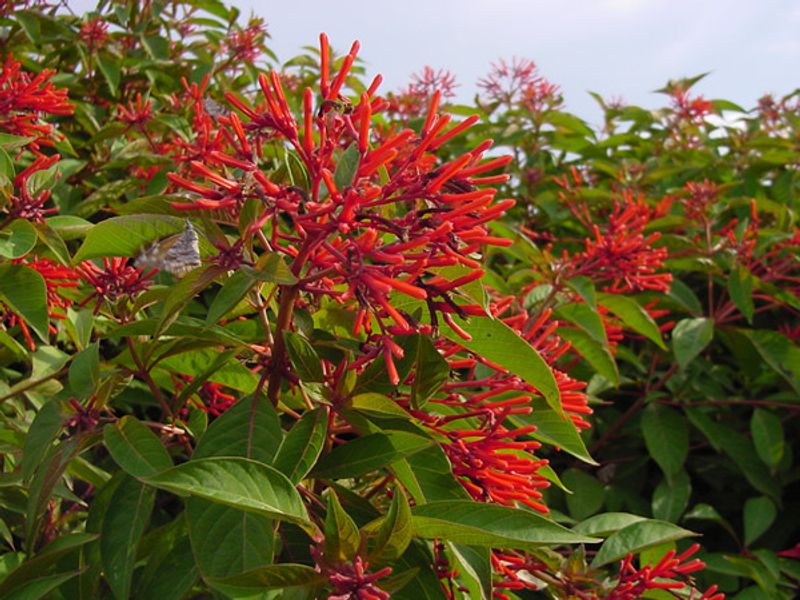
Florida’s soil is famously sandy, and that creates real headaches for gardeners trying to grow plants that prefer rich, moisture-retaining ground. Nutrients drain away quickly, water disappears fast, and roots have to work hard to anchor in loose substrate.
Many popular ornamentals simply do not perform well under those conditions, which is part of why so many Florida yards end up looking stressed and patchy by midsummer.
Firebush handles sandy, fast-draining soils with ease. Its root system is well adapted to lean conditions, and it does not need heavily amended soil to establish and grow.
According to UF/IFAS Extension guidance, Hamelia patens tolerates a range of soil types including sandy, loamy, and even slightly clay-heavy ground, as long as drainage is reasonable. Waterlogged roots are a bigger concern than poor nutrients for this plant.
When planting firebush in typical Florida sandy soil, digging a hole two to three times wider than the root ball helps the roots spread outward more easily.
Adding a two to three inch layer of mulch around the base conserves moisture during dry spells and moderates soil temperature.
You do not need to add heavy amounts of compost or fill, since firebush naturally handles low-fertility conditions well. That adaptability makes it one of the most forgiving native shrubs a Florida homeowner can put in the ground.
5. Needs Less Water Once Established
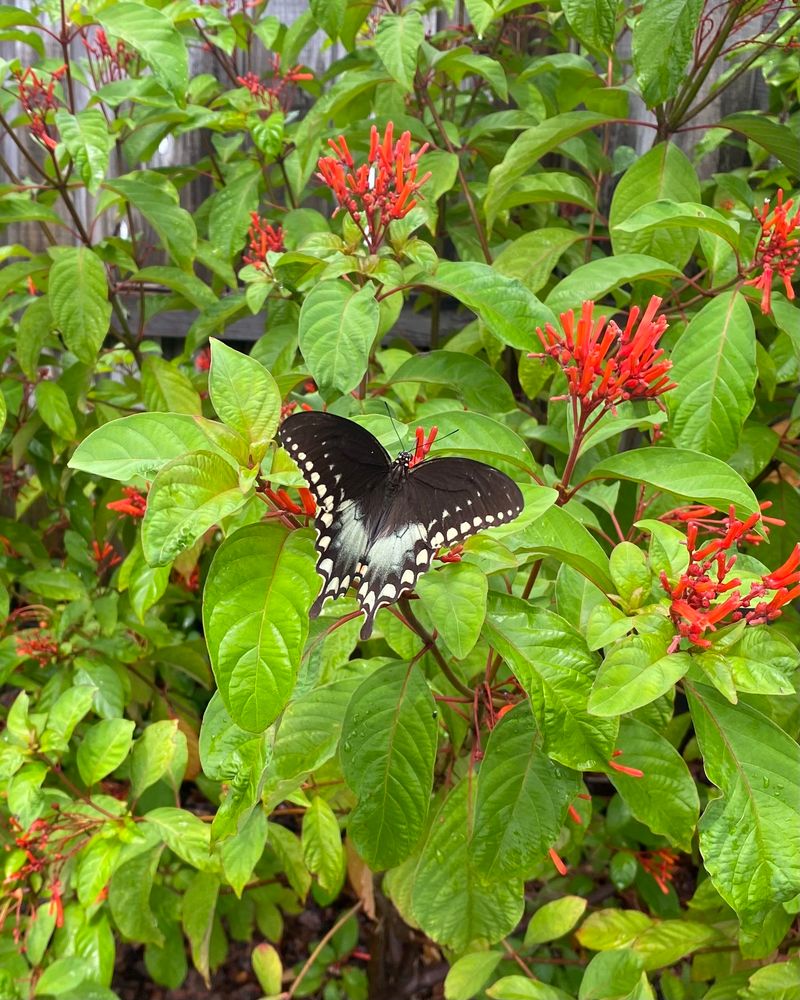
Florida gets plenty of rain from June through September, but the dry season from November through May can stretch for weeks without a meaningful drop. During those dry stretches, irrigation bills climb and plants that need consistent moisture start showing stress.
Firebush takes a very different approach to Florida’s unpredictable water calendar once it has had time to root in properly.
After establishment, which typically takes about one full growing season, firebush becomes notably drought tolerant. Its root system deepens enough to access soil moisture that surface-level plants cannot reach.
UF/IFAS Extension notes that established firebush requires minimal supplemental irrigation, making it a smart choice for Florida-Friendly Landscaping goals that aim to reduce water use across residential properties.
During the establishment phase, which runs roughly from planting through the first six months, watering two to three times per week helps the roots spread and anchor properly.
Once you see steady new growth and the plant looks settled, you can scale back to once a week or rely on natural rainfall during the wet season.
In North Florida, a bit more attention during dry winter stretches is helpful.
Placing a soaker hose or drip irrigation near the base during the first summer gives new plants the consistent moisture they need to get through that critical early window without any guesswork involved.
6. Fits Both Formal And Natural Landscapes
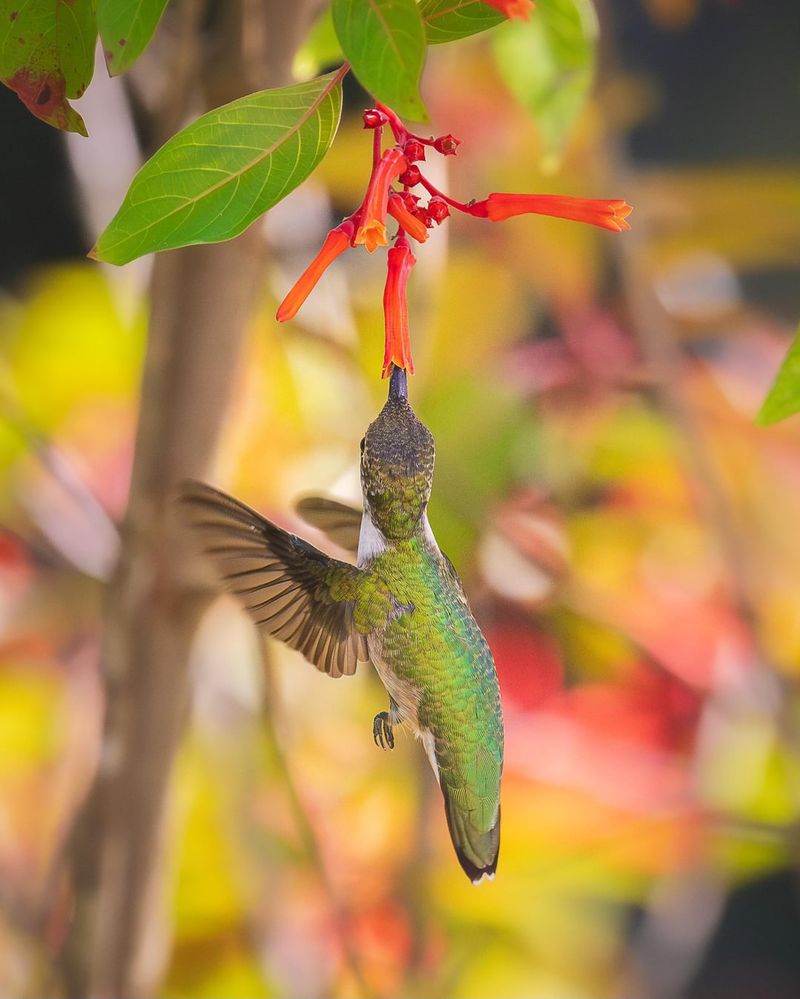
Not every native plant looks polished enough for a tidy suburban yard, but firebush is genuinely versatile.
It can be trimmed into a neat hedge that holds a clean line along a driveway or property border, and it can also be left in a more relaxed, natural form for a cottage-style or wildlife-focused garden.
That flexibility is one reason landscape designers working across Florida are reaching for it more often.
As a standalone specimen plant, a mature firebush can reach six to ten feet tall and wide depending on the region and how often it is pruned.
That size makes it an effective privacy screen, a colorful backdrop for smaller perennials, or a bold focal point at the corner of a home.
Planted in a row with consistent spacing, it creates a dense, flowering hedge that doubles as wildlife habitat.
For formal placements, spacing plants about four to five feet apart and trimming them two or three times per year keeps growth tidy without sacrificing too many blooms.
For naturalistic designs, leaving more space between plants and allowing them to fill out on their own creates a lush, layered look.
Mixing firebush with other Florida natives like saw palmetto or Simpson’s stopper adds texture and depth while keeping the entire planting low maintenance. The design possibilities are genuinely broad for such an easy-care shrub.
7. Recovers Quickly After Pruning
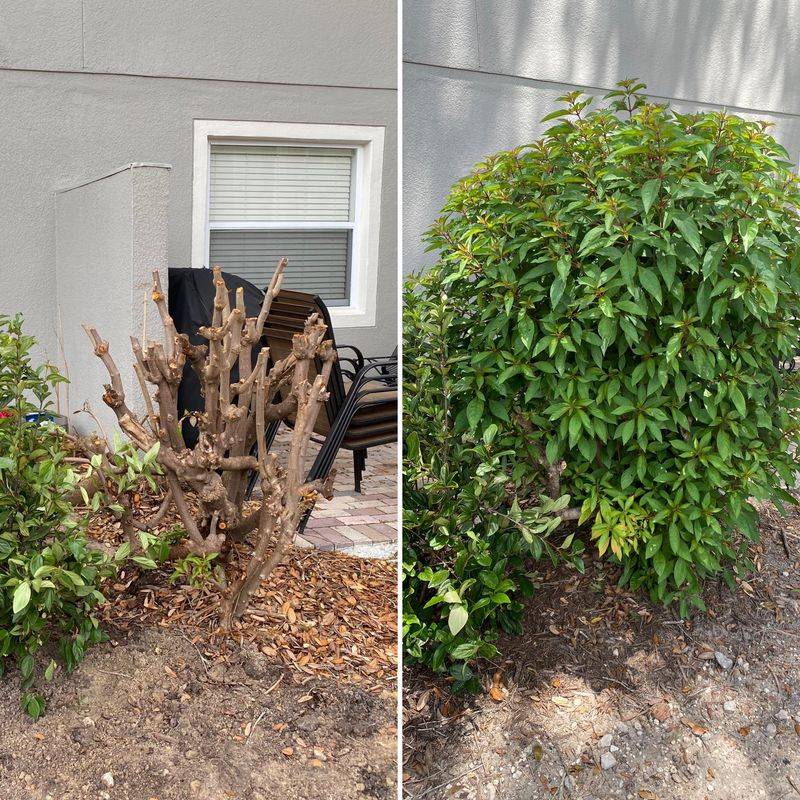
Some shrubs sulk for months after a hard trim, putting out sparse, awkward growth before they look right again. Firebush is not one of them.
Cut it back and within a few weeks you will see vigorous new shoots pushing out, often followed quickly by a fresh round of blooms. That recovery speed makes it easy to manage in Florida yards where growth can accelerate dramatically during the warm rainy season.
Timing matters when pruning firebush in Florida. Late winter or very early spring, just before new growth begins, is the best window for a heavier shaping session.
This allows the plant to channel energy directly into new growth as temperatures warm up. Light tip pruning can be done throughout the growing season without much concern, and it actually encourages branching that leads to more flower production over time.
Avoid heavy pruning in late fall in North Florida, since cutting back too aggressively before a cold snap can leave new tender growth exposed to frost damage. In South Florida, where freezes are rare, pruning timing is more flexible year-round.
A sharp pair of bypass pruners or loppers gives cleaner cuts than anvil-style tools, which helps the plant seal wounds faster. Keeping blades clean between plants also reduces the chance of spreading any fungal issues from one shrub to another in your landscape.
8. Performs Well Across North And South Florida
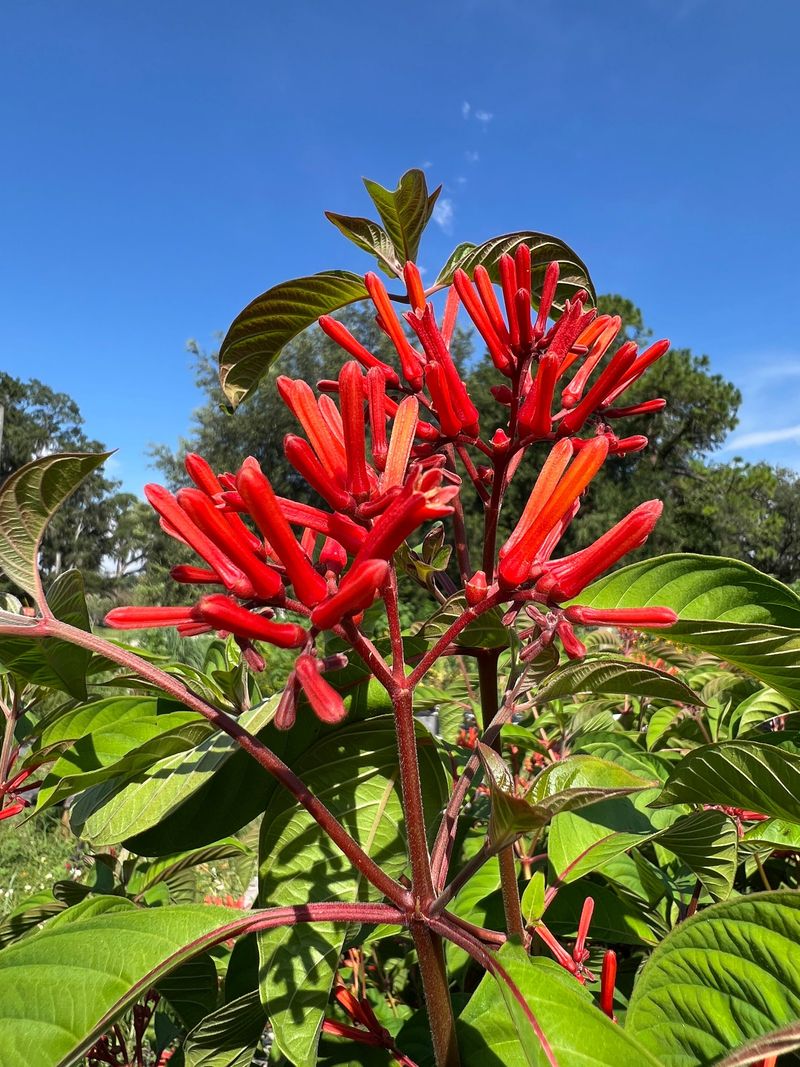
Florida covers a surprising range of climate zones, from the subtropical warmth of Miami-Dade County to the cooler winters of Tallahassee and Pensacola. A plant that works beautifully in Naples might struggle in Gainesville, and that regional mismatch frustrates a lot of gardeners.
Firebush is one of the few native shrubs that performs reliably across nearly the entire state with only minor care adjustments needed.
In South Florida, firebush behaves almost like an evergreen, holding its foliage through winter and continuing to bloom in warm spells even in January.
In Central and North Florida, it may lose leaves during cold snaps and go dormant in a hard freeze, but the roots typically survive and the plant rebounds vigorously once temperatures climb again in spring.
That resilience makes it a dependable investment even in regions where winter weather is less predictable.
North Florida gardeners can give their firebush a bit of extra protection by applying a thick layer of mulch around the base before the first expected frost, which insulates the root zone and improves the chances of a strong spring return.
Choosing a planting site near a south-facing wall or fence also provides a few extra degrees of warmth on cold nights.
South Florida gardeners simply enjoy the plant with very little seasonal adjustment, letting it grow and bloom on its own natural schedule throughout the year.