This One April Habit Can Ruin Your Florida Crape Myrtle Blooms
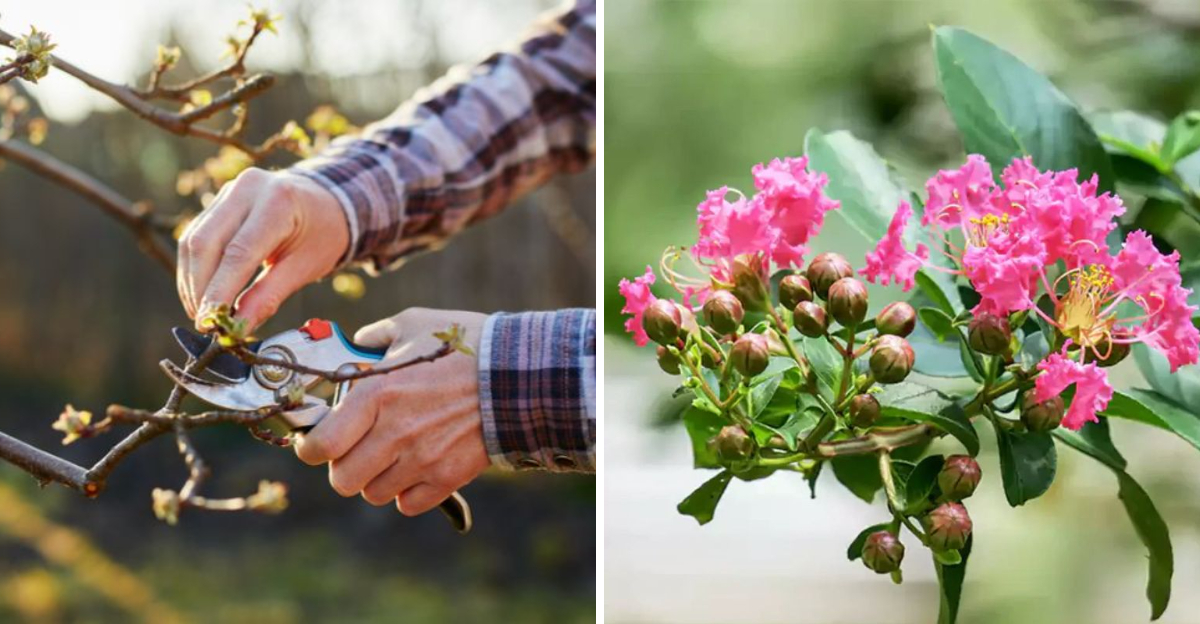
Every April in Florida, it happens like clockwork. The weather warms up, the yard starts waking up fast, and the urge to grab the pruning shears kicks in.
Crape myrtles often end up at the top of that to-do list, especially when branches look a little wild after winter. That instinct feels right, but this is where things quietly go off track.
By the time April arrives, crape myrtles across Florida are already pushing out fresh growth that will carry the summer flower display. Cutting into that growth now does not help the tree.
It redirects energy into replacing what was removed instead of building toward blooms. The result is not always obvious right away, but when summer rolls in, the difference shows up fast.
Timing, more than anything else, is what separates a tree covered in color from one that struggles to put on a show.
1. Stop Pruning Crape Myrtles In April Before Buds Are Fully Set
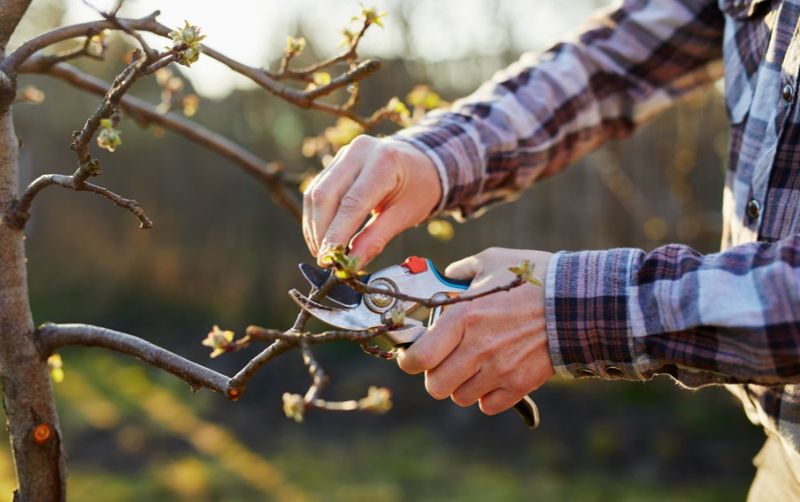
April feels like the perfect time to tidy up the yard in Florida. The weather is warming up, everything looks like it needs a little attention, and your crape myrtle might seem like a good candidate for a trim.
However, pruning your crape myrtle in April is one of the most common mistakes Florida gardeners make, and it can seriously reduce your summer flower show.
By April, Florida crape myrtles are no longer dormant. They have already shifted into active growth mode, which happens earlier here than in most other states because of the warm climate.
New shoots are emerging, leaves are expanding, and most importantly, the new growth that will produce summer flowers is already forming. Cutting back the branches at this stage removes the very buds that were on their way to becoming blooms.
According to University of Florida IFAS guidance, crape myrtles should be pruned during late winter dormancy, before new growth begins. That window has already passed by April.
Pruning now sends the tree mixed signals, forcing it to spend energy recovering and pushing out replacement growth instead of channeling that energy into flowers.
You might not notice the impact right away, but come summer, your tree may produce fewer flower clusters or bloom later than it should. The good news is that understanding this timing mistake is the first step toward fixing it.
Put the pruning shears away for now and let nature take its course this season.
2. Understand Why Late Cuts Reduce Summer Blooms
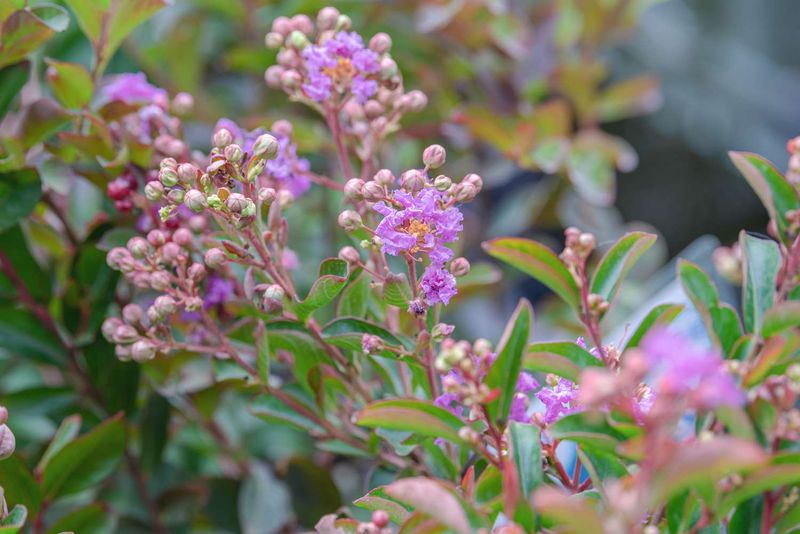
Crape myrtles are what horticulturists call tip bloomers, meaning they produce flowers on the ends of new growth from the current season. That simple fact is the key to understanding why April pruning causes so much trouble.
When you cut back the branch tips in spring, you are not just trimming wood. You are removing the spots where flower clusters were already starting to develop.
Think of it this way. The tree spent all winter storing energy so it could push out strong new growth in spring.
Your Florida Garden Changes Every Week. Your Plan Should Too.
Gardening in Florida changes quickly throughout the season. Every Friday you’ll receive a simple weekly plan showing exactly what to plant, prune, fertilize, harvest, and protect so you never miss the right timing.
That new growth is where the magic happens. Each fresh shoot that emerges in early spring carries the potential to become a flower-covered branch by summer.
Pruning in April cuts off those developing tips and forces the tree to start over, growing replacement shoots from lower on the branch.
Those replacement shoots take extra time to mature enough to produce blooms. Depending on how much was removed and how the season unfolds, you might see delayed flowering or noticeably fewer blossoms.
In some cases, especially after heavy pruning, the tree may shift most of its energy into producing leaves rather than flowers at all.
University of Florida IFAS research confirms that crape myrtles bloom best when their new growth is left undisturbed through the spring growing period.
Protecting those branch tips from late-season cuts is one of the simplest things you can do to guarantee a fuller, more colorful bloom display when summer arrives in Florida.
3. Watch For New Growth That Signals It Is Too Late
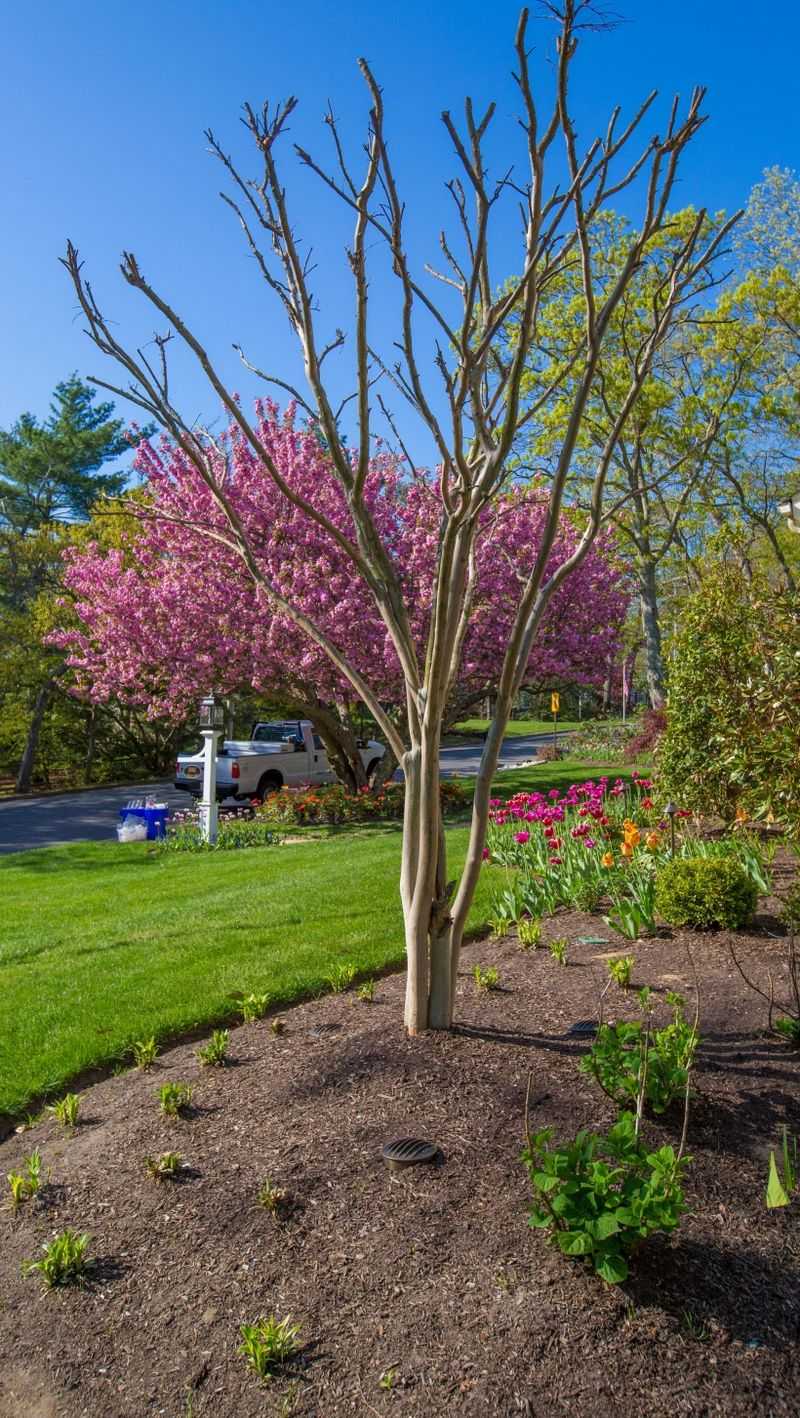
Your crape myrtle will actually tell you when the pruning window has closed. You just have to know what to look for.
Once you spot certain signs of active growth, it is a clear signal that major pruning should wait until next late winter season, and that touching the tree now will likely cost you blooms.
The most obvious sign is the appearance of fresh green shoots pushing out from the branch tips. These small, tender growths often have a reddish or bright lime-green color when they first emerge.
Shortly after, you will notice leaves beginning to unfurl and expand along the new stems. In Florida, this process can begin as early as late February or March, depending on how mild the winter was, which means by April it is often already well underway.
Another visual cue is the overall fullness of the canopy. Once the tree starts filling in with new foliage, the growth cycle is in full swing.
At this stage, the tips of those new stems are quietly preparing to support flower clusters. Removing them now would be like pulling a cake out of the oven halfway through baking.
Walk around your tree in early spring and make a habit of checking for these signs before picking up the shears. If you see fresh shoots and expanding leaves, step back.
Recognizing this growth stage early helps you make smarter decisions and protects the blooming potential your tree has been building up all winter long.
4. Avoid Heavy Topping That Triggers Leafy Growth
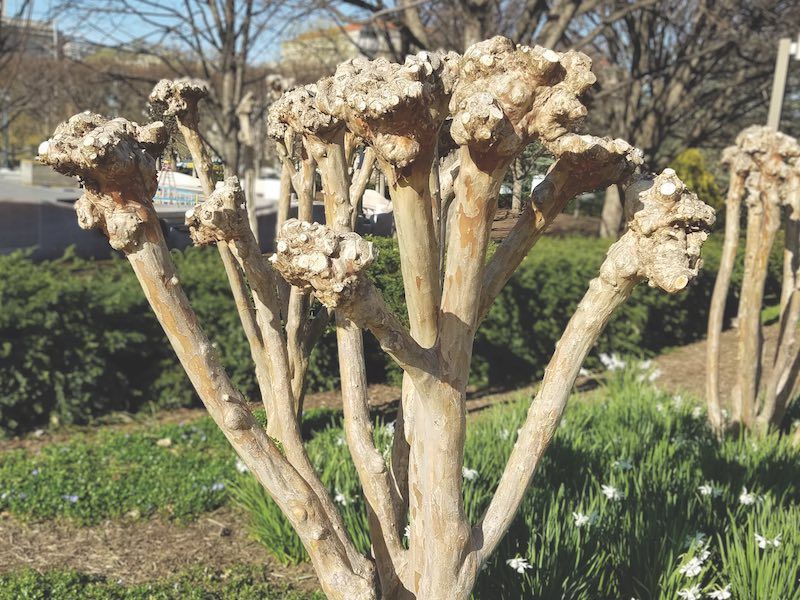
Heavy topping is one of the most damaging things you can do to a crape myrtle, and unfortunately it is also one of the most common sights in Florida neighborhoods every spring. You have probably seen it: trees cut back to thick, stubby trunks with all the natural branching removed.
Gardeners who do this often think they are keeping the tree tidy or manageable, but the results are usually the opposite of what they hoped for.
When a crape myrtle is topped aggressively, especially during active spring growth, the tree goes into a kind of survival mode. It rapidly pushes out a large number of fast-growing shoots from just below the cuts.
These shoots are weak, thin, and grow very quickly, but they are focused on replacing lost foliage rather than producing flowers. The result is a dense, leafy canopy with far fewer blooms than the tree would have naturally produced.
Beyond the reduced flowering, heavy topping creates structural problems. The fast-growing replacement shoots are weakly attached to the parent wood and can break easily under the weight of flower clusters or during Florida summer storms.
Over time, repeated topping also creates unsightly knobby growths at the cut points that never go away.
Letting the tree grow in its natural form, or selecting a variety sized appropriately for your space, will always produce better blooms, a healthier structure, and a more attractive tree overall.
5. Let Flower Buds Develop Without Interruption
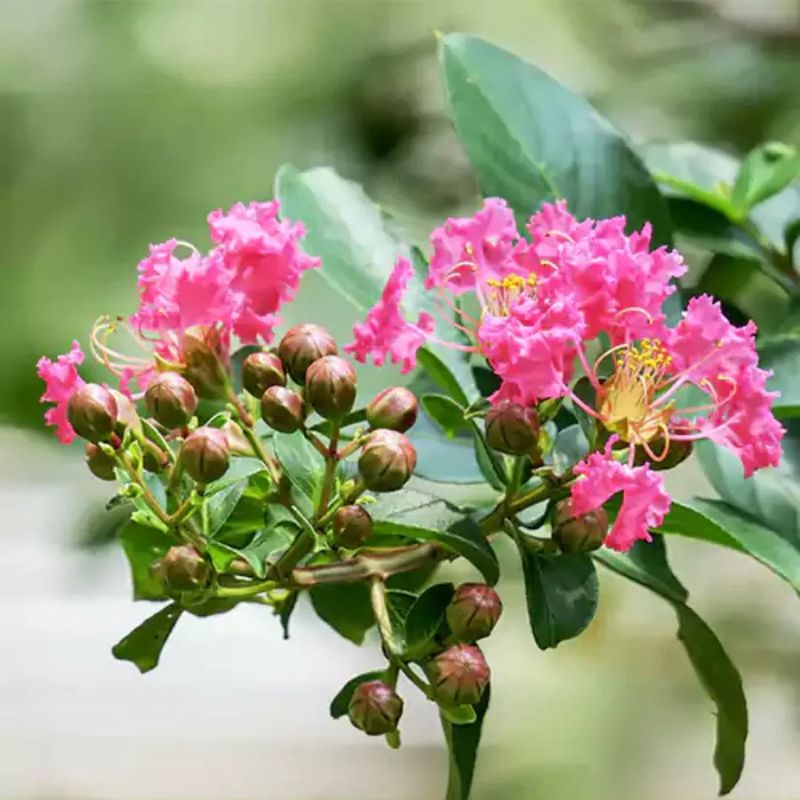
Patience is genuinely one of the best tools a Florida gardener has when it comes to crape myrtles in spring. Once the tree breaks dormancy and starts pushing new growth, the best thing you can do is simply leave it alone.
Every undisturbed shoot tip is a potential flower cluster waiting to happen, and your job at this point is mostly to stay out of the way.
Crape myrtles naturally direct their energy toward flowering when conditions are right and the growth is not interrupted. In Florida, the warm spring temperatures and long sunny days create ideal conditions for rapid bud development.
The new growth that emerges in March and April matures quickly, and by late spring those same shoots will be loaded with the tight little buds that open into the big, showy flower clusters the tree is famous for.
Even well-intentioned light shaping during this period can slow things down if it removes too many of the actively growing tips.
Unless a branch is clearly broken, rubbing against something, or causing a safety concern, there is rarely a good reason to cut it during the spring growth period.
The tree knows what it is doing, and interfering with that process tends to create more problems than it solves.
Trusting the process and protecting new growth from unnecessary cuts is one of the simplest ways to set your crape myrtle up for its best bloom season.
A little hands-off patience in April and May often translates into a spectacular flower display all through the Florida summer months.
6. Know The Right Time To Prune For Better Blooms
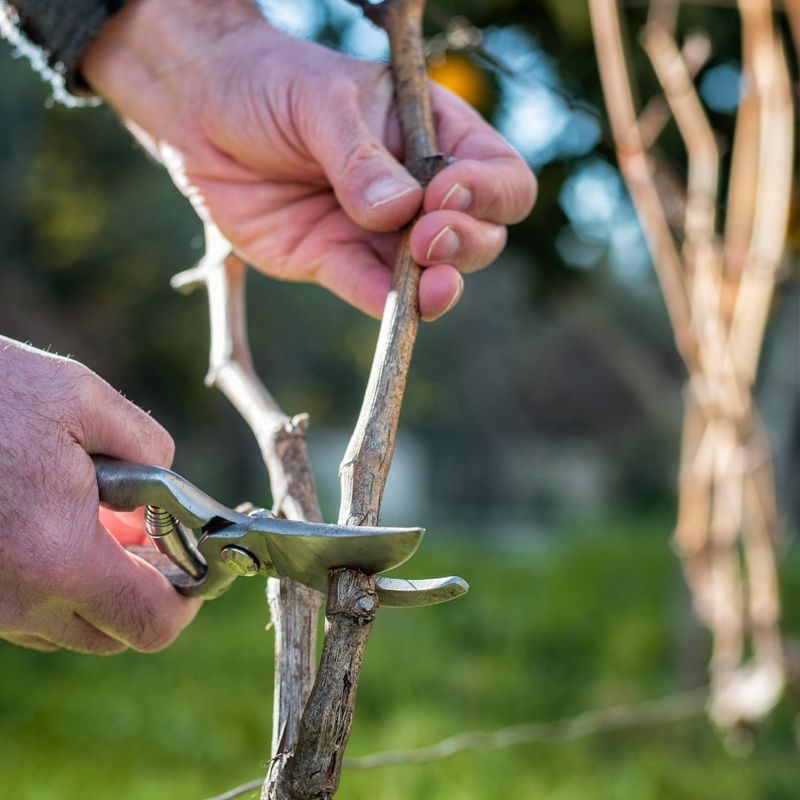
Getting the timing right with crape myrtle pruning makes a bigger difference than most people realize. The sweet spot for pruning in Florida, according to University of Florida IFAS guidance, is late winter while the tree is still dormant.
This typically means late winter, typically January through early March depending on region, before any new growth has started to emerge.
During dormancy, the tree is at rest. Its energy is stored in the roots and woody structure, and it has not yet committed to pushing out new shoots.
Pruning at this stage allows you to shape the tree, remove crossing or crowded branches, and clean up any withered wood without interfering with the upcoming growth cycle.
The tree recovers quickly and channels its spring energy directly into healthy new shoots that will go on to produce flowers.
One helpful way to check if the timing is right is to look at the branch tips. During dormancy, they will be bare and dry with no sign of swelling buds or green growth.
If you already see any hint of green or feel the buds beginning to swell, it is better to hold off and wait until the following late winter season rather than risk cutting into active growth.
Choosing the right variety for your space also reduces how much pruning is needed overall.
Dwarf and semi-dwarf crape myrtle varieties are widely available and stay naturally compact, which means less intervention and more reliable blooms year after year in the Florida landscape.
7. Fix Past Overpruning With Smarter Seasonal Timing
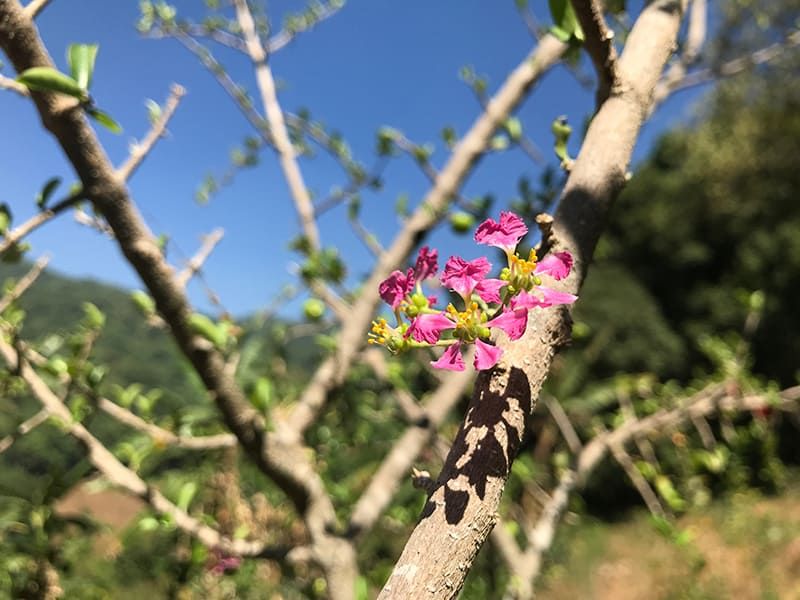
So maybe you already pruned your crape myrtle in April, or maybe it has been heavily topped for several years in a row.
The good news is that crape myrtles are remarkably resilient trees, and with a smarter approach going forward, most of them can bounce back and produce better blooms over time.
If you pruned in April this year, the most helpful thing you can do right now is stop and let the tree recover on its own. Avoid the temptation to go back in and try to fix the cuts or reshape things further.
Every additional cut you make during active growth takes more energy away from flowering. Give the tree the rest of the season to push out whatever growth it can and let it do its thing.
Come next late winter, you will have a chance to reset. When the tree is fully dormant again, take a closer look at the overall structure.
If there are knobby growth points from years of topping, you can gradually work to restore a more natural branching pattern over two or three seasons. Trying to fix everything at once with aggressive cuts will likely just repeat the cycle of poor blooming.
Feeding the tree with a balanced slow-release fertilizer in early spring can also support recovery by giving it the nutrients it needs to push strong new growth.
With consistent care and properly timed pruning moving forward, even a heavily topped crape myrtle can return to producing the full, showy blooms it is naturally capable of delivering.
8. Focus On Light Cleanup Instead Of Major Cuts In Spring
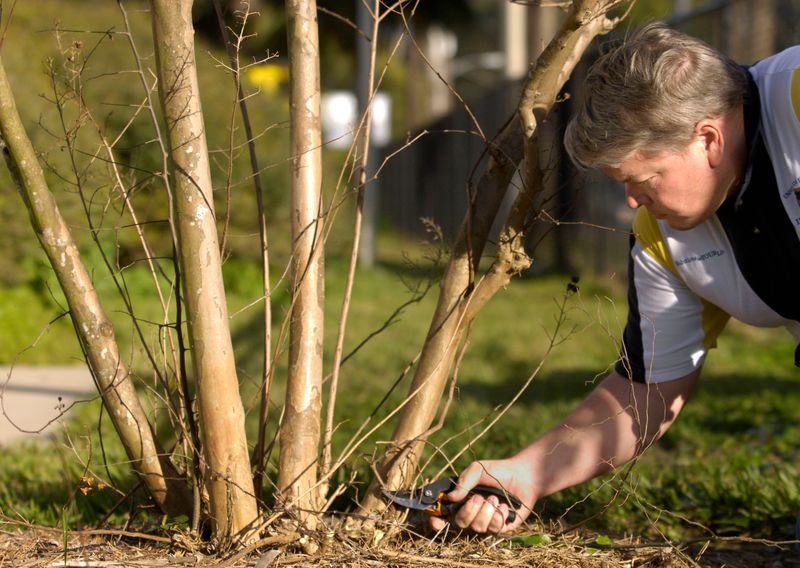
Just because major pruning is off the table in April does not mean you have to leave your crape myrtle completely untouched.
There is a meaningful difference between heavy structural cuts and light maintenance cleanup, and the latter is perfectly fine to do in spring without putting your blooms at risk.
Light spring cleanup focuses only on removing wood that is clearly withered, damaged, or diseased. If a branch snapped during a winter storm, remove it.
If you spot a twig that is dry, brittle, and showing no signs of life while everything else is leafing out, go ahead and take it off. Removing this kind of material does not interfere with the flowering process because withered wood was never going to produce blooms anyway.
You can also remove any small suckers sprouting from the base of the tree or along the lower trunk. These suckers pull energy away from the main canopy and do not contribute to flowering.
Taking them off with a clean cut close to the base is a low-risk task that actually helps the tree focus its resources on the branches that matter.
The key distinction is to keep your cuts minimal, targeted, and limited to wood that is clearly not contributing to the tree’s health. Avoid any cuts to healthy green growth, developing tips, or main structural branches.
Think of spring maintenance as tidying, not transforming. Keeping that mindset will protect your blooms while still allowing you to feel like you are giving your Florida crape myrtle the attention it deserves.