If You See This Caterpillar In Georgia Gardens Do Not Touch It
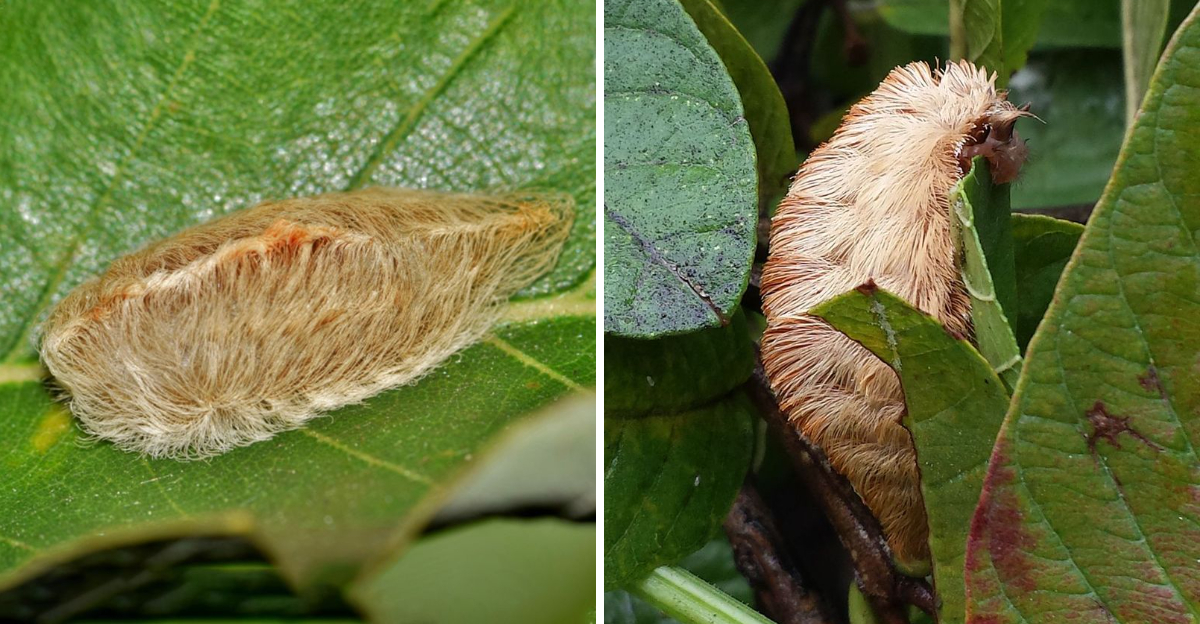
Soft and almost too cute to question, this tiny caterpillar tends to stop people in their tracks the moment they spot it on a leaf or tucked along a stem.
It does not look like something that could cause any trouble, which is exactly why so many gardeners in Georgia get caught off guard the first time they notice it.
Curiosity takes over fast, especially when it blends so easily into everyday garden scenes.
What makes it risky has nothing to do with how it looks at first glance. The real issue stays hidden until contact happens, and by then it is already too late to avoid the reaction.
Many people only learn about it after the fact, once the discomfort sets in and they start wondering what went wrong.
Georgia gardens attract all kinds of wildlife, and most of it is harmless or even helpful. This one stands out for a different reason.
Taking a second to recognize it before getting too close can make all the difference.
1. Puss Caterpillar Can Cause Painful Reactions If Touched
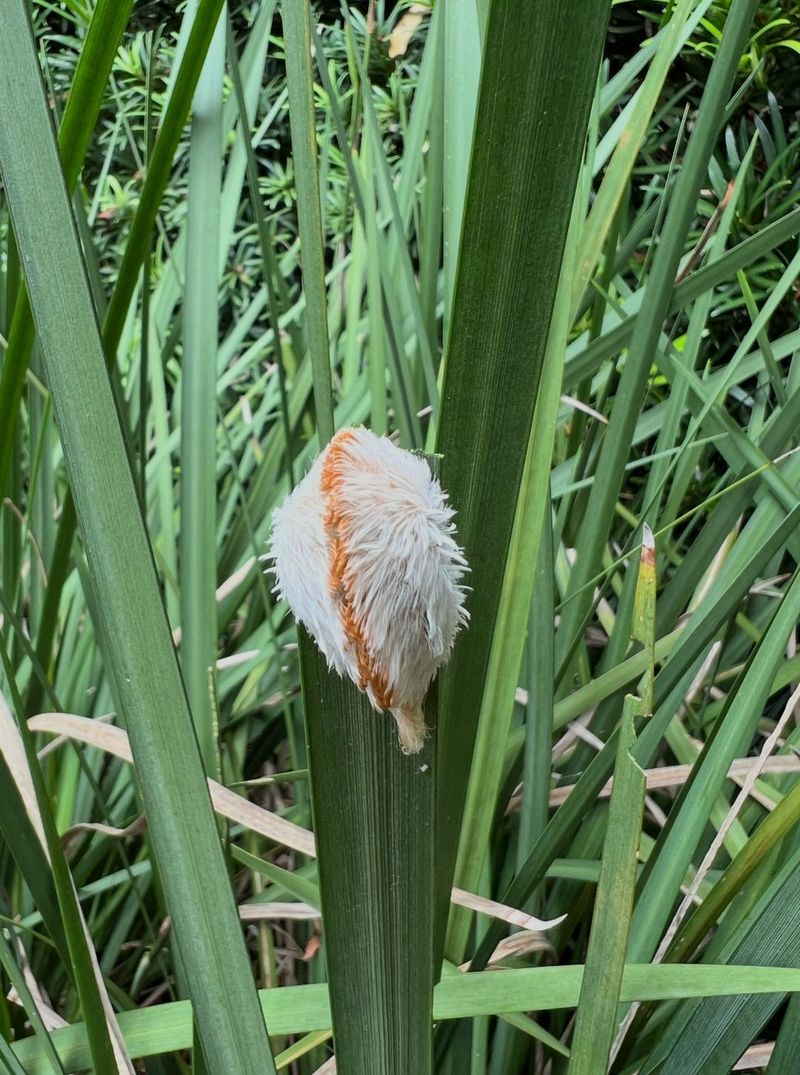
Picking up what looks like a harmless fuzzball from a Georgia garden could leave you in serious pain for hours. The puss caterpillar, scientifically known as Megalopyge opercularis, is considered one of the most venomous caterpillars in North America.
When those soft-looking hairs brush against skin, the hidden spines underneath snap and release venom almost instantly. People who have been stung describe a burning, throbbing sensation that spreads far beyond the contact point.
Some have reported the pain radiating up an entire arm within minutes of a brief touch.
Reactions vary from person to person. Some people experience sharp, localized burning.
Others develop nausea, headaches, and even chest discomfort depending on how many spines made contact. Children tend to react more intensely, so keeping kids aware and cautious in Georgia yards during late summer and fall is especially worthwhile.
Georgia gardeners who work around oaks, elms, and shrubs are most likely to encounter this caterpillar without warning. It blends in so well with bark and leaf litter that spotting it before accidental contact is genuinely difficult.
Wearing gloves while pruning or clearing debris reduces the risk significantly. Even if you spot one and feel confident, leaving it alone is always the smarter call.
No caterpillar, no matter how small or still, is worth a painful sting that could last the rest of your afternoon or longer.
2. Soft Fuzzy Hair Hides Venomous Spines Underneath
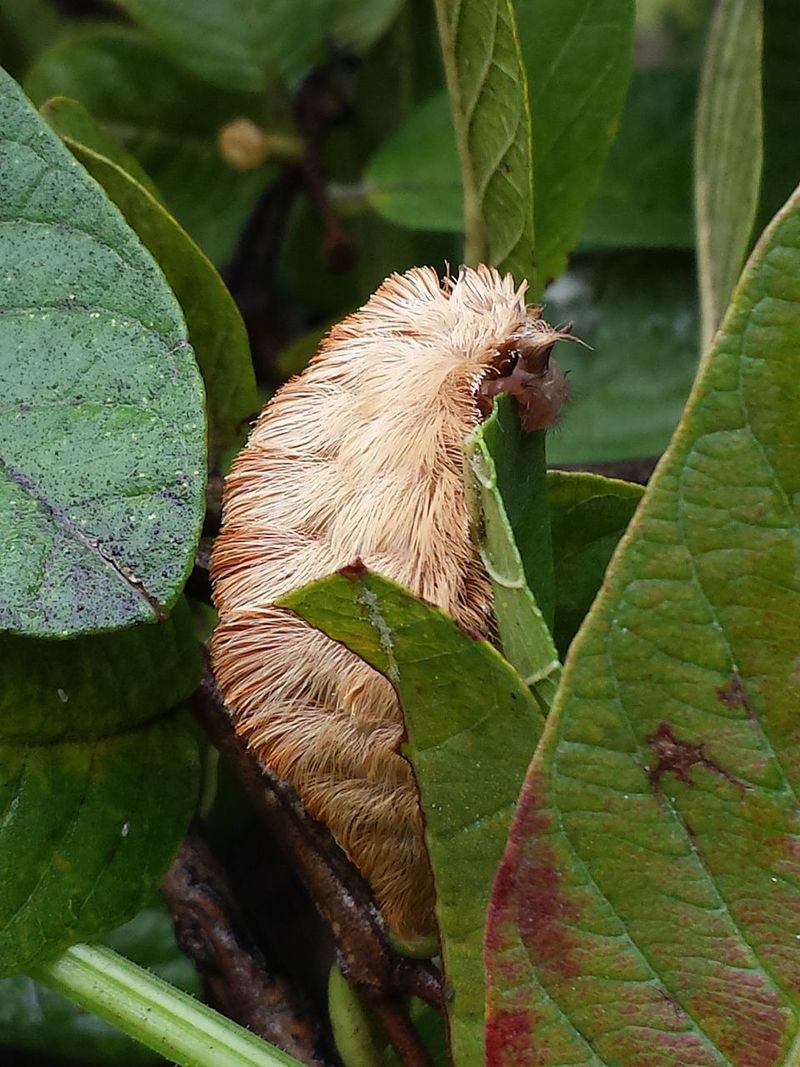
Looks can absolutely be deceiving in the insect world, and the puss caterpillar is proof of that. Underneath all that silky, flowing fur is a completely different story.
Rows of hollow, sharp spines are tucked beneath the hair, each one connected to a venom gland ready to fire on contact.
The fur itself serves as a kind of camouflage for the real threat. At first glance, the caterpillar looks almost like a small tuft of pet fur or a bit of fluff that blew off a plant.
Your Georgia Garden Changes Every Week. Your Plan Should Too.
Gardening in Georgia changes quickly throughout the season. Every Friday you’ll receive a simple weekly plan showing exactly what to plant, prune, fertilize, harvest, and protect so you never miss the right timing.
That visual trick works well enough to fool curious adults, and it definitely catches children off guard.
Researchers who study Megalopyge opercularis note that the spines are not designed to sting aggressively. They break off passively when pressure is applied, which means even the gentlest touch is enough to trigger a reaction.
You do not have to squeeze or handle it roughly for the venom to be released.
In Georgia, the caterpillar is most active from late summer through early fall, which is also when many gardeners are doing end-of-season cleanup.
Raking leaves, moving pots, or trimming shrubs without gloves during that window puts bare hands close to exactly where this caterpillar likes to rest.
Knowing that the fluffy exterior is a biological defense mechanism, not a soft texture worth feeling, changes how you approach anything fuzzy and unfamiliar sitting on a leaf or branch in your yard.
3. Even Light Contact Can Trigger Burning Sensations
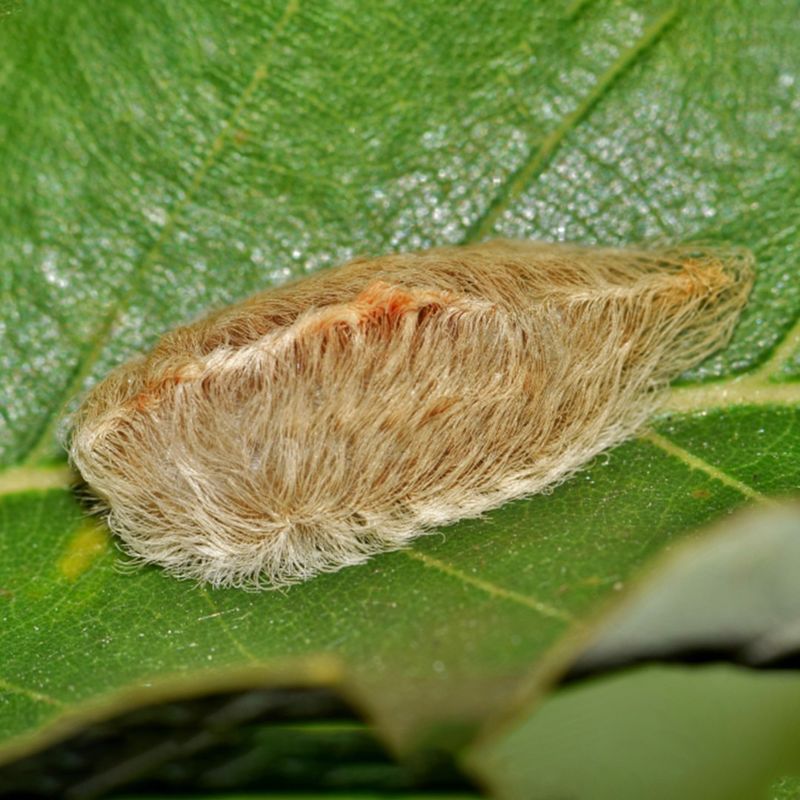
A split-second brush against this caterpillar is all it takes. Unlike a bee sting that requires actual pressure, the puss caterpillar’s spines break off with almost no force at all.
Brushing a leaf where one is resting can be enough to embed spines in exposed skin.
The burning that follows tends to start within minutes. Many people describe it as feeling like a hot coal pressed against the skin, or like a sudden, spreading sunburn that appears out of nowhere.
The sensation can intensify over the next thirty minutes before it gradually starts to ease, though in some cases it lingers much longer.
Georgia health and extension offices have fielded calls about puss caterpillar stings regularly during peak season. Reports consistently mention that the contact was unintentional and extremely brief.
Nobody who has been stung was trying to pick one up. Most were simply working in the garden, walking near shrubs, or reaching past a branch without noticing the caterpillar was there.
Kids playing outside in Georgia yards during fall are especially at risk because they naturally touch everything they find interesting. A caterpillar that looks like a soft toy is practically irresistible to a curious child.
Teaching kids early that fuzzy caterpillars should never be touched, no matter how harmless they appear, is one of the most practical lessons a parent or gardener can pass along.
Awareness is genuinely the first line of defense against an uncomfortable and avoidable sting.
4. Skin May React With Redness And Irritation
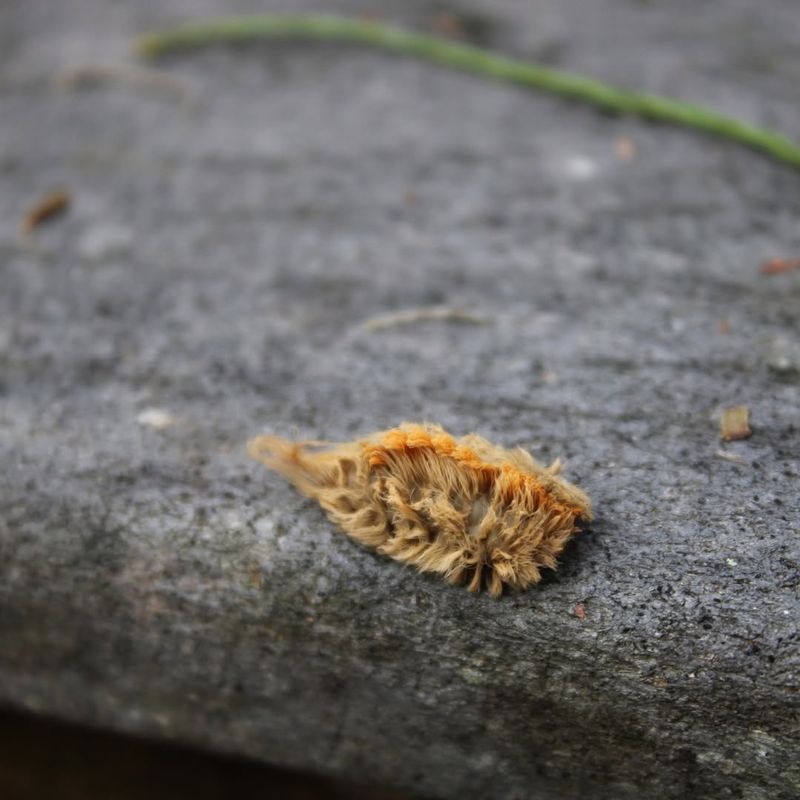
One of the most recognizable signs of a puss caterpillar sting is the pattern it leaves behind. Because the spines are arranged in rows along the caterpillar’s body, the resulting skin reaction often appears as a grid-like or linear pattern of red welts.
It does not look like a typical insect bite.
Redness usually develops quickly and can spread outward from the point of contact over the first hour. Swelling is common, and some people notice small raised bumps or blisters forming within the irritated area.
The itching that follows the initial burning phase can be just as uncomfortable as the original sting for some people.
Removing the embedded spines as soon as possible helps reduce how severe the reaction becomes. Pressing a strip of adhesive tape firmly over the affected area and peeling it away can pull the spines out of the skin.
Repeating that process a few times before washing the area gently is generally recommended by medical professionals familiar with these stings.
Hydrocortisone cream and cold compresses can help calm the skin after spine removal. Over-the-counter antihistamines may also reduce the itching and swelling.
If the reaction spreads significantly, if breathing feels unusual, or if symptoms do not improve within several hours, seeking medical attention is the right move.
Puss caterpillar stings are rarely dangerous for healthy adults, but they are genuinely painful, and Georgia gardeners who know what to look for and how to respond are far better prepared when an unexpected encounter happens.
5. Often Found Resting On Leaves And Shrubs
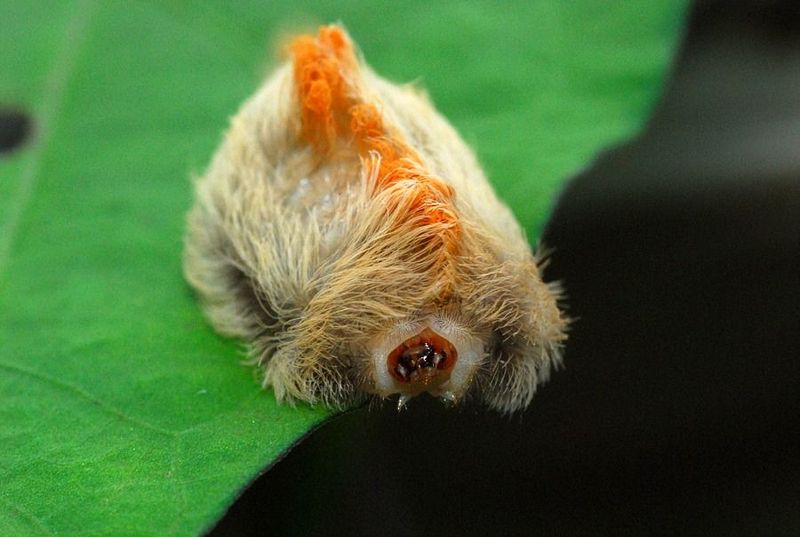
Spotting a puss caterpillar before accidentally touching one is half the battle, and knowing where to look is a solid start. Oak trees are a favorite host in Georgia, but elms, roses, and various ornamental shrubs also attract them.
They tend to sit on the underside of leaves or along branches where they blend in with bark and dry foliage.
During peak season in late summer and fall, a walk through a Georgia backyard with mature trees will sometimes turn up multiple caterpillars within a small area. They are not clustered together like some caterpillar species, but finding one usually means others are nearby.
Checking the undersides of leaves before reaching into shrubs is a habit worth building.
Puss caterpillars do not stay exclusively in trees. They also drop to lower vegetation, land on garden furniture, and occasionally end up on the ground near leaf piles.
Homeowners have found them on porch railings, fence posts, and even on the sides of garden containers sitting beneath large oaks. The caterpillar is not picky about where it rests as long as food sources are close.
Wearing long sleeves and gloves while doing any kind of yard work during fall in Georgia is a simple precaution that significantly lowers the chance of skin contact. Shaking out gloves before putting them on and checking tools that have been leaning against shrubs are also small habits that make a real difference.
Being observant in the garden costs nothing and keeps the experience enjoyable rather than painful.
6. Easy To Mistake For Something Harmless At First
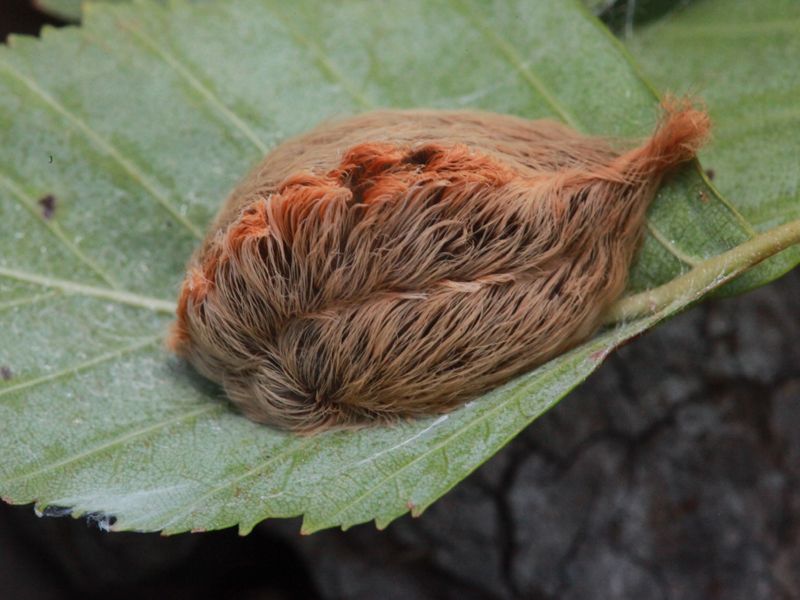
At a quick glance, the puss caterpillar genuinely looks like something you would want to pick up. Its soft, rounded shape and flowing brown or grayish hair give it the appearance of a tiny piece of fuzz that drifted down from a tree.
People unfamiliar with this caterpillar sometimes compare it to a miniature Persian cat or a tuft of pet fur. The name itself comes from that cat-like fluffiness.
Without knowing what to look for, even experienced gardeners can walk right past one or reach toward it without any concern. First-time encounters in Georgia gardens frequently happen exactly that way.
Children are especially likely to be drawn to it. Anything that looks soft and small tends to invite curiosity, and a caterpillar that looks like a toy animal is particularly appealing to young kids exploring a yard.
Adults who spot one and assume it is a harmless moth caterpillar or a piece of natural debris are not making an unreasonable mistake. The camouflage is genuinely effective.
Learning to pause before touching anything fuzzy and unfamiliar in the garden is a practical habit that takes almost no effort to build.
A quick look before reaching, combined with basic knowledge of what the puss caterpillar looks like, is enough to avoid most accidental contact.
Sharing that knowledge with neighbors, family members, and kids who spend time outdoors in Georgia during fall makes a measurable difference in preventing unnecessary stings.
7. Best Left Alone To Avoid Unnecessary Pain
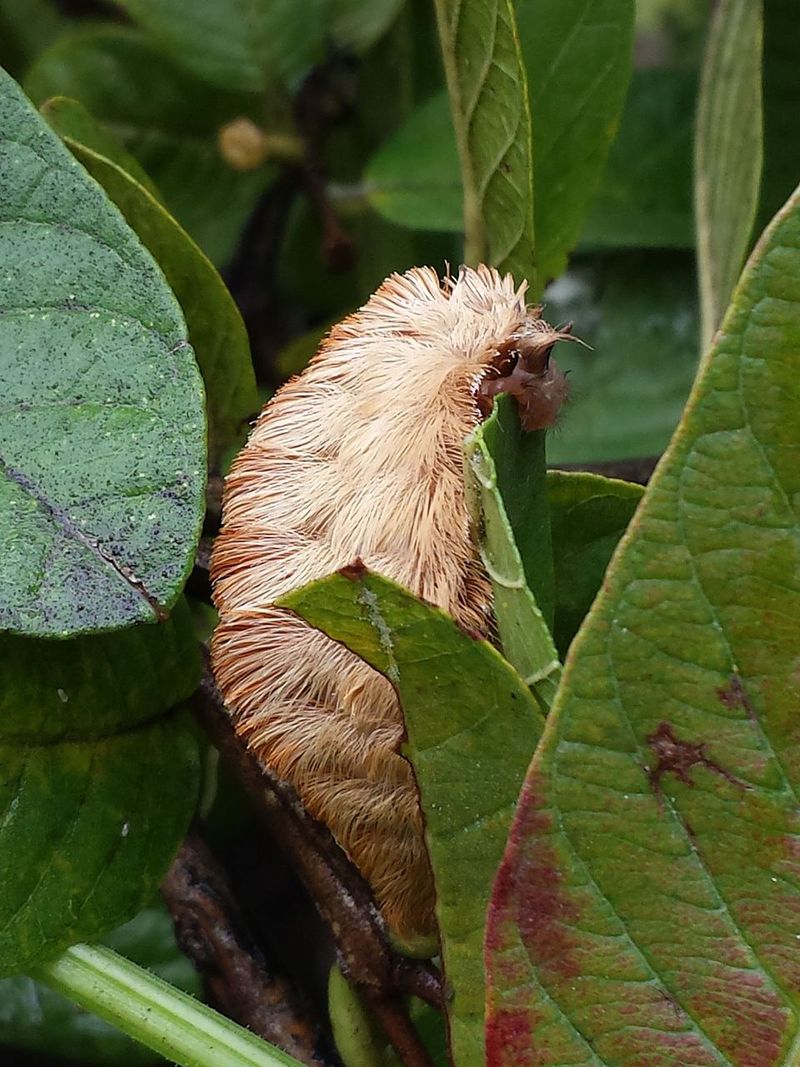
Not every creature in the garden needs to be handled, moved, or examined up close, and the puss caterpillar sits firmly at the top of that list. Leaving it alone costs nothing and prevents a sting that could ruin an afternoon of yard work.
Removing one from your yard is understandable if you have children or pets who spend time in that area. The safest approach is using a stick or garden tool to gently guide it into a container, then relocating it away from high-traffic spots.
Direct skin contact, even brief and accidental, is what needs to be avoided throughout that process.
Georgia’s fall gardening season brings these caterpillars out in full force, and they are not going anywhere quickly. Accepting their temporary presence and adjusting how you move through the garden is more realistic than trying to clear every one from your property.
Gloves, awareness, and a habit of checking before reaching go a long way.
Sharing what you know with people who garden near you is genuinely useful. Not everyone in Georgia has heard of the puss caterpillar, and a quick heads-up to a neighbor or family member could prevent a painful surprise.
There is no need for alarm, but a little informed caution goes a long way during the months when these caterpillars are most active. Enjoy the garden, stay observant, and give this particular visitor the space it needs.