These Native Groundcovers Support Pollinators While Covering Bare Soil In Georgia
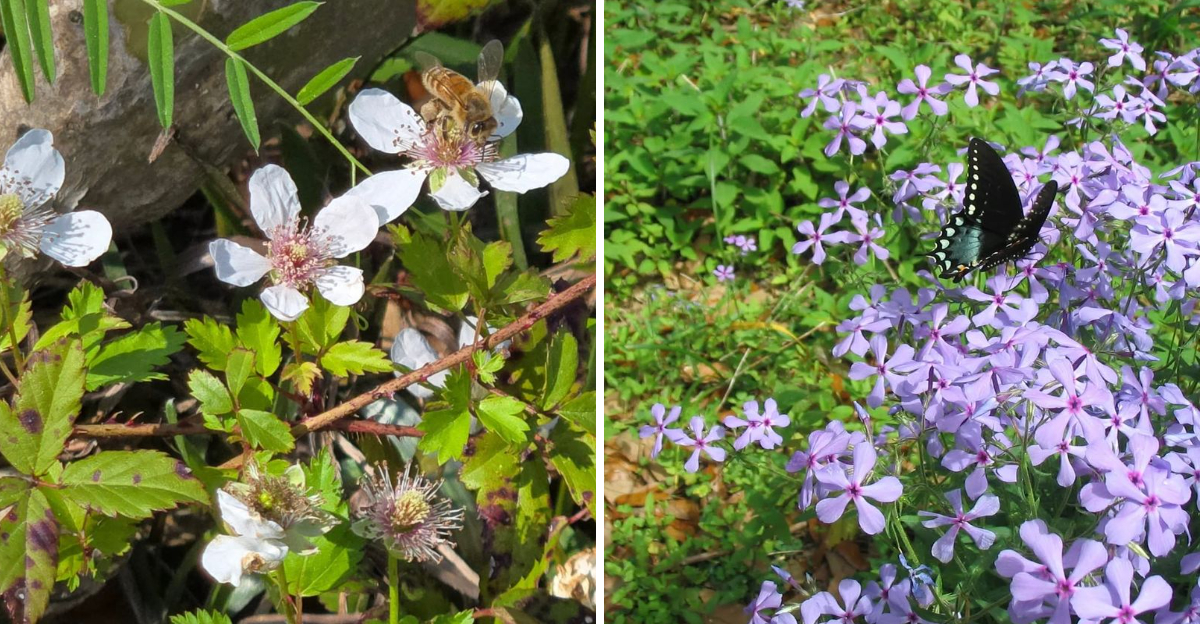
Bare spots in Georgia yards have a way of standing out, especially once everything else starts to fill in and those empty areas stay exposed. They can look dry, unfinished, and harder to manage as the season moves forward.
There is a better way to handle those spaces without turning them into another high maintenance project. Certain native groundcovers settle in quickly, spread naturally, and create a fuller look that feels more complete over time.
What makes them even more valuable shows up once the garden comes to life. Pollinators start to appear, activity increases, and those once empty areas begin to feel like part of a living, connected space.
With the right groundcovers in place, bare soil no longer feels like a problem and starts to work as part of a healthier, more active garden.
1. Creeping Phlox Spreads Fast And Supports Early Pollinators
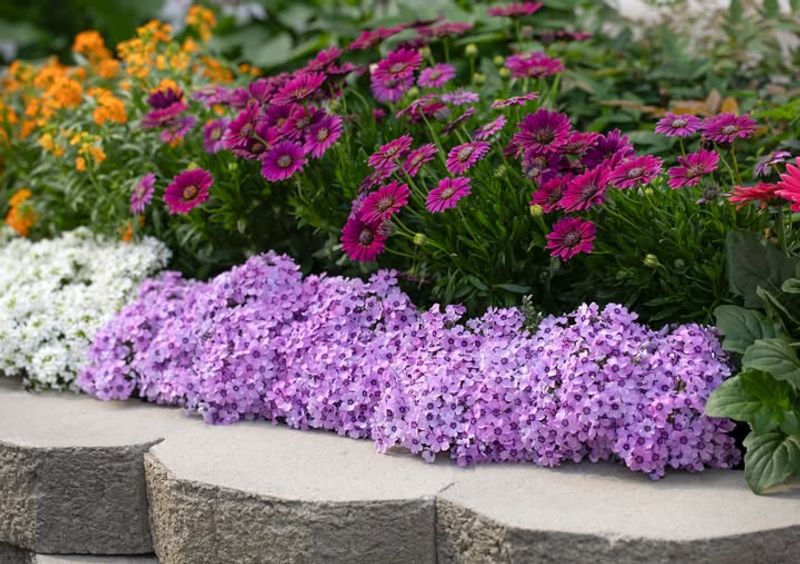
Few groundcovers put on a show quite like creeping phlox does in early spring across Georgia. Before most plants have even leafed out, this low-growing perennial carpets the ground in shades of pink, white, lavender, and magenta.
Bees that have been dormant all winter show up fast when those blooms open, and that early nectar source matters more than most people realize.
Creeping phlox (Phlox subulata) stays close to the ground, rarely reaching more than six inches tall, but it spreads sideways with real purpose.
Planted on a slope or along a garden edge, it knits together into a dense mat that holds soil in place during Georgia’s heavy spring rains.
It handles full sun well and does fine in the sandy or clay-heavy soils common across much of the state.
Planting in fall or early spring gives roots time to settle in before summer heat arrives. Space plants about 18 inches apart and water consistently through the first season.
After that, it typically manages on its own through normal Georgia rainfall. Trimming lightly after bloom keeps the mat tidy and encourages thicker growth the following year.
It won’t replace every type of groundcover, but on a sunny, bare slope in Georgia, creeping phlox is genuinely hard to beat.
2. Green And Gold Forms Dense Coverage In Partial Shade
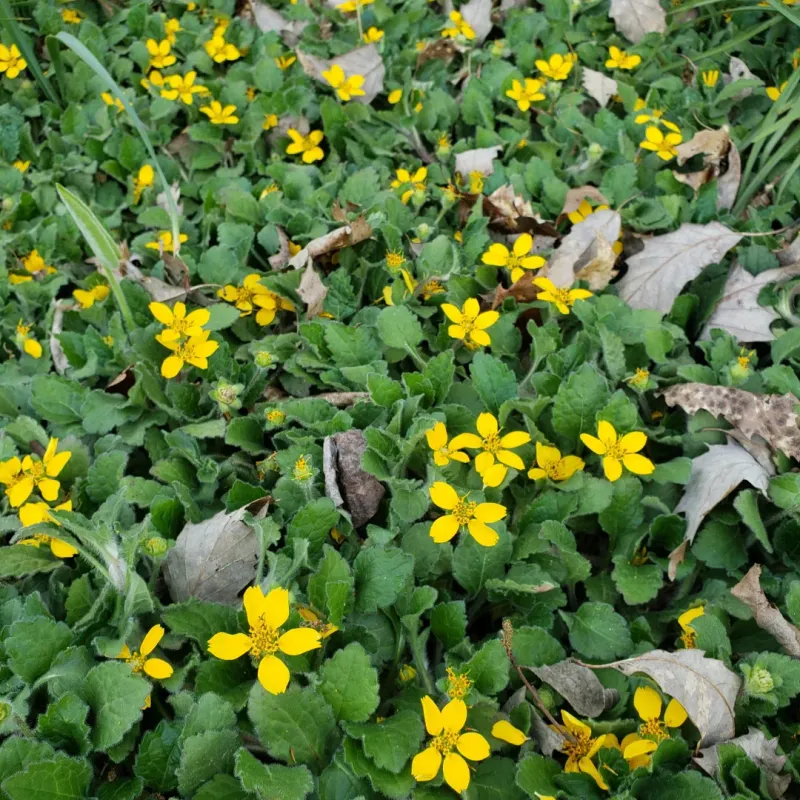
Shaded areas in Georgia gardens can be genuinely tricky. Most sun-loving plants struggle there, and bare soil under trees tends to erode or get overtaken by weeds.
Green and Gold (Chrysogonum virginianum) is one of the more reliable answers to that problem, spreading steadily across shaded ground with cheerful yellow flowers that pop up from late winter through spring.
What makes this plant particularly useful in Georgia is its tolerance for the kind of part-shade conditions found under pines and oaks.
It handles both dry spells and occasional wet periods reasonably well, which matters in a state where weather can swing hard in either direction.
The flowers attract small native bees and other early-season pollinators at a time when blooming options are still limited.
Green and Gold spreads through runners and self-seeding, so it gradually fills in gaps without becoming aggressive or invasive. Spacing plants about 12 to 18 inches apart gives them room to reach each other naturally.
Your Georgia Garden Changes Every Week. Your Plan Should Too.
Gardening in Georgia changes quickly throughout the season. Every Friday you’ll receive a simple weekly plan showing exactly what to plant, prune, fertilize, harvest, and protect so you never miss the right timing.
It stays relatively evergreen through Georgia winters, which means bare soil stays covered even in the colder months. In a shaded border or beneath a canopy of trees, it builds a living carpet that requires little intervention once plants have rooted in well.
Pairing it with native ferns or wild ginger creates a layered look that feels completely at home in a Georgia woodland setting.
3. Wild Strawberry Fills Gaps And Feeds Bees In Spring
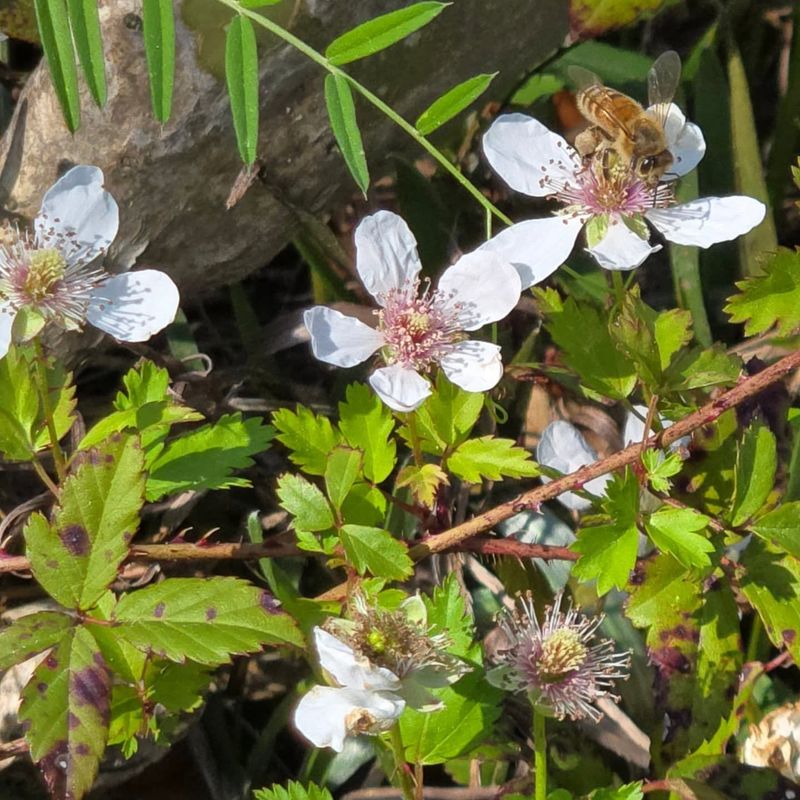
Wild strawberry (Fragaria virginiana) is one of those plants that earns its place in a Georgia garden through pure productivity. It sends out runners that root wherever they touch soil, quietly filling in bare patches without any fuss.
By mid-spring, the small white flowers are already drawing in native bees, and those bees show up reliably because wild strawberry blooms at a time when food sources are still limited.
Beyond pollinator support, this plant feeds birds and small wildlife through the tiny red berries that follow the flowers. It’s a multi-layered benefit from a plant that grows only a few inches tall.
Wild strawberry adapts to a range of light conditions, from full sun to light shade, which gives it flexibility in spots where other groundcovers might not perform as well.
In Georgia, wild strawberry tends to do best in soils with decent drainage. Heavy clay can slow it down, but mixing in some compost at planting time helps considerably.
It goes semi-dormant in the heat of summer but bounces back when temperatures drop in fall. Planting in early spring or fall gives it the best start.
It’s worth noting that spread can vary depending on soil quality and moisture, so results in drier or compacted spots may take longer to develop. Still, for filling gaps in a naturalistic Georgia garden, few plants work as steadily as this one.
4. Partridgeberry Stays Low And Handles Shaded Areas Well
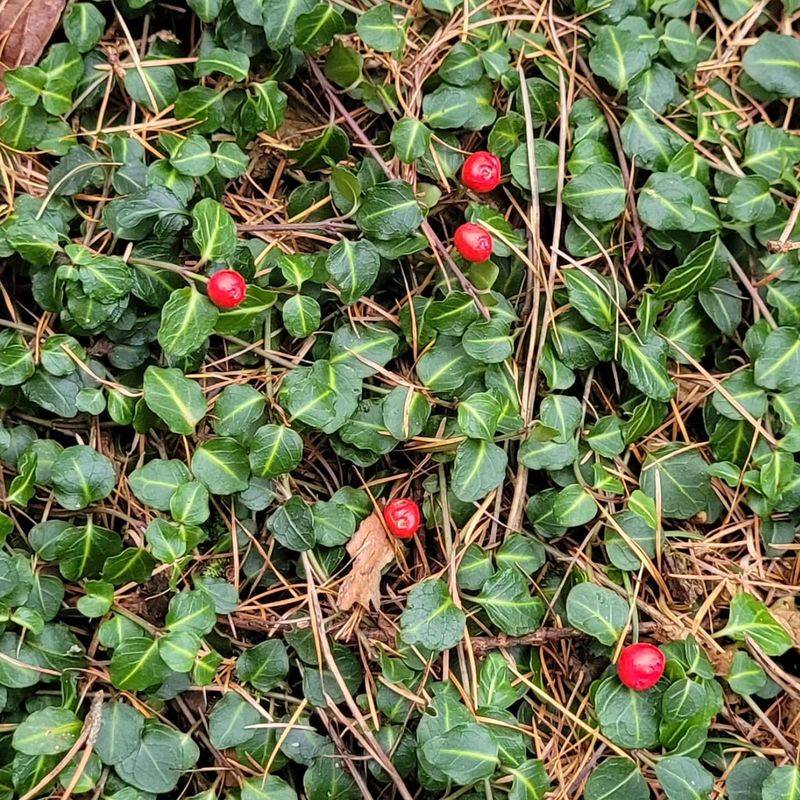
Partridgeberry (Mitchella repens) grows so close to the ground that it almost looks like it’s hugging the earth. Stems creep along the soil surface, putting down roots as they go, and the plant builds up slowly into a dense, fine-textured mat.
It’s not a fast spreader, but in deep shade where few other groundcovers survive, it’s one of the more dependable options available to Georgia gardeners.
Small white tubular flowers appear in late spring, usually in pairs, and those paired blooms are actually required to produce the bright red berries that follow.
Both flowers must be pollinated for fruit to set, which makes this plant particularly interesting from a pollinator biology standpoint.
Native bees and bumblebees are the primary visitors, and they do the work efficiently when the plant is healthy and well-sited.
Partridgeberry prefers moist, acidic soil with good organic matter, conditions that are relatively easy to find under hardwoods and pines across north and central Georgia.
It does not handle dry, compacted soil well, so site selection matters more here than with tougher groundcovers.
Planting in fall gives roots a long, cool period to get established before summer.
Patience is genuinely required with this one, but once it roots in and begins spreading, it holds its coverage through all four seasons and keeps bare soil covered even under the deepest shade.
5. Frogfruit Tolerates Light Traffic And Attracts Butterflies
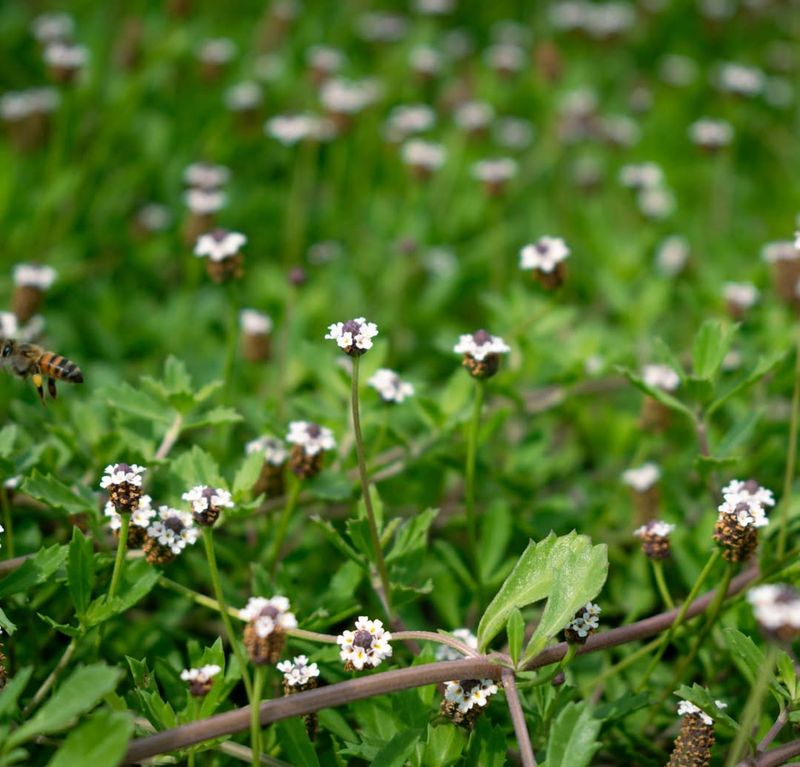
Frogfruit (Phyla nodiflora) might have the best name in the native plant world, and it backs that up with some seriously impressive performance.
Spreading into a flat, dense mat, it handles light foot traffic better than most groundcovers, which makes it a reasonable option for low-use pathways or areas between stepping stones in a Georgia yard.
The real draw for pollinators is the nearly continuous bloom period. Tiny white to pale lavender flowers appear from late spring and keep going well into fall, which is longer than almost any other native groundcover in Georgia’s climate.
Butterflies are especially attracted to frogfruit, and it serves as a larval host plant for several species including the common buckeye, adding another layer of ecological value beyond just nectar production.
Frogfruit thrives in full sun and tolerates Georgia’s summer heat and humidity without complaint. It prefers moist to moderately dry soil and handles occasional flooding better than many plants.
Spread varies depending on conditions, but in a sunny, open area with decent soil moisture, it fills in steadily over one to two growing seasons. Planting plugs about 12 inches apart gives it room to knit together without overcrowding early on.
It’s not a substitute for a traditional lawn in high-traffic areas, but for low-use sunny spots where you want ground coverage and pollinator activity, frogfruit delivers both with minimal input.
6. Self Heal Naturalizes Easily And Supports Native Bees
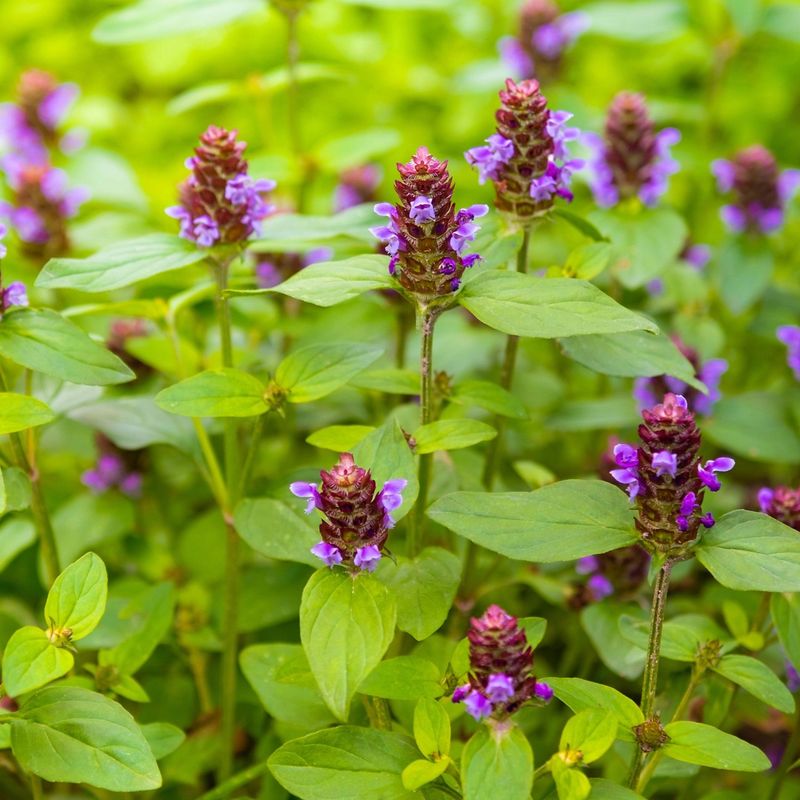
Self heal (Prunella vulgaris) is the kind of plant that shows up in Georgia lawns uninvited and then makes you glad it did.
Short spikes of purple flowers rise just above the foliage from late spring through summer, and native bees work those blooms with real enthusiasm.
Bumblebees in particular are frequent visitors, drawn in by the tubular flower shape that suits their tongue length well.
What sets self heal apart from most groundcovers is how naturally it fits into an existing lawn without requiring a full replanting effort. It stays low enough to mow around, or you can simply let it bloom freely in sections you’re allowing to naturalize.
Across Georgia, it tends to spread through seed and short runners, gradually filling in bare or thin patches in turf without becoming difficult to manage.
Self heal adapts to a fairly wide range of conditions, tolerating both sun and part shade and performing reasonably well in Georgia’s clay soils when drainage isn’t too poor. It’s not drought-proof, but it handles dry spells better than its delicate appearance suggests.
Planting in fall or early spring works well, and seeding directly into prepared soil is a cost-effective way to establish larger areas. Results vary based on soil quality and competition from existing grass, so some patience is needed in dense turf situations.
Still, for a naturalized Georgia garden that prioritizes pollinator support, self heal earns consistent results.
7. Lyreleaf Sage Expands Gradually And Flowers Early
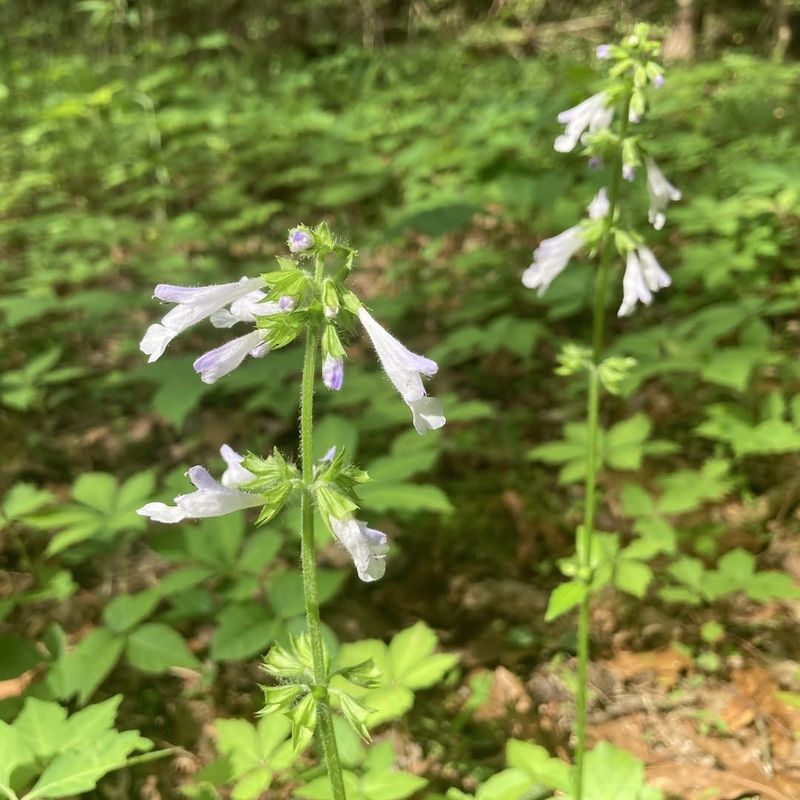
Lyreleaf sage (Salvia lyrata) starts as a flat rosette of deeply lobed leaves that hug the ground through fall and winter, looking almost too modest to be impressive.
Then spring arrives in Georgia and those rosettes send up tall spikes of blue-purple flowers that bees and butterflies zero in on quickly.
It’s one of the earlier flowering native plants in the state, which gives it real value when pollinators are actively searching for food in March and April.
Spread happens primarily through self-seeding, and lyreleaf sage can colonize a sunny or lightly shaded area over several seasons without any pushing from the gardener.
It tends to show up in thin turf, garden edges, and disturbed soil patches, which makes it genuinely useful for covering spots that other plants struggle to claim.
The rosettes suppress some weed growth on their own, adding a practical benefit beyond the bloom.
In Georgia, lyreleaf sage does best in well-drained soil and handles both sandy and clay-based conditions with reasonable flexibility. Full sun to part shade suits it fine, and it tends to reseed more freely in open areas with less competition.
Removing spent flower stalks before seed sets gives you control over how widely it spreads.
For gardeners who want gradual, natural-looking coverage with strong early pollinator support, lyreleaf sage builds over time into something genuinely satisfying without requiring much active management.
8. Woodland Phlox Thrives In Shade And Extends Spring Color
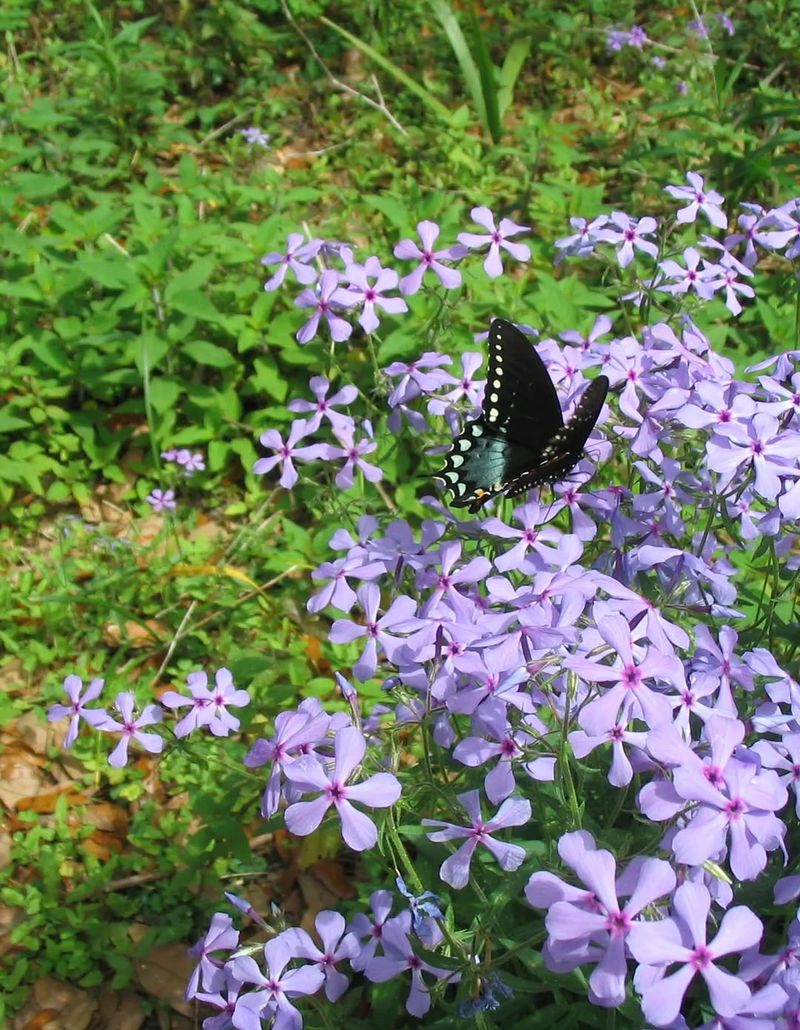
Shade gardens in Georgia often feel like they’re stuck waiting for something to bloom. Woodland phlox (Phlox divaricata) changes that dynamic in a real way.
Clusters of soft lavender-blue flowers open in mid-spring and hold for several weeks, bringing genuine color to spots under trees where most flowering plants simply won’t perform. The fragrance is light but noticeable, especially on warm spring afternoons.
Native bees and butterflies visit the blooms regularly, and hummingbirds occasionally stop in as well.
Woodland phlox spreads through self-seeding and short surface runners, gradually building into a loose, informal carpet beneath trees and along shaded garden edges.
It pairs naturally with other shade-tolerant natives like partridgeberry and green and gold, creating layered coverage that looks intentional without requiring a formal planting plan.
Across Georgia, woodland phlox performs best in moist, humus-rich soil with good organic content, conditions found naturally under deciduous trees.
It tolerates dry shade less well than some other options, so areas that stay consistently dry under shallow-rooted trees may not suit it as well.
Watering during extended dry spells in the first season helps roots get a solid footing. Planting in fall or early spring gives the best results.
Foliage stays semi-evergreen through mild Georgia winters, keeping bare ground covered between seasons and giving the garden a finished look even when nothing else is actively growing.