4 Drought-Tolerant Palms That Thrive In South Florida Yards (And 3 That Need More Water)
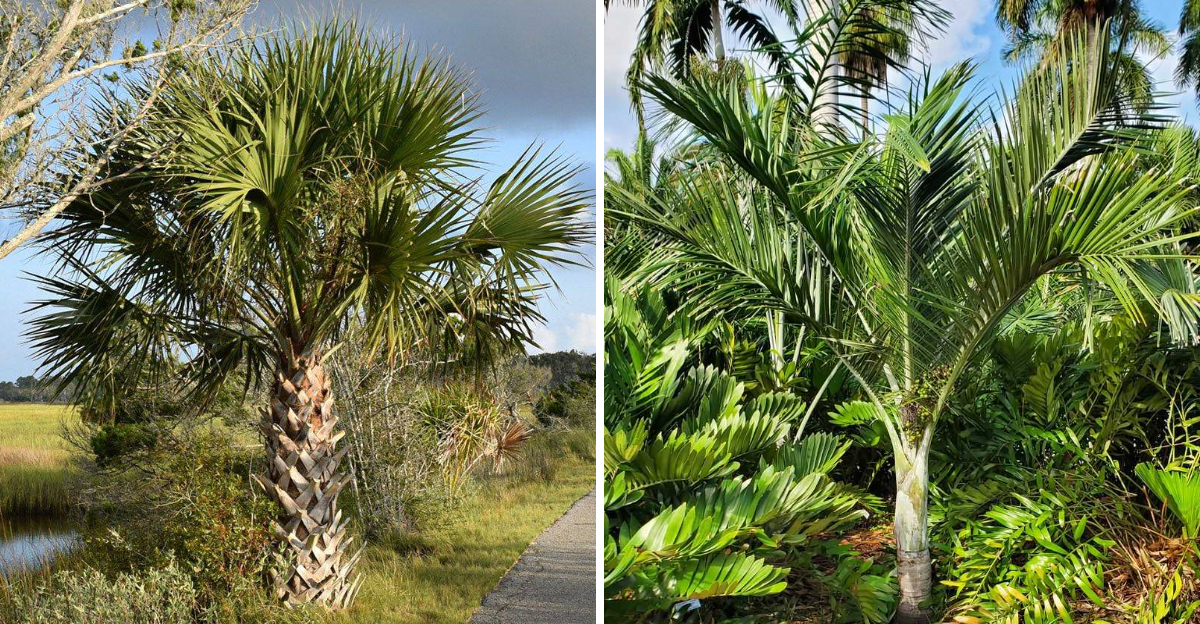
There’s a point in every South Florida yard when the numbers stop adding up. The sprinkler runs longer, the soil dries out faster, and the water bill starts climbing, yet some palms still look like they’re barely holding on.
Right next to them, another palm stays full, green, and completely unfazed by the same conditions. That contrast isn’t about luck or better care.
It’s built into the plant itself. Some palms are wired for South Florida’s heat, sandy soil, and dry stretches, while others only look easy until the weather turns against them.
The difference tends to show up right when you expect your landscape to carry itself through the toughest part of the season. Once you start noticing it, you see it everywhere, from front yards to street plantings.
The palms that hold their shape and color through dry spells usually have one thing in common, and the ones that struggle tend to follow a very predictable pattern.
1. Start With Cabbage Palm: A Native That Handles Dry Conditions
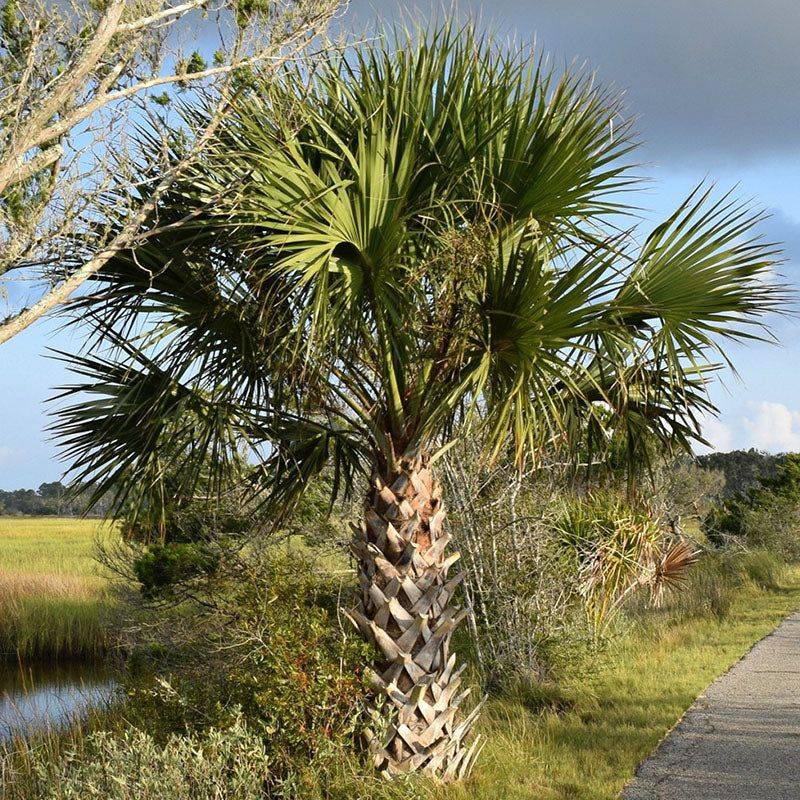
Florida’s state tree has been quietly thriving across the peninsula long before irrigation systems existed. The Cabbage Palm, known scientifically as Sabal palmetto, is one of the most adaptable trees you can plant in a South Florida yard.
It handles drought, salt spray, sandy soil, and even occasional flooding without missing a beat.
Once established, this palm requires very little supplemental watering. During the first year after planting, you will want to water it regularly to help the root system settle in.
After that, nature takes over and the Cabbage Palm manages on its own through most dry spells.
Its durability is not just about water. The Cabbage Palm is also resistant to strong winds, which makes it a smart choice for hurricane-prone areas.
The trunk can flex significantly during storms without structural damage, a trait that impresses even experienced landscapers.
From a design standpoint, the Cabbage Palm offers a tall, clean look that fits naturally into both formal and casual landscape styles. It grows well in full sun and reaches heights of 40 to 50 feet at maturity, giving your yard a strong vertical element.
Birds and wildlife also love it, since the fronds and fruit attract several native species.
If you want a low-maintenance, drought-tolerant palm with deep Florida roots, Sabal palmetto is an easy first choice. It is widely available at local nurseries and relatively affordable compared to many ornamental palms.
2. Use Silver Thatch Palm For Coastal Heat And Low Water Needs
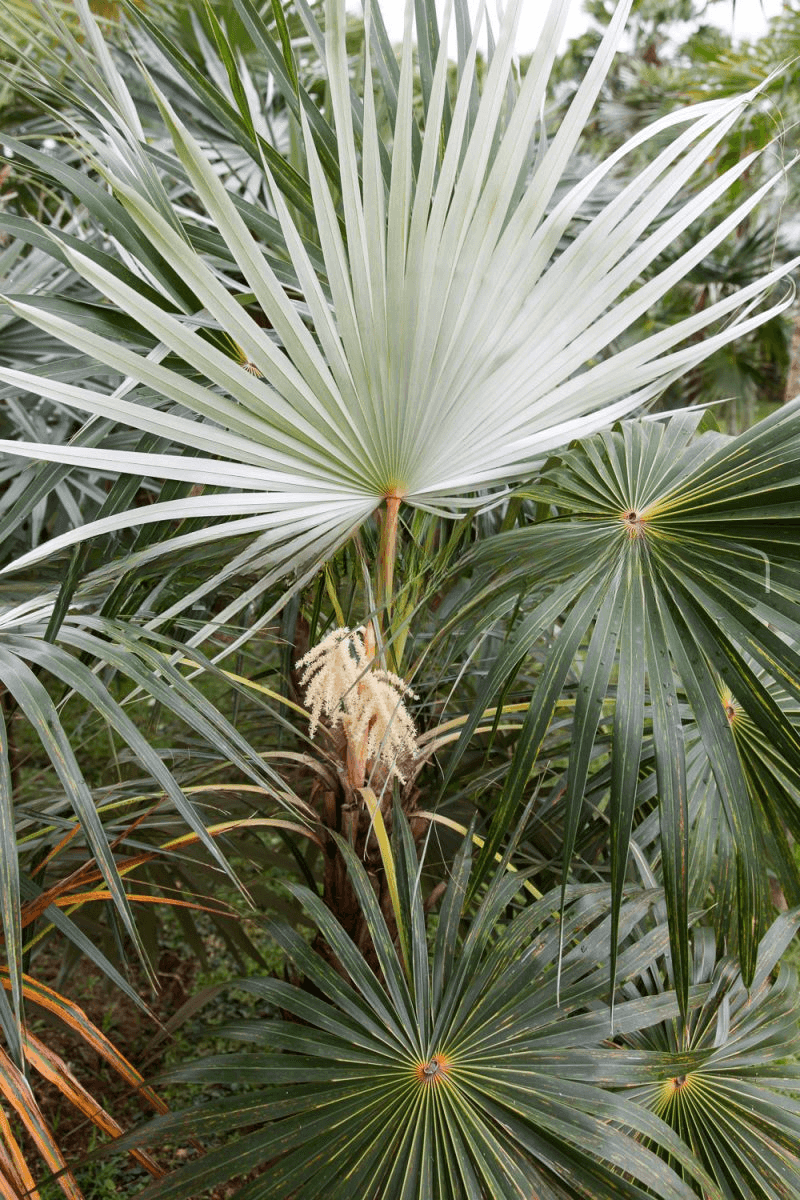
Not many palms can claim the kind of toughness that the Silver Thatch Palm brings to a coastal South Florida yard. Coccothrinax argentata is a slow-growing, fan-leaved palm that handles salt air, dry conditions, and intense heat with remarkable ease.
The silvery underside of its leaves gives the tree a shimmering look that catches attention on breezy days.
For homeowners living close to the ocean or in areas with poor, sandy soil, this palm is a strong fit. It thrives in well-drained ground and does not need rich soil or heavy fertilization to perform well.
Your Florida Garden Changes Every Week. Your Plan Should Too.
Gardening in Florida changes quickly throughout the season. Every Friday you’ll receive a simple weekly plan showing exactly what to plant, prune, fertilize, harvest, and protect so you never miss the right timing.
Once it gets established after the first growing season, regular rainfall in South Florida is often enough to keep it healthy.
The Silver Thatch Palm stays relatively compact, usually reaching 15 to 20 feet tall. That makes it a practical option for smaller yards or spaces where a towering palm would feel out of place.
It also works well as a grouping plant, with multiple specimens creating a natural, layered look along fences or property borders.
One thing to keep in mind is that this palm grows slowly, so patience is part of the deal. Planting a larger specimen from a nursery can help you skip some of the waiting period.
Despite the slow pace, the payoff is a highly resilient palm that asks for very little once it finds its footing.
For South Florida coastal landscapes with minimal irrigation budgets, Coccothrinax argentata deserves serious consideration.
3. Plant Florida Thatch Palm For A Tough Low-Maintenance Look
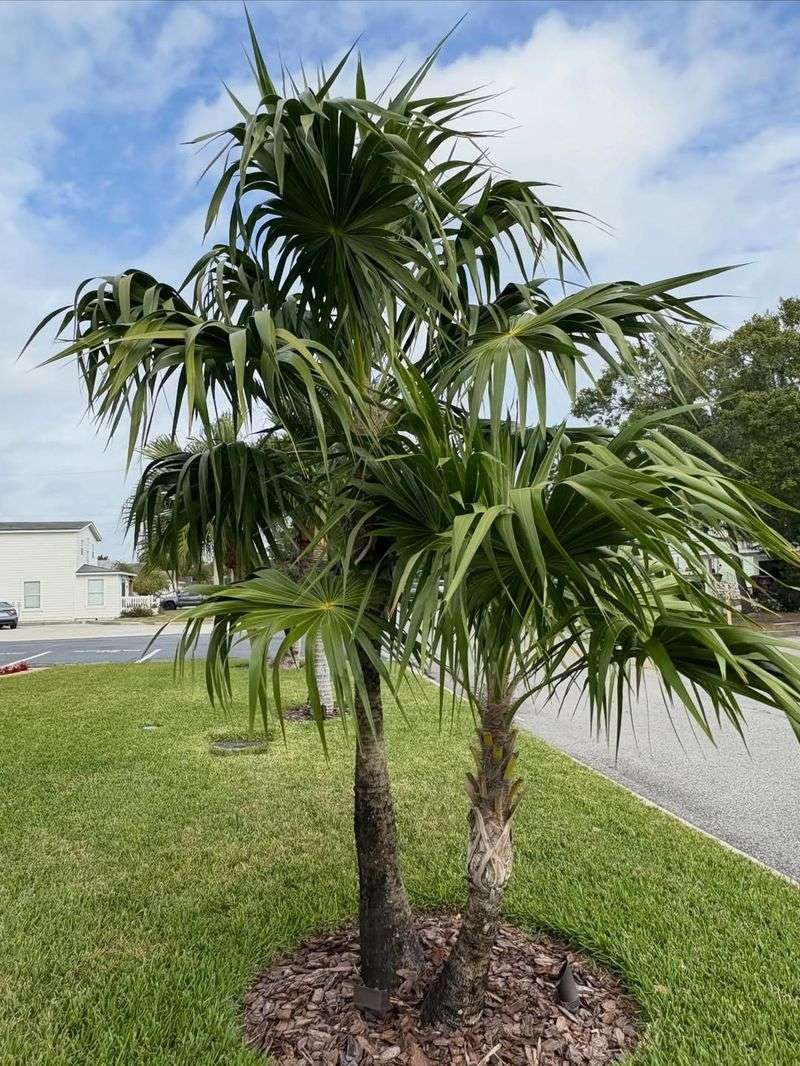
Some palms earn their reputation through pure reliability, and the Florida Thatch Palm is exactly that kind of tree. Thrinax radiata is native to South Florida and the Florida Keys, which means it evolved specifically for the climate, soil, and dry conditions found in this region.
You are not forcing it to adapt because it is already home.
Drought tolerance is one of its strongest qualities. Once established, the Florida Thatch Palm handles extended dry periods without showing signs of stress.
It grows best in full sun and well-drained, sandy soils, which are exactly the conditions found in most South Florida yards. Salt tolerance is another bonus, making it suitable for properties near the coast.
The Florida Thatch Palm grows at a moderate pace and typically reaches 20 to 30 feet at full height. Its fan-shaped leaves create a rounded, tropical canopy that adds texture and visual interest to the landscape.
The small white flowers it produces in spring are a nice seasonal touch, followed by tiny white fruits that local wildlife enjoy.
From a maintenance standpoint, this palm requires very little attention after establishment. Occasional fertilization with a palm-specific blend supports healthy growth, but heavy pruning or constant watering is not part of the routine.
That makes it genuinely low-maintenance rather than just marketed that way.
If you want a palm that looks naturally at home in South Florida without demanding much in return, Thrinax radiata is a smart, well-grounded choice for any sunny yard.
4. Choose Buccaneer Palm For Dry Sunny South Florida Yards
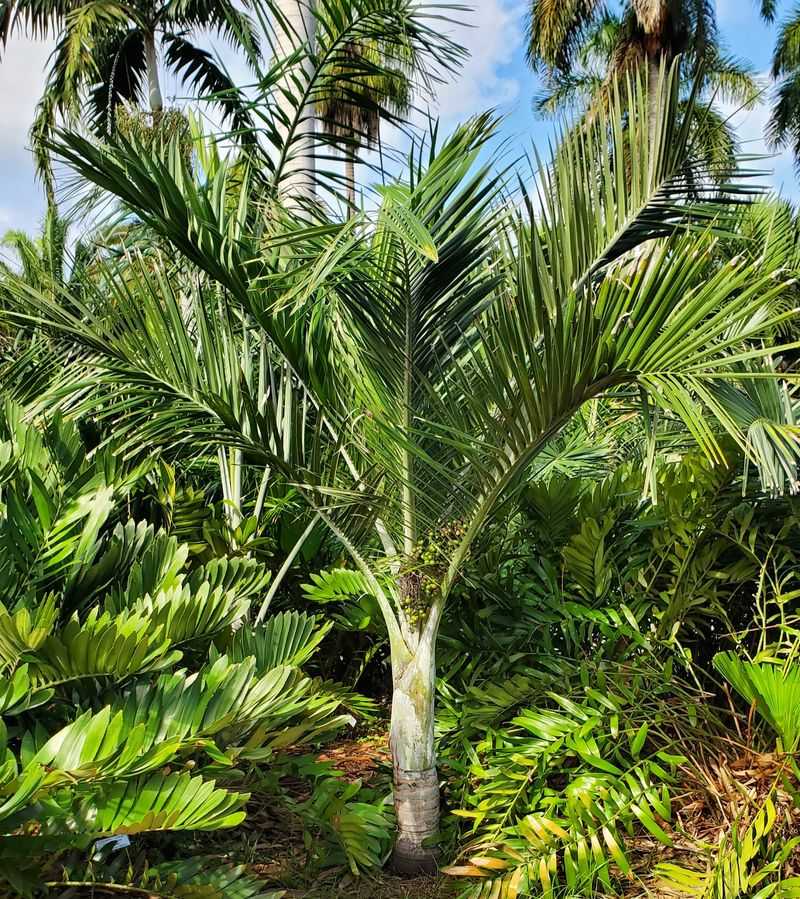
With a name like Buccaneer Palm, you might expect something bold and rugged, and Pseudophoenix sargentii delivers exactly that. This native palm is naturally found along the rocky, dry coastlines of South Florida and the Florida Keys, where rainfall is unpredictable and soils are thin and fast-draining.
It adapted to those conditions over thousands of years, which is why it performs so well in water-limited landscapes today.
The Buccaneer Palm is one of the rarer native palms in Florida, making it a distinctive addition to any yard. Its reddish-orange fruit clusters add a pop of color that most palms simply cannot offer.
The trunk has a distinctive swollen, bottle-like shape that gives it a sculptural quality, almost like living garden art.
From a care perspective, this palm thrives in full sun and well-drained soil. Once established, it handles drought with minimal fuss and does not require regular irrigation to stay healthy.
Fertilizing lightly with a palm-specific formula a couple of times per year supports steady growth, but overwatering is actually more of a risk than underwatering.
Growth is slow, so buying a more mature specimen from a specialty nursery is worth the extra investment if you want quicker visual impact. Because its natural range is limited to South Florida, it is not widely sold everywhere, but local native plant nurseries usually carry it.
For a yard that celebrates Florida’s natural heritage while keeping water use low, the Buccaneer Palm is a genuinely rare and rewarding choice.
5. Skip Areca Palm If You Want A Low-Water Landscape
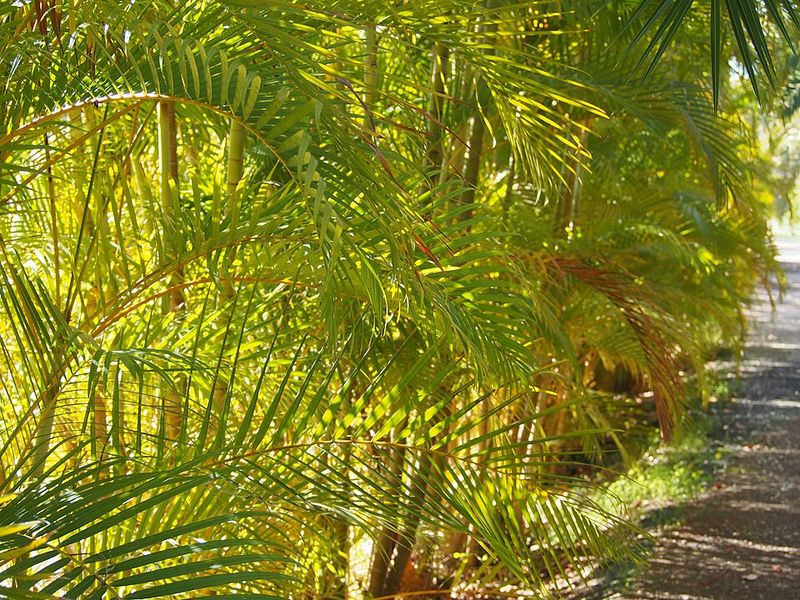
Walk through almost any South Florida neighborhood and you will spot Areca Palms lining fences and filling yard corners. Dypsis lutescens is popular for good reason because it grows fast, looks lush, and creates privacy quickly.
The catch is that keeping it looking that good requires a steady supply of water, which is something many homeowners do not fully expect when they first plant it.
Unlike the drought-tolerant palms on this list, the Areca Palm does not handle dry spells gracefully. When water is scarce, the fronds turn yellow and brown at the tips, the clumps thin out, and the whole plant starts to look ragged.
In South Florida’s sandy, fast-draining soils, moisture disappears quickly, which means irrigation needs to be consistent and reliable to maintain the plant’s appearance.
Beyond water, Areca Palms also need regular fertilization to prevent nutrient deficiencies that show up as yellowing fronds. Potassium deficiency is particularly common in Florida’s sandy soils, and without proper feeding, the plant deteriorates even with adequate water.
That adds another layer of ongoing maintenance to the picture.
None of this means you should never plant an Areca Palm. If you have a functioning irrigation system and enjoy the dense, tropical look it provides, it can absolutely work.
The issue arises when homeowners assume it is as carefree as a native palm, then struggle to keep it alive through a dry season.
For a genuinely low-water landscape, Dypsis lutescens is not the right fit. Plan accordingly before you plant.
6. Avoid Foxtail Palm In Yards Without Regular Irrigation
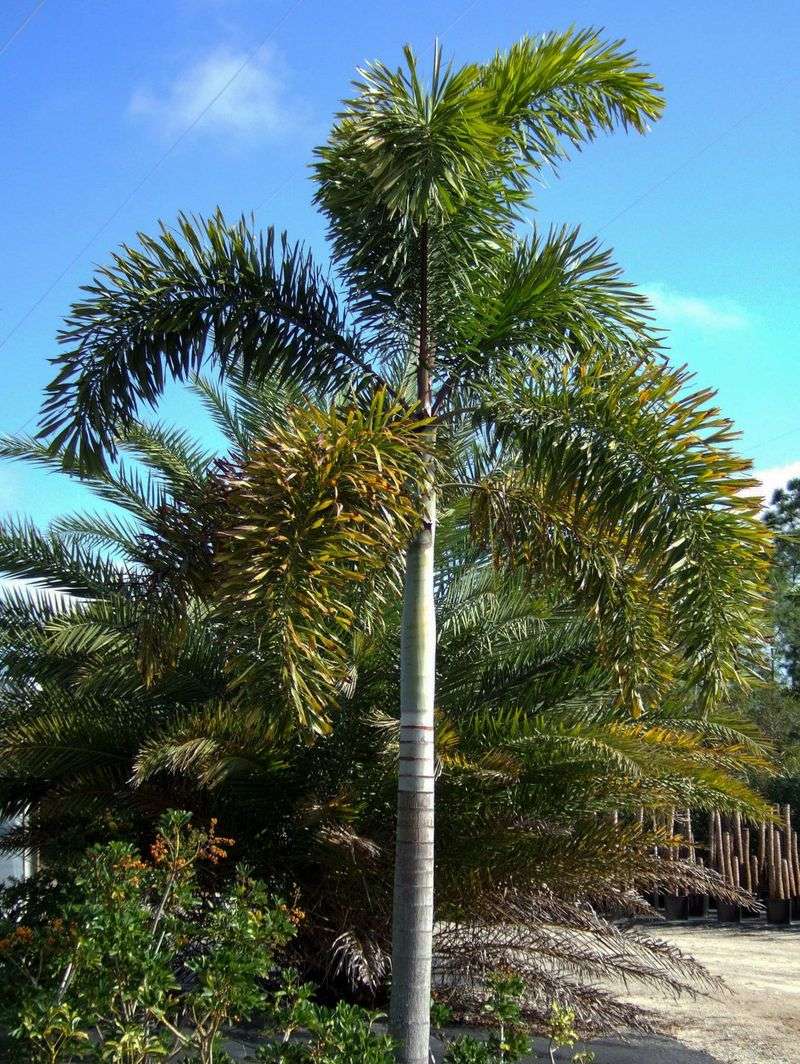
The Foxtail Palm is one of the most visually striking palms you can plant in South Florida. Wodyetia bifurcata has full, feathery fronds that arch outward like a fox’s tail, which explains the name.
It grows quickly, looks impressive in residential landscapes, and has become a go-to choice for homeowners who want a dramatic tropical statement in their yard.
The problem shows up during the dry season. Foxtail Palms need consistent moisture to maintain their signature full appearance.
Without regular irrigation, the fronds start to look sparse and stressed, losing the lush quality that made the tree attractive in the first place. In South Florida’s sandy soils, water drains fast, so a dependable irrigation schedule is not optional for this species.
Originally from a small region in Australia, Wodyetia bifurcata was not designed for the extended dry periods that South Florida experiences. While it handles heat and sun well, drought resilience is not among its strengths.
Homeowners who plant it without irrigation infrastructure often end up disappointed by mid-dry season.
Consistent fertilization is also part of keeping a Foxtail Palm healthy. Potassium and magnesium deficiencies are common in Florida soils, and without proper nutrition, the lower fronds turn brown and the tree declines faster than expected.
Combining irregular watering with poor nutrition creates a tough situation to recover from.
If your yard has a reliable irrigation system and you are committed to a regular care routine, the Foxtail Palm rewards that effort with a showstopping appearance. Without that setup, choose a more forgiving species.
7. Rethink Queen Palm When Water Is Limited
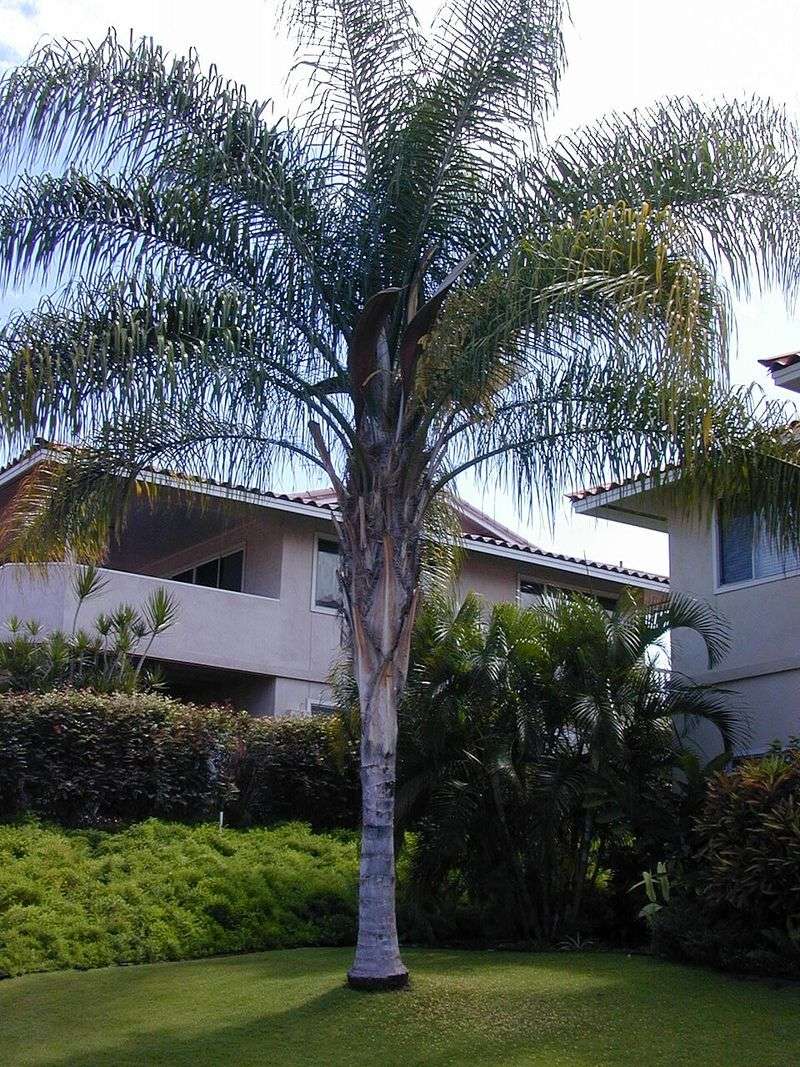
Queen Palms have a certain elegance that makes them hard to resist at the nursery. Syagrus romanzoffiana grows tall and fast, with long, graceful fronds that sway beautifully in the breeze.
For a quick, tropical look at a relatively low purchase price, it seems like an obvious win. The reality of owning one in a water-limited South Florida yard tells a different story.
Regular irrigation is not a suggestion for Queen Palms, it is a genuine requirement. Without consistent watering, the fronds yellow quickly and the tree loses its refined appearance fast.
South Florida’s sandy soils drain rapidly, which means even a few weeks without irrigation during the dry season can visibly stress the tree. Homeowners who cut back on watering to save money often find their Queen Palm looking worn out by spring.
Nutrient deficiencies are another ongoing challenge. Queen Palms are highly susceptible to potassium, magnesium, and manganese deficiencies in Florida’s sandy soils.
These show up as yellowing or bronzing of the fronds and require regular palm-specific fertilization to manage. Skipping fertilizer while also reducing water creates a compounded problem that is difficult to reverse.
From a sustainability standpoint, planting a Queen Palm in a yard without a reliable irrigation system is setting yourself up for frustration. The tree is not native to Florida, and it lacks the built-in adaptations that help native palms survive dry conditions.
If water conservation is a priority for your landscape, Syagrus romanzoffiana is worth reconsidering in favor of a more drought-adapted species.