Get Rid Of Mole Crickets In Florida Gardens
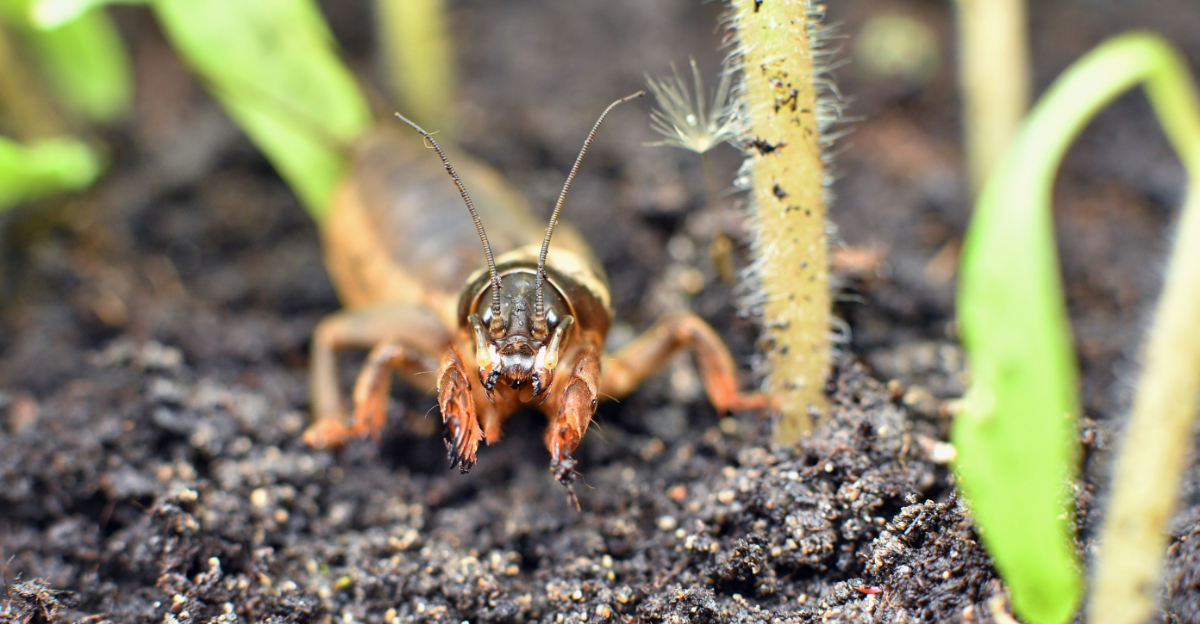
You step outside, coffee in hand, and notice the lawn looks off. Soft patches under your feet, thin grass, maybe even small tunnels that weren’t there last week.
Florida gardeners know that sinking feeling when something underground starts causing trouble, and mole crickets are often behind it.
They work quietly, feeding and tunneling where you can’t see them, and by the time damage shows up, it can feel like it happened overnight. Many homeowners deal with this year after year without realizing what keeps bringing them back.
A few small habits and timing choices can make a big difference in how bad things get. Before you reach for quick fixes, it helps to understand what’s really going on beneath the surface and where to focus your efforts first.
1. Why Mole Crickets Show Up In Florida Lawns
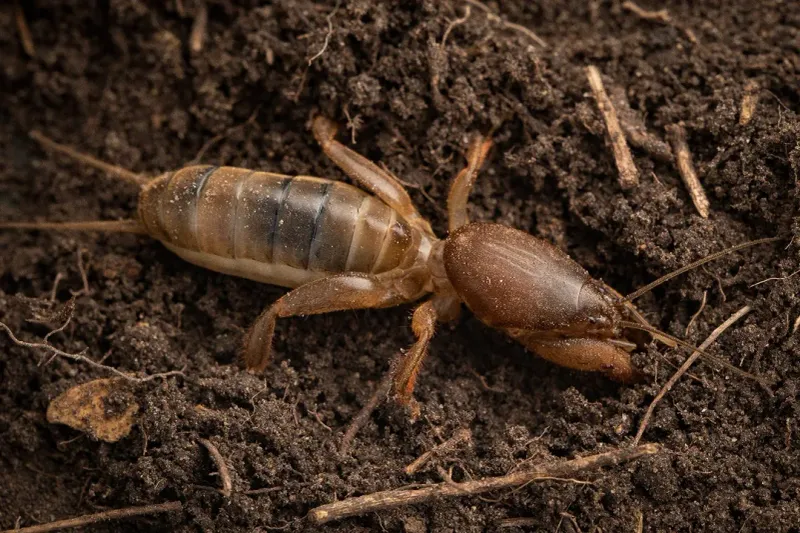
Florida is basically a paradise for mole crickets, and understanding why helps you fight back smarter. These insects love warm, sandy soil that stays moist, which describes most of Florida perfectly.
The state’s long warm season gives mole crickets plenty of time to breed, tunnel, and feed without the cold winters that slow them down in other parts of the country.
Mole crickets are most active at night, which is one reason so many Florida homeowners do not notice the damage until it is already serious. They spend the day deep underground and come up after dark to feed and mate.
Adult mole crickets can even fly, which means they spread easily from yard to yard across neighborhoods.
Sandy soils found throughout central and south Florida are especially easy for mole crickets to tunnel through. They prefer areas with loose, well-drained soil, which is exactly what many Florida lawns have.
Newly planted grass and freshly watered soil also attract them because soft, moist ground is much easier to dig through.
Rainfall patterns in Florida also play a role. Heavy summer rains bring mole crickets closer to the surface, increasing their activity and making damage more visible.
Knowing that Florida’s environment naturally supports these pests is the first step toward taking control of your lawn before the problem gets out of hand.
2. How To Tell Mole Cricket Damage From Other Lawn Problems
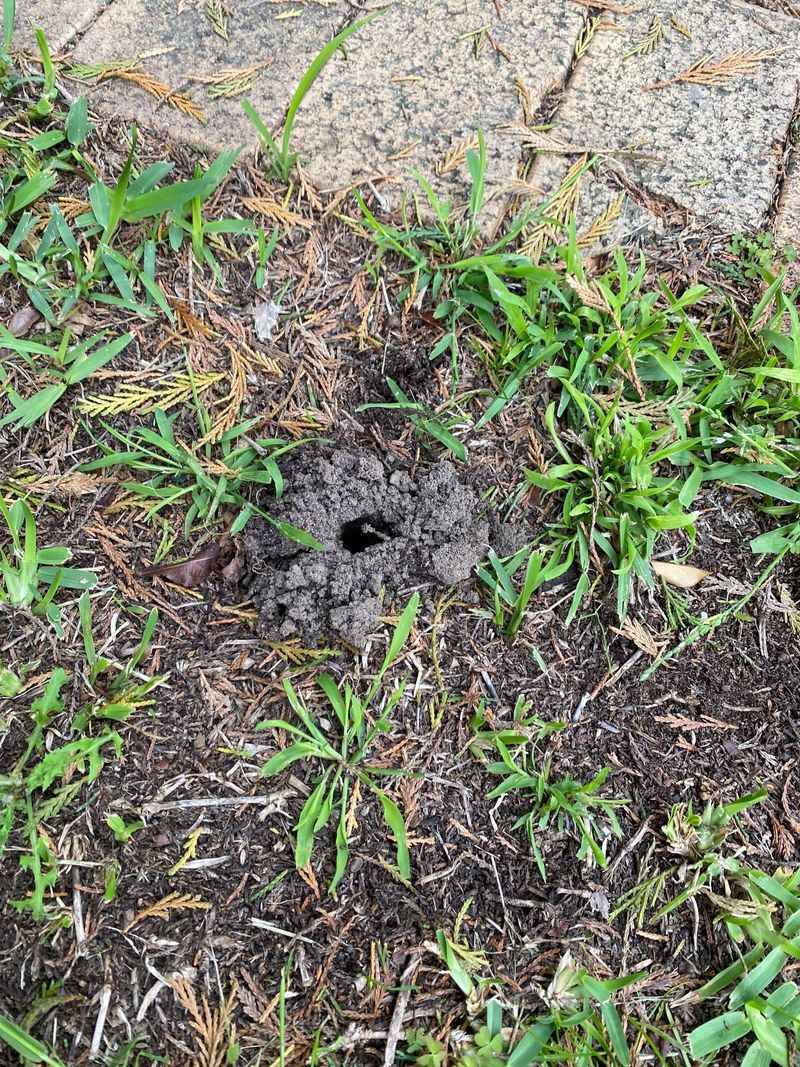
Spongy ground, brown patches, and loose soil ridges are classic signs of mole cricket damage, but plenty of other lawn problems look similar at first glance. Knowing exactly what to look for saves you time and money by making sure you are treating the right pest.
One of the most obvious clues is the presence of raised tunnels running just below the surface of the soil. Mole crickets push up small ridges of dirt as they move through your lawn, almost like tiny underground highways.
You might also notice small mounds of loose soil near these ridges, similar to what you would see from earthworms but messier and more irregular.
Brown patches caused by mole crickets tend to appear in irregular shapes rather than neat circles. Grass in these areas pulls up easily because the roots have been chewed through or the soil has been loosened so much that roots can no longer hold on.
Your Florida Garden Changes Every Week. Your Plan Should Too.
Gardening in Florida changes quickly throughout the season. Every Friday you’ll receive a simple weekly plan showing exactly what to plant, prune, fertilize, harvest, and protect so you never miss the right timing.
This is different from drought stress or fungal disease, where roots usually stay intact.
In Florida, mole cricket damage is most noticeable in late summer and early fall when young nymphs are actively feeding near the surface. If you see a lot of bird activity on your lawn, that is another hint.
Birds like egrets and grackles love to dig up mole crickets, and their pecking can add to the visible damage on your turf.
3. Why Mole Crickets Are So Bad For Florida Turf
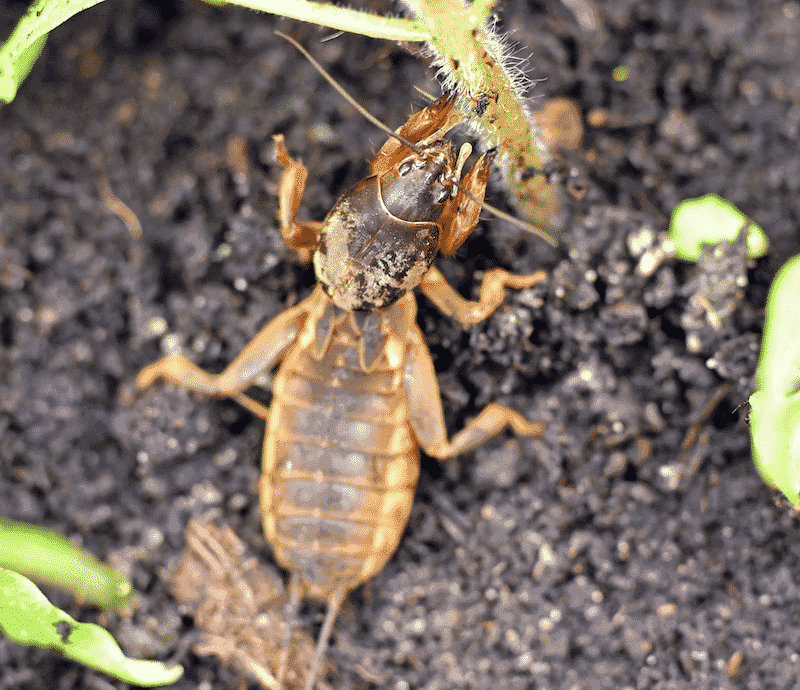
Few pests cause as much widespread destruction to Florida lawns as mole crickets, and the damage they do happens on two levels at once. First, they physically tunnel through the soil, breaking up the root zone and separating grass plants from the moisture and nutrients they need.
Second, they feed directly on grass roots and stems, cutting off the plant’s ability to survive.
The tunneling itself is a major problem. As mole crickets move through the top few inches of soil, they create air pockets around grass roots.
Those air pockets dry out the roots quickly, especially during Florida’s hot summers when heat and evaporation are already working against your lawn. Even healthy grass cannot survive long when its roots are hanging in dry air underground.
Young mole cricket nymphs are actually the most destructive stage. They hatch in summer and immediately begin feeding close to the surface, which is right where grass roots are most concentrated.
A large population of nymphs can devastate a Florida lawn in just a few weeks if nothing is done to manage them.
Mole crickets also damage turf indirectly by attracting other animals. Armadillos, raccoons, and birds tear up lawns while searching for these insects underground.
So even after you address the mole cricket population, the secondary damage from foraging animals can leave your Florida yard looking rough for weeks afterward.
4. The Florida Grasses Mole Crickets Hit Hardest
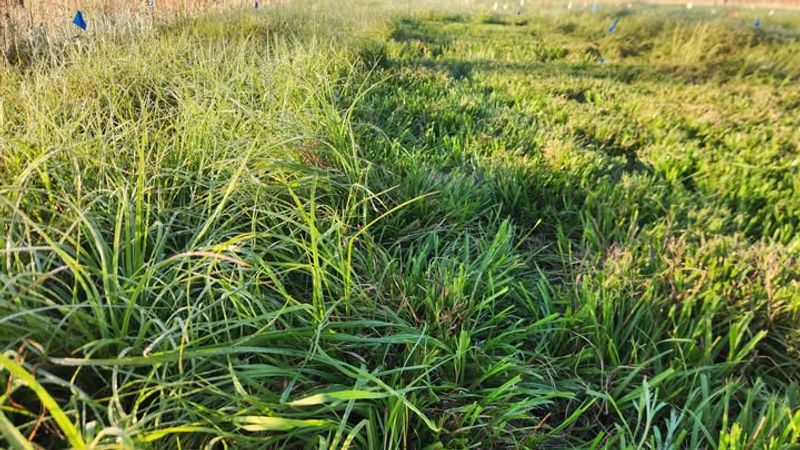
Not every grass type suffers equally when mole crickets move in, but Florida’s most popular lawn grasses are unfortunately among their favorites. Bahiagrass is at the top of the list.
It is widely planted across Florida because it handles the heat and sandy soil well, but mole crickets absolutely love it. Tawny mole crickets, one of the most common species in Florida, cause severe damage to Bahiagrass lawns every single year.
St. Augustinegrass, another Florida staple found in countless front yards from Jacksonville to Miami, is also highly vulnerable. Southern mole crickets tend to target St. Augustine because of its thick, lush thatch layer, which makes an ideal environment for tunneling and nesting.
Bermudagrass is a third variety that takes heavy hits in Florida’s warmer regions.
Centipedegrass, which is popular in north Florida, faces moderate risk but can still suffer significant damage during peak mole cricket season. Zoysiagrass is considered slightly more tolerant, but no Florida lawn grass is completely safe from a heavy infestation.
Knowing which grass you have helps you plan your response more effectively. Homeowners with Bahiagrass or St. Augustinegrass lawns in Florida should be especially proactive about monitoring and early treatment, since these varieties are the most likely to show rapid, visible decline once mole crickets establish a strong population in the soil beneath them.
5. How To Confirm Mole Crickets With A Soap Flush Test
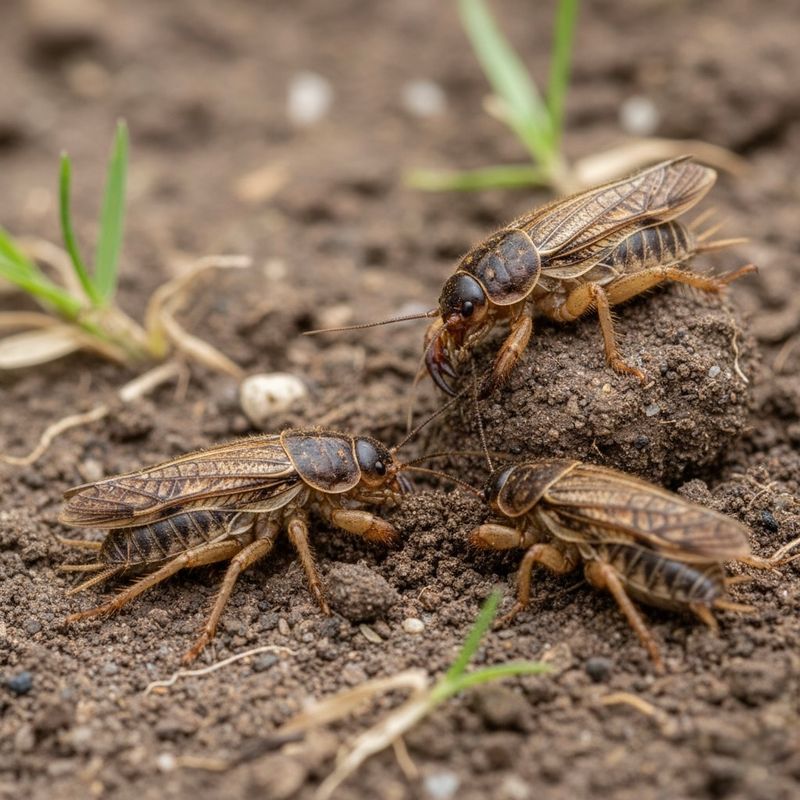
Before you spend money on treatments, it is smart to confirm that mole crickets are actually the problem. The soap flush test is a simple, low-cost method recommended by the University of Florida’s IFAS Extension, and it works surprisingly well for quickly revealing what is living just below the surface of your lawn.
To run the test, mix about one and a half fluid ounces of liquid dish soap into two gallons of water. Pour the mixture slowly and evenly over a four-square-foot section of lawn where you suspect activity.
Use a watering can for even coverage. Within two to three minutes, any mole crickets present will crawl up to the surface to escape the soapy water.
Count how many mole crickets appear. According to UF/IFAS guidelines, finding two or more mole crickets per square foot in a test area suggests the population is high enough to justify treatment.
Fewer than that might mean the damage you are seeing comes from another source entirely, so it is worth testing multiple spots around your Florida yard.
Run the soap flush test in the evening or early morning when mole crickets are closer to the surface. Testing during the heat of the day can give you inaccurate results because the insects burrow deeper to avoid heat.
The soap flush test is also a great way to check if a treatment you applied is actually working over time.
6. The Best Time To Control Mole Crickets In Florida
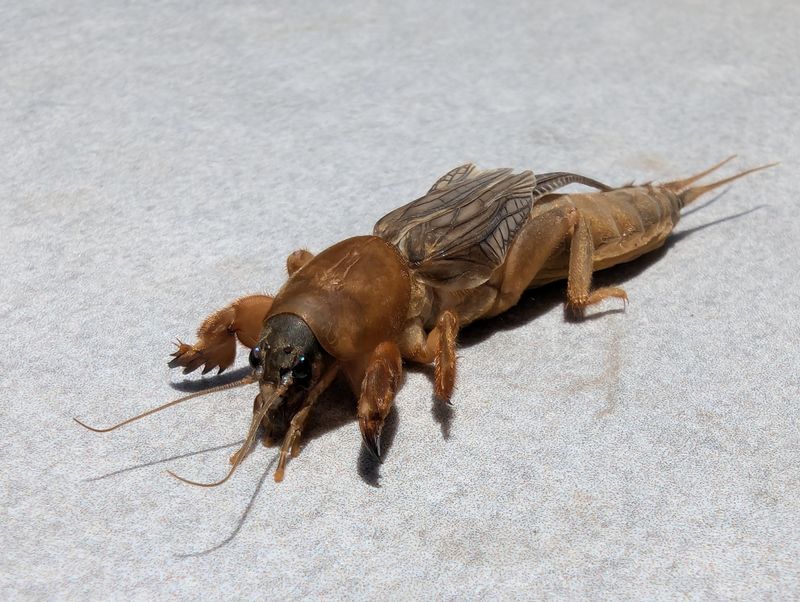
Timing is everything when it comes to managing mole crickets in Florida, and most homeowners miss the window by treating too late in the season. Adult mole crickets lay eggs in spring, typically between March and May in Florida.
Those eggs hatch in early summer, producing small nymphs that are much easier to manage than fully grown adults.
Young nymphs in June and July are close to the surface and still small enough that treatments work quickly and effectively. As the summer goes on, nymphs grow larger and begin tunneling deeper into the soil, making them harder to reach with surface treatments.
By fall, you are dealing with nearly full-grown mole crickets that require more product and more effort to manage.
Late spring treatments timed to coincide with egg hatching give you the best results with the least amount of effort. UF/IFAS researchers in Florida consistently recommend late June through early August as the prime treatment window for nymphs.
If you miss this period, a fall application can still help reduce populations before winter, but it will not be as efficient.
Watering your lawn lightly before applying any treatment helps bring mole crickets closer to the surface and improves the effectiveness of both chemical and biological controls. In Florida, evening applications tend to work better because mole crickets are naturally more active after sundown, increasing their exposure to whatever product you are using.
7. Biological Controls That UF/IFAS Recommends First
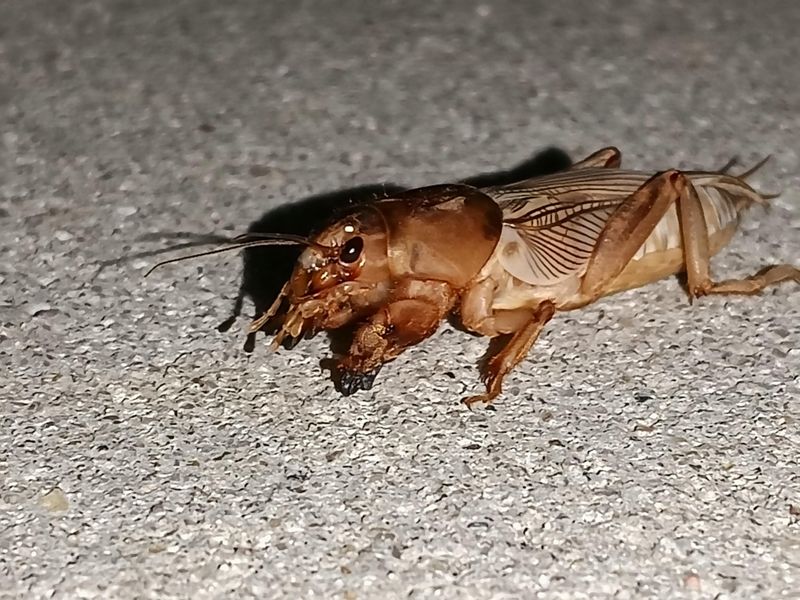
One of the most exciting developments in Florida lawn care over the past few decades has been the use of biological controls for mole crickets, and the University of Florida’s IFAS program has been at the center of this research. Rather than reaching for chemical sprays first, UF/IFAS encourages Florida homeowners to explore natural options that work with the environment instead of against it.
The Larra bicolor wasp is a standout biological control agent. This small, non-aggressive wasp was introduced to Florida specifically to target mole crickets.
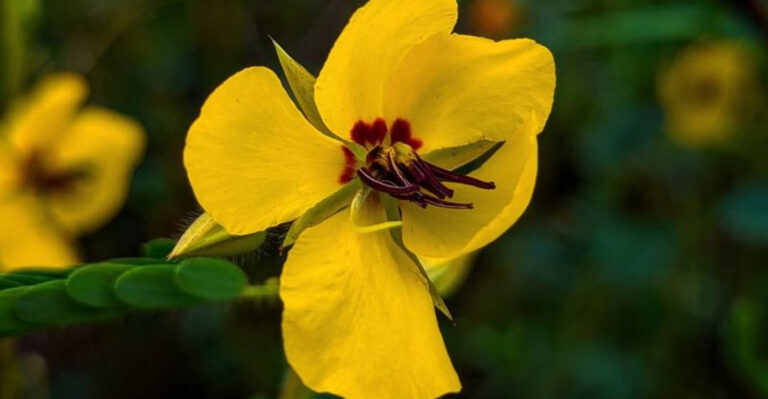
The female wasp stings a mole cricket to temporarily paralyze it, lays an egg on the cricket’s body, and the wasp larva eventually consumes the cricket. Planting partridge pea or shrubby false buttonweed in your Florida yard attracts and supports Larra wasp populations naturally.
Beneficial nematodes, specifically Steinernema scapterisci, are another UF/IFAS-recommended option. These microscopic roundworms are applied to the soil and actively seek out mole crickets underground.
They are safe for people, pets, and other wildlife, making them a popular choice for Florida homeowners who want an environmentally responsible approach.
Beauveria bassiana, a naturally occurring fungus, has also shown promise as a biological control in Florida research trials. It infects mole crickets through contact and spreads through the population over time.
Combining two or more biological methods creates a stronger, longer-lasting solution than relying on any single approach alone.
8. How To Keep Mole Crickets From Taking Over Again
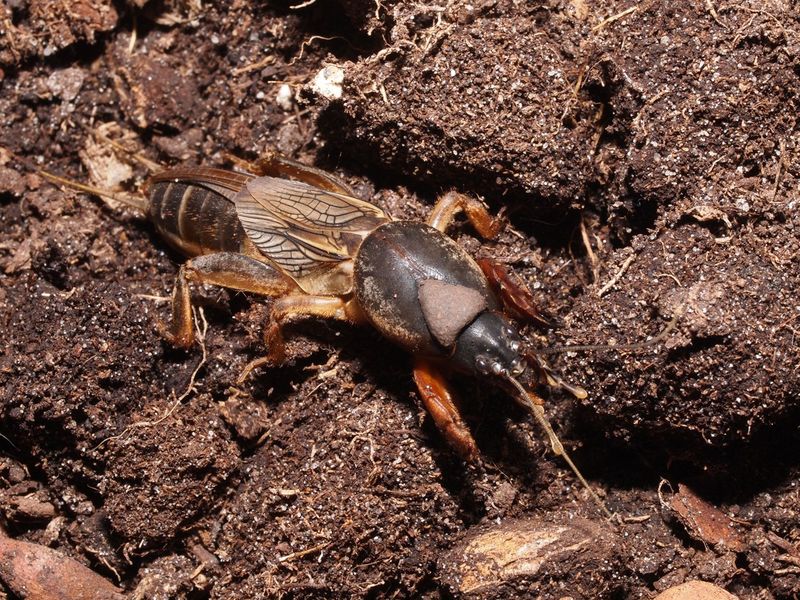
Getting mole crickets under control is a real win, but keeping them from coming back requires a consistent, year-round approach. Florida’s climate means mole crickets never fully go away, so prevention has to become part of your regular lawn care routine rather than a one-time fix.
Healthy, thick turf is your first line of defense. Grass that is well-fertilized, properly mowed, and watered on a consistent schedule grows deeper roots and denser thatch, making it harder for mole crickets to tunnel through and easier for the lawn to recover from minor feeding.
A stressed, thin lawn is an open invitation for a fresh infestation.
Avoid overwatering your Florida lawn, especially in spring when adult mole crickets are actively laying eggs. Soggy soil is extremely attractive to egg-laying females, so keeping moisture levels balanced reduces the chances of a new generation getting started in your yard.
Drip irrigation and smart watering timers can help you avoid accidentally creating ideal conditions for pests.
Run the soap flush test at least once in late spring and again in midsummer to catch any new populations before they grow large. Staying ahead of the problem with early detection is far easier than dealing with a full-blown infestation.
Florida homeowners who combine regular monitoring, good cultural practices, and targeted biological controls tend to see the best long-term results in keeping mole crickets out of their lawns for good.