These Are The Fast-Growing Plants That Create Natural Privacy In Texas
Some backyards feel a little too open. Maybe the neighbor’s second-story window looks straight into your patio, or the street traffic makes it hard to relax outside.
In Texas, where people actually want to use their yards for cookouts, morning coffee, and long evenings on the porch, privacy matters. The good news is you do not need to build a harsh fence line or wait forever for a landscape to fill in.
The right fast-growing plants can turn an exposed space into a green, peaceful retreat much sooner than most people expect.
Texas also comes with its own challenges, which makes plant choice even more important. Heat, intense sun, strong winds, dry spells, and unpredictable cold snaps can quickly ruin a planting plan that looked great on paper.
That is why speed alone is not enough. You want plants that grow quickly, look full and attractive, and can handle Texas conditions without becoming a constant headache.
From tall shrubs to graceful screening trees, some plants do a much better job than others when it comes to creating a natural living wall that actually lasts.
1. Wax Myrtle
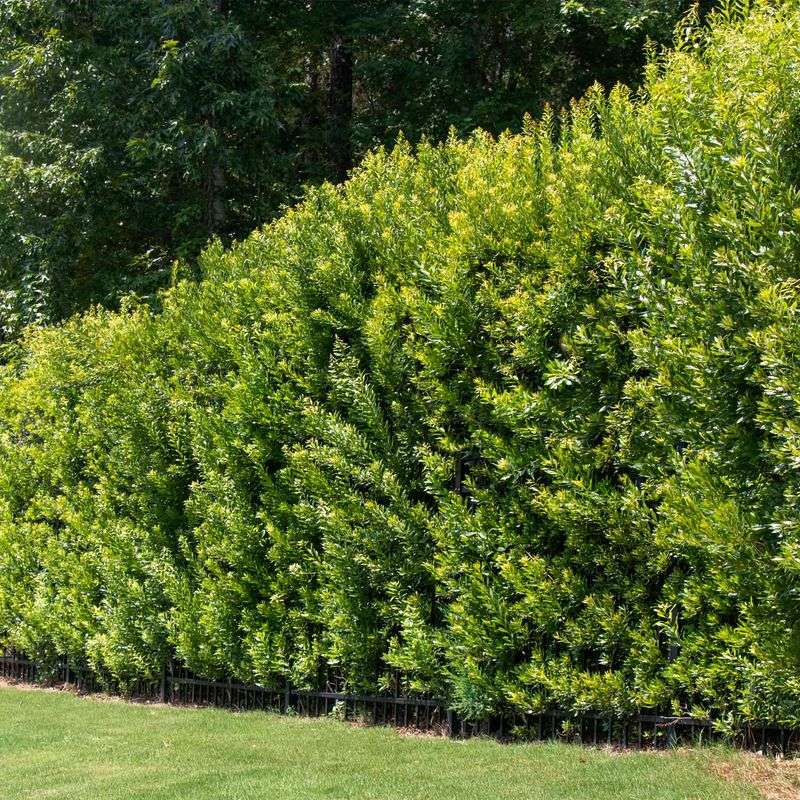
Walk through almost any neighborhood along the Texas Gulf Coast or East Texas, and you will likely spot a wax myrtle growing somewhere nearby. This evergreen shrub has been a go-to privacy plant for Texas homeowners for generations, and it is easy to see why.
It grows fast, stays green all year, and fills in quickly to create a thick, leafy wall between you and your neighbors.
Wax myrtle typically reaches between 6 and 12 feet tall, though in the right conditions it can grow even taller. That makes it a solid choice for blocking sightlines from the street or a neighboring yard.
Because it is evergreen, you get privacy during every season, not just when the leaves are out in spring and summer.
One thing that makes wax myrtle stand out is how well it handles wet or moist soils. Many plants struggle in soggy ground, but wax myrtle thrives in it.
That is one reason it performs so well in East Texas and along the Gulf Coast, where rainfall is more frequent.
Planting wax myrtle is fairly straightforward. Space multiple shrubs about four to six feet apart if you want them to grow together into a solid hedge.
Once established, they need very little care. They are also native to Texas, which means they support local wildlife, including birds that love the small waxy berries that give this plant its name.
It is a smart, low-maintenance choice for natural privacy anywhere in the moister parts of the state.
2. Yaupon Holly
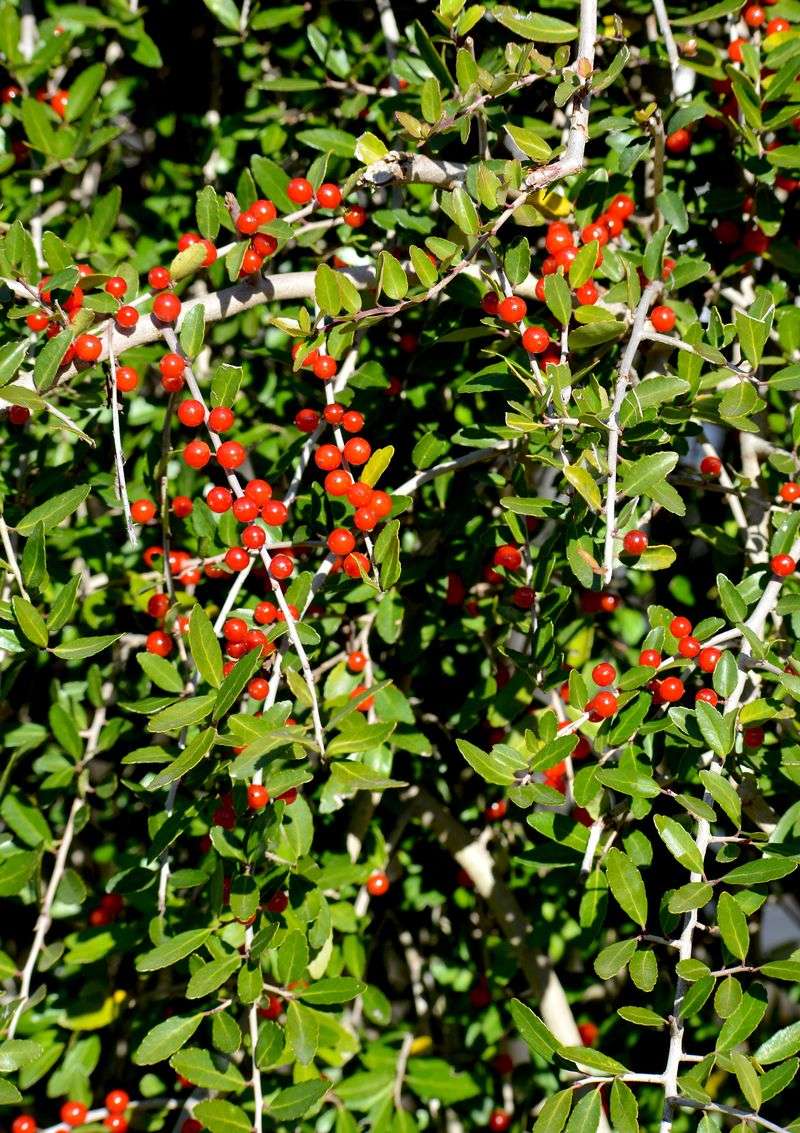
Tough, adaptable, and incredibly versatile, yaupon holly is one of the best all-around privacy plants you can grow in Texas. It thrives across a huge portion of the state, performing especially well in Central and East Texas.
Whether your soil is sandy, clay-heavy, wet, or dry, yaupon holly finds a way to make it work.
Your Texas Garden Changes Every Week. Your Plan Should Too.
Gardening in Texas changes quickly throughout the season. Every Friday you’ll receive a simple weekly plan showing exactly what to plant, prune, fertilize, harvest, and protect so you never miss the right timing.
This native evergreen can grow anywhere from 12 to 25 feet tall depending on the variety and growing conditions. That kind of height gives you serious screening power, especially when you plant several in a row.
The dense, leafy branches stay full year-round, so your privacy does not disappear when temperatures drop in winter.
What really sets yaupon holly apart from other screening plants is its toughness. It is drought-tolerant once established, handles heat without complaint, and even tolerates occasional flooding.
For Texas homeowners dealing with unpredictable weather, that kind of resilience is a major plus.
Yaupon holly also produces small red berries in fall and winter that birds absolutely love. If you enjoy watching wildlife in your yard, this plant brings a lot of feathered visitors.
There are also several cultivated varieties available, including compact forms that stay shorter and work well in smaller spaces. Pruning is easy if you want to shape it into a formal hedge, or you can let it grow naturally for a more relaxed look.
Either way, yaupon holly is a reliable, beautiful, and wildlife-friendly option for Texas privacy screens.
3. Carolina Cherry-Laurel
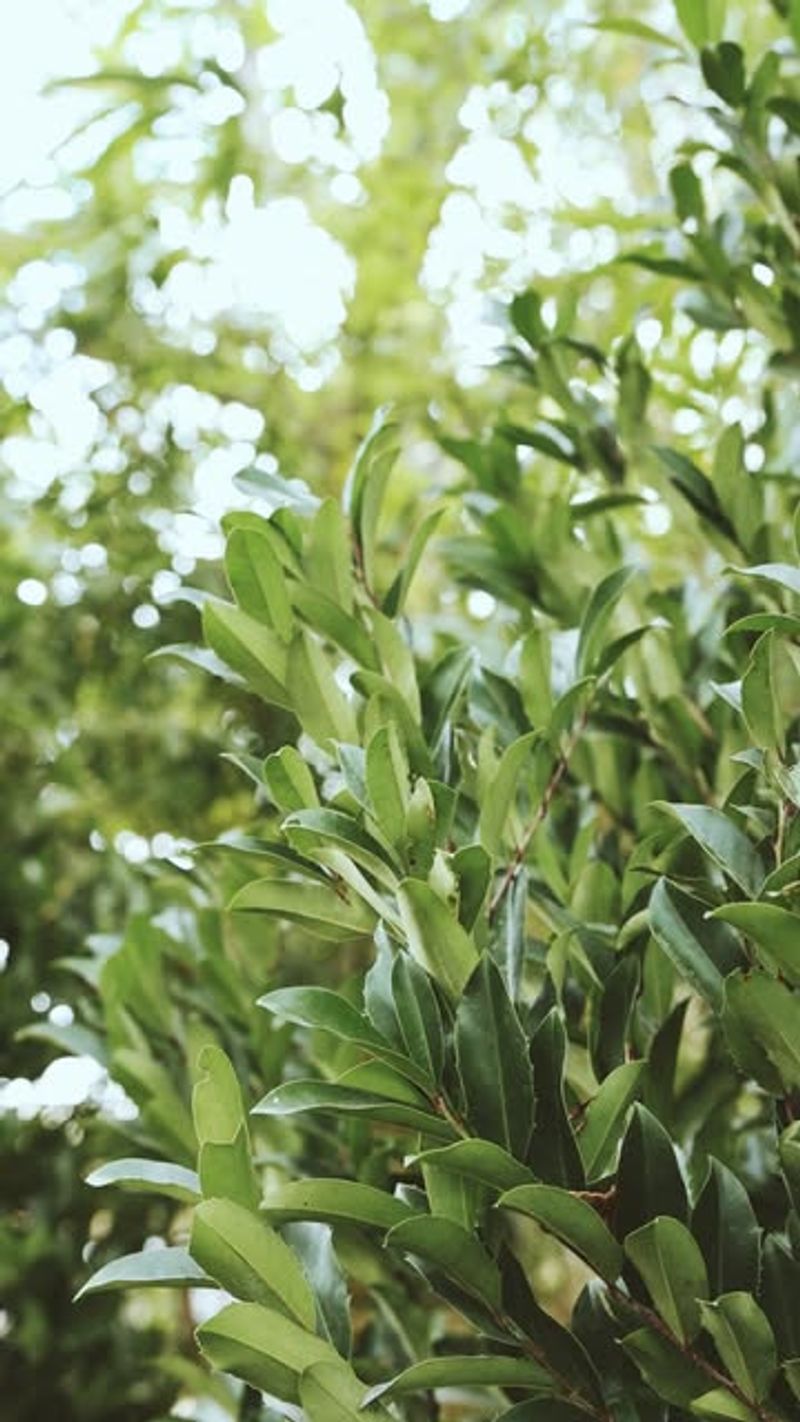
When height is your top priority, Carolina cherry-laurel is one of the fastest ways to get there. This evergreen tree or large shrub grows quickly and can reach impressive heights, making it one of the most effective privacy screens available to Texas homeowners.
If you need to block a two-story window or screen out a neighboring rooftop, this plant is built for the job.
Carolina cherry-laurel performs best in East Texas and parts of Central Texas, where moisture levels are more consistent. It does not love the extreme dryness of West Texas, so placement matters.
In the right environment, it rewards you with thick, glossy green foliage that stays lush and full throughout the year.
Growth rate is one of this plant’s biggest selling points. Under good conditions, it can put on several feet of new growth each year.
That means you can go from a small transplant to a full privacy screen in just a few seasons, which is much faster than waiting on slower-growing trees.
One thing to keep in mind is that Carolina cherry-laurel can spread if conditions are right, so some occasional trimming may be needed to keep it in bounds.
It responds well to pruning, which also helps you maintain a clean, formal hedge shape if that is the look you are going for.
The glossy leaves and fast growth make it a visually appealing choice that also happens to be one of the hardest-working privacy plants in the Texas landscape.
4. Eastern Redcedar
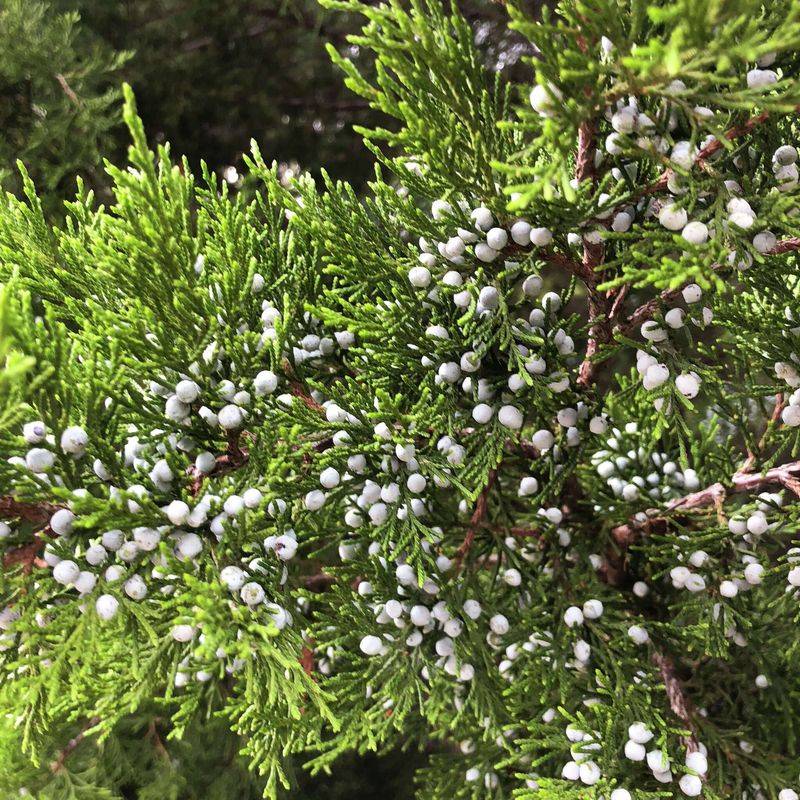
Ask any rancher or rural homeowner in North or Central Texas what they plant for windbreaks and privacy, and eastern redcedar will almost always come up.
This tough, drought-tolerant evergreen is one of the most dependable plants in the state, and it has been used for screening and hedging across Texas for a very long time.
Eastern redcedar grows into a tall, dense column of deep green foliage that blocks wind, noise, and sightlines with impressive efficiency.
It is not unusual for these trees to reach 30 feet or more, but with regular pruning you can keep them at whatever height works best for your yard.
They respond well to shaping, which makes them easy to manage as a formal privacy hedge.
One of the biggest advantages of eastern redcedar is its ability to handle tough conditions. It thrives in rocky, shallow soils where other plants would struggle.
It handles drought like a champion, which makes it an excellent choice for the drier parts of Texas where other privacy plants might fail.
Did you know that eastern redcedar is actually a juniper, not a true cedar? Despite the name mix-up, it is 100 percent native to Texas and provides excellent habitat for wildlife.
Cedar waxwings and other birds flock to the blue berries that female trees produce in winter. If you want a privacy screen that works hard, looks great all year, and supports local wildlife in Central or North Texas, eastern redcedar is one of the smartest choices you can make.
5. Evergreen Sumac
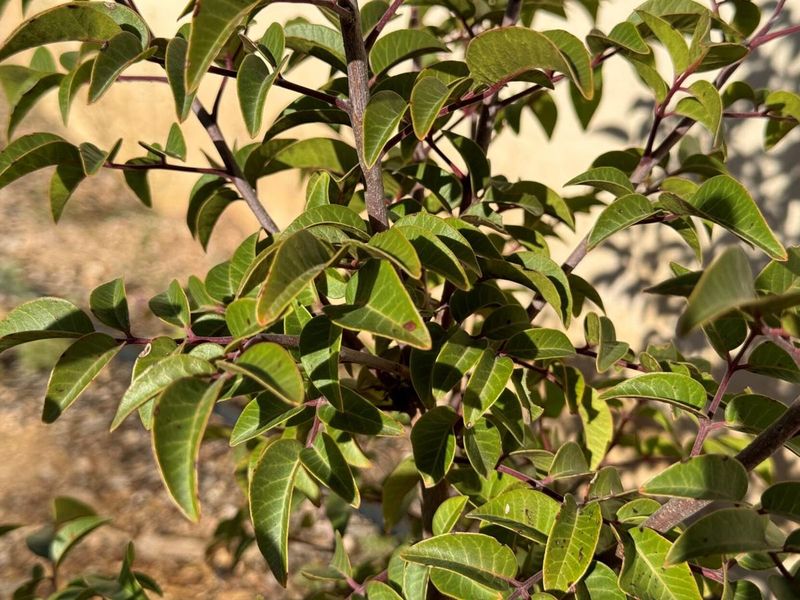
Not every privacy plant needs a lot of water to thrive, and evergreen sumac is living proof of that. Built for the rocky, dry conditions found across Central and West Texas, this tough native shrub delivers year-round privacy without demanding much from you in return.
If you have been struggling to find a screening plant that actually survives in a water-limited yard, evergreen sumac might be exactly what you need.
Typically growing between 6 and 10 feet tall, sometimes stretching to 12 feet in ideal conditions, evergreen sumac forms a dense, rounded mass of leathery dark green leaves.
The foliage is thick enough to provide real privacy, and because it stays evergreen, you are covered in every season.
In fall, the leaves often take on attractive reddish tones, adding a nice visual bonus to its practical function.
This plant is incredibly low-maintenance once it gets established. It handles poor soils, rocky ground, and long stretches without rain without skipping a beat.
That makes it a standout performer in areas of Texas where rainfall is limited and irrigation is not always practical.
Evergreen sumac also produces small red berries that birds enjoy, so it pulls double duty as both a privacy screen and a wildlife habitat. It looks especially natural when planted in groups or along a fence line.
If you want a tough, water-smart privacy hedge that fits right into the Central or West Texas landscape, evergreen sumac is a plant worth getting to know.
6. Roughleaf Dogwood
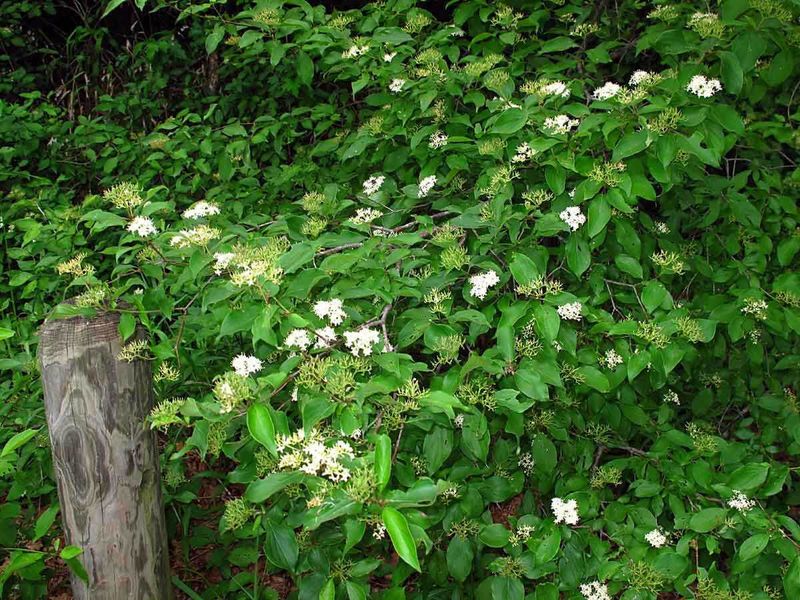
There is something wonderfully wild about roughleaf dogwood. Unlike the manicured look of a clipped hedge, this native shrub brings a naturalized, relaxed feel to any yard.
It spreads by suckering to form dense thickets, which means over time it creates a broad, full privacy screen that looks like it belongs in the Texas landscape because it genuinely does.
Roughleaf dogwood can reach up to 20 feet in height under the right conditions, making it one of the taller shrub options on this list.
It grows best in moister soils, which makes it a natural fit for East Texas and other parts of the state where rainfall is more reliable. Along creek banks or in low-lying areas where water collects, it absolutely thrives.
In spring, roughleaf dogwood puts on a beautiful show of small white flowers that attract pollinators. Later in the season, white berries appear and quickly become a favorite food source for birds and other wildlife.
If creating a habitat-friendly yard is important to you, this plant checks a lot of boxes. Because it spreads naturally through underground runners, roughleaf dogwood works best in larger spaces where you have room to let it grow.
It is not the right pick for a tight urban lot, but for a spacious backyard or a rural property in East Texas, it is an excellent naturalized privacy screen.
Plant it along a back fence line and let it do its thing. Within a few seasons, you will have a full, living wall of greenery.
7. Common Elderberry
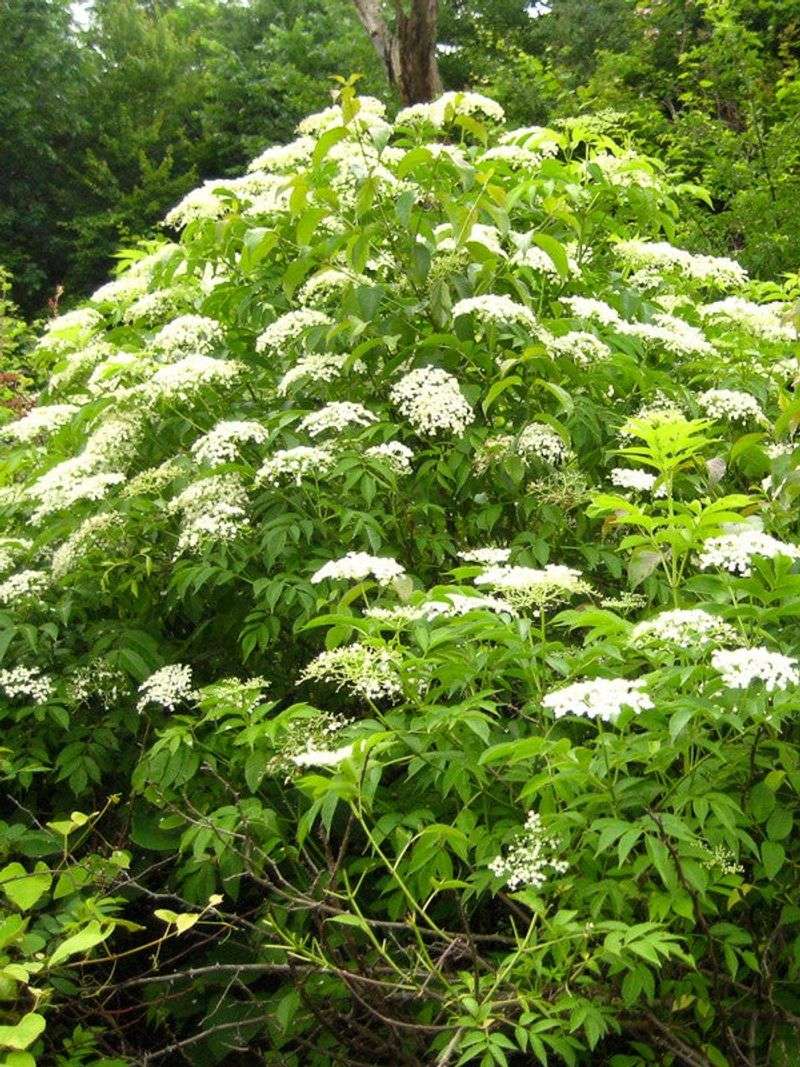
Fast, full, and packed with personality, common elderberry is one of those plants that surprises people with how quickly it takes over a space. In a good way, of course.
Within just a couple of growing seasons, this large, broad shrub can reach up to 12 feet tall and spread just as wide, forming a thick, leafy screen that blocks views and creates a sense of enclosure in your yard.
Common elderberry thrives in moist or partly moist sites, which makes it a great fit for low spots in East Texas yards or areas near drainage features.
It loves rich soil and regular moisture, and when it gets what it wants, the growth rate is genuinely impressive. Few shrubs fill in as fast or as fully as elderberry does under the right conditions.
Beyond its privacy benefits, common elderberry is a powerhouse for wildlife. The large clusters of dark purple berries that ripen in late summer are irresistible to birds, and the flowers attract pollinators in droves.
If you want a yard that buzzes with life, elderberry will help make that happen. One thing to keep in mind is that elderberry can spread enthusiastically, so occasional management may be needed to keep it where you want it.
But for homeowners in moist areas of Texas who want quick, natural screening with serious wildlife value, it is hard to beat.
Plant it in a sunny to partly shaded spot, give it some water while it gets established, and watch it take off.