8 Best Zinnia Varieties To Grow In Your Georgia Garden
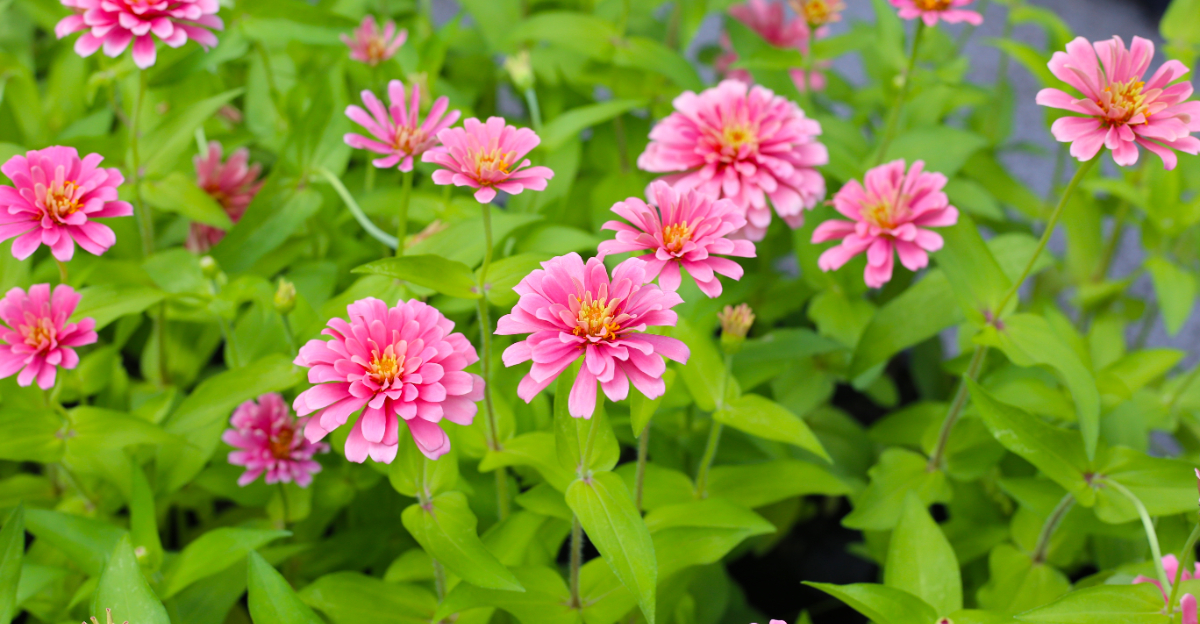
Bright color hits fast in Georgia once zinnias take off, and few flowers match how quickly they can fill a garden with life. Beds that once looked plain can turn bold and full in a short time, especially when the right varieties go in from the start.
Not every zinnia performs the same here, though. Some handle heat better, some keep blooms coming longer, and some hold their shape without constant attention.
That difference shows up quickly once the season moves forward.
Choosing the right ones can change how the entire garden looks and how much effort it takes to keep it that way. Color stays stronger, plants hold up better, and the overall result feels more consistent instead of hit or miss.
Once you see which varieties stand out in Georgia conditions, it becomes much easier to build a garden that keeps producing without constant fixes.
1. Benary’s Giant Produces Large Blooms For Cutting Gardens
Cut-flower gardeners in Georgia have a strong reason to plant Benary’s Giant — the blooms can reach four inches across and sit on sturdy stems that hold up well in a vase. That stem strength is not an accident.
Benary’s Giant was developed specifically for the cut-flower market, which means the plants grow tall, often hitting three to four feet, with long straight stems that are easy to harvest.
Colors range from deep burgundy and coral to soft salmon and orange. You get a wide palette without needing to buy multiple seed packets.
Planting a mix gives your cutting garden a natural, layered look that doesn’t feel forced or overly planned.
In Georgia’s heat, these plants push out new blooms consistently through the summer as long as you keep cutting. Stop deadheading and the plant slows down, so stay on top of it.
Sow seeds directly in the ground after your last frost date, usually mid-March to April depending on where in Georgia you are.
Full sun is non-negotiable here. Partial shade causes leggy growth and smaller blooms.
Soil with good drainage keeps root rot from becoming a problem during Georgia’s wetter stretches. Benary’s Giant is one of those varieties that rewards the attention you put into it with consistent, impressive results through the growing season.
2. Zahara Series Handles Heat And Humidity With Strong Performance
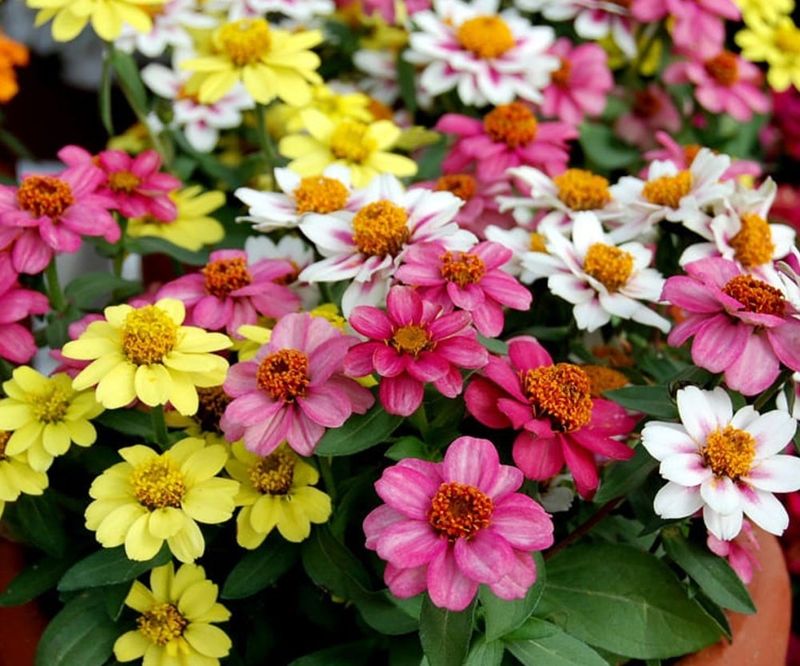
Humidity is one of the biggest challenges for zinnias in Georgia, and the Zahara Series was practically built to handle it. Powdery mildew is a real problem in the Southeast, especially in July and August when nights stay warm and moisture lingers on leaves.
Zahara plants are known for improved resistance to that fungal issue, which keeps them looking clean and productive when other varieties start to struggle.
Zahara Double Cherry is a standout — the deep cherry-red blooms are bold and hold their color well even under intense Georgia sun. Zahara Starlight Rose offers a softer look with pale pink petals that have a subtle two-tone effect.
Both varieties stay relatively compact, usually topping out around twelve to fourteen inches, which makes them useful for border plantings or containers on a porch or patio.
Your Georgia Garden Changes Every Week. Your Plan Should Too.
Gardening in Georgia changes quickly throughout the season. Every Friday you’ll receive a simple weekly plan showing exactly what to plant, prune, fertilize, harvest, and protect so you never miss the right timing.
Blooms appear early in the season and keep going with minimal fuss. You don’t need to deadhead obsessively, though removing spent flowers does encourage faster rebloom.
In Georgia, these plants can start blooming by late May if you get transplants in the ground after your last frost.
Water at the base rather than overhead to reduce fungal pressure. Morning watering works better than evening in humid climates.
Zahara plants perform solidly through Georgia’s long warm season without a lot of extra intervention.
3. Profusion Series Blooms Continuously With Compact Growth
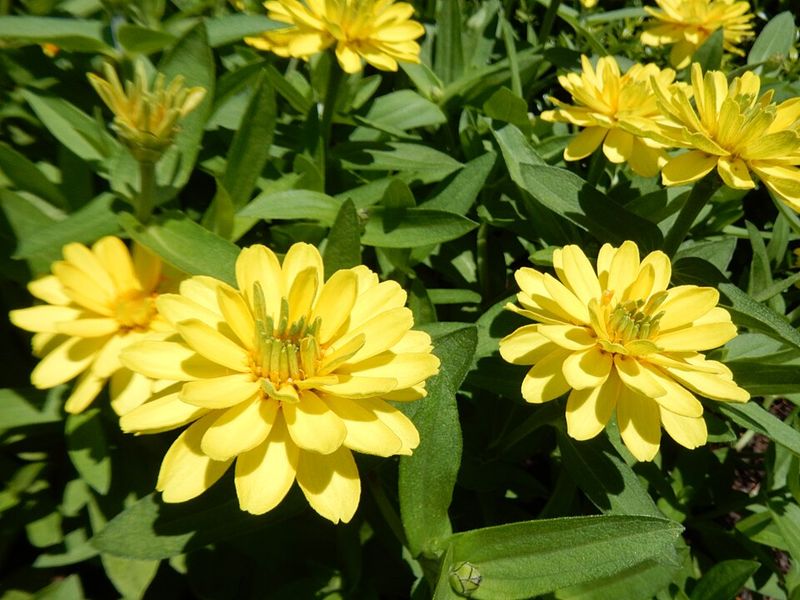
Profusion zinnias are a hybrid cross between Zinnia elegans and Zinnia angustifolia, and that combination gives them traits that are genuinely useful in a Southern garden.
Compact growth, strong disease resistance, and a long blooming window make this series one of the more reliable choices for Georgia gardeners who want consistent color without a lot of upkeep.
Plants stay around twelve to eighteen inches tall, which makes them easy to fit along walkways, in raised beds, or in containers. Profusion Orange and Profusion White are the classic options, but the series has expanded to include fire, cherry, and apricot shades.
Mixing a few colors together in a single bed creates a dense, colorful carpet effect that stays tidy throughout the season.
One thing worth noting is that Profusion zinnias don’t produce the large, vase-worthy stems that cutting garden varieties do. These are more of a landscape plant — bred for visual impact in the ground rather than for cutting.
That’s a trade-off worth understanding before you plant.
Powdery mildew resistance is genuinely good in this series, which matters a lot in Georgia’s sticky summer months. Direct sow or transplant after frost danger passes.
Keep them in full sun and avoid overcrowding, since good airflow between plants helps prevent fungal problems during humid stretches across the state.
4. Queeny Lime Series Offers Unique Colors With Reliable Growth
Not every gardener wants a flower bed full of red and orange.
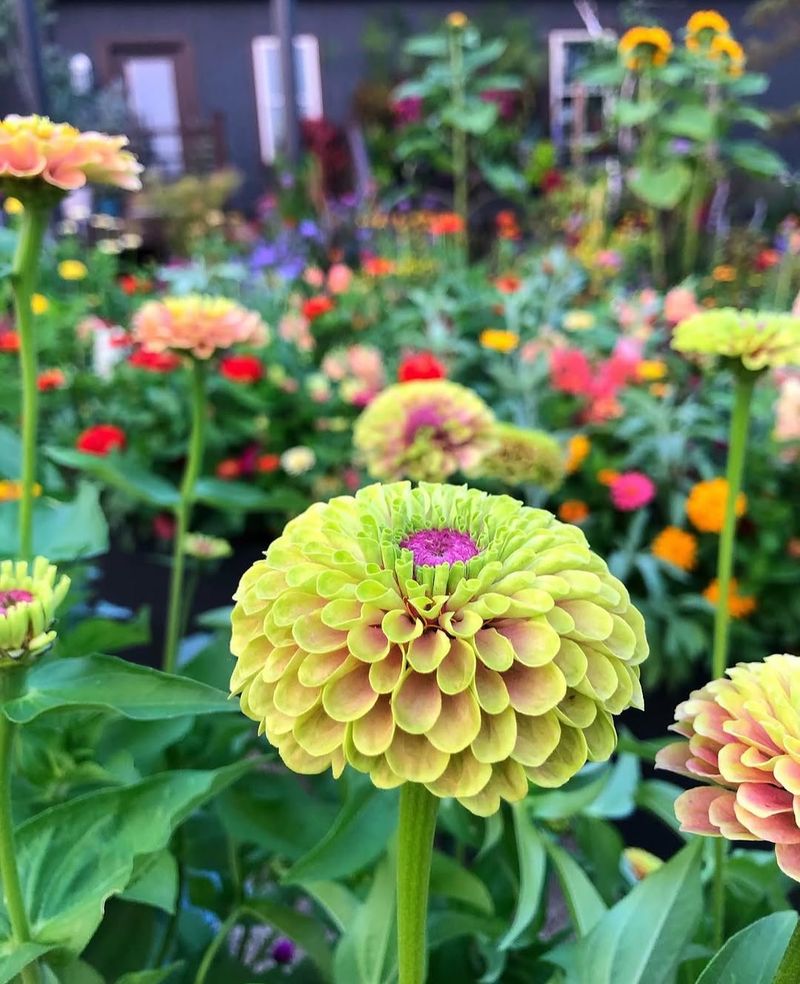
Queeny Lime zinnias bring something genuinely different to the table — soft lime green, warm orange-lime blends, and muted coral tones that pair well with other plants in a way that bold primary colors sometimes don’t.
Floral designers and cut-flower growers have taken notice of this series for that exact reason.
Queeny Lime Orange is probably the most popular variety in the series. The blooms have a layered, semi-double structure with warm orange petals edged in a dusty lime tone.
It’s an unusual color combination that photographs well and works nicely in mixed bouquets. Queeny Lime Red offers a deeper, richer look while still carrying that characteristic soft edge.
Plants in this series grow to about twenty-four to thirty inches tall, putting them in a middle range that works well in garden beds where you want height without the plants dominating everything around them.
Stem length is good enough for cutting, making these a dual-purpose choice for Georgia gardeners who want both garden color and fresh-cut flowers.
Grow them in full sun with well-drained soil and direct sow after frost danger passes in your part of Georgia. Thinning seedlings to about a foot apart gives each plant room to develop properly.
Consistent moisture during establishment helps, but avoid waterlogged soil especially during heavy summer rain periods.
5. Oklahoma Series Produces Full Rounded Blooms For Summer Color
Oklahoma zinnias don’t get talked about as much as some other series, but experienced Georgia gardeners who’ve tried them tend to keep coming back.
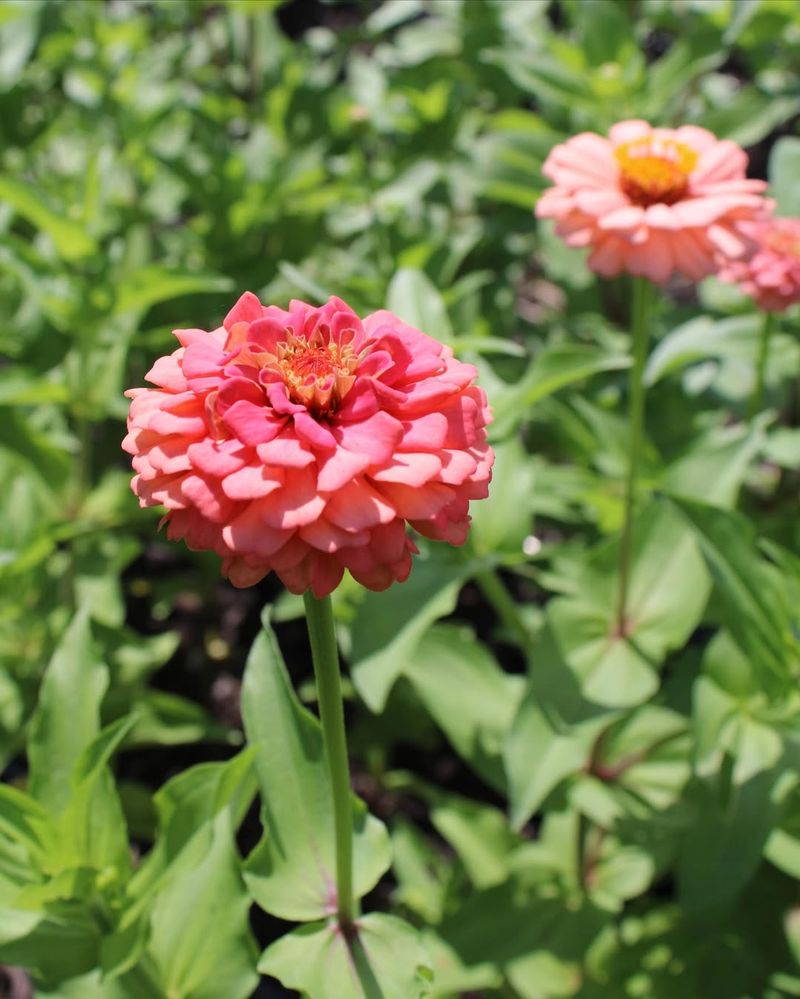
The blooms are full, rounded, and fully double — the kind of classic zinnia shape that looks right at home in a cottage-style garden or a cut-flower patch.
Stems are long and strong, which makes harvesting easy.
Height ranges from twenty-four to thirty-six inches depending on growing conditions and variety. Oklahoma Salmon, Oklahoma Pink, and Oklahoma White are among the cleaner color options in the series.
These softer shades tend to work well in Georgia gardens where you want something that feels a little more relaxed and less visually aggressive than the deep reds and oranges.
Heat tolerance is solid. Oklahoma zinnias don’t fade out or drop performance when temperatures push into the upper nineties, which happens regularly in Georgia from June through August.
Keeping plants deadheaded encourages continuous reblooming rather than a single heavy flush followed by a slowdown.
Start seeds directly in the garden after your last frost date. Georgia’s long warm season gives Oklahoma zinnias plenty of time to establish and bloom before cooler fall temperatures arrive.
Space plants about a foot apart and make sure they’re getting at least six hours of direct sun daily. Adequate airflow between plants reduces humidity-related fungal pressure during the muggiest parts of summer.
6. Zinderella Series Features Layered Blooms With A Distinct Look
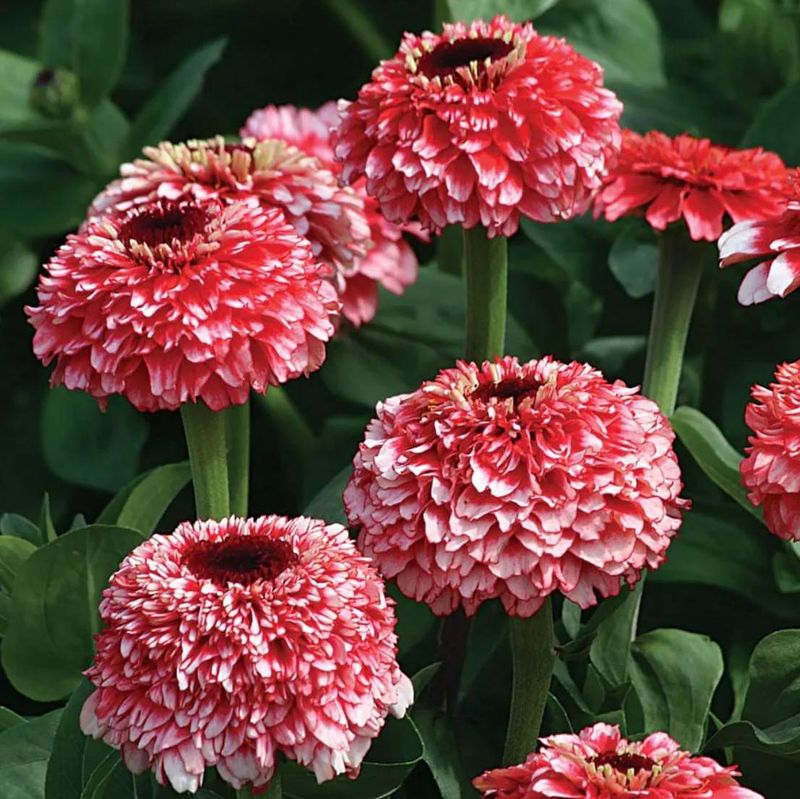
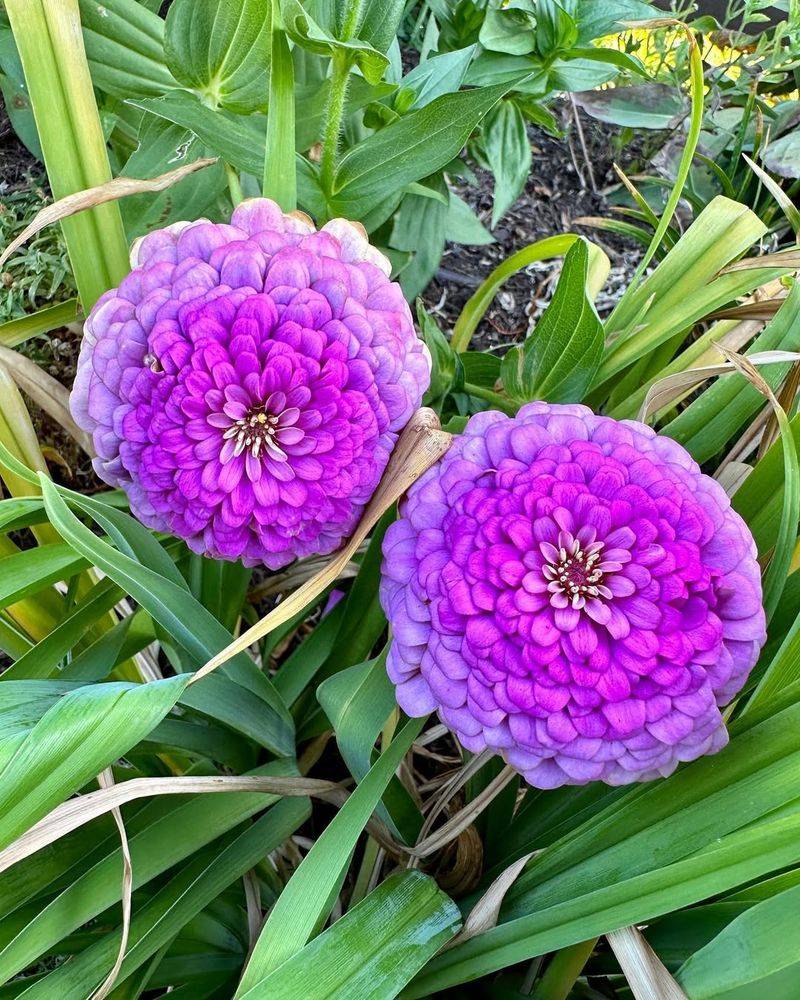
Zinderella zinnias look like something between a zinnia and a cactus dahlia. The petals are quilled and layered in a way that gives each bloom a textured, almost sculptural appearance that stands out from the flat-faced look of standard zinnia varieties.
Gardeners who want something a little less ordinary will find this series worth trying in a Georgia summer bed.
Zinderella Purple and Zinderella Peach are the two main options. Purple is a dusty, muted lavender tone — not a bright purple — and it pairs naturally with the warm peach variety when planted together.
That combination is popular for cut-flower arrangements and works just as well left in the garden where the contrast can be appreciated up close.
Plants grow to about twenty-four to thirty inches and produce strong stems suitable for cutting. Blooms tend to be medium-sized rather than enormous, but the unusual petal structure makes them visually interesting even at a smaller scale.
In Georgia’s heat, they bloom steadily through summer with regular deadheading.
Zinderella zinnias prefer well-drained soil and full sun, same as most zinnia varieties. Sow directly after frost or start transplants a few weeks ahead.
One practical note for Georgia gardeners: give these a bit more airflow than you might think necessary. The layered petal structure can trap moisture, which increases fungal risk during particularly humid stretches in July and August.
7. Thumbelina Series Stays Compact And Works In Small Areas
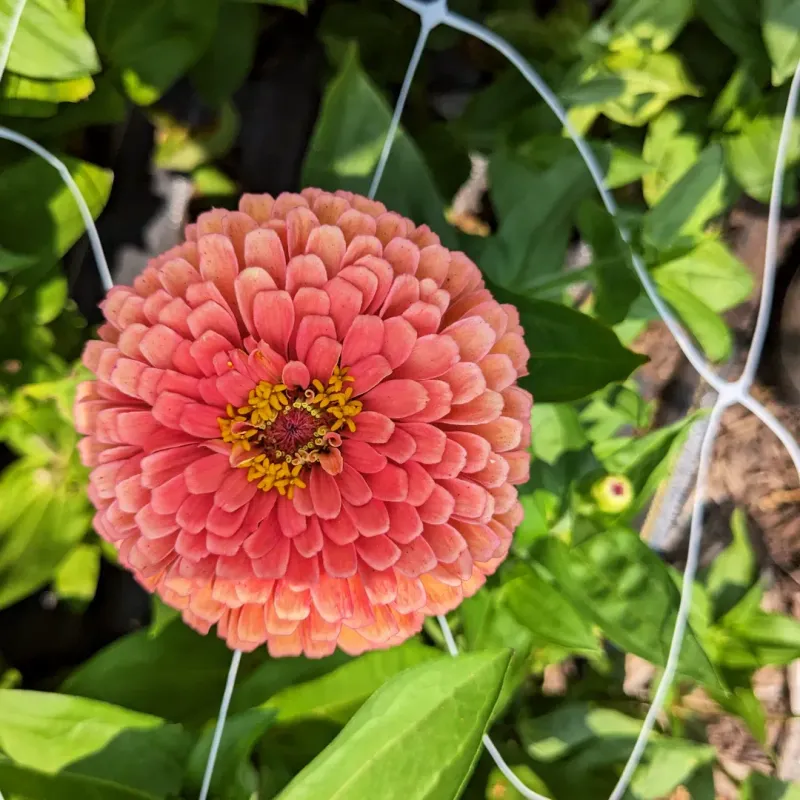
Small spaces don’t have to mean boring gardens. Thumbelina zinnias are miniature plants that top out around six to eight inches tall, making them one of the shortest zinnia options available.
Window boxes, container gardens, front-of-border plantings, and even hanging baskets are all fair game with this variety. Georgia gardeners working with limited space find them genuinely practical.
Blooms are small — usually one to two inches across — but they come in a wide range of colors including pink, yellow, red, orange, and white.
The Thumbelina Mix packet gives you that full range in a single planting, which adds visual interest without requiring multiple seed orders.
Plants branch freely and stay dense, giving a full, bushy appearance rather than a sparse or leggy one.
One honest limitation: Thumbelina zinnias aren’t a cutting garden plant. Stems are too short to be useful in a vase.
These are purely landscape and container flowers, and they’re best appreciated when you’re close enough to see the individual blooms rather than viewing them from a distance.
In Georgia, direct sow after the last frost or start seeds indoors about four weeks before transplanting outside. Full sun produces the best bloom density.
Container plantings dry out faster than in-ground beds, so check soil moisture regularly during Georgia’s hottest months and water at the base to keep foliage dry and reduce disease pressure.
8. Peppermint Stick Produces Striped Blooms With Consistent Color
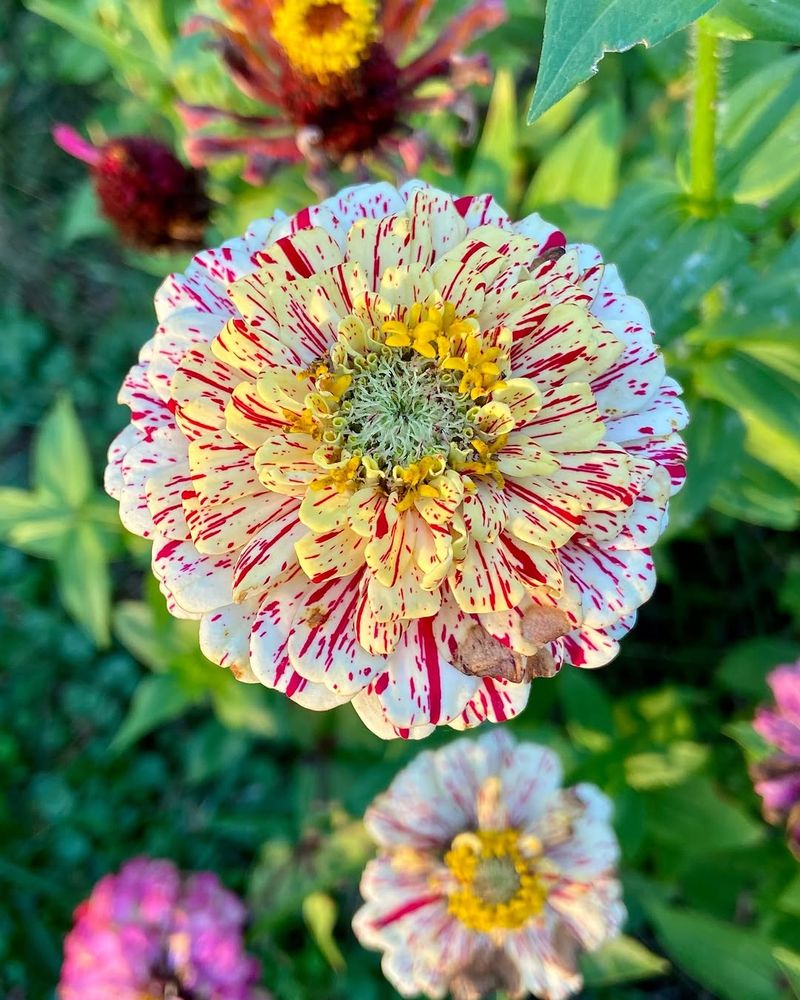
Striped zinnias are rare enough that Peppermint Stick tends to stop people in their tracks.
The blooms feature contrasting stripes and splashes of color on each petal — combinations like red and white, yellow and orange, or pink and cream — and no two flowers look exactly the same.
That natural variation is part of the appeal, especially for gardeners who want something that feels a little unexpected.
Plants grow to about twenty-four to thirty inches tall with decent stem length for cutting. Peppermint Stick is sold primarily as a mix, so you plant it without knowing exactly which color combinations you’ll get.
Most Georgia gardeners find that unpredictability fun rather than frustrating, since the mix tends to look natural and relaxed rather than overly coordinated.
Blooms hold their color well under Georgia’s intense summer sun, which is worth mentioning because some striped or bicolor flowers tend to fade in extreme heat.
Performance stays consistent through the season with regular deadheading and adequate water during dry spells.
Established plants handle brief dry periods without major issues, though extended drought will slow blooming.
Direct sow in Georgia after your last frost date, usually between mid-March and early April depending on your region. Full sun and well-drained soil give the best results.
Thin seedlings to about twelve inches apart for good airflow. Peppermint Stick is a reliable conversation starter in any Georgia garden and earns its space with steady seasonal color.