8 Ground Cover Plants That Handle Clay Soil In Georgia
Clay soil in Georgia can turn planting into a challenge faster than expected, especially when water sits too long or the ground dries into something hard to work with.
Some plants struggle to settle in, and bare spots can stick around no matter how many times you try to fill them.
You may notice certain areas stay patchy while others hold better, and that usually comes down to how well the plants handle those heavy conditions. Not every ground cover can deal with compacted soil or shifting moisture levels.
Some varieties spread and adapt without much trouble, even when the soil does not cooperate. They cover space, stay consistent, and hold their place through changing conditions.
Choosing the right ones can turn difficult soil into something far easier to manage and help the yard look more complete over time.
1. Creeping Jenny Spreads Easily In Heavy Soil
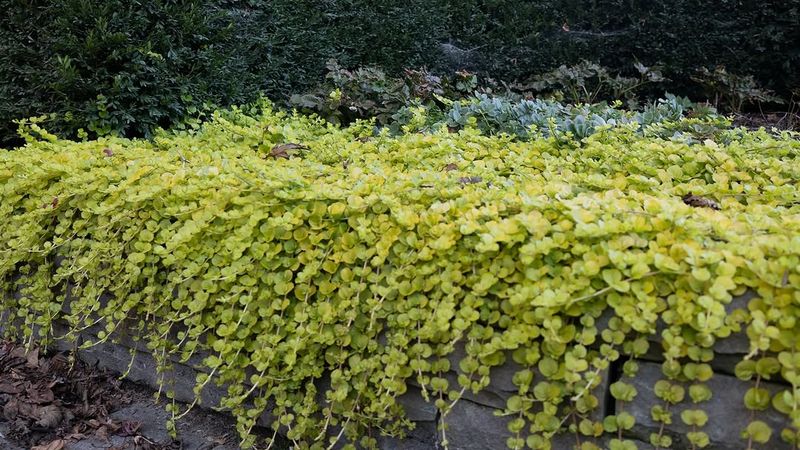
Creeping Jenny moves fast. In Georgia’s heavier soils, where other spreading plants slow down and stall, this one keeps going.
The bright chartreuse foliage is hard to miss, and it fills gaps between stepping stones, along borders, and down slopes without much fuss.
It handles moist clay reasonably well because it actually prefers wetter conditions. Spots that stay damp after rain, which are common in Georgia yards with poor drainage, suit Creeping Jenny just fine.
It won’t do great in baked, dry clay during a summer drought, but in average to moist conditions it spreads consistently through the growing season.
Planting in partial shade gives it the best results in Georgia’s heat. Full sun in midsummer can cause the leaves to scorch, especially during July and August when temperatures spike.
A spot with morning sun and afternoon shade tends to keep it looking its best.
Spacing plants about a foot apart gives them room to fill in without immediate overcrowding. Adding a bit of compost to the planting hole helps roots get established in tight clay.
Keep an eye on it along garden edges — it can creep into lawn areas if left unchecked, which is worth managing before it becomes a bigger job.
Trimming it back lightly every so often helps keep the spread under control and encourages fresh, fuller growth.
2. Ajuga Forms Dense Coverage In Clay Conditions
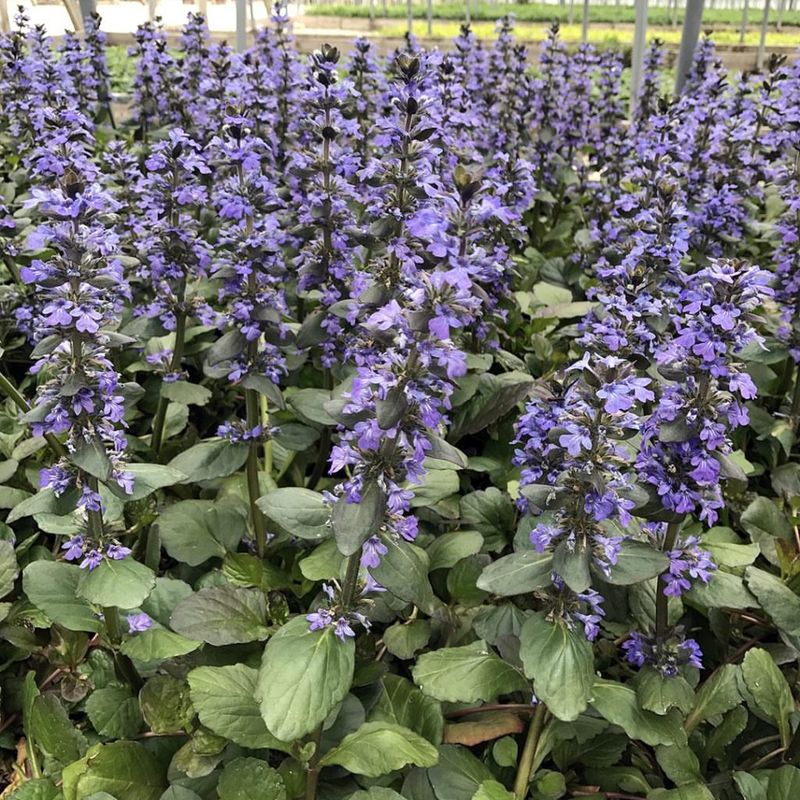
Walk past a healthy patch of Ajuga in spring and those blue flower spikes are the first thing you’ll notice. They shoot up in April and May, standing a few inches above the low rosette of leaves, and they look surprisingly sharp for a plant that asks so little from the soil beneath it.
Ajuga handles Georgia clay better than most ground covers because it tolerates both compaction and variable moisture. It won’t rot out in a wet spring, and it holds on through drier stretches in summer without completely falling apart.
The foliage stays semi-evergreen through Georgia winters, which means bare patches are less of an issue even in January.
It spreads through runners that root at each node, gradually thickening into a solid mat. In heavier soils that process takes a little longer than in looser ground, but it does happen.
Your Georgia Garden Changes Every Week. Your Plan Should Too.
Gardening in Georgia changes quickly throughout the season. Every Friday you’ll receive a simple weekly plan showing exactly what to plant, prune, fertilize, harvest, and protect so you never miss the right timing.
Planting plugs about eight to ten inches apart gives the runners space to knit together over one to two seasons.
Shade is where Ajuga really earns its place. Under trees where grass refuses to grow and clay sits hard and dry, Ajuga pushes through and covers ground that would otherwise stay bare.
It’s a practical solution for those frustrating shaded spots common in Georgia landscapes.
Once it fills in, that dense mat helps crowd out weeds and keeps the area looking tidy with very little ongoing work.
3. Liriope Grows Well In Compact Soil Areas
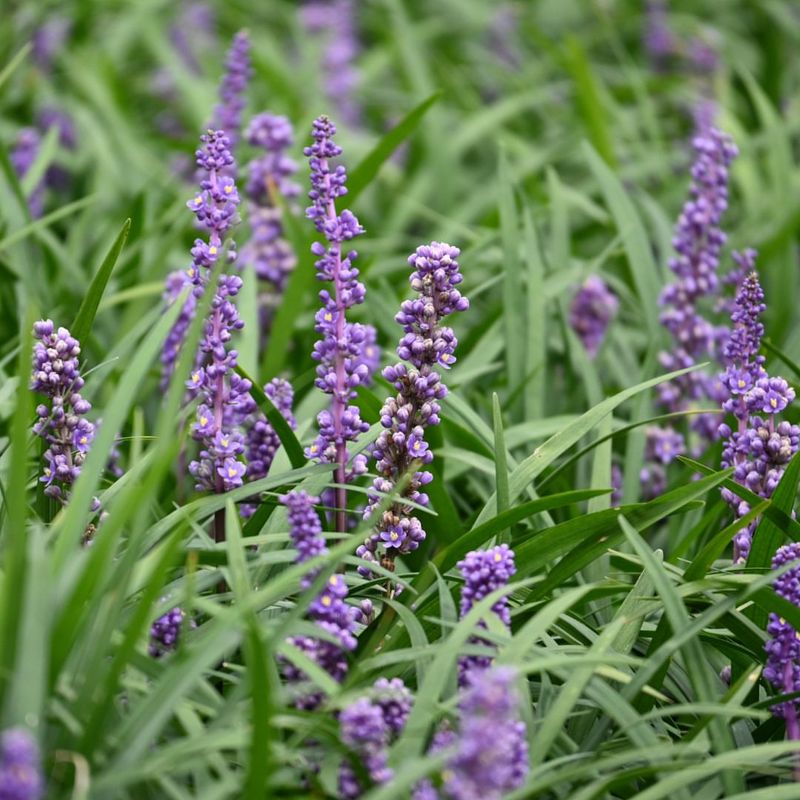
Liriope is one of the most reliable plants you can put in Georgia clay, and it has a long track record in yards across the state to back that up.
The grass-like foliage stays green through most of the year, the purple flower spikes show up in late summer, and it handles both sun and shade without much complaint.
What makes it work in clay specifically is its root system. Liriope develops thick, fleshy roots that push through compacted soil more effectively than fine-rooted plants.
It doesn’t need fluffy, loose soil to get going. Once it roots in, it stays put, holding slopes and borders even when the ground stays hard and heavy.
Clumping varieties like Liriope muscari work well as border edging or in mass plantings under trees. Spreading types like Liriope spicata fill in more aggressively and cover ground faster, which is useful when you have a large area of bare clay to deal with.
Both types perform in Georgia’s climate.
Cutting the foliage back to a few inches in late winter helps it flush out fresh growth in spring. It’s a quick job and it keeps the planting looking clean rather than ragged.
In compact Georgia soils, this small bit of annual attention goes a long way toward keeping the planting looking sharp year after year.
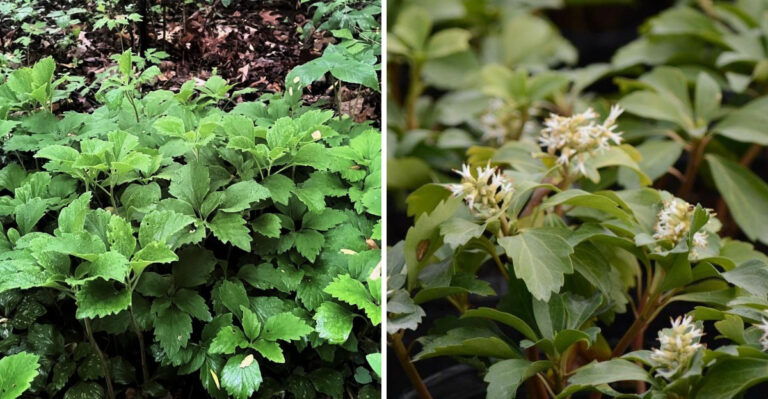
4. Pachysandra Tolerates Dense And Moist Soil
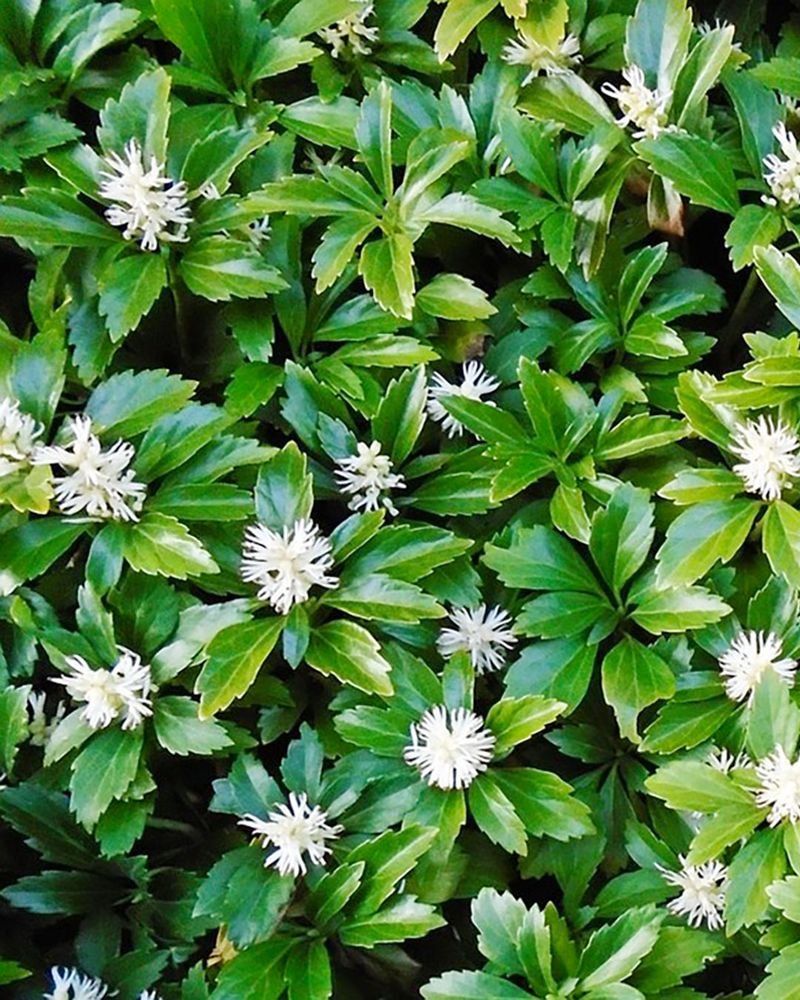
Shaded areas in Georgia yards are often the hardest spots to plant. The soil under mature trees tends to be compacted, root-filled, and dry in summer but soggy after heavy rains.
Pachysandra handles that combination about as well as any ground cover you’ll find at a Georgia nursery.
It grows slowly, which is worth knowing before you plant it. Pachysandra won’t fill a large area in one season.
It spreads by underground runners, gradually thickening over two to three years into a solid evergreen mat. Patience pays off here because once it fills in, it tends to stay dense and consistent without much intervention.
Moist clay actually suits Pachysandra reasonably well, as long as the area doesn’t sit in standing water for days at a time. Good organic matter in the planting bed helps the roots get established faster in tight soil.
Working in compost before planting is worth the extra effort, especially in Georgia’s red clay where the soil structure is particularly dense.
Fertilizing lightly in early spring with a balanced fertilizer encourages steady growth. Avoid heavy feeding, which can cause soft, leggy stems that flop over.
In deep shade under oaks or pines, which are common across Georgia, Pachysandra is one of the few ground covers that fills in reliably and holds its color through winter.
Once established, it needs very little upkeep beyond occasional trimming to keep edges neat and prevent it from creeping into unwanted areas.
5. Vinca Minor Spreads Quickly In Tough Conditions
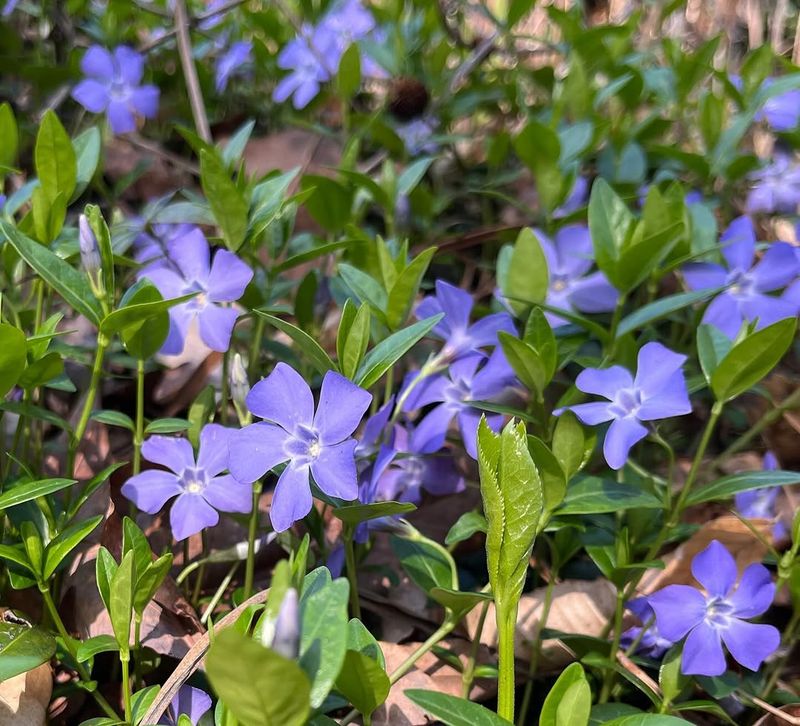
Vinca minor has been covering Georgia slopes and shaded banks for decades, and there’s a straightforward reason for that — it spreads through tough soil conditions without much help.
The trailing stems root wherever they touch the ground, and in clay soil that process keeps moving even when the soil is heavy and compacted.
The small blue-purple flowers that appear in early spring are a bonus. They’re not showy, but they add color at a time of year when most ground covers are still just green.
The glossy foliage holds up through Georgia winters and stays evergreen in most parts of the state, which keeps the planting looking presentable year-round.
Slopes and banks where erosion is a concern are where Vinca minor earns its reputation. The stems knit together across the soil surface and the roots anchor into the clay below, holding the ground reasonably well during heavy Georgia rain events.
It won’t stop erosion on a severely steep slope, but on moderate grades it performs consistently.
One thing to watch is its spread into natural areas. Vinca minor can move beyond garden beds and into woodland edges, so trimming it back at the borders each spring keeps it in check.
In a managed yard setting it’s a practical, dependable choice for clay soil areas across Georgia that need coverage and minimal upkeep.
6. Dwarf Mondo Grass Works In Heavy Soil Borders
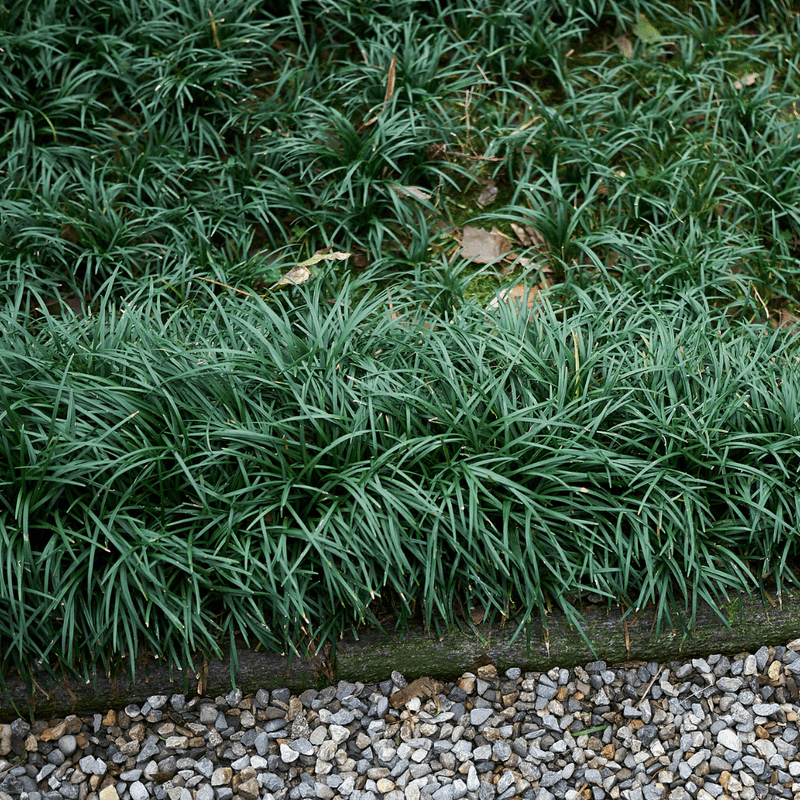
Dwarf Mondo grass looks almost too refined for Georgia clay, but it handles heavy soil better than its delicate appearance suggests.
The very fine, dark green blades stay low — usually under four inches — making it useful for edging paths, borders, and garden beds where a clean, tight line matters.
It grows slowly, which is part of what makes it a good border plant. Fast-spreading ground covers can overwhelm a carefully planted edge within a season or two.
Dwarf Mondo holds its position, expanding gradually and staying where you put it. In Georgia’s clay-heavy soils, that measured pace is actually an advantage in tight spaces.
It tolerates shade well, which is useful under the canopy of Georgia’s many mature oaks and pines. Full shade doesn’t bother it much, and it handles partial sun without burning the way some fine-textured plants do in the summer heat.
Consistent moisture helps during the first growing season while roots are working into the clay.
Black Mondo grass is a closely related variety worth mentioning. It has nearly black foliage that contrasts sharply against lighter mulch or stone, and it performs similarly in Georgia clay.
Both varieties benefit from a light top-dressing of compost in early spring, which improves the soil structure around the roots over time and supports steady, if unhurried, growth through the season.
7. Mazus Spreads Well In Moist Clay Soil
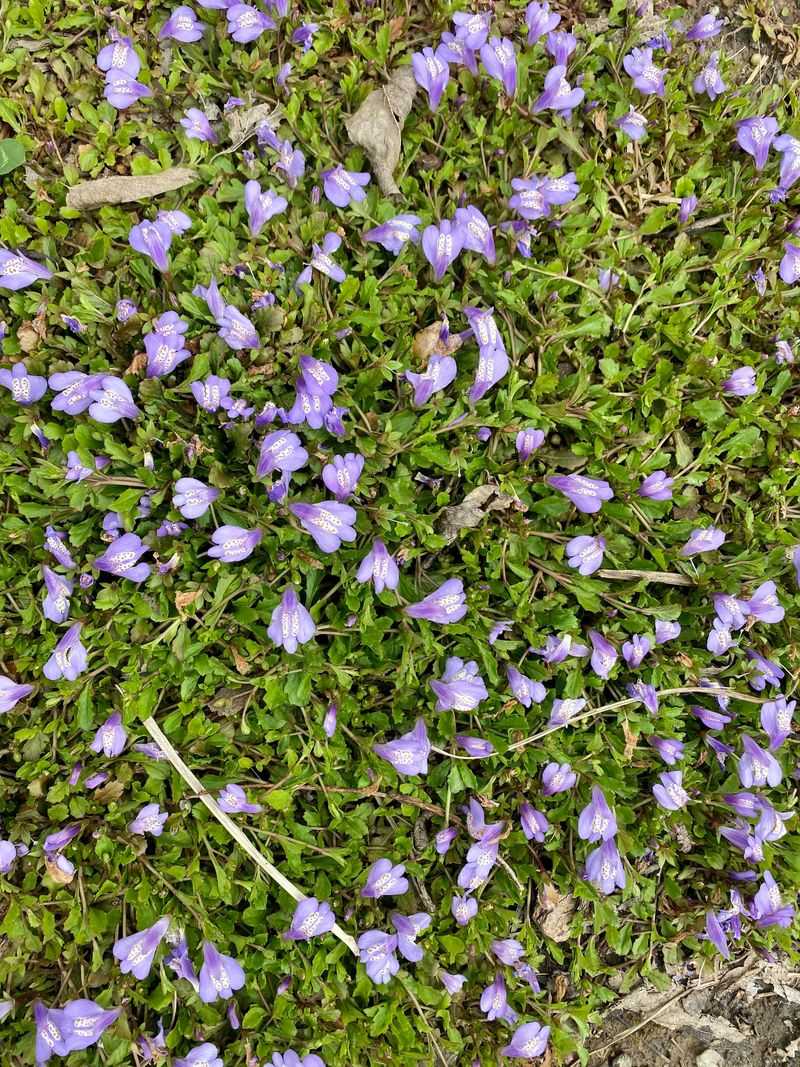
Mazus is one of those plants that doesn’t get nearly enough attention for what it does in wet, clay-heavy Georgia soils.
It stays flat — rarely reaching more than two inches tall — and spreads by creeping stems that root as they go, filling in between stepping stones and along moist pathways where other plants struggle to get a foothold.
The flowers are small but striking up close, with purple and white markings that appear in spring. They’re not visible from a distance, but at ground level the blooms are genuinely pretty.
Mazus works as a lawn substitute in low-traffic areas where the soil stays consistently moist and the ground is too wet for grass to thrive.
It handles foot traffic better than most ground covers its size, which makes it practical between pavers or flagstones in Georgia garden paths.
Heavy clay that stays moist after rain is actually close to ideal for Mazus, so spots that are problematic for other plants can be exactly right for this one.
In Georgia, Mazus is semi-evergreen in most winters, going partially dormant in colder northern parts of the state but holding foliage in the warmer central and southern regions. It spreads more noticeably in its second season once roots are established in the clay.
Planting in early spring gives it a full growing season to settle in and begin spreading before winter arrives.
8. Green And Gold Handles Clay And Partial Shade Easily
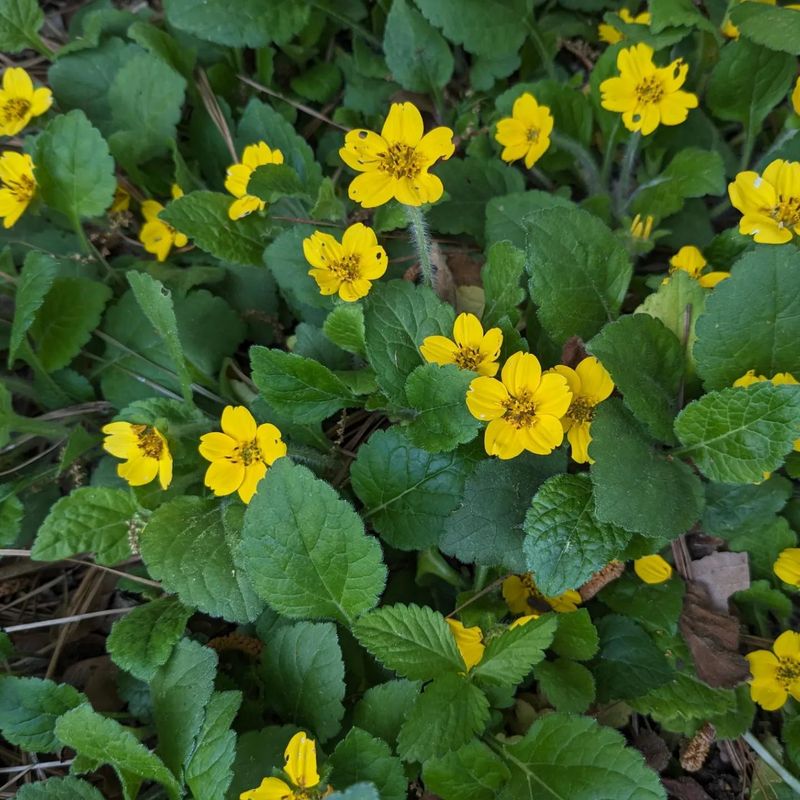
Green and Gold is one of the few ground covers that can honestly be called both attractive and genuinely tough in Georgia clay.
The yellow star-shaped flowers appear in spring and continue sporadically through the season, which is more bloom time than most shade-tolerant ground covers manage in heavy soil conditions.
It’s a plant that suits Georgia’s woodland garden settings particularly well. Under tree canopies where the soil is dense and root competition is high, Green and Gold holds its own.
It doesn’t need deep, rich soil to perform — it adapts to the kind of compacted, root-filled clay that’s common under mature Georgia hardwoods.
Spreading happens through both stolons and self-seeding, so coverage builds up gradually but from multiple directions at once. In partial shade, which is where it performs best, the spread is steady without becoming aggressive.
Full shade slows it down considerably, and full sun in Georgia’s summer heat can stress the foliage, so a spot with filtered light is the sweet spot.
Watering during dry stretches in the first summer helps roots push into the clay and establish a strong base. After that first season, established plants handle typical Georgia dry spells reasonably well without supplemental water.
Adding a thin layer of leaf mulch around plants in fall mimics the woodland conditions this plant prefers and gradually improves clay soil structure over time.