7 Drought-Tolerant Purple Flowers That Shine In Texas Gardens
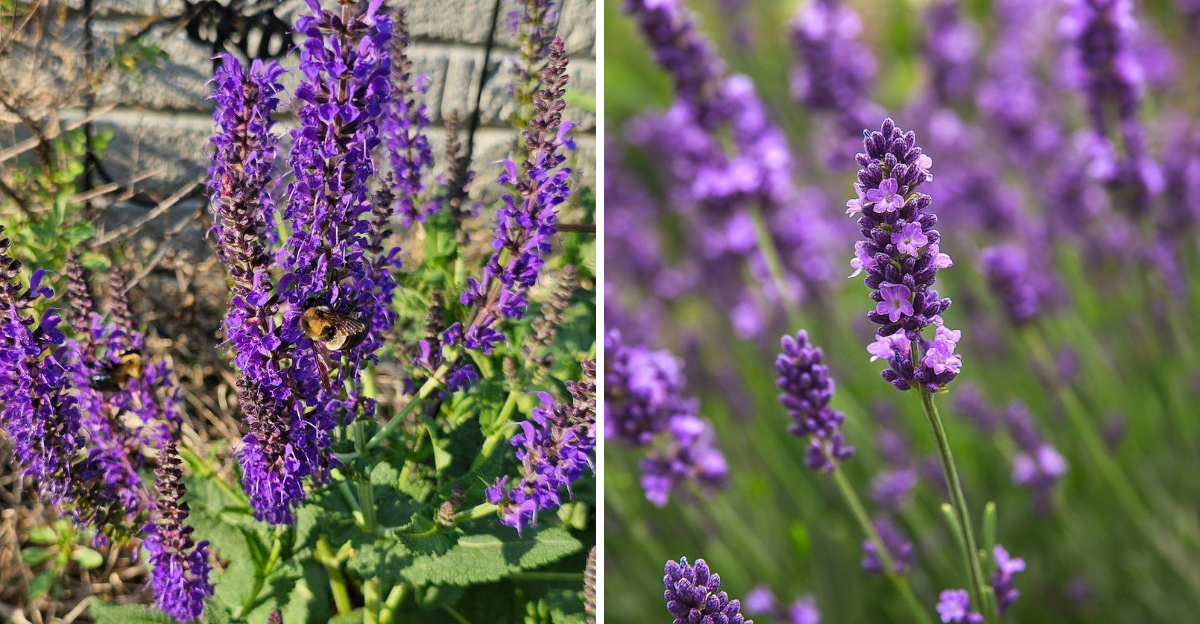
Purple flowers can make a Texas garden stand out in the best way. They bring rich color, contrast beautifully with green foliage, and add extra charm to sunny beds and borders.
The challenge is that Texas weather can be rough on flowering plants. Heat, strong sun, and long dry stretches can leave less hardy blooms looking tired fast.
A flower may look great when you plant it, then struggle once the hottest part of the season settles in.
That is why drought-tolerant purple flowers are such a smart pick. They offer bold color without needing constant watering or too much attention.
In a Texas garden, that kind of dependability matters. The best choices can handle tough conditions while still keeping the landscape lively and colorful.
Whether you want to brighten a front yard, fill a pollinator-friendly space, or add something eye-catching to a dry, sunny spot, these flowers can do the job beautifully.
1. Texas Sage (Cenizo)
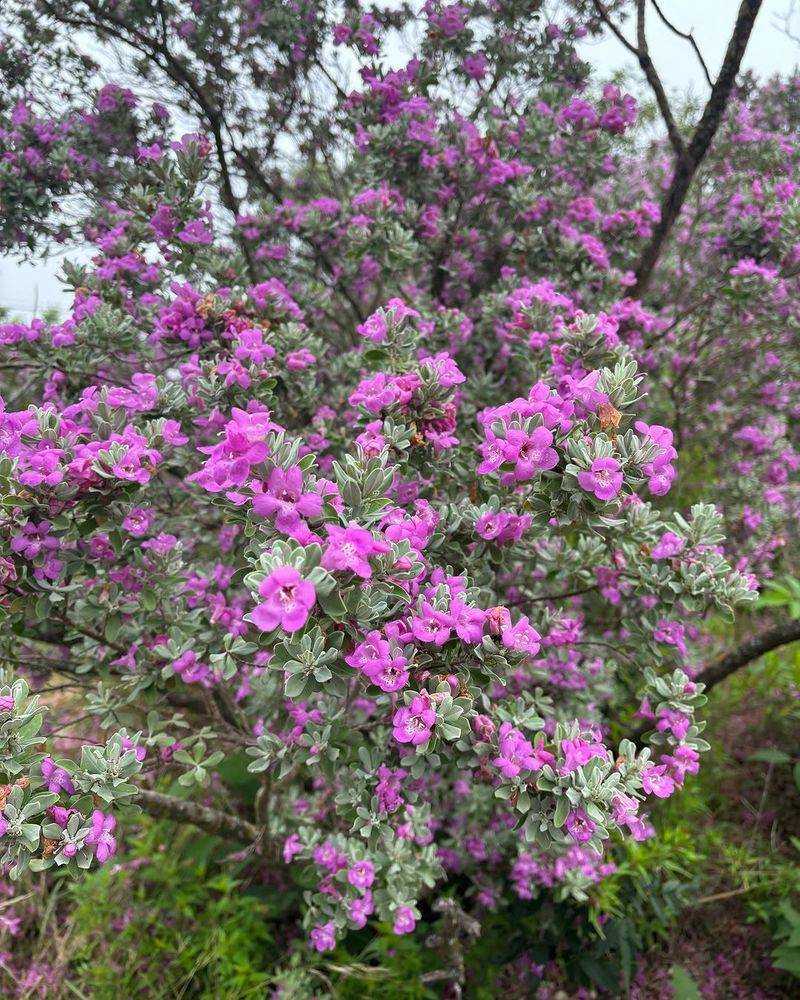
Walk through almost any Texas neighborhood and you’ll likely spot it: a round, silvery shrub suddenly exploding with purple blooms right after a summer rainstorm. That’s Texas Sage, also called Cenizo, and it’s one of the most beloved plants in the Lone Star State.
Locals even call it the “barometer bush” because it seems to know when rain is coming before the clouds do.
Texas Sage (Leucophyllum frutescens) is an evergreen shrub that grows 4 to 8 feet tall and wide. Its soft, fuzzy, silver-gray leaves look beautiful even when it’s not blooming.
When the humidity rises or rain arrives, it bursts into a sea of lavender-purple flowers almost overnight. It’s one of those plants that makes your yard look like something out of a magazine with very little effort.
For Texas gardeners, this plant is a dream come true. It thrives in full sun and extremely low water conditions, making it perfect for xeriscaping projects across the state.
Plant it in well-drained soil and give it room to spread. It doesn’t like wet feet, so avoid areas where water pools. Once established, it needs almost no supplemental irrigation at all.
You can use it as a hedge, a privacy screen, or a standalone focal point. It attracts butterflies and bees, adding life and movement to your outdoor space.
If you’re looking for one plant that perfectly captures the spirit of Texas gardening, Texas Sage is absolutely it.
2. Autumn Sage (Salvia Greggii – Purple Varieties)
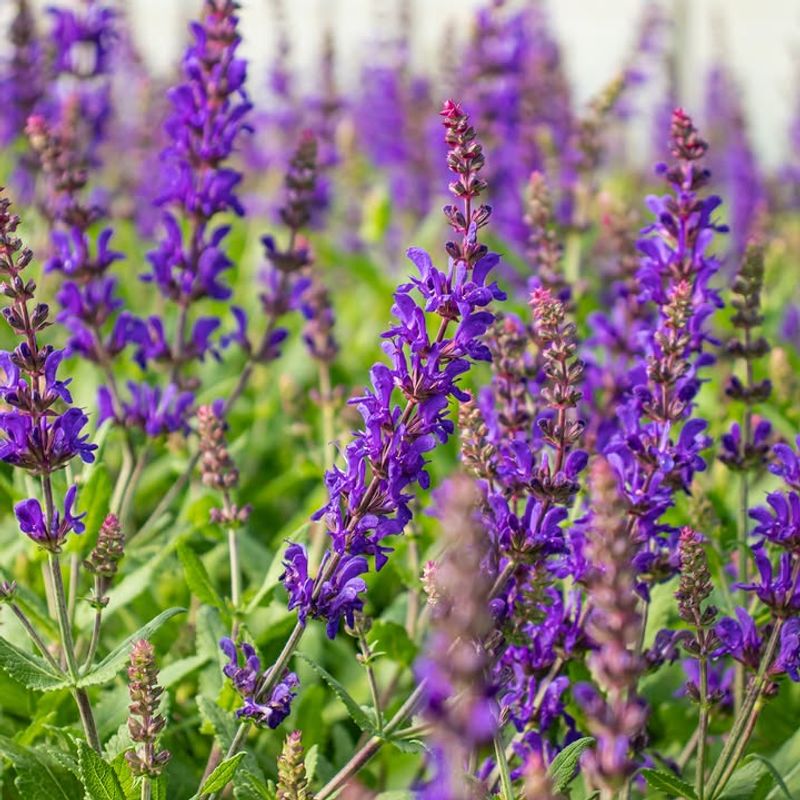
Some plants act like they’re doing you a favor by blooming once a season. Autumn Sage isn’t one of them.
Purple varieties of Salvia greggii just keep going and going, pumping out color from spring all the way through the first frost. In Texas, where summers stretch on forever, that kind of staying power is worth its weight in gold.
Autumn Sage is a compact perennial that typically grows 1 to 3 feet tall. The purple-flowered varieties offer rich, jewel-toned blooms on slender stems that sway gently in the breeze.
Hummingbirds absolutely love it, so don’t be surprised if your yard becomes a popular pit stop for those tiny, fast-moving visitors. It’s a plant that gives back in more ways than one.
Your Texas Garden Changes Every Week. Your Plan Should Too.
Gardening in Texas changes quickly throughout the season. Every Friday you’ll receive a simple weekly plan showing exactly what to plant, prune, fertilize, harvest, and protect so you never miss the right timing.
Growing Autumn Sage in Texas is refreshingly simple. It loves full sun to light shade and handles dry spells like a champion.
Once established in well-drained soil, it needs very little supplemental water. Cut it back lightly after each big bloom cycle to encourage fresh new growth and even more flowers. It responds well to that kind of attention.
This plant works beautifully as a border plant, in rock gardens, or mixed into a native plant landscape. It pairs wonderfully with ornamental grasses and other Texas natives.
For gardeners across Houston, San Antonio, or the Hill Country who want reliable, long-lasting color without a heavy watering schedule, Autumn Sage delivers season after season without complaint.
3. Mealy Blue Sage
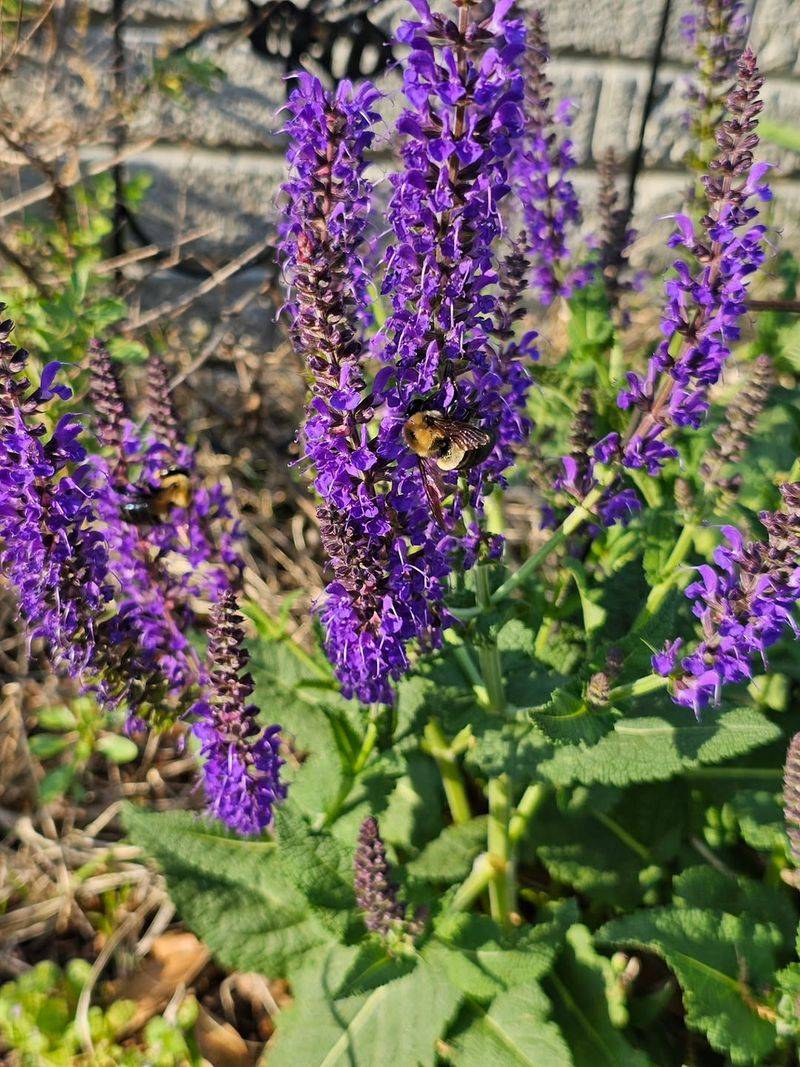
Picture tall, slender spikes of purple-blue flowers rising above a sea of green, swaying in a warm Texas breeze.
That’s Mealy Blue Sage doing what it does best: putting on a show while barely asking for anything in return. It’s a true Texas native, and it carries that tough, independent spirit in every single stem.
Salvia farinacea, commonly called Mealy Blue Sage or Mealy Cup Sage, grows 2 to 4 feet tall and produces stunning vertical blooms that range from soft lavender to deep blue-purple.
The flowers appear in spring and continue well into fall, making this one of the longest-blooming natives in the state.
Butterflies and bees swarm it constantly, turning your garden into a buzzing, beautiful ecosystem.
One of the best things about this plant is how well it handles Texas heat. Once established, it barely needs any supplemental water.
It thrives in full sun and well-drained soil, and it actually performs better when you don’t fuss over it too much. Less watering, less fertilizing, and more enjoying the results.
Mealy Blue Sage works great in mass plantings along walkways, driveways, or garden borders. It also looks stunning when mixed with yellow or orange wildflowers for a bold color contrast.
Across Central Texas and beyond, this native sage has earned a permanent spot in the hearts of low-maintenance gardeners. Plant it once, water it through establishment, and then just stand back and appreciate the view.
4. Purple Coneflower
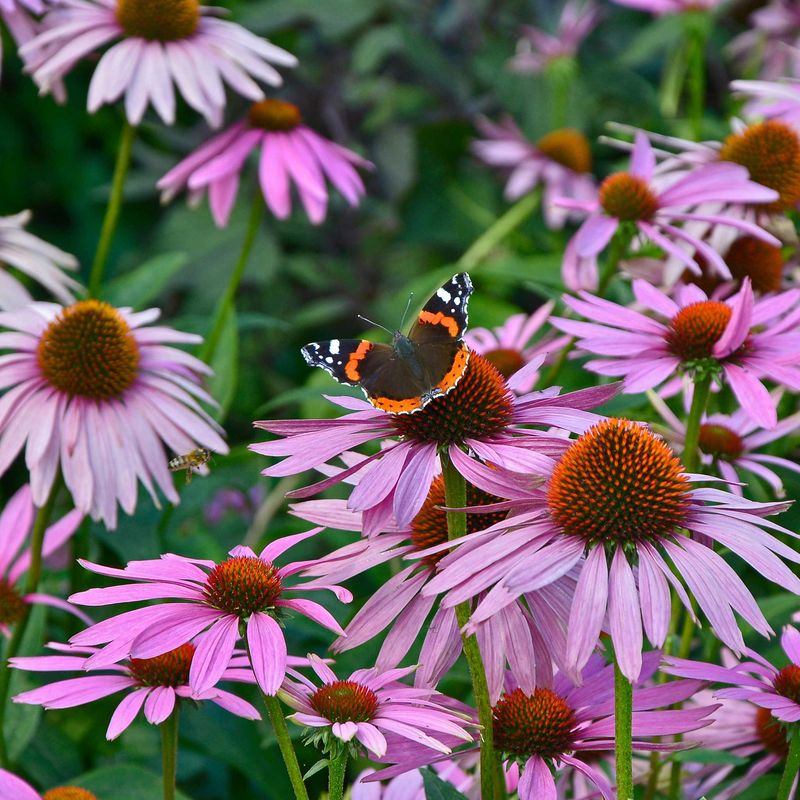
There’s something almost cheerful about a Purple Coneflower. Maybe it’s the way the petals droop slightly from the raised center, like the flower is stretching out after a long day in the Texas sun.
Or maybe it’s just the bold, unapologetic purple color that makes every garden feel more alive. Either way, this plant has serious personality.
Echinacea purpurea is a native perennial that grows 2 to 3 feet tall and blooms from late spring all the way through summer. The flowers feature distinctive cone-shaped centers surrounded by graceful, slightly drooping purple petals.
They’re not just pretty either. Birds love the seed heads in fall and winter, so leaving them standing after blooming provides food for local wildlife throughout the cooler months.
Purple Coneflower handles the Texas heat remarkably well. It prefers full sun but tolerates a bit of afternoon shade, which can actually help it through the hottest stretches of summer.
Plant it in well-drained soil and water regularly during the first growing season to help it get established. After that, it becomes much more self-sufficient and drought-tolerant.
You can find Purple Coneflower thriving in gardens across Dallas, Fort Worth, Austin, and throughout the Hill Country. It blends beautifully with ornamental grasses, Black-eyed Susans, and other native wildflowers.
It also makes a gorgeous cut flower for indoor arrangements. Few plants offer this much beauty, wildlife value, and toughness all rolled into one cheerful, purple package.
5. Lavender
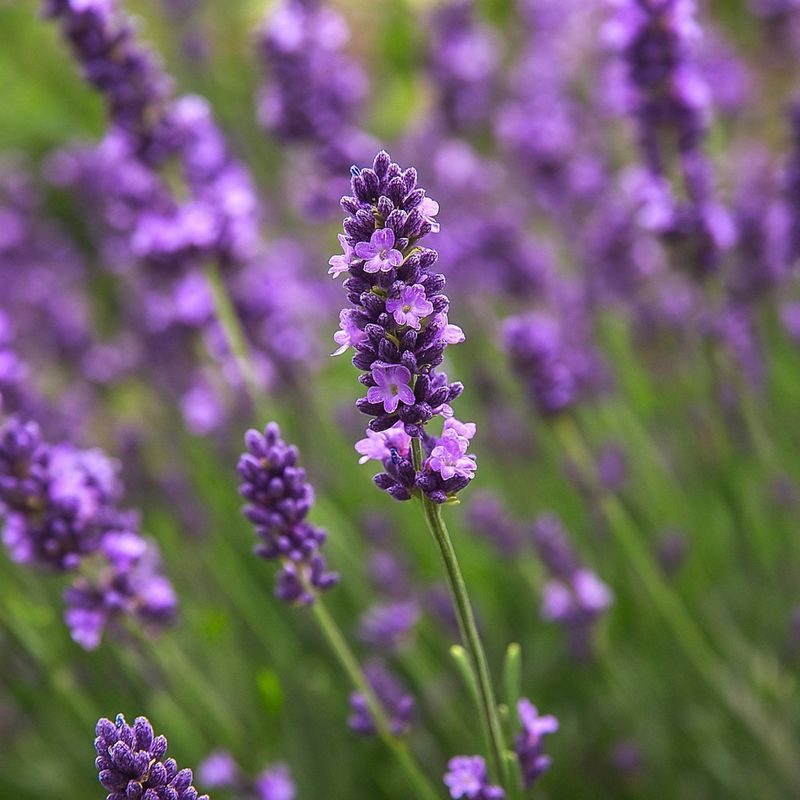
Close your eyes and imagine the smell of lavender drifting across a warm Texas evening. Now open them and plant some in your yard.
Lavender isn’t just a pretty face or a great fragrance. It’s a surprisingly tough plant that thrives in the same hot, dry conditions that make so many other flowers struggle. The key is giving it what it truly loves: full sun and excellent drainage.
Lavender (Lavandula) produces tall, slender spikes of soft purple to deep violet flowers that bloom in late spring and early summer. The silvery-green foliage stays attractive all year long, even when the plant isn’t actively blooming.
In Texas, Spanish Lavender (Lavandula stoechas) and Lavandula x intermedia varieties tend to perform especially well because they handle heat and humidity better than the more delicate English types.
Soil drainage is the single most important factor for growing lavender successfully in Texas. Heavy clay soil holds too much moisture and can cause root problems, so amend the soil with gravel or sand, or build raised beds to improve drainage.
Once established in the right conditions, lavender needs very little water and almost no fertilizer. It practically takes care of itself.
Beyond the garden, lavender has tons of practical uses. Harvest the flower spikes for sachets, cooking, or homemade gifts.
Bees and butterflies flock to it constantly. In areas like the Texas Hill Country, lavender farms have become popular tourist destinations, proving just how well this fragrant beauty belongs in Texas landscapes.
6. Verbena
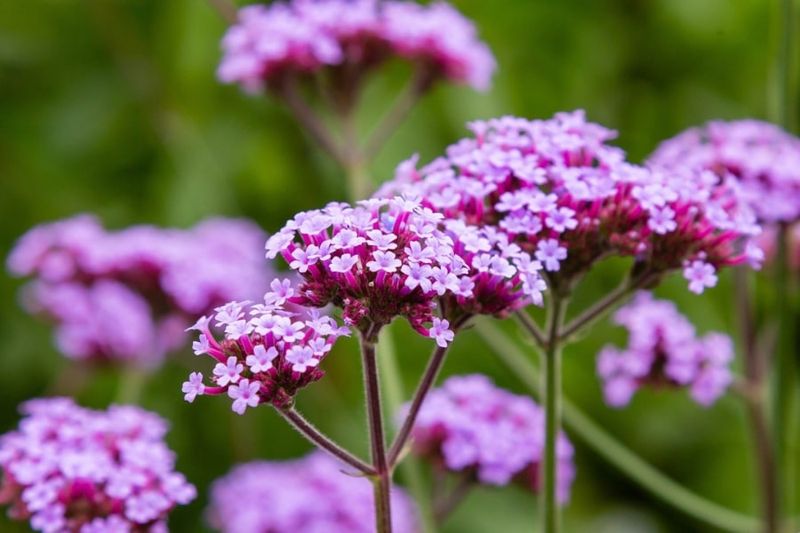
Few plants bring the kind of nonstop, high-energy color that native verbena delivers all season long.
From the moment it wakes up in spring to the very last warm days of fall, this low-growing charmer just keeps producing clusters of vibrant purple blooms without ever asking for much in return. In Texas, that kind of reliability is pure gold.
Prairie Verbena (Glandularia bipinnatifida) is a native Texas wildflower that grows just 12 to 18 inches tall and spreads outward in a loose, relaxed mound. The flowers are small but numerous, forming tight clusters of bright purple that seem to glow in the afternoon sun.
You’ll often see it naturalized along roadsides and open fields across the state, which tells you everything you need to know about how tough it really is.
Verbena thrives in full sun and sandy or rocky, well-drained soil. It handles serious drought once established and actually struggles in overly rich or constantly wet soil.
Plant it in the sunniest, driest spot in your yard and watch it reward you with months of color. Trim it back occasionally to keep it tidy and encourage fresh blooms throughout the season.
Use native verbena as a ground cover, a rock garden filler, or a colorful border plant. It pairs beautifully with other Texas natives like Blackfoot Daisy and Mealy Blue Sage.
Gardeners in San Antonio, El Paso, and across the drier western parts of Texas find it especially useful for covering large areas with minimal irrigation. It’s one of the most hardworking plants in the state.
7. Skullcap (Scutellaria)
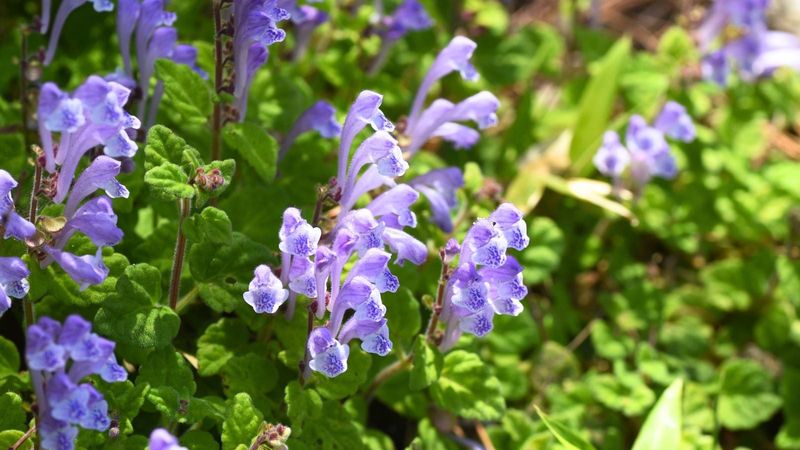
Not every great plant gets the recognition it deserves, and Skullcap is a perfect example of that.
While showier flowers grab all the attention, this quiet little native just gets on with business, covering itself in rich purple blooms and handling heat and drought without making a fuss. Once you discover it, you’ll wonder why you didn’t plant it sooner.
Scutellaria, commonly known as Skullcap, is a low-growing native perennial found naturally across Texas and much of the South.
Texas Skullcap (Scutellaria drummondii) grows just 6 to 12 inches tall and produces small but richly colored purple-blue flowers along its stems from spring through early summer.
The name comes from the small cap-like shape of the seed pods, which is kind of a fun detail once you notice it.
Growing Skullcap in Texas is genuinely easy. It prefers full sun to light shade and thrives in well-drained, rocky, or sandy soils.
Once it gets established, it handles dry spells with ease and rarely needs supplemental watering. It’s a natural fit for rock gardens, native plant landscapes, and any spot where you want low-growing color without a lot of maintenance work.
Pollinators, especially native bees, absolutely adore Skullcap. Planting it helps support local ecosystems and brings beneficial insects into your garden.
It works beautifully when combined with other low-growing natives or tucked between stepping stones along a garden path. If you’re building a Texas-tough native garden and want something a little different, Skullcap is a hidden gem worth adding to your plant list.