What Michigan Gardeners Should Plant In April In Containers
April in Michigan can feel like a false start one day and a full green light the next. A stretch of sunshine pulls gardeners outside, then a cold night reminds you it’s still early.
That push and pull makes container gardening especially appealing this time of year.
Pots warm up faster than garden beds, giving plants a small head start when conditions are still unpredictable.
With the right choices, you can start growing earlier without taking on as much risk. Even a small patio or balcony can begin to fill in, setting the stage for a productive and colorful season ahead.
1. Leaf Lettuce Grows Quickly In Cool Spring Containers
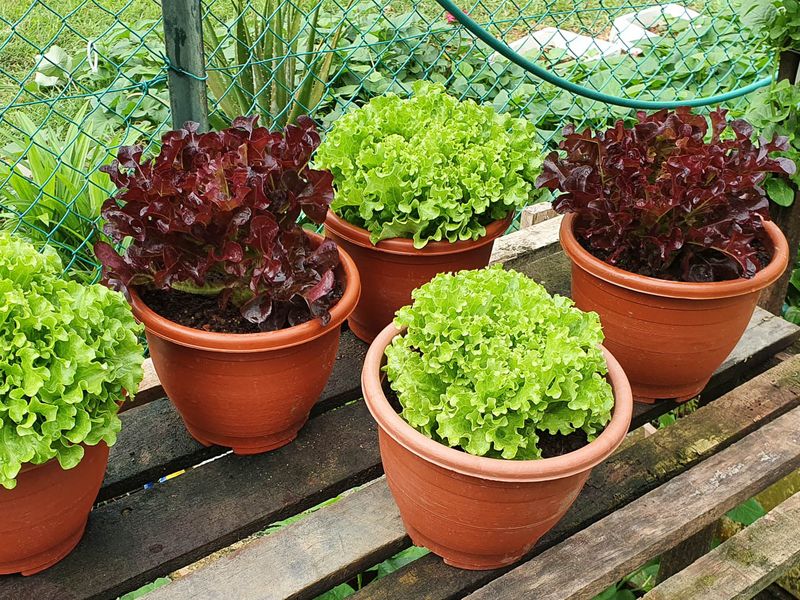
Few crops reward impatient April gardeners in Michigan quite as quickly as leaf lettuce. Within a couple of weeks of sowing, you can see tiny seedlings pushing up through the soil, and within a month, you may be snipping outer leaves for salads.
That rapid turnaround makes it one of the most satisfying cool-season crops for container gardening.
Leaf lettuce prefers temperatures between 45 and 65 degrees Fahrenheit, which lines up well with Michigan’s April climate.
Loose-leaf varieties such as Black Seeded Simpson or Red Sails work especially well in containers because their shallow roots do not need deep pots.
A container that is at least six inches deep and has good drainage holes is enough to get started.
Use a lightweight, well-draining potting mix and keep the soil consistently moist but not soggy. Containers dry out faster than garden beds on windy spring days, so check moisture levels regularly.
Place your pots where they receive at least five to six hours of sunlight daily. If a late frost threatens, move containers to a sheltered spot or cover them with a light frost cloth overnight to protect young plants.
2. Spinach Handles Chilly Michigan Nights With Ease
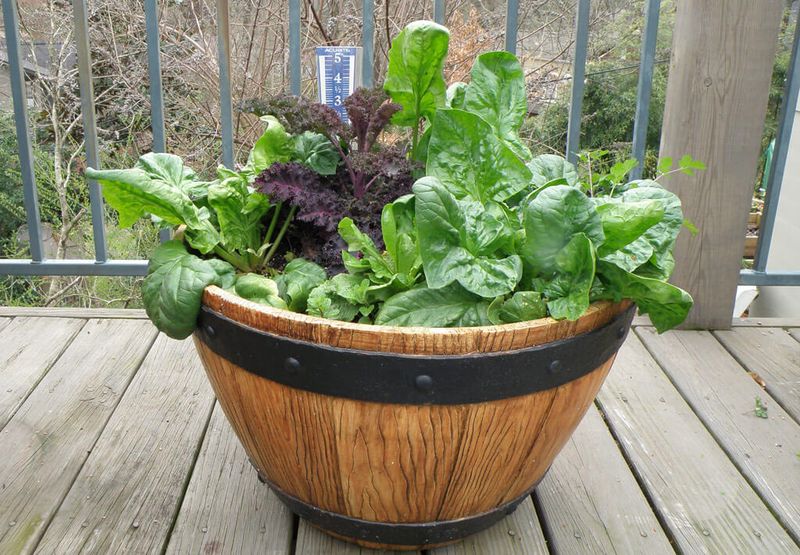
Cool nights do not slow spinach down the way they might set back warm-season vegetables.
In fact, spinach seems almost built for Michigan’s unpredictable April weather, tolerating temperatures that dip close to the mid-20s Fahrenheit once plants are established.
That cold hardiness makes it one of the most reliable choices for Michigan gardeners eager to fill containers early in the season.
Sow spinach seeds directly into containers as soon as the potting mix can be worked and is no longer frozen solid. Seeds germinate best when soil temperatures sit between 45 and 65 degrees.
Savoy types like Bloomsdale Long Standing have crinkled leaves and a rich flavor, while flat-leaf varieties tend to grow faster and are easier to wash after harvest.
Choose a container that is at least eight inches deep to give roots enough room to develop properly. A high-quality potting mix with good moisture retention works well since spinach prefers evenly moist soil.
Place containers in a spot with full sun to light shade. Spinach can bolt and turn bitter when temperatures rise above 75 degrees, so enjoy your harvest in the cooler weeks of spring before summer heat arrives in Michigan.
Your Michigan Garden Changes Every Week. Your Plan Should Too.
Gardening in Michigan changes quickly throughout the season. Every Friday you’ll receive a simple weekly plan showing exactly what to plant, prune, fertilize, harvest, and protect so you never miss the right timing.
3. Arugula Adds Fast Flavor To Early Patio Pots
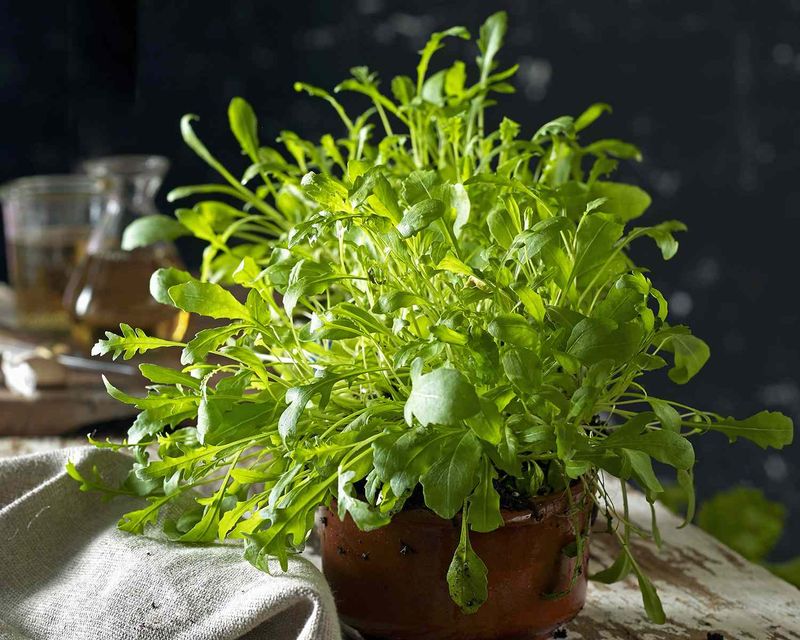
Peppery, slightly nutty, and ready to harvest faster than almost any other salad green, arugula is a standout choice for Michigan container gardeners who want results in April.
Seeds often germinate within five to seven days under cool spring conditions, and young leaves can be snipped for salads or sandwiches in as little as three to four weeks after sowing.
Arugula handles cool soil temperatures well and can tolerate a light frost without significant setback.
This makes it a strong candidate for Michigan patios and balconies in early April, when temperatures still fluctuate widely between day and night.
Sow seeds thinly across the surface of a container filled with moist potting mix and press them lightly into the soil. There is no need to cover them deeply since arugula seeds need light to germinate well.
A wide, shallow container works nicely because arugula roots do not go very deep. Keep the potting mix moist and place the container where it receives morning sun with some afternoon shade to slow bolting.
Once daytime temperatures climb consistently above 70 degrees, arugula tends to bolt and develop a sharper bite. Harvesting regularly by cutting outer leaves encourages new growth and extends your Michigan patio harvest through late spring.
4. Radishes Mature Quickly In Small Containers
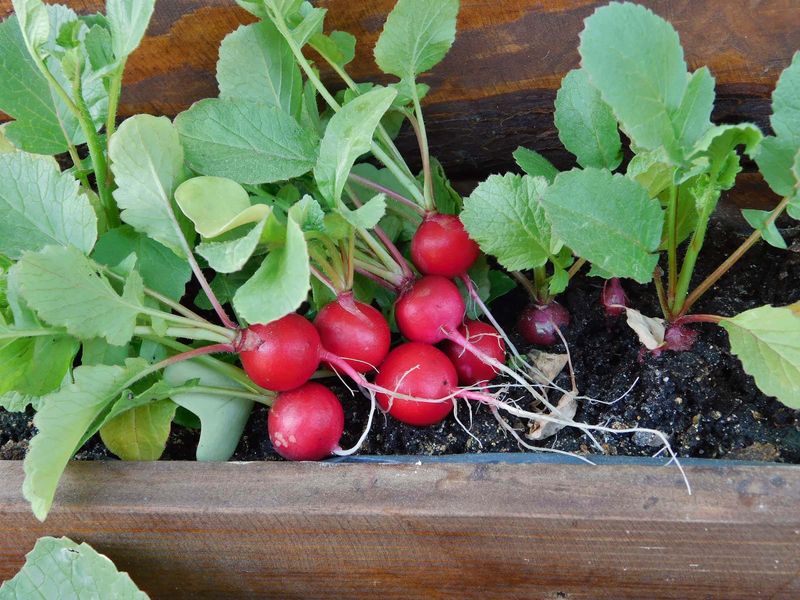
When you want something to harvest fast, radishes are hard to beat.
Many varieties go from seed to table in as little as three to four weeks, which means Michigan gardeners can sow a batch in early April and be pulling crisp radishes before May even begins.
That quick turnaround is especially satisfying when you are eager to see results from your container garden.
Radishes thrive in cool weather and prefer soil temperatures between 50 and 65 degrees Fahrenheit. They are not fans of intense heat, so planting in April in Michigan actually suits them quite well.
Cherry Belle and Easter Egg are popular varieties that work nicely in containers because they stay compact and do not require deep pots. A container that is at least six inches deep with good drainage is typically sufficient for most round varieties.
Sow seeds about half an inch deep and one inch apart, then thin seedlings to about two inches apart once they sprout. Overcrowding can prevent proper root development, so thinning is worth the effort.
Keep the potting mix consistently moist since dry spells can cause radishes to become woody or excessively spicy.
Michigan’s cool April days and chilly nights create conditions that help radishes develop their characteristic crisp texture and mild, fresh flavor.
5. Green Onions Thrive In Tight Spaces And Cool Weather
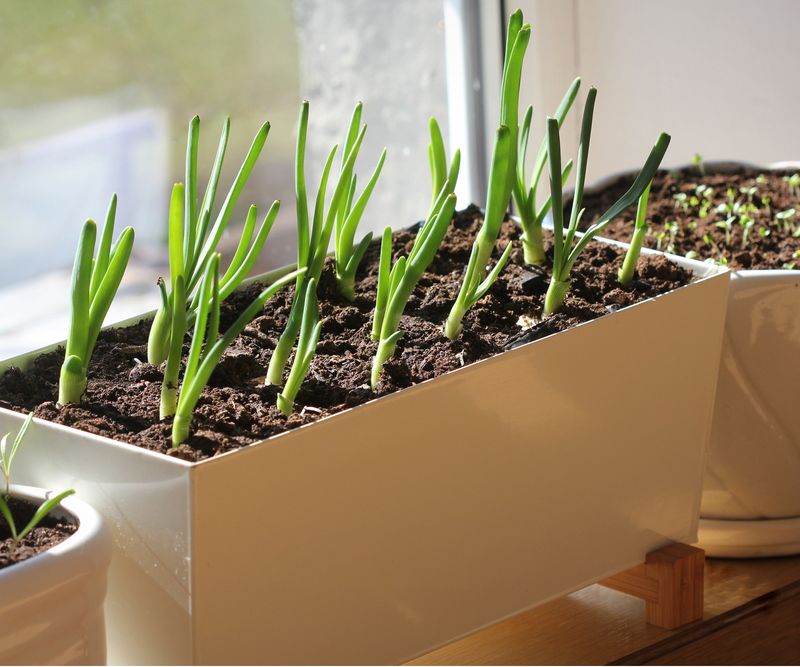
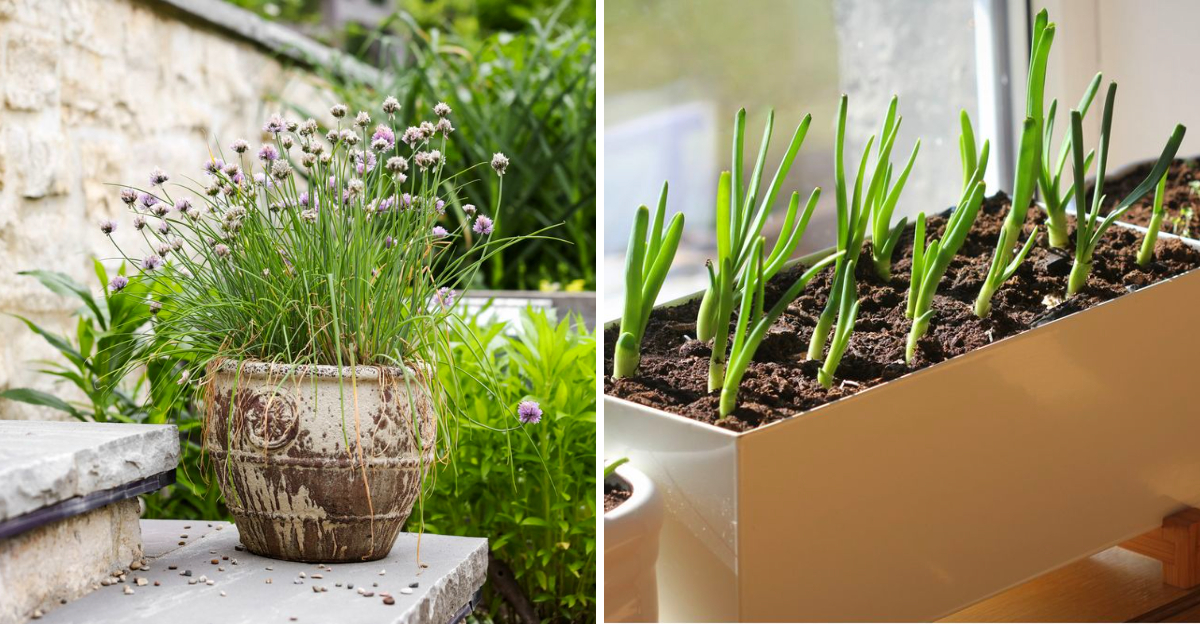
Not every container gardener has room for sprawling pots or large planters, and that is exactly where green onions shine. Their slender upright growth habit makes them one of the most space-efficient crops you can grow in April containers in Michigan.
A single narrow planter or even a repurposed coffee can with drainage holes added can support a respectable harvest of fresh scallions.
Green onions prefer cool temperatures and grow well in Michigan’s April climate, where daytime highs often stay in the 50s and low 60s.
You can start from seed, but many Michigan gardeners get faster results by planting small onion sets or transplants.
Either way, set them about an inch apart in well-draining potting mix and water consistently. Containers that are at least six inches deep work well for most green onion varieties.
Place your container in a spot with at least five to six hours of direct sunlight each day. Green onions are fairly forgiving about soil moisture as long as the container drains properly and does not stay waterlogged after spring rains.
Begin harvesting when tops reach six to eight inches tall by snipping above the soil line. The plants often regrow after cutting, giving Michigan container gardeners multiple harvests from a single planting throughout the spring season.
6. Parsley Stays Productive In Early Season Containers
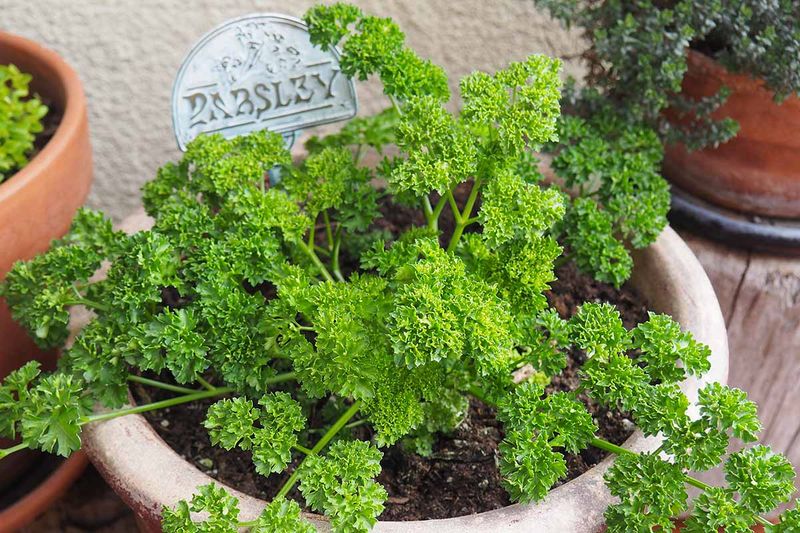
Parsley has a quiet reliability that seasoned container gardeners come to appreciate.
It does not demand much attention, tolerates Michigan’s cool April temperatures without complaint, and keeps producing fresh leaves for weeks on end when given decent soil and consistent moisture.
For anyone who cooks regularly, having a pot of fresh parsley just outside the door is a practical convenience that is easy to achieve.
Both curly-leaf and flat-leaf Italian parsley grow well in containers, though flat-leaf varieties tend to have a stronger, more complex flavor that many cooks prefer.
Parsley seeds can be slow to germinate, sometimes taking two to three weeks even in warm conditions, so many Michigan gardeners choose to start with small transplants purchased from a local nursery in April rather than sowing from seed outdoors.
Use a container that is at least eight inches deep since parsley develops a taproot that benefits from some depth. Fill it with a quality potting mix and place it in a spot with full sun to partial shade.
Water regularly but allow the top inch of soil to dry slightly between waterings to prevent root issues. Parsley can handle a light frost, which is reassuring in Michigan where late April cold snaps are not uncommon.
Harvest outer stems first and work your way inward to encourage steady new growth throughout the season.
7. Chives Return Each Year And Fit Well In Pots
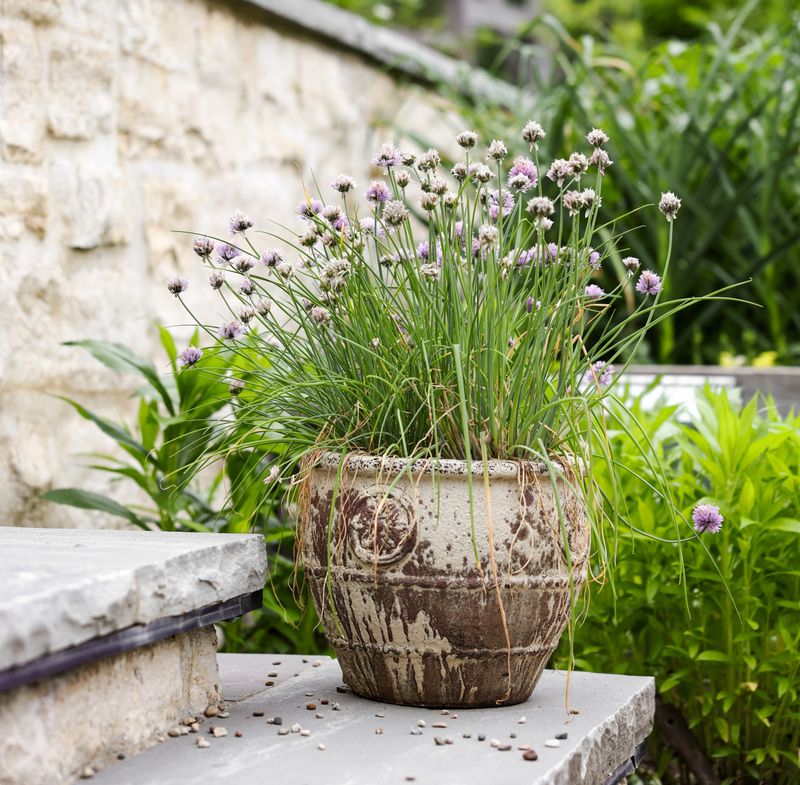
One of the most low-maintenance herbs a Michigan container gardener can grow, chives come back year after year from the same pot with very little encouragement.
After surviving a Michigan winter, established clumps push up fresh green growth in early spring, often before many other plants have stirred.
That dependable return makes chives a satisfying investment for any container garden.
Chives are cold-tolerant and actively enjoy the cool temperatures that April brings in Michigan.
They can handle light frosts without any significant setback, which removes some of the anxiety that comes with early spring planting in the Great Lakes region.
If you are starting fresh rather than dividing an existing clump, sow seeds in a container with well-draining potting mix or pick up a small transplant from a garden center.
A container that is six to eight inches deep works well for chives. They appreciate full sun but will tolerate partial shade and still produce a decent harvest.
Water consistently, allowing the soil surface to dry slightly between waterings. Snip chive stems down to about an inch above the soil when harvesting, and new growth will follow quickly.
The mild onion flavor works in salads, soups, and egg dishes. In late spring, chives produce pretty purple flowers that are edible and add a charming touch to Michigan patio containers.
8. Pansies Bring Color Through Cool Michigan Days
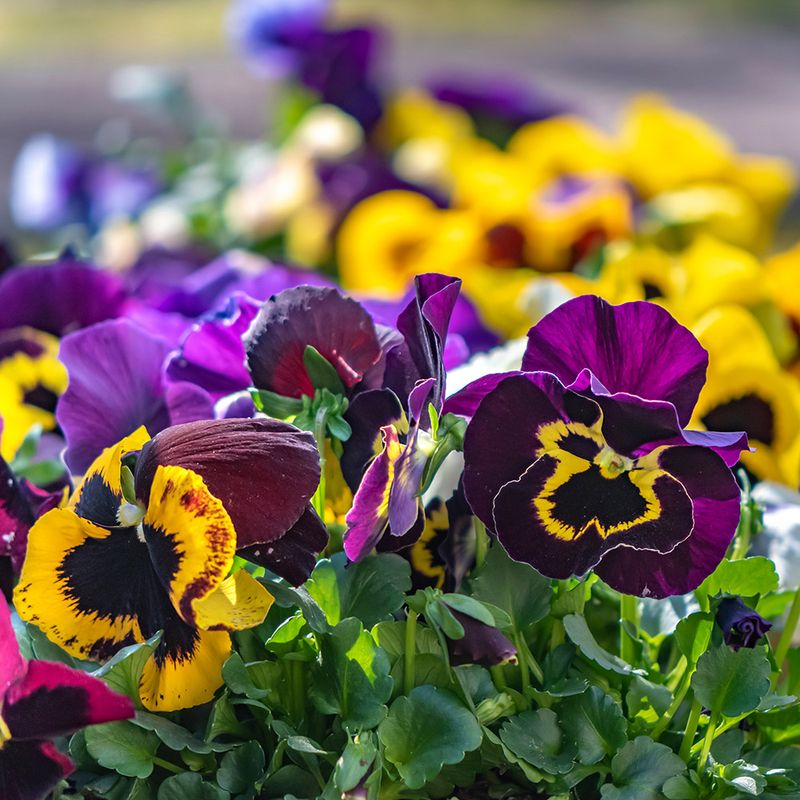
When Michigan’s spring landscape still looks a bit bare and brown, a pot of blooming pansies feels like a small celebration.
Their cheerful faces come in an enormous range of color combinations, from deep violet and butter yellow to soft lavender and orange, and they hold up beautifully in the cool temperatures that define Michigan April weather.
Few flowering plants can match their ability to look vibrant when daytime highs are still hovering in the 40s and 50s.
Pansies are among the most frost-tolerant flowering annuals available to Michigan gardeners. Established plants can typically handle temperatures down to the mid-20s Fahrenheit, which means a late frost does not have to end their show.
They perform best when temperatures stay below 65 degrees, so April is genuinely one of their finest months in Michigan.
Plant pansies in containers with well-draining potting mix and place them in a spot with full sun to partial shade. Water consistently and remove faded blooms regularly to encourage continued flowering.
Containers warm up faster than garden beds, which can actually extend the season for pansies by a few weeks.
Combine different pansy colors in a single pot for a rich, layered look that brightens Michigan patios, porches, and balconies through the cool weeks of spring.
9. Calendula Blooms Early And Handles Light Frost
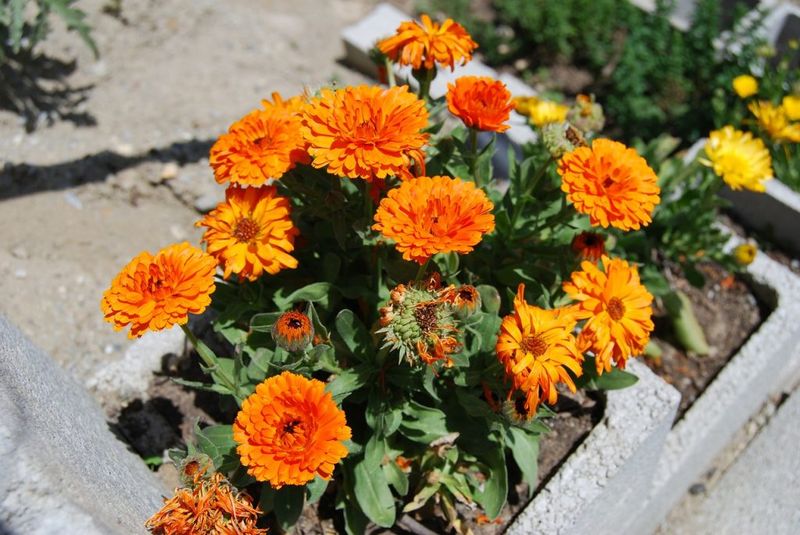
Warm shades of orange, gold, and yellow make calendula one of the most visually striking cool-season flowers a Michigan container gardener can grow in April.
Beyond its looks, calendula is genuinely tough, tolerating light frost and cool soil temperatures that would stress many other flowering plants.
It has been grown in gardens for centuries and remains popular for good reasons.
Calendula seeds germinate well in cool soil, making direct sowing into containers a practical option in early April in Michigan. Seeds typically sprout within one to two weeks when soil temperatures are between 50 and 70 degrees.
Alternatively, starting with transplants from a local garden center gives you a head start on blooms. Either way, plants begin flowering relatively quickly, often within six to eight weeks of germination.
Use a container that is at least eight to ten inches deep and fill it with a quality potting mix that drains well. Calendula prefers full sun and consistent watering, though it tolerates brief dry spells better than many cool-season flowers.
Remove spent blooms regularly to keep the plant producing new flowers throughout the spring. Calendula also has a long history of use in herbal preparations and the petals are edible, adding a pop of color to salads.
Michigan gardeners who plant it in April can enjoy a long, colorful container display well into early summer.
10. Snapdragons Add Height To Spring Container Displays
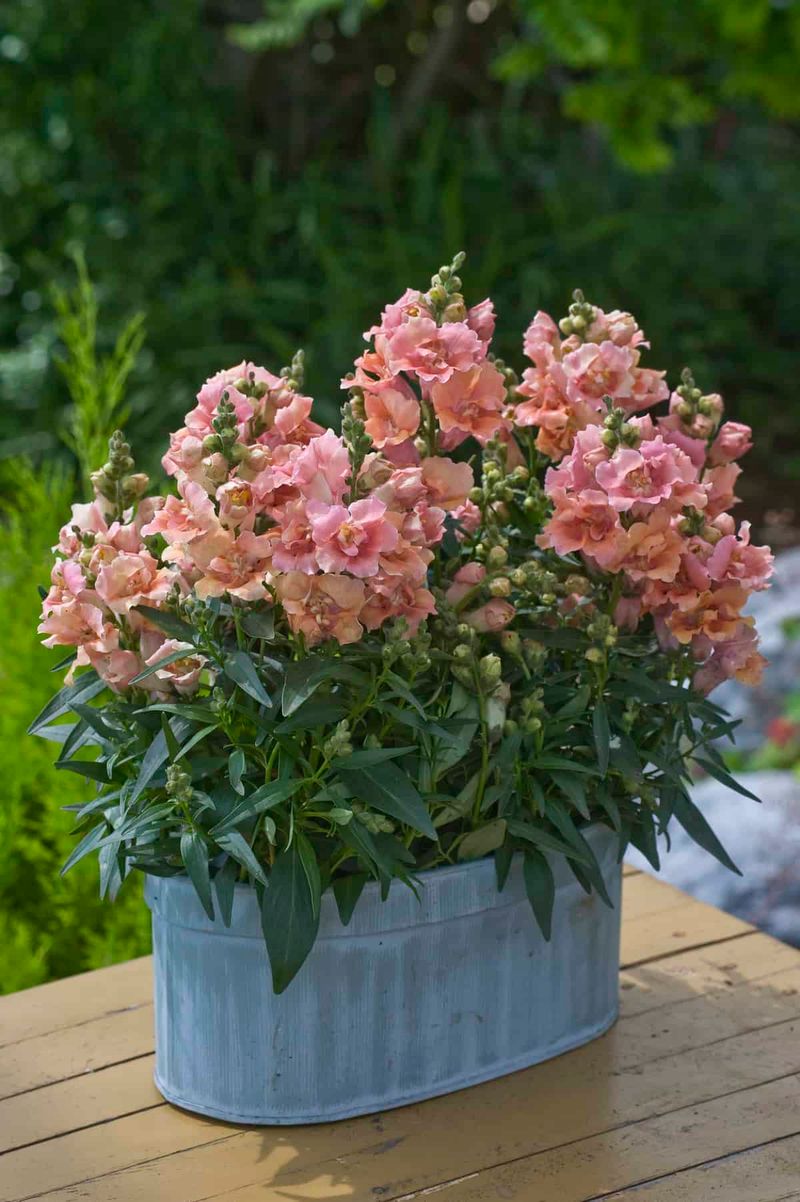
When a container arrangement needs vertical interest and bold color, snapdragons deliver on both counts.
Their tall spikes of densely packed blooms rise above lower-growing plants and create a layered, lush look that makes Michigan porch containers feel designed rather than just planted.
They come in a wide range of colors including red, pink, white, orange, and yellow, making it easy to coordinate them with other spring flowers.
Snapdragons are cool-season flowers that actually prefer the kind of mild, crisp temperatures Michigan experiences in April.
They can tolerate light frost once established and tend to slow down or struggle when summer heat arrives, so getting them into containers early in spring makes good use of their preferred growing window.
Look for intermediate or tall varieties if you want that signature vertical height in your container displays.
Plant snapdragon transplants in a container that is at least ten to twelve inches deep, using a well-draining potting mix. Place the container in full sun for the best flower production.
Water consistently and avoid letting the potting mix dry out completely between waterings. Pinching the growing tip of young plants encourages bushier growth and more flower spikes over time.
Michigan container gardeners who add snapdragons to their April pots often find they anchor the whole display with a structure and elegance that lasts through late spring.