Invasive Plants Michigan Homeowners Are Urged To Remove This Spring
Spring is the most important time of year to deal with invasive plants in Michigan, and not just because the work is easier before the heat arrives.
Many invasive species get their most aggressive growth done early in the season, establishing root systems and spreading seeds before native plants have fully woken up. By midsummer the window to address them effectively has narrowed considerably.
Some of the most common invasives in Michigan yards are plants that were deliberately introduced as ornamentals and sold at garden centers for years before their behavior in the broader landscape became clear.
A few are still being sold today. Knowing which plants to look for and why removing them this spring matters more than waiting is the starting point for actually making a difference in your yard.
1. Norway Maple
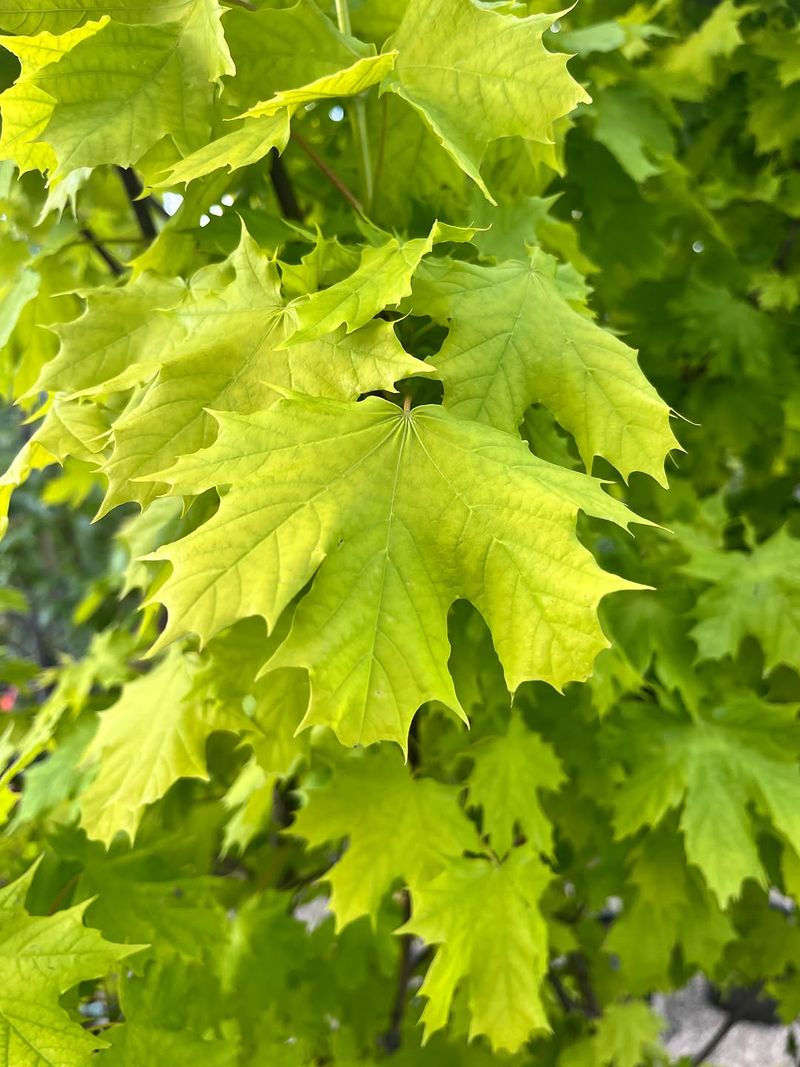
At first glance, Norway Maple looks like a perfectly fine shade tree. It has broad, full leaves and grows quickly, which made it popular for landscaping decades ago.
But beneath that tidy appearance is one of the most aggressively spreading trees in Michigan.
Originally brought over from Europe, Norway Maple (Acer platanoides) produces thousands of winged seeds each year that travel far on the wind. Those seeds sprout easily in lawns, gardens, and natural areas, often pushing out native maples like the sugar maple.
Unlike native trees, Norway Maple creates such dense shade that almost nothing can grow beneath it, which starves out the plants and soil organisms that healthy ecosystems depend on.
Removal in spring is smart because the tree is easier to identify before full leaf-out, and the ground is soft enough to work with. For smaller trees, digging out the root ball entirely is the most effective approach.
Larger specimens may require a certified arborist, especially near structures or power lines. Always wear gloves and protective eyewear when cutting, since the sap can irritate skin.
After removal, the stump should be treated promptly to prevent regrowth, since Norway Maple stumps are very good at sending up new shoots. Replacing it with a native sugar maple or red maple is a great choice.
Native maples support local wildlife, improve soil health, and provide the same beautiful fall color homeowners love without any of the invasive downsides.
2. Common Buckthorn
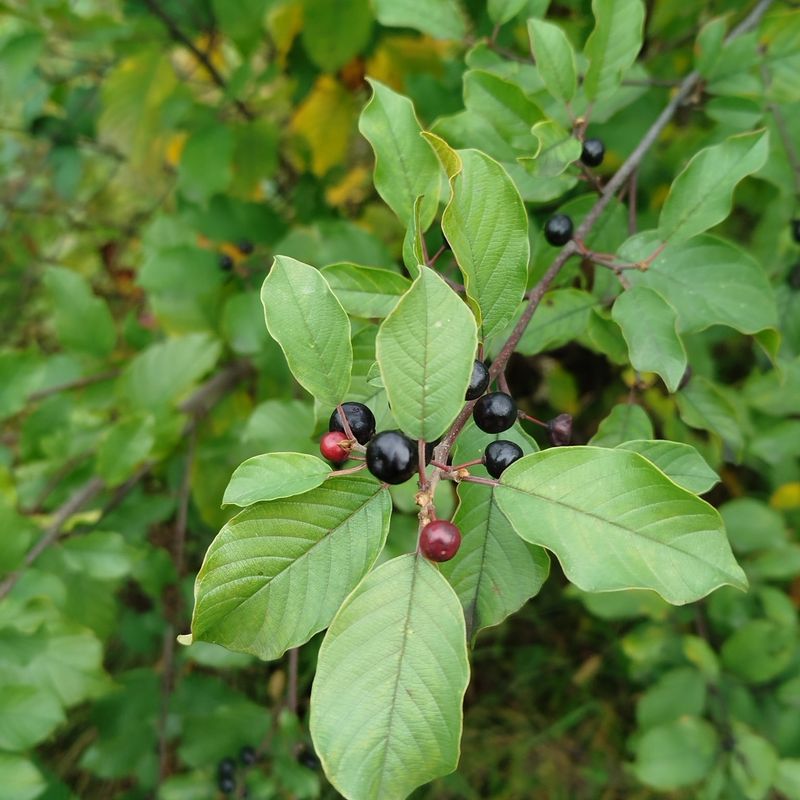
Common Buckthorn has a reputation for being nearly unstoppable, and anyone who has tried to clear it from their yard knows exactly why.
This shrub forms thick, tangled thickets that block sunlight and crowd out native plants so completely that recovery can take years without a solid plan.
Rhamnus cathartica was introduced from Europe and Asia and has since spread across Michigan with remarkable speed. It leafs out earlier than most native plants in spring and holds its leaves later in fall, giving it a longer growing window to dominate the landscape.
Its berries, which birds eat and spread, contain a compound that acts as a laxative, helping seeds move far and wide through wildlife. The plant also releases chemicals into the soil that make it harder for native species to establish nearby.
Your Michigan Garden Changes Every Week. Your Plan Should Too.
Gardening in Michigan changes quickly throughout the season. Every Friday you’ll receive a simple weekly plan showing exactly what to plant, prune, fertilize, harvest, and protect so you never miss the right timing.
Mechanical removal works well for younger plants. Pulling by hand or using a specialized weed wrench tool gets the roots out cleanly when the soil is moist.
For larger, established shrubs, cutting at the base followed by careful stump treatment is the most realistic approach. Repeated follow-up is essential because buckthorn regrows aggressively from the roots if not fully addressed.
Replacing cleared areas with native shrubs like serviceberry, native viburnums, or wild plum restores habitat for birds and pollinators while keeping the space filled so buckthorn cannot return as easily.
Spring is the right season to start, giving native replacements time to establish before summer heat sets in.
3. Garlic Mustard
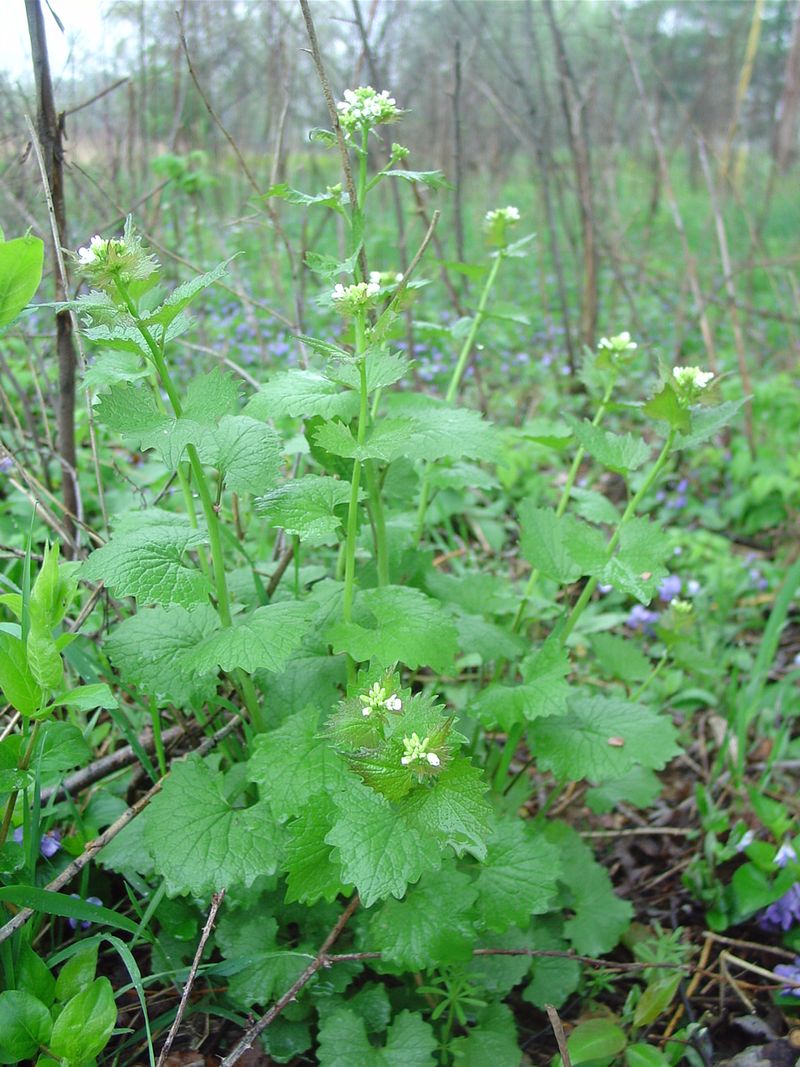
Few invasive plants are as sneaky as garlic mustard. It looks modest, almost forgettable, growing low along shaded trails and woodland edges.
But this small plant packs a big ecological punch, and early spring is truly the best window to stop it in its tracks.
Garlic Mustard (Alliaria petiolata) is a biennial, meaning it spends its first year as a low rosette of leaves and then shoots up in its second year to flower and set seed. A single plant can produce hundreds of seeds that remain viable in the soil for years.
What makes it especially damaging in Michigan woodlands is its ability to release chemicals from its roots that disrupt the underground fungal networks native trees depend on to absorb nutrients and water.
Native wildflowers like trilliums, wild ginger, and hepatica struggle to compete once garlic mustard moves in.
The good news is that hand-pulling works really well, especially in spring before the plants flower. Grab the stem near the base and pull firmly to get the root out.
Bag the pulled plants and send them out with trash rather than composting them, since seeds can still mature even after the plant is pulled. Check the area every few weeks through spring and early summer for any new sprouts.
Monitoring the same area for two to three years is important because seeds already in the soil will keep sprouting. Planting native ground covers like wild ginger or golden Alexanders after clearing helps fill in gaps and makes it harder for garlic mustard to return.
4. Japanese Barberry
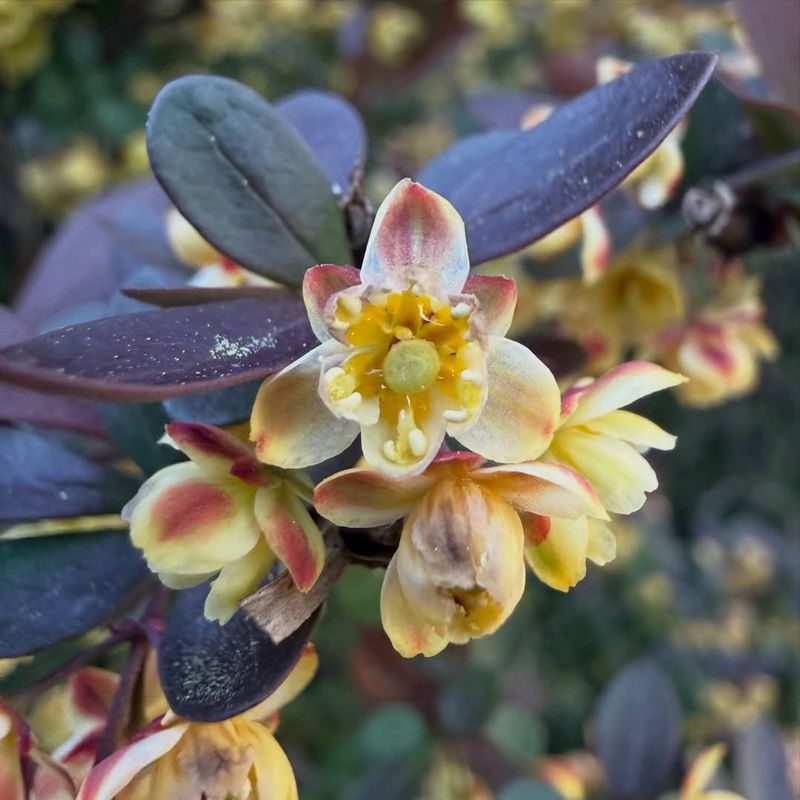
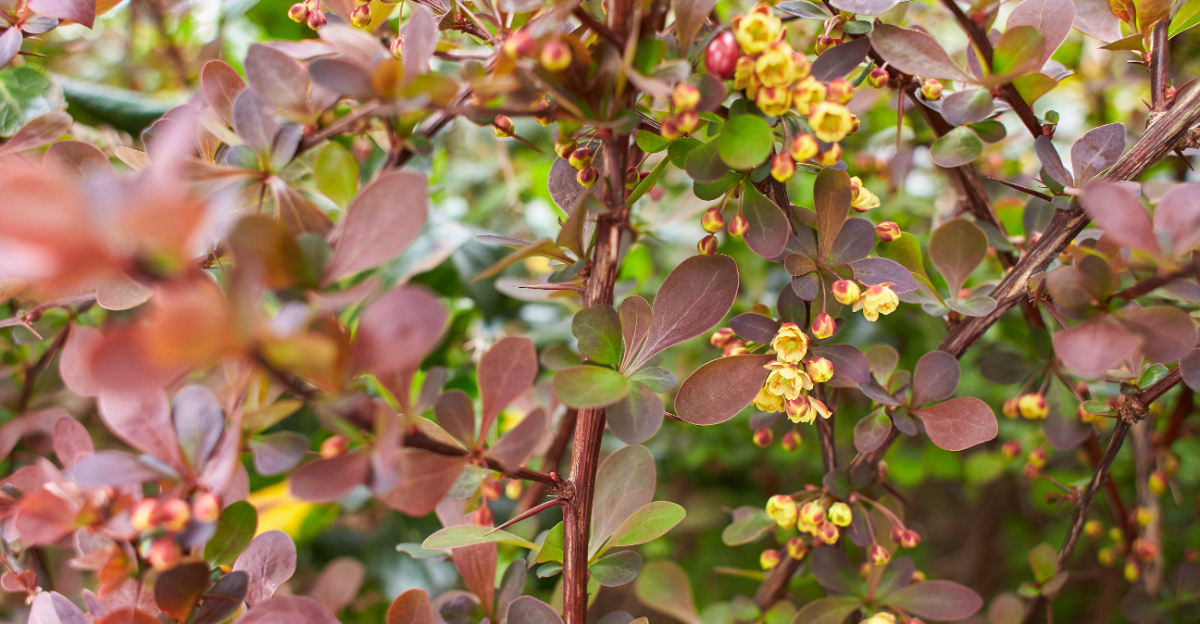
Japanese Barberry might be one of the most widely planted invasive shrubs in Michigan landscaping history. Garden centers sold it for years because of its colorful foliage and low maintenance reputation.
The problem is that it spreads well beyond garden borders and causes real harm to natural areas.
Berberis thunbergii forms dense, thorny thickets that native plants simply cannot compete with. Its leaf litter changes the soil chemistry beneath it, raising pH levels in ways that favor its own growth and disadvantage native species.
Perhaps most concerning, research has shown that Japanese Barberry thickets create ideal humid conditions for ticks, particularly blacklegged ticks that carry Lyme disease.
Dense barberry patches have been directly linked to higher tick populations in several studies across the Midwest.
Spring removal makes sense because the plant is actively growing and easier to identify. For smaller plants, wearing thick gloves is a must since the thorns are sharp and painful.
A garden fork or weed wrench can help lever the root ball out of the ground. Larger, established clumps may need to be cut back first, then the root system addressed separately.
Any regrowth from roots left behind should be removed promptly through the season. Native replacements like native spicebush, buttonbush, or American hazelnut offer great structure and wildlife value without the invasive risk.
Spicebush in particular is a host plant for the spicebush swallowtail butterfly, making it a beautiful and ecologically valuable trade for any Michigan yard.
5. Purple Loosestrife
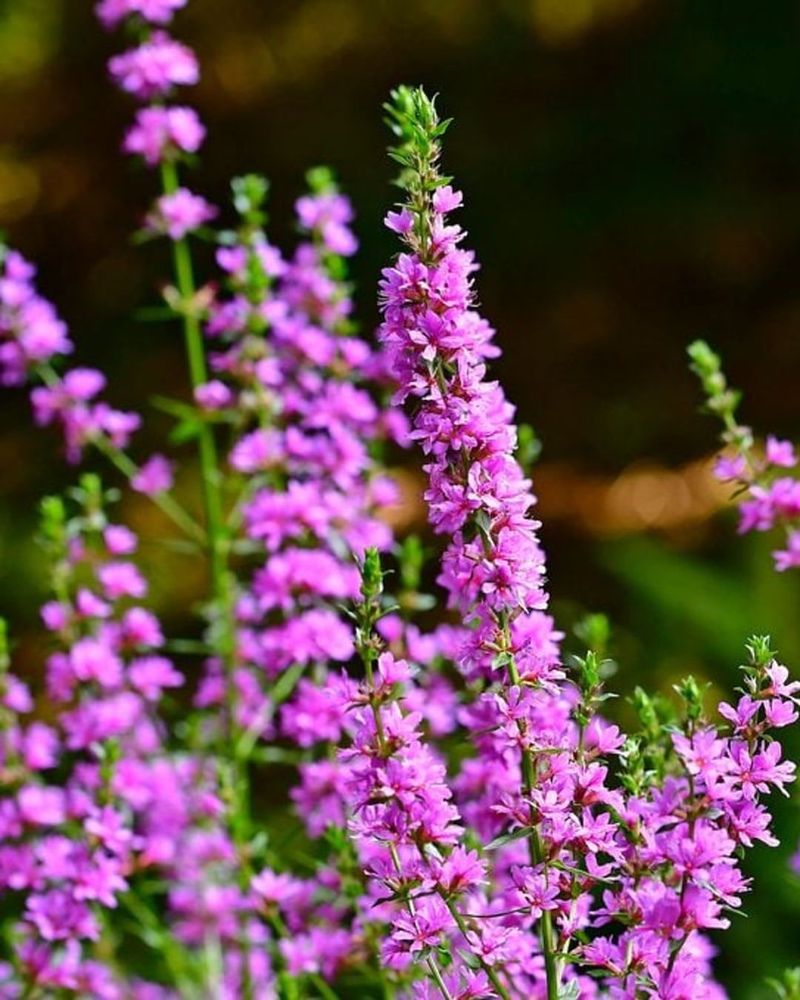
Standing along a Michigan lakeshore or roadside ditch in summer, Purple Loosestrife looks almost too beautiful to be a problem. Those tall, magenta flower spikes are genuinely striking.
But behind that visual appeal is one of the most damaging wetland invaders in the state.
Lythrum salicaria was introduced from Europe in the early 1800s and has since spread through virtually every county.
A single mature plant can produce up to two million seeds per year, and those seeds spread easily through water, wind, and mud on boots and equipment.
Once established, purple loosestrife forms dense stands that crowd out native cattails, bulrushes, and sedges, removing the food and nesting habitat that waterfowl, muskrats, and other wetland wildlife depend on.
The plant is also difficult to manage because it regrows readily from root fragments. Spring control is critical because catching plants before they flower prevents that enormous seed production.
Smaller infestations can be managed by hand-pulling or carefully digging out root systems, but every piece of root left behind can resprout.
Cutting stems repeatedly through the growing season weakens plants over time. For larger wetland infestations, consulting with a Michigan-licensed applicator about aquatic-approved herbicide options is worth considering.
Biological control using imported beetles that feed specifically on loosestrife has shown real success in Michigan and is available through the Michigan Department of Agriculture.
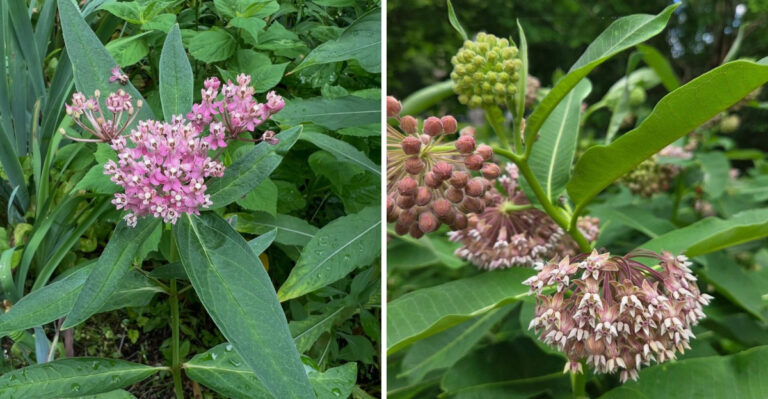
Native replacements like blue flag iris, swamp milkweed, and native cattails restore wetland function beautifully while providing genuine habitat for local wildlife.
6. Tree Of Heaven
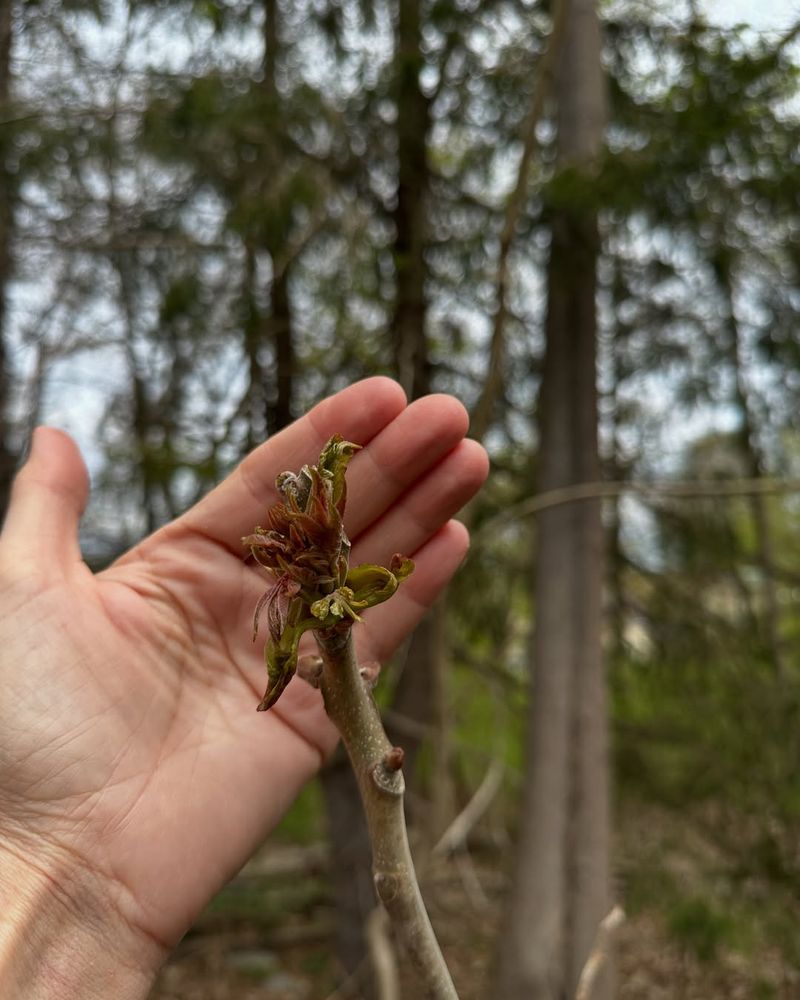
Tree of Heaven earned its dramatic name, but Michigan naturalists and homeowners have a far less flattering opinion of it.
This fast-growing tree is one of the most aggressive invaders in the state, and it comes with a bonus problem that makes removal more urgent than ever right now.
Ailanthus altissima was brought to North America from China in the 1700s and has spread across Michigan roadsides, fence lines, vacant lots, and natural areas.
It grows at a startling rate, sometimes more than six feet in a single season, and produces enormous quantities of seeds.
The roots spread aggressively and can damage foundations, sewer lines, and pavement. The tree also releases chemicals that suppress the growth of surrounding plants, effectively clearing space for itself.
Most urgently, Tree of Heaven is the preferred host plant for the Spotted Lanternfly, an invasive pest that poses a serious threat to Michigan agriculture and orchards.
Spring is a smart time to address smaller trees because the root system has not yet reached its full seasonal depth. Young saplings can be pulled by hand or dug out with a garden fork.
Larger trees require cutting and careful treatment of the stump right away, since stumps left untreated send up dozens of new shoots within weeks.
Native replacements like black cherry, tulip tree, or staghorn sumac offer fast growth and strong wildlife value. Removing Tree of Heaven now also reduces the risk of supporting Spotted Lanternfly populations as that pest continues moving through the Midwest.
7. Multiflora Rose
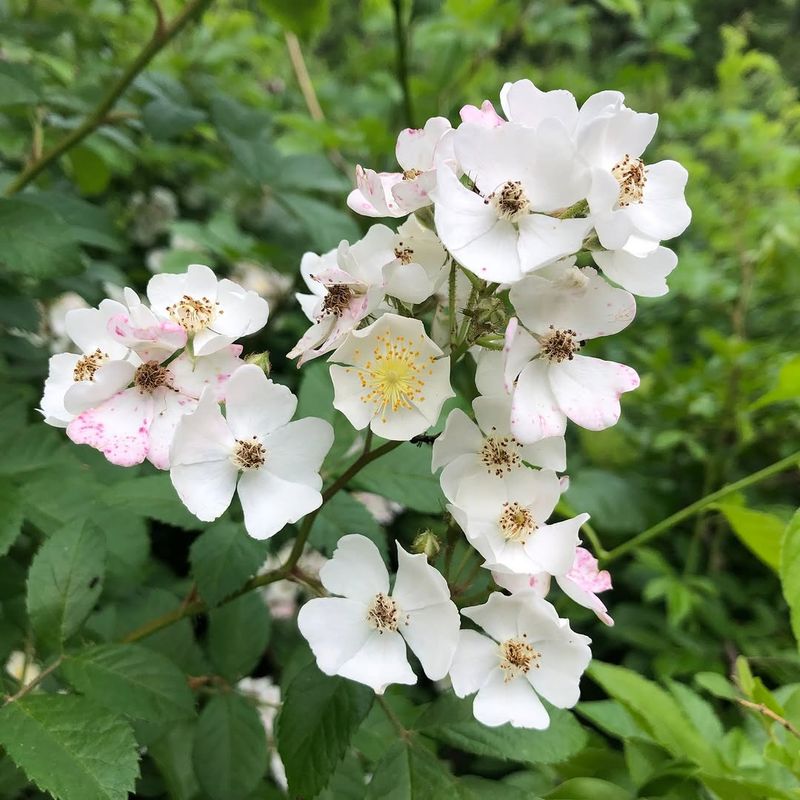
Multiflora Rose was actually planted on purpose across Michigan decades ago, promoted by conservation agencies as a living fence and wildlife cover. It seemed like a great idea at the time.
Now it ranks among the most problematic invasive shrubs in the state, and spring is the season to start pushing back.
Rosa multiflora originally came from Asia and was widely distributed across Midwest farms and roadsides through the mid-1900s. Each plant produces thousands of small red berries that birds eagerly eat and spread across the landscape.
The canes grow long and arching with sharp hooked thorns, forming thickets so dense that livestock, wildlife, and people cannot pass through. Native shrubs, wildflowers, and young trees get shaded out completely beneath its canopy.
Biodiversity in affected areas drops sharply, leaving landscapes far less healthy and resilient.
Cutting multiflora rose repeatedly through spring and summer weakens the plant over several seasons by depleting root energy reserves.
For complete removal, digging out the root crown is most effective, though thick gloves and long sleeves are absolutely necessary given the thorns.
Larger infestations on bigger properties may benefit from targeted herbicide applications in late spring or early summer when the plant is actively growing and most receptive.
After clearing, planting native flowering shrubs like native roses such as Rosa blanda, buttonbush, or elderberry fills the space beautifully.
Native elderberry in particular grows quickly, feeds birds with its berries, and supports pollinators, making it an excellent, ecologically sound replacement for any Michigan yard or field edge.