This Yard Upgrade Is Replacing Patchy Grass In Florida Front Yards
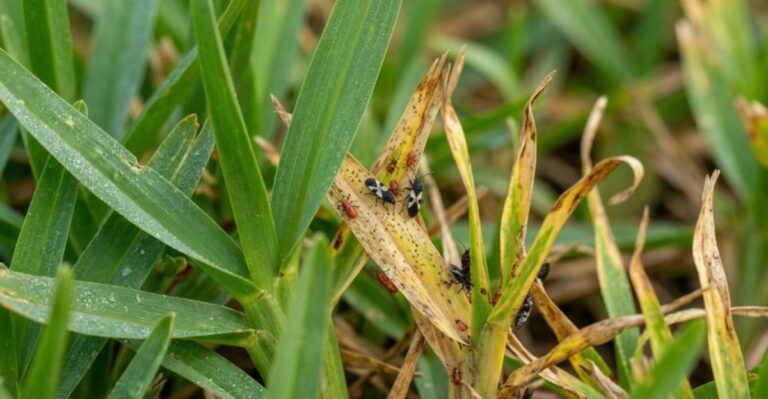
If your front yard has more bare spots than green lately, you are not alone. Florida grass can be unpredictable, especially with heat, sandy soil, and those sudden dry spells that seem to show up right when everything starts growing again.
One week it looks fine, the next it feels like a losing battle that never quite improves.
Homeowners across the state are starting to move away from trying to fix patchy lawns over and over. Instead, they are choosing a different approach that holds up better and actually looks intentional year-round without constant repairs.
This shift is not just about appearance. It is also about less maintenance, fewer inputs, and a yard that works with Florida’s conditions instead of fighting them at every step.
Once you see how this upgrade changes the look and feel of a front yard, it is hard to go back to grass again.
1. Why Sunshine Mimosa Is Showing Up In More Florida Front Yards
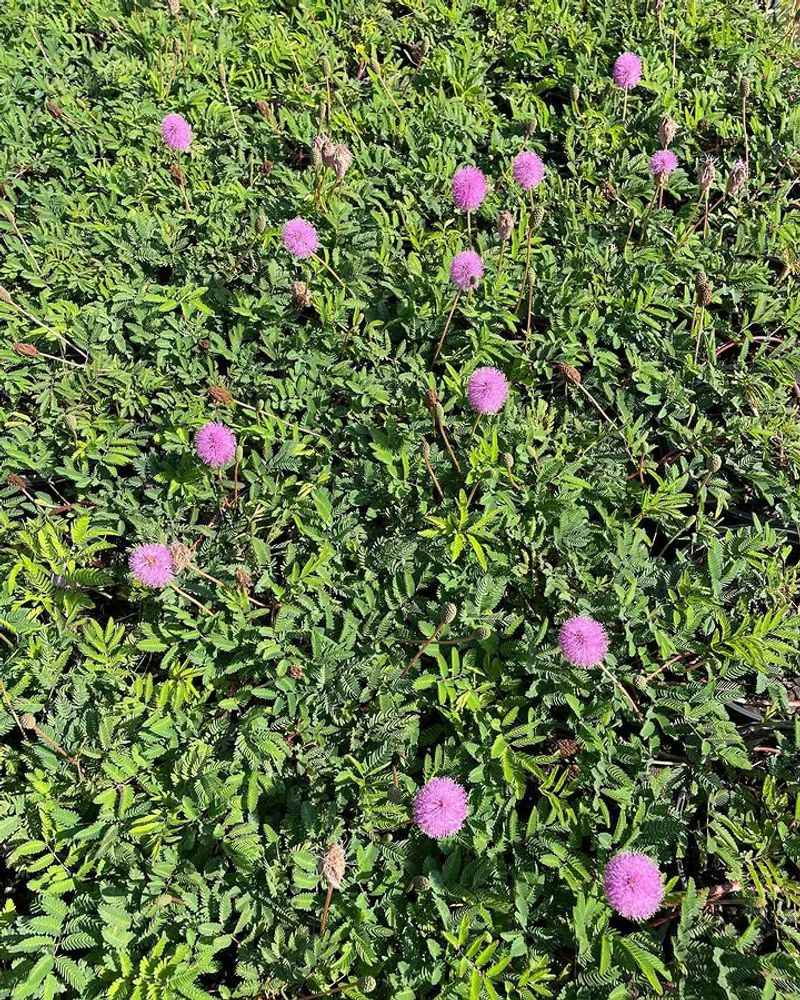
Walk through almost any Florida neighborhood these days, and you might notice something different happening in front yards. Instead of struggling, sun-scorched grass, some homeowners have a low-growing green carpet dotted with tiny pink puffball flowers.
That plant is Sunshine Mimosa, and it is making a real splash across the state.
Sunshine Mimosa, known scientifically as Mimosa strigillosa, is a Florida native groundcover that spreads naturally along the ground without needing much help. It stays low, usually only about three to six inches tall, so it looks tidy without constant mowing.
Compared to traditional turf grass, it asks for very little and gives back a whole lot.
Florida gardeners have grown frustrated watching their lawns go patchy in the summer heat, especially in spots where shade is inconsistent or foot traffic is low. Sunshine Mimosa fills those gaps beautifully.
It handles Florida’s intense sun, survives dry stretches, and even adds nitrogen back into the soil, which helps nearby plants grow stronger.
HOA rules are worth checking before making any big lawn changes, since some communities have guidelines about groundcovers. Most Florida counties, though, actually encourage native plantings because they support local pollinators and reduce water use.
Sunshine Mimosa checks every box for eco-friendly, attractive curb appeal.
2. Why It Works Better Than Struggling Grass In Sunny Spots
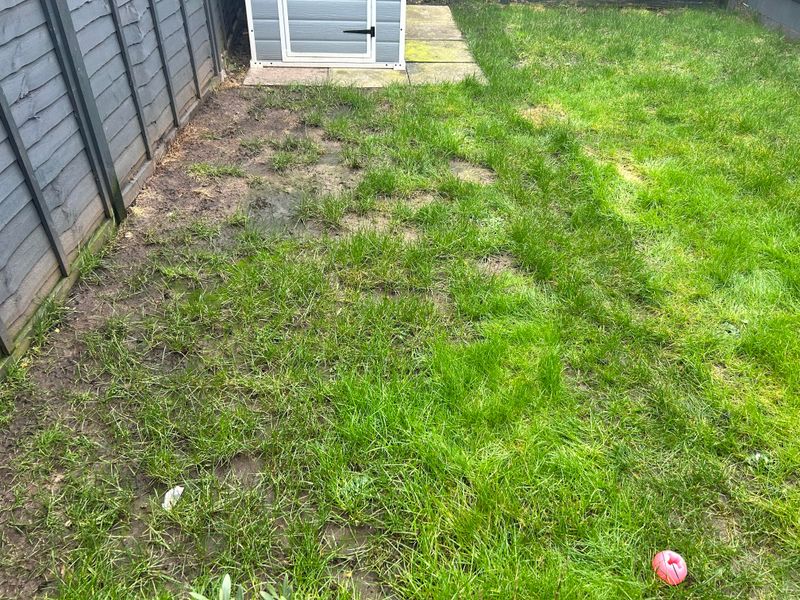
Anyone who has tried to grow St. Augustine or Bermuda grass in a blazing hot Florida front yard knows the heartbreak of watching it turn brown and thin by midsummer. The problem is not always the homeowner doing something wrong.
Florida’s climate is simply brutal on traditional turf in certain spots.
Sunshine Mimosa was practically built for conditions like these. Its root system helps it access moisture below the surface, allowing it to stay green longer during dry periods.
That means it can stay greener during dry spells compared to many traditional turf grasses.
Sandy Florida soils drain fast, which is great for avoiding root rot but rough on thirsty grass varieties. Sunshine Mimosa actually prefers well-drained soil, making it a natural fit for the loose, sandy ground found throughout much of the state.
Your Florida Garden Changes Every Week. Your Plan Should Too.
Gardening in Florida changes quickly throughout the season. Every Friday you’ll receive a simple weekly plan showing exactly what to plant, prune, fertilize, harvest, and protect so you never miss the right timing.
It adapts to the environment instead of fighting against it.
Another big advantage is that Sunshine Mimosa does not need fertilizer to perform well. Traditional lawns often require regular feeding to stay lush, adding cost and chemical runoff to the picture.
Sunshine Mimosa can help improve soil conditions over time by fixing nitrogen naturally as a legume. For Florida homeowners tired of throwing money at a patchy lawn, this native plant offers a genuinely smarter path forward.
3. Where Sunshine Mimosa Grows Best In Florida Landscapes
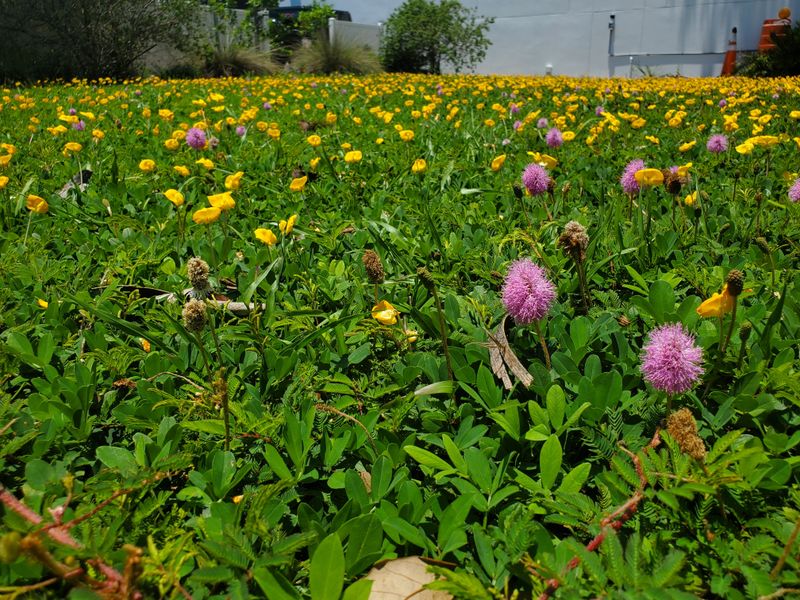
Location really does matter when it comes to getting the best results from Sunshine Mimosa. Knowing where to plant it in your Florida yard can mean the difference between a slow, struggling spread and a fast, lush carpet of green that makes neighbors stop and stare.
Full sun is where Sunshine Mimosa truly shines. It loves open areas that get at least six hours of direct sunlight each day, which is pretty easy to find in most Florida front yards.
It also tolerates partial shade reasonably well, making it flexible enough for yards with a few trees or structures casting some shadow.
Slopes and hillsides are actually great spots for this plant. Its spreading root system helps hold soil in place, reducing erosion during Florida’s heavy summer rainstorms.
That makes it a practical and attractive choice for yards with uneven terrain where grass tends to wash away or thin out quickly.
Roadsides, edges near driveways, and areas along sidewalks are other places where Sunshine Mimosa performs brilliantly in Florida landscapes. These spots tend to get hot and dry, with reflected heat from pavement making conditions even tougher for regular grass.
Sunshine Mimosa handles that reflected heat without complaint, spreading steadily and filling in bare spots that used to look embarrassingly rough all season long.
4. What Kind Of Foot Traffic It Can Handle
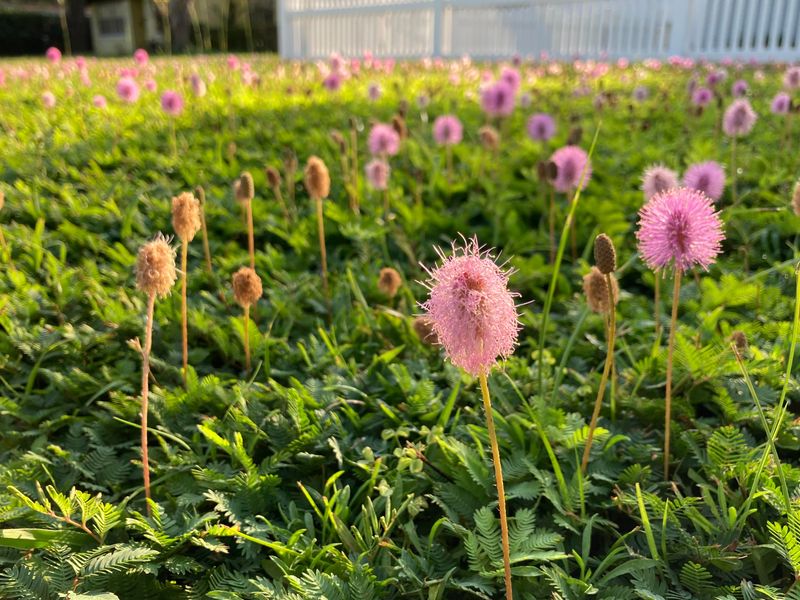
One question almost every Florida homeowner asks before switching to a groundcover is whether it can hold up to people walking on it. After all, a front yard is not just for looks.
Kids run through it, guests walk across it, and pets occasionally cut corners on their way to the backyard.
Sunshine Mimosa handles light to moderate foot traffic surprisingly well for a low-growing plant. It is not as tough as a thick sports-grade turf, but for normal everyday use, it bounces back nicely after being stepped on.
The stems are flexible rather than stiff, which helps them recover instead of snapping under pressure.
For high-traffic pathways, pairing Sunshine Mimosa with stepping stones is a smart move. You get the beauty and coverage of the groundcover while protecting the most-used routes through your yard.
This combination is popular in Florida front yards where style and function both matter.
Pets are generally fine with Sunshine Mimosa, and dogs tend to trot across it without causing serious damage. One fun fact about this plant is that its leaves fold up slightly when touched, which is a natural response that gives it the nickname sensitive plant.
Kids actually love watching this happen. That little quirk makes Sunshine Mimosa not just a practical Florida yard solution but also a genuinely fun and interactive one for the whole family.
5. How To Plant Sunshine Mimosa For Faster Coverage
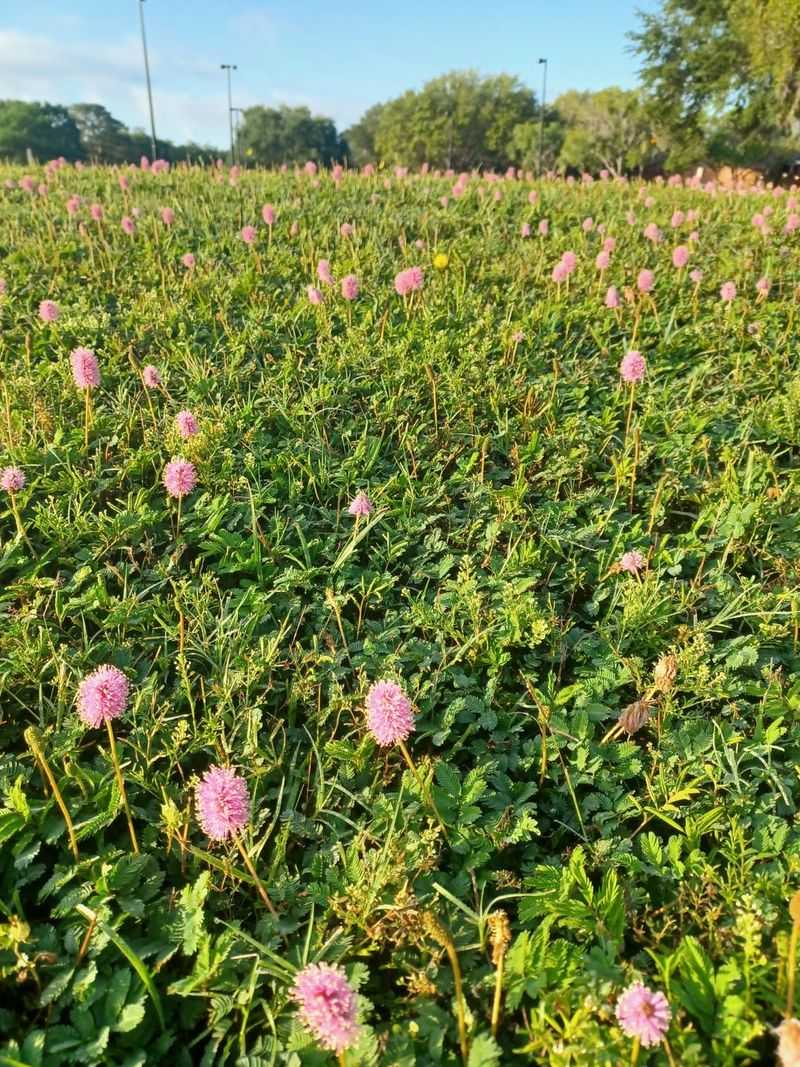
Getting Sunshine Mimosa established quickly comes down to smart planting from the start. Florida gardeners who follow a few simple steps find that coverage spreads much faster, saving time and giving the yard that finished, polished look sooner rather than later.
Plugs are the most popular way to start Sunshine Mimosa in Florida. Plant them about twelve to eighteen inches apart in a grid pattern across the area you want to cover.
Closer spacing means faster coverage, while wider spacing saves money upfront but takes a bit longer to fill in. Most Florida yards see noticeable spreading within just a few months when plugs are planted in spring or early fall.
Prepare the soil before planting by loosening it a few inches deep. Florida’s sandy soil usually does not need much amending, but removing weeds and debris ahead of time gives Sunshine Mimosa a clean start with less competition.
A light layer of mulch between plugs helps retain moisture and keeps weeds from sneaking in while the plant gets established.
Avoid planting during the hottest peak of summer if possible. Late spring or early fall planting in Florida gives roots time to settle in before facing extreme heat.
Once the plant starts spreading, it naturally shades the soil underneath, which further reduces weed growth and moisture loss, making the whole yard easier and more rewarding to manage going forward.
6. How To Water It While It Gets Established
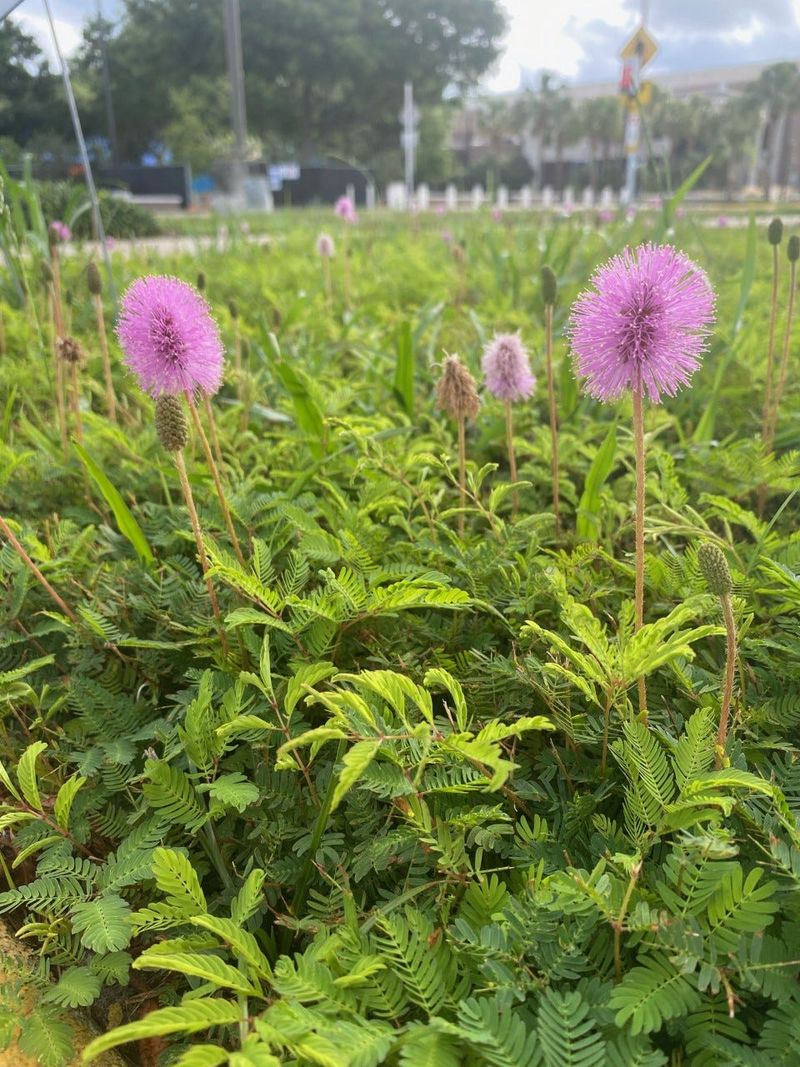
Watering is probably the most important thing you can do for Sunshine Mimosa during its first few weeks in the ground. Even though this plant is famously drought-tolerant once it matures, the establishment phase is when it needs the most support from you as a Florida gardener.
For the first two to four weeks after planting, water your Sunshine Mimosa every day or every other day. The goal is to keep the soil consistently moist but not waterlogged.
Florida’s sandy soil drains quickly, so checking moisture a few inches below the surface is a good habit to get into during this critical window.
After the first month, you can start pulling back on watering frequency. Twice a week is usually enough during dry stretches, and natural Florida rainfall will often handle the rest during the rainy season, which typically runs from June through September.
The plant’s deep roots start doing their job, pulling moisture from lower soil layers where it stays cooler and damp longer.
Once fully established, usually around three to six months after planting, Sunshine Mimosa needs very little supplemental irrigation. Occasional deep watering during extended dry periods is all that most Florida yards require.
Overwatering at this stage can actually cause problems, so trusting the plant to manage itself is both the easiest and most effective approach for long-term success.
7. What To Expect From The Flowers And Ongoing Upkeep
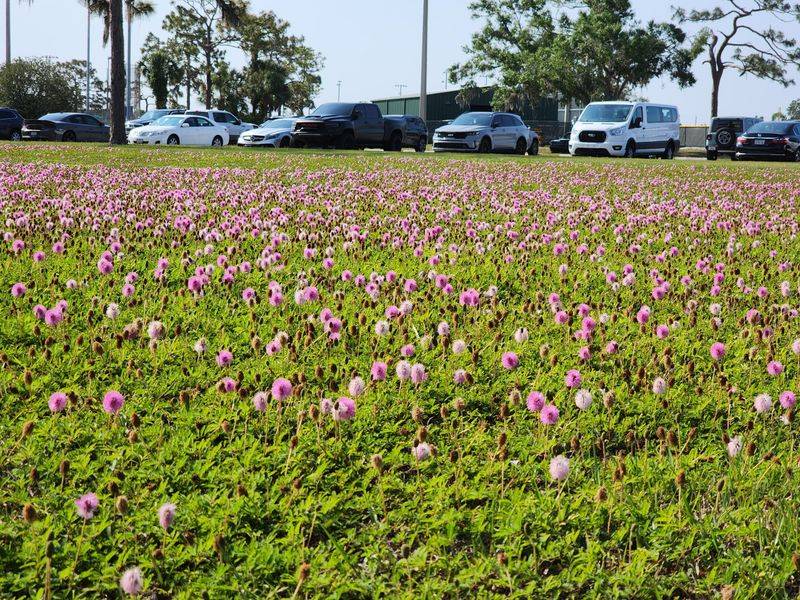
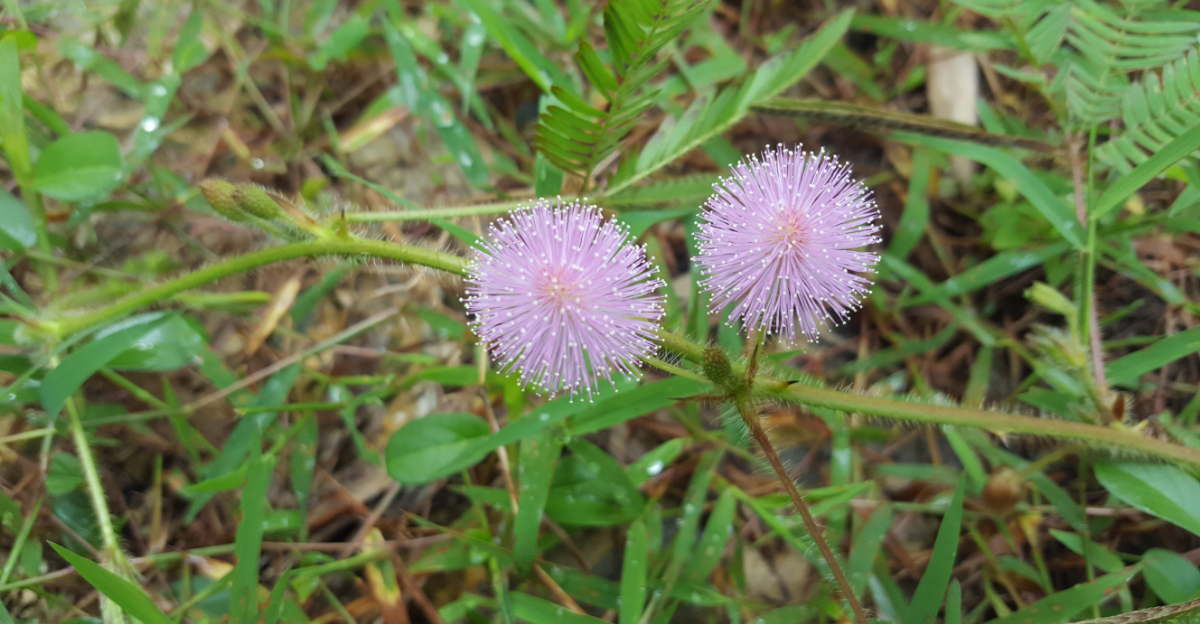
One of the biggest surprises for new Sunshine Mimosa growers in Florida is just how cheerful the flowers are. Those small, bright pink puffballs that pop up throughout the growing season give the yard a lively, cottage-garden feel without any extra effort on your part.
They bloom most heavily in spring and summer, which lines up perfectly with Florida’s peak outdoor season.
Pollinators go absolutely wild for Sunshine Mimosa flowers. Bees and butterflies visit regularly, turning your front yard into a little ecosystem that supports local wildlife.
For Florida homeowners who care about the environment, this is a meaningful bonus that traditional grass simply cannot offer.
Ongoing upkeep is refreshingly minimal compared to a standard lawn. There is no weekly mowing required, though a light trim once or twice a year can keep edges looking clean and prevent the plant from creeping into garden beds or onto sidewalks.
A simple string trimmer works perfectly for this task.
Fertilizing is rarely needed since Sunshine Mimosa feeds itself naturally through nitrogen fixation. Pest and disease problems are uncommon in Florida conditions, making this one of the most low-drama groundcovers available in the state.
Once it is settled and spreading, you can genuinely step back and enjoy a front yard that looks great, supports nature, and asks almost nothing in return all year long.