The Welcome Plant That Handles Texas Heat (And Looks Good In Pots All Year)
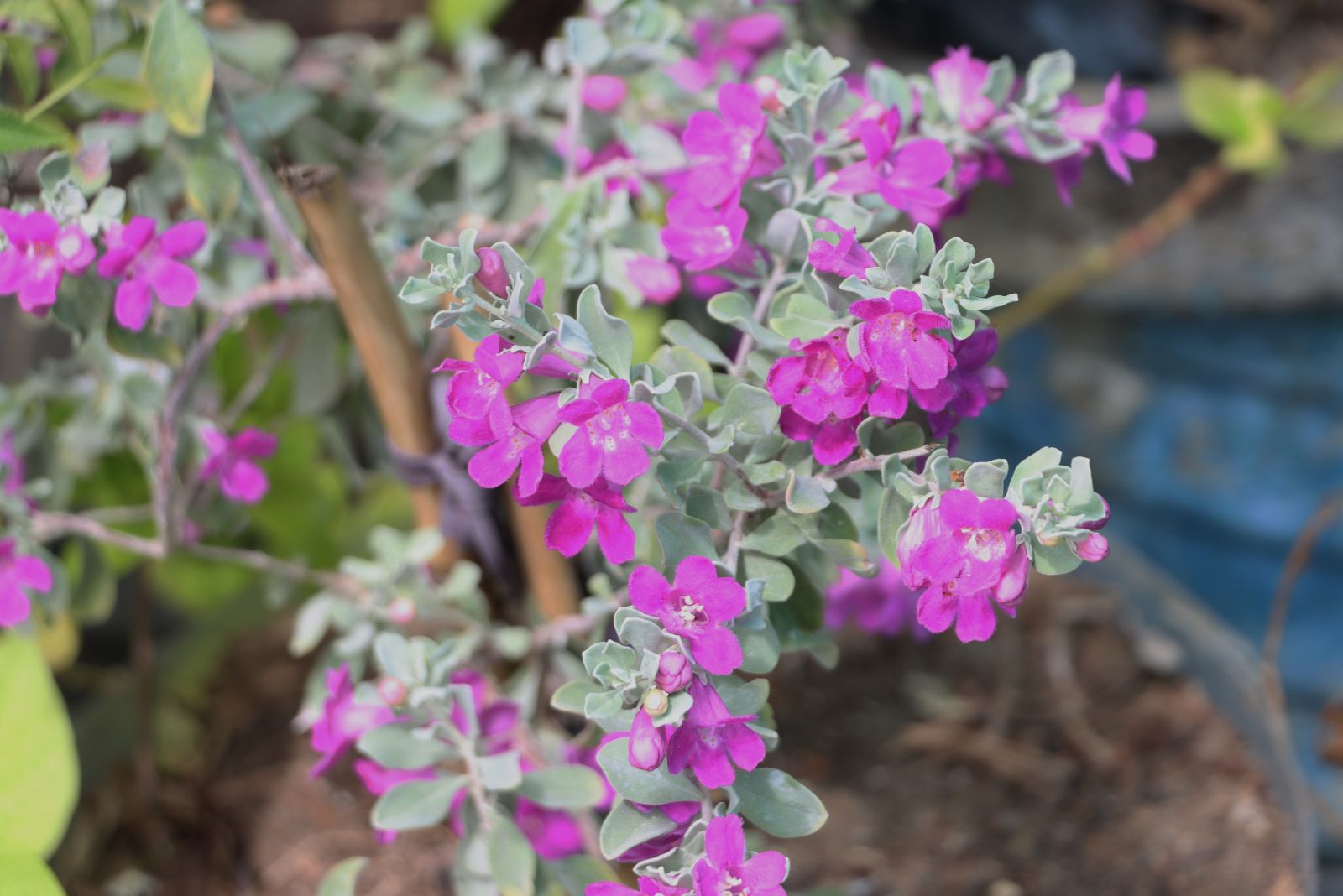
Some plants give up the moment summer gets serious, especially when they are growing in pots and dealing with blazing sun, hot surfaces, and soil that dries out fast.
That is why it feels so satisfying to find one that can handle Texas heat and still keep an entryway, patio, or porch looking polished through the seasons.
A good container plant does more than fill space. It helps create that warm, put-together look that makes a home feel inviting all year.
That is exactly why Texas sage earns so much attention. It is tough enough for intense heat, drought, and bright sun, yet it still brings soft color and a neat, attractive shape that works beautifully in containers.
Even when other plants start looking tired, this one keeps its charm with silvery foliage and a clean, structured presence that fits right in with Texas landscapes. It can dress up front steps, frame a doorway, or add life to a sunny patio without demanding constant care.
For anyone who wants a plant that looks welcoming and can actually take the heat, this one makes a strong case for itself.
1. Why Texas Sage Makes Such A Great Welcome Plant
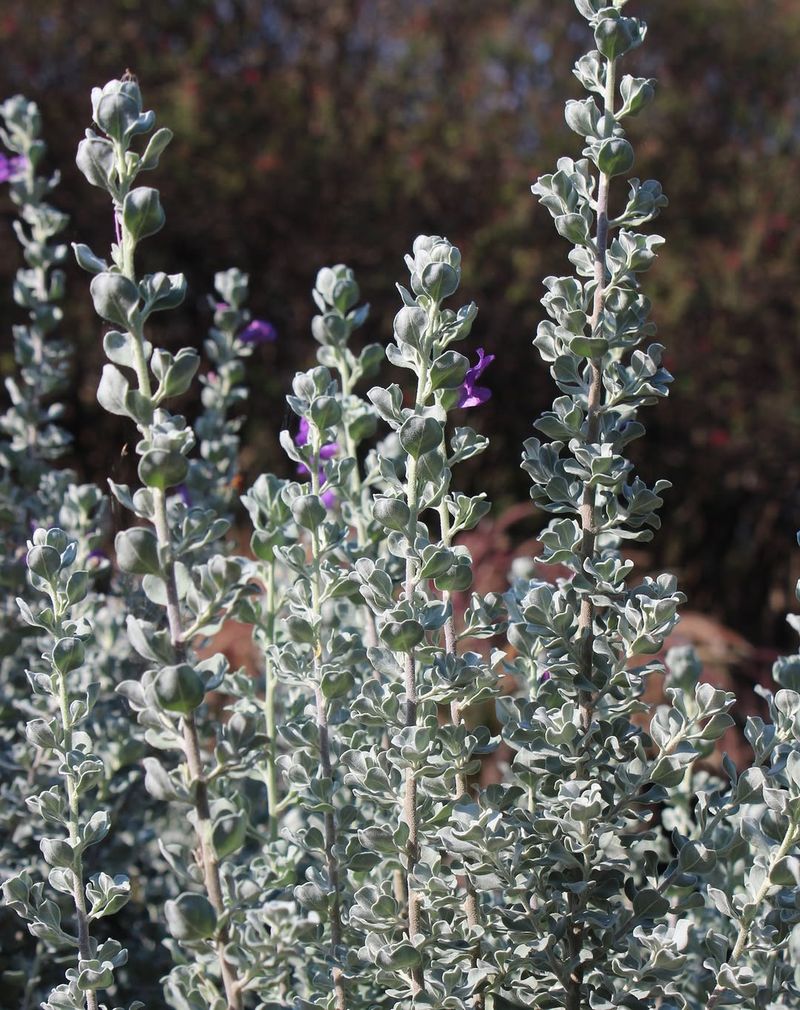
Picture this: a guest walks up to your front door and is greeted by a plant covered in soft purple blooms with silvery leaves shimmering in the Texas sun. That is exactly the kind of first impression Texas sage delivers every single time.
Few plants can pull off both toughness and beauty so effortlessly, especially in a state where summer temperatures regularly push past 100 degrees.
A great welcome plant needs to check two important boxes. First, it has to look good without requiring a ton of daily attention.
Second, it has to handle whatever Texas weather throws at it, from scorching heat waves to sudden dry spells. Texas sage checks both boxes without breaking a sweat.
Known by several names including cenizo, purple sage, and barometer bush, this native Texas shrub has been growing across the state for centuries.
It is naturally adapted to the harsh, dry conditions found across much of Texas, which means it does not need to be babied to look great.
Gardeners in San Antonio, Austin, and El Paso have relied on it for years as a dependable front-yard staple.
What really sets it apart from other container plants is its consistency. When summer flowers fade and other pots start looking tired, Texas sage keeps its clean, attractive appearance.
The silvery-green foliage stays neat and full even between bloom cycles. For anyone who wants a welcoming, polished entry without spending hours on upkeep, Texas sage is an outstanding choice that earns its spot right by the front door.
2. Why It Thrives In Texas Heat
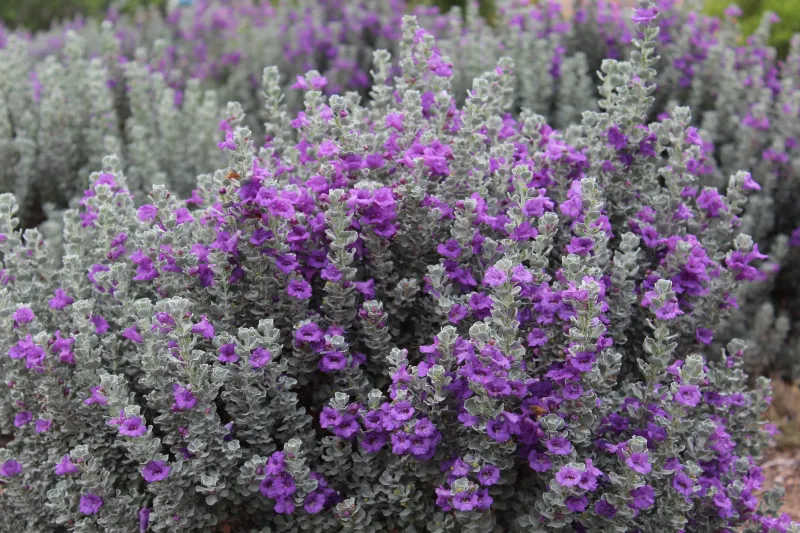
Most container plants start struggling the moment a Texas summer really kicks in. Petunias get crispy. Ferns fold up. Even some tough perennials throw in the towel by mid-July.
Texas sage, on the other hand, seems to wake up when the heat turns up. That is not an accident. It is biology.
Your Texas Garden Changes Every Week. Your Plan Should Too.
Gardening in Texas changes quickly throughout the season. Every Friday you’ll receive a simple weekly plan showing exactly what to plant, prune, fertilize, harvest, and protect so you never miss the right timing.
Texas sage is native to the Chihuahuan Desert region, which stretches across far west Texas, New Mexico, and northern Mexico. That origin story matters a lot.
Plants that evolved in desert conditions developed special traits over thousands of years to handle extreme heat, dry air, and poor soil. The small, fuzzy, silvery leaves are a perfect example.
That fuzzy coating actually reflects sunlight and reduces water loss, keeping the plant cool and hydrated even when temperatures are brutal.
In cities like Midland, Laredo, and San Antonio, where summer heat is relentless, Texas sage does not just survive, it flourishes. It prefers full sun and actually performs better with less water once it is established.
Overwatering is far more likely to cause problems than the heat itself. The plant is designed to go through dry periods and bounce right back.
Another advantage is that Texas sage often blooms right after summer rain events, earning it the nickname barometer bush. Locals in Texas have noticed for generations that a burst of purple flowers usually follows a good rain.
That natural rhythm means your container plant often looks its best during the most dramatic weather shifts of the Texas summer season, which is a pretty remarkable feature for any potted plant.
3. What Makes It So Attractive In Pots
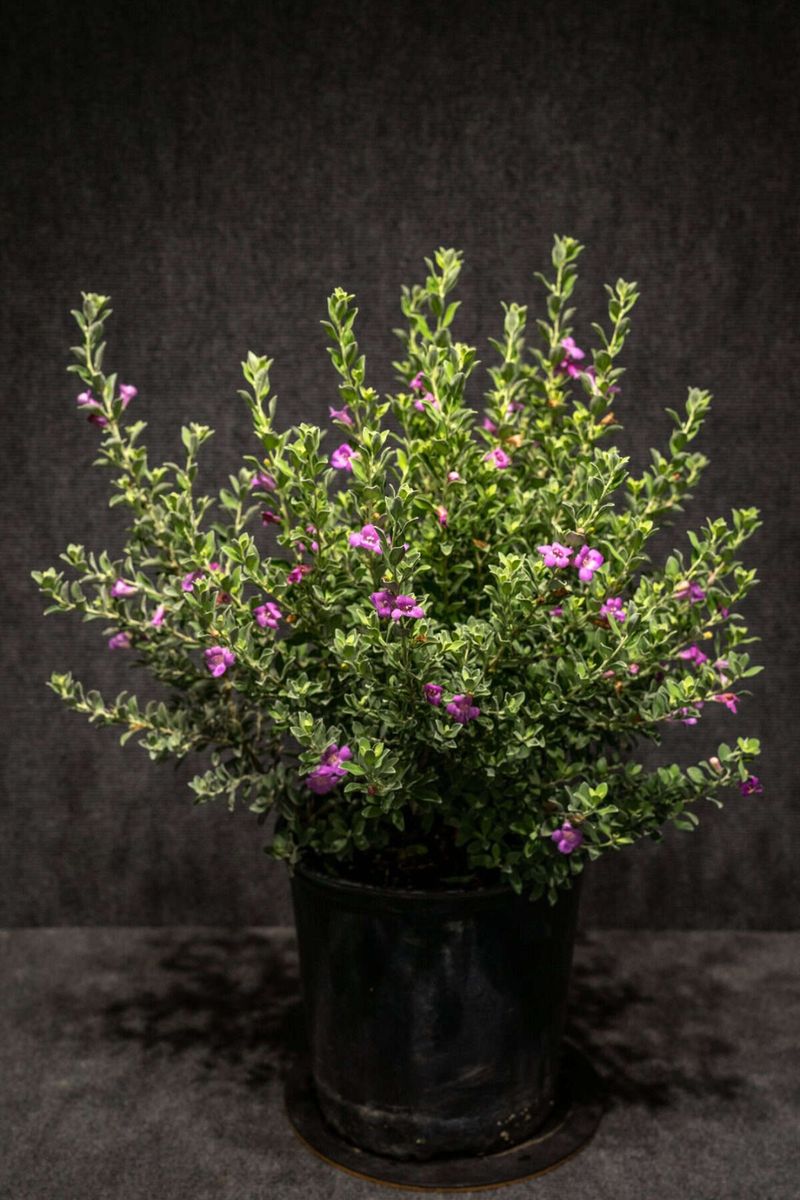
Honestly, not every plant looks good in a pot year-round. Some plants are beautiful for a few weeks and then look scraggly for the rest of the year.
Texas sage breaks that pattern in a really satisfying way. Even when it is not blooming, the shrub holds its shape and keeps its attractive silver-green color, making it a standout container plant through every season.
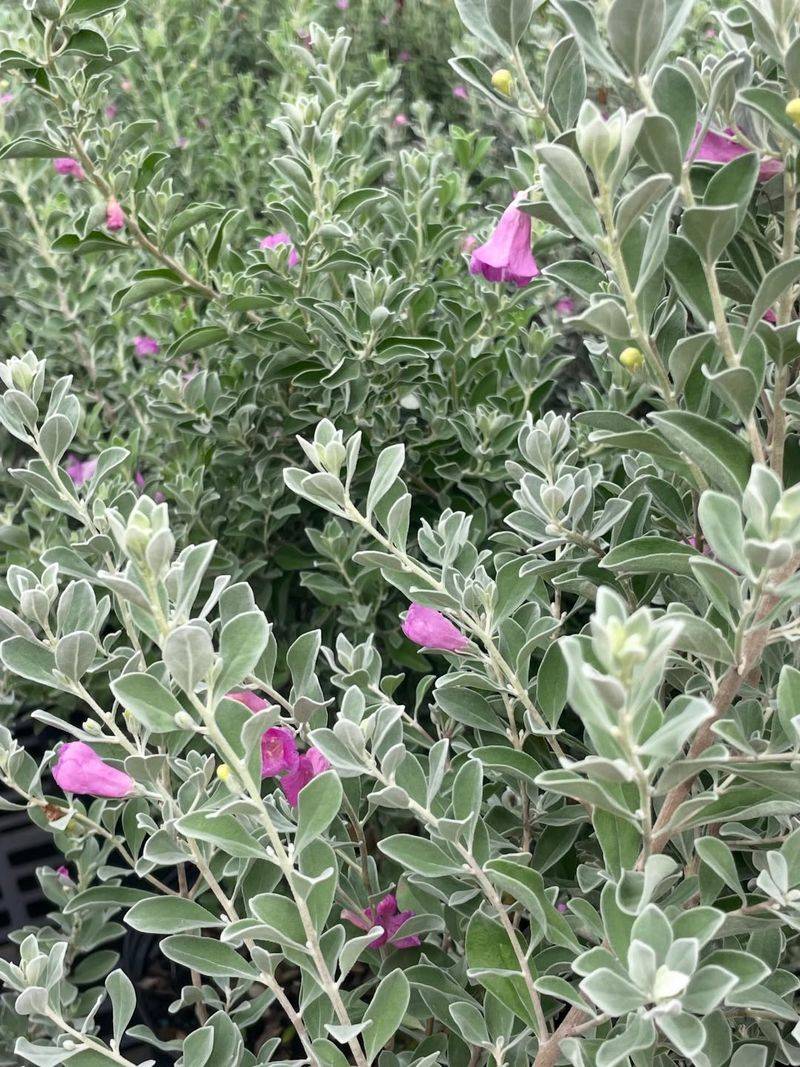
The foliage alone is worth talking about. The small, oval leaves have a soft, almost velvety texture and a pale silvery-green tone that catches the light beautifully.
That coloring pairs well with nearly any pot material, whether you prefer classic terracotta, sleek black ceramic, or weathered stone planters.
In Texas landscapes, that silver tone also complements the warm tones of limestone, stucco, and cedar that show up in so many homes across the Hill Country and beyond.
When the blooms do appear, usually after rain or during the warmer months, the transformation is stunning. Clusters of small tubular flowers in shades of lavender, violet, or magenta cover the entire plant.
The contrast between the soft silver leaves and the rich purple flowers is genuinely eye-catching. Pollinators love it too, so you might notice bees and butterflies paying regular visits to your front porch containers.
Even in winter, Texas sage holds its ground. In most parts of Texas, it stays evergreen and keeps its tidy, rounded shape without needing to be cut back constantly.
That means your entry pots never look empty or forgotten, no matter what month it is. Year-round visual interest is a rare quality, and Texas sage delivers it reliably.
4. How To Grow It Successfully In Containers
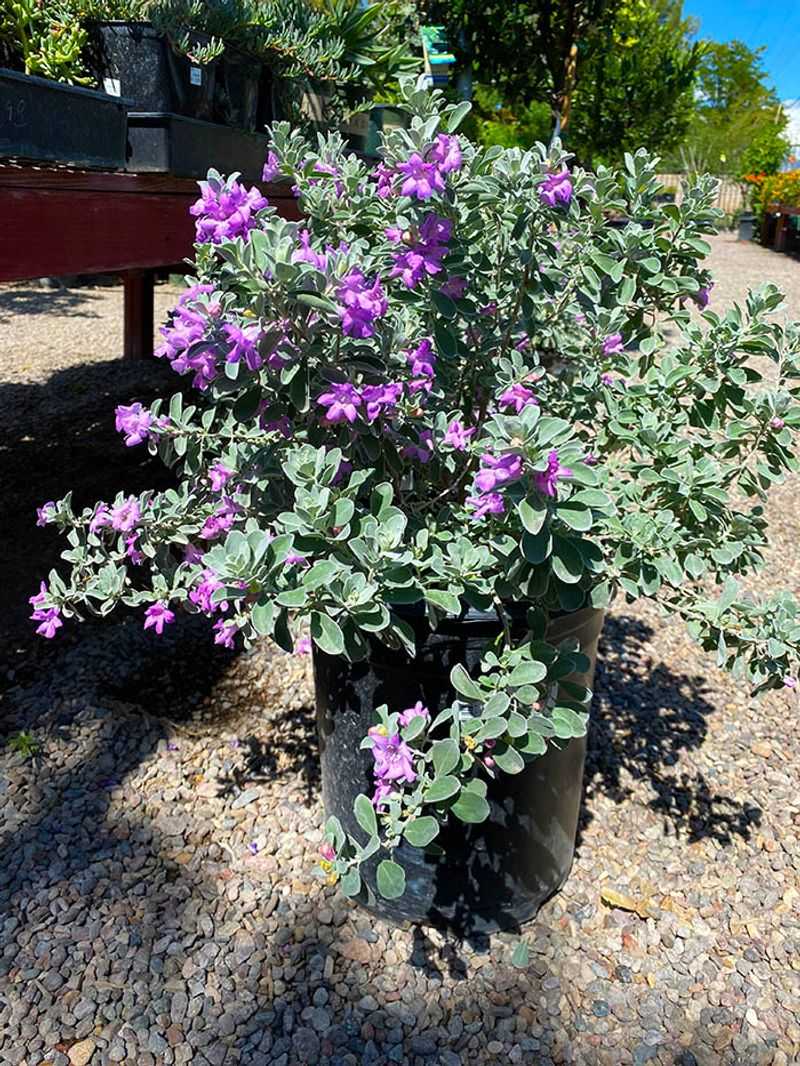
Growing Texas sage in a container is pretty straightforward once you understand what the plant actually needs. The good news is that it does not need much.
But getting a few basics right from the start will make a huge difference in how well your plant performs over time.
Start with the right pot. Choose a container that is at least 12 to 16 inches wide and has multiple drainage holes at the bottom.
Texas sage absolutely cannot sit in soggy soil. Standing water around the roots is the fastest way to run into serious trouble with this plant.
Terracotta pots are a popular choice in Texas because they are breathable and help the soil dry out between waterings, which is exactly what this shrub prefers.
Soil choice matters just as much as the pot. Skip the standard potting mix and go with a cactus and succulent blend or mix regular potting soil with coarse sand or perlite.
The goal is a fast-draining mix that does not hold moisture for too long. Texas sage roots need air as much as they need water, and dense, heavy soil will work against the plant over time.
Place your container in full sun, meaning at least six to eight hours of direct sunlight each day. A south or west-facing spot in Texas works beautifully.
Water deeply when the top inch or two of soil feels dry, then let it dry out again before watering. During the hottest months in Texas, you may water once or twice a week. In cooler months, cut back significantly. Less is genuinely more with this plant.
5. Where To Place It For The Best Curb Appeal
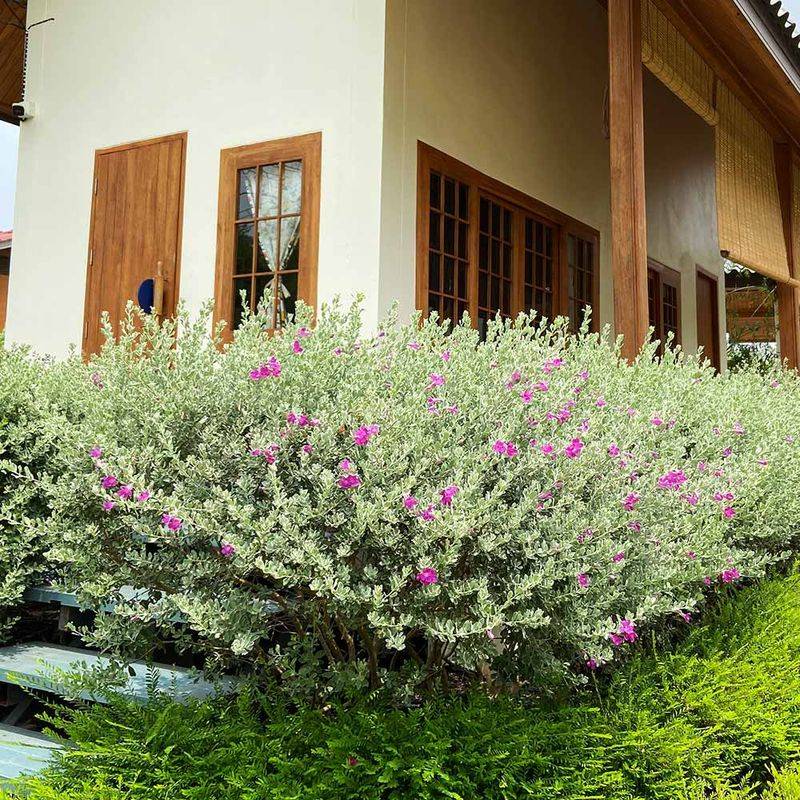
Placement can make or break the look of any container plant, and Texas sage is no exception. The good news is that this shrub is naturally photogenic and adapts well to a variety of front-yard setups.
A little thought about where you put it goes a long way toward creating a polished, welcoming entrance.
One of the most classic and effective approaches is using a matched pair of Texas sage plants in identical pots on either side of the front door. Symmetry is a simple design trick that instantly makes an entryway feel intentional and put-together.
In Texas, where many homes feature wide front porches, columns, or arched doorways, a matched pair of silvery-green sage plants with purple blooms creates a striking frame that feels both elegant and approachable.
If your front porch has steps, consider placing a large container of Texas sage at the bottom or top of the staircase. It draws the eye upward and guides visitors naturally toward the entrance.
Homes in neighborhoods around Dallas, Houston, and Austin often use this technique to add structure and color to an otherwise plain concrete staircase.
Texas sage also works beautifully beside garage doors, along walkways, or grouped with other drought-tolerant plants like agave or red yucca for a layered, desert-inspired look. The silvery foliage acts as a natural neutral, blending well with nearly any other plant or pot color you choose.
For renters or homeowners who move frequently, the container format is a real advantage. You can take your plants with you and recreate that welcoming curb appeal at your next Texas home without starting from scratch.
6. Why It’s One Of The Smartest Low-Maintenance Choices
Some plants are beautiful but demanding. They need fertilizer every two weeks, daily watering, constant deadheading, and still manage to look rough by August.
Texas sage takes a completely different approach. It asks for very little and gives back a lot, which is exactly what most Texas homeowners are looking for in a front-yard container plant.
Once established in a well-draining pot, Texas sage is remarkably self-sufficient. It does not need regular fertilizing.
In fact, feeding it too much can actually encourage soft, leggy growth that the plant does not need. A light application of a balanced slow-release fertilizer in early spring is more than enough to keep it happy throughout the growing season across Texas.
Pruning is minimal too. Texas sage naturally grows into a tidy, rounded shape without much help.
An occasional light trim after a heavy bloom cycle can keep it looking neat, but it is not something you need to schedule into your weekly routine.
Many Texas gardeners go entire seasons without touching their sage plants and still end up with beautiful, full shrubs that look intentionally shaped.
Pest pressure is also very low. The aromatic foliage tends to deter most common garden insects, so you are unlikely to deal with aphid infestations or other pest headaches that plague more delicate container plants in Texas.
For busy families, weekend gardeners, or anyone who simply wants a beautiful entry without a high-maintenance commitment, Texas sage is a genuinely smart investment.
It brings color, structure, and a sense of welcome to any Texas home without demanding much in return. That combination is hard to beat.