8 Native Florida Plants To Use Instead Of Mulch That Look Better
Mulch has been the go-to solution in Florida yards for years, especially in garden beds that need a clean, finished look. It helps with moisture and keeps weeds down, but it does not always stay put for long in tough conditions.
Heavy rain, wind, and heat can break it down or wash it away faster than expected.
More homeowners are starting to look for something that lasts longer and adds more life to their landscape at the same time without constant replacement. That is where native plants come in, filling those bare spaces with color, texture, and movement instead of just covering the ground.
These plants do more than replace mulch. They support pollinators, handle Florida conditions with ease, and bring a natural feel that mulch alone cannot match.
Once you see how they change a planting bed, the difference stands out right away.
1. Beach Sunflower Spreading Bright Golden Groundcover
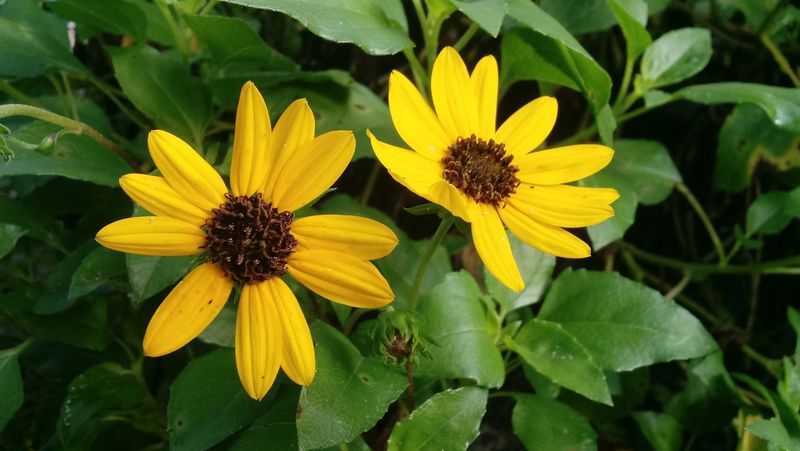
Bright, cheerful, and tough as nails, the Beach Sunflower is one of Florida’s most beloved native ground covers. Known scientifically as Helianthus debilis, this low-growing plant spreads quickly to form a golden carpet of sunshine-yellow blooms that can stop anyone in their tracks.
Gardeners across Florida have been swapping out dull mulch for this beauty, and it is easy to see why.
Beach Sunflower thrives in full sun and sandy soil, making it a natural fit for coastal yards, roadsides, and open garden beds, especially in coastal and well-drained areas of Florida. Once it gets established, it handles drought like a champ and needs almost no watering or fertilizing.
It spreads by runners, filling in bare spots fast and crowding out weeds before they even get a chance to grow.
The yellow flowers can bloom for much of the year in Florida, giving pollinators like bees and butterflies a reliable food source across extended seasons. Birds also love snacking on the seeds, so planting Beach Sunflower turns your yard into a mini wildlife habitat.
It tolerates salt spray well, which makes it especially popular in beachside communities along both Florida coasts. If you want a ground cover that looks like a field of tiny sunflowers while doing all the heavy lifting that mulch used to do, Beach Sunflower is your answer.
2. Sunshine Mimosa Creating A Soft Flowering Carpet
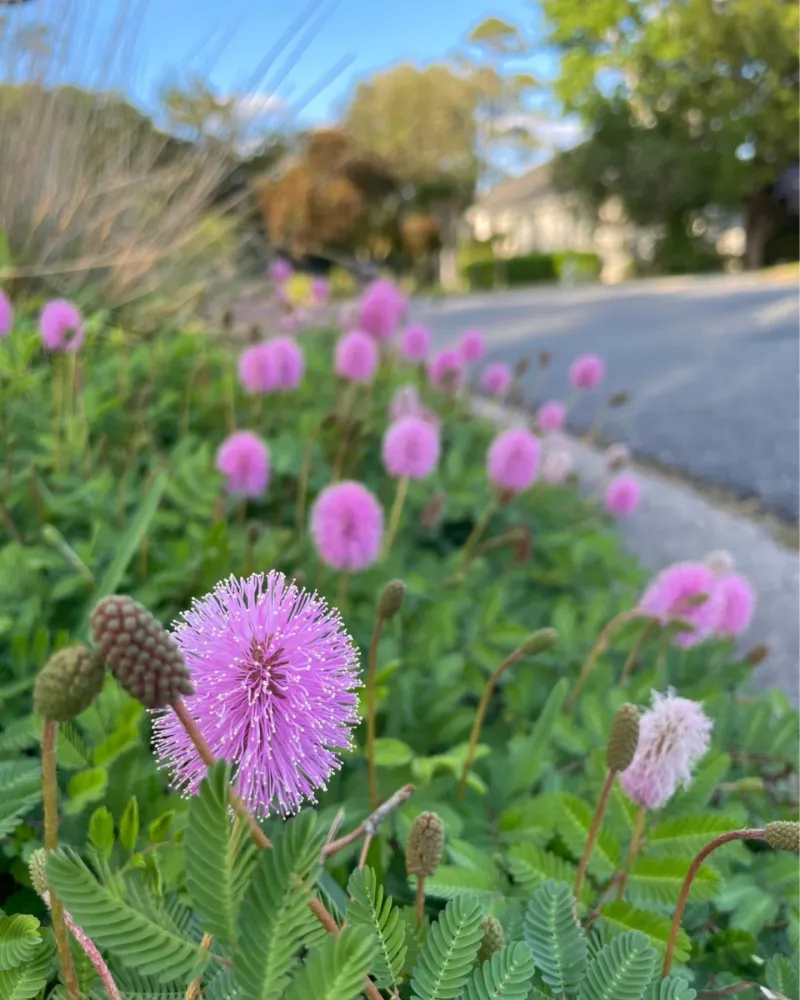
Walk across a patch of Sunshine Mimosa and you might notice something magical: the feathery leaves gently fold up when touched, then slowly reopen. That quirky little trick is just one reason people across Florida have fallen in love with this native ground cover.
Sunshine Mimosa, or Mimosa strigillosa, produces puffy pink flowers that look like tiny fireworks and bring a playful, whimsical feel to any garden bed.
Beyond being fun to look at, Sunshine Mimosa is a hardworking plant. It is a legume, which means it actually pulls nitrogen from the air and puts it back into the soil, naturally fertilizing the ground beneath it.
Over time, this helps improve soil quality in ways that a bag of wood mulch simply cannot.
Your Florida Garden Changes Every Week. Your Plan Should Too.
Gardening in Florida changes quickly throughout the season. Every Friday you’ll receive a simple weekly plan showing exactly what to plant, prune, fertilize, harvest, and protect so you never miss the right timing.
Sunshine Mimosa grows flat along the ground, spreading steadily to cover bare patches and help reduce weed growth. It handles moderate foot traffic surprisingly well, which makes it a smart choice for areas where people occasionally walk through garden beds.
In Florida, it thrives in full sun to partial shade and becomes very drought-tolerant once established. Pollinators absolutely flock to those pink puffball flowers, making your yard a buzzing, lively space from spring through fall.
Replacing mulch with Sunshine Mimosa means getting a living carpet that gives back to the ecosystem with every passing season.
3. Railroad Vine Racing Across Hot Sandy Spaces
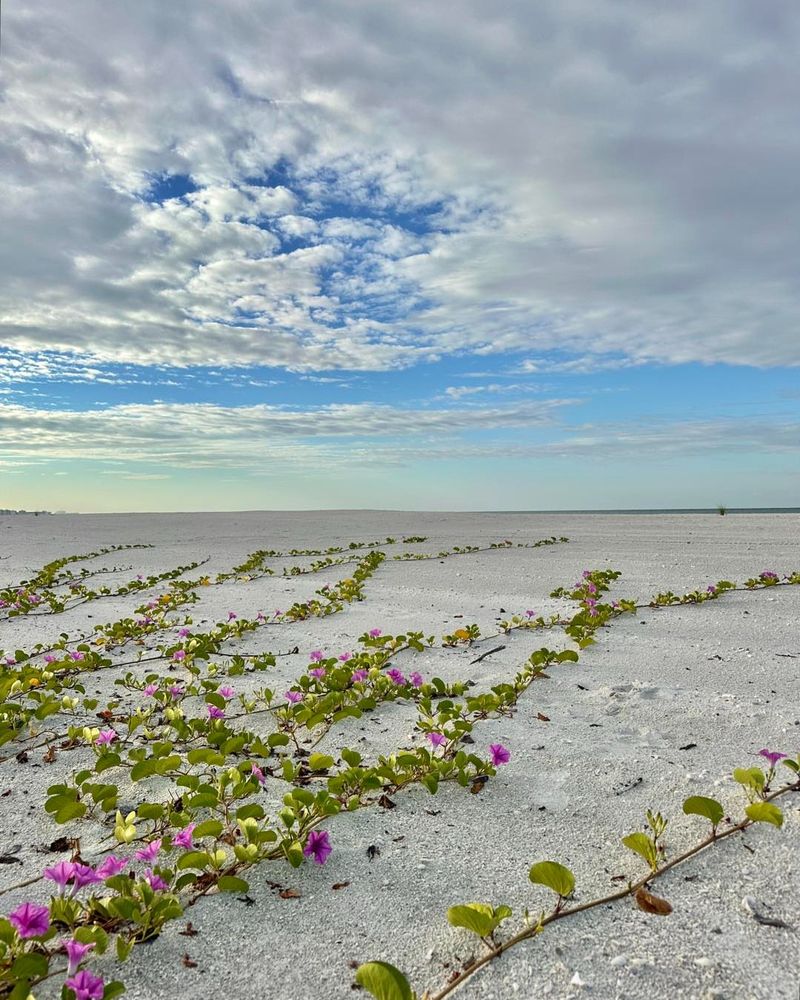
Picture a plant tough enough to grow right on the beach, spreading across hot sand while producing gorgeous pink blooms that look like morning glories. That is Railroad Vine in a nutshell.
Ipomoea pes-caprae is one of Florida’s most resilient native plants, and it earns serious respect from gardeners who deal with sandy, salty, and dry growing conditions along the coastline.
Railroad Vine gets its name from the long, straight vines that shoot out in both directions from the plant, almost like railroad tracks stretching across the ground. Those vines can run several feet long and root themselves as they spread, which makes this plant an excellent erosion-control tool for coastal properties and sandy slopes.
It holds soil together while blocking weeds at the same time.
The flowers are large, showy, and a rich pink-purple color that stands out beautifully against the pale sand and green foliage. They open in the morning and close by afternoon, giving your yard a fresh burst of color each day.
Railroad Vine handles salt spray, drought, and poor sandy soil without complaint, which is exactly what you need in many parts of Florida. It requires almost zero maintenance once it gets going, making it one of the most practical mulch alternatives for open, sunny spaces near the coast.
For beachside homeowners, few plants deliver this much beauty with this little effort.
4. Frogfruit Drawing In Pollinators With Tiny Blooms
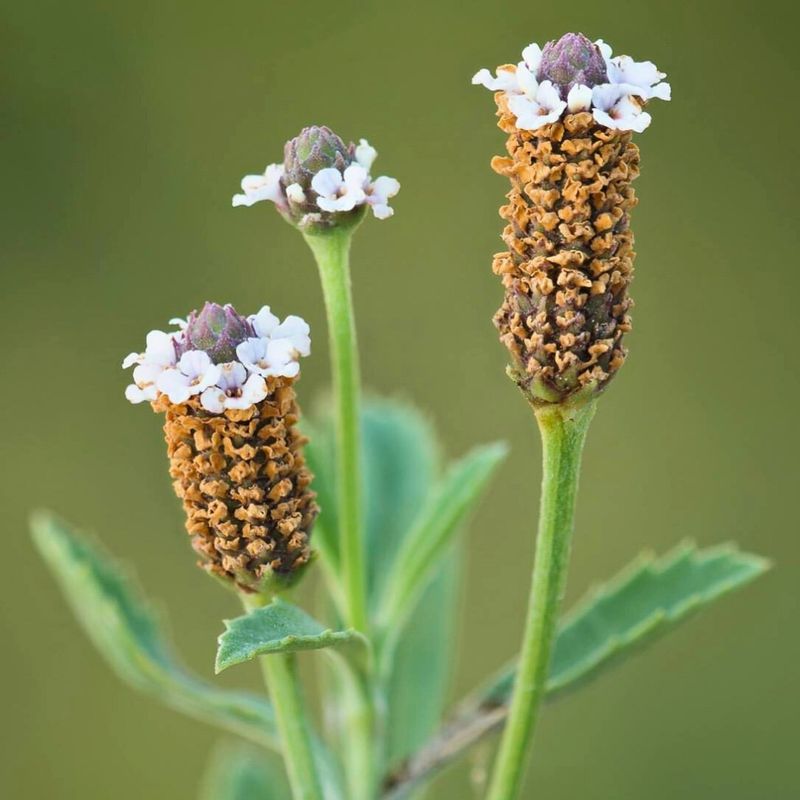
Do not let the funny name fool you. Frogfruit is one of the hardest-working native ground covers you can plant anywhere in Florida.
Phyla nodiflora grows into a dense, flat mat that hugs the ground tightly, making it nearly impossible for weeds to sneak through. Gardeners who have made the switch from mulch to Frogfruit often say they wish they had done it years sooner.
One of the coolest things about Frogfruit is how much wildlife it supports. The tiny white and purple flowers may look delicate, but they are powerhouses for pollinators.
Bees, butterflies, and even the endangered Phaon Crescent butterfly rely on Frogfruit as a host plant and nectar source. Planting it means you are actively supporting Florida’s native butterfly populations, which is a pretty great feeling.
Frogfruit tolerates a wide range of conditions found across Florida, from full sun to partial shade, and it handles both moist and dry soils reasonably well. It even holds up under light foot traffic, so it works well around stepping stones or in areas where people occasionally cut through the yard.
It spreads steadily by runners, filling in gaps and creating a lush, green carpet effect over time, though it can spread quickly in favorable conditions and may need occasional trimming. If you want a ground cover that looks polished, supports wildlife, and outperforms mulch in almost every way, Frogfruit belongs in your Florida garden.
5. Coontie Adding Structure With Zero Fuss
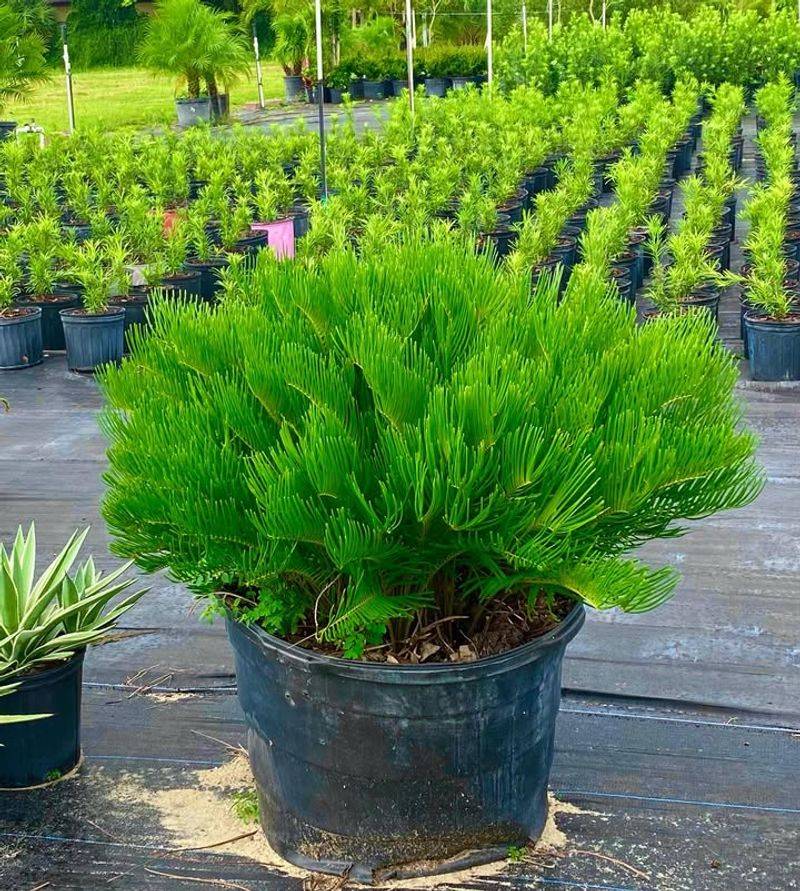
Ancient, elegant, and surprisingly tough, Coontie is one of Florida’s most unique native plants. Zamia integrifolia is actually a cycad, a plant family that has been around since the age of dinosaurs, and it brings a prehistoric, architectural quality to any garden it grows in.
Those glossy, dark green fronds give garden beds a lush, structured look that no bag of mulch could ever replicate.
Coontie handles a range of conditions found across Florida. It grows well in partial shade to full sun, tolerates drought and some salt spray, and adapts to sandy, nutrient-poor soils common throughout the state.
Once established, it needs almost no care at all, which makes it a favorite among homeowners who want a beautiful, low-maintenance landscape without constant upkeep.
There is also an ecological story worth telling here. Coontie is the only known host plant for the Atala butterfly, a striking species that was once thought to be gone from Florida entirely.
Thanks to efforts by native plant gardeners who started planting Coontie in their yards, the Atala butterfly has made a remarkable comeback across South Florida. Planting Coontie means you are not just beautifying your yard; you are actively helping to restore a species that nearly vanished from the state.
For gardeners who want their landscape to carry real meaning alongside real beauty, Coontie is an extraordinary choice that delivers on every level.
6. Partridgeberry Forming A Low Evergreen Mat
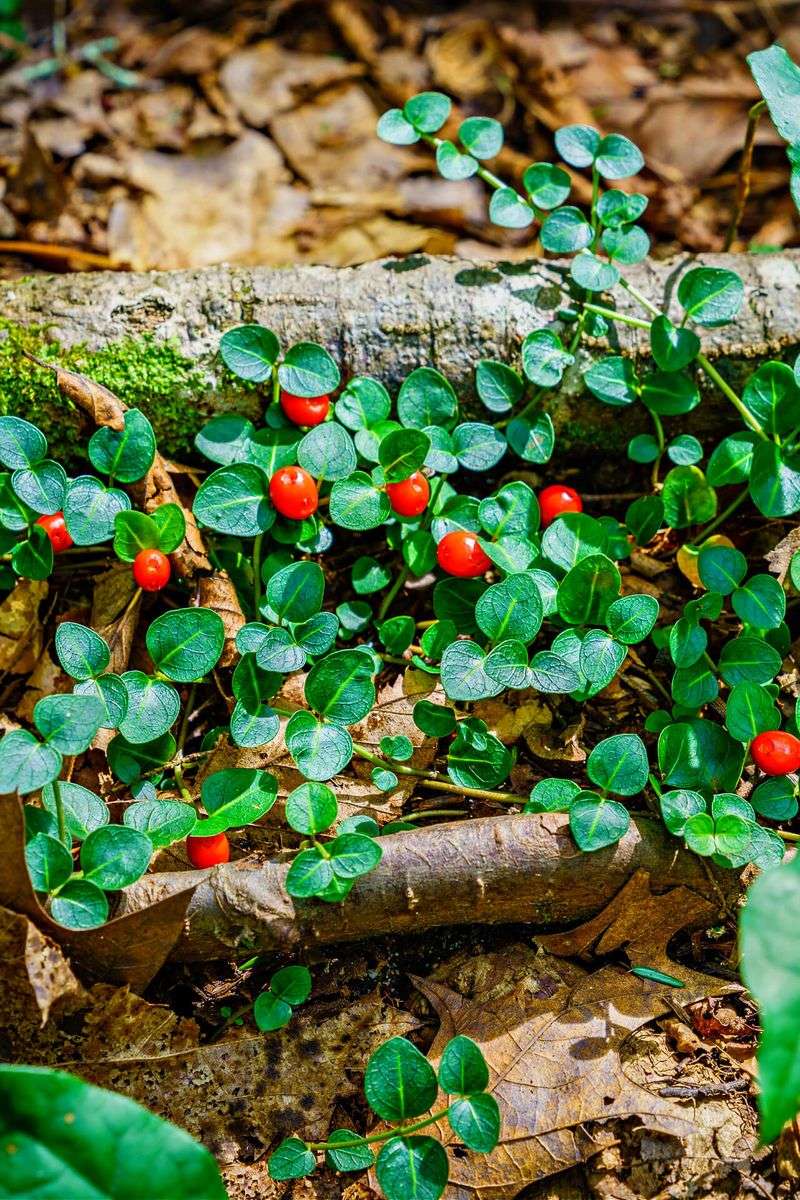
Tucked quietly under the shade of tall trees, Partridgeberry is one of Florida’s most charming native ground covers. Mitchella repens creeps along the ground in a slow, tidy fashion, forming a dense mat of small, round, glossy leaves that stay green year-round.
It is the kind of plant that makes a shaded garden bed look like something out of a fairy tale, especially when its bright red berries appear in fall and winter.
Partridgeberry is perfectly built for shady spots where other plants struggle and where mulch tends to look dull and lifeless. It thrives beneath trees and along woodland edges throughout northern and central Florida, filling in those tricky low-light areas with genuine greenery and seasonal color.
The tiny white flowers that appear in spring are paired and delicate, adding a subtle elegance to the ground layer before the berries take center stage.
Wildlife benefits from Partridgeberry too. Birds like thrushes and wild turkeys snack on the red berries through the cooler months, making it a valuable food source during a season when other plants are not producing much.
Because it grows slowly and stays low, Partridgeberry rarely needs trimming or maintenance, which is exactly what busy homeowners want. It holds moisture in the soil, suppresses weeds naturally, and keeps garden beds looking intentional and cared-for.
For shaded Florida gardens that need something living and lovely instead of a layer of mulch, Partridgeberry is a standout solution.
7. Twinflower Bringing Delicate Blooms To Shady Spots
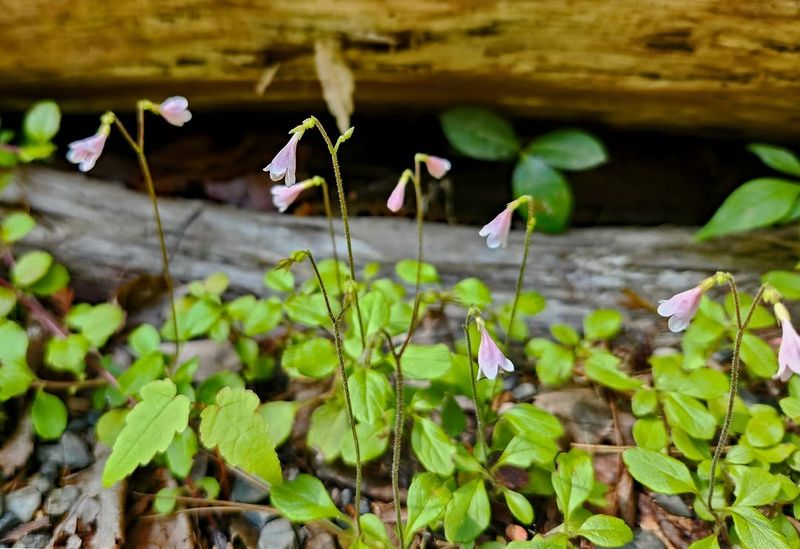
Shaded garden beds in Florida often end up covered with plain mulch simply because most ground covers need sunlight to thrive. Twinflower, or Dyschoriste humistrata, breaks that rule completely.
This Florida native loves the shade and produces sweet little lavender-purple flowers that bring a soft, pretty color to spots that typically go overlooked in the landscape.
Twinflower grows into a dense, evergreen carpet that hugs the ground and helps suppress weeds effectively. Because it stays green all year in Florida’s mild climate, it keeps garden beds looking full and intentional even in the middle of winter when other plants go dormant.
The leaves are small and oval-shaped with a deep green color that contrasts beautifully with the pale purple blooms scattered across the mat.
Maintenance requirements for Twinflower are refreshingly low. It spreads at a moderate pace, filling in bare spots gradually without becoming aggressive or overwhelming nearby plants.
It handles a range of soil types found across Florida and performs best in moist to slightly dry conditions under the shade of trees or along the north side of buildings. Pollinators, particularly small native bees, are drawn to the flowers during the blooming season.
Swapping out mulch for Twinflower in shaded beds means getting a living, flowering carpet that requires almost no effort to maintain and looks far more interesting than wood chips ever could. For Florida gardeners with tricky shaded areas, Twinflower is genuinely one of the best-kept secrets in native landscaping.
8. Southern Shield Fern Filling Beds With Lush Texture
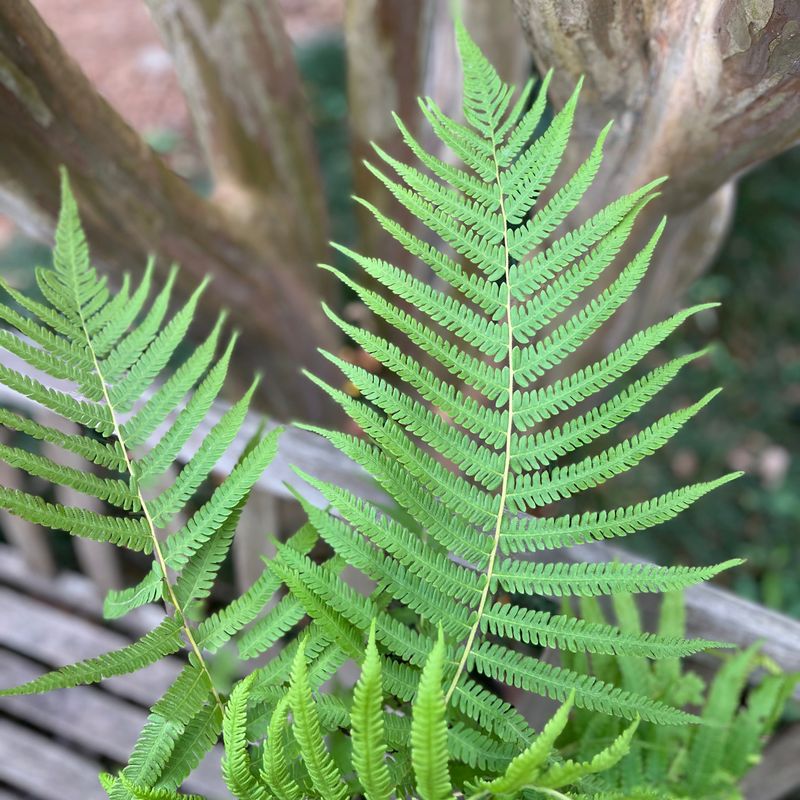
Few plants bring the lush, tropical feel of Florida’s natural landscapes into a home garden quite like the Southern Shield Fern. Thelypteris kunthii grows in graceful arching clumps of pale green fronds that give shaded garden beds a rich, full appearance that is hard to match with any other plant.
Swap out a flat layer of mulch for a mass planting of Southern Shield Fern, and the transformation is dramatic.
Southern Shield Fern is native to moist, shaded environments across Florida, and it thrives in the kind of humid conditions the state is famous for. It grows best in partial to full shade with consistently moist soil, making it an ideal choice for low spots, areas near downspouts, or the shaded side of the house where water tends to collect.
Once it settles in, it spreads steadily by underground rhizomes, filling in bare areas and creating a continuous green carpet.
One of the most practical benefits of using Southern Shield Fern as a mulch alternative is how effectively it holds soil moisture and prevents erosion on slopes or in garden beds. The dense fronds shade the ground beneath them, keeping the soil cool and moist even during Florida’s intense summer heat.
It also provides shelter for small frogs, lizards, and beneficial insects that help keep garden pests in check naturally. For Florida homeowners who want a ground cover with real tropical presence and genuine ecological value, Southern Shield Fern delivers beautifully.