Why Bougainvillea Won’t Bloom In Michigan (And What Really Works)
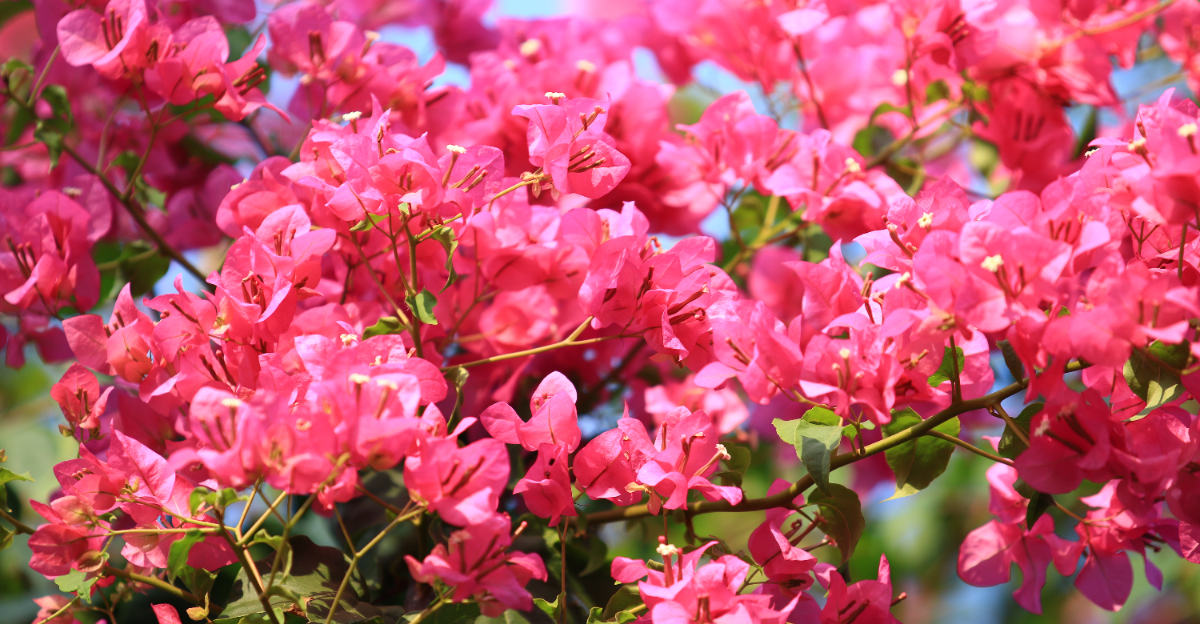
Bougainvillea is a stunning, vibrant plant known for its colorful blooms, but in Michigan, it’s a different story. While this tropical beauty thrives in warmer climates, it often struggles to bloom when grown in colder, unpredictable zones like Michigan.
The plant needs consistent warmth, plenty of sunlight, and frost-free conditions to produce those eye-catching flowers.
Unfortunately, Michigan’s long winters and short growing seasons make it difficult for bougainvillea to get the right environment to bloom.
However, all is not lost!
With the right care, such as bringing the plant indoors during the colder months, providing a sunny spot, and using techniques to mimic its natural environment, it’s possible to coax it into blooming.
Take a closer look at why bougainvillea struggles here and what truly works to make it flourish in Michigan.
1. Outdoor Growing Conditions Are Not Suitable Year Round
Most tropical plants have one big requirement that Michigan simply cannot provide outdoors, and bougainvillea is at the top of that list.
Native to South America, this plant evolved in warm, sunny climates where temperatures rarely drop below 50 degrees Fahrenheit.
Michigan winters are brutal, and even the mildest fall nights can push bougainvillea into stress well before the first frost arrives.
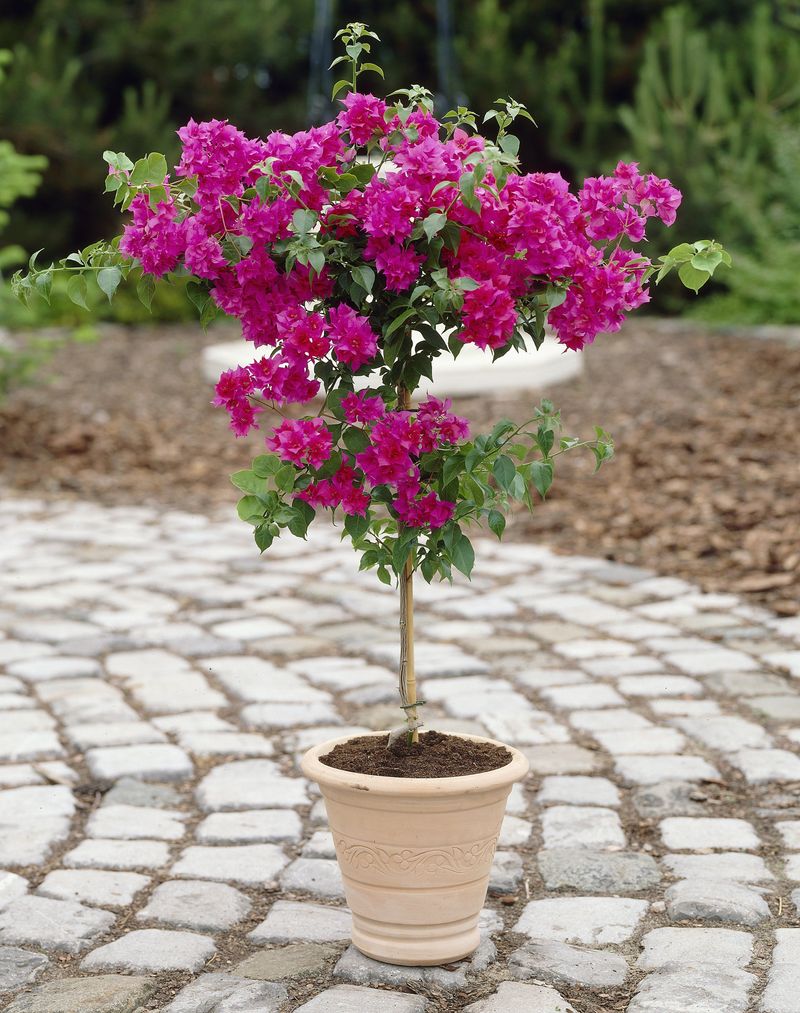
Growing bougainvillea successfully in Michigan means treating it as a container plant from the very beginning.
You bring it outside during the warm summer months when temperatures are consistently above 60 degrees, and you bring it back indoors before nights start cooling in early September.
This back-and-forth routine is not optional here, it is the only way to keep the plant alive and blooming season after season.
Skipping this step or leaving the plant outside too late in the year causes the roots and stems to experience cold shock, which shuts down the blooming cycle completely.
Michigan gardeners who embrace container growing and plan their indoor and outdoor schedule carefully are the ones who get those jaw-dropping flower displays every single summer.
The good news is that bougainvillea actually thrives in containers, making it a perfect plant for Michigan patios and porches during the warmer months.
2. Not Enough Direct Sunlight Indoors
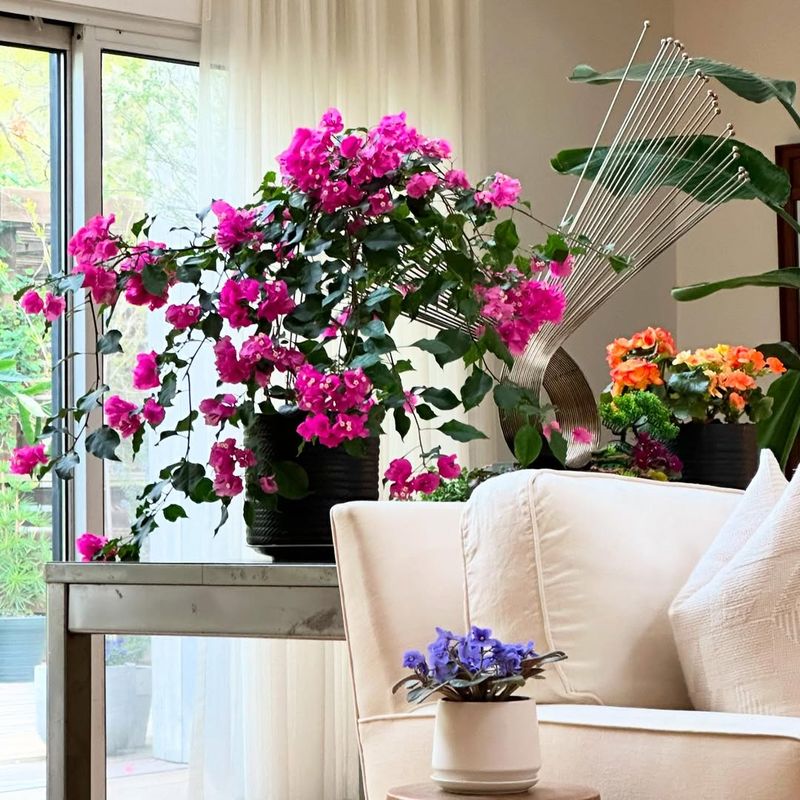
Sunshine is basically bougainvillea’s favorite thing in the world, and without enough of it, blooming simply will not happen. This plant needs a minimum of six hours of intense, direct sunlight every single day to produce its signature colorful bracts.
In Michigan, especially from October through March, natural light drops dramatically, and even a bright room can fall far short of what bougainvillea actually needs.
When light levels are too low, you will notice the plant producing lots of green, leafy growth but zero flowers. The leaves may also start to look pale or slightly yellow, which is the plant’s way of telling you it is struggling.
South-facing windows are your best friend here, since they capture the most direct sunlight available during Michigan’s shorter winter days and help keep the plant warm at the same time.
If your home does not have a good south-facing window, supplemental grow lights are a fantastic solution that many Michigan gardeners swear by.
Your Michigan Garden Changes Every Week. Your Plan Should Too.
Gardening in Michigan changes quickly throughout the season. Every Friday you’ll receive a simple weekly plan showing exactly what to plant, prune, fertilize, harvest, and protect so you never miss the right timing.
Full-spectrum LED grow lights placed close to the plant and left on for 12 to 14 hours a day can mimic outdoor sunlight well enough to trigger blooming even in the middle of a Michigan winter.
Combining a bright window with a grow light gives your bougainvillea the best possible chance to reward you with a burst of brilliant color.
3. Temperatures Are Too Cool For Flower Production
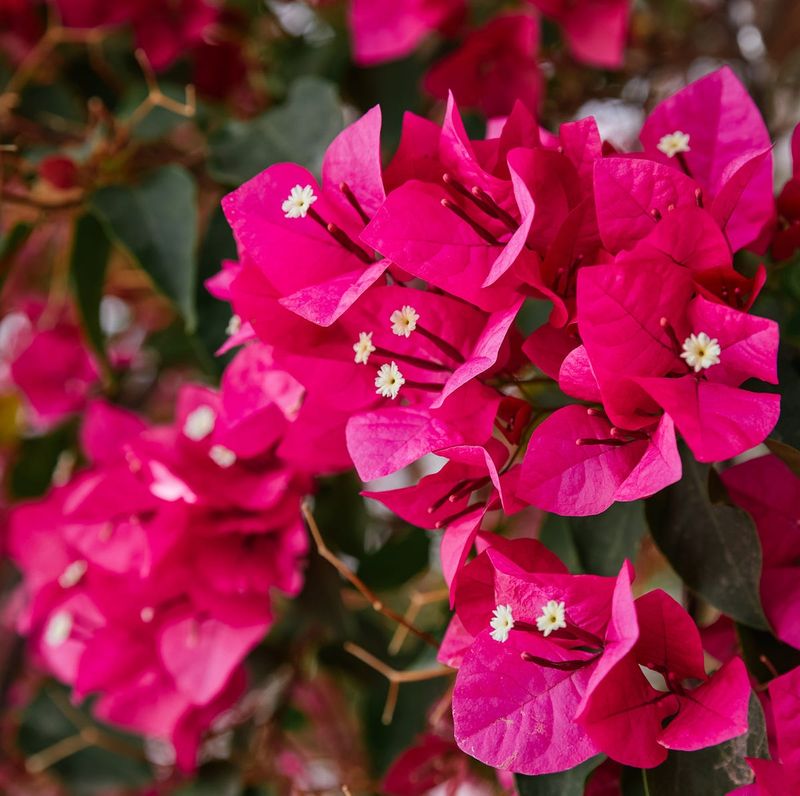
Temperature plays a much bigger role in bougainvillea blooming than most people realize, and Michigan’s climate makes this one of the trickiest factors to manage.
Bougainvillea produces its best blooms when daytime temperatures sit between 70 and 85 degrees Fahrenheit and nighttime temperatures stay above 60 degrees consistently.
Once temperatures dip below that range, the plant’s flowering hormones essentially switch off.
Inside a Michigan home during fall and winter, the thermostat often gets set lower to save on heating costs, which means your bougainvillea might be sitting in 60 or even 58 degree air overnight.
That small temperature drop is enough to stall the blooming process and leave you staring at a plant full of green leaves and nothing else.
Keeping your bougainvillea in the warmest room of your home, away from drafty windows and cold exterior walls, makes a real difference.
Spring is another tricky time for Michigan gardeners because the urge to move the plant back outside comes early, but April and even early May nights can still be too cool.
Waiting until nighttime temperatures are reliably above 60 degrees before moving your bougainvillea outdoors protects the plant and keeps the blooming cycle moving forward.
Patience during this transition period pays off with a much stronger and more colorful display once summer heat fully arrives in Michigan.
4. Too Much Water Reduces Blooming
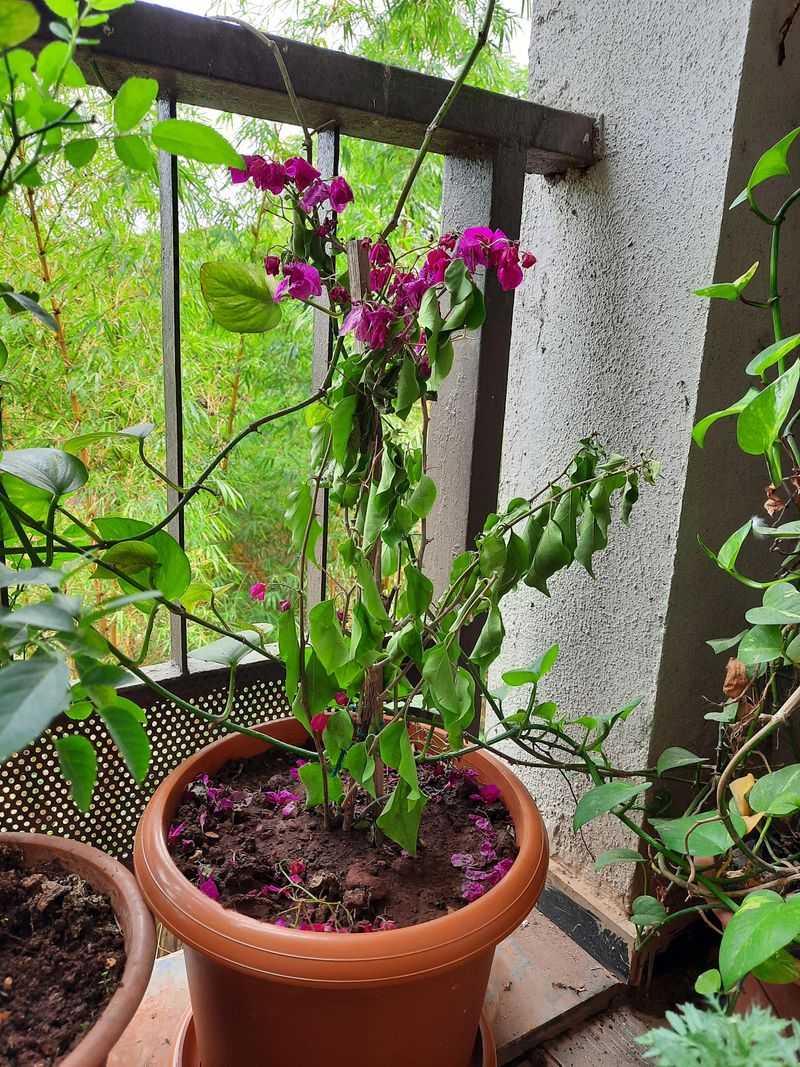
Here is something that surprises almost every new bougainvillea grower: this plant actually blooms better when you water it less.
Bougainvillea is native to regions that experience distinct dry periods, and that slight drought stress is part of what triggers it to produce flowers.
When the soil stays constantly wet, the plant shifts all its energy into growing more leaves and roots instead of putting out blooms.
Overwatering is especially common in Michigan because indoor growing conditions during fall and winter mean less sunlight and cooler air, both of which slow down how quickly the soil dries out.
A pot that dries out in three days during a hot Michigan summer might stay wet for two weeks when the plant is sitting indoors in October.
Checking the top two inches of soil before every watering is the simplest and most reliable way to avoid giving the plant too much moisture.
Good drainage is just as important as watering frequency, so always make sure your container has holes in the bottom and that water flows freely out when you do water.
A well-draining potting mix designed for cacti or tropical plants works much better than standard potting soil for bougainvillea.
Once you get the watering rhythm right for Michigan’s indoor conditions, you will often see new flower buds forming within just a few weeks of allowing the plant to dry out properly between waterings.
5. Excess Fertilizer Encourages Leaves Instead Of Flowers
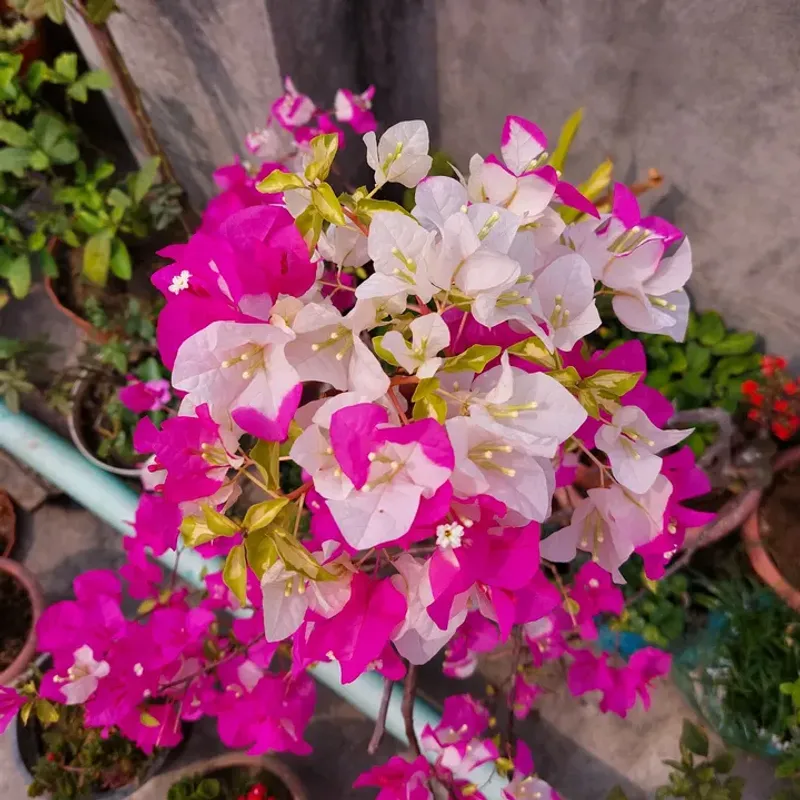
Feeding your plants feels like the right thing to do, but with bougainvillea, more fertilizer is often the exact opposite of what you want.
High-nitrogen fertilizers are designed to push fast, leafy green growth, and bougainvillea responds to them enthusiastically by producing big, beautiful leaves and almost no flowers.
It is one of those situations where doing what feels helpful actually works against you.
Michigan gardeners who fertilize their bougainvillea regularly with a standard all-purpose plant food often end up with the lushest, greenest plant on the block and zero blooms to show for it.
The fix is surprisingly simple: switch to a fertilizer that is low in nitrogen and higher in phosphorus, since phosphorus is the nutrient that actually supports root health and flower production.
Products labeled as bloom boosters or flowering plant fertilizers are good options to look for.
During the active growing season from late spring through summer, feeding your bougainvillea once every four weeks with a low-nitrogen fertilizer gives it just enough nutrition to support healthy growth without pushing all that energy into leaves.
During the winter months when the plant is indoors in Michigan and receiving less light, you can cut back fertilizing significantly or stop it altogether until spring returns.
Letting the plant rest during those cooler, darker months actually sets it up for a much stronger bloom cycle when warm weather arrives again.
6. Container Size And Root Conditions Affect Blooming
Most gardeners assume that giving a plant more room to grow always leads to better results, but bougainvillea completely flips that idea on its head.
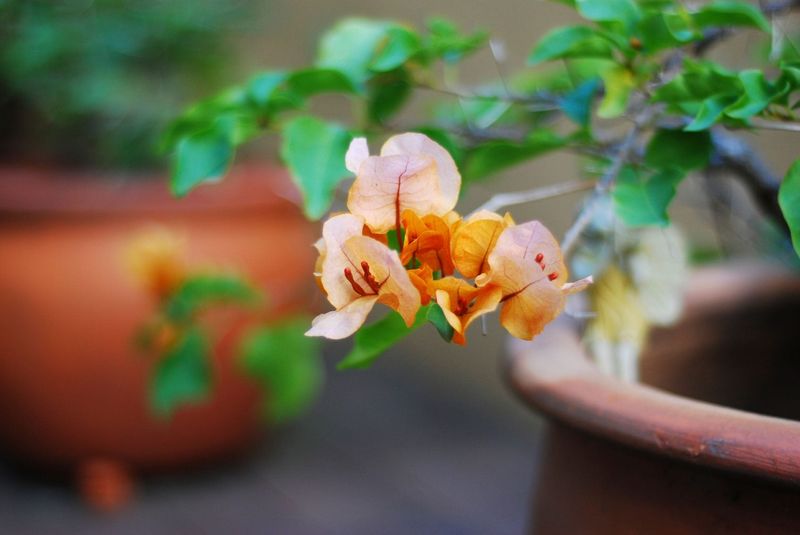
This plant actually blooms most freely when its roots are slightly crowded inside the container, a condition gardeners call being root-bound.
When roots fill the pot and have nowhere left to spread, the plant interprets that as a signal to focus energy on reproduction, which means flowers.
Planting bougainvillea in an oversized container in Michigan is one of the most common mistakes that leads to a beautiful plant with no blooms.
The extra soil in a large pot holds more moisture, which the roots cannot absorb quickly, and the plant spends all its time growing more roots and foliage to fill that space.
Choosing a pot that is only one to two inches wider than the root ball keeps things just snug enough to encourage flowering.
When you do need to repot because the plant has truly outgrown its container, move up only one pot size at a time and do it right after a blooming cycle ends rather than before one begins.
Terracotta pots are a popular choice among Michigan bougainvillea growers because they allow the soil to breathe and dry out more evenly, which supports that ideal slightly dry condition the plant loves.
Getting the container size right is one of the easiest and most impactful adjustments you can make for better blooms.
7. Lack Of Seasonal Stress Prevents Flowering Cycles
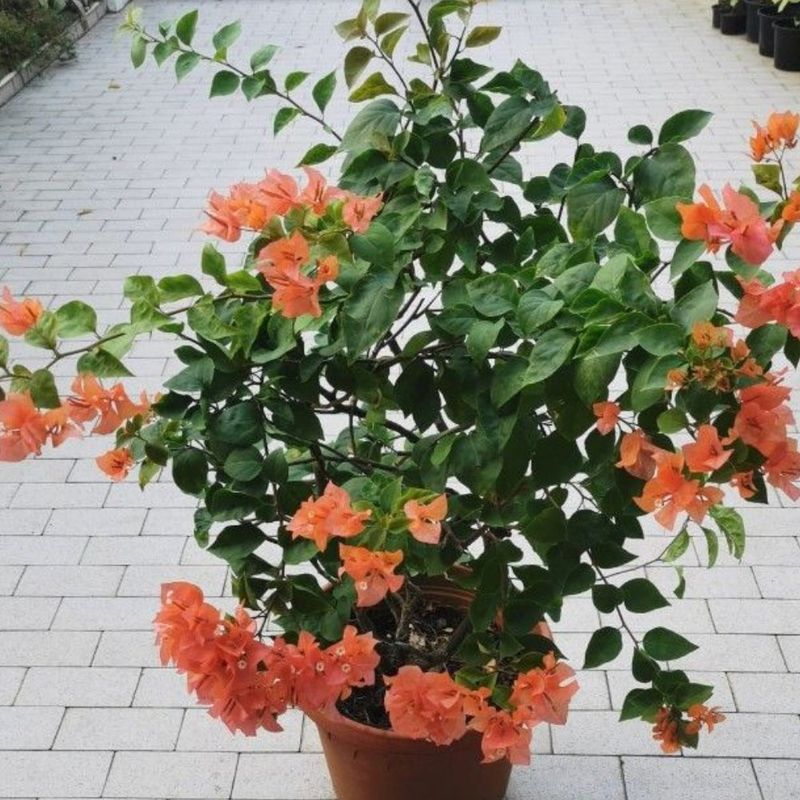
Bougainvillea is a plant that actually needs a little bit of tough love to do its best work. In its native tropical habitat, it experiences natural cycles of heat, reduced rainfall, and dry periods that trigger the plant to produce flowers as part of its survival response.
When Michigan gardeners keep their bougainvillea in perfectly comfortable indoor conditions all year long with consistent watering and steady temperatures, the plant simply has no reason to bloom.
Recreating that natural stress cycle indoors in Michigan is easier than it sounds and makes a dramatic difference in bloom production.
Starting in late fall, after the plant has come back inside, reduce watering significantly and allow the soil to stay dry for longer stretches than usual.
Keep the plant in a cool but frost-free spot, somewhere around 55 to 60 degrees Fahrenheit, with bright light for about four to six weeks before you want it to bloom.
After that controlled rest period, move the plant back to your warmest, sunniest window or under a grow light, resume regular watering, and watch what happens over the next few weeks.
Most Michigan gardeners who try this method for the first time are genuinely amazed at how quickly new growth appears followed by a flush of vivid color.
That simple cycle of rest and revival is the secret weapon that turns a stubbornly green bougainvillea into the showstopper it was always meant to be.