Why Those Chewed Leaves In Michigan Gardens Often Appear Overnight In Spring
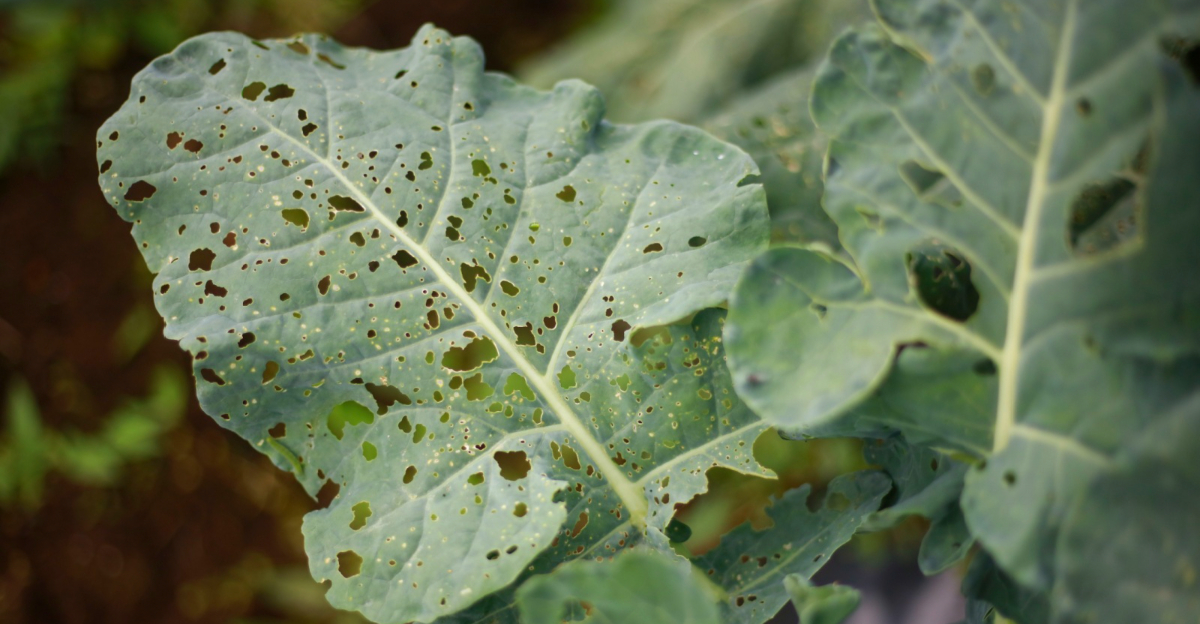
You check your plants in the evening and everything looks fine, then by morning the leaves are full of holes. It’s a familiar spring moment in Michigan, and it can feel like the damage appeared overnight.
In many cases, that’s exactly what happened. As soil warms and nights stay damp, a range of pests become active after dark, feeding on tender new growth while the garden is quiet.
Slugs, caterpillars, beetles, and even larger visitors take advantage of these conditions.
Knowing who is active and when they feed can help Michigan gardeners respond more quickly and keep early growth on track.
1. Slugs Feed At Night And Leave Ragged Holes By Morning
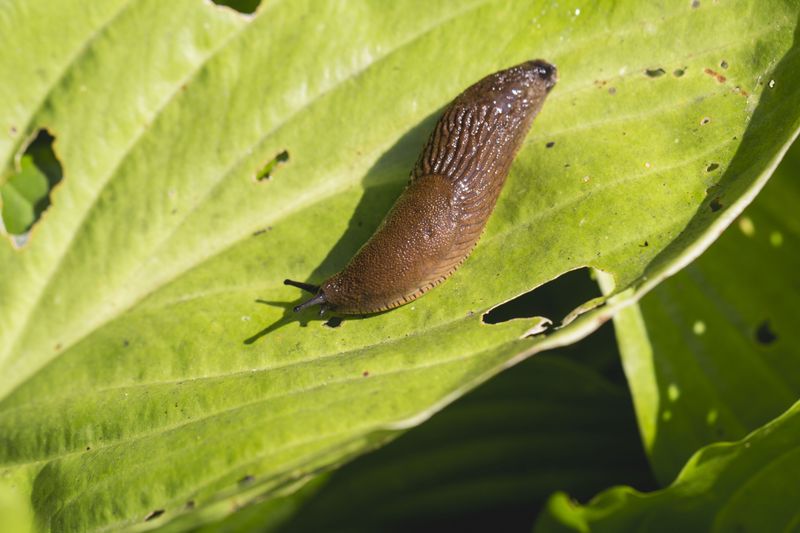
Walking out to your Michigan garden on a cool spring morning and finding hosta leaves riddled with irregular holes is one of the most frustrating surprises of the season.
Slugs are often behind that damage, and because they feed exclusively after dark, most gardeners never actually see them in action.
By the time the sun comes up, they have already retreated to moist, shaded hiding spots under mulch, boards, or dense ground cover.
Slugs thrive in Michigan’s wet spring conditions. Cool nights and damp soil create the exact environment they prefer, and tender new leaves are far easier for them to chew through than tougher mature foliage.
Hostas, lettuce, marigolds, and young seedlings tend to be hit hardest. One reliable clue is the silvery slime trail they leave behind on leaves, pots, and soil surfaces.
To reduce slug activity, try removing excess mulch near plant bases and clearing debris where they like to hide during the day. Handpicking slugs in the evening with a flashlight is surprisingly effective.
Iron phosphate-based slug baits are widely considered a safer option for gardens where pets or wildlife are present.
Checking plants consistently in the early morning hours gives Michigan gardeners the best chance of catching signs of slug activity before damage spreads to neighboring plants.
2. Cutworms Clip Seedlings Right At The Soil Line
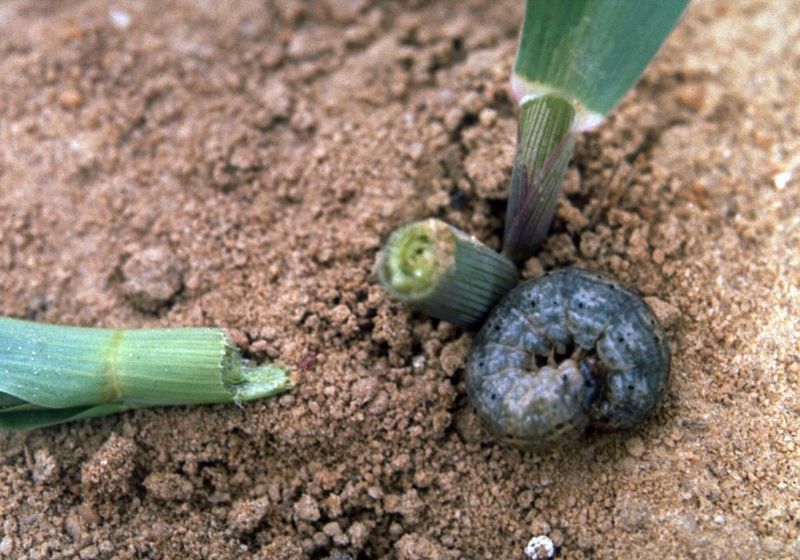
Finding a healthy seedling completely toppled over with its stem cut cleanly at the soil line is a classic sign that cutworms have been at work overnight.
These plump, grayish caterpillars are the larvae of several moth species, and they spend their days curled up just beneath the soil surface near plant stems.
After dark, they emerge and begin chewing through stems, often taking out entire seedlings in a single night.
In Michigan, cutworm activity typically picks up in early to mid-spring, right around the time gardeners are transplanting tomatoes, peppers, and other warm-season vegetables.
The damage can look baffling because the seedling appears undisturbed above the cut, almost as if it was snipped with scissors.
Checking the soil within a few inches of the affected plant often reveals the culprit curled up nearby.
One of the most practical ways to protect seedlings is placing a physical collar around each plant at transplant time.
Your Michigan Garden Changes Every Week. Your Plan Should Too.
Gardening in Michigan changes quickly throughout the season. Every Friday you’ll receive a simple weekly plan showing exactly what to plant, prune, fertilize, harvest, and protect so you never miss the right timing.
A simple cardboard tube or a cut section of a plastic bottle pressed an inch or two into the soil creates a barrier that cutworms struggle to get past.
Tilling garden beds in early spring can also expose larvae to birds and cold air, reducing their numbers before planting season begins. Consistent monitoring right after transplanting gives Michigan gardeners the best chance of catching problems early.
3. Flea Beetles Create Tiny Shot Holes In Young Leaves
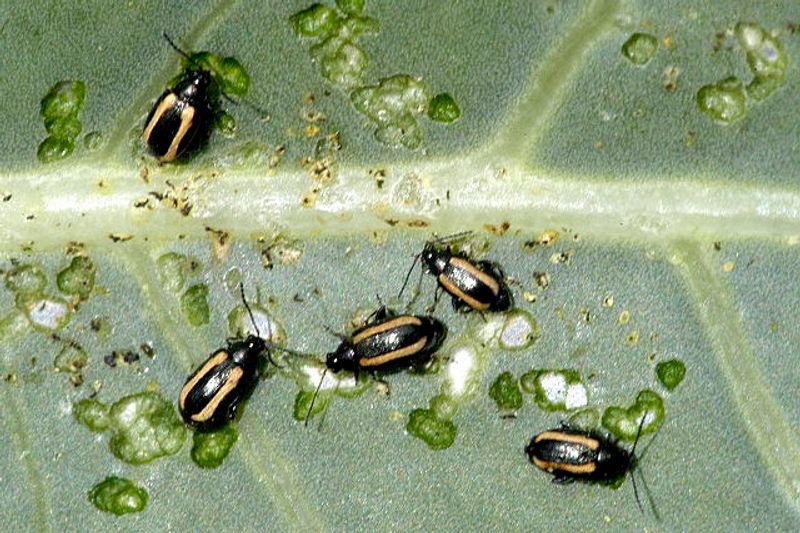
Spotting leaves that look like they were peppered with a tiny hole punch is a sure sign that flea beetles have moved in.
These small, shiny beetles are named for their impressive jumping ability, and they are among the earliest insect pests to become active in Michigan each spring.
Soil temperatures reaching the mid-50s Fahrenheit are often enough to wake them up and send them searching for food.
Flea beetles target young, tender leaves with particular enthusiasm, and plants in the brassica family, including kale, radishes, cabbage, and arugula, tend to suffer the most.
A light infestation leaves scattered small holes that look more cosmetic than serious.
But when populations are high, especially on seedlings that have not yet developed strong root systems, the damage can accumulate quickly and stress plants significantly.
Row covers placed over seedlings immediately after planting are one of the most reliable ways to keep flea beetles away from vulnerable plants.
Delaying transplanting until plants are more established and vigorous can also help, since stronger plants recover from minor feeding damage much more easily.
Removing weedy brassica plants from around the garden in early spring reduces overwintering sites where flea beetle populations build up.
Michigan gardeners who catch the early signs of shot-hole damage and act quickly tend to experience far less frustration with these tiny but persistent spring pests.
4. Caterpillars Chew Larger Irregular Sections Overnight
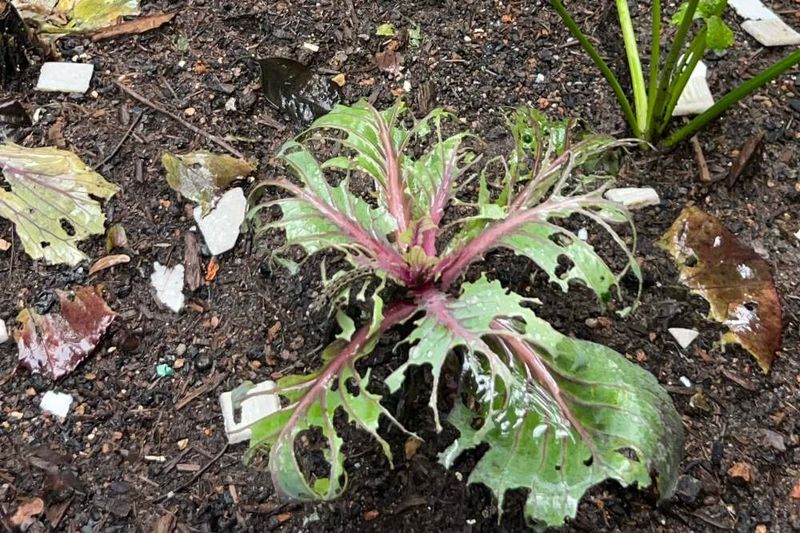
Waking up to find entire sections of leaves gone, with only the main veins remaining, points toward caterpillar feeding rather than the smaller puncture-style damage left by beetles or flea beetles.
Several caterpillar species become active in Michigan gardens during spring, hatching from eggs that overwintered on plant stems, bark, or fallen leaves nearby.
Because they feed mostly at night or during cooler parts of the day, their presence often goes unnoticed until the damage becomes obvious.
Caterpillars can consume a surprisingly large amount of leaf material in a single night, especially when they are in their later larval stages and growing quickly. Tomato plants, cabbages, and ornamental flowers are common targets.
Looking carefully along leaf undersides, stems, and the soil near affected plants often reveals the caterpillar responsible, since they tend to rest close to where they have been feeding.
Handpicking caterpillars in the evening is a straightforward and effective approach for smaller gardens.
Bacillus thuringiensis, commonly known as Bt, is a naturally occurring soil bacterium that affects caterpillars specifically and is widely used in organic gardening.
Encouraging birds to visit Michigan gardens by adding feeders or birdbaths helps keep caterpillar populations in check naturally over time.
Checking plants every morning during spring, when new growth is emerging rapidly, gives gardeners the clearest picture of which plants may need additional protection.
5. Earwigs Feed In Hidden Spots And Come Out After Dark
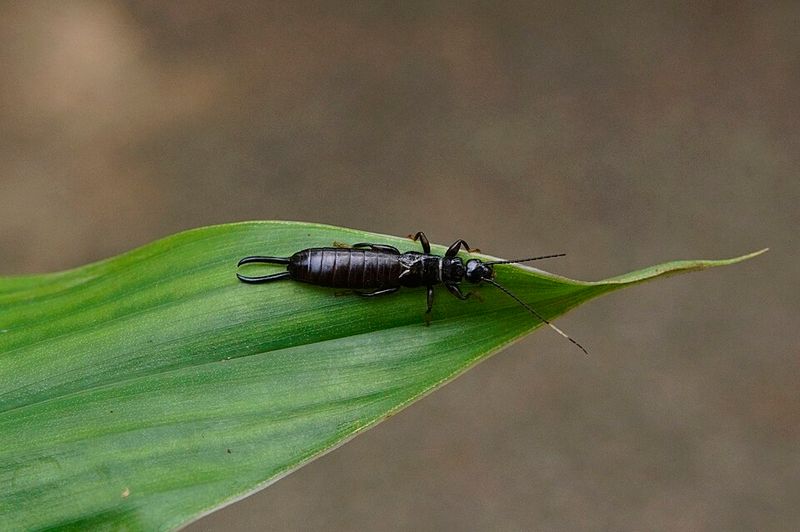
Earwigs have a reputation that is perhaps worse than their actual impact, but when populations are high in a Michigan garden, they can cause noticeable damage to a wide range of plants.
These reddish-brown insects with their distinctive rear pincers spend their days tucked into tight, dark spaces, including under mulch, inside rolled leaves, beneath pots, and in the crevices of wooden raised beds.
After dark, they emerge and begin feeding on soft leaf tissue.
The damage earwigs leave behind can look similar to slug feeding, with ragged, irregular holes scattered across leaves. The key difference is that earwigs do not leave slime trails.
Vegetables, soft-stemmed flowers like dahlias and marigolds, and young seedlings tend to attract the most earwig attention during Michigan’s spring months when soil moisture is high and new growth is abundant.
Reducing earwig hiding spots is one of the most practical management strategies available.
Pulling mulch a few inches away from plant stems, removing boards and debris from garden edges, and keeping the garden generally tidy limits the daytime shelter earwigs rely on.
Trapping earwigs using rolled damp newspaper or cardboard tubes placed near affected plants can capture large numbers overnight. Sprinkling diatomaceous earth around plant bases creates a physical barrier that earwigs find difficult to cross.
Consistent monitoring in Michigan gardens during April and May tends to catch earwig activity before it causes serious plant stress.
6. Deer Can Strip Foliage In A Single Night
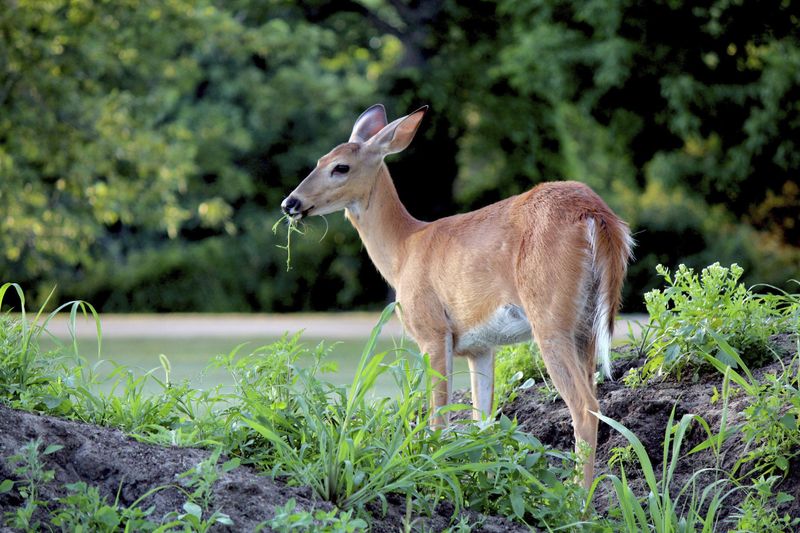
Few garden experiences match the shock of stepping outside to find plants that were lush and full the evening before now stripped down to bare stems.
Deer are capable of consuming an enormous amount of plant material in a short time, and Michigan’s suburban and rural gardens are well within their territory.
Spring is particularly risky because deer are hungry after winter, and the tender new growth emerging in gardens is highly attractive to them.
Unlike insect feeding, deer damage has a distinctive look. Leaves and stems are torn rather than cleanly cut, because deer do not have upper front teeth and instead pull and rip at foliage.
Hoof prints in soft spring soil and small piles of droppings near damaged plants are reliable confirmation. Arborvitae, hostas, tulips, and many vegetable plants rank among their preferred targets in Michigan landscapes.
Physical barriers remain the most dependable protection against deer. A fence at least eight feet tall is generally needed, since deer are capable jumpers.
Smaller enclosures or individual plant cages work well for raised beds and high-value plantings. Deer repellent sprays applied to foliage can discourage browsing, though they need reapplication after rain.
Planting deer-resistant species around the garden perimeter can also reduce how often deer venture into the main growing area.
Michigan gardeners in areas with regular deer pressure often find that combining fencing with repellents gives the most consistent results through the growing season.
7. Rabbit Browsing Leaves Clean Angled Cuts On Plants
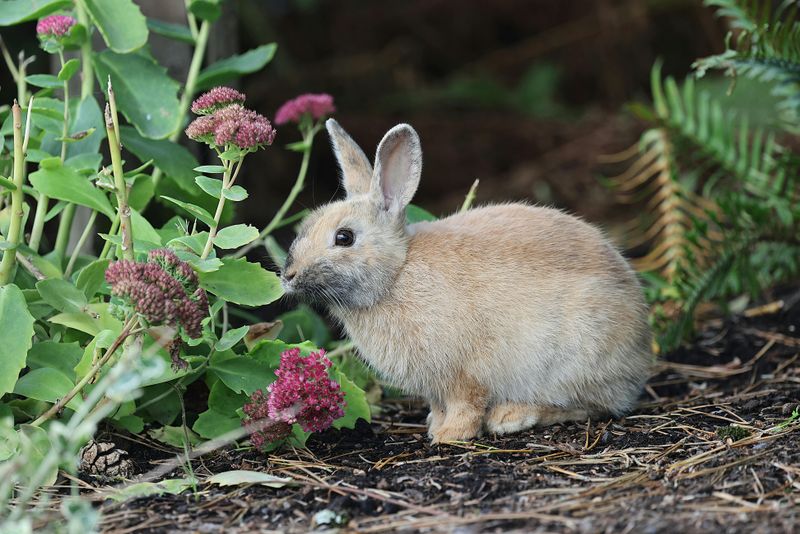
Clean, angled cuts on stems and lower leaves, almost as precise as a pair of scissors would make, are a hallmark of rabbit browsing.
Rabbits are common visitors to Michigan gardens throughout spring, drawn in by the fresh, tender growth that emerges after the long winter.
Unlike deer, which tear at plants, rabbits use their sharp front teeth to clip stems and leaves at a sharp diagonal angle, often removing entire seedlings at just an inch or two above the soil.
Beans, peas, lettuce, young hostas, and newly transplanted flowers are frequent targets. Rabbits tend to browse close to the ground, so damage is typically concentrated on the lower portions of plants.
Small, round droppings scattered near the feeding area are another reliable indicator. In Michigan’s spring, when gardens are just getting established and plants are still small, rabbit browsing can set back an entire planting in a single night.
Low wire fencing buried a few inches into the soil is one of the most effective rabbit deterrents available. The buried section prevents rabbits from digging underneath, which they will attempt if given the opportunity.
Individual plant cages made from hardware cloth work well for protecting high-value seedlings. Repellent sprays containing hot pepper or predator scents can reduce rabbit interest, though consistent reapplication is needed.
Michigan gardeners who install barriers before plants emerge tend to avoid the most frustrating rabbit damage of the spring season.
8. Spring Growth Is More Vulnerable To Sudden Damage
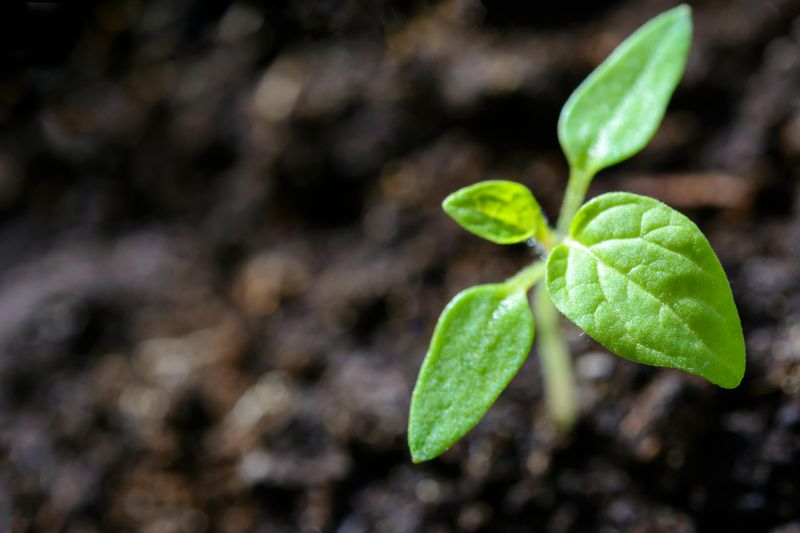
There is something about early spring growth that makes plants almost irresistible to every pest in the neighborhood.
New leaves are softer, higher in moisture, and packed with nutrients compared to mature foliage, which makes them far easier for insects and animals to chew through.
In Michigan, this window of vulnerability lines up almost perfectly with the surge in pest activity that comes with warming temperatures and longer days.
Plants that have just germinated or been recently transplanted are operating without fully developed root systems, which means they have less energy in reserve to recover from feeding damage.
A seedling that loses even a moderate amount of leaf tissue early in its development can struggle to keep up with the season.
This is why damage that might be manageable on a mature plant can feel devastating on a young one.
Staying proactive during the first several weeks of spring is the most effective approach Michigan gardeners can take.
Checking plants in the early morning, when nocturnal pests are finishing their feeding and evidence is freshest, makes identification much easier.
Keeping a simple garden journal to note when and where damage appears can reveal patterns over time.
Using row covers, physical barriers, and targeted treatments as soon as the first signs of damage appear helps protect plants through the most vulnerable stage of the season, giving them a much stronger foundation for the rest of the growing year.