The Spring Fertilizing Mistake Hurting Palms Across Texas
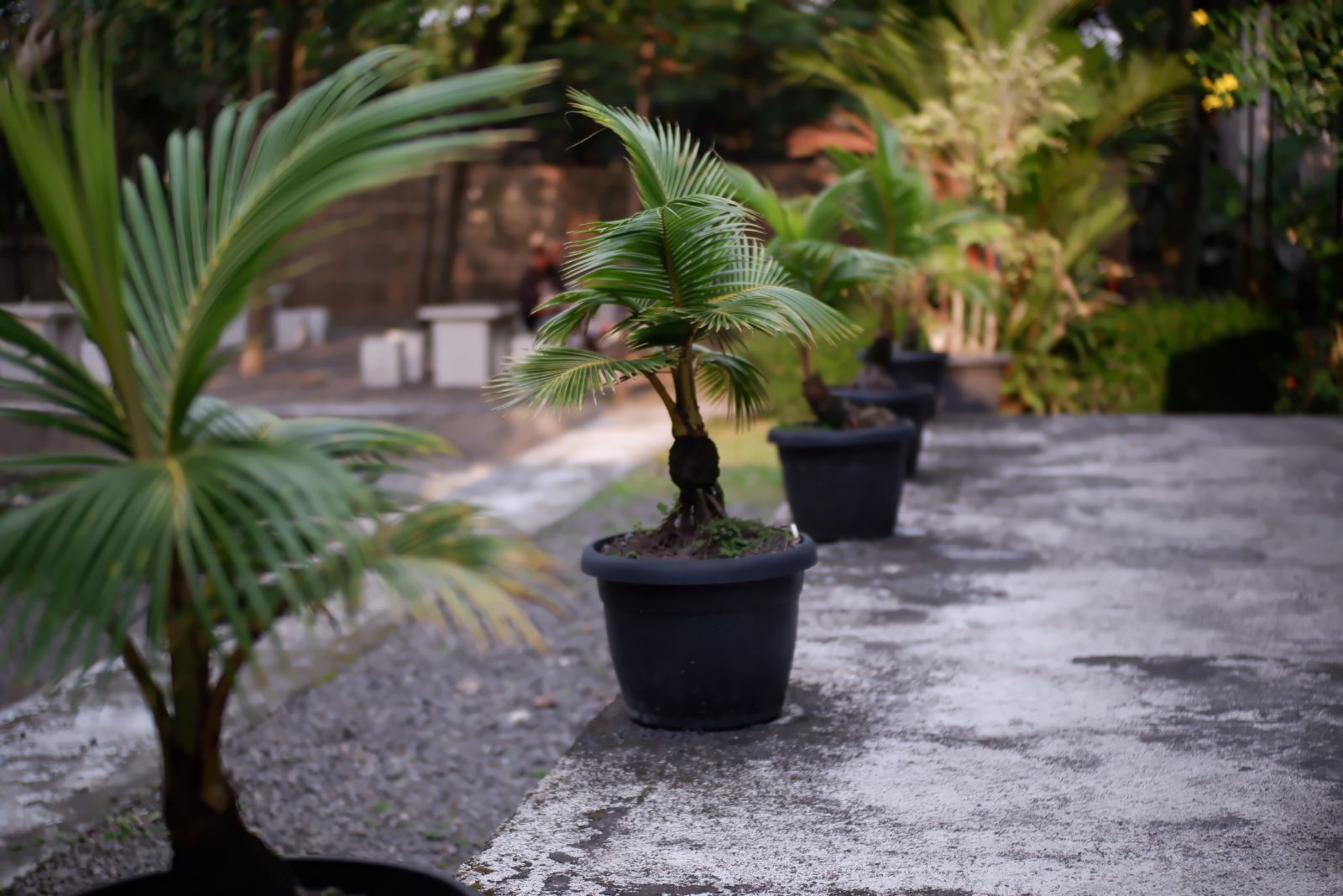
Spring in Texas has a way of making everything look ready for a fresh start, and palm trees are no exception.
As temperatures rise and lawns turn green again, many homeowners start giving their landscapes extra attention, hoping to help every plant grow faster, fuller, and healthier.
Palms often seem easy enough to manage, which is exactly why one common spring habit causes so many problems without anyone noticing at first. A tree that looked fine one week can start showing yellow leaves, weak growth, or a worn-out appearance not long after.
What makes this especially frustrating is that the damage usually comes from good intentions. People want to give their palms a boost, but a simple misstep during spring care can create stress instead.
In a state like Texas, where heat, soil conditions, and regional weather already make palm care a little tricky, that mistake can hit even harder. Knowing what to avoid can make the difference between a palm that thrives through the season and one that struggles all the way into summer.
Using The Wrong Fertilizer Is The Spring Mistake Hurting Texas Palms

Walk into almost any garden center in Texas, and you will find rows of colorful fertilizer bags all promising lush, green growth.
Many gardeners grab one of these general-purpose options without a second thought. After all, fertilizer is fertilizer, right? Not exactly.
Palms are not like most other plants in your yard. They have very specific nutrient needs that most all-purpose fertilizers simply do not meet.
A standard lawn or garden fertilizer might be loaded with nitrogen, which sounds helpful, but too much nitrogen without the right balance of other nutrients can actually set your palm back. It pushes fast, weak growth instead of strong, steady development.
Across Texas, this is one of the most common spring mistakes palm owners make. They see their neighbor using a certain fertilizer on their roses or grass and figure it will work on their palms too.
But palms respond differently. What feeds one plant well can leave a palm looking pale, weak, or even worse off than before.
The issue comes down to what palms actually need versus what generic fertilizers deliver. Palms are heavy feeders of specific nutrients like potassium, magnesium, and certain micronutrients.
Most general fertilizers skip or shortchange these. When palms do not get enough of these key nutrients, their health starts to slip in ways that show up clearly in the fronds and overall shape of the tree.
Recognizing that palms need their own special formula is the first step toward fixing the problem. Once you understand why palms are different, the right solution becomes much easier to find.
Why Palms Need A Different Kind Of Fertilizer
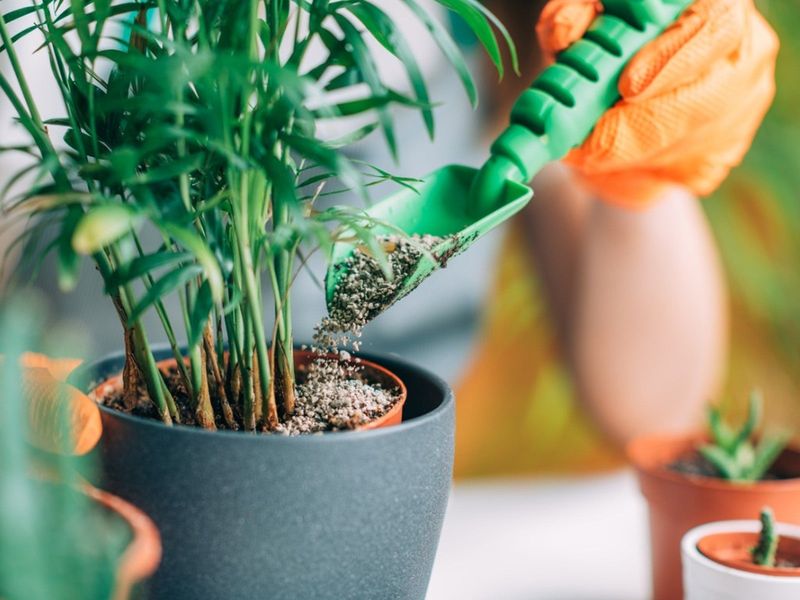
Palms are fascinating plants. They have been growing on Earth for millions of years, and they have developed some very specific needs along the way.
One of the biggest needs is for nutrients that most other plants do not require in large amounts.
Your Texas Garden Changes Every Week. Your Plan Should Too.
Gardening in Texas changes quickly throughout the season. Every Friday you’ll receive a simple weekly plan showing exactly what to plant, prune, fertilize, harvest, and protect so you never miss the right timing.
Potassium is one of the most important nutrients for palms. It helps them handle heat, drought, and stress, which are all things Texas palms deal with regularly.
Without enough potassium, palms become fragile and slow to recover from damage. Magnesium is another key player.
It supports chlorophyll production, which is what keeps fronds looking rich and green. Without it, fronds start to look yellow or washed out.
Palms also need a range of micronutrients like manganese, iron, and boron. These are not needed in huge amounts, but they matter a lot.
A palm missing even one of these nutrients can start to look sick pretty quickly. Standard garden fertilizers often leave these micronutrients out entirely or include them in amounts too small to be useful for palms.
Another thing that makes palms unique is how they absorb nutrients. Unlike many plants, palms cannot move nutrients from older fronds to new ones.
So if a palm is running low on something important, the deficiency shows up in the new growth at the top. That is why the problem can look so dramatic and develop so fast.
Choosing a fertilizer that is specifically designed for palms, with the right mix of nutrients, is not just a nice upgrade. For Texas palms trying to thrive through a hot growing season, it is a real necessity.
How The Wrong Fertilizer Shows Up On Texas Palms
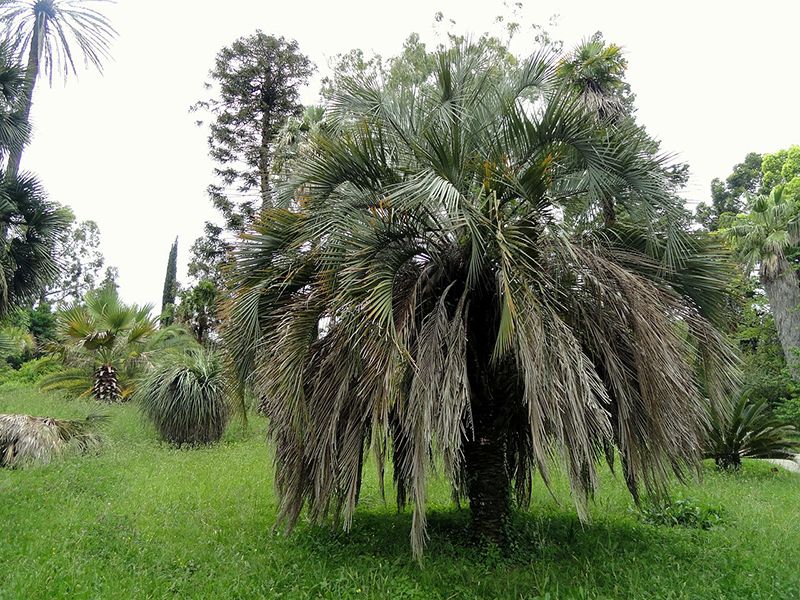
Sometimes the signs are subtle at first. A few fronds look a little off. The color seems slightly faded. Then, over a few weeks, things start to look noticeably worse.
That slow decline is often the result of using the wrong fertilizer during spring feeding season.
One of the most common signs is yellowing fronds. When palms do not get enough magnesium or potassium, the leaves lose their deep green color and start to turn yellow, often starting at the tips or edges.
In Texas, where palms are a big part of the landscape in cities like Austin and Corpus Christi, this yellowing can make a beautiful yard look tired and neglected.
Browning frond tips are another red flag. This often happens when too much nitrogen is applied without enough of the balancing nutrients.
The roots can also be affected when fertilizer increases soil salinity, pulling moisture away from the roots and causing the tips to brown and crisp up.
Weak new growth is also a sign worth watching. Healthy palms produce strong, upright new fronds that unfurl with good color and structure.
When nutrients are off, new fronds may emerge looking pale, small, or misshapen. They might lean to one side or fail to open fully. An overall dull, droopy appearance is another clue. A well-fed palm stands tall and proud.
A nutrient-stressed palm looks flat and lifeless, even in the middle of a warm Texas spring when everything else in the yard is thriving.
Catching these signs early gives you the chance to correct course before the damage becomes more serious.
Why Texas Conditions Make The Problem Worse
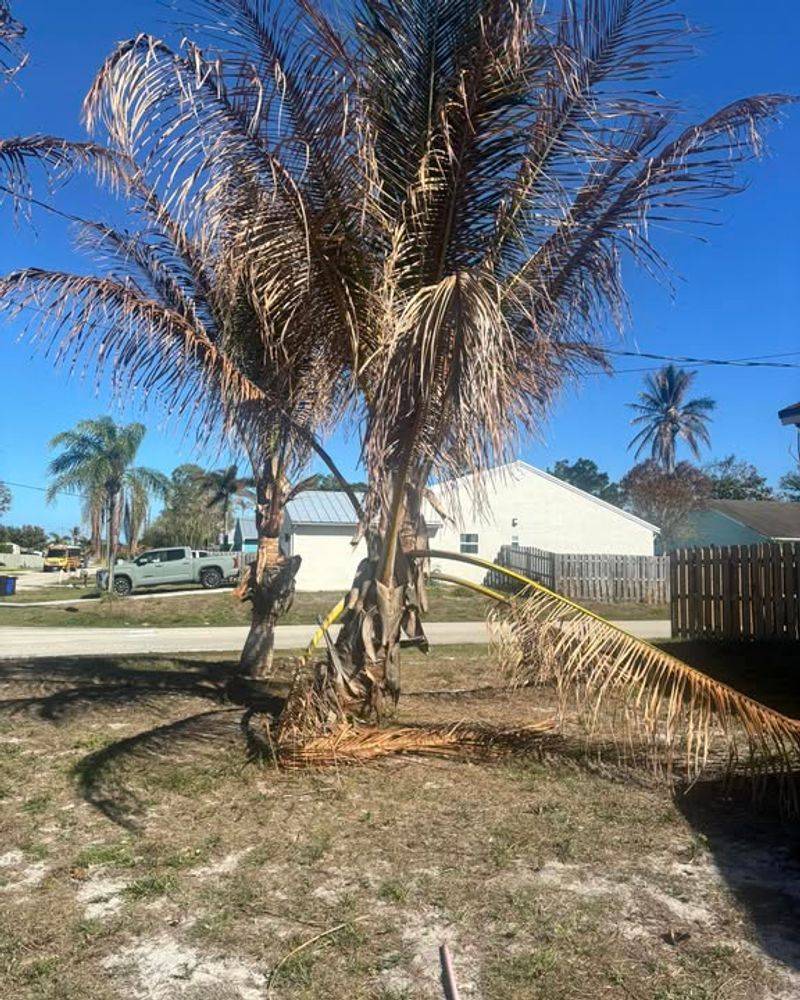
Texas is not an easy place to grow plants. The heat is intense, the soils vary wildly from region to region, and weather patterns can swing from drought to flooding in a matter of weeks.
All of these factors play a role in how palms absorb nutrients, and they can make using the wrong fertilizer even more damaging.
Sandy soils, which are common in parts of South Texas and along the Gulf Coast, drain very quickly. That means nutrients wash out of the root zone fast, especially with frequent watering or heavy rain.
When you apply a fertilizer that is already missing key nutrients, sandy soil makes the problem worse by flushing out whatever little goodness was there to begin with.
Alkaline soil is another challenge in many parts of Texas, especially in Central and West Texas. High soil pH makes it harder for palms to absorb certain nutrients, particularly iron and manganese.
Even if those nutrients are present in the soil, the palm may not be able to take them in. Applying the wrong fertilizer on top of an already challenging soil condition compounds the stress significantly.
Heat is a factor too. During a hot Texas spring, palms are working hard to push out new growth.
Their nutrient demands are high, and any gap in what they receive shows up fast. Heavy watering during dry spells can also leach nutrients deeper into the soil, moving them out of reach of the roots.
All of these local conditions mean that Texas gardeners need to be extra thoughtful about what they apply. A one-size-fits-all approach simply does not hold up in a state with such demanding growing conditions.
What Texas Gardeners Should Use Instead
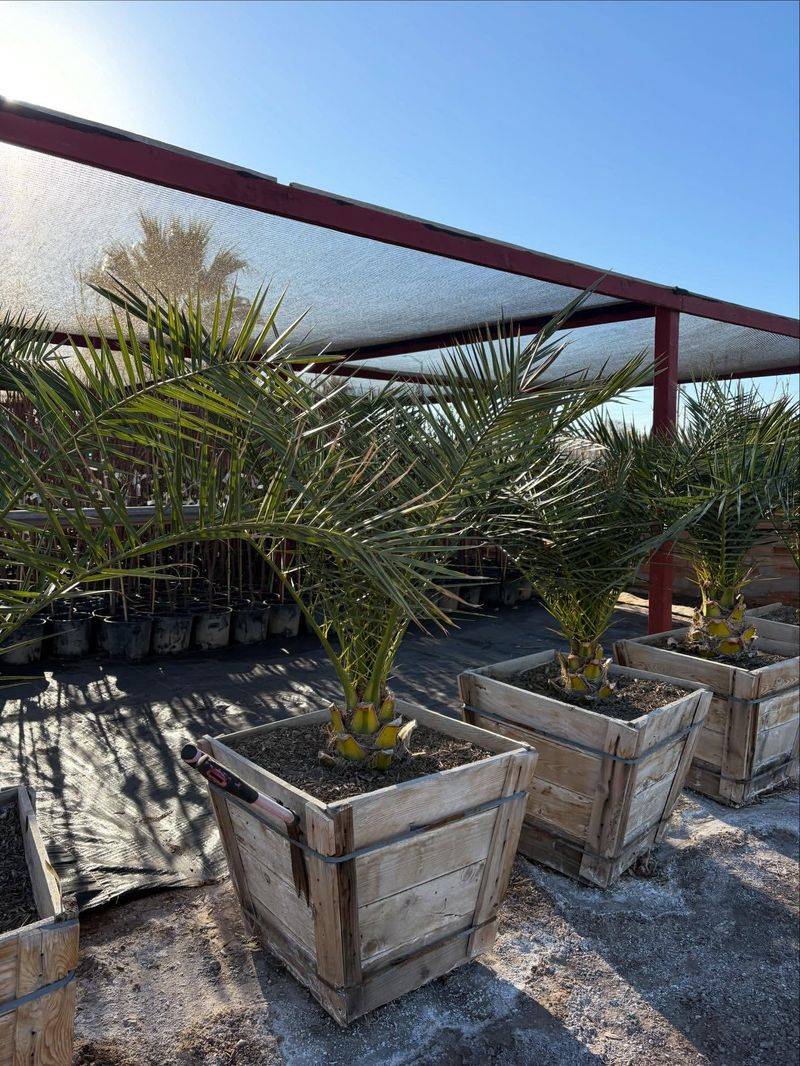
Good news: fixing this problem does not require a lot of complicated steps. The main change is simply switching to a fertilizer that is made specifically for palms.
These products are widely available at garden centers across Texas, and they make a noticeable difference.
Look for a slow-release palm fertilizer with a nutrient ratio close to 3:1:3, meaning equal parts nitrogen and potassium with lower phosphorus. This ratio supports steady, balanced growth without pushing too much fast, weak leafy production.
The fertilizer should also include magnesium and a range of micronutrients like iron, manganese, and boron. These extras are what truly set a palm-specific product apart from a generic bag of garden food.
Slow-release formulas are especially important in Texas. Because the state gets heavy rain at times and has fast-draining soils in many areas, a slow-release product holds nutrients in the soil longer.
It feeds the palm gradually over weeks or months rather than all at once. That steady supply is much more beneficial than a quick hit of nutrients that washes away before the palm can use them.
Avoid fertilizers that are very high in phosphorus. Palms do not need a lot of phosphorus, and too much can actually block the absorption of other important nutrients.
Also steer clear of products designed for lawns or flowering plants, as these are formulated for very different nutrient needs.
When in doubt, ask a local nursery expert or your county extension office for a product recommendation suited to your specific part of Texas. Local advice is always valuable when it comes to matching a product to your soil and climate conditions.
How To Fertilize Palms The Right Way This Spring
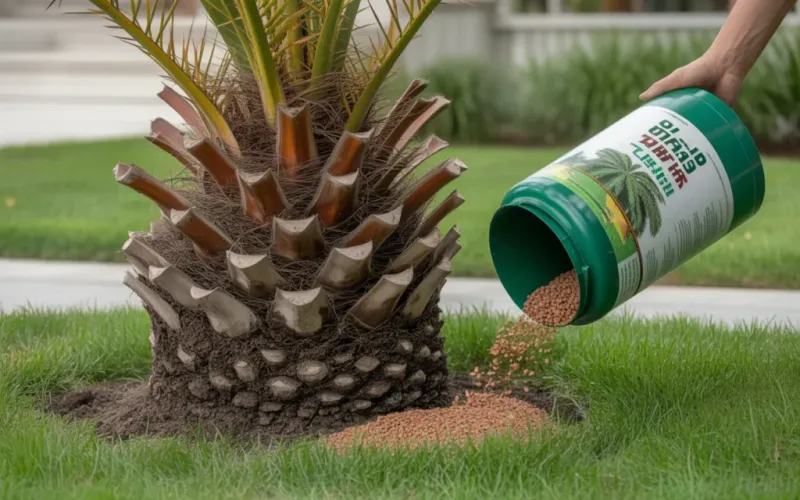
Having the right fertilizer is a great start, but how you apply it matters just as much as what you apply. Getting the timing, amount, and technique right will help your Texas palms grow stronger all season long.
Timing is everything in spring. Wait until your palm is actively growing before you fertilize. In Texas, this usually means waiting until mid-April or early May, when temperatures have warmed consistently and you can see new growth beginning at the top of the tree.
Fertilizing too early, when the palm is still dormant or barely waking up, means the nutrients may not be absorbed efficiently.
When you apply the fertilizer, spread it evenly around the entire root zone, not just right at the base of the trunk. The roots of a palm extend outward, so spreading the product in a wide circle under the canopy gives the roots the best chance to soak up what they need.
Avoid piling fertilizer directly against the trunk, as this can cause irritation to the bark. Follow the product directions carefully. More is not better when it comes to palm fertilizing.
Over-applying increases soil salinity, which pulls moisture out of the roots and causes browning and stress. Stick to the recommended rate on the label and resist the urge to double up.
Plan to fertilize palms in Texas about three times a year: spring, summer, and early fall. Skip winter feeding entirely, as palms slow down and do not need or use nutrients well during cooler months.
With the right product, proper timing, and a careful hand, your Texas palms can thrive through the heat and look their best all year long.