8 Pollinator Plants To Start In April In Texas That Thrive In Heat
April in Texas feels like a green light for gardeners. The days get longer, the sun gets stronger, and suddenly every yard, patio, and flower bed starts calling for attention.
If you have been thinking about adding more color to your space, this is also the perfect time to make it more inviting for butterflies, bees, and other helpful visitors. The best part is that you do not need delicate plants that fall apart the moment summer shows up.
Texas heat plays by its own rules, so it helps to start with varieties that can handle rising temperatures without losing their charm.
That is what makes pollinator-friendly planting in April such a smart move. You get a head start while the season is still mild enough for new plants to settle in, and you set your garden up for a much stronger show once the hotter months roll in.
With the right picks, your yard can stay lively, colorful, and full of movement long after spring fades.
1. Texas Lantana
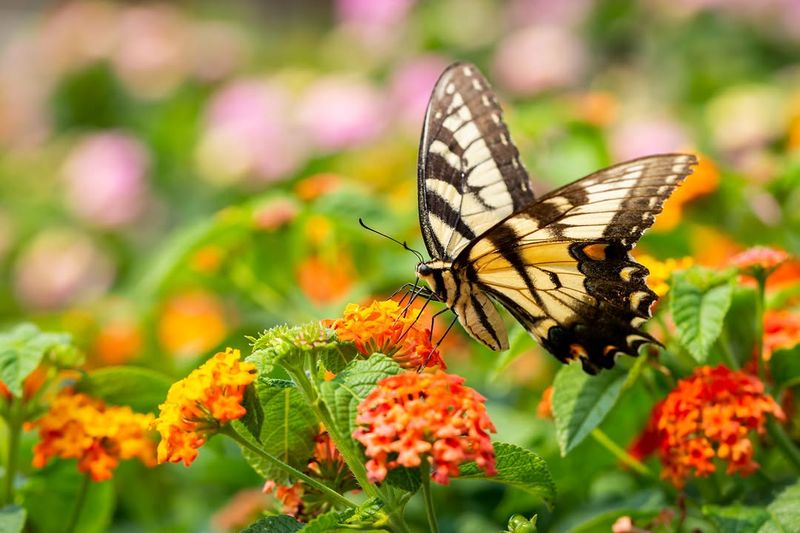
Few plants put on a show quite like Texas Lantana. This tough, colorful shrub is practically made for the Texas heat, and once it gets going, it barely needs any help from you.
The blooms come in fiery mixes of orange, red, and yellow, and they keep coming from spring all the way through fall without much fuss.
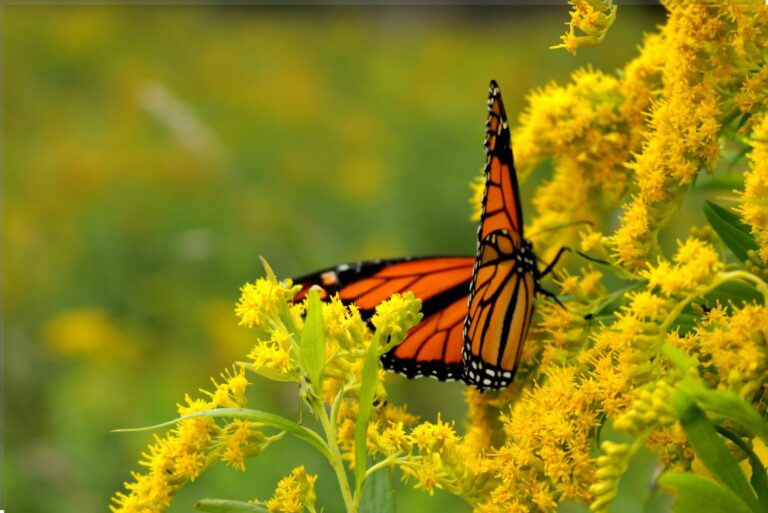
Butterflies absolutely love Texas Lantana. You will often spot swallowtails, monarchs, and painted ladies fluttering around the clusters of tiny flowers.
Plant it in a sunny spot with well-drained soil, and it will reward you with blooms season after season. In many parts of Texas, it even comes back year after year as a perennial.
One of the best things about Texas Lantana is how drought-tolerant it is. Once it is established, it can handle long dry spells without needing extra watering.
That makes it perfect for gardeners who want beauty without a lot of maintenance. Keep in mind that it spreads out wide, so give it some room to grow.
It looks amazing along borders, in raised beds, or spilling over garden walls. Starting it in April in Texas gives it plenty of warm weeks to get rooted before summer truly heats up.
2. Autumn Sage
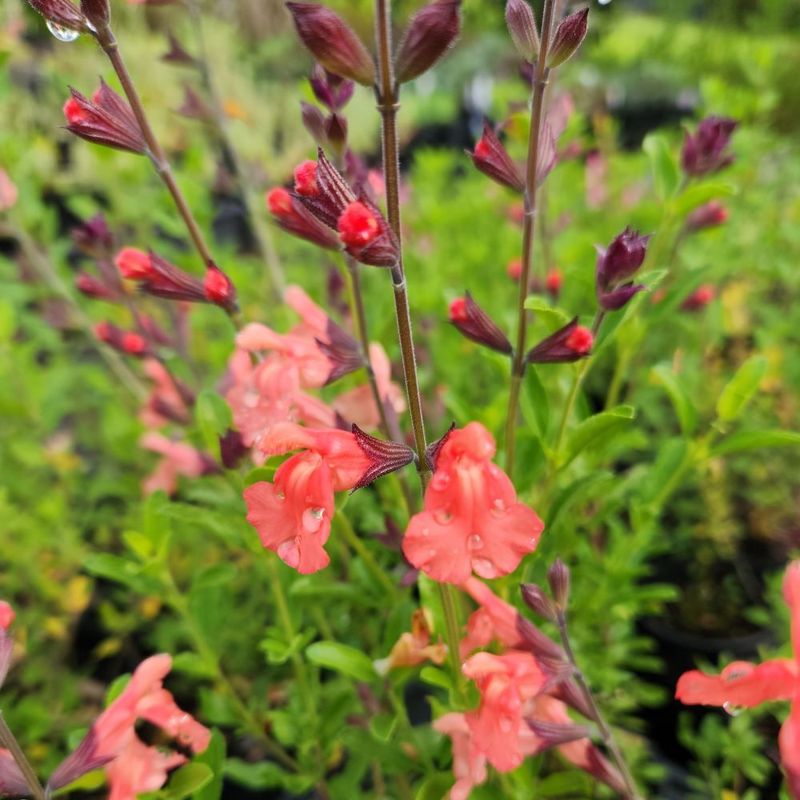
Autumn Sage, also known as Salvia greggii, is one of the most reliable bloomers you can grow in Texas. It is a native plant, which means it evolved right here and knows exactly how to handle the heat.
The tubular flowers come in shades of red, pink, coral, and even white, making it a colorful addition to any Texas garden.
Hummingbirds go absolutely wild for Autumn Sage. The long, narrow flowers are perfectly shaped for a hummingbird’s beak, and bees love them too.
Plant it in full sun with well-drained soil, and it will bloom heavily in spring and fall. Even during the hottest Texas summers, it keeps producing flowers with very little extra water needed.
What makes Autumn Sage especially great for April planting is how quickly it establishes. Within just a few weeks of going in the ground, it starts blooming.
Your Texas Garden Changes Every Week. Your Plan Should Too.
Gardening in Texas changes quickly throughout the season. Every Friday you’ll receive a simple weekly plan showing exactly what to plant, prune, fertilize, harvest, and protect so you never miss the right timing.
It is a compact plant, usually reaching about two to three feet tall, so it fits nicely in smaller garden spaces. Deadheading spent blooms encourages even more flowers to form.
It is a low-maintenance, high-reward plant that works beautifully in borders, container gardens, or naturalized areas across Texas. Gardeners from Houston to El Paso swear by it.
3. Zinnias
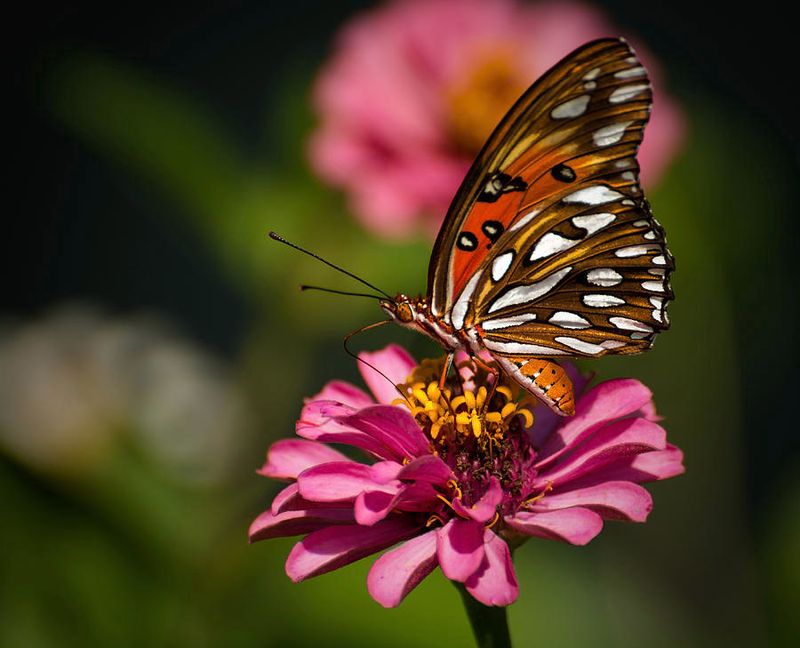
Zinnias are the ultimate summer flower for Texas gardeners. They grow fast, bloom big, and absolutely love the heat.
Direct sow the seeds right into your garden bed in April, and within weeks you will have tall, colorful plants covered in cheerful blooms. They come in nearly every color imaginable, from bright red and orange to soft pink and white.
Butterflies cannot resist zinnias. The wide, flat flower heads make perfect landing pads for monarchs, swallowtails, and skippers.
You will also notice bees and other beneficial insects visiting regularly. Zinnias bloom all summer long in Texas, which means your garden stays lively and colorful even during the hottest months.
The more you cut the flowers, the more they produce, so feel free to bring bouquets inside. Growing zinnias is beginner-friendly and budget-friendly. A single seed packet costs very little and can fill an entire garden bed.
They prefer full sun and regular watering, but once established, they handle Texas heat surprisingly well. Space them properly to allow good airflow, which helps prevent powdery mildew.
Tall varieties like ‘Benary’s Giant’ work great at the back of borders, while shorter types fill in the front beautifully. Plant them in April across Texas and enjoy months of nonstop color and pollinator activity all the way through October.
4. Mealy Blue Sage
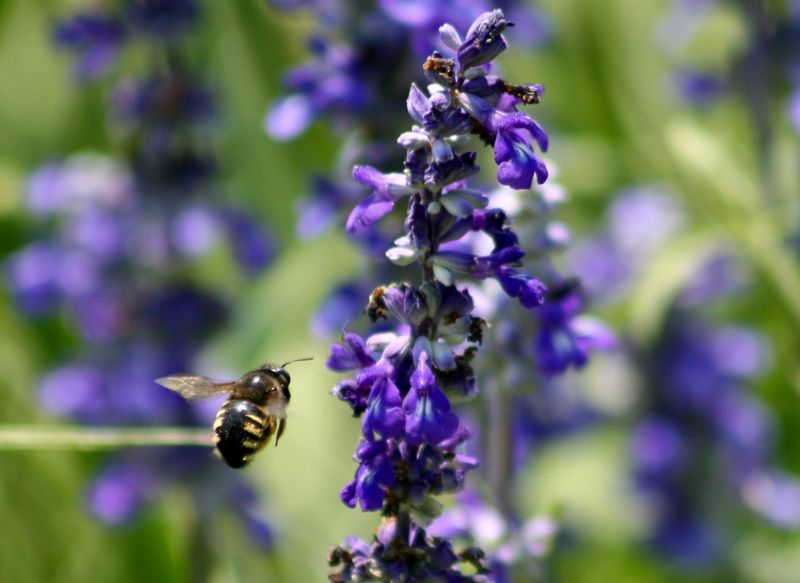
Mealy Blue Sage, known scientifically as Salvia farinacea, is one of Texas’s most beloved native plants. It produces tall, elegant spikes covered in small blue-purple flowers that seem to glow in the summer sun.
The silvery, powdery coating on the stems gives it a unique texture that looks beautiful in any garden setting.
Pollinators absolutely flock to Mealy Blue Sage. Bumblebees, honeybees, and native bees visit the flowers constantly throughout the day.
Hummingbirds also make regular stops, especially in areas around Central Texas and the Hill Country. The long blooming season means your garden will have steady pollinator traffic from spring well into fall, which is a huge win for your local ecosystem.
Planting Mealy Blue Sage in April in Texas gives it ideal conditions to establish before peak heat arrives. It thrives in full sun but can handle a bit of afternoon shade in hotter regions.
Well-drained soil is a must, as it does not like sitting in soggy ground. Once established, it handles drought like a champ.
It typically grows two to three feet tall and looks stunning when planted in groups. Pair it with orange zinnias or yellow coreopsis for a bold, eye-catching color combination that pollinators and people will both admire throughout the season.
5. Coreopsis
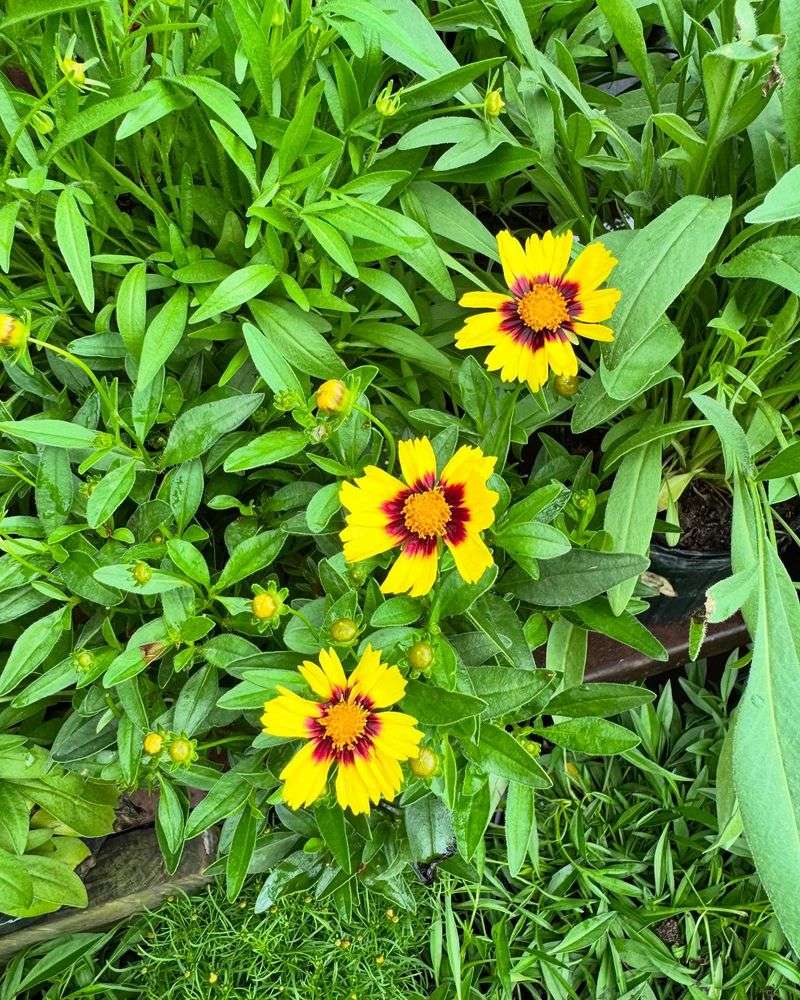
Sunshine in flower form, that is what Coreopsis feels like. Also called tickseed, this cheerful yellow bloomer is one of the easiest plants to grow from seed in April across Texas.
Scatter the seeds in a sunny spot, water them in, and watch them sprout within days. They grow quickly and start blooming while other plants are still getting settled.
Bees, butterflies, and other beneficial insects love Coreopsis. The bright yellow flowers are loaded with nectar and pollen, making them a top food source for pollinators throughout the warm season.
Native bee species in Texas especially benefit from having Coreopsis in the garden. It blooms heavily in spring and continues through the summer with regular deadheading to remove old flower heads.
Coreopsis is one of those plants that truly thrives on neglect in Texas. It prefers full sun and well-drained soil, and it handles heat and drought without complaint once it gets established.
It does not need much fertilizer, and overwatering can actually cause more harm than good. Most varieties grow one to two feet tall, making them perfect for the middle or front of a garden border.
The golden color pairs beautifully with blue salvias and purple verbena. Starting Coreopsis from seed in April in Texas is one of the smartest and most rewarding moves any gardener can make this spring.
6. Blanket Flower (Gaillardia)
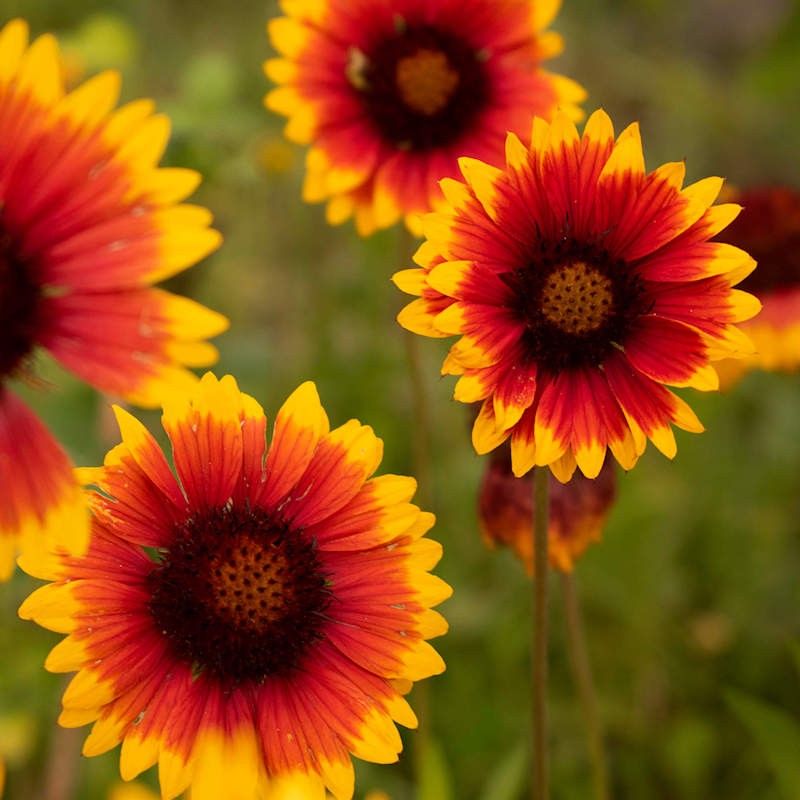
If there is one flower that looks like it was painted for Texas, it is the Blanket Flower. With its bold rings of red and yellow, Gaillardia looks like a tiny sunset sitting in your garden.
It is native to the American plains and perfectly adapted to hot, dry conditions, which makes it a natural fit for Texas landscapes.
Bees and butterflies visit Blanket Flowers constantly. The wide, open blooms make it easy for pollinators to land and feed, and the flowers produce nectar all season long.
Even when summer temperatures in Texas soar past 100 degrees, Gaillardia keeps right on blooming. It is one of the few plants that actually seems to get happier as the heat increases.
Blanket Flowers are incredibly easy to grow from transplants or seeds started in April. They prefer sandy or rocky, well-drained soil and full sun exposure.
Avoid rich, heavy soils because too many nutrients can actually reduce blooming. Water newly planted ones regularly until established, then cut back and let them fend for themselves.
They typically grow one to two feet tall and spread nicely over time. Deadheading encourages more blooms, but even without it, the plants stay productive.
Try planting them along sunny pathways or in rock gardens across Texas for a wildly colorful, low-maintenance pollinator display all summer long.
7. Cosmos
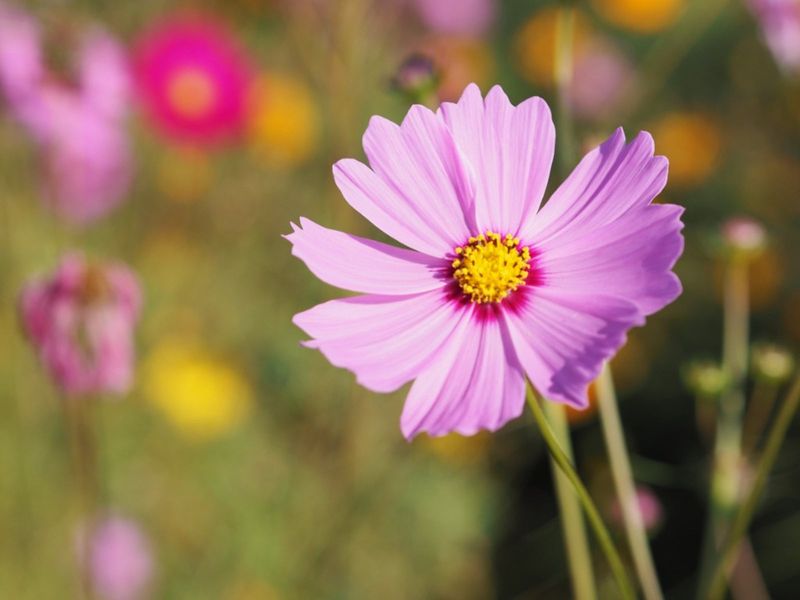
There is something almost magical about a patch of Cosmos swaying gently in the Texas breeze. These tall, feathery plants have a light, airy look that feels totally different from most garden flowers.
The blooms come in shades of pink, white, magenta, and bicolor patterns, and they float above the delicate, fern-like foliage like little paper parasols.
Cosmos are fantastic for pollinators. Butterflies, especially monarchs and painted ladies, are drawn to the open, daisy-like flowers.
Beneficial insects like lacewings and parasitic wasps also visit regularly, which helps keep garden pest populations in check naturally. Starting Cosmos from seed directly in the garden in April works perfectly in Texas because they germinate fast in warm soil.
One of the most charming things about Cosmos is how little they need to thrive. Poor, dry soil actually produces better blooms than rich, fertile ground.
Too much fertilizer makes them grow tall and leafy but reduces flower production. Full sun is a must, and they handle Texas heat beautifully once established.
They can grow three to five feet tall, so plant them at the back of borders where they can create a soft, colorful backdrop. Cosmos also self-seed freely, meaning they may surprise you by coming back next year without any extra effort on your part.
8. Blackfoot Daisy
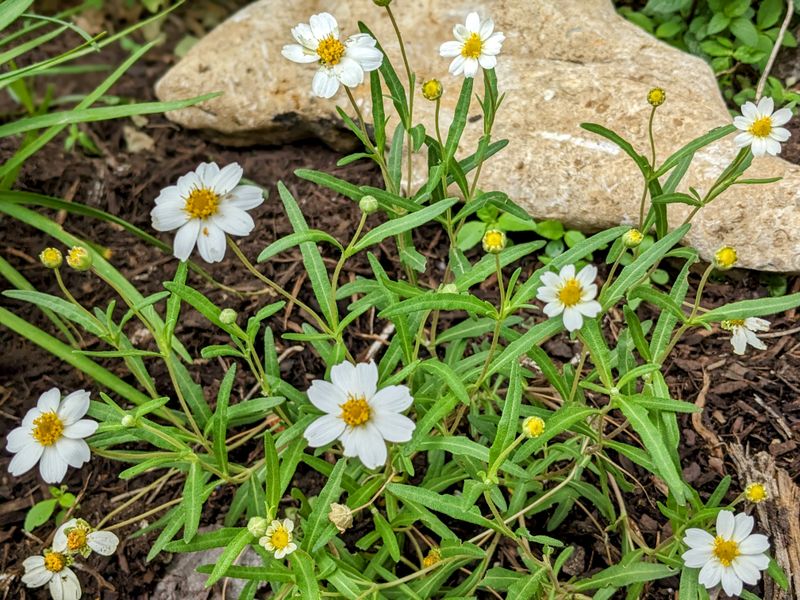
Tough, charming, and completely at home in the Texas landscape, Blackfoot Daisy is a native wildflower that earns its keep every single season.
The small white flowers with bright yellow centers look simple at first glance, but up close they have an elegant, cheerful quality that brightens up any dry or rocky garden space. They even carry a faint honey-like fragrance that draws pollinators in from a distance.
Native bees, honeybees, and small butterflies visit Blackfoot Daisy constantly. Because it blooms from early spring through fall, it provides a long, reliable nectar source for pollinators throughout the entire Texas growing season.
In warmer parts of Texas like San Antonio and the Rio Grande Valley, it can even bloom during mild winters, giving pollinators food when other flowers are long gone.
Blackfoot Daisy is one of the most drought-tolerant plants you can grow in Texas. It thrives in rocky, sandy, or caliche soils where most other plants struggle.
Full sun and excellent drainage are the two main things it needs. Once established, it needs almost no supplemental watering, making it ideal for water-wise gardening.
It grows into a tidy, rounded mound about one foot tall and one to two feet wide. Plant it in April along walkways, in rock gardens, or in native plant beds across Texas for a long-lasting, low-effort bloom display that pollinators will visit again and again.