Multiply Your Texas Christmas Cactus This April With Easy Cutting Methods
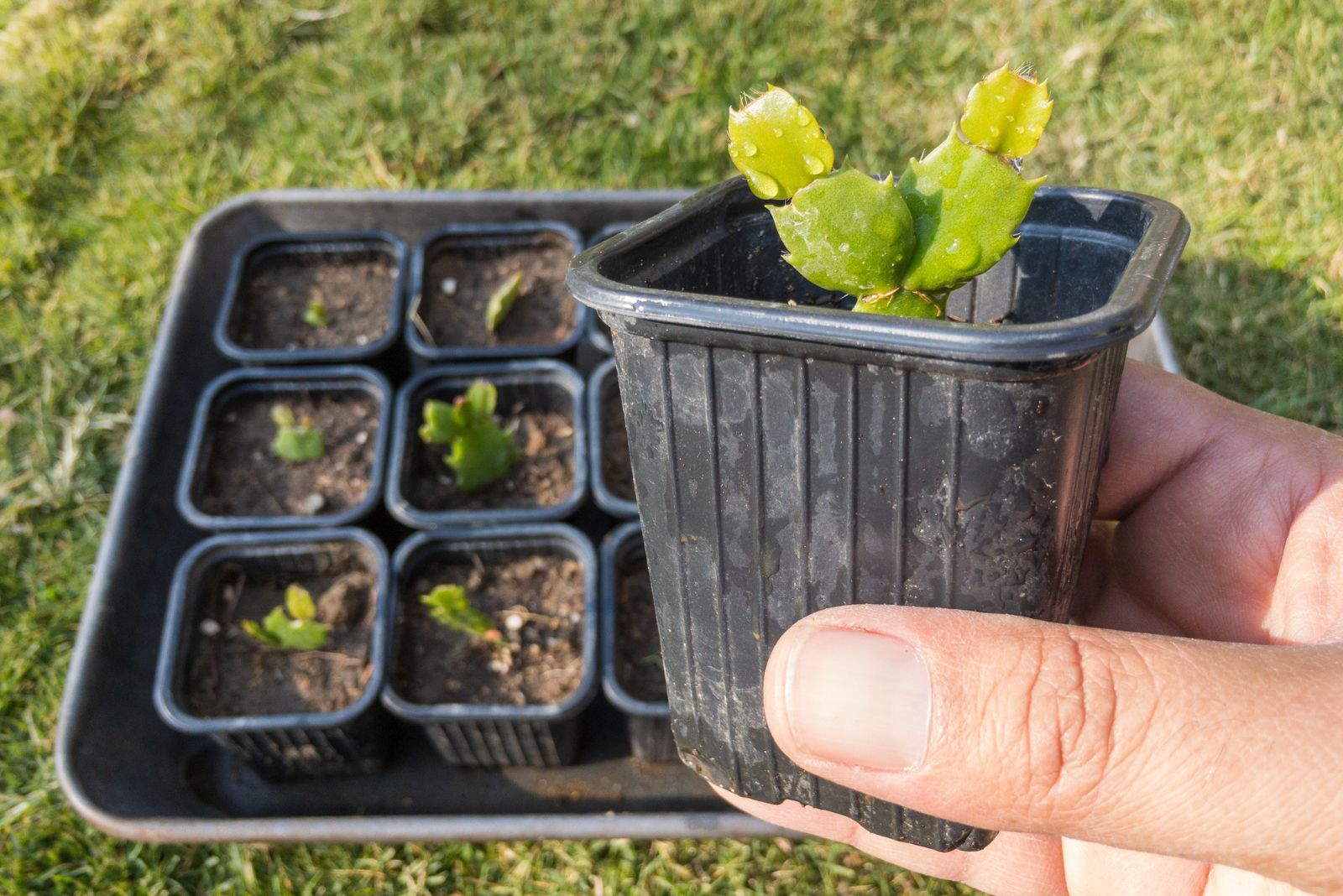
A Christmas cactus might not be the first plant people think about in spring, but April is actually a great time to give it some attention.
While many gardeners are focused on outdoor beds and warm-weather flowers, this is one of the easiest moments to turn a single healthy plant into several new ones without a lot of fuss.
If your cactus has been growing well and showing off those flat, segmented stems, you already have what you need to get started.
What makes this so appealing is how simple the process can be. You do not need a greenhouse, expensive supplies, or years of experience with houseplants.
A few smart cuts and a little patience can go a long way. For Texas plant lovers, that is especially good news, since indoor plants often become the stars of the season once the outdoor heat starts building.
With the right cutting methods, you can grow more Christmas cactus for your own home, fill extra pots with color, or even share new plants with friends and family.
Why April Is The Perfect Time To Multiply Your Christmas Cactus
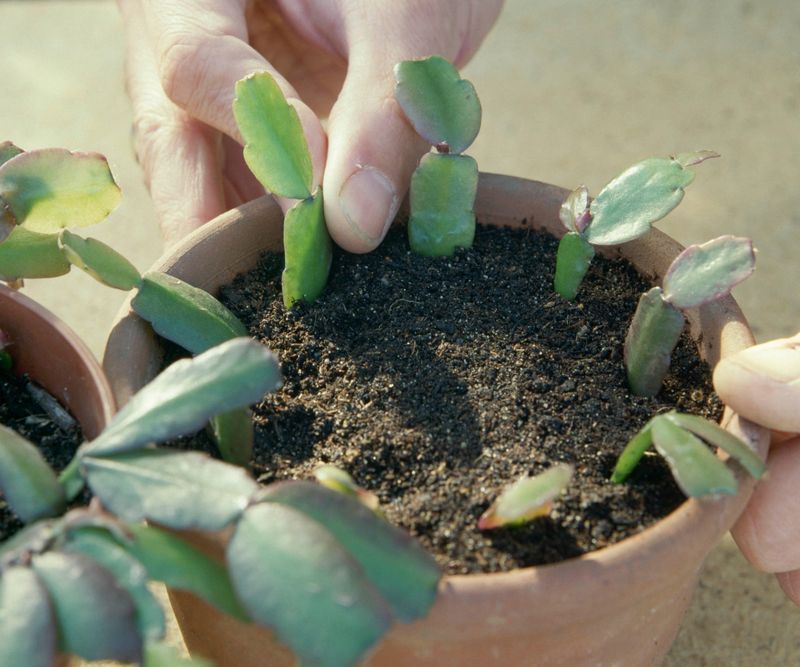
Every gardener has a secret weapon, and for Christmas cactus lovers in Texas, that weapon is timing. April is hands-down the best month to take cuttings from your Christmas cactus.
Here is why: the plant is waking up from its winter rest and entering a phase of active growth.
When a plant is actively growing, it puts energy into building new roots and stems. Cuttings taken during this phase root faster and settle into their new pots much more easily than cuttings taken in winter or late fall. You are basically working with the plant instead of against it.
During April, the days are getting longer and the temperatures are rising across Texas. More sunlight means more photosynthesis, which gives the plant extra energy to support new roots forming at the base of your cutting. Think of it as the plant running on a full tank of fuel.
There is also less risk of temperature stress in April compared to summer months in Texas, when heat can become extreme. Cuttings are fragile at first, and mild April weather gives them the best chance to establish without being shocked by harsh conditions.
Even if you have never propagated a plant before, starting in April puts the odds in your favor. The combination of warmth, light, and active plant growth creates a natural boost that makes the whole process smoother.
You do not need fancy tools or expensive supplies. A healthy parent plant, a small pot, and the right timing are really all it takes to get started successfully this spring in Texas.
Why Texas Conditions Work Well For Propagation
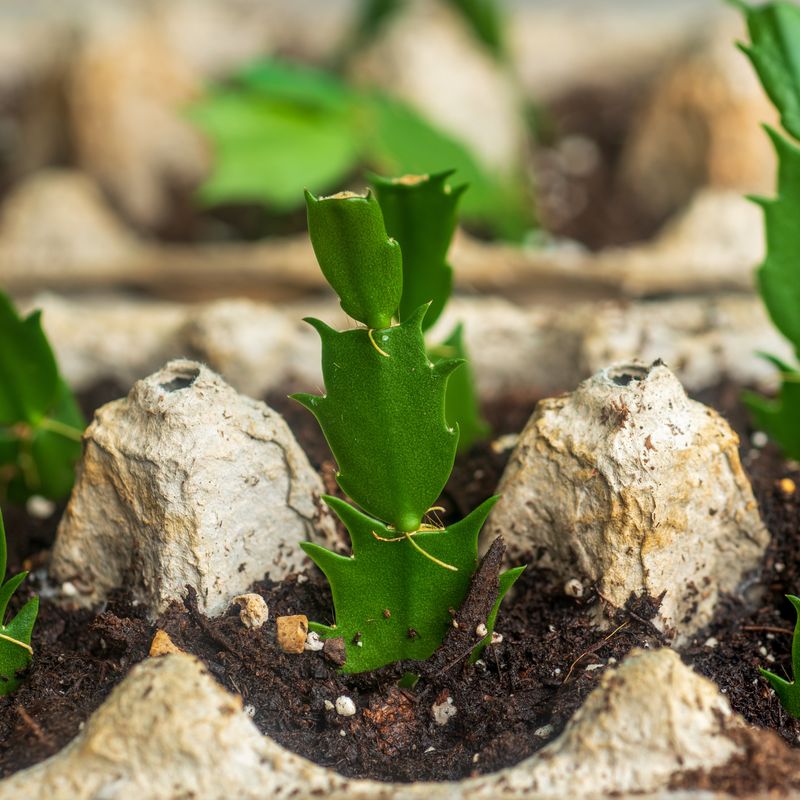
Not every state has the natural advantages that Texas brings to plant propagation. The Lone Star State offers a unique combination of warmth, sunlight, and mild spring temperatures that create nearly ideal conditions for rooting Christmas cactus cuttings.
If you live in Texas, you are already ahead of the game. Rooting a cutting requires warmth. Cold soil slows down root development and can leave a cutting sitting in the dirt for weeks without any progress.
Your Texas Garden Changes Every Week. Your Plan Should Too.
Gardening in Texas changes quickly throughout the season. Every Friday you’ll receive a simple weekly plan showing exactly what to plant, prune, fertilize, harvest, and protect so you never miss the right timing.
In Texas, April soil temperatures are already warm enough to encourage quick root growth. Gardeners in colder northern states often have to wait until May or even June to get the same results you can achieve right now.
Longer daylight hours are another big advantage in Texas during April. More light means the cutting can start photosynthesizing sooner, which helps fuel the energy needed to grow new roots.
Even a cutting that has not yet developed roots can benefit from bright, indirect light hitting its green segments throughout the day.
Texas also has low humidity compared to tropical regions, which actually helps during the critical first few days when cuttings need to dry slightly before planting. Too much moisture in the air can cause cuttings to rot before they even get a chance to root.
Indoor temperatures across Texas in April typically stay in a comfortable range without needing heating or air conditioning running constantly. That stable environment is great for young cuttings.
So whether you are propagating on a shaded porch, a bright windowsill, or inside a Texas home, the conditions are working in your favor all month long.
How To Take Healthy Cuttings The Right Way
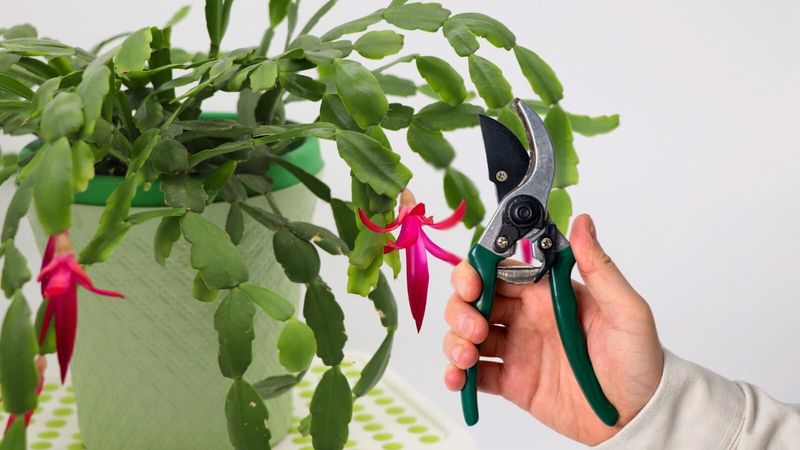
Getting a good cutting is the foundation of successful propagation. You can have the best soil and the perfect sunny spot, but if you start with a weak or damaged segment, your results will be disappointing.
The good news is that selecting and taking cuttings is simple once you know what to look for.
Start by looking at your parent plant closely. You want segments that are plump, firm, and a deep green color.
Avoid any pieces that look wrinkled, pale, or show signs of damage. Healthy segments give the cutting the stored energy it needs to push out new roots before it can absorb nutrients from the soil.
Each cutting should include at least two to three joined segments, also called cladodes. A single segment can work, but more joints mean more stored energy and a better chance of rooting successfully. Think of each joint as a little energy reserve the cutting can draw from.
To remove the cutting, gently twist the segment at the joint where it connects to the main stem. Do not use scissors or a knife unless they are very clean, as dirty tools can introduce bacteria.
A clean twist at the joint causes minimal damage and allows the wound to heal faster. Once you have your cuttings, set them aside in a dry, shaded spot for one to three days. This step is called callousing, and it is important.
The cut end dries out slightly, forming a protective layer that reduces the chance of rot when you plant it. Texas growers should do this step indoors away from direct sun to avoid over-drying the segments.
The Easy Rooting Method Anyone Can Follow
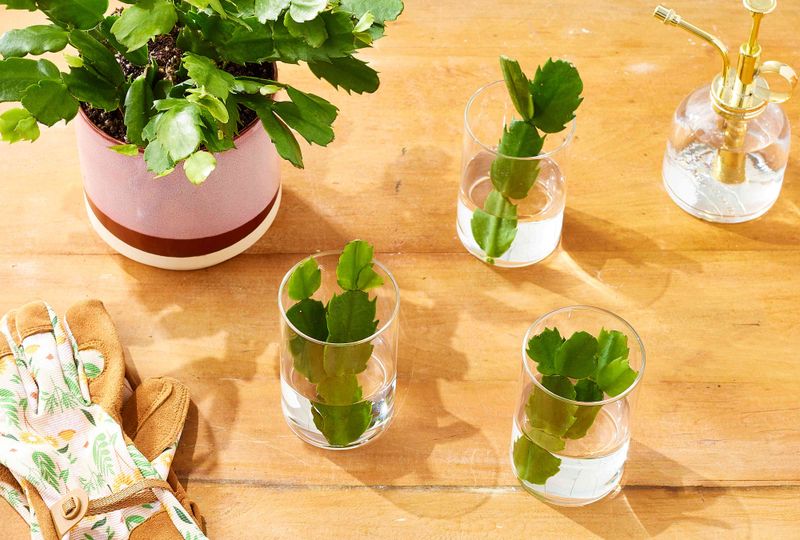
Once your cuttings have calloused for a day or two, it is time to plant them. The rooting process sounds technical, but it is actually one of the most beginner-friendly gardening tasks you can try.
Even kids in Texas can do this with a little guidance. Start with the right soil. A cactus or succulent potting mix works perfectly for Christmas cactus cuttings.
These mixes are designed to drain water quickly, which prevents the soggy conditions that lead to rot. You can find cactus mix at most garden centers across Texas, or you can make your own by mixing regular potting soil with perlite or coarse sand in equal parts.
Fill a small pot with your chosen mix and make a small hole in the center using a pencil or your finger. Insert the calloused end of the cutting about one to two inches deep into the soil.
Press the soil gently around the base to help the cutting stand upright without wobbling. Water the soil lightly after planting. You want the mix to be just barely moist, not wet.
Overwatering at this stage is the most common mistake beginners make, so be careful. Let the soil dry out between waterings while roots are still forming.
Place your potted cutting in a spot with bright, indirect light. A north or east-facing window works well in a Texas home during April.
Avoid direct afternoon sun, which can be intense even in spring and may stress the cutting before roots form. Within two to four weeks, you should start to see new growth appearing, which is a sign that roots have taken hold.
Common Mistakes That Slow Down Success
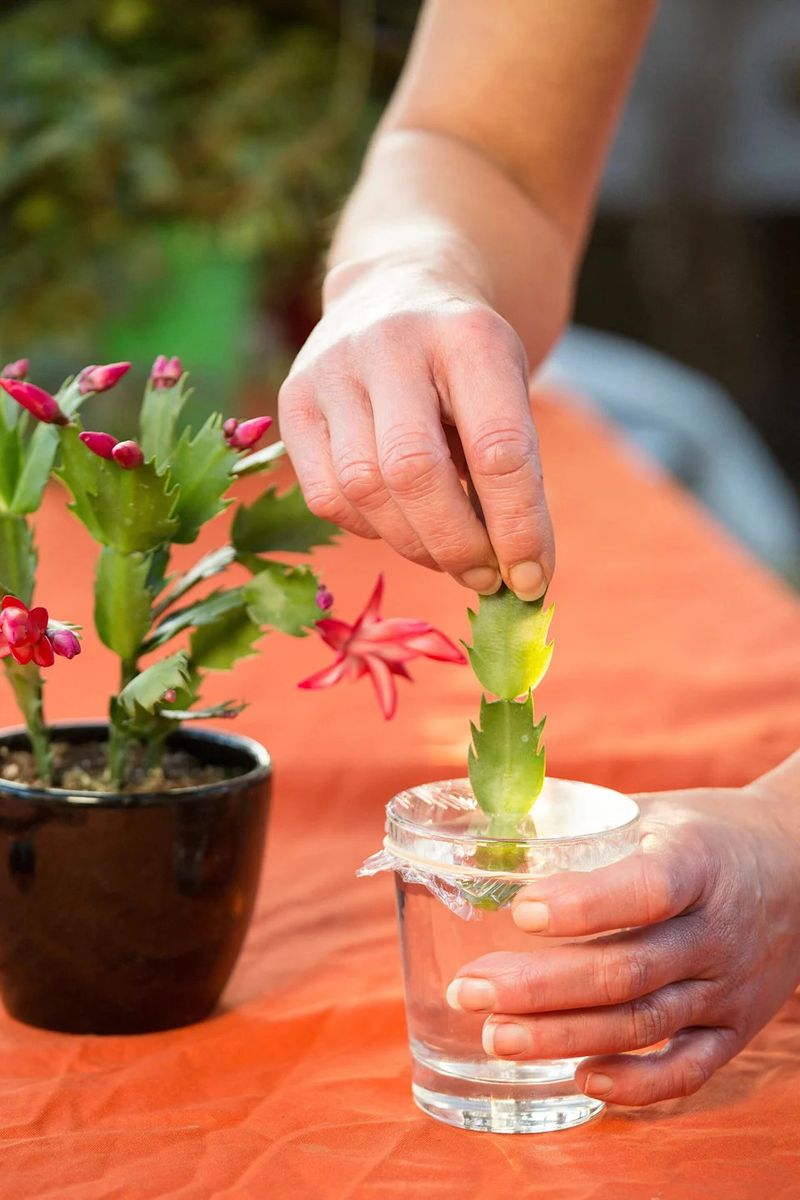
Even the most enthusiastic plant lover can run into trouble when propagating for the first time. Knowing what to avoid can save you a lot of frustration and help your Texas Christmas cactus cuttings thrive from the very beginning.
Overwatering is probably the number one issue. When a cutting has no roots yet, it cannot absorb water the way a mature plant can.
Extra moisture just sits in the soil and creates the perfect environment for rot to set in. Water sparingly and always let the top inch of soil dry out before watering again.
Planting the cutting too deep is another common problem. If you bury more than one to two inches of the cutting, you block air circulation around the base and increase the risk of rot. Keep it shallow and let the cutting breathe.
Placing your cuttings in direct sunlight is a mistake that many Texas gardeners make, especially in April when the sun is already strong. Direct sun can dry out the cutting too quickly and stress it before roots even start to form.
Bright, indirect light is always the better choice during the early weeks. Skipping the callousing step is also a frequent error. Some people get excited and plant their cuttings immediately after taking them.
Without that brief drying period, the open wound at the base is very vulnerable to bacteria and fungal issues in the soil.
Finally, moving the cutting around too often can disrupt any roots that are just beginning to form. Once you plant your cutting, leave it alone.
Patience is a real skill in propagation, and resisting the urge to check on progress by tugging at the cutting will pay off in the long run.
How To Grow Fuller, More Beautiful Plants From Your Cuttings
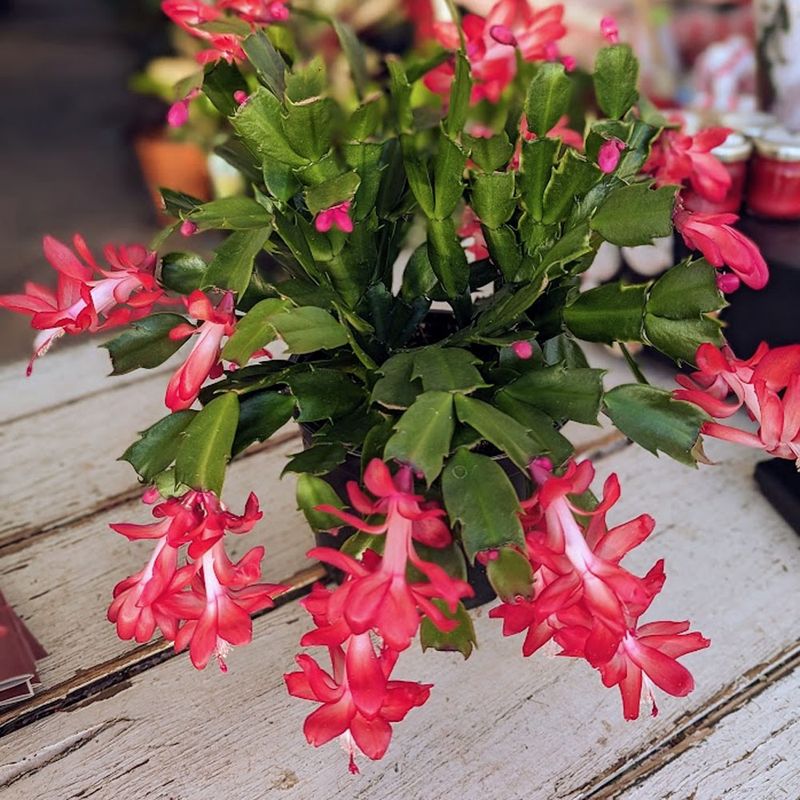
One rooted cutting is a great start, but a pot packed with several cuttings is where the real magic happens. If you want that full, bushy Christmas cactus look that makes everyone stop and stare, combining multiple cuttings in one pot is the trick professional growers use all the time.
Once your cuttings have rooted and you can see new growth appearing, which usually takes about three to four weeks in Texas spring conditions, they are ready for the next step. Plant three to five rooted cuttings together in a slightly larger pot.
Space them evenly around the container so each one has room to grow outward. This grouping creates a fuller, more balanced plant right from the start.
Feeding your young plants helps them grow stronger and bushier. Once new growth is visible, you can begin using a balanced liquid fertilizer diluted to half strength every two to four weeks.
Christmas cacti respond well to nutrients during their active growing season, and April through summer is the ideal window in Texas to feed them regularly.
Pinching back new growth is another useful technique. When a new segment appears and reaches about one to two joints long, you can pinch it off to encourage the plant to branch out rather than grow in a single long strand.
More branches mean more blooms when the holiday season arrives. Keep your growing plants in bright, indirect light and water them consistently but carefully.
As the months pass and your cuttings mature into full plants, you will have a gorgeous, thriving Christmas cactus that started from just a few simple segments taken on a warm April day right here in Texas.