Why Apple Trees In Florida Usually Struggle To Grow
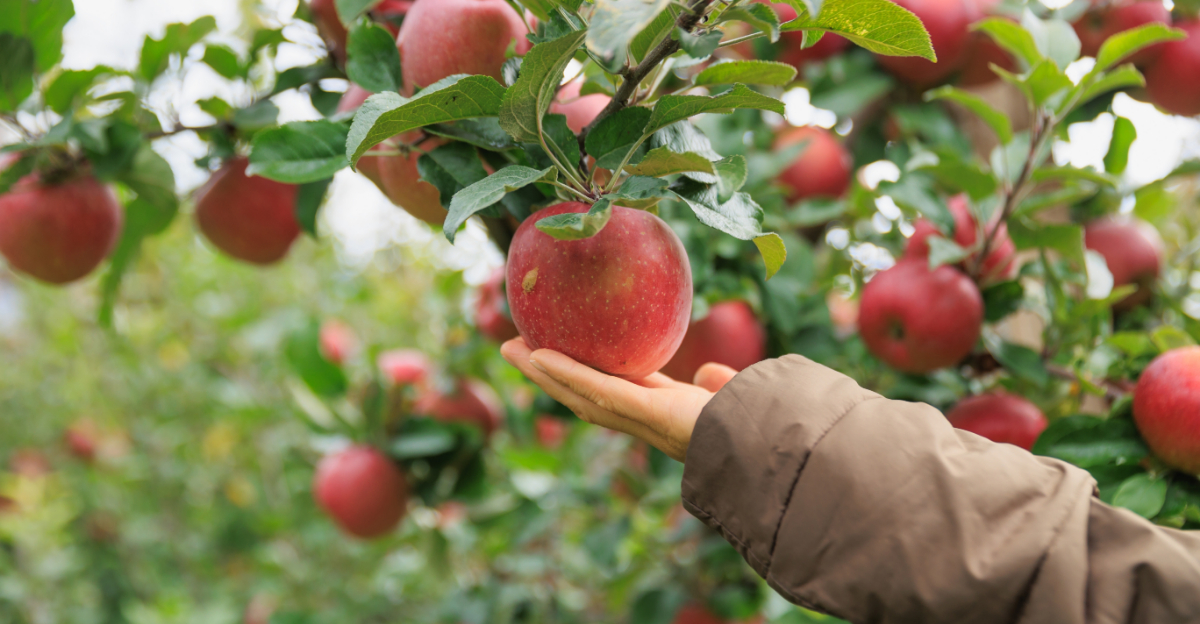
Plenty of people move to Florida with dreams of picking apples right from their own backyard, just like they remember from cooler states. It sounds simple enough until the tree never quite performs the way you expected.
The leaves may look fine, but the fruit is sparse, uneven, or never shows up at all. That’s when the frustration starts to build.
Florida’s climate plays by a completely different set of rules. Warm winters, high humidity, and sandy soils all shape how fruit trees behave here, often in ways that surprise even experienced gardeners.
Apple trees are especially sensitive to those differences, and small details can make a big impact on whether they settle in or struggle year after year.
Before planting another tree or giving up entirely, there’s something important most people miss early on.
1. Florida Winters Lack Enough Chill Hours For Most Apple Trees
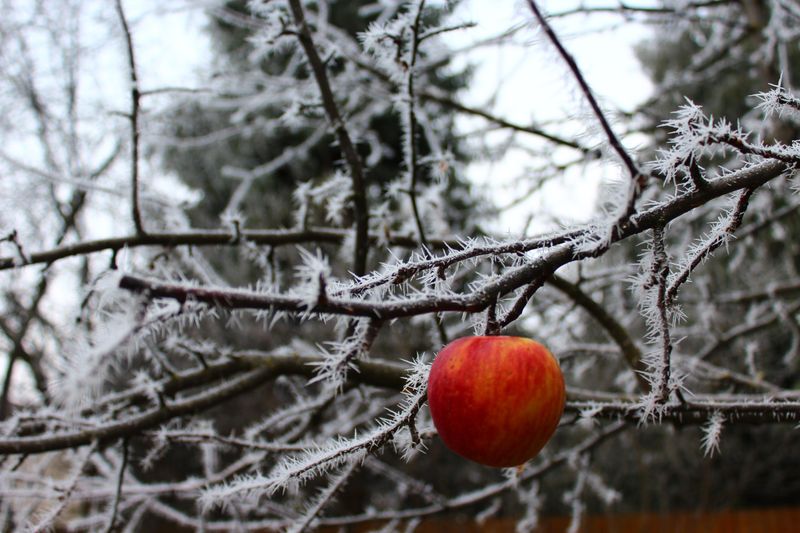
Most people are surprised to learn that apple trees actually need cold weather to produce fruit. Without enough cold, they cannot properly break dormancy, which means they will not flower or grow the way they should.
This cold exposure is measured in what scientists call “chill hours,” which are the total number of hours each winter that temperatures stay between 32 and 45 degrees Fahrenheit.
Standard apple varieties typically need between 800 and 1,000 chill hours every single year. Florida, however, often delivers far fewer chill hours, with many areas receiving well under 500 annually and South Florida significantly lower.
That gap between what the tree needs and what the climate provides is a major reason why apple trees in Florida often fail to thrive.
Northern Florida gets the most chill hours in the state, making it the best region for attempting apple cultivation. Even there, gardeners should track local chill hours carefully before selecting a variety.
Planting a tree that needs 900 chill hours in a region that only provides 600 is setting yourself up for disappointment. Choosing varieties matched to your local chill hour totals gives your apple tree the best possible shot at producing a decent harvest in Florida.
2. Only A Few Low-Chill Apple Varieties Grow Well In Florida
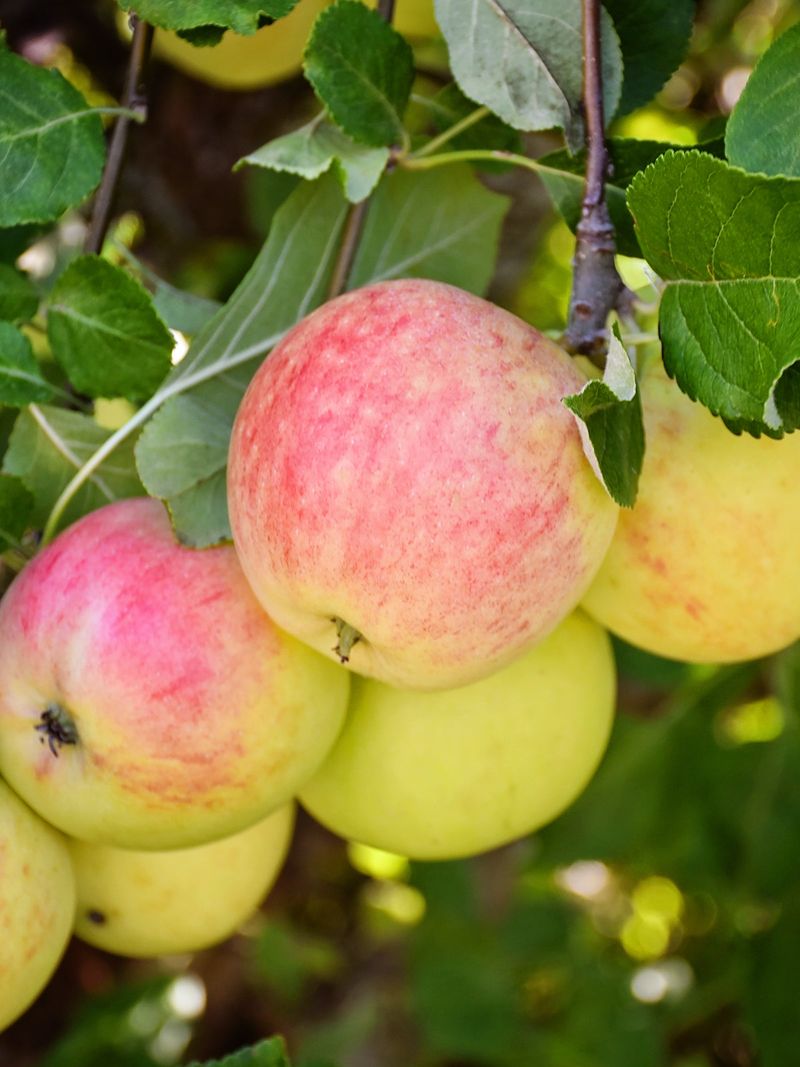
Not every apple variety is a lost cause in Florida. Plant breeders have worked hard over the years to develop low-chill apple varieties that can produce fruit with far fewer cold hours than traditional types.
Two of the most well-known options available to Florida gardeners are the Anna apple and the Dorsett Golden, both of which need roughly 200 to 300 chill hours to perform well.
The Anna apple was actually developed in Israel, another warm-weather region, making it a surprisingly good fit for parts of Florida. Dorsett Golden, originally from the Bahamas, is another solid choice that handles Florida’s subtropical conditions better than most.
Tropic Sweet is a third option that some Florida growers have had success with, particularly in the central and northern parts of the state.
Even with these low-chill varieties, success is not guaranteed. Florida’s unpredictable winters can still fall short of the minimum chill hours these trees need in certain years.
Your Florida Garden Changes Every Week. Your Plan Should Too.
Gardening in Florida changes quickly throughout the season. Every Friday you’ll receive a simple weekly plan showing exactly what to plant, prune, fertilize, harvest, and protect so you never miss the right timing.
Gardeners in the southern part of the state face the toughest challenge, as temperatures rarely drop enough even for the most cold-tolerant low-chill varieties. Researching which varieties have performed best in your specific Florida county before purchasing is always a smart first step toward a more productive apple-growing experience.
3. High Humidity Increases Disease Problems
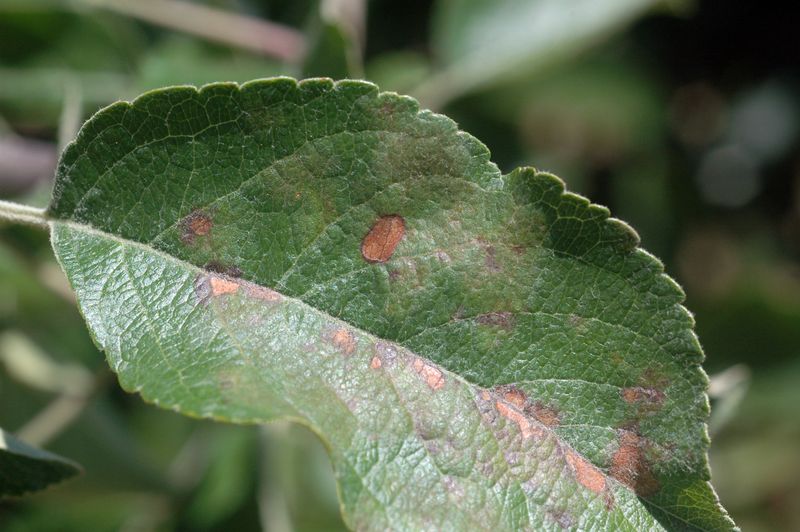
Florida is one of the most humid states in the entire country, and that moisture-heavy air creates a perfect breeding ground for fungal diseases. Apple trees are particularly vulnerable to several common diseases, including apple scab, powdery mildew, and fire blight.
When warm, wet conditions persist for long stretches, these diseases can spread quickly and cause serious damage to leaves and developing fruit.
Apple scab is especially troublesome in Florida because it thrives in exactly the kind of warm, rainy weather the state experiences for much of the year. Infected leaves develop dark, scabby spots and may drop from the tree early, weakening it over time.
Powdery mildew coats leaves and new growth in a white dusty film, slowing the tree’s ability to photosynthesize and produce energy.
Managing these diseases in Florida requires a consistent and proactive approach. Gardeners should select disease-resistant apple varieties whenever possible, as this is the single most effective defense.
Regular pruning helps improve airflow through the canopy, which reduces the moisture that fungi love. Applying appropriate fungicide sprays on a scheduled basis, especially during the rainy season, is also essential.
Staying on top of fallen leaves and debris around the base of the tree removes potential sources of reinfection and keeps the overall growing environment much healthier for your apple tree.
4. Insect Pressure Is Higher Than In Typical Apple Regions
Florida’s warm climate is wonderful for outdoor living, but it also means insects are active nearly every month of the year. In cooler apple-growing regions like the Pacific Northwest or New England, cold winters naturally reduce pest populations.
Florida does not get that seasonal reset, so insects that feed on apple trees can build up large numbers without much interruption.
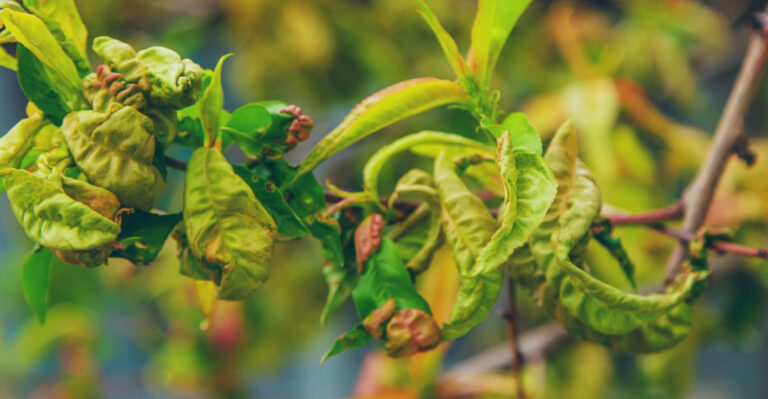
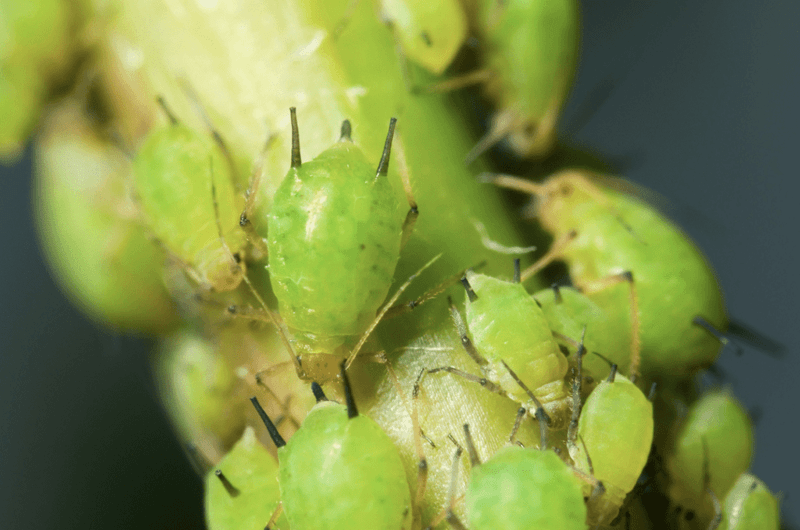
Aphids are among the most common troublemakers for apple trees in Florida. These tiny insects cluster on new growth and suck out plant juices, causing leaves to curl, yellow, and weaken.
Scale insects attach themselves to bark and branches, creating a protective shell while they feed on the tree’s sap. Codling moths and fruit borers can also target developing apples, tunneling inside the fruit and making it unmarketable and inedible.
Staying ahead of insect pressure in Florida requires regular monitoring of your apple trees throughout the entire growing season. Walk around your trees at least once a week and inspect the leaves, bark, and fruit carefully for early signs of infestation.
Introducing beneficial insects like ladybugs can help control aphid populations naturally. Horticultural oils and insecticidal soaps are effective and lower-risk treatment options for many common pests.
When pest pressure becomes severe, consulting with a local Florida extension office can help you identify the best management strategy for your specific situation.
5. Poor Drainage Can Cause Root Rot Issues
Believe it or not, too much water can be just as damaging to an apple tree as too little. Florida receives a significant amount of rainfall, especially during the summer rainy season, when afternoon thunderstorms can drop several inches of rain in just a few hours.
When the soil cannot drain that water away quickly enough, the roots end up sitting in soggy conditions for extended periods.
Apple tree roots need both water and oxygen to function properly. When soil stays waterlogged, oxygen cannot reach the roots, and they begin to suffocate.
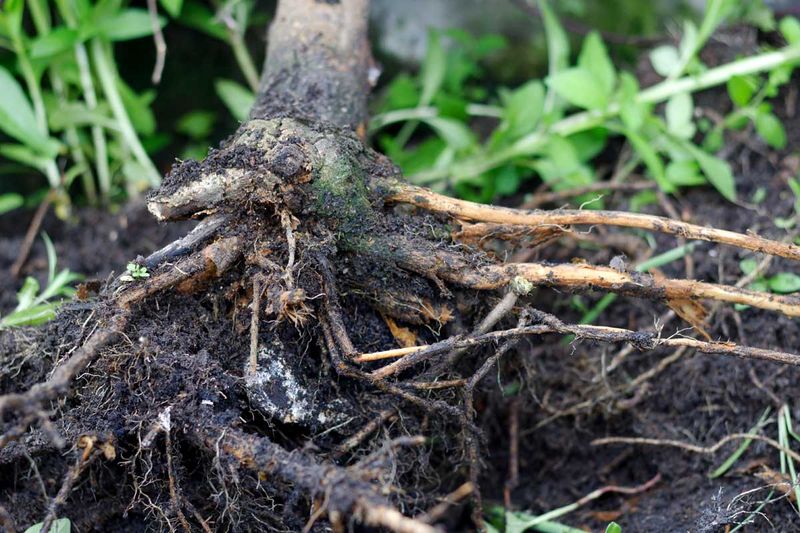
Root rot, caused by water mold organisms like Phytophthora, can move in and destroy the root system. Trees affected by root rot often show symptoms above ground, including yellowing leaves, wilting despite moist soil, and a general decline in overall health and vigor.
Improving drainage before planting is one of the smartest things a Florida gardener can do. Raised planting beds are a popular solution that lifts the root zone above the waterlogged soil level.
Choosing a planting site on a natural slope or elevated ground also helps water move away from the root zone more efficiently. Adding organic matter to your planting hole can improve soil structure over time.
Avoiding low-lying areas and spots where water tends to pool after heavy rain is absolutely critical for keeping apple tree roots healthy and productive in Florida.
6. Sandy Soil Dries Out Quickly And Needs More Water
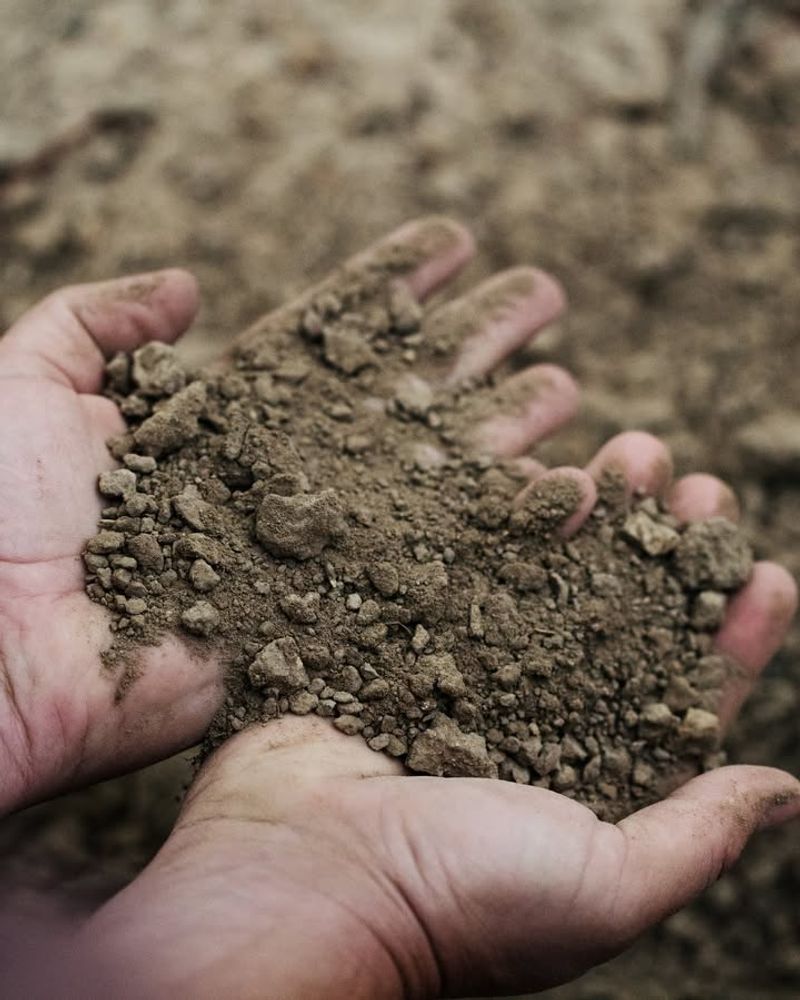
Florida’s soil is famous for being sandy, and while that texture drains well enough to avoid some flooding issues, it creates a whole different set of problems for apple trees. Sandy soil has very little ability to hold onto water or nutrients.
After a rain or irrigation session, water moves through sandy soil quickly, often before the roots have a chance to absorb what they need.
Apple trees need a steady, consistent supply of moisture to grow well and produce fruit. When the soil dries out too fast between waterings, the tree experiences stress that can stunt growth, reduce flowering, and lower fruit quality.
Nutrients like nitrogen, potassium, and calcium also wash through sandy soil rapidly, making regular fertilization a necessity rather than just an occasional bonus for Florida apple growers.
Fortunately, there are practical ways to work around sandy soil challenges in Florida. Adding generous amounts of compost or well-aged organic matter to the planting area improves the soil’s ability to hold both water and nutrients over time.
Applying a thick layer of mulch around the base of the tree, keeping it a few inches away from the trunk, slows moisture evaporation dramatically. Drip irrigation systems are especially effective in Florida because they deliver water slowly and directly to the root zone, reducing waste and keeping the soil moisture more consistent throughout the growing season.
7. Many Apple Trees Need A Second Variety For Pollination
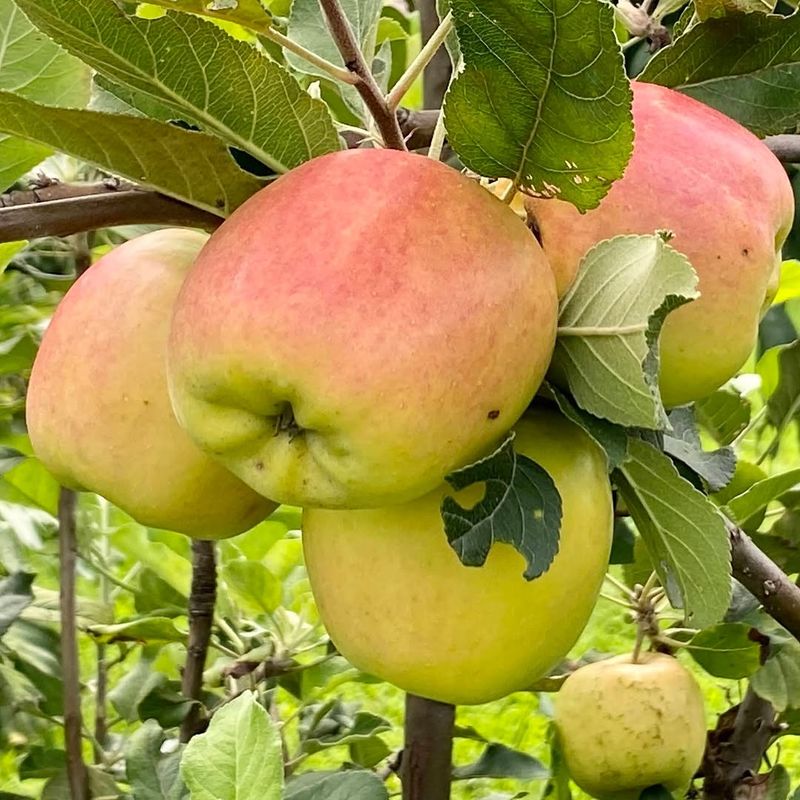
Here is something that catches many first-time apple growers completely off guard: most apple trees cannot pollinate themselves. They need pollen from a different apple variety, carried by bees or other pollinators, to successfully set fruit.
Without a compatible second variety growing nearby, a lone apple tree in your Florida yard may bloom beautifully every spring and still produce little to no fruit at all.
In Florida, this challenge is even trickier because the low-chill varieties that grow best in the state often bloom at slightly different times than standard apple varieties. Both trees need to be flowering at the same time for cross-pollination to work.
Anna and Dorsett Golden are two popular Florida-friendly varieties that happen to bloom together and pollinate each other well, making them a commonly recommended pairing for home gardeners across the state.
Beyond choosing compatible varieties, Florida gardeners also need to support a healthy pollinator population in their yards. Planting flowers that attract bees near your apple trees is a simple and effective strategy.
Avoiding broad-spectrum pesticide applications during bloom time protects the bees that do the vital work of moving pollen between flowers. If natural pollinator activity seems low in your area, hand pollination using a small paintbrush to transfer pollen between blossoms is a reliable backup method that many dedicated Florida apple growers use each season to improve their fruit set.