7 Plants Every Pennsylvania Gardener Is Choosing For A No-Fuss Yard This Spring
Spring has a way of making every Pennsylvania yard feel full of possibility. The weather starts to soften, garden centers get crowded, and suddenly it is very tempting to fill every empty spot with something new.
But not everyone wants a yard that turns into a full-time job by May. A lot of gardeners are looking for plants that can handle the season with less fuss, less worry, and a lot fewer weekend rescue missions.
That is exactly why certain plants keep rising to the top this time of year. They offer color, texture, and curb appeal without demanding constant attention in return.
For busy homeowners, beginner gardeners, or anyone tired of high-maintenance choices that never seem worth the effort, these picks make spring planting feel a whole lot smarter.
In Pennsylvania, where the season can bring cool mornings, rainy stretches, and quick bursts of warmth, easygoing plants are especially appealing.
The right ones can help your yard look fresh and pulled together while keeping the work manageable, which is a pretty great combination for spring.
1. Black-Eyed Susan
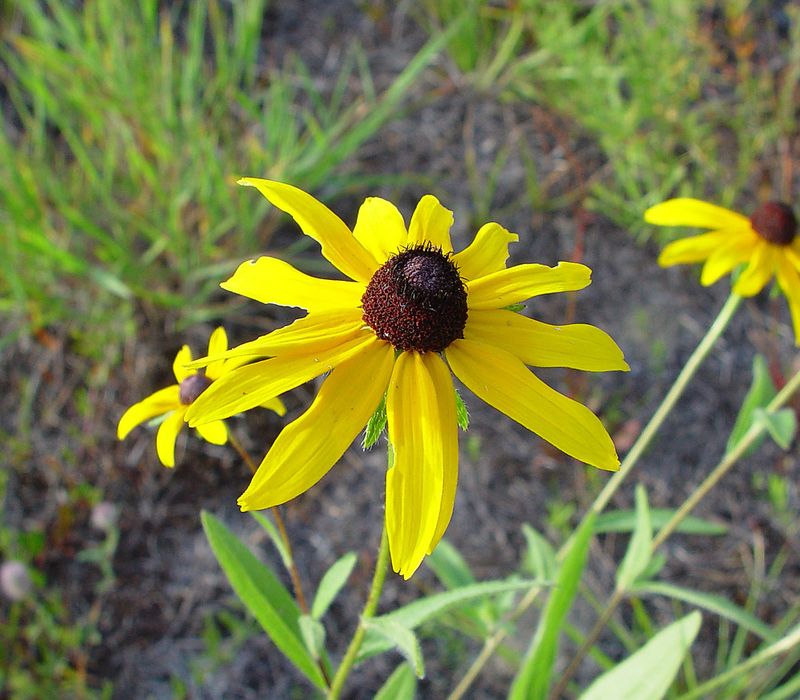
Few flowers say “Pennsylvania summer” quite like the Black-Eyed Susan. With its bold yellow petals and dark chocolate-brown center, this native perennial has been brightening yards across the state for generations.
It’s one of those plants that makes your garden look like you put in a lot of effort, even when you barely did anything at all.
Black-Eyed Susans are incredibly tough. They handle heat without wilting, grow in poor or rocky soil, and keep on blooming even during dry stretches.
Once they’re planted and settled in, they really don’t ask for much. You won’t need to water them constantly or fuss over them every week.
In Pennsylvania, these flowers typically bloom from midsummer all the way through early fall. That’s a long season of color for very little work.
They grow well in full sun and reach about two to three feet tall, making them a great choice for borders, meadow-style gardens, or open sunny spots in the yard.
Pollinators absolutely love them. Bees, butterflies, and even goldfinches are drawn to Black-Eyed Susans throughout the season.
After the blooms fade, the seed heads provide food for birds heading into winter. Planting a cluster of these in your Pennsylvania yard means you’re also supporting local wildlife.
They often self-seed too, which means more plants next year with zero extra effort on your part. That’s a win any gardener can appreciate.
2. Coneflower
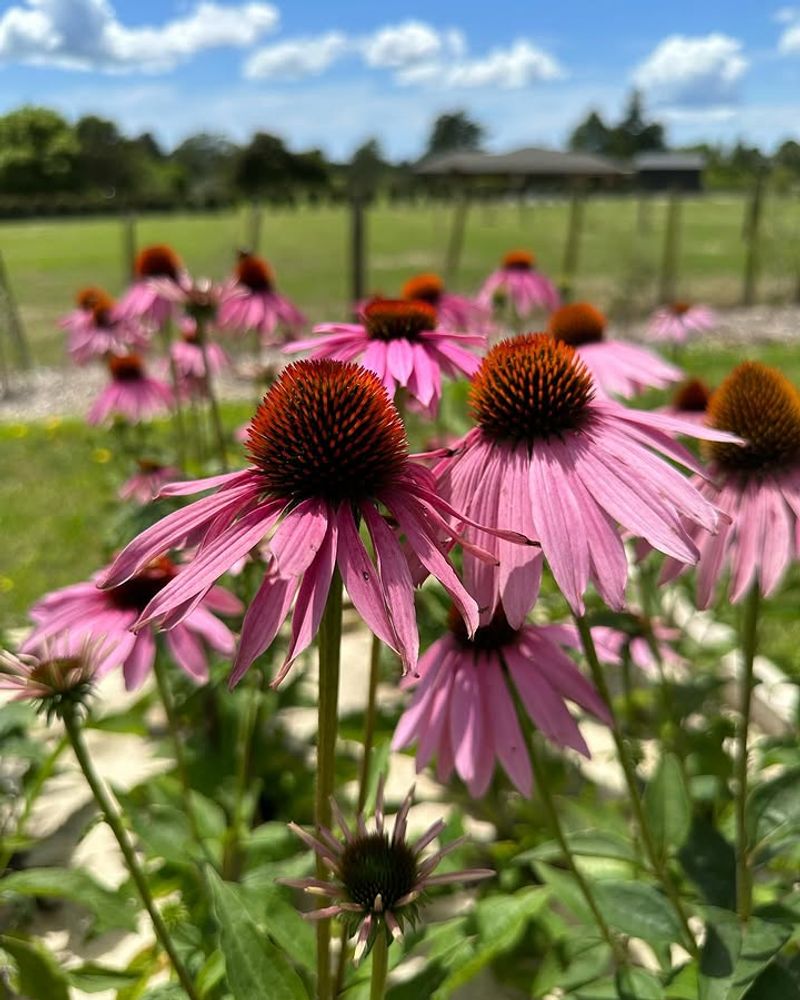
Walk through almost any Pennsylvania neighborhood in July, and you’ll spot coneflowers nodding their cheerful purple heads along fences and garden beds.
Echinacea purpurea has earned its place as one of the most loved low-maintenance perennials in the state, and honestly, it’s easy to see why. It’s tough, it’s pretty, and it basically takes care of itself.
Once coneflowers get established in your yard, they become seriously drought-tolerant. That means even during those dry Pennsylvania summers, they’ll keep putting out blooms without you needing to drag out the hose every other day.
Your Pennsylvania Garden Changes Every Week. Your Plan Should Too.
Gardening in Pennsylvania changes quickly throughout the season. Every Friday you’ll receive a simple weekly plan showing exactly what to plant, prune, fertilize, harvest, and protect so you never miss the right timing.
They prefer full sun but can handle a little afternoon shade without much fuss. Pollinators treat coneflower patches like an all-you-can-eat buffet. Bumblebees, honeybees, and monarch butterflies are regular visitors from early summer through fall.
When the blooms fade, the spiky seed heads attract finches and other small birds looking for a snack. Leaving the seed heads standing through winter is actually the best thing you can do, because it feeds wildlife and adds texture to an otherwise bare garden.
Coneflowers spread slowly over time, filling in gaps and growing into fuller clumps each season. Every few years you can divide them and share extras with neighbors or spread them to new spots in your Pennsylvania yard.
They rarely need fertilizing and resist most common pests. For gardeners who want reliable color without constant attention, coneflowers are one of the smartest choices available this spring.
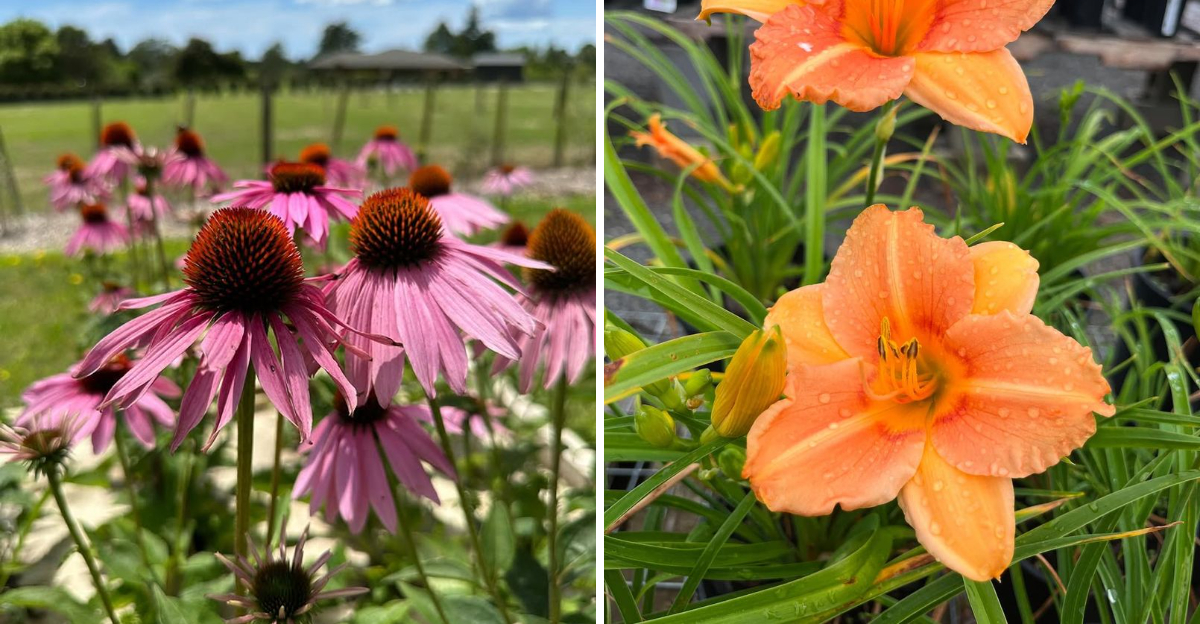
3. Daylily
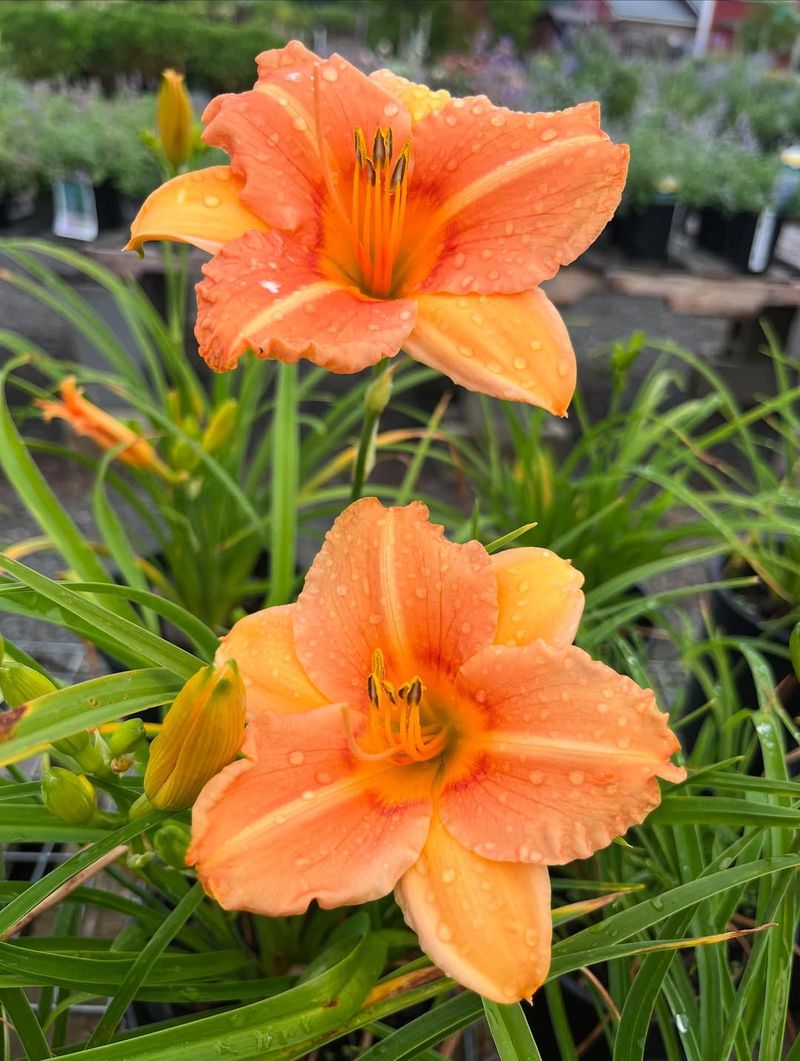
There’s a reason daylilies show up in just about every Pennsylvania garden from Pittsburgh to Philadelphia. These plants are practically unstoppable.
They tolerate heat, cold, drought, wet spells, and just about anything the Pennsylvania weather throws at them. Plant them once, and they’ll come back faithfully every single year without asking for much in return.
Daylilies come in an impressive range of colors, from soft peach and pale yellow to deep red and vivid orange. You can find varieties that bloom in early summer, midsummer, or late summer, so with a little planning, you can have color in your yard for months.
Each individual flower only lasts one day, but the plants produce so many buds that you’d never know it.
One of the best things about daylilies is how adaptable they are. They grow well in full sun or partial shade, and they’re not picky about soil type.
Whether your Pennsylvania yard has clay-heavy soil, sandy patches, or anything in between, daylilies will find a way to thrive. They’re also deer-resistant, which is a big bonus for gardeners dealing with wildlife pressure.
Over time, daylily clumps grow larger and can be divided to create more plants. This makes them a budget-friendly choice because one original plant can eventually fill an entire garden bed.
They need almost no fertilizing, very little watering once established, and rarely have serious pest problems. For a no-fuss yard this spring, daylilies belong at the top of your planting list.
4. Sedum
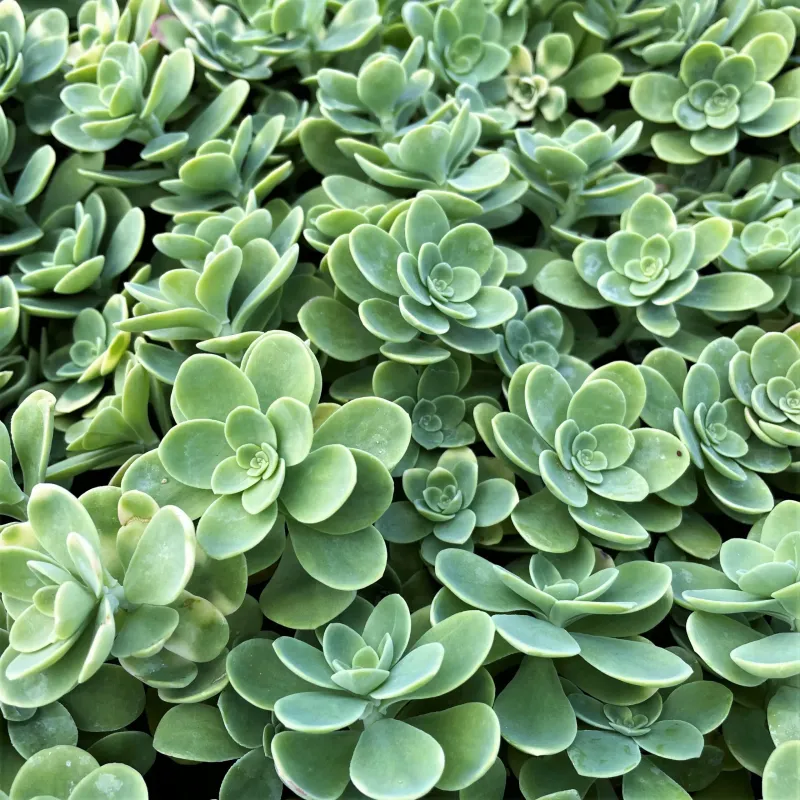
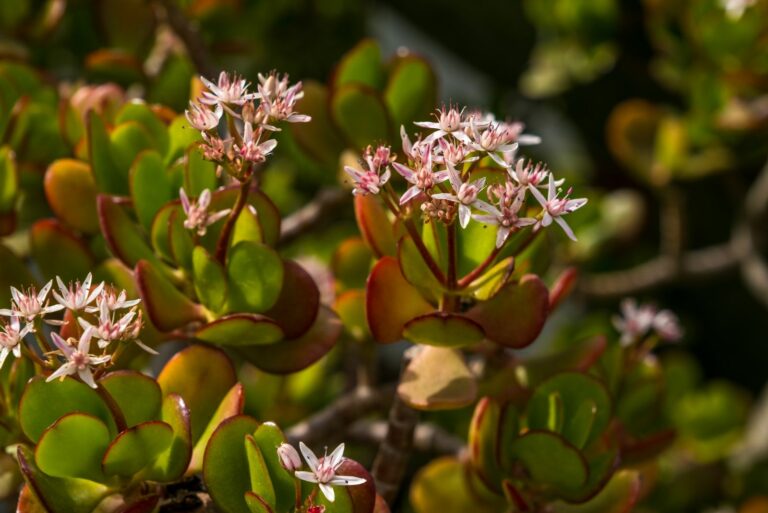
If you’ve got a hot, dry, sunny spot in your Pennsylvania yard that seems to defeat every plant you try, sedum might be exactly what you’ve been looking for. Also known as stonecrop, this tough succulent stores water right inside its thick, fleshy leaves.
That built-in water reserve means it can handle long dry stretches without any help from you.
Sedum is practically made for low-maintenance gardening. It grows in poor, rocky, or sandy soil where other plants struggle.
It doesn’t need much fertilizer, and overwatering is actually more of a problem than underwatering. For busy Pennsylvania gardeners who don’t want to babysit their plants, sedum is a dream come true.
The blooms are a real bonus. Late-season varieties like ‘Autumn Joy’ produce clusters of dusty pink flowers from late summer into fall, right when many other plants are winding down.
Those blooms attract bees and butterflies looking for late-season nectar. Even after the flowers fade, the dried seed heads add visual interest through the winter months.
Sedum comes in both low-growing ground cover types and taller upright varieties, so there’s a form that works for almost any spot in the yard. The shorter types are great for rock gardens, slopes, or edging along paths.
Taller varieties make excellent border plants. In Pennsylvania, sedum is especially useful on slopes or hillsides where erosion can be a problem, since the dense growth holds soil in place without any extra effort from the gardener.
5. Hosta
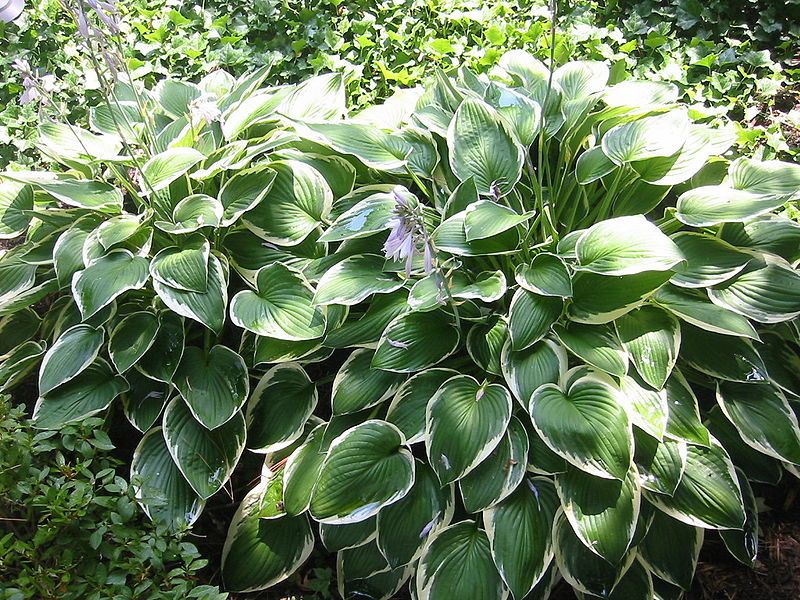
Shady yards in Pennsylvania can be tricky. Most flowering plants want full sun, and finding something that actually looks good under trees or along the north side of a house can feel like a challenge.
Hostas solve that problem beautifully. These leafy perennials were practically born for shady spots, and they deliver lush, full foliage season after season with almost no effort required.
What makes hostas so appealing is the sheer variety available. You can find them with leaves that are deep green, blue-green, golden yellow, or strikingly variegated with white or cream edges.
Some are tiny enough to fit in a small container, while others grow into massive mounds several feet wide. No matter the size of your Pennsylvania garden, there’s a hosta that fits perfectly.
Hostas are genuinely low-maintenance once they settle in. They come back reliably every spring, spread slowly to fill in bare areas, and rarely have serious pest issues beyond occasional slug damage.
A light layer of mulch around the base helps retain moisture and keeps them happy through dry summer stretches. They don’t need regular fertilizing, and dividing them every few years keeps them looking their best.
In Pennsylvania, hostas pair wonderfully with ferns, astilbe, and coral bells in shaded garden beds. Together, these plants create a layered, lush look that feels intentional and polished.
Hostas also produce tall flower spikes in summer, often with fragrant white or lavender blooms that attract hummingbirds. For a no-fuss shady yard, hostas are simply hard to beat.
6. Switchgrass
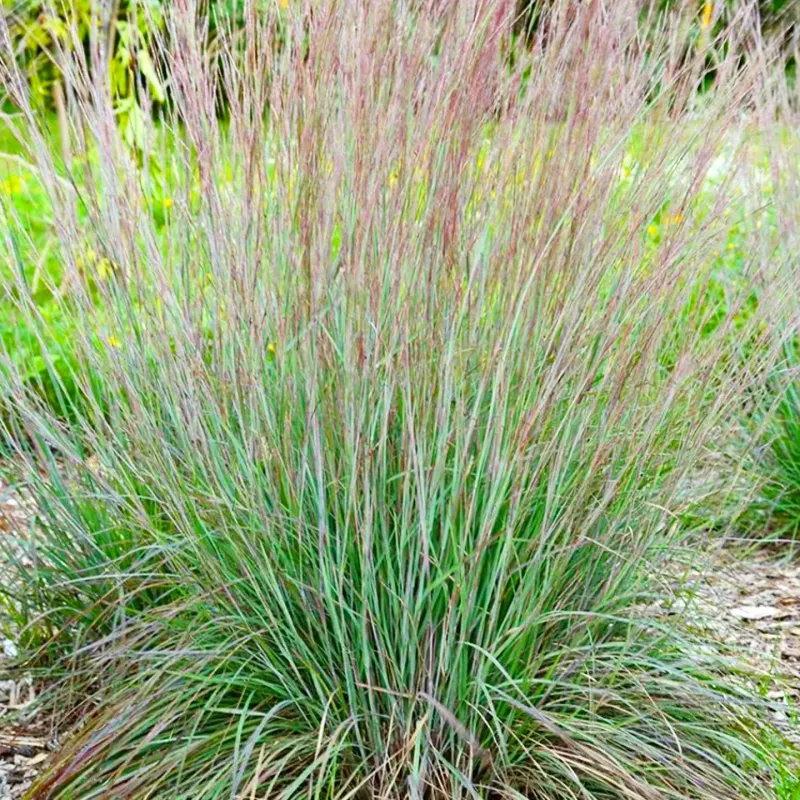
Native plants have been having a serious moment in Pennsylvania gardening circles, and switchgrass is right at the center of that trend.
Panicum virgatum is a warm-season ornamental grass that grows naturally across much of the eastern United States, including right here in Pennsylvania.
It’s tough, adaptable, and provides something that many other low-maintenance plants can’t: year-round visual interest.
Switchgrass starts the season as a neat, upright clump of blue-green or green foliage. By late summer, it sends up airy, cloud-like seed heads that catch the light and sway gently in the breeze.
In fall, the foliage turns shades of gold, orange, and red. Even in winter, the dried stalks and seed heads add texture and structure to an otherwise bare garden.
From a care standpoint, switchgrass is about as easy as it gets. It grows in a wide range of soil types, tolerates both dry and occasionally wet conditions, and thrives in full sun.
It’s also notably resistant to deer browsing, which is a major plus for Pennsylvania gardeners dealing with regular deer visits. Once established, it needs almost no supplemental watering or feeding.
Beyond its good looks, switchgrass plays an important role in supporting local ecosystems. Birds use the seed heads as a food source in fall and winter.
The dense clumps provide shelter for small insects and ground-nesting birds. For Pennsylvania gardeners who want a plant that works hard, looks great, and gives back to the local environment, switchgrass checks every box on the list.
7. Coral Bells
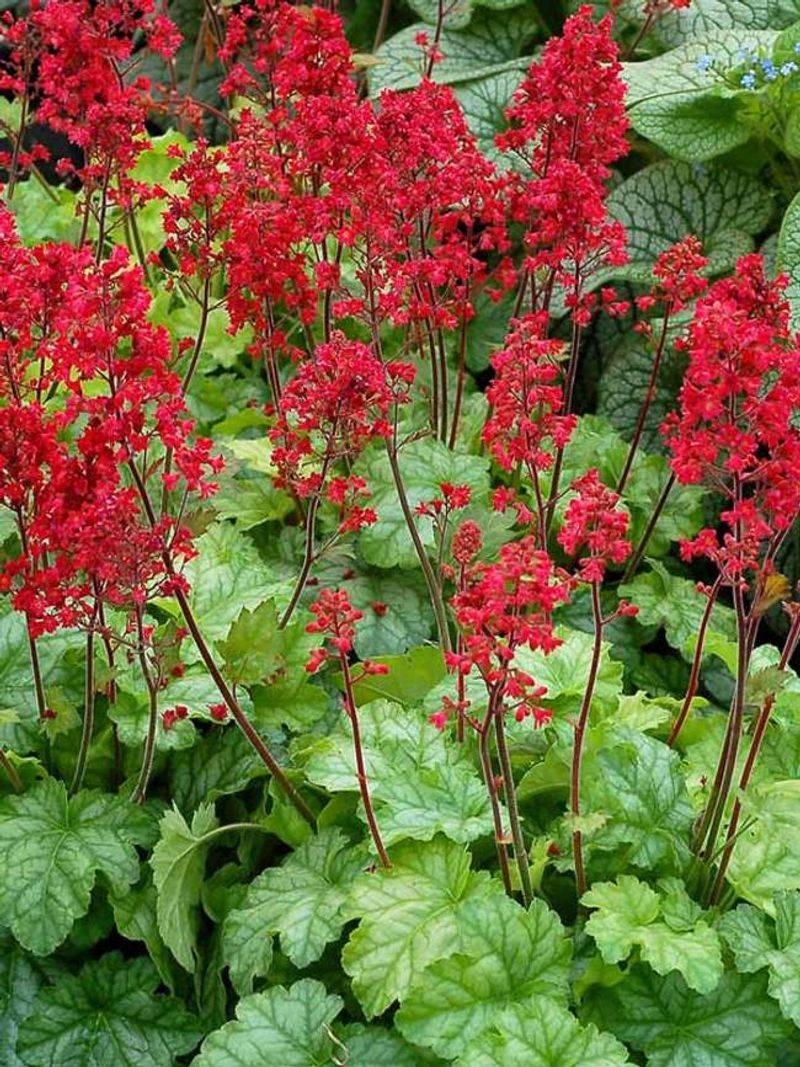
Most plants make you choose between pretty flowers and interesting foliage. Coral bells refuse to make that compromise.
Heuchera offers some of the most eye-catching leaf colors in the entire plant world, ranging from deep burgundy and chocolate brown to lime green, caramel orange, and silvery purple. And then it sends up delicate flower spikes on top of all that, just to really show off.
Pennsylvania gardeners love coral bells because they work in so many different situations. They grow well in full sun, partial shade, or even mostly shady spots, depending on the variety.
That flexibility makes them useful in spots where other plants might struggle. They’re equally at home in a formal garden border, a woodland-style bed, or a container on a shaded porch.
Caring for coral bells is refreshingly simple. They don’t need heavy fertilizing, and they’re reasonably drought-tolerant once established.
A layer of mulch helps protect the shallow roots during Pennsylvania’s cold winters and keeps moisture in during summer. Every few years, dividing the clumps keeps them vigorous and gives you extra plants to spread around the yard or share with friends.
The tiny bell-shaped flowers that appear in late spring and early summer are a magnet for hummingbirds. Watching a hummingbird hover over a patch of coral bells is one of the small joys of Pennsylvania gardening that never gets old.
With so many varieties now available at local nurseries, mixing and matching foliage colors to create a layered, textured planting is one of the most fun and rewarding projects a gardener can take on this spring.