What To Do With Your Hibiscus In Florida Before Summer Hits
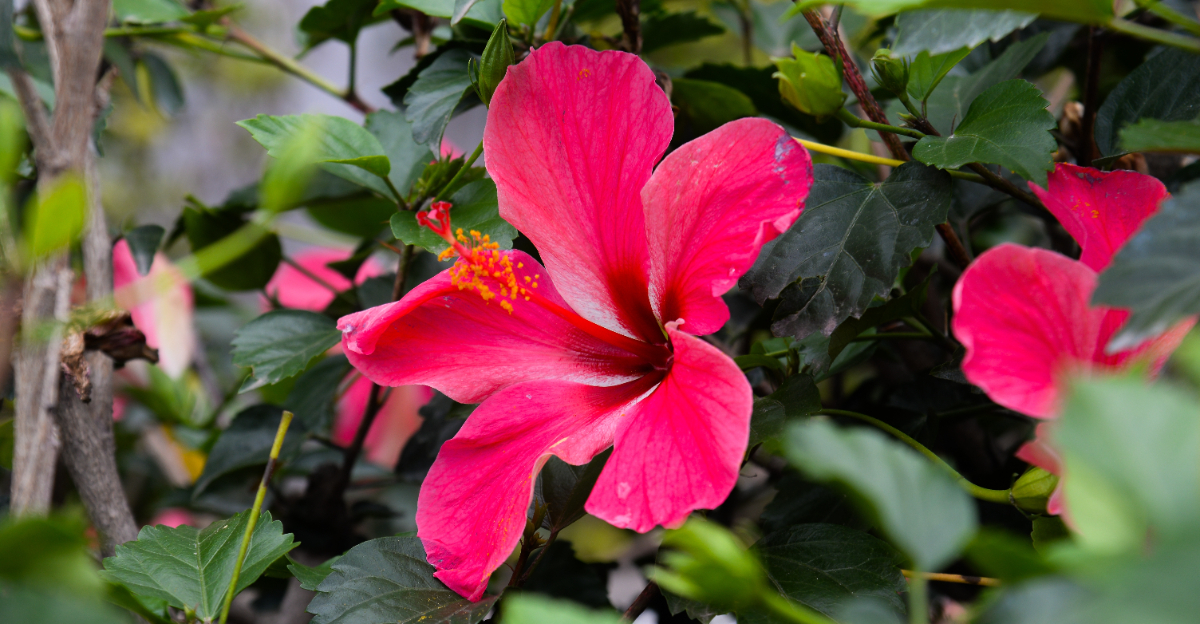
Hibiscus might look like they can handle anything Florida throws at them, but summer has a way of exposing every weak spot.
Those big, tropical blooms come at a cost, and without a little prep, plants can start dropping buds, fading fast, or looking worn out right when they should be stealing the show.
The shift from spring to full-on heat happens quickly, and what you do now sets the tone for how your hibiscus performs in the months ahead. A few simple adjustments can help plants hold onto their flowers, push steady growth, and stay vibrant instead of stressed.
Getting ahead of the heat is the difference between a hibiscus that coasts through summer and one that struggles to keep up once temperatures climb.
1. Check For Pests Before Temperatures Climb
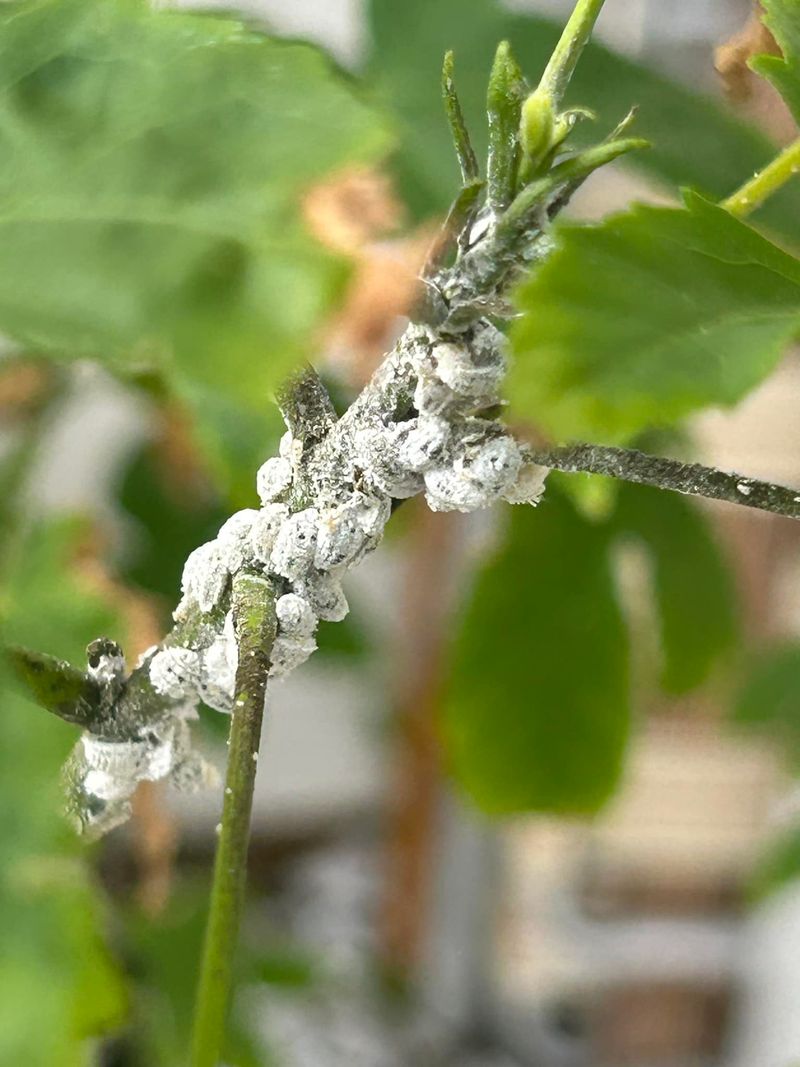
Spotting a few tiny bugs on your hibiscus in spring might not seem like a big deal, but those small populations can explode once Florida’s heat and humidity kick in. Aphids, whiteflies, spider mites, and mealybugs are the most common culprits, and they all thrive in warm, moist conditions.
Catching them early is the single most effective form of pest control you can practice.
Flip over a few leaves and look closely at the undersides. Whiteflies often cluster there, leaving behind a sticky residue called honeydew that can lead to sooty mold.
Spider mites leave fine webbing and cause leaves to look bronzed or speckled. Mealybugs look like tiny cotton tufts tucked into joints where leaves meet stems.
A strong spray of water from your garden hose can knock off many soft-bodied pests immediately. For heavier infestations, horticultural oil or insecticidal soap works well and is safe for beneficial insects when applied correctly.
Always spray in the early morning or evening to avoid leaf scorch. According to University of Florida IFAS Extension, consistent scouting before peak heat prevents populations from reaching damaging levels that are much harder to manage mid-summer.
2. Adjust Your Watering Routine For Rising Heat
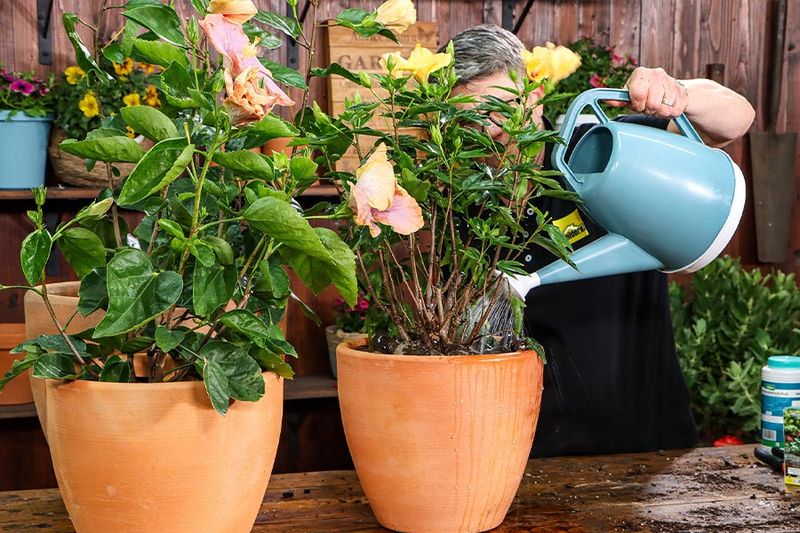
As temperatures push into the 80s and 90s, your hibiscus starts working much harder to stay hydrated. What worked fine in March simply will not cut it by May.
Rising heat increases the rate at which soil dries out, and a plant that goes without consistent moisture will drop buds, wilt, and become more vulnerable to pest damage.
Deep watering two to three times per week is a solid starting point, but always check the top two inches of soil before turning on the hose. If it still feels moist, skip that watering session.
Overwatering is just as damaging as drought stress, especially in Florida’s sandy soils where water moves through quickly but can also pool in low spots.
A drip emitter or soaker hose set to run for about 45 minutes at low pressure delivers moisture directly to the root zone without wetting the foliage, which can invite fungal issues.
Watering in the morning gives roots time to absorb moisture before afternoon heat accelerates evaporation.
Consistent watering also helps hibiscus maintain steady flower production because irregular moisture often triggers bud drop before blooms fully open.
Your Florida Garden Changes Every Week. Your Plan Should Too.
Gardening in Florida changes quickly throughout the season. Every Friday you’ll receive a simple weekly plan showing exactly what to plant, prune, fertilize, harvest, and protect so you never miss the right timing.
3. Feed Hibiscus To Support Strong Summer Blooms
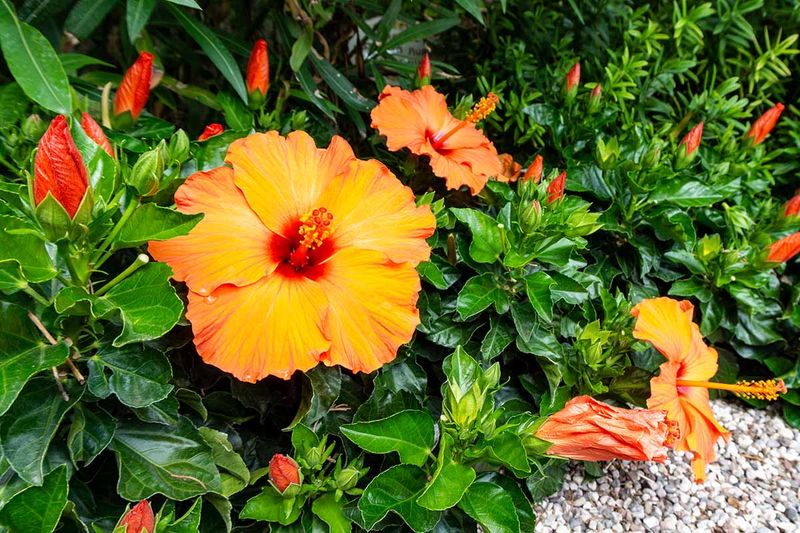
Walk past a well-fed hibiscus in full bloom and you cannot miss it. The flowers are larger, the color is deeper, and new buds keep coming in waves.
Proper fertilization before summer is one of the most impactful things you can do to support that kind of performance through the hottest months of the year.
Hibiscus are heavy feeders that respond best to a balanced fertilizer with a low phosphorus number and a higher potassium content.
Look for blends like 12-4-8 or 17-5-24, which support flowering without overstimulating leafy growth at the expense of blooms.
High-phosphorus fertilizers can actually interfere with the plant’s ability to absorb other nutrients, so read the label carefully before buying.
Apply fertilizer every four to six weeks throughout the growing season, which in Florida runs from spring through early fall.
Slow-release granular fertilizers are convenient and feed steadily over time, while liquid fertilizers give a faster boost if your plant looks like it needs immediate help.
Always water thoroughly after applying granular fertilizer to help it break down and reach the roots. Feeding on a consistent schedule means your hibiscus enters summer with the nutritional reserves it needs to keep producing blooms even under heat stress.
4. Lightly Prune To Shape Without Stressing Growth
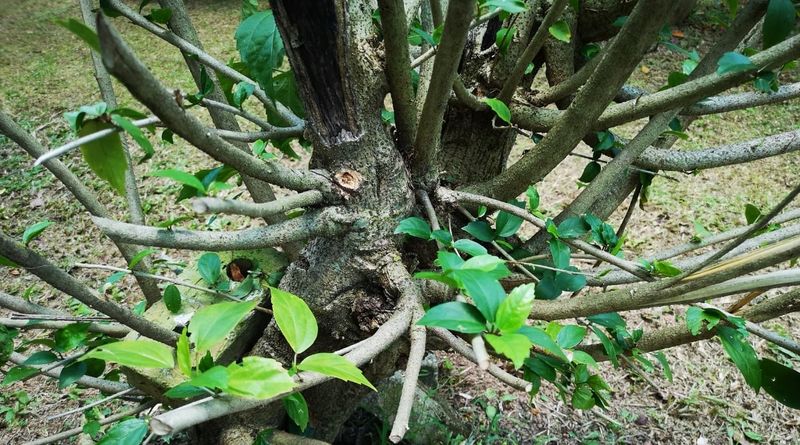
There is a tempting urge to go heavy with the pruning shears in spring, especially after a long winter when your hibiscus might look a bit leggy or overgrown. But timing and restraint matter a lot here.
Heavy pruning right before Florida’s peak summer heat arrives puts unnecessary stress on the plant at exactly the wrong moment.
Light pruning in late winter through early spring, ideally around February or early March, is the sweet spot for Florida gardeners. Aim to cut back no more than one-third of each branch.
Make your cuts at a 45-degree angle about a quarter inch above an outward-facing node, which encourages the plant to grow outward rather than inward and improves airflow through the canopy.
Focus first on removing any withered, crossing, or inward-growing branches. For potted hibiscus that have become leggy, cutting older canes back to six to eight inches above the soil line stimulates fresh basal branching and a fuller shape.
Avoid major pruning once summer heat arrives because the plant needs its full leaf canopy to manage heat and continue photosynthesizing efficiently.
A well-shaped plant going into summer also improves air circulation, which reduces the risk of fungal disease during Florida’s humid rainy season.
5. Refresh Mulch To Keep Roots Cool And Moist
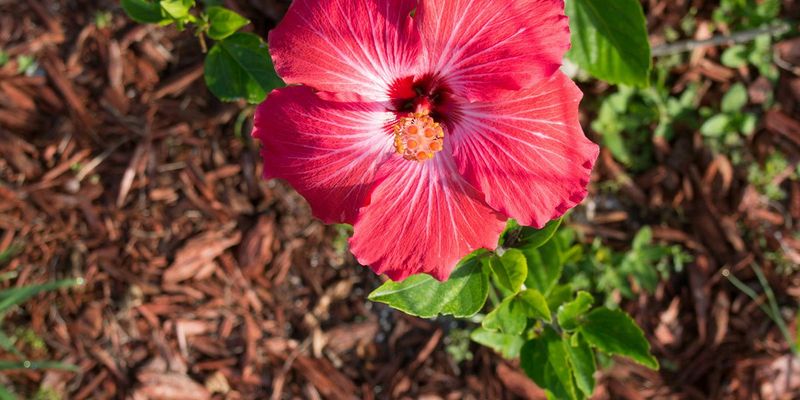
Florida soil heats up fast, and once the ground temperature climbs, hibiscus roots can struggle to absorb water and nutrients efficiently.
A fresh layer of mulch is one of the simplest and most effective ways to protect your plant before summer arrives, and it is something many gardeners overlook until damage is already done.
Apply two to three inches of organic mulch, such as wood chips, shredded bark, or pine needles, around the base of the plant. Keep the mulch a few inches away from the main stem to prevent moisture from sitting against the bark, which can cause rot.
Spread it out to at least the drip line, which is the outer edge of the plant’s canopy, to cover the majority of the root zone.
Mulch does several important jobs at once. It slows evaporation so the soil stays moist longer between watering sessions, it regulates soil temperature by insulating roots from extreme surface heat, and it suppresses weeds that compete for nutrients and water.
As organic mulch breaks down over time, it also improves soil structure. University of Florida IFAS Extension recommends refreshing mulch annually, and doing it before the rainy season begins ensures your plants are protected right when they need it most.
6. Move Potted Hibiscus Out Of Harsh Afternoon Sun
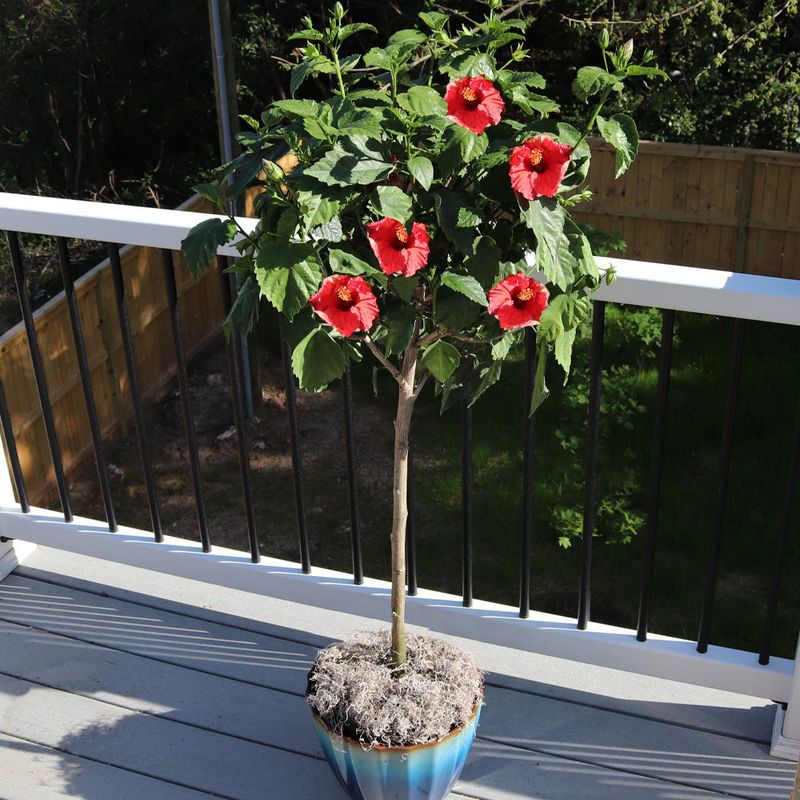
Container-grown hibiscus is one of the best things about Florida gardening because you can move the plant around to suit the season. But that mobility is also a responsibility.
What was a perfect sunny spot on your patio in March can turn into a scorching, leaf-burning trap by June when afternoon sun angles intensify and temperatures regularly exceed 90 degrees.
Tropical hibiscus loves full sun and needs at least six to eight hours of direct light daily to bloom well. The key is managing when that sun exposure happens.
Morning sun is gentler and more beneficial than afternoon sun, which carries the most intense heat and UV exposure of the day.
Moving containers to a spot that receives morning light but is shaded or filtered from about 2 p.m. onward can prevent leaf scorch without sacrificing bloom production.
Signs that your potted hibiscus is getting too much harsh afternoon sun include yellowing or browning leaf edges, wilting even after watering, and reduced flower size.
Dark-colored containers also absorb more heat and can cook roots, so consider switching to light-colored pots or placing a second pot around the original for insulation.
Checking your plant’s position as the season shifts is a small habit that pays off in noticeably healthier growth and more consistent flowering throughout summer.
7. Watch For Nutrient Deficiencies Early
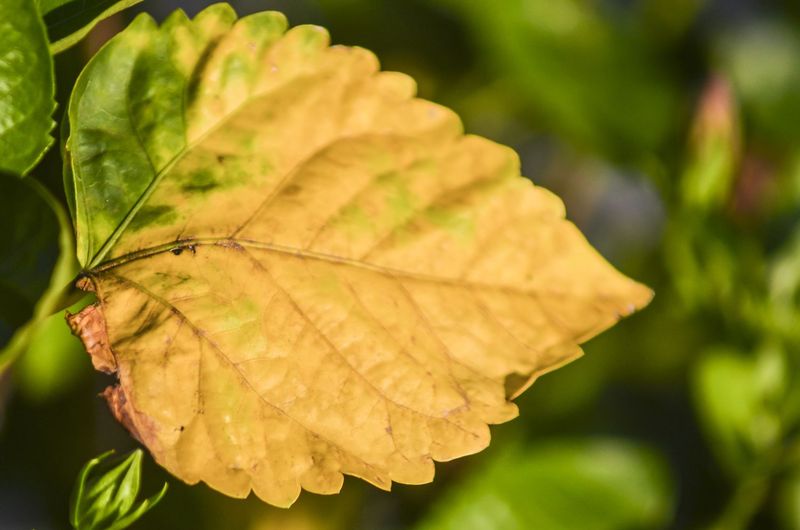
Yellow leaves on a hibiscus are easy to dismiss as normal leaf drop, but they often signal something fixable happening below the surface.
Catching nutrient deficiencies before summer heat sets in is critical because heat stress amplifies existing problems and makes recovery much slower.
A plant that enters summer already struggling is far less likely to bloom consistently.
Iron deficiency is one of the most common issues in Florida, where alkaline or overly wet soil can lock iron away from plant roots. It shows up as yellowing between the leaf veins while the veins themselves stay green, a pattern called interveinal chlorosis.
Magnesium deficiency looks similar but tends to appear on older leaves first. Nitrogen deficiency causes overall pale, yellowing foliage and slow growth across the whole plant.
Correcting these issues before peak heat gives the plant time to recover and build strength. Chelated iron supplements work well for iron deficiency in Florida’s sandy soils because the chelated form stays available even in less-than-ideal pH conditions.
A soil test from your local University of Florida IFAS Extension office can identify exactly what is missing and prevent guesswork.
Addressing deficiencies now, combined with a solid fertilization schedule, means your hibiscus goes into summer with the nutritional foundation it needs to thrive.
8. Inspect Soil Drainage Before Heavy Rains Arrive
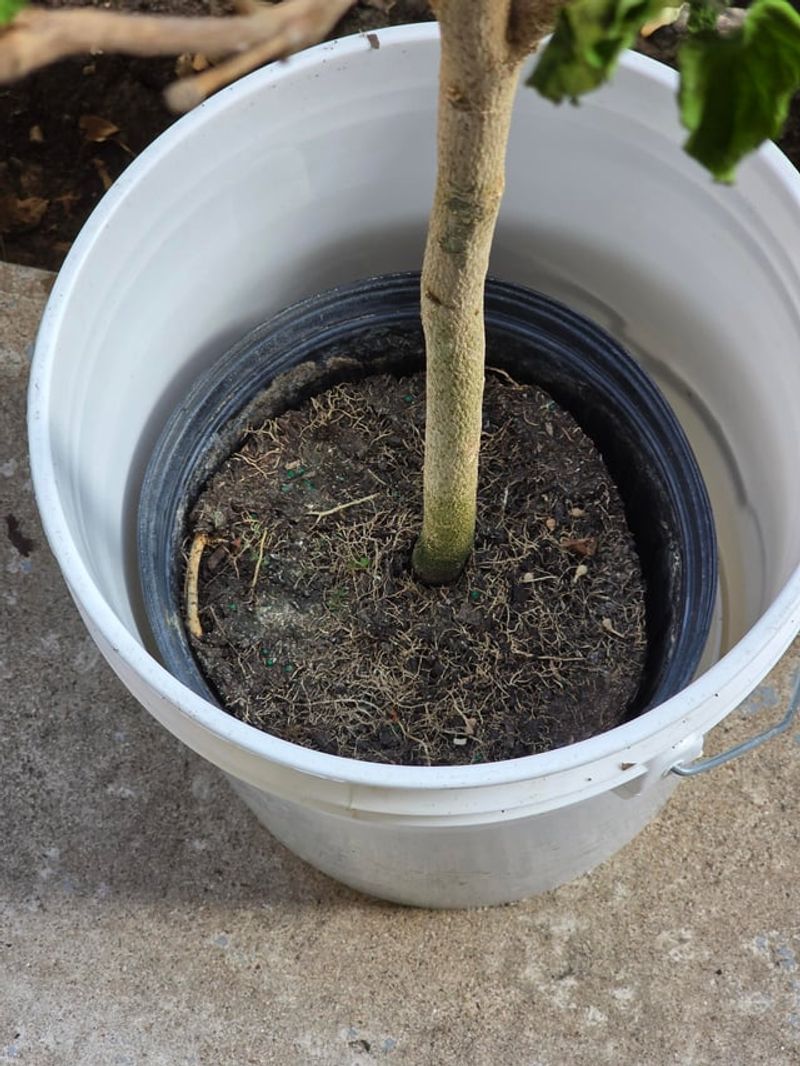
Florida’s rainy season typically kicks off in June and brings daily afternoon downpours that can dump several inches of rain in a matter of hours.
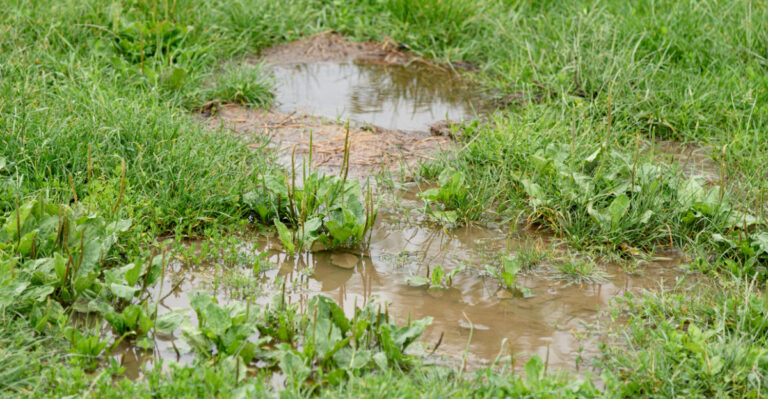
If your hibiscus is planted in a spot with poor drainage, those heavy rains will quickly saturate the root zone and create conditions ripe for root rot.
Checking drainage now, while the soil is still manageable, can save you from losing a mature plant later.
A simple drainage test involves digging a hole about twelve inches deep near your hibiscus and filling it with water. If the water drains within an hour, you are in good shape.
If it is still sitting there after two hours, drainage is a problem that needs to be addressed before the rains arrive. Sandy loam is the ideal soil texture for hibiscus, offering both good drainage and enough water retention to keep roots consistently moist.
For garden beds with compacted or clay-heavy soil, working in organic compost or coarse sand can improve drainage significantly. Raised beds are another practical option for Florida yards that flood easily.
For container plants, make sure drainage holes are clear and not blocked by roots or debris. Well-draining soil paired with consistent watering gives hibiscus the stable root environment it needs to handle Florida’s dramatic summer weather without skipping a bloom.